






























Arctic Dangers: How Safe Is An Expedition Cruise For Travelers?

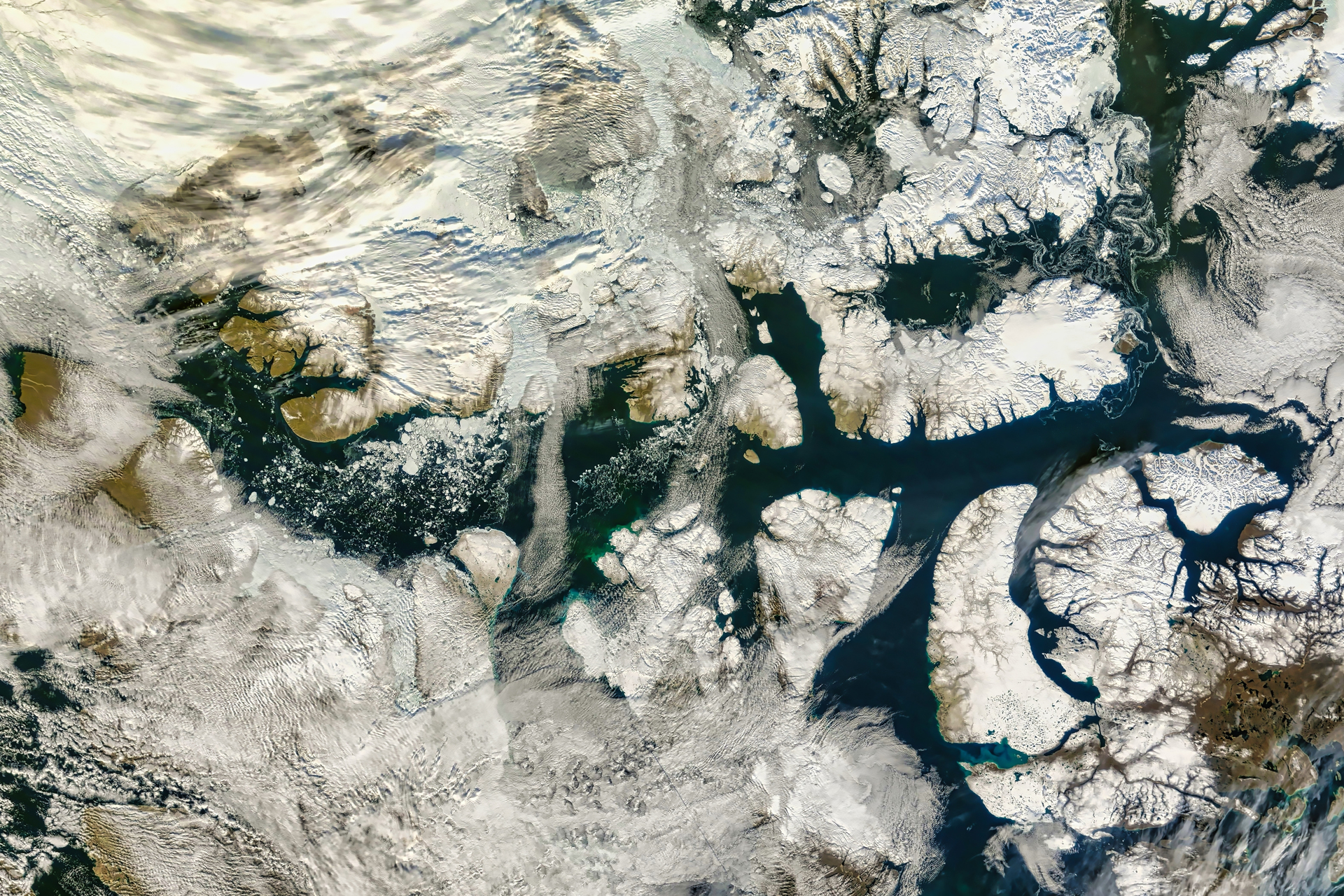
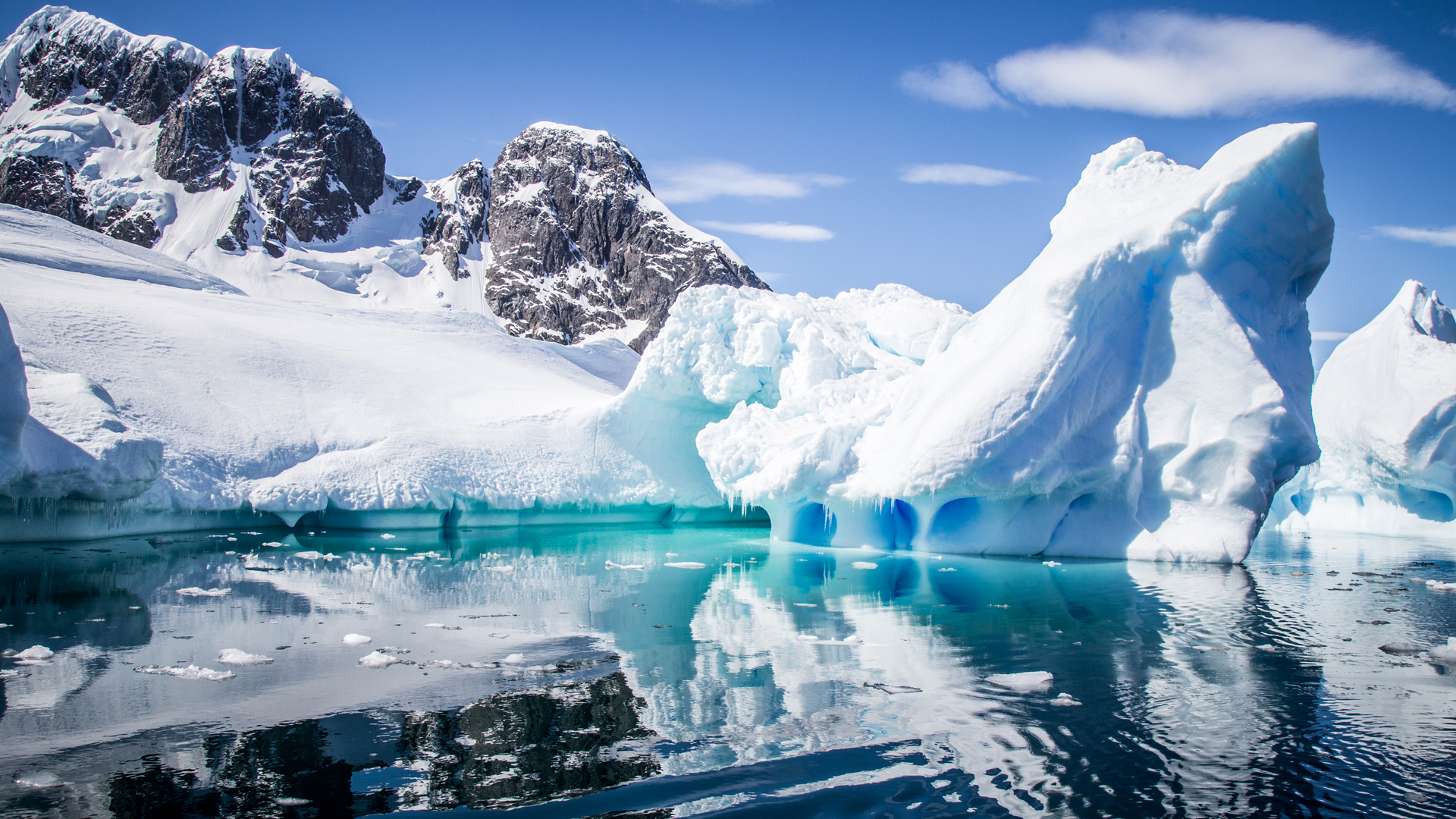
There’s no question that the Arctic can be a forbidding, even outright dangerous realm: one of subzero cold, fierce winds, precarious and constantly shifting sea ice, some imposing megafauna, and a lengthy winter season defined by roughly around-the-clock darkness. While Native peoples such as the Inuit, Yupik, Nenets, and Sámi have long called these high-latitude lands and waters home, the Arctic posed severe—and sometimes deadly—challenges to early Western explorers, mariners, hunters, trappers, whalers, and merchants.

But what about modern-day cruisegoers joining an expedition—what are the types and magnitudes of Arctic dangers they face? The reassuring news is that an expedition cruise to the Arctic, even all the way to the North Pole, is very safe—and, in fact, very comfortable, a far cry from the arduous hardships endured by such adventurers as Robert E. Peary or Roald Amundsen.
Let’s break down the relative risks entailed by an Arctic cruise and the safety measures that greatly reduce them!
Ship & Equipment Safety on an Arctic Cruise
Rigorous modern safety standards and significant technological advancements ensure that the vessels and equipment employed by today’s reputable cruise operators reduce to a huge degree the danger posed by the Arctic environment.
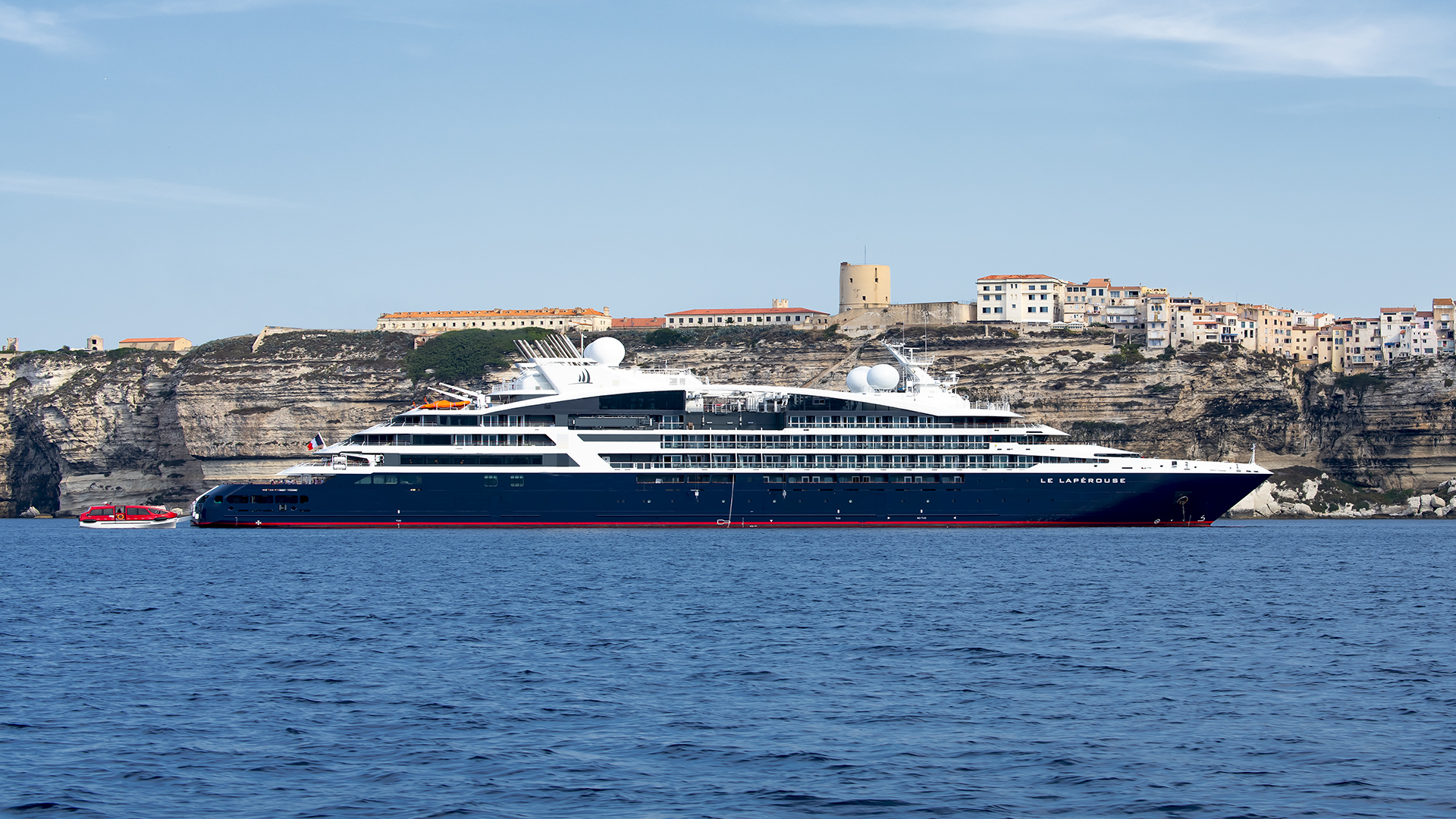
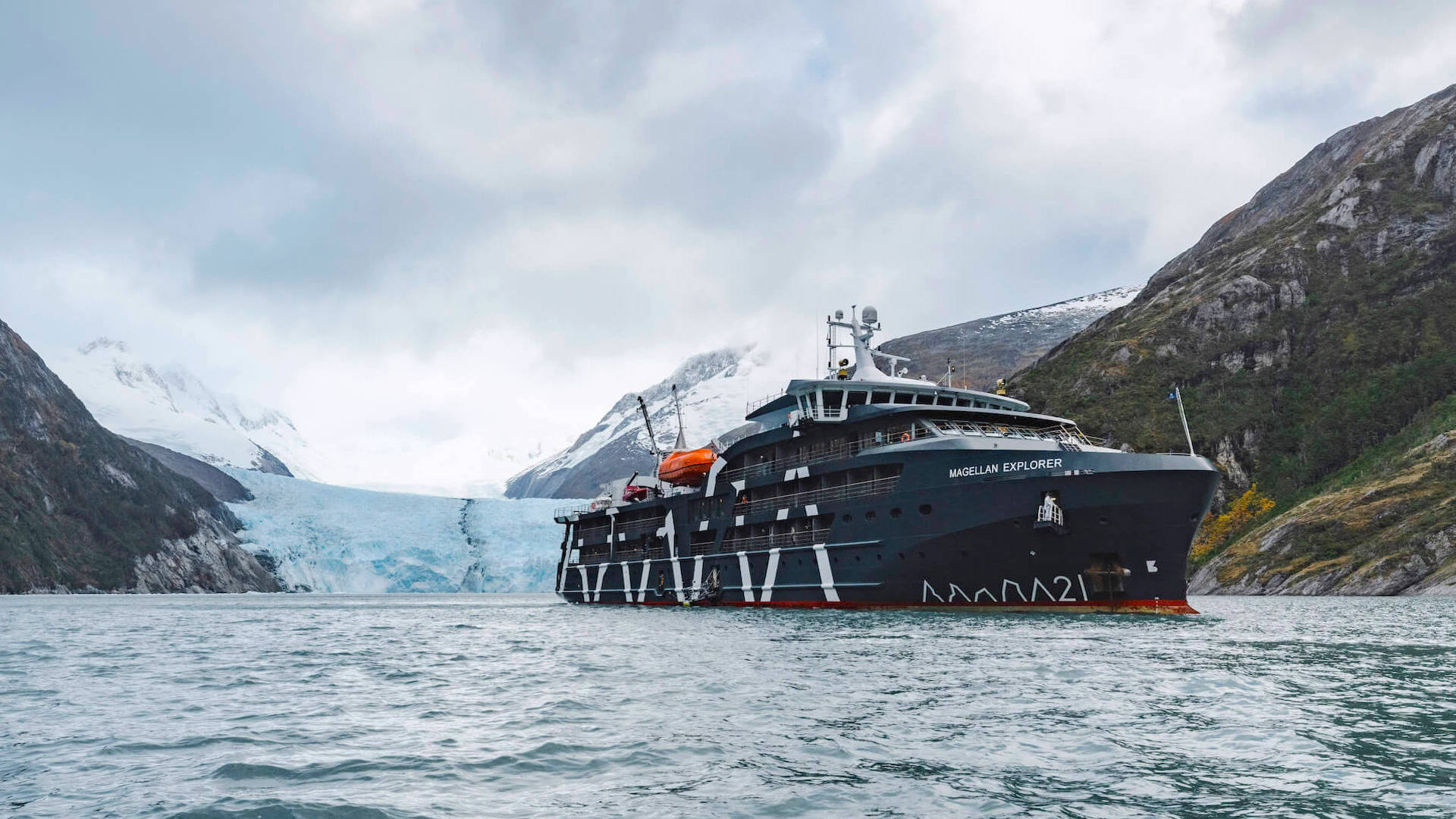
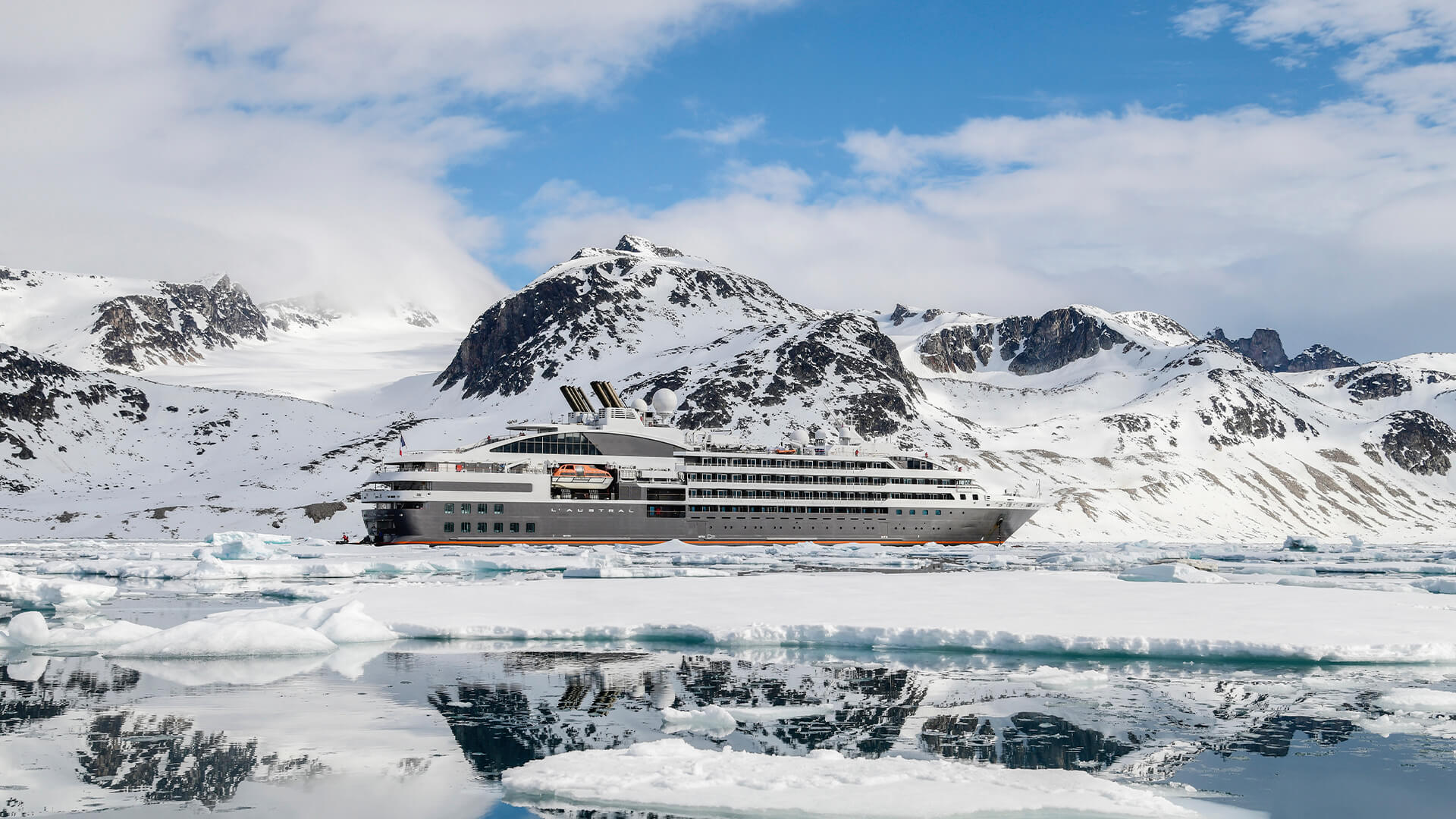
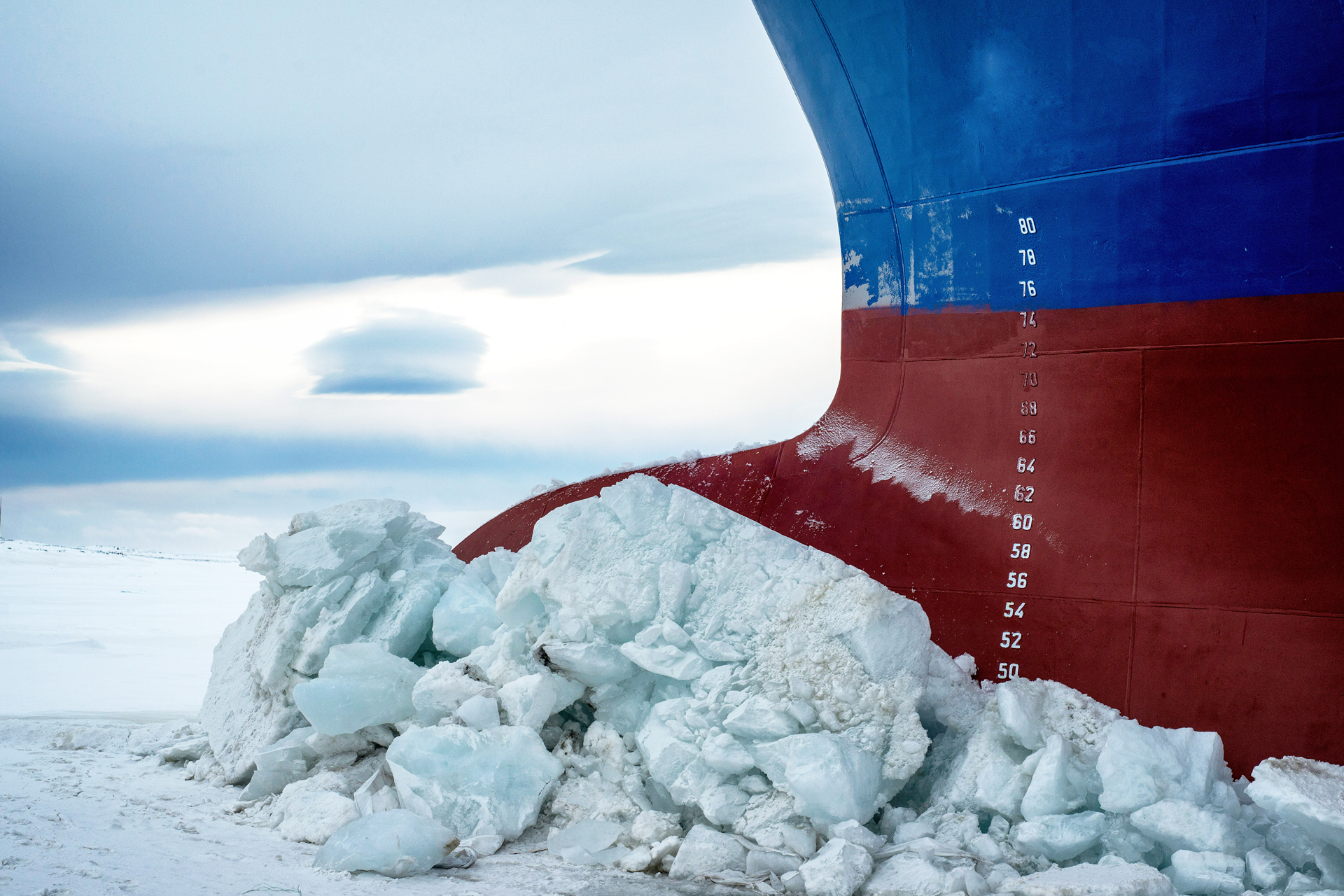
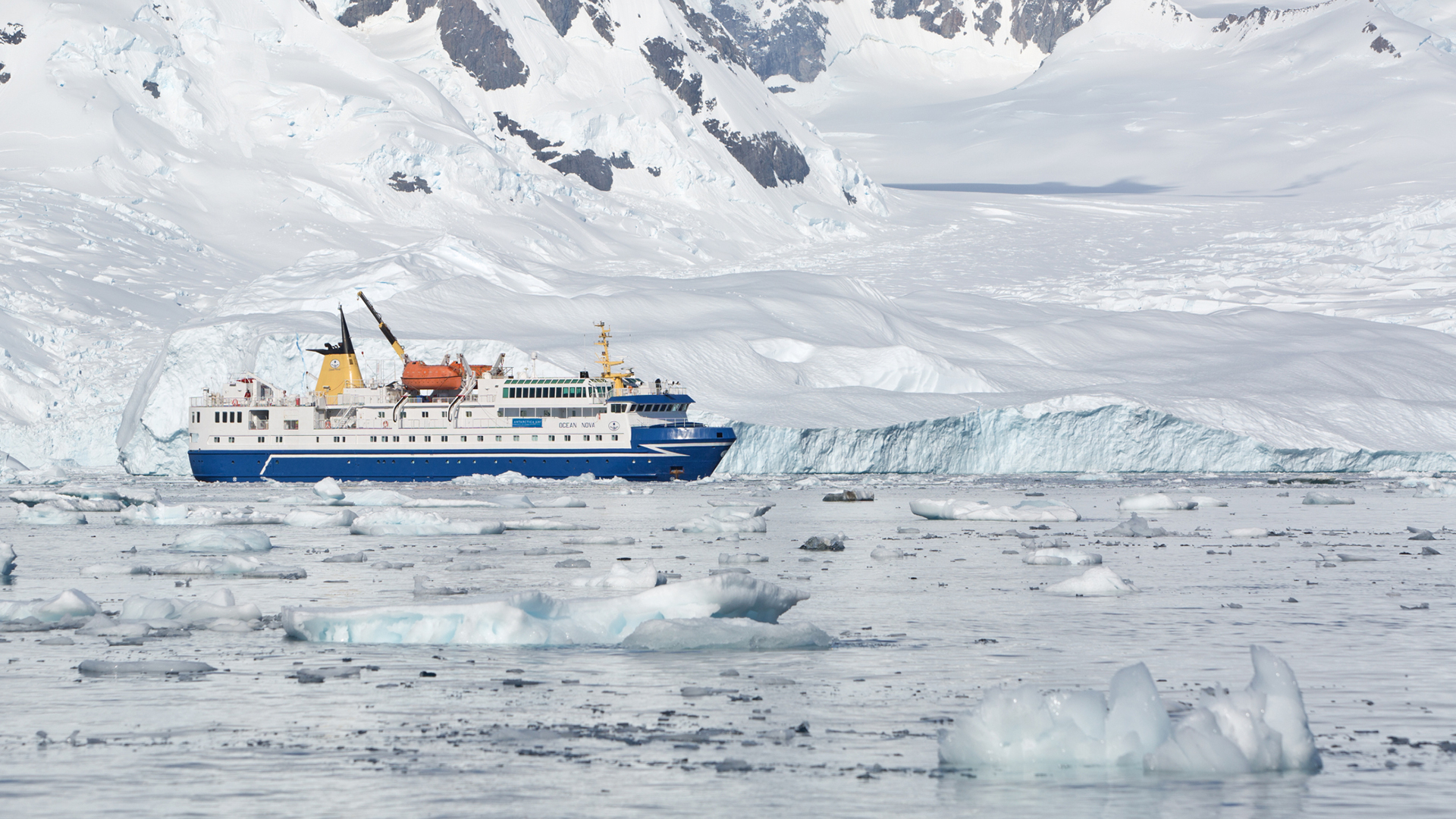
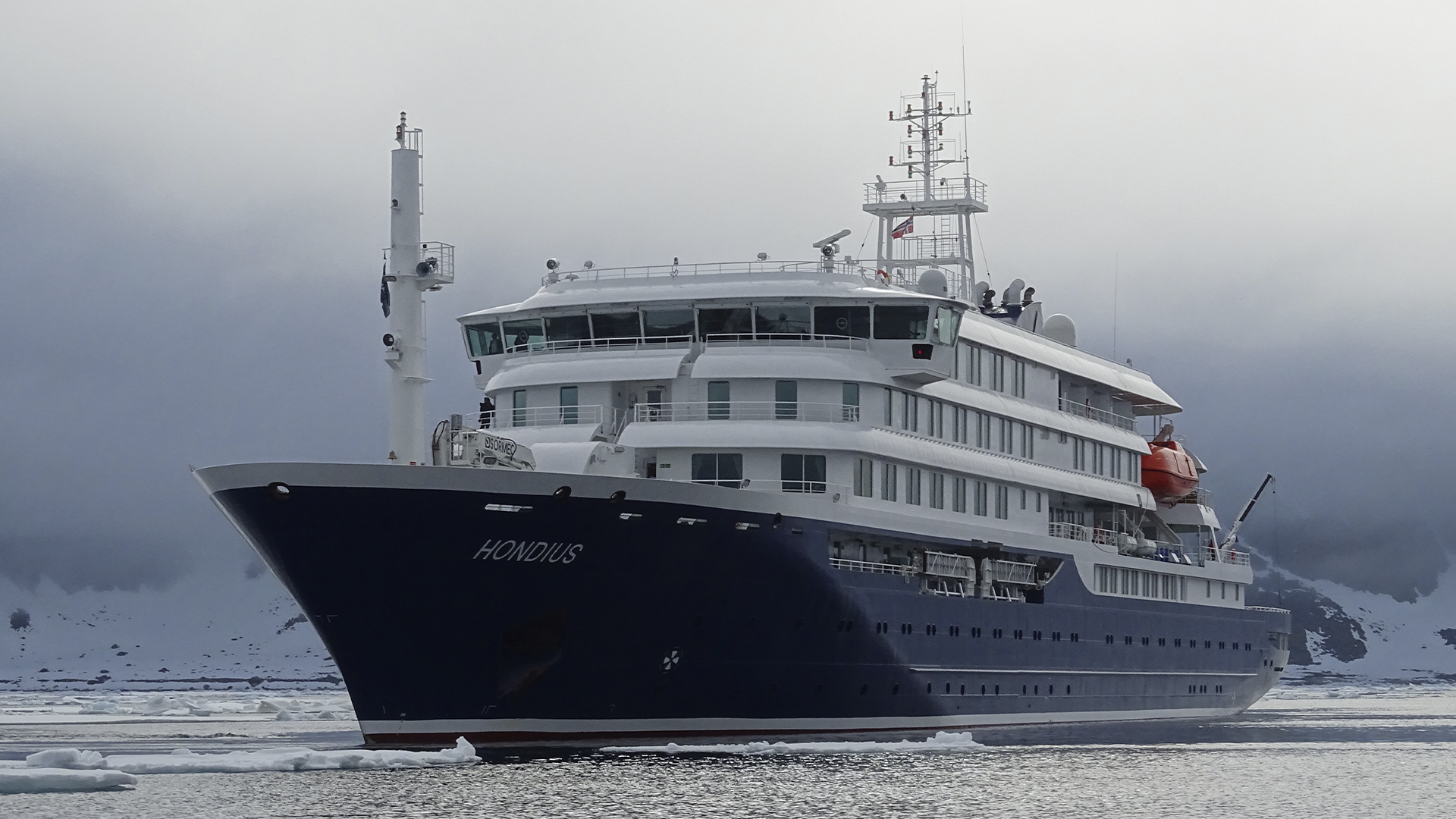
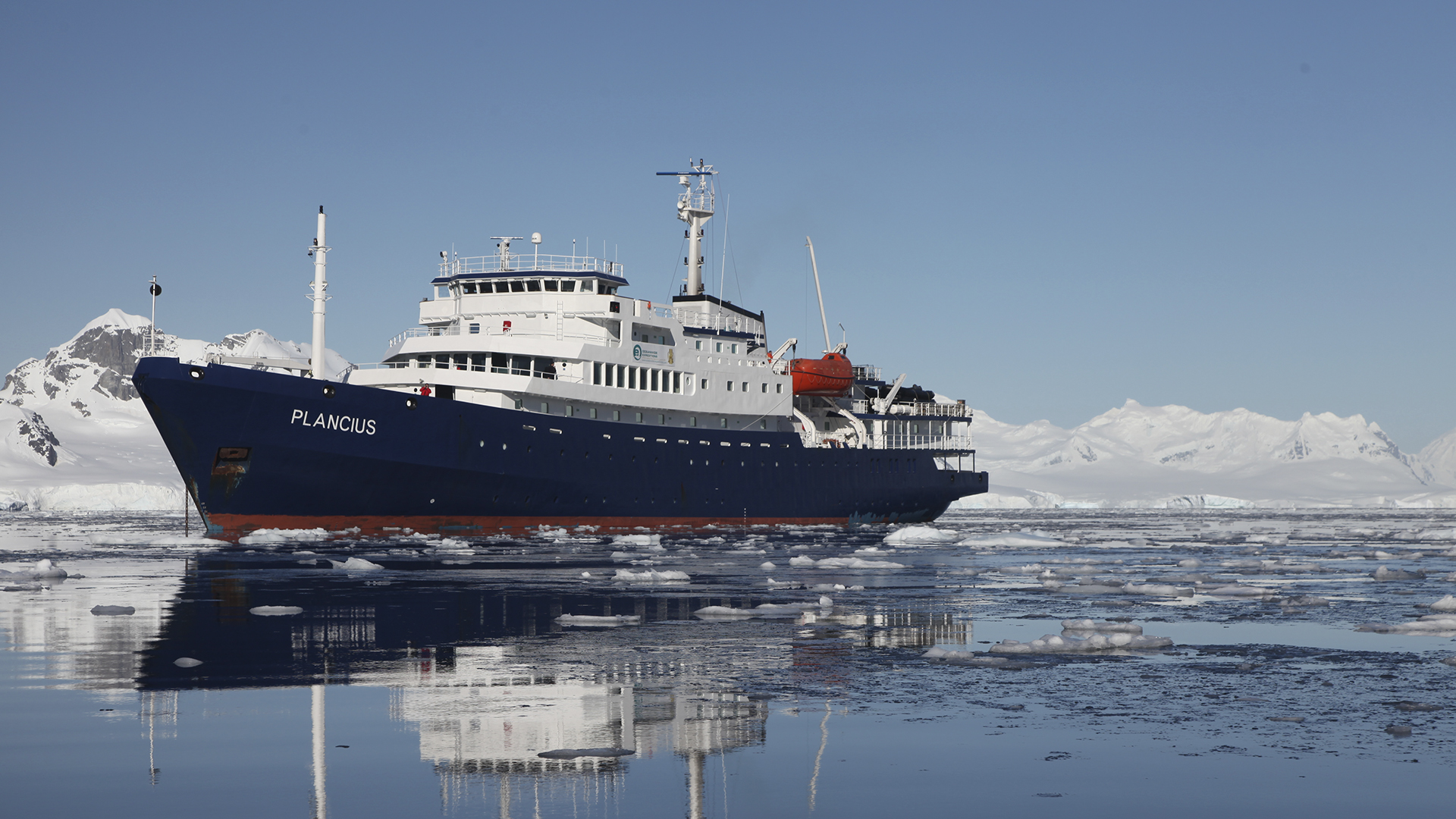
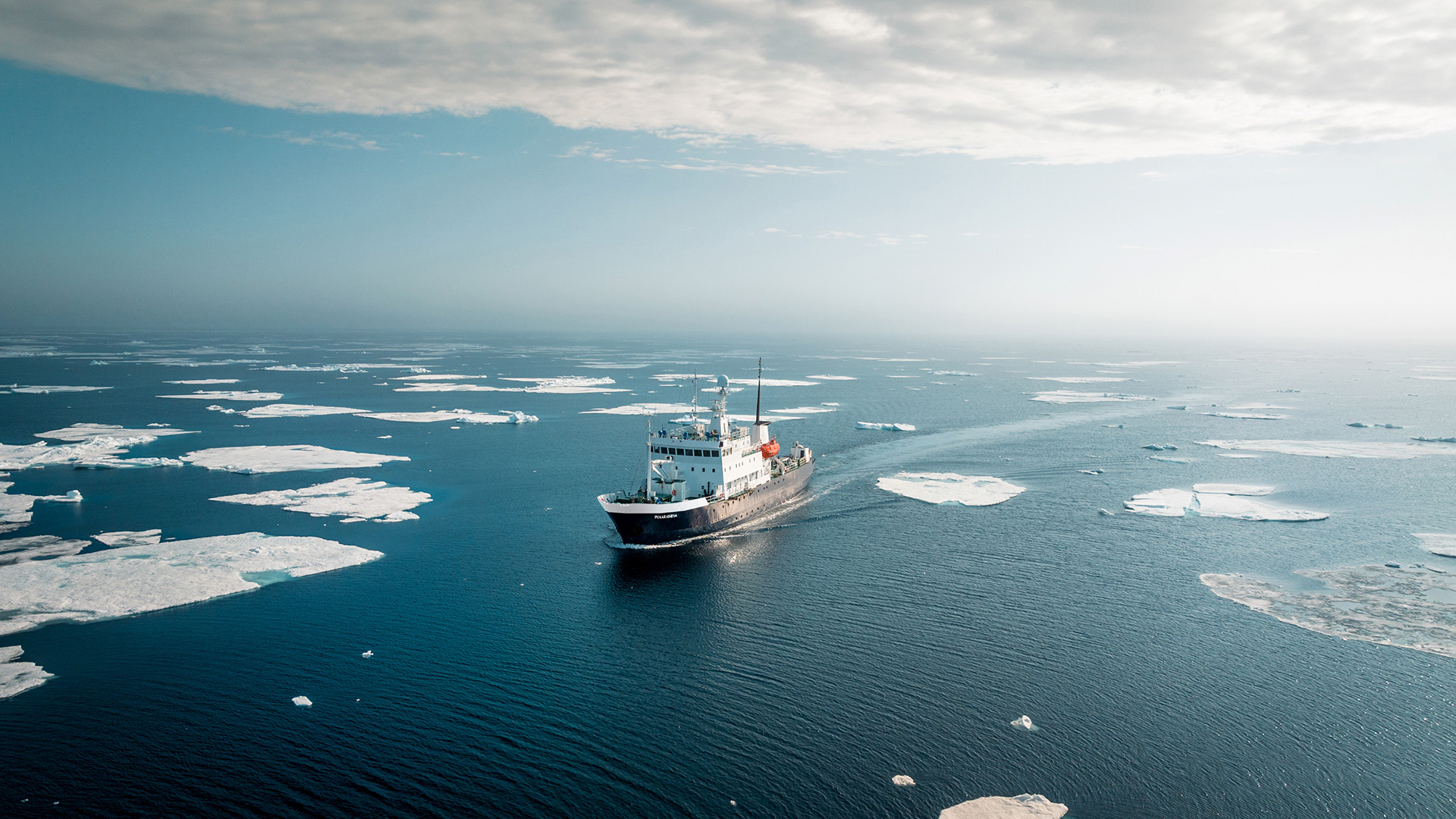
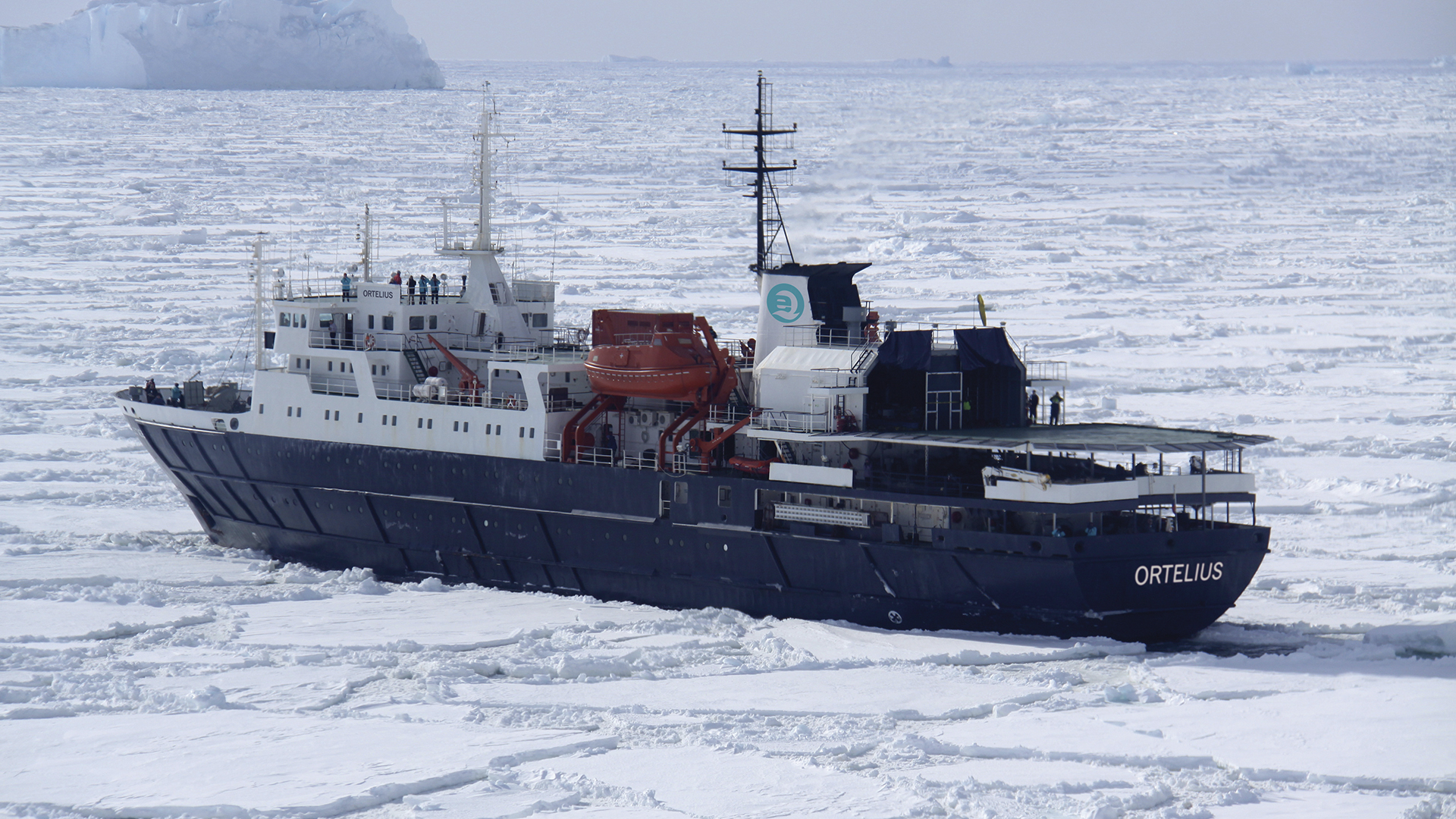
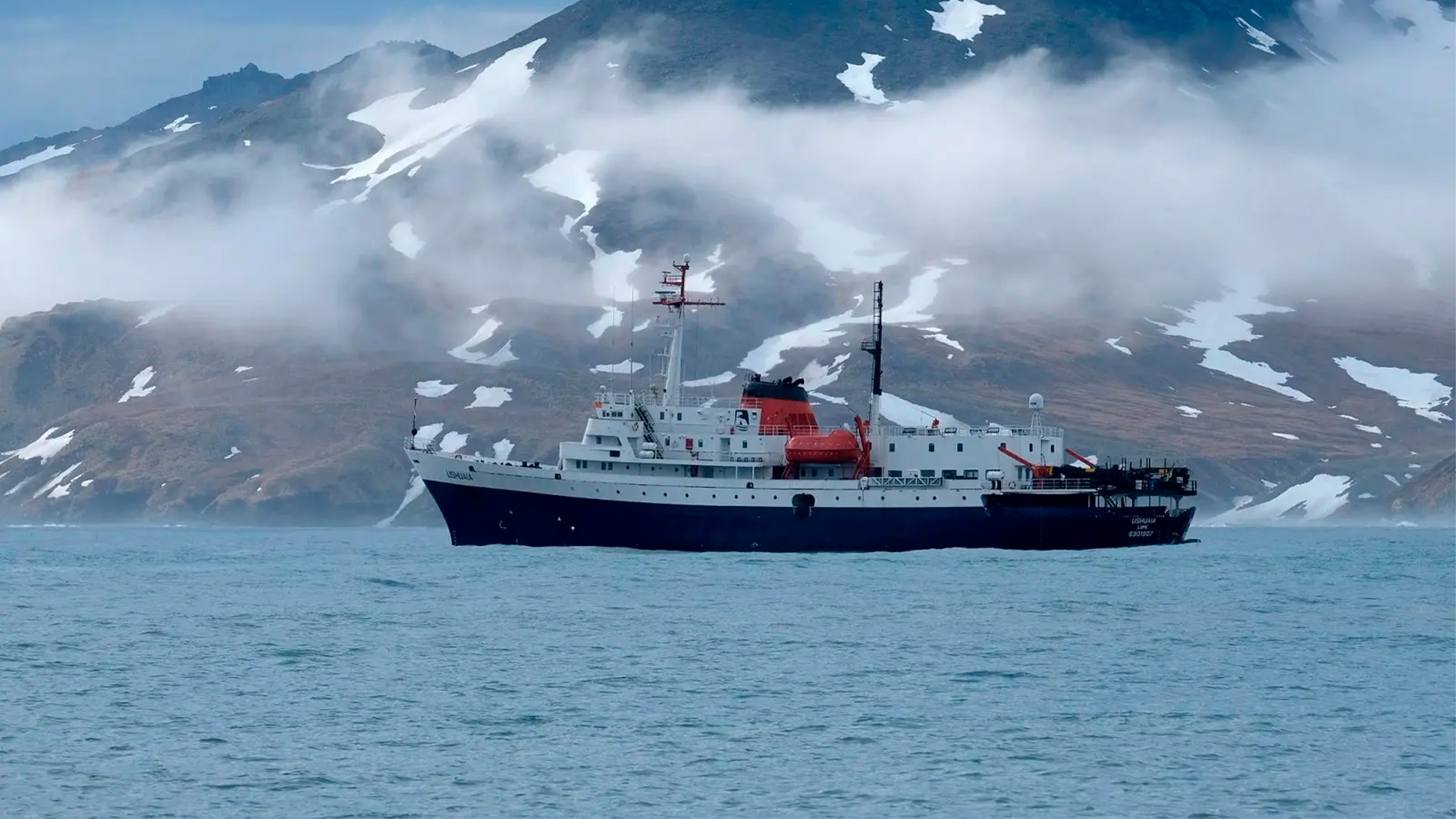
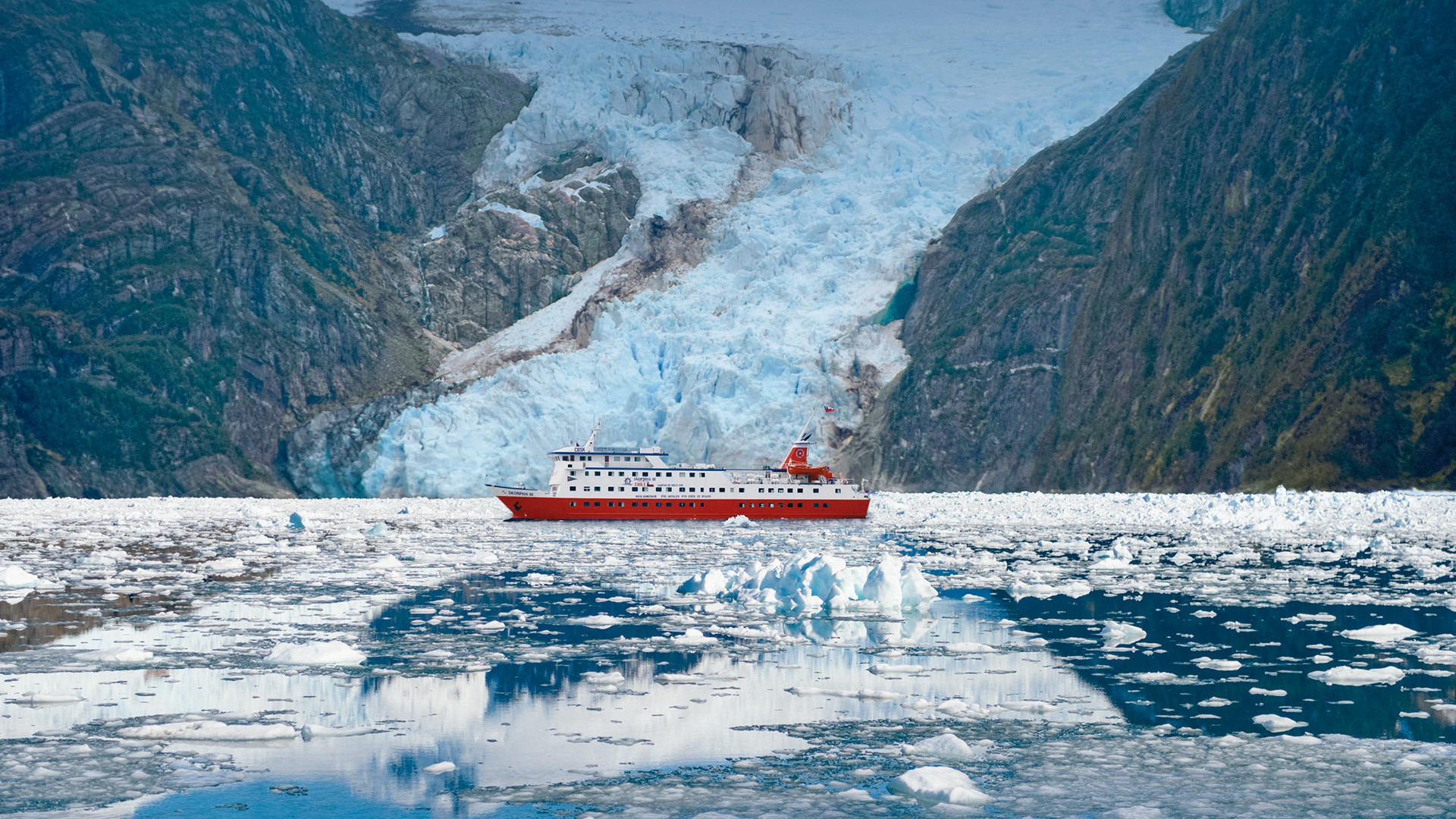
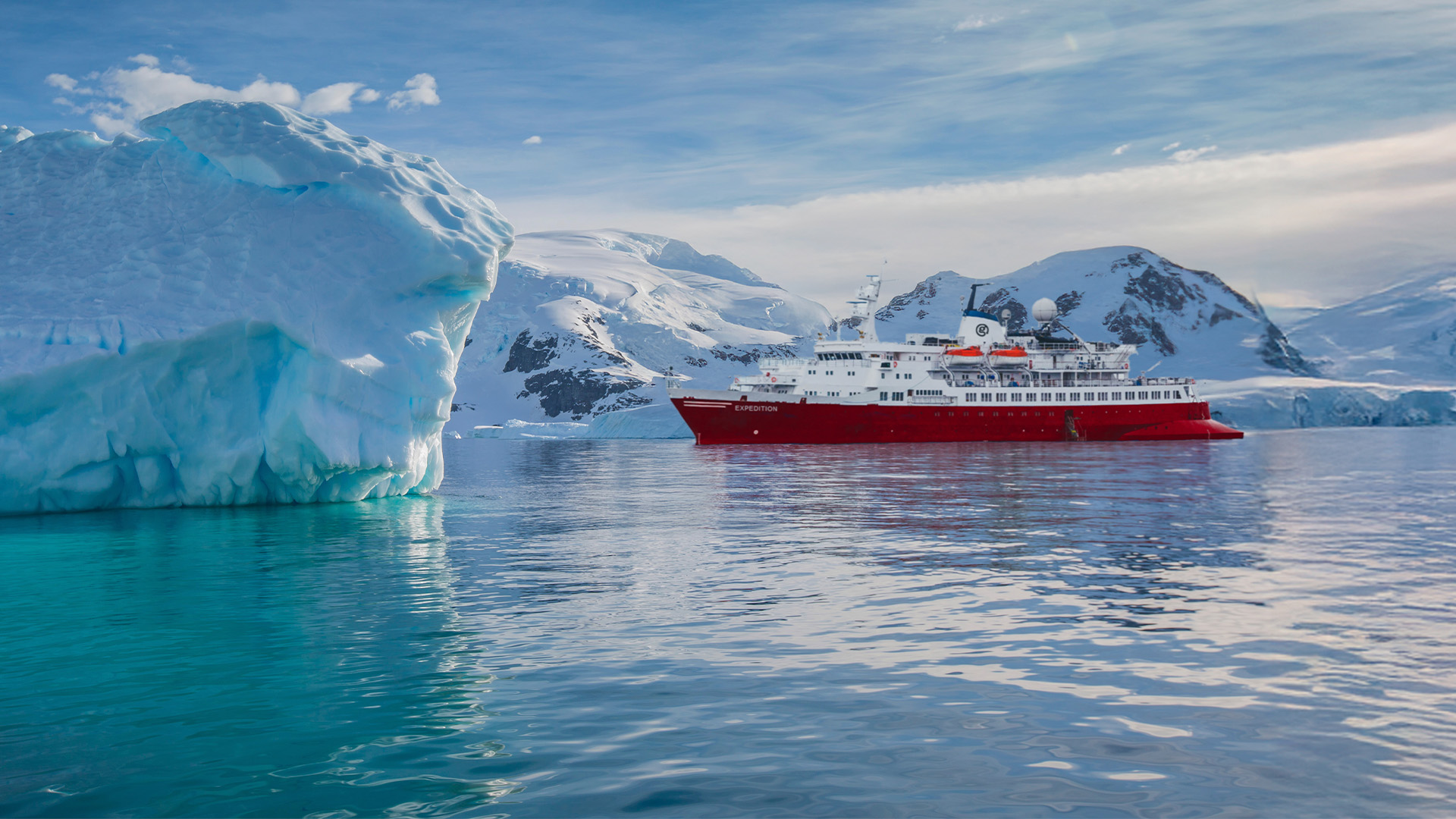
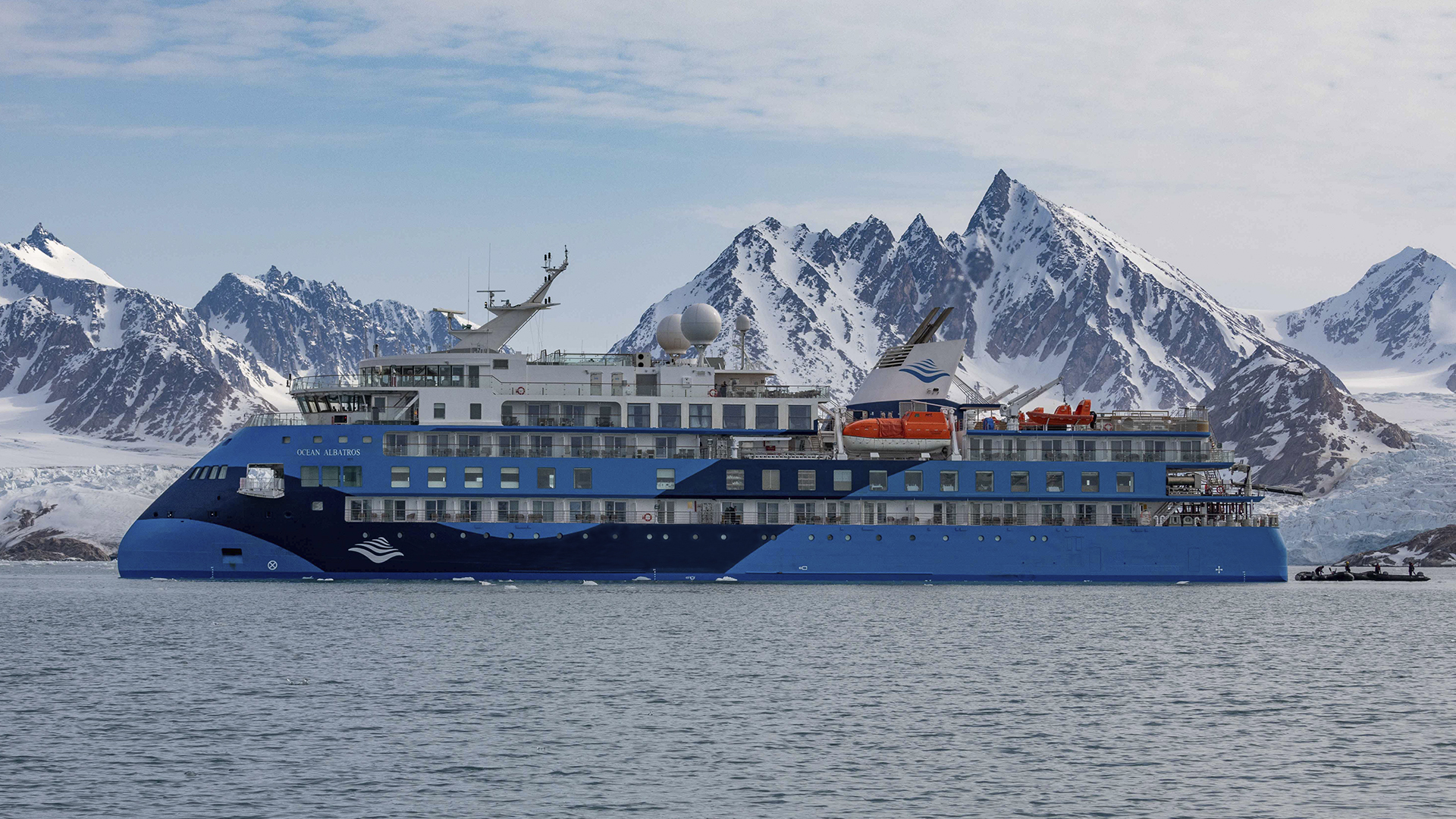
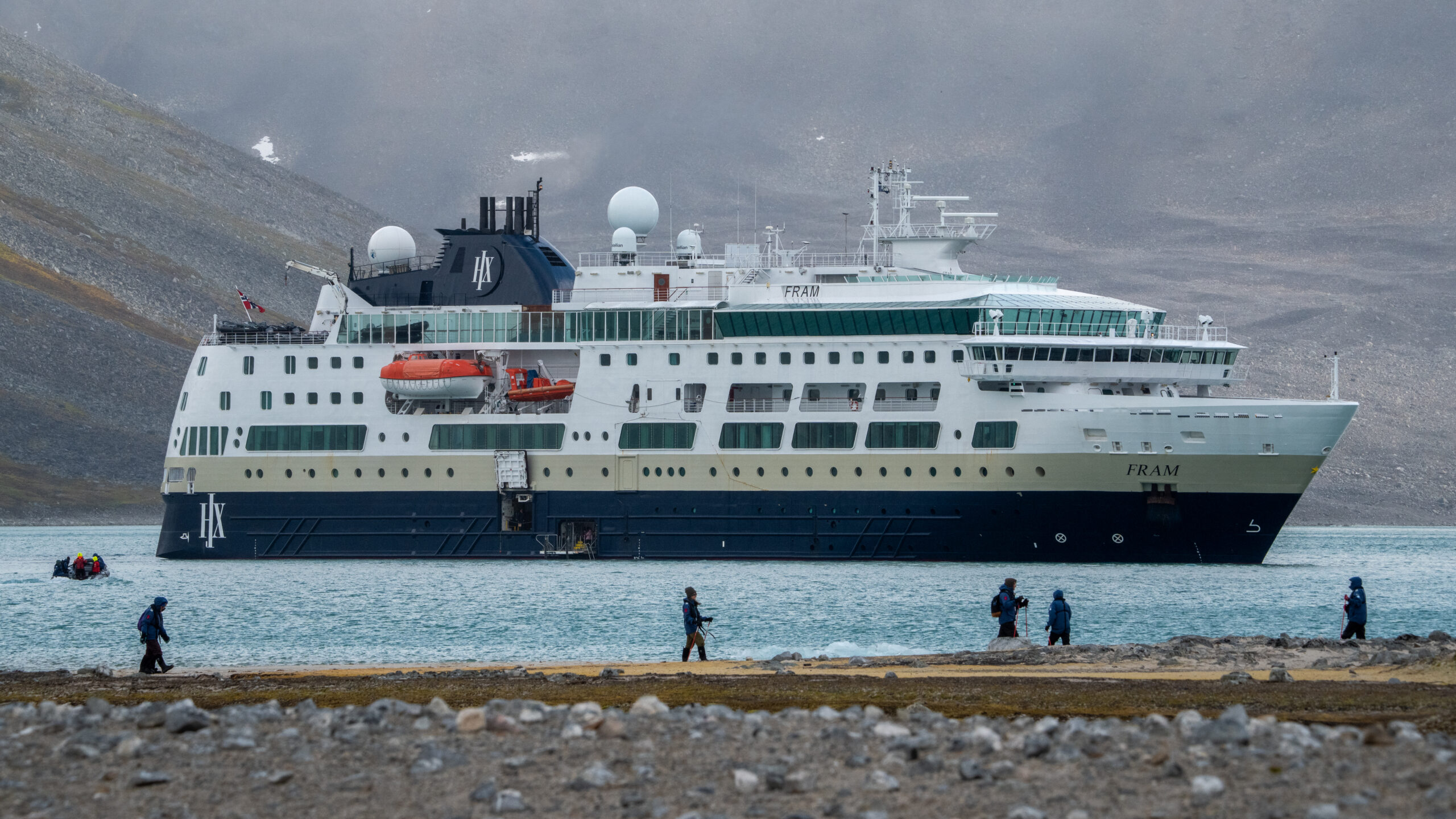
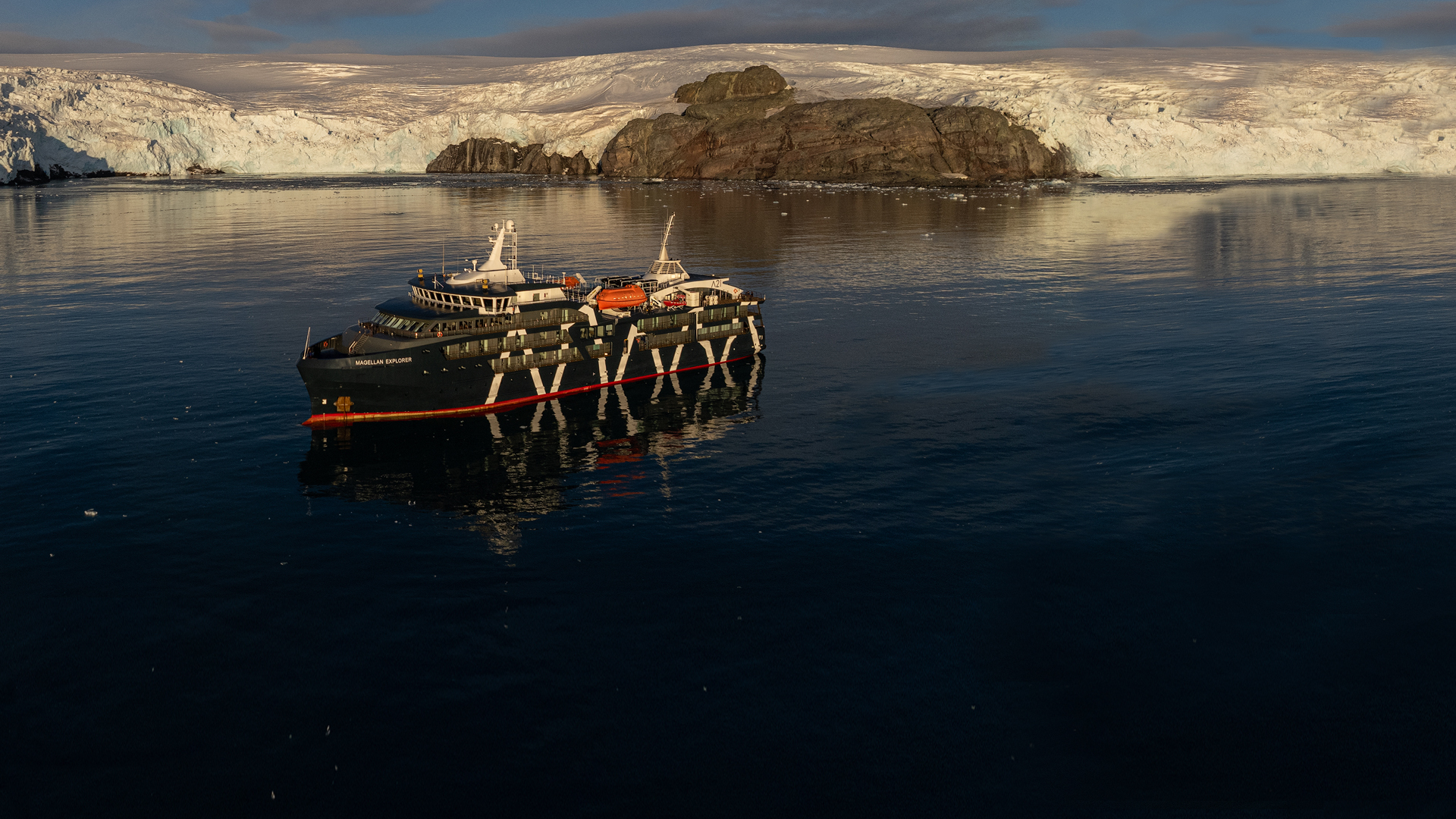
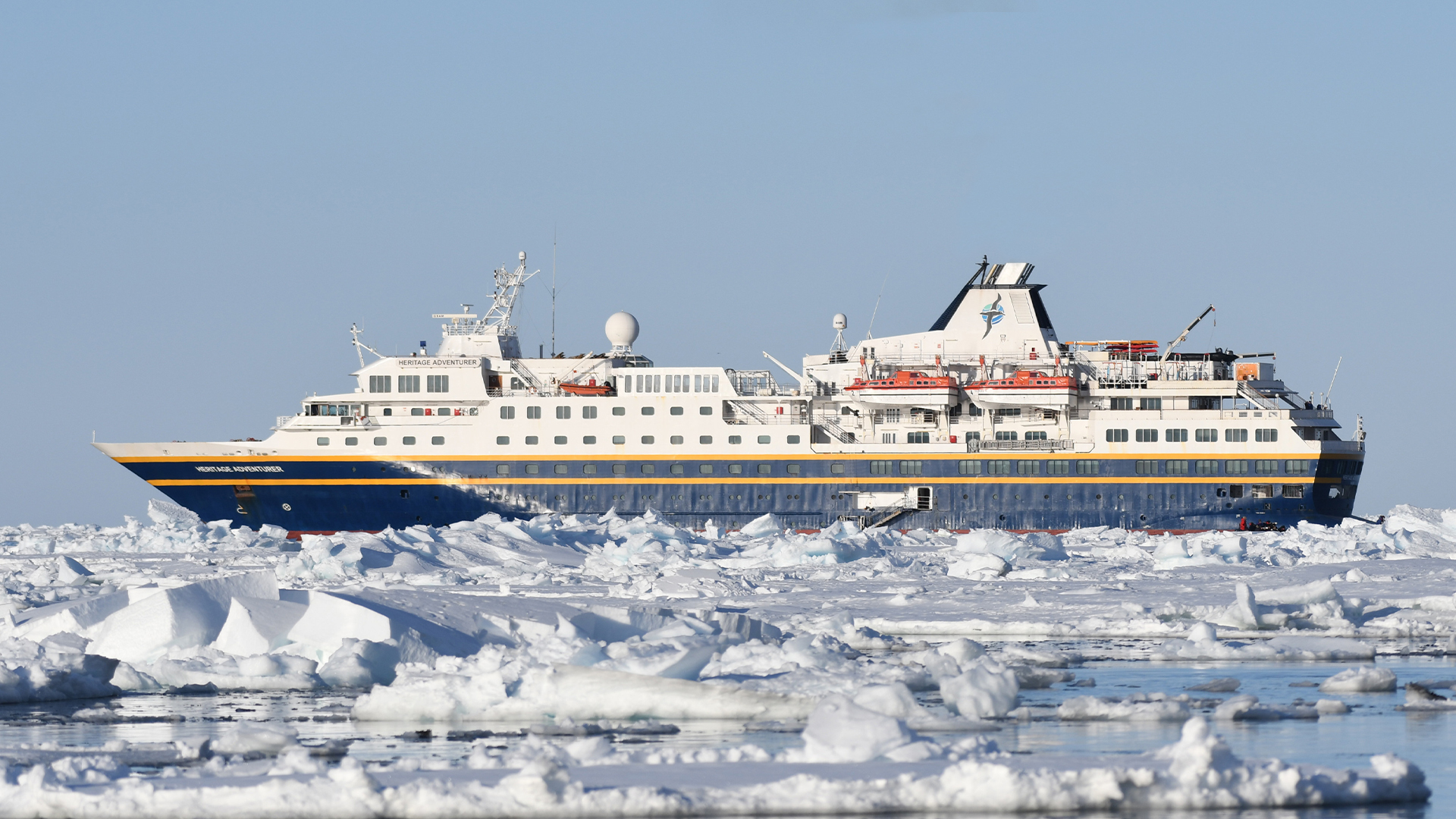
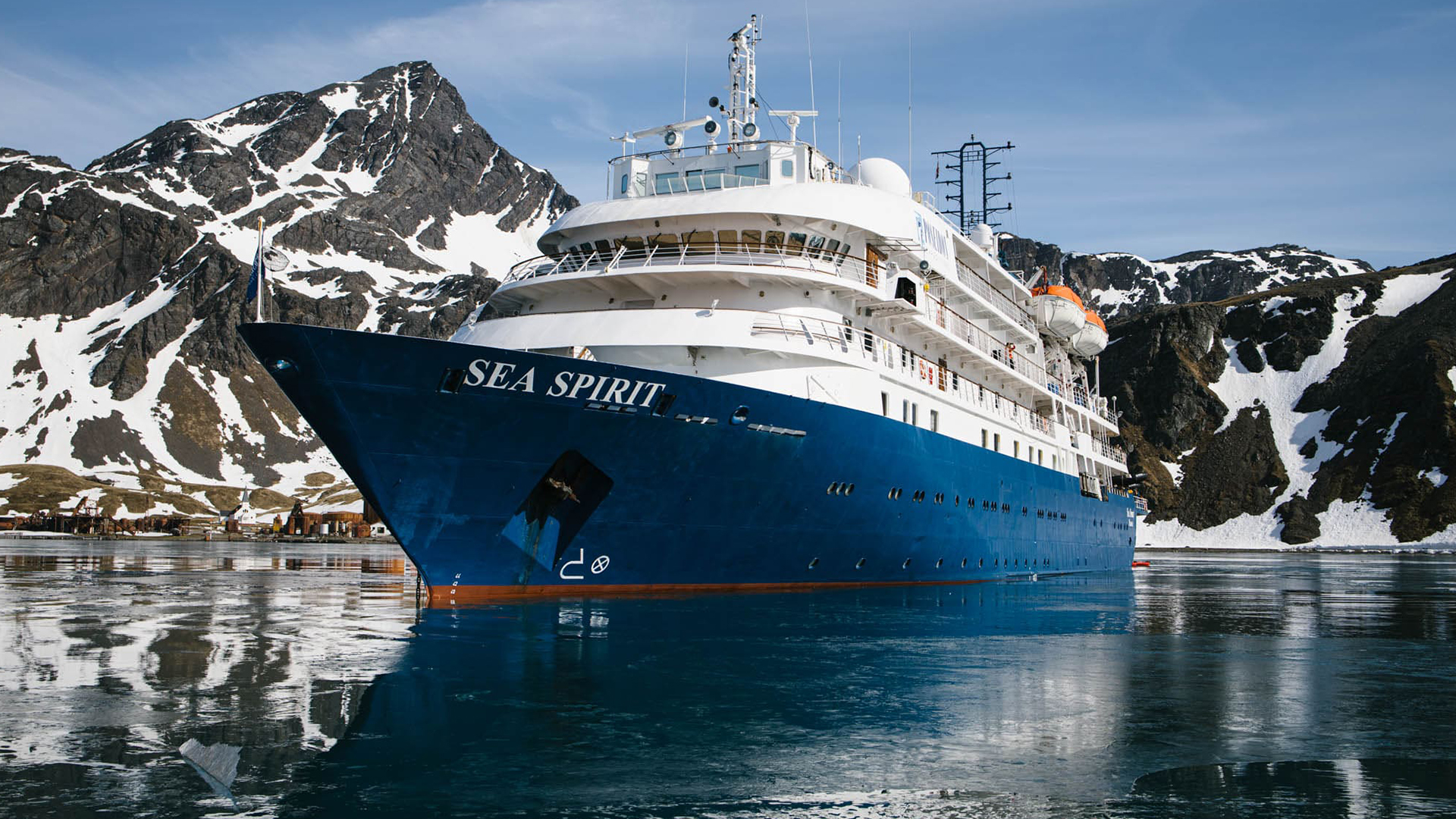
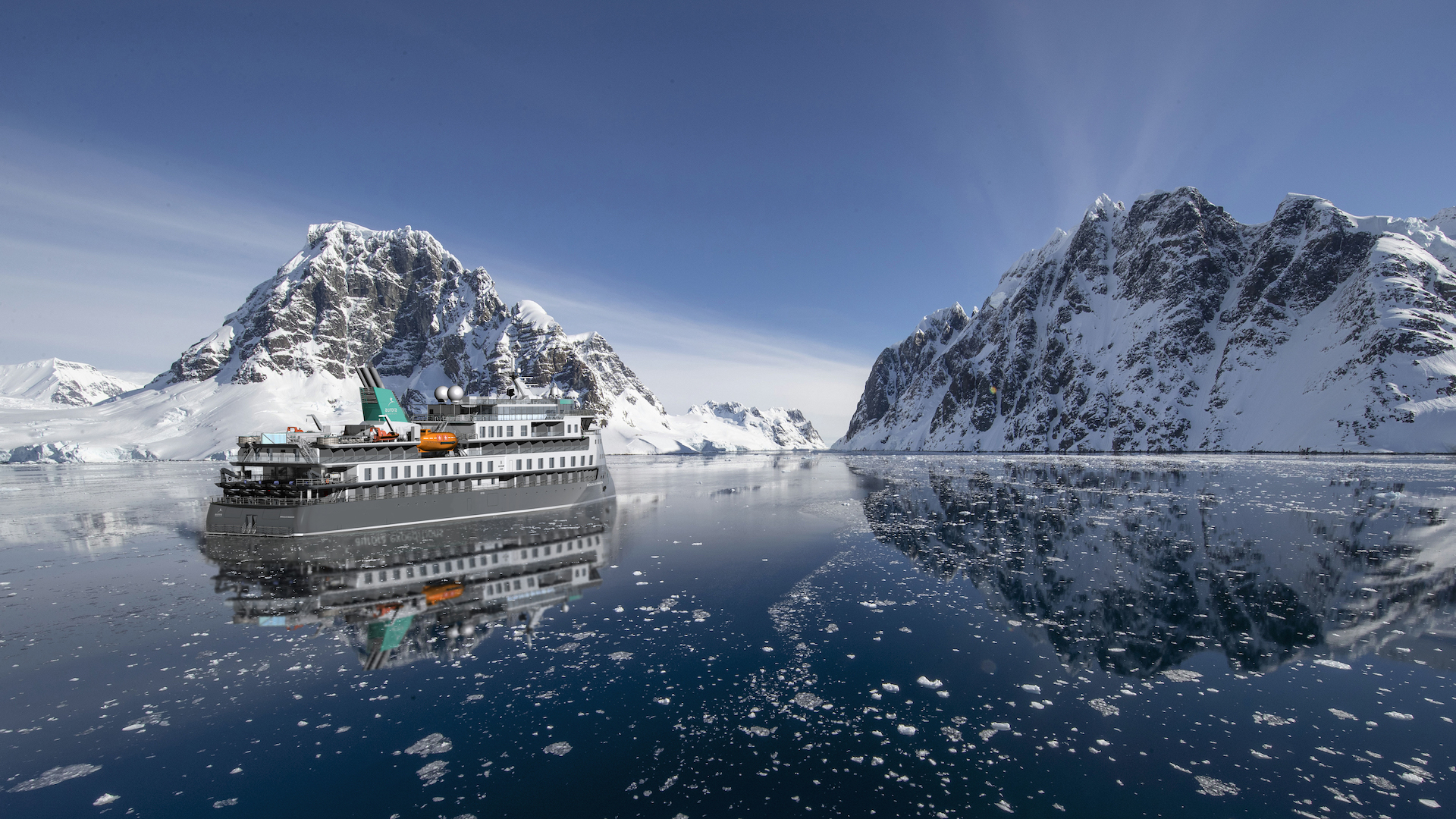
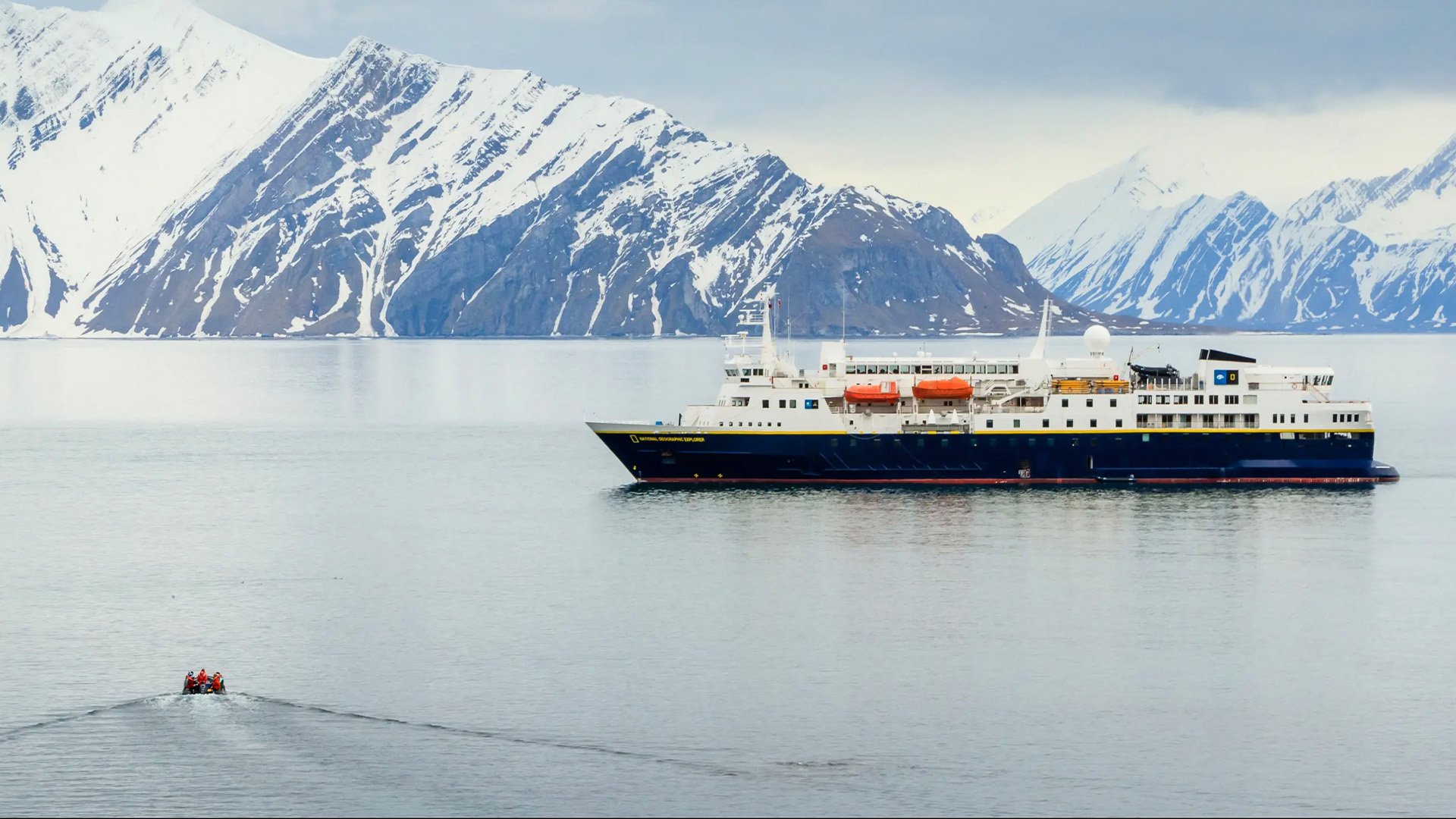
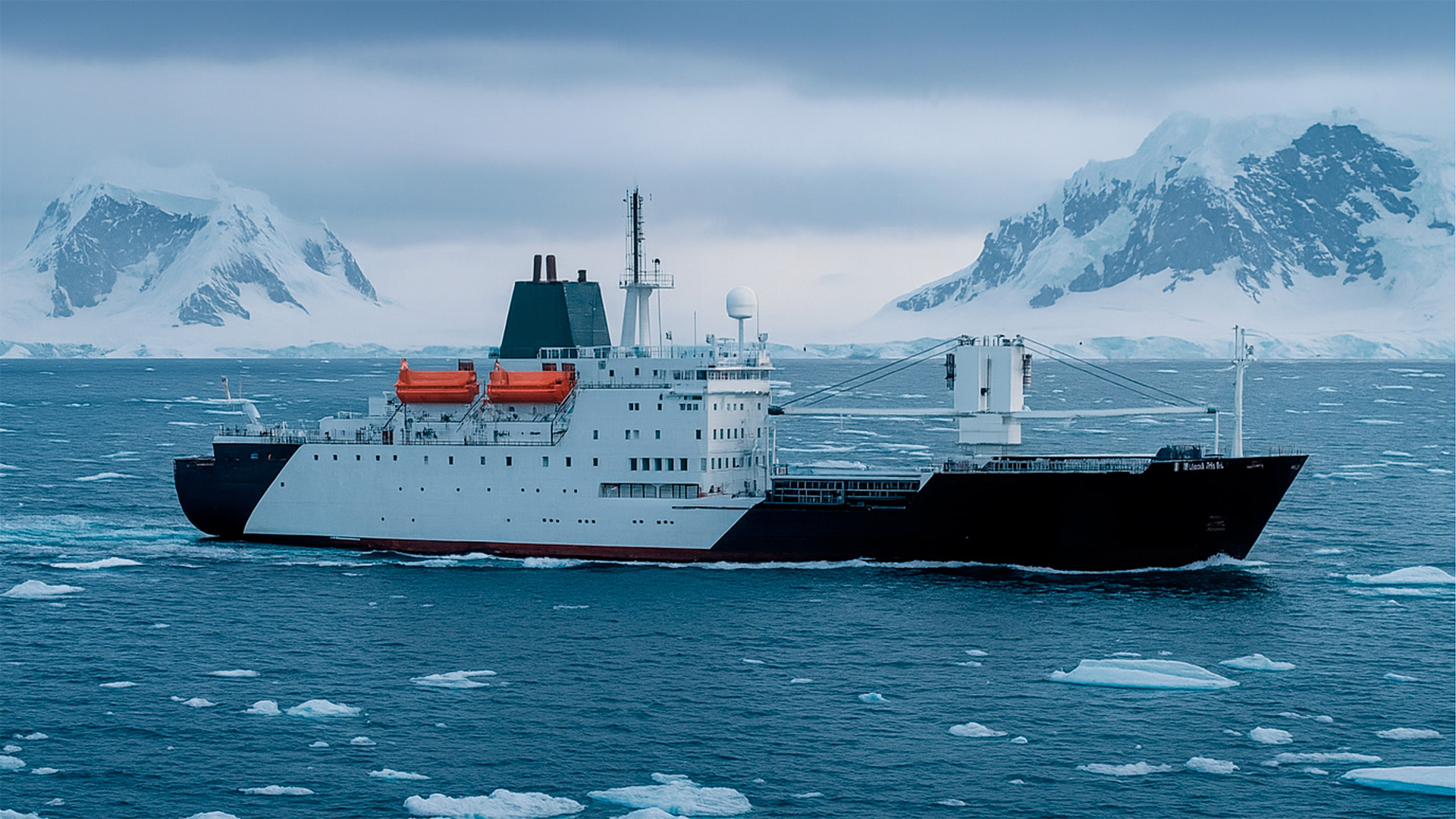
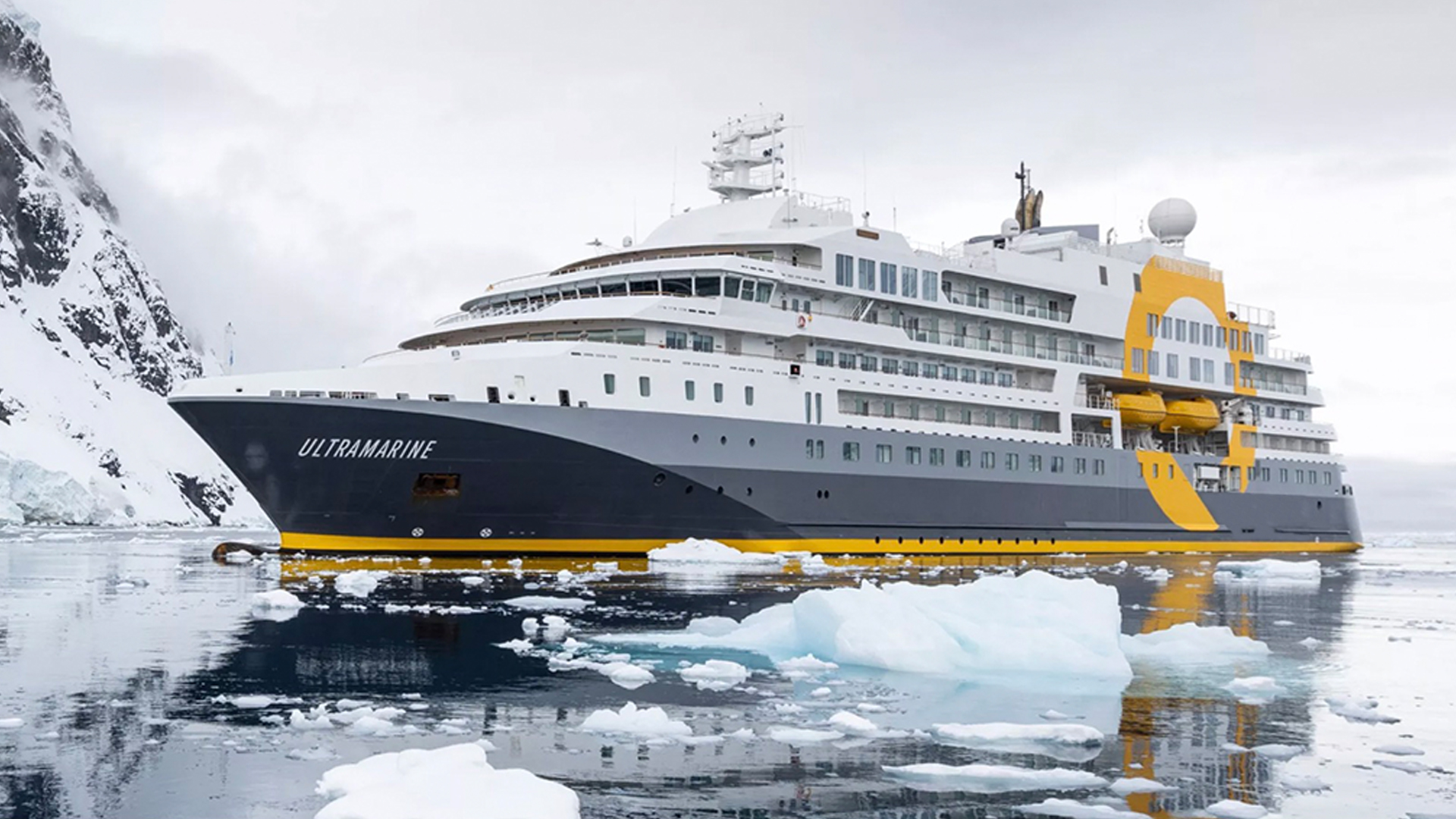
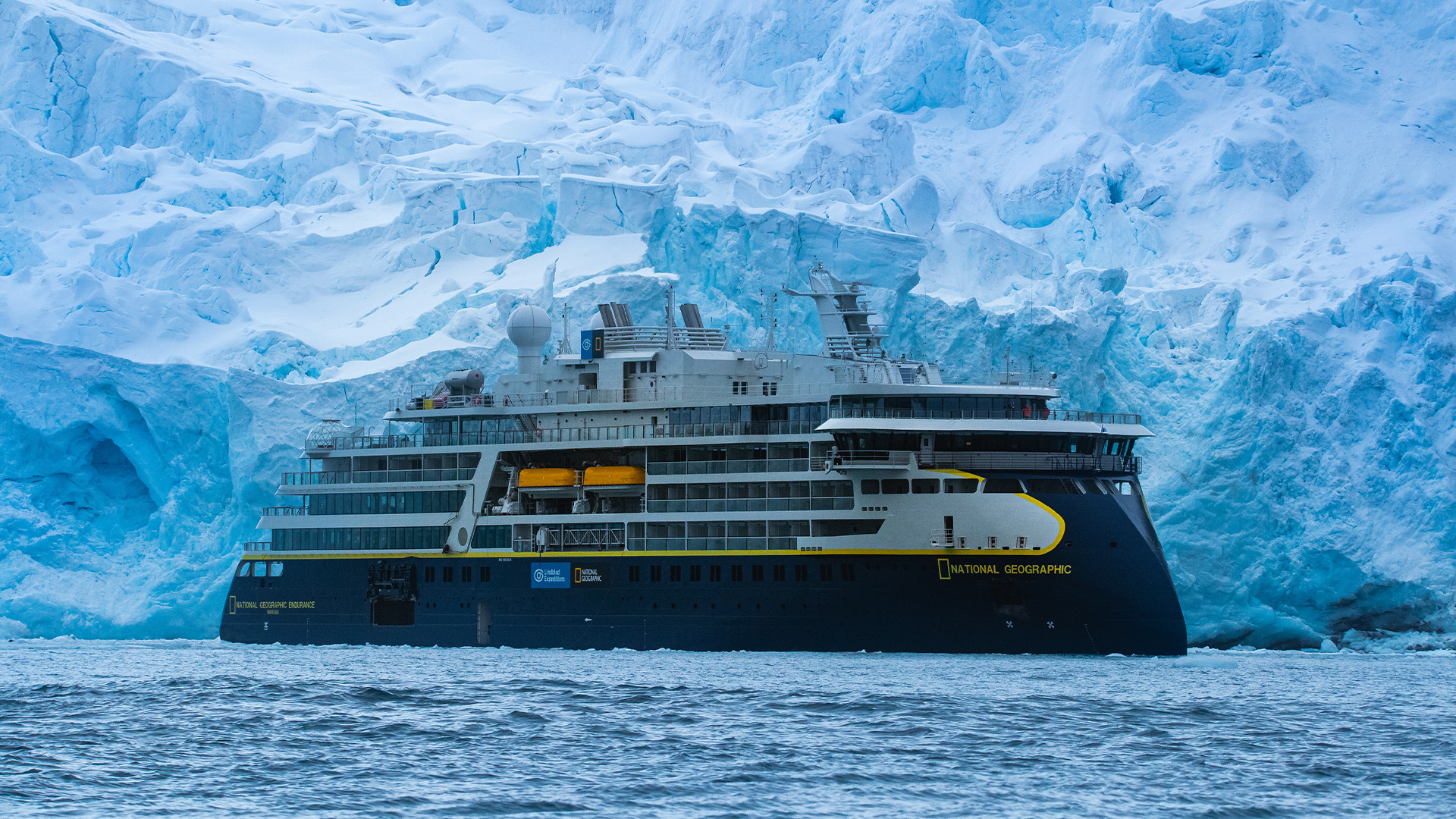
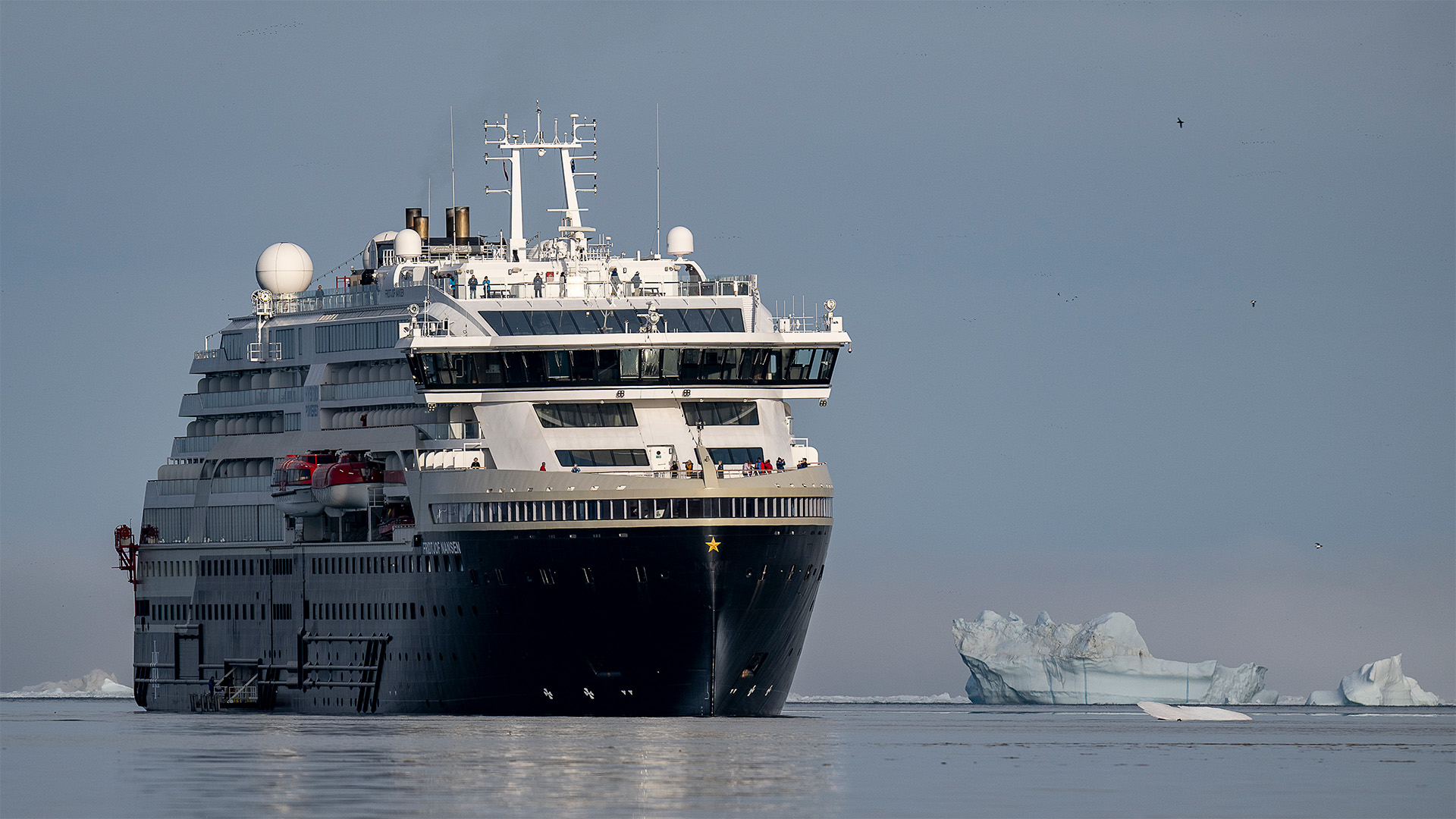
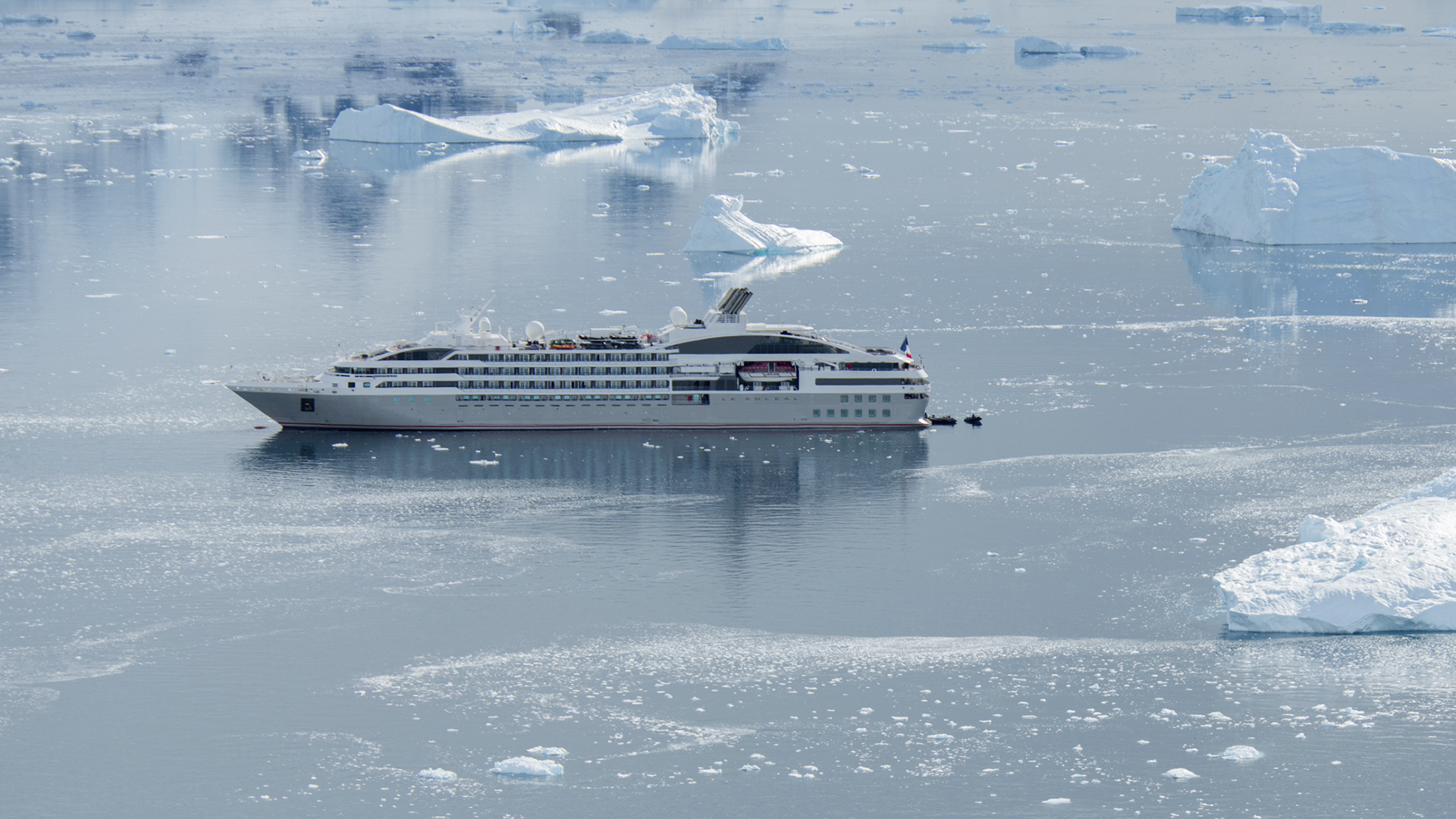
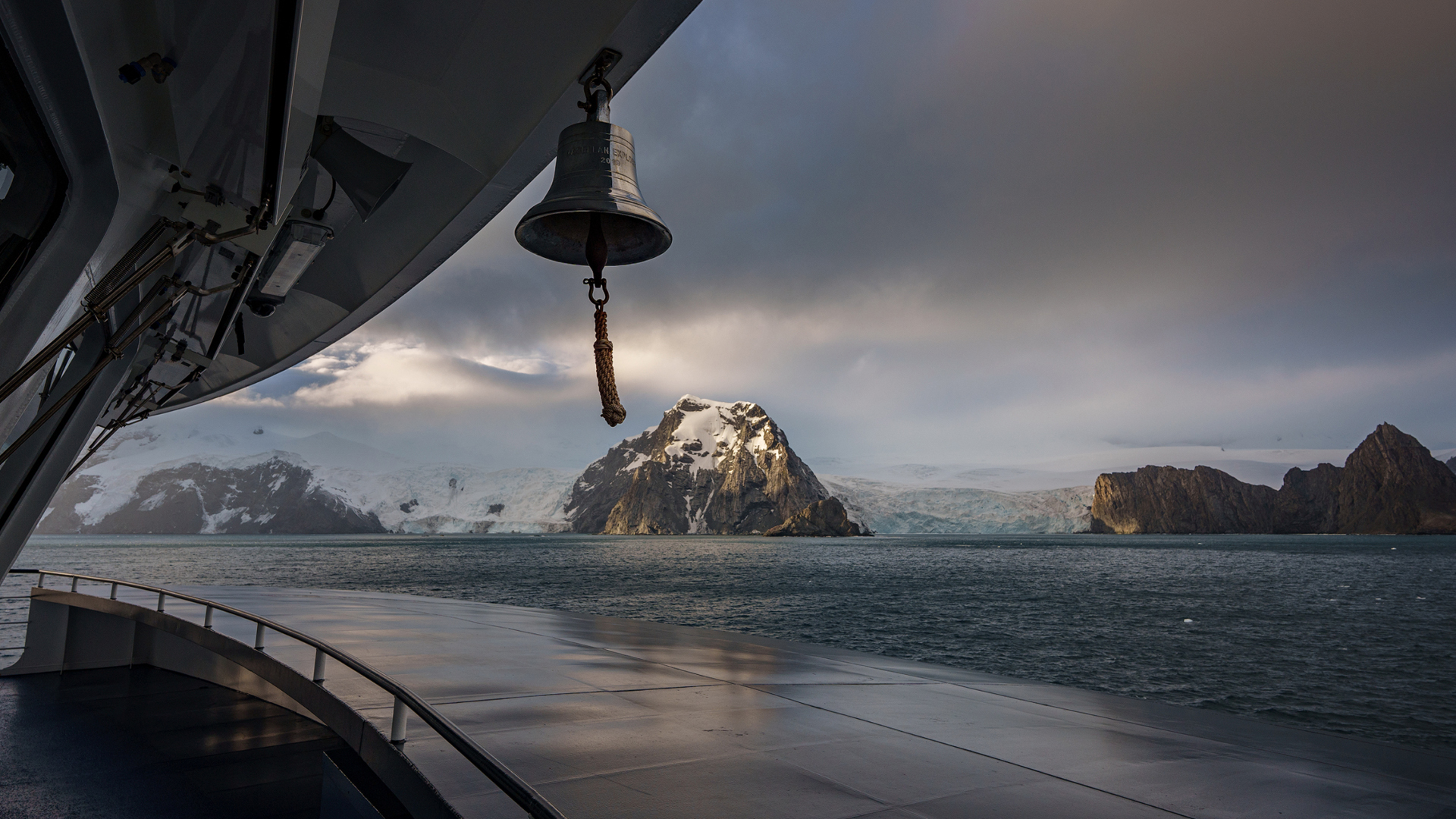
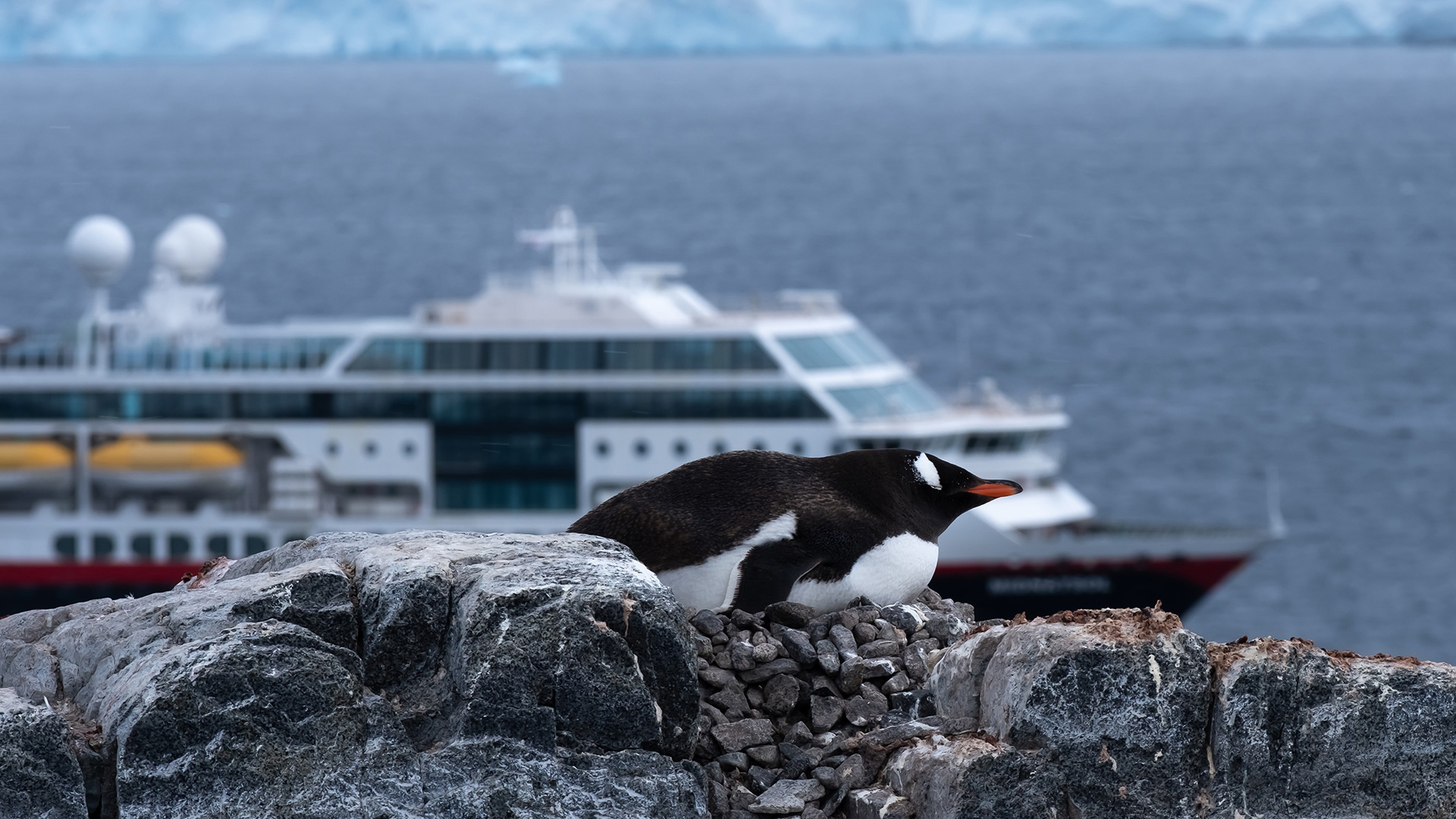
Again, centuries and even decades ago, ship travel in this region could be a risky proposition indeed, beset as it was by such difficulties as extensive and unpredictable sea ice, rough weather and frequent low visibility, and the sheer remoteness of the geography. But today’s cruise vessels are state-of-the-art ice-strengthened ships or ice-breakers, possessed of such features as reinforced hulls and gyroscopic stabilizers to better navigate icy and roiled waters while maximizing the onboard comfort of passengers. Advanced weather-forecasting, communications, and sea-ice-mapping technologies further keep expedition ships out of harm’s way.
International rules such as the Convention for the Safety of Life at Sea (SOLAS) and the International Maritime Organization’s International Code for Ships Operating in Polar Waters (aka the “Polar Code”) set meticulous standards for ship design, construction, and operation as well as training, safety equipment, and search-and-rescue protocols. Vessels operating in Arctic (and Antarctic) waters are classified based on their resilience to different kinds and thicknesses of sea ice (e.g., first-year ice, multi-year ice), and which specific kind is used therefore depends on the particular cruise route and itinerary.
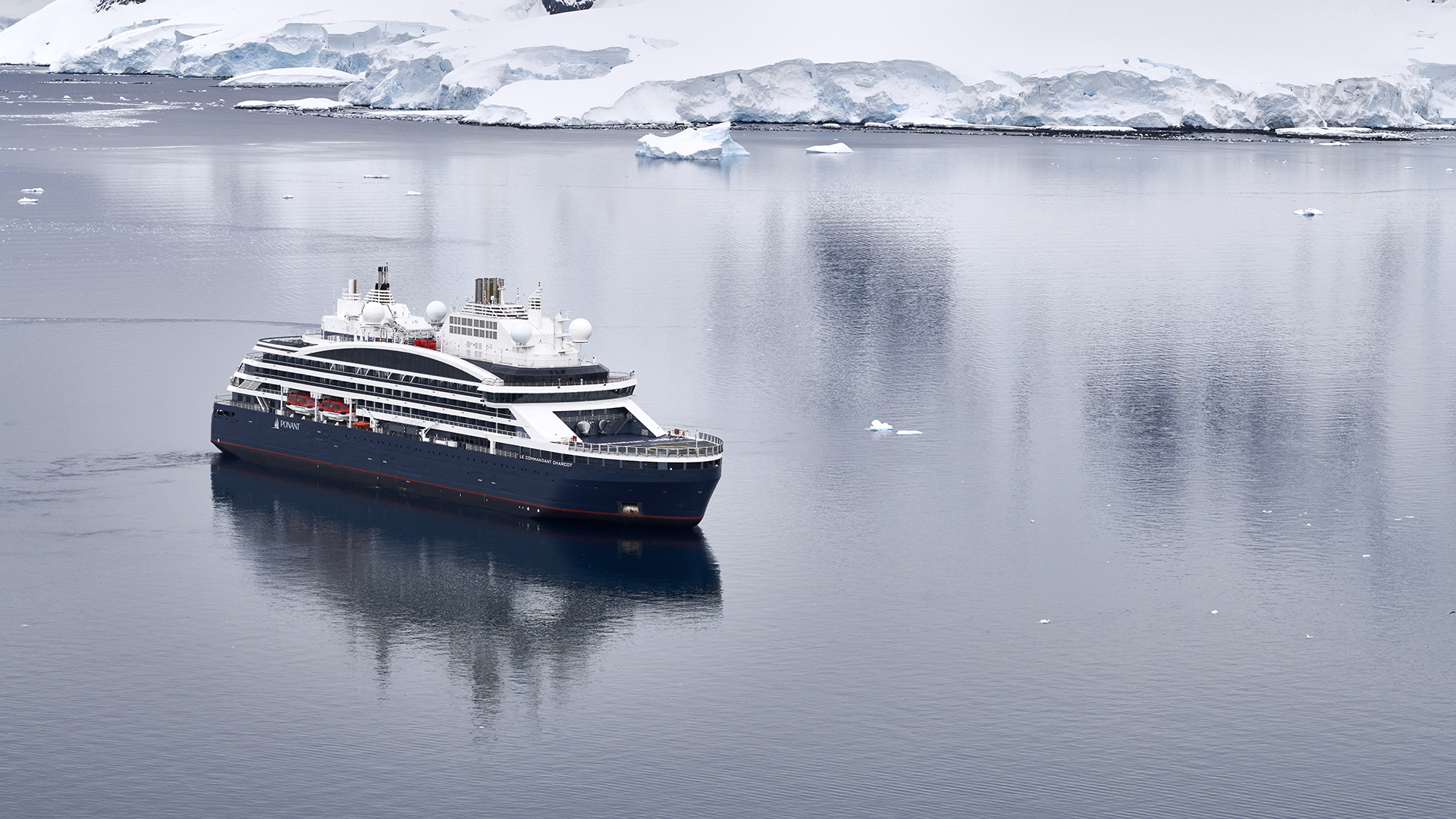
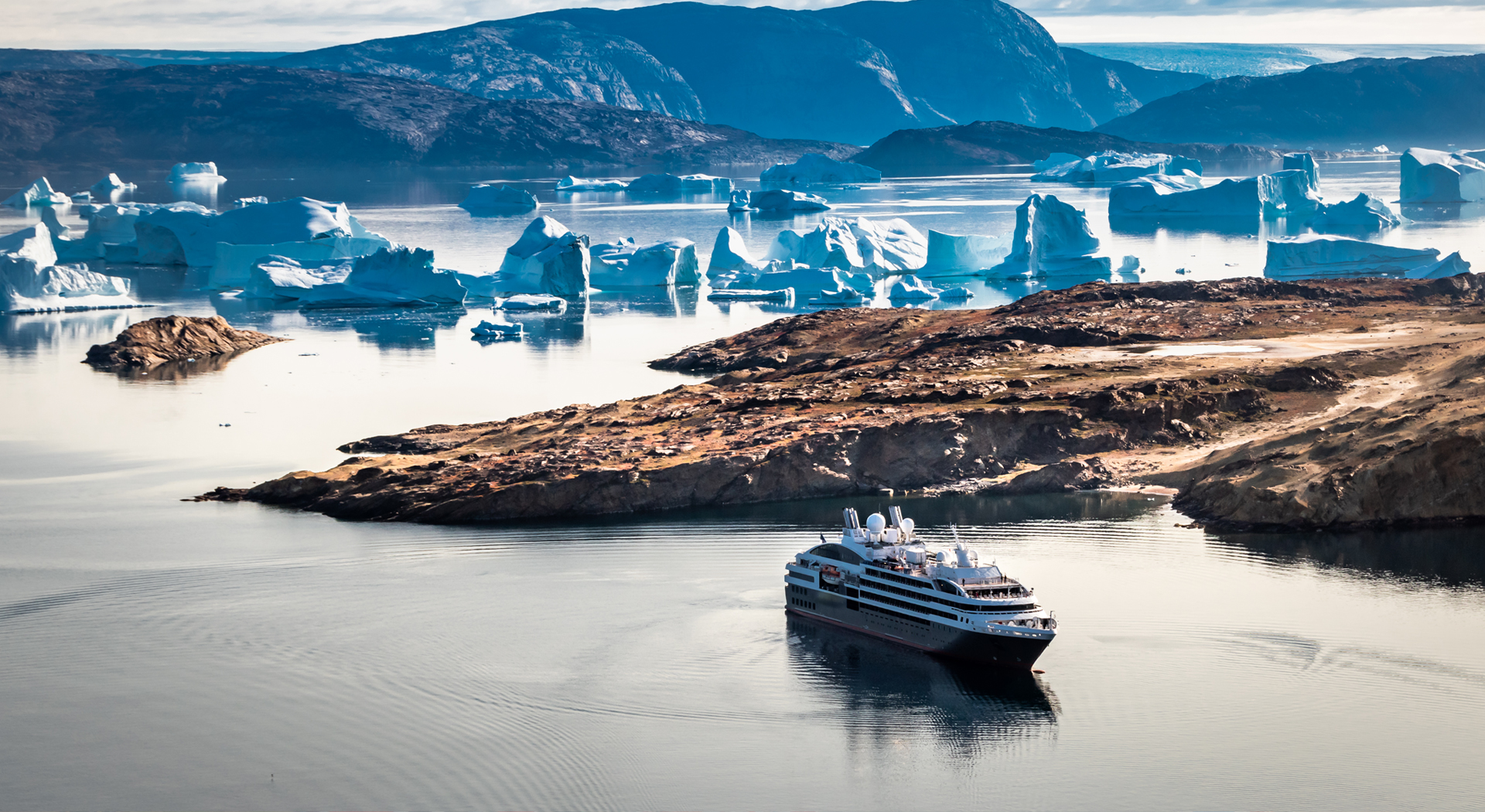
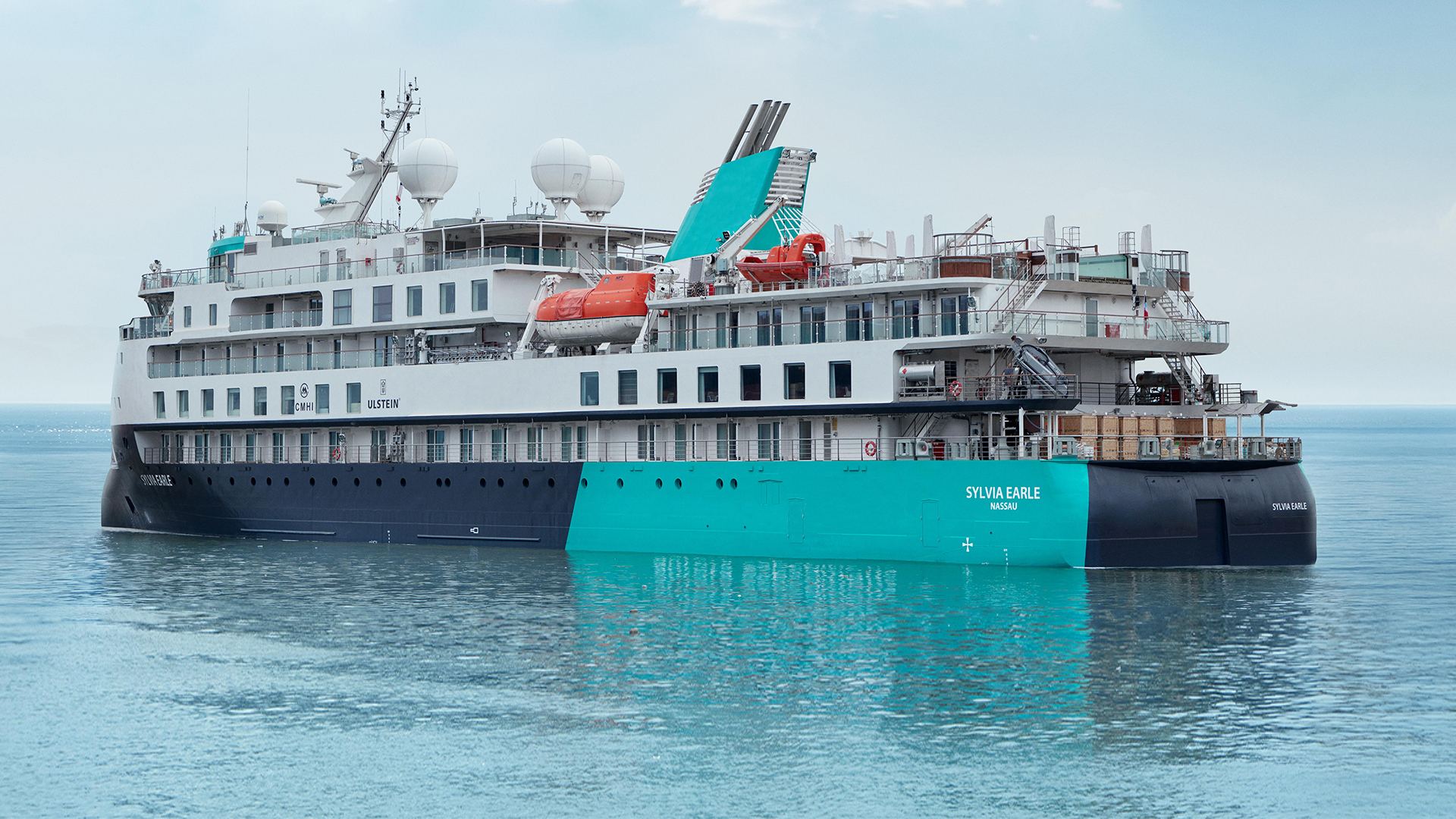
The top-of-the-line polar expedition ships used in our cruises encompass the spectrum, from PC6 (“summer/autumn operation in medium first-year ice which may include old ice inclusions”) vessels such as the Sylvia Earle—said to possess the lowest-polluting marine engines of any ship—to PC2 (“year-round operation in moderate multi-year ice conditions”) models such as the Le Commandant Charcot, a hybrid-electric luxury icebreaker capable of plowing through pack as thick as 8.5 feet which was the first of its kind to reach the North Pole in 2021.
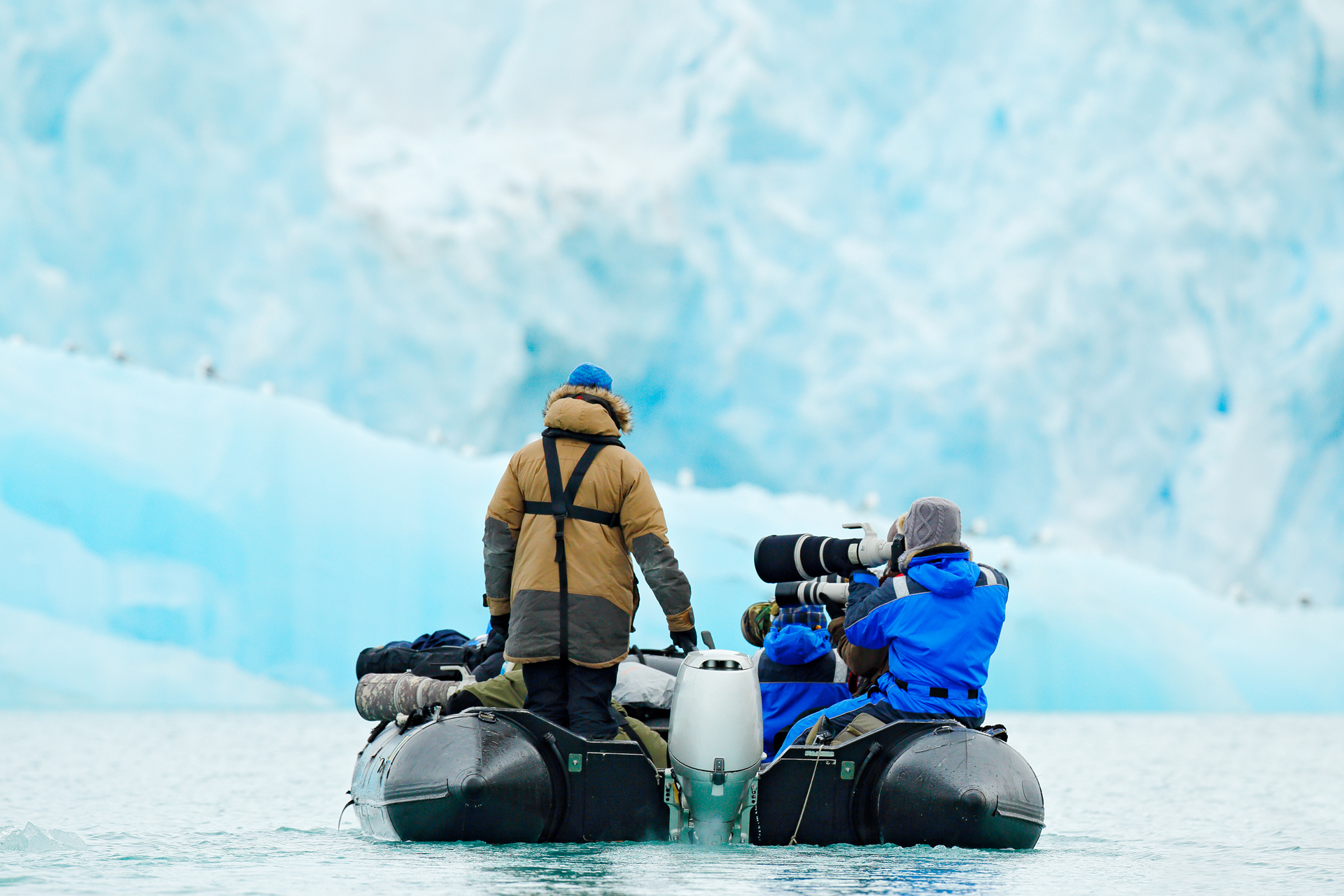
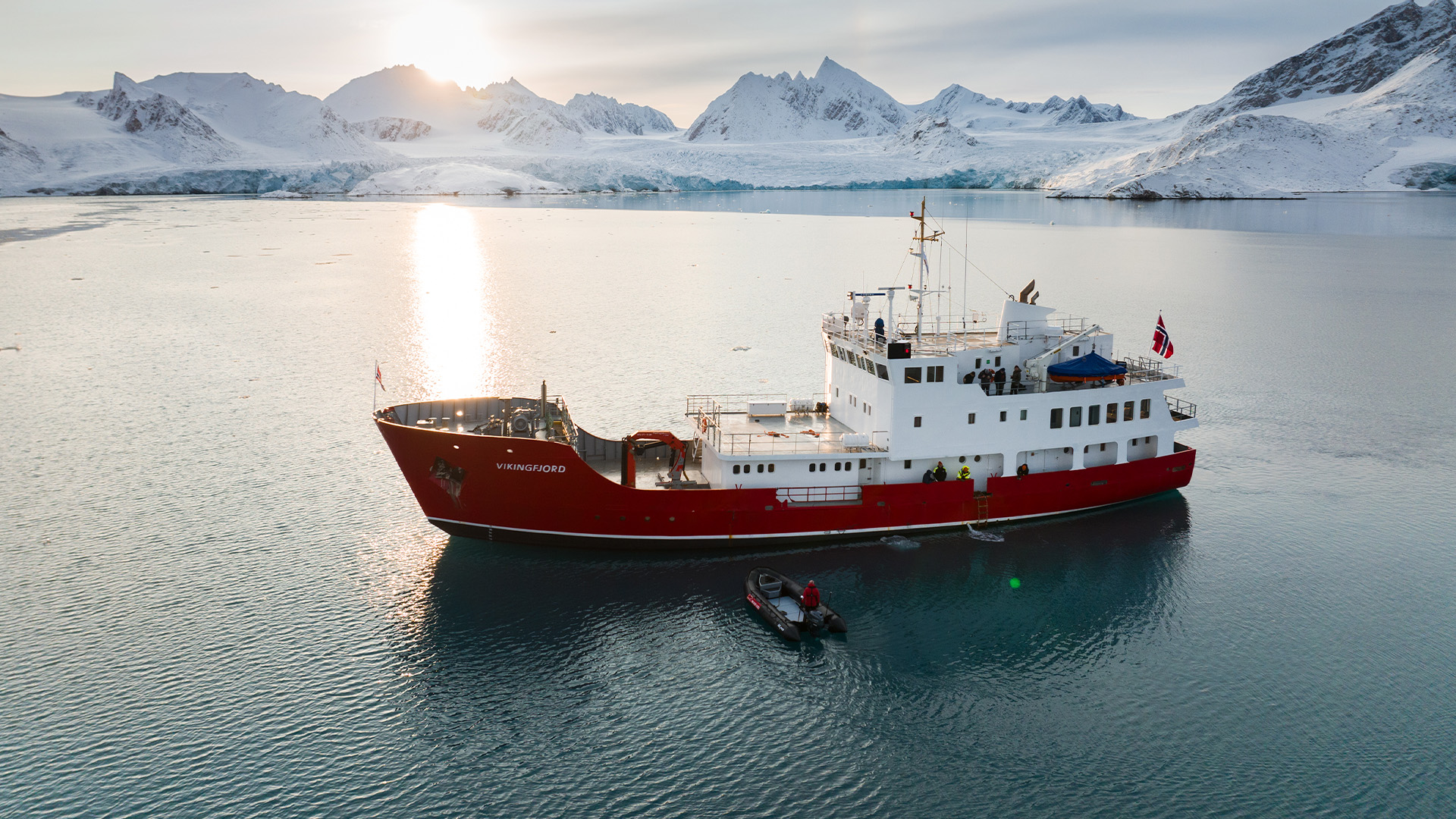
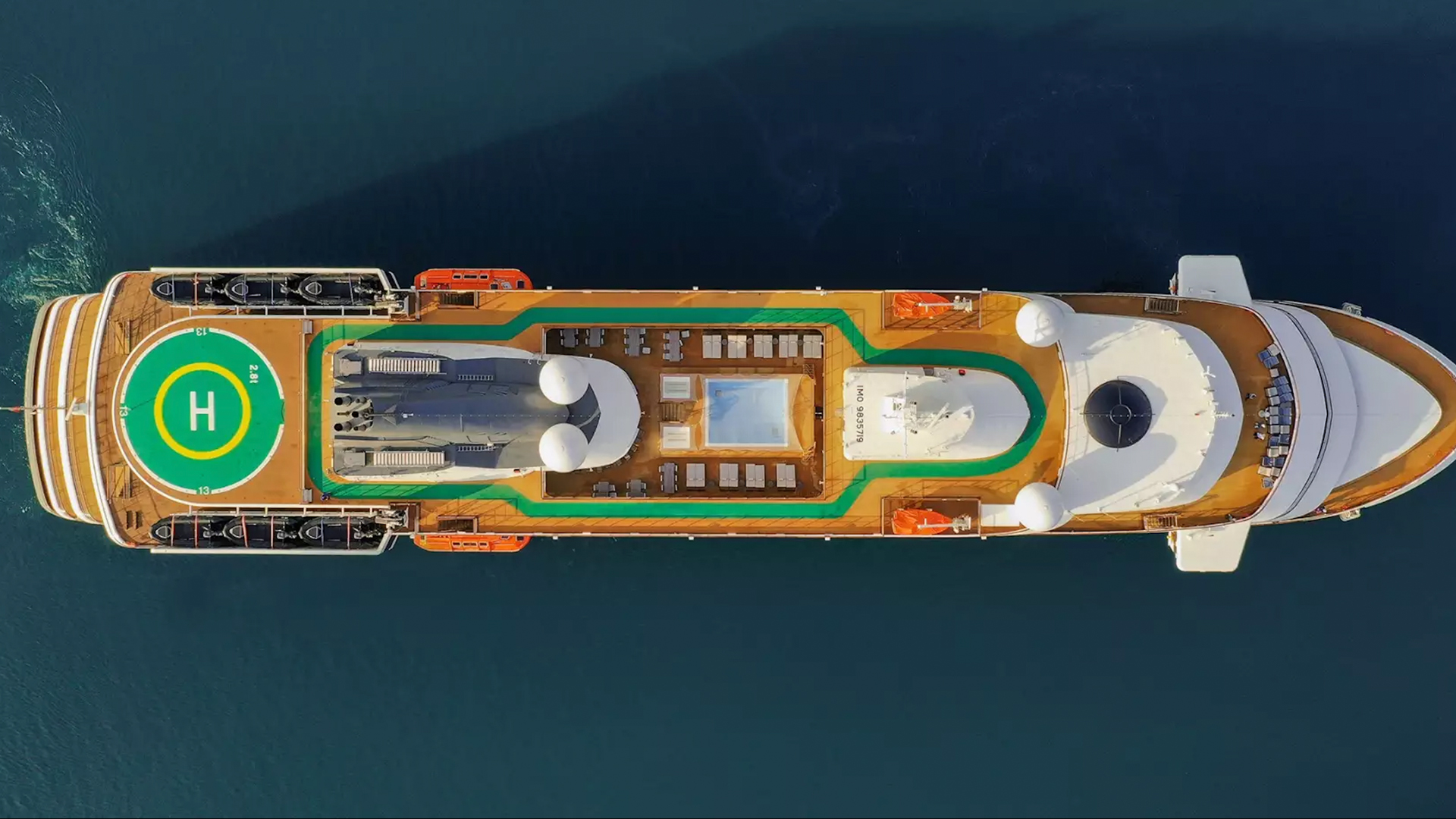
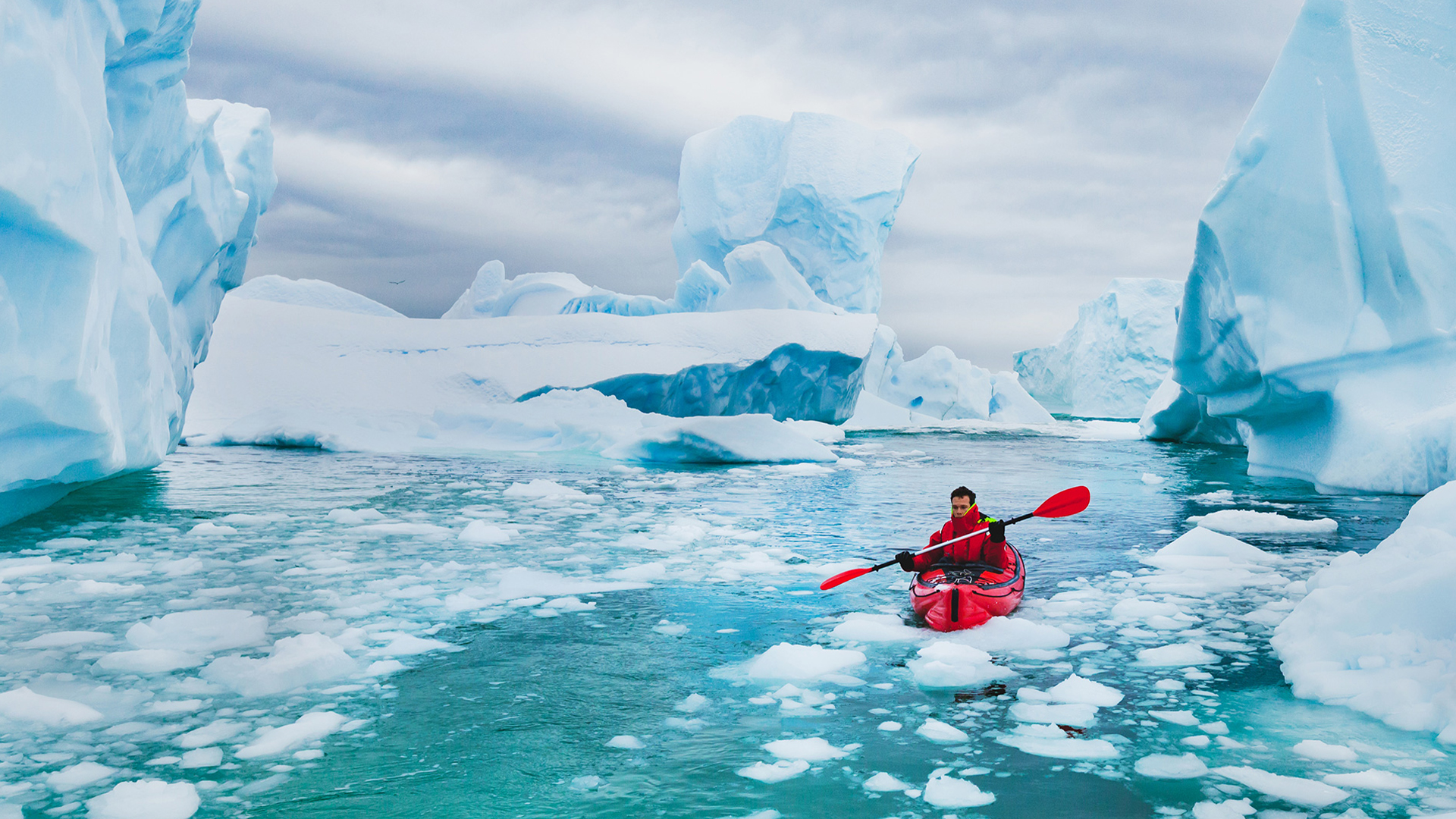
From the lifeboats, life rafts with surplus capacity, and immersion or thermal suits for all crewmembers and passengers required by SOLAS to the advanced sanitation systems and UV air purification warding (along with strict onboard hygiene measures) against health risks and the comprehensive, high-quality onboard medical facilities, you can rest assured that the gear and other equipment with which these Arctic expedition vessels are outfitted put safety at the very top of the priority list. And the same goes for the Zodiacs used for shore landings: These are rigorously checked before every use and all carry such required equipment as life jackets, spare fuel, a fire extinguisher, radios, first-aid kits, flares, toolkits, and GPS systems.
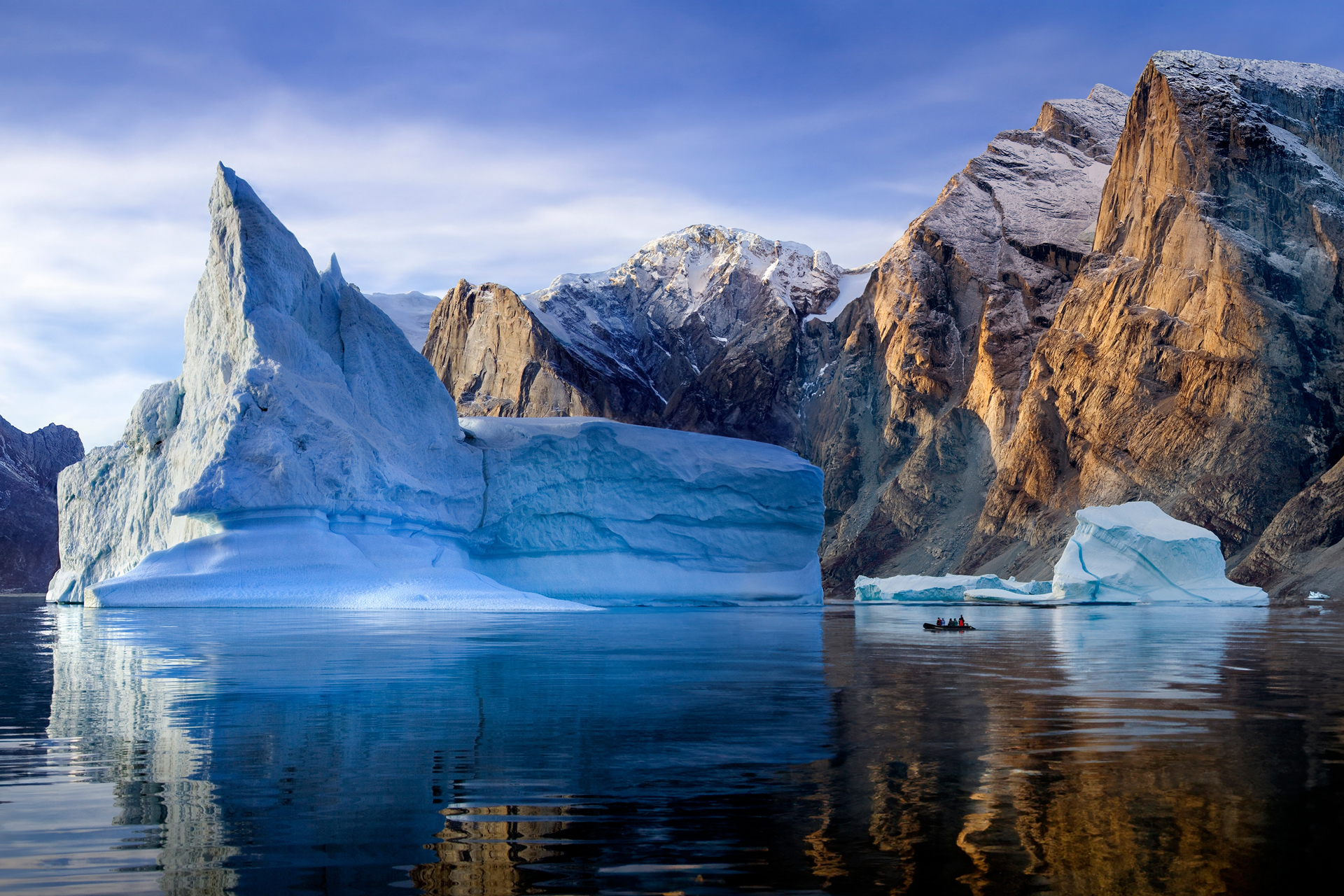
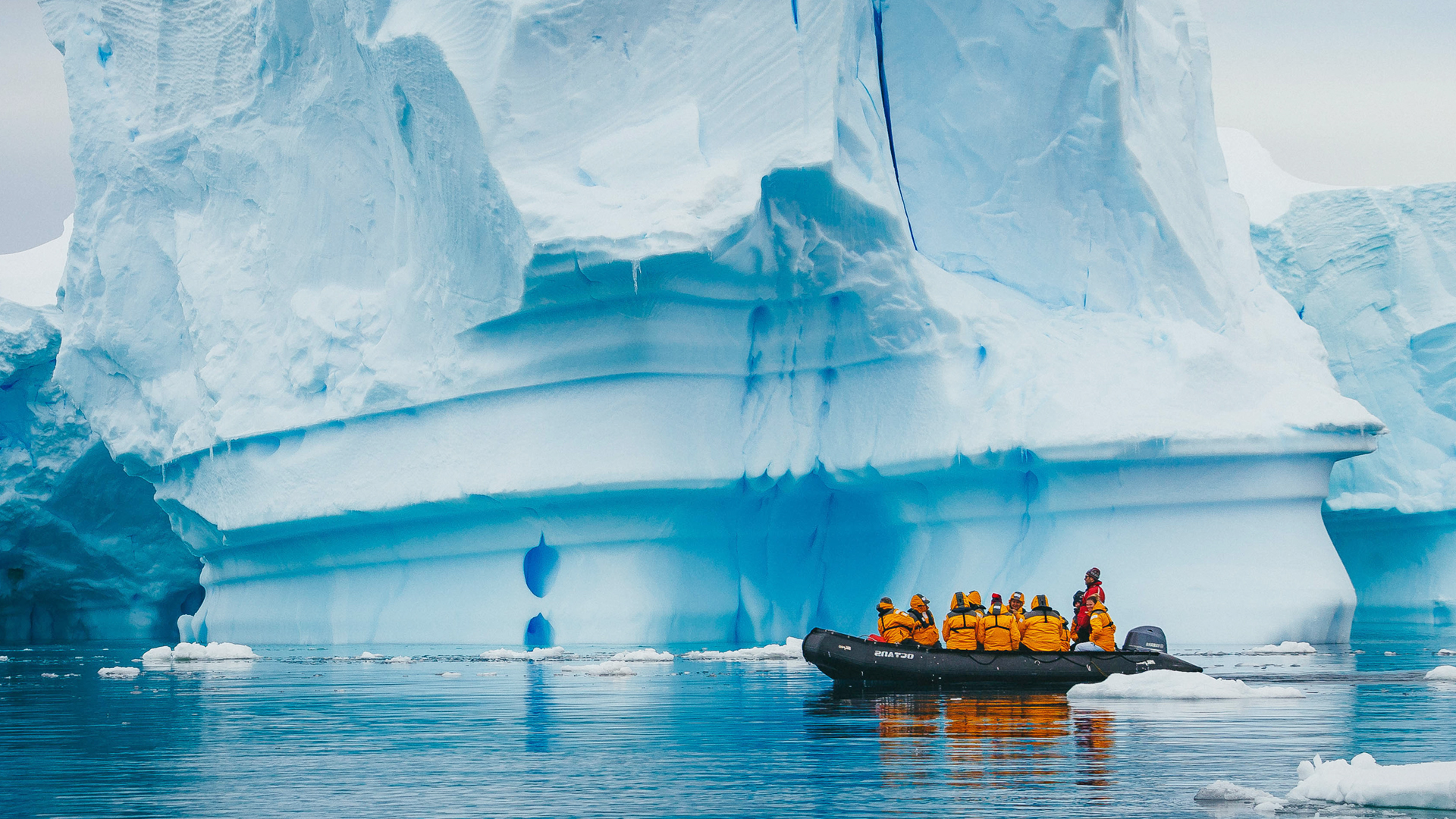
The use of dedicated, rugged equipment like these inflatable Zodiac boats is paramount to Arctic safety. Combined with essential gear like life vests, they enable close exploration of fjords and shorelines while mitigating the dangers of the frigid environment.
Expedition Staff & Training
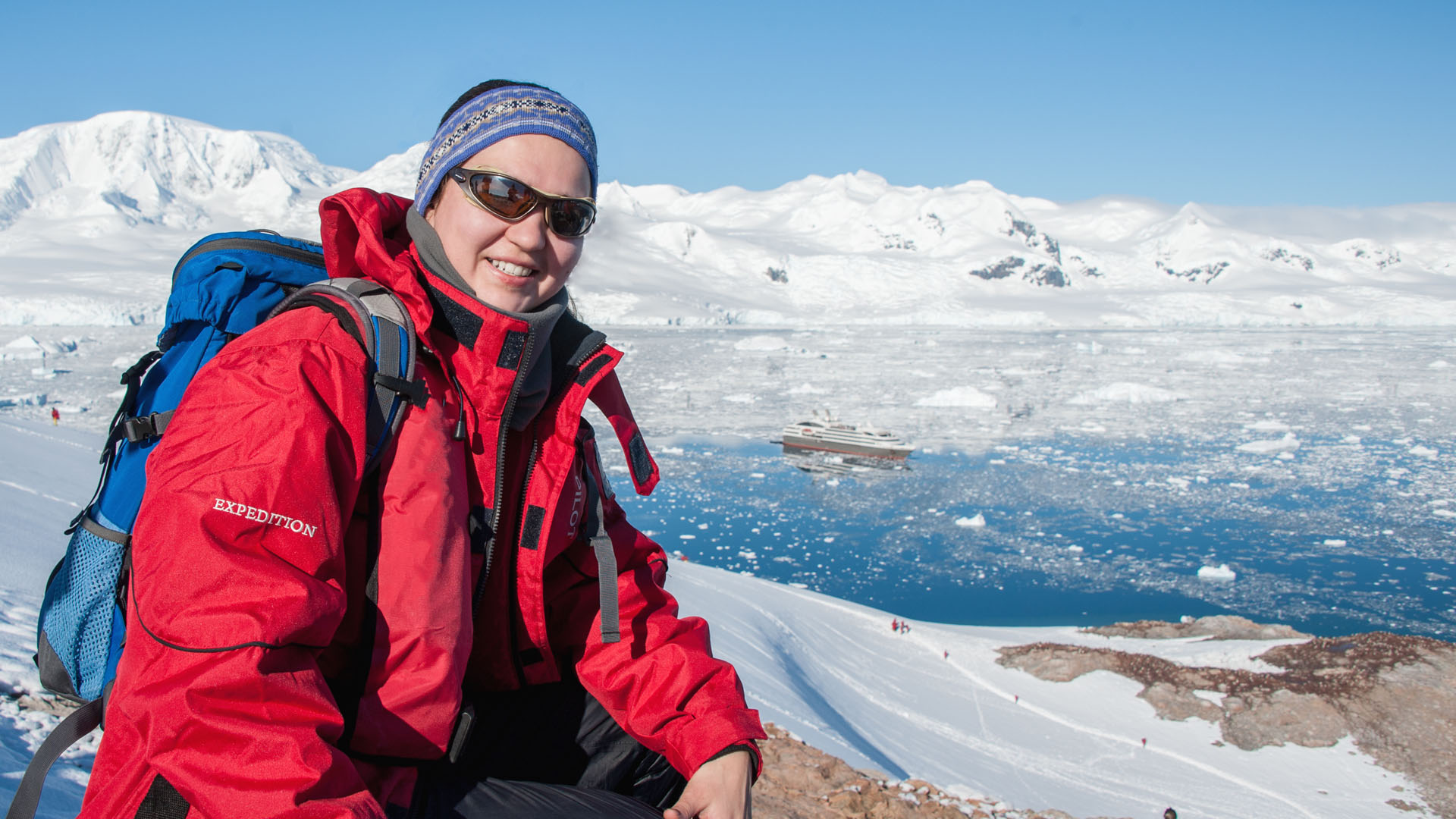
The expedition staff on these Arctic cruises all achieve certifications in CPR, life-saving, and advanced field safety, including the Association of Arctic Expedition Cruise Operators (AECO) Field Staff Assessment. In addition, internal training and accreditation programs, plus regular incident management drills, are commonplace. Crew and staff are regularly trained in emergency protocols.
Each ship typically carries at least two doctors, one of whom has wilderness-medicine expertise.
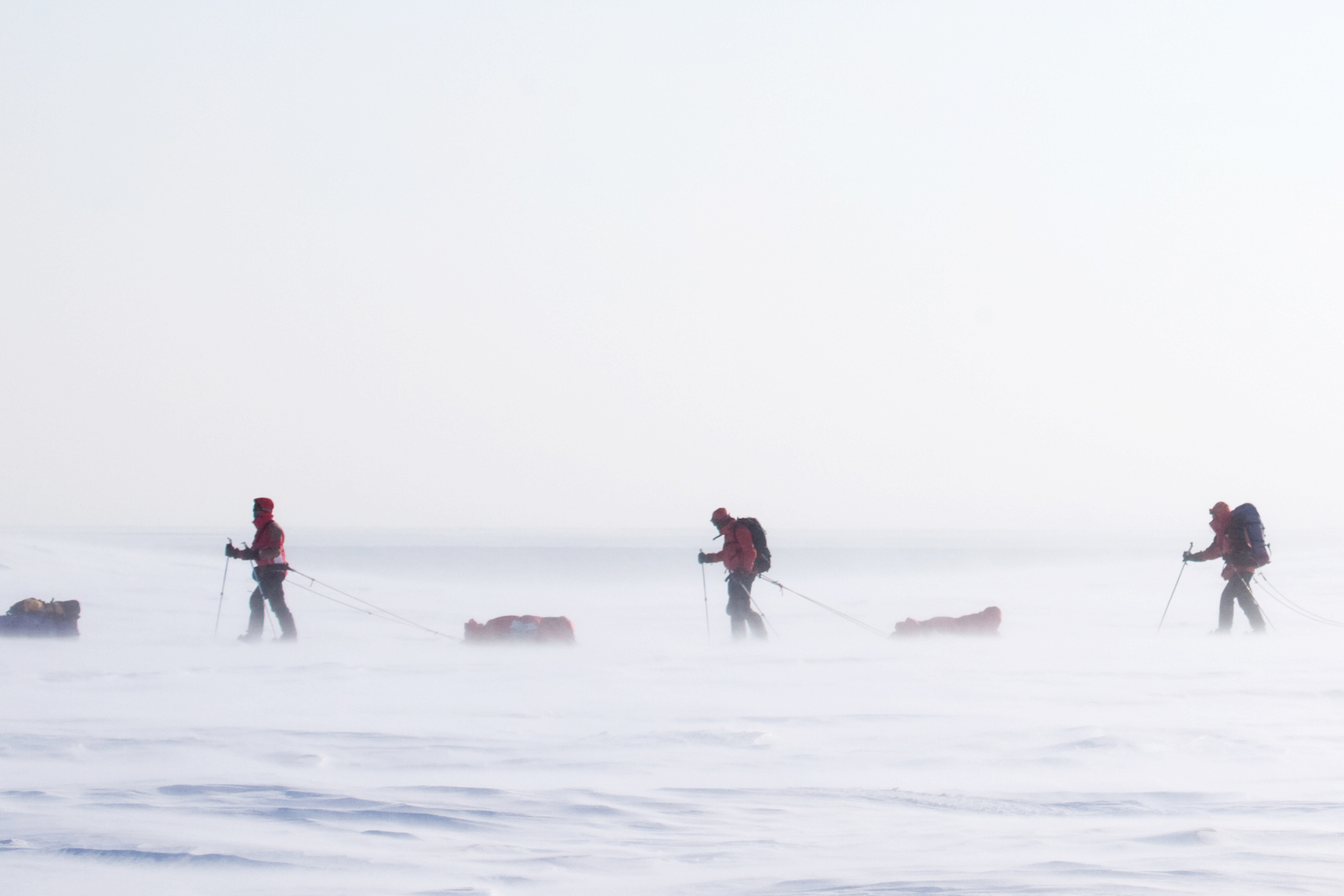
Navigating the Arctic’s dynamic waters requires highly-trained expedition staff. Their deep knowledge of sea conditions, wildlife, and emergency procedures is the ultimate safety tool, allowing passengers to enjoy this wild frontier with confidence.
Operational & Logistical Protocols
The International Maritime Organization’s Polar Code and other international law puts in place strict requirements for everything from navigation, fire safety, and rescue capacity to environmental protection. Cruise operators comply with AECO guidelines that cover risk assessments, evacuation plans, and cross-border coordination in the event of large-scale emergencies.
The well-being of all passengers is, of course, top priority, and supported by such protocols as day-of-embarkation briefings—covering everything from evacuation procedures to basic onboard safety (dealing with slippery decks, slamming doors, Zodiac boarding procedures, etc.)—and mandatory safety drills. Sign-in/tagboard systems for shore landings ensure that all passengers remain accounted for at all times.
Speaking of shore landings, they’re all preceded by regular terrain checks and situational risk assessments, and controlled by clear protocols for group movement and continuous monitoring of environmental conditions, from weather and sea ice to wildlife.
Essential operational and logistical protocols ensure every passenger’s safety in the challenging Arctic environment. Frequent drills and the readiness of lifeboats and Zodiacs are central to the rigorous safety standards required for expedition cruising in the far north.
Safety in the Arctic Environment
All of the above safety measures go a long way toward minimizing the inherent potential environmental hazards of the Arctic.
Weather, Ice, and Terrain
As mentioned above, modern-day forecasting and ice-monitoring technologies give cruise operators exceptional ability to avoid bad weather and risky marine conditions in the Arctic. You may be worried about frostbite, hypothermia, and other maladies resulting from cold temperatures, but that danger is comparatively minimal on an expedition cruise. We provide advice on what to wear to best protect yourself against inclement weather—layering is key!—and, as mentioned, you’ll have access to well-trained medical staff and well-stocked medical facilities. Furthermore, it’s worth noting that the summer cruise season, with its gloriously long days, sees the “friendliest” temperatures above the Arctic Circle, with average daytime temps typically ranging from the upper 30s to mid-50s Fahrenheit in many locations.
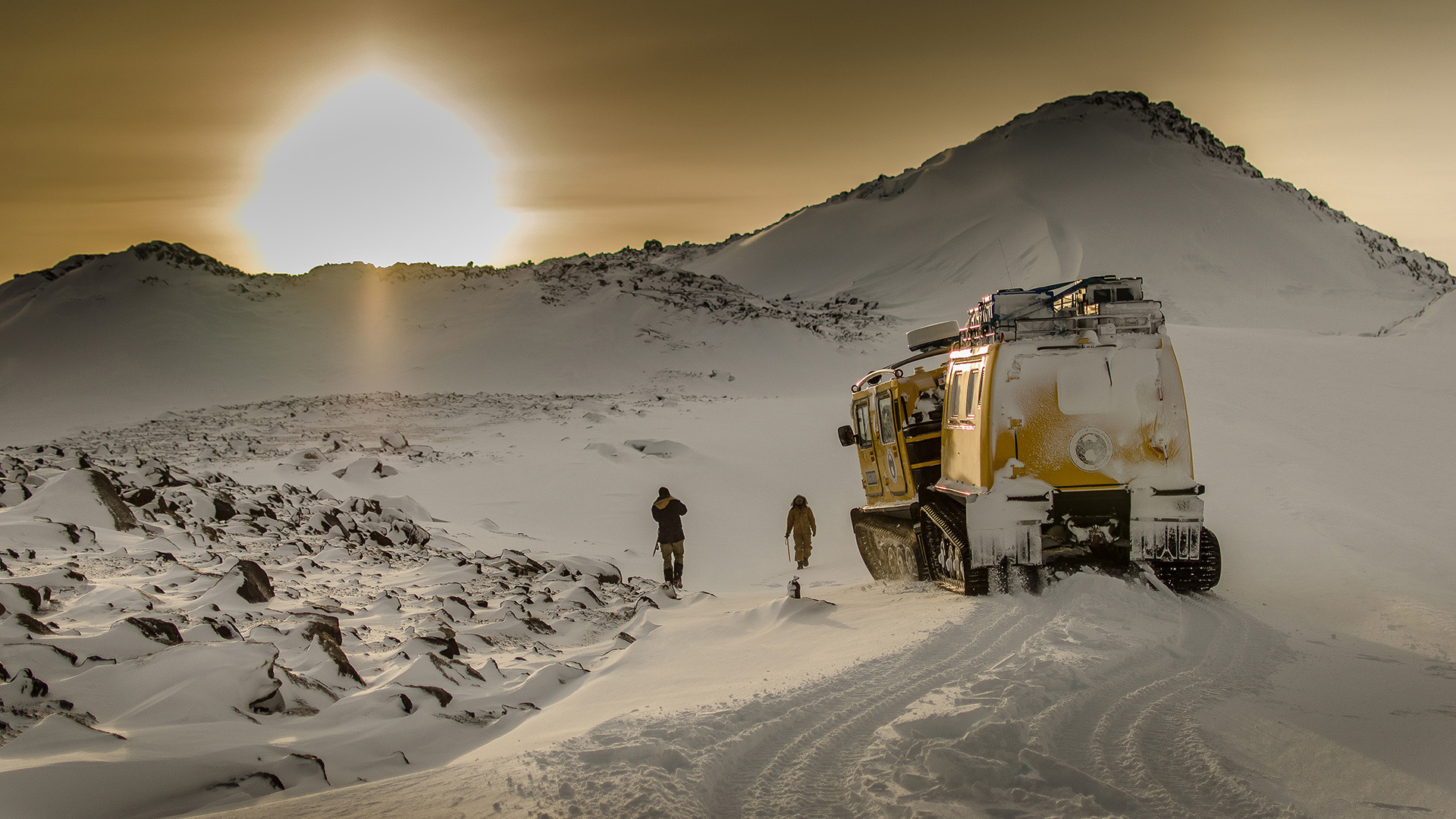
And careful scouting ahead of shore landings, diligent monitoring throughout by staff, and strict rules regarding staying together and moving as a group help keep passengers out of hazardous water and terrain situations. There is definitely sketchy terrain in the Arctic—from sheer cliffs to crevasse-riddled glaciers—but you are in safe and steady hands with experienced crew members and guides.
The icy, uneven terrain of the Arctic demands specialized gear. Equipment like these crampons is crucial for onshore excursions, minimizing the danger of slips and falls and ensuring safe passage over the beautiful but challenging ice and snow.
Waves & Swells
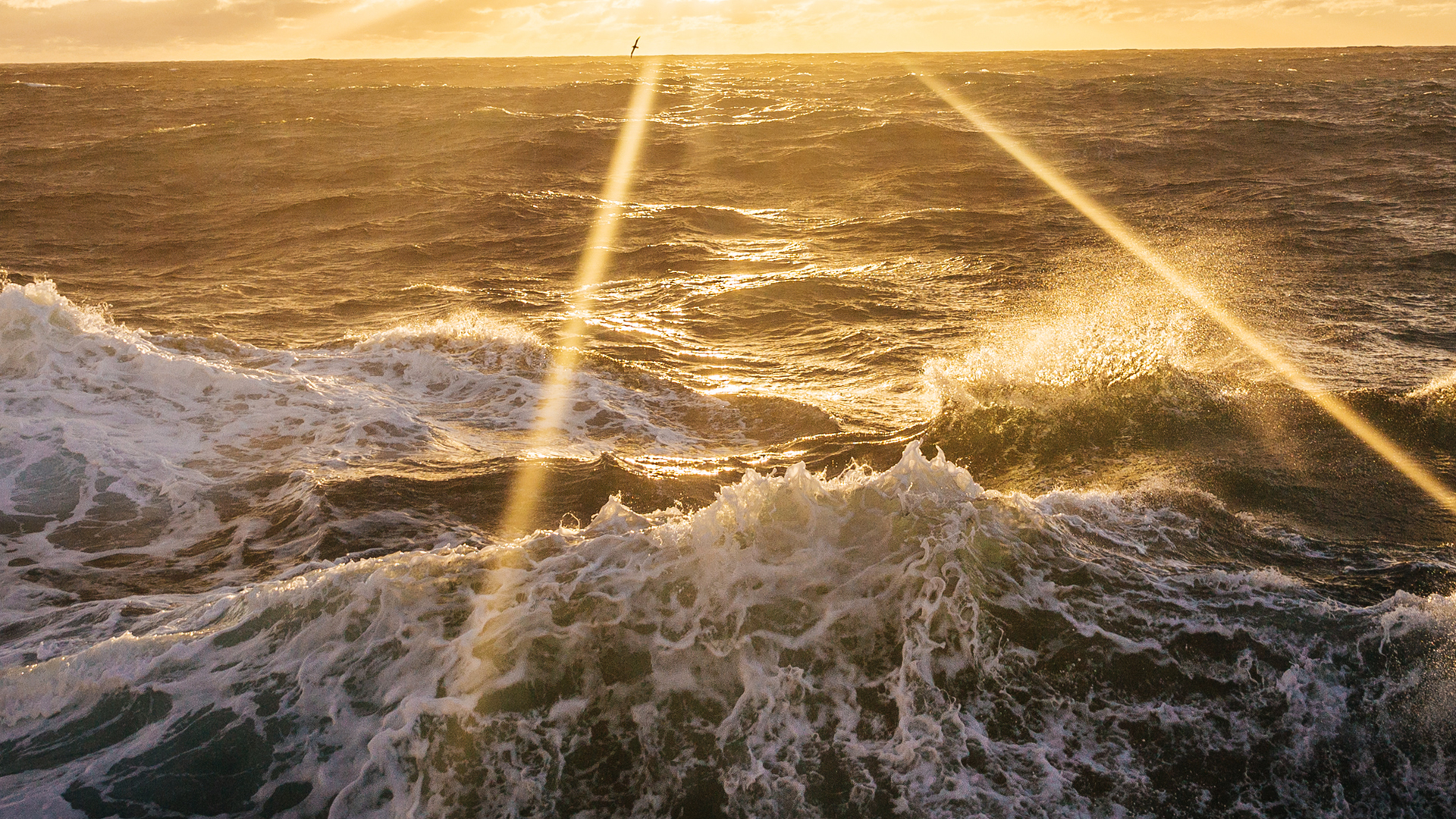
Polar and subpolar seas can certainly get rough at times—not least in the Denmark Strait between Iceland and Greenland, subject to big swells generated by the broad fetch (area of open, unimpeded water) and strong North Atlantic storms.
But calmer conditions are also commonplace on Arctic cruises, and even in heavy chop, waves, and swells, the above-mentioned cutting-edge ship stabilizers and the strengthened hulls specially designed for polar waters help you feel secure and comfortable onboard.
Wildlife
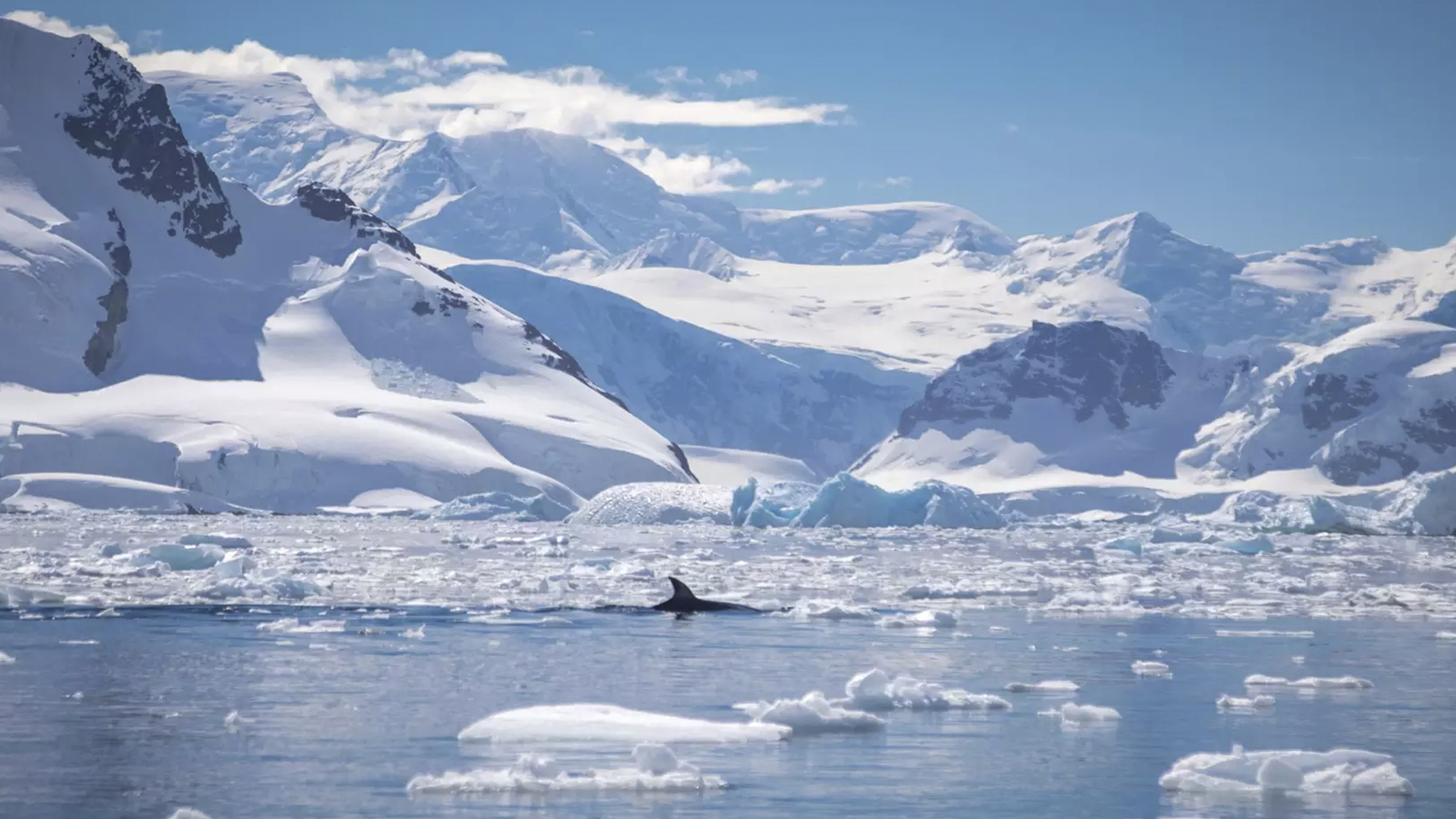
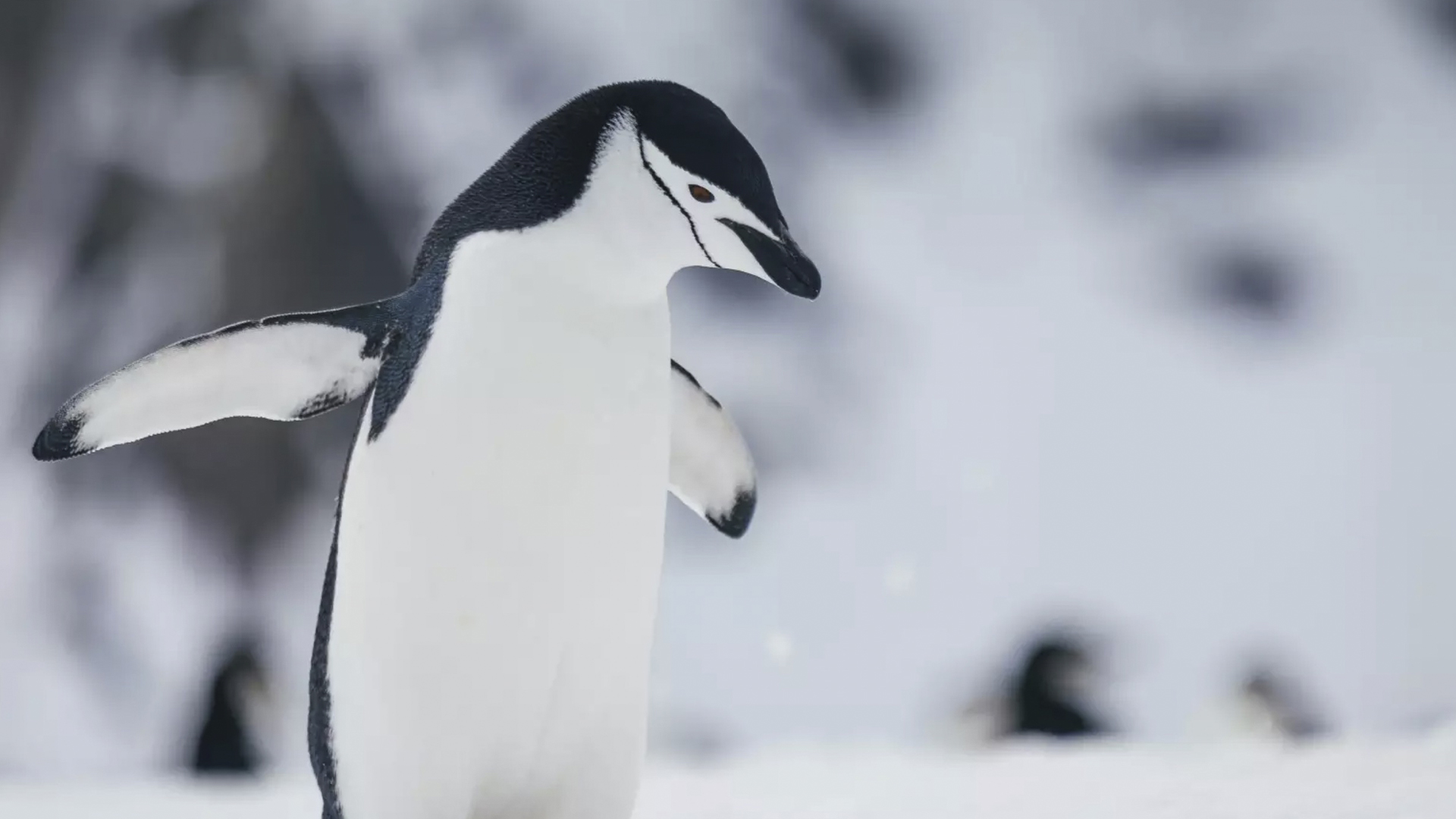
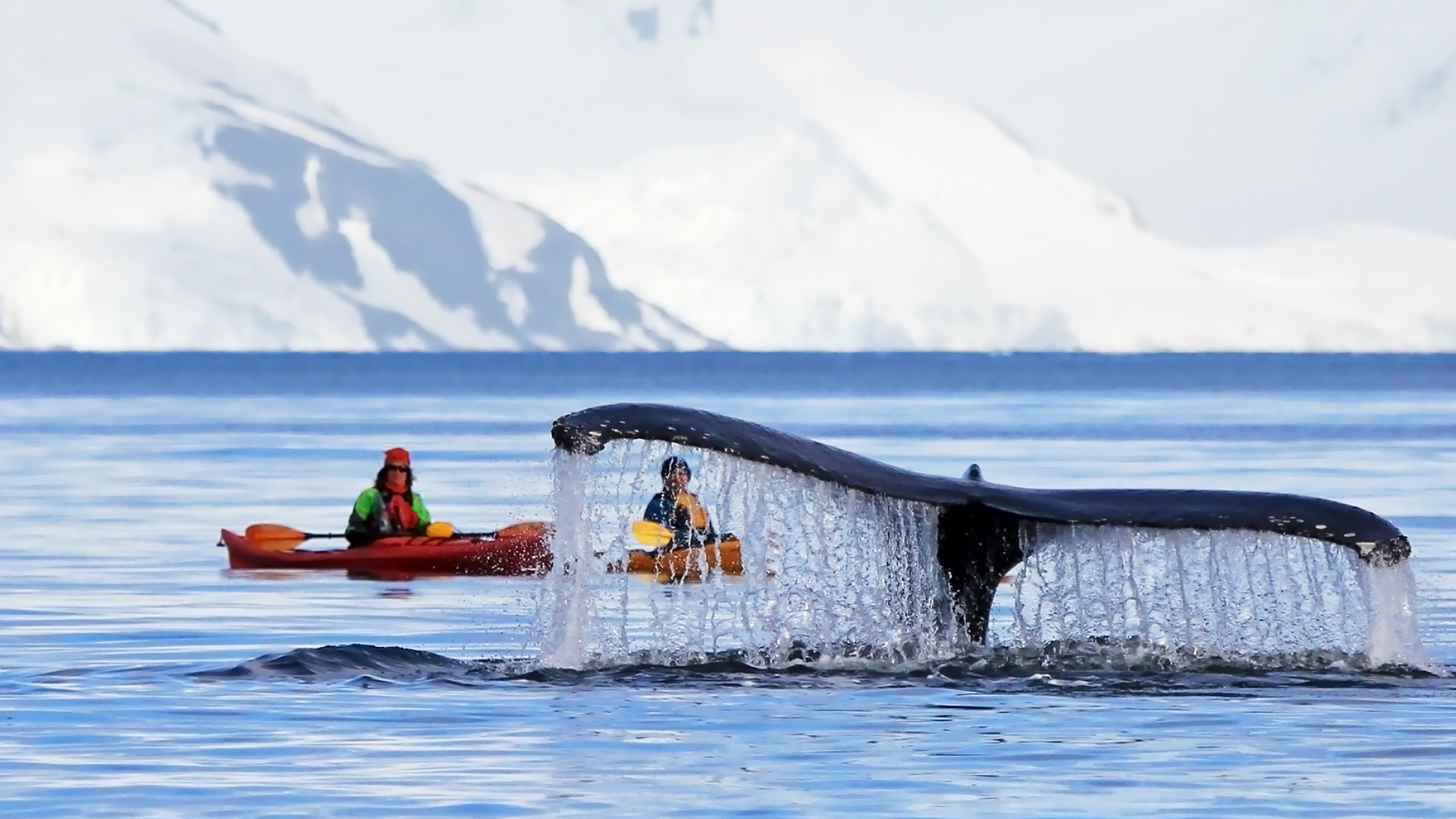
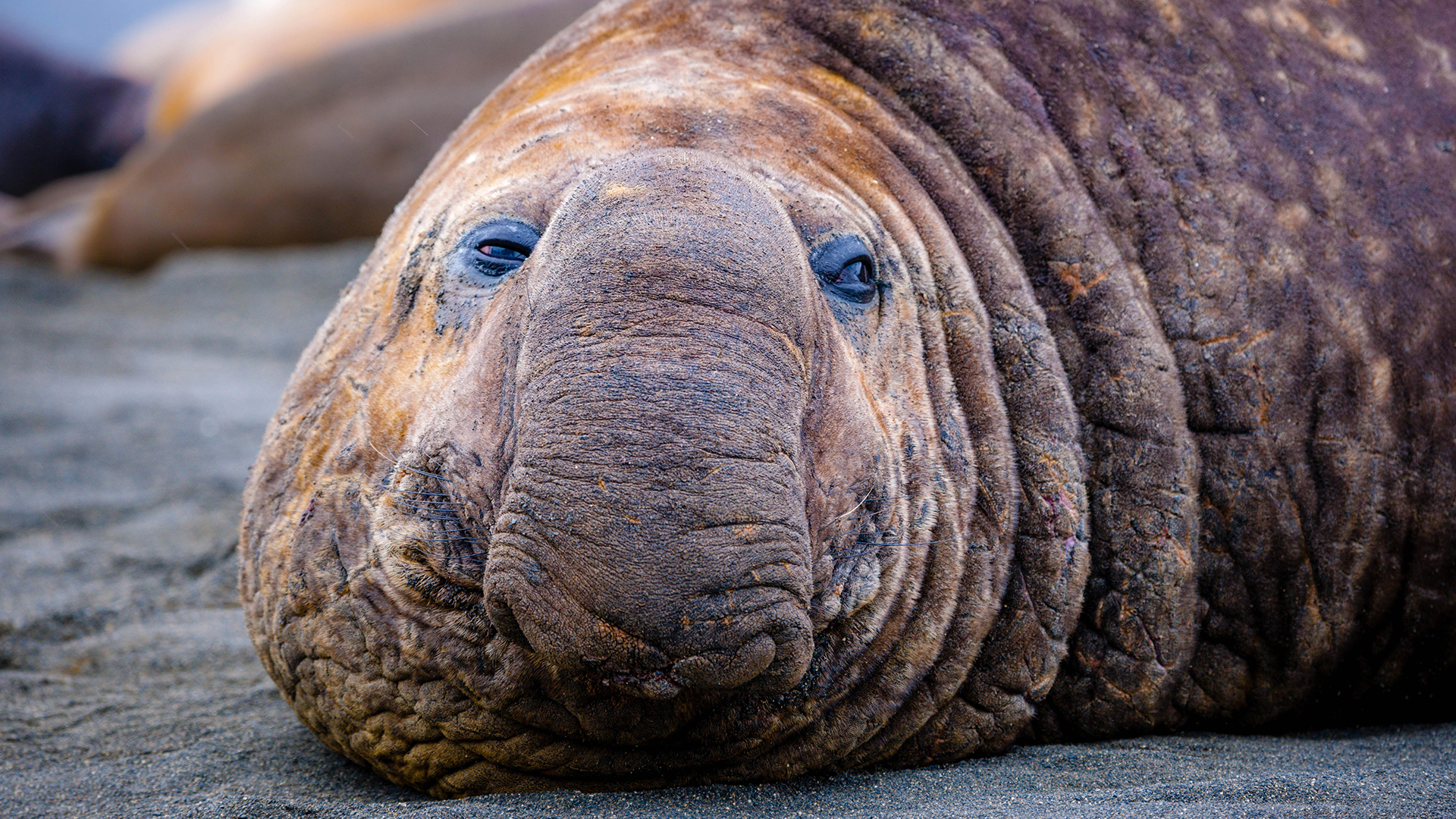
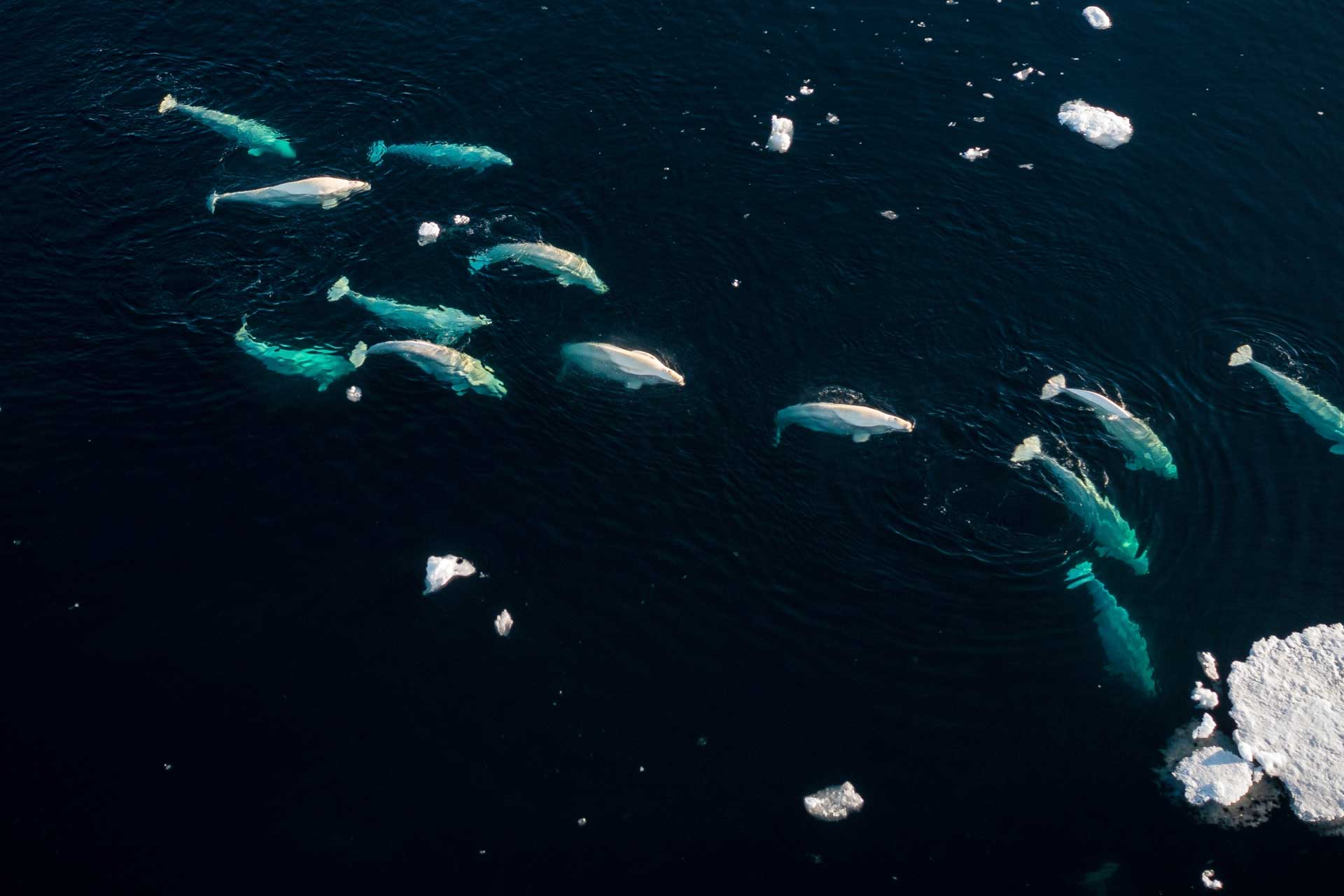
The danger from wildlife on an Arctic cruise is minimal. Indeed, most Arctic fauna is basically harmless, and all of these critters are much more at risk from human beings than vice versa. Some of the most impressive predators up here at the top of the world, including orcas and Arctic wolves, don’t seem to regard people as potential prey in the first place.
Polar Bears
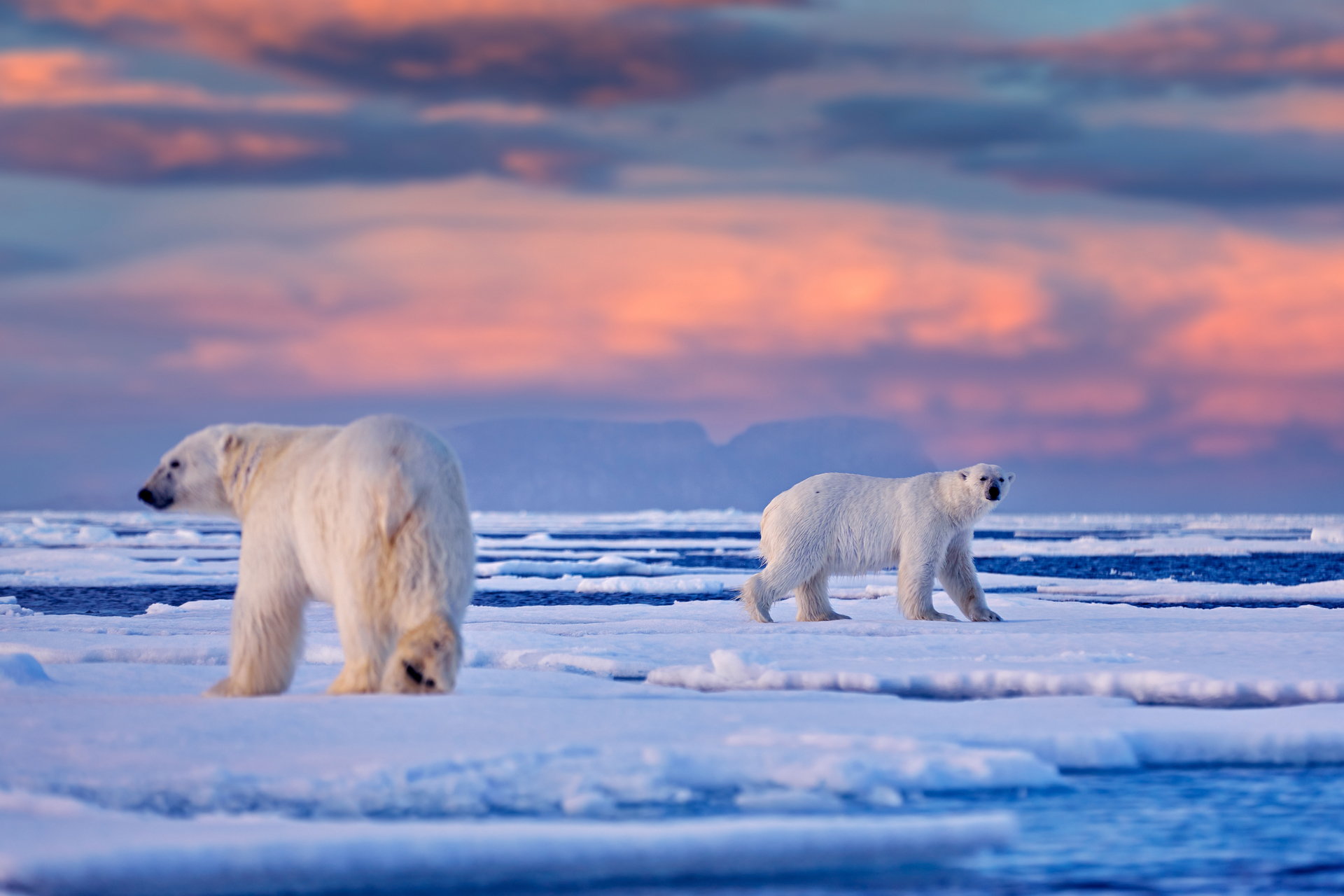
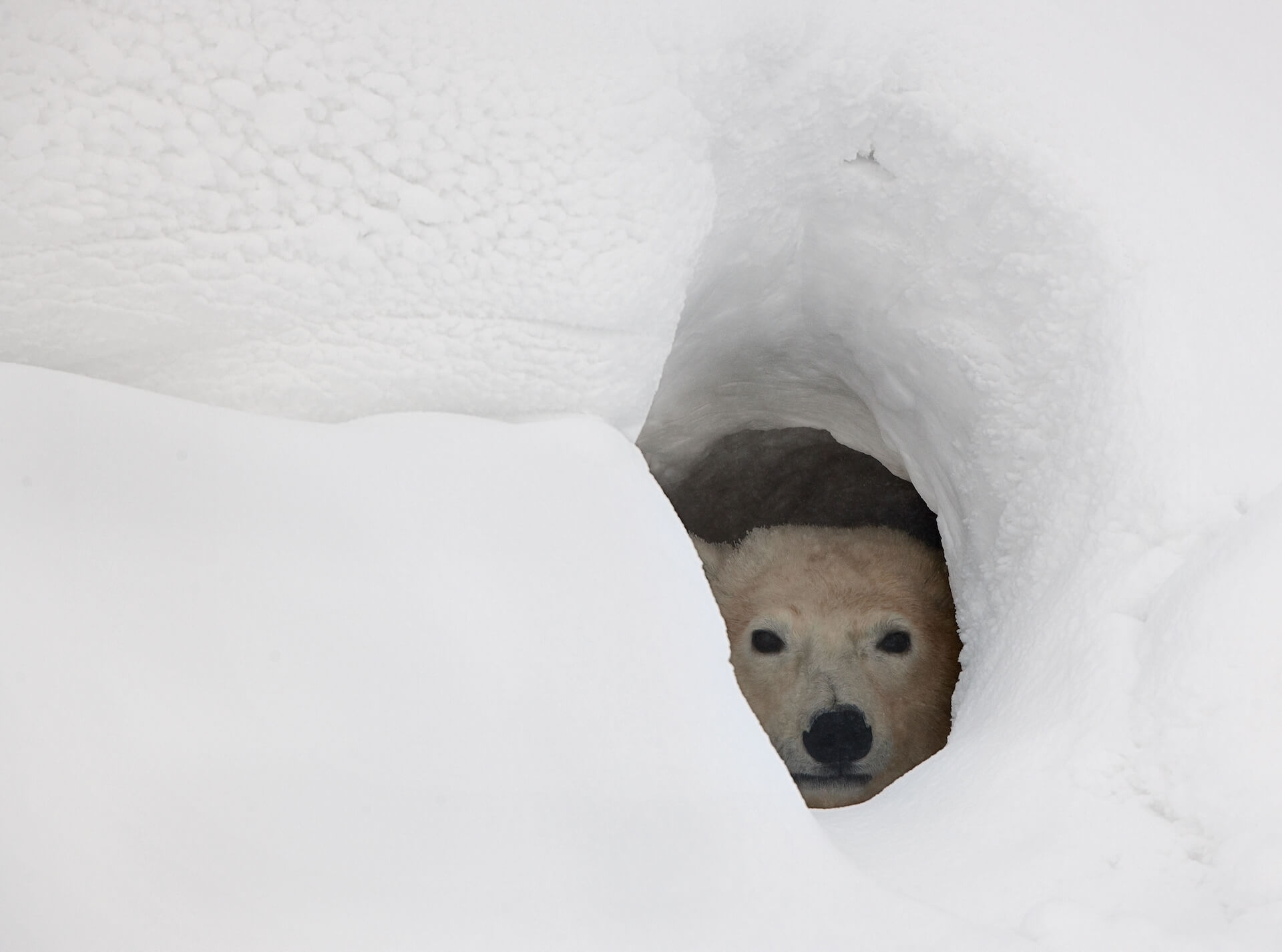
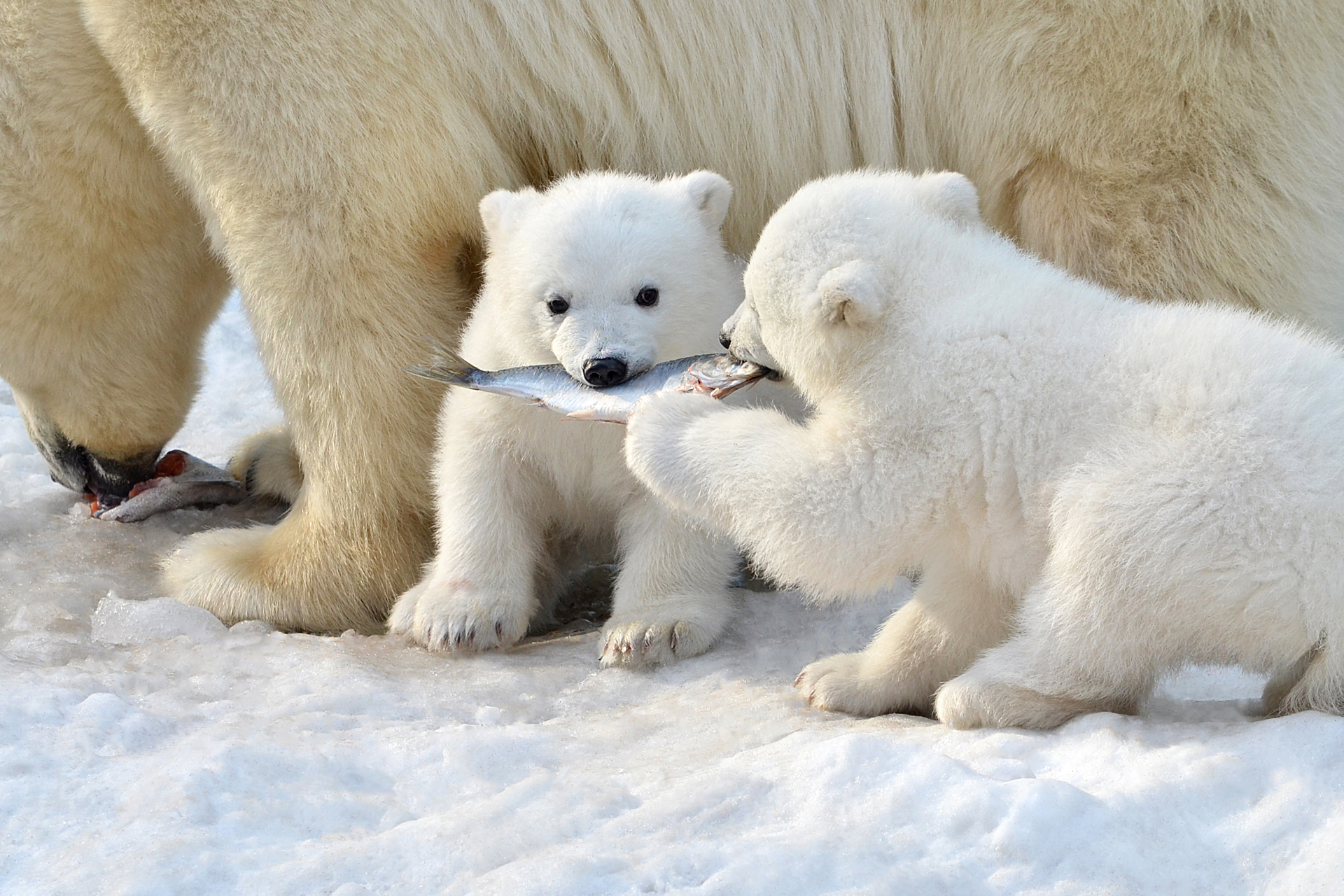
The same can’t quite be said when it comes to the most famous Arctic carnivore, the polar bear, a truly magnificent beast which most cruisegoers yearn to see for themselves. An essential top predator in both the region’s terrestrial and marine ecosystems, the “ice bear” is the most carnivorous of the ursids and generally the most likely to target humans in a predatory manner—but “most likely” is very much a relative term.
Indeed, attacks on people by polar bears are very rare, with many more in North America recorded for black bears and grizzlies. While that’s partly a reflection of the lesser spatial overlap between people and polar bears, it’s also worth noting, as Parks Canada has stressed, that the polar bear is best described as a curious but shy carnivore—not the fearless, ultra-dangerous man-eater it’s sometimes portrayed as. (The relative docileness of the polar bear compared to at least some strains of brown bear may be reflected in the fact that barren-ground grizzly bears, significantly smaller than polar bears, have been observed “bossing” the latter around at scavenged carcasses.) Sure, a polar bear—accustomed to its place on top of the Arctic food web and roaming a vast territory in search of sustenance—might investigate a person as a potential food source. That decidedly does not mean it will definitely attack said person, especially if the right bear-awareness and etiquette protocol is carried out in the face of the encounter.
The Arctic’s most iconic wildlife, like the polar bear, necessitates strict wildlife safety protocols. Signs like this are a constant reminder that we are visitors in their powerful habitat, underscoring the need for expert guidance and constant vigilance on land.
A 2017 review of recorded polar-bear attacks on people across the species’s circumpolar range from 1870 to 2014, published in the Wildlife Society Bulletin, tallied 63 human injuries and 20 human fatalities as a result—really quite few, when you consider the timeframe. That study also suggested that the statistically most dangerous polar bear appears to be a “nutritionally stressed adult male” (aka boar), with comparatively few attacks attributed to female polar bears defending their young (a marked difference compared to grizzly bears). While the motivating factor in most polar-bear attacks on people—again, mainly carried out by hungry boars—seems to be predatory, such events are still overall rare, and furthermore, as demonstrated in that Wildlife Society Bulletin analysis, the majority of attacks were upon single persons or pairs, rarely carried out against a larger party.
On a shore landing during an Arctic cruise, you won’t be alone or with just one other person: You’ll always be in a group, and therefore intrinsically less vulnerable to bears. Not only that, but you’ll be accompanied by staff well-versed in polar-bear safety: staff armed with firearms and other deterrents, implementing careful (and mandatory) reconnaissance of landing areas before anyone steps foot on shore and carrying out systematic bear watches, and keeping the entire group together throughout the onshore exploration.
Here’s the deal: Seeing a polar bear in the wild—whether from your ship, a Zodiac, or (very rarely) during an on-foot guided hike—is the thrill of a lifetime. This is an awe-inspiring creature with immense ecological and cultural importance, and one gravely threatened by our changing climate. You needn’t fear polar bears on an Arctic cruise: You’ll surely be crossing your fingers that you’ll spy one, and, even if you don’t, it’s a privilege to even simply share, for a few days or a couple of weeks, the grand wilderness ruled by this animal while it’s still around.
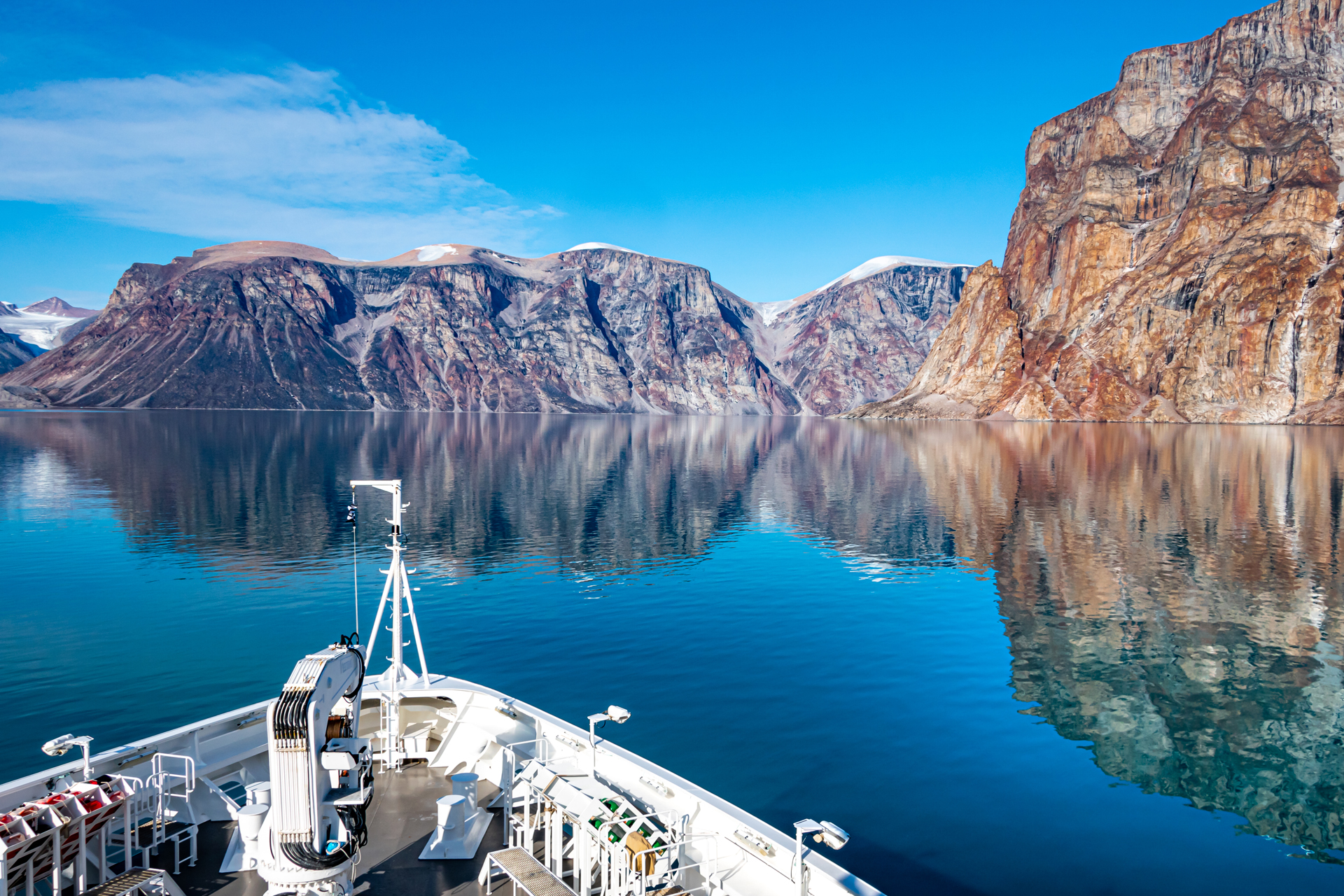
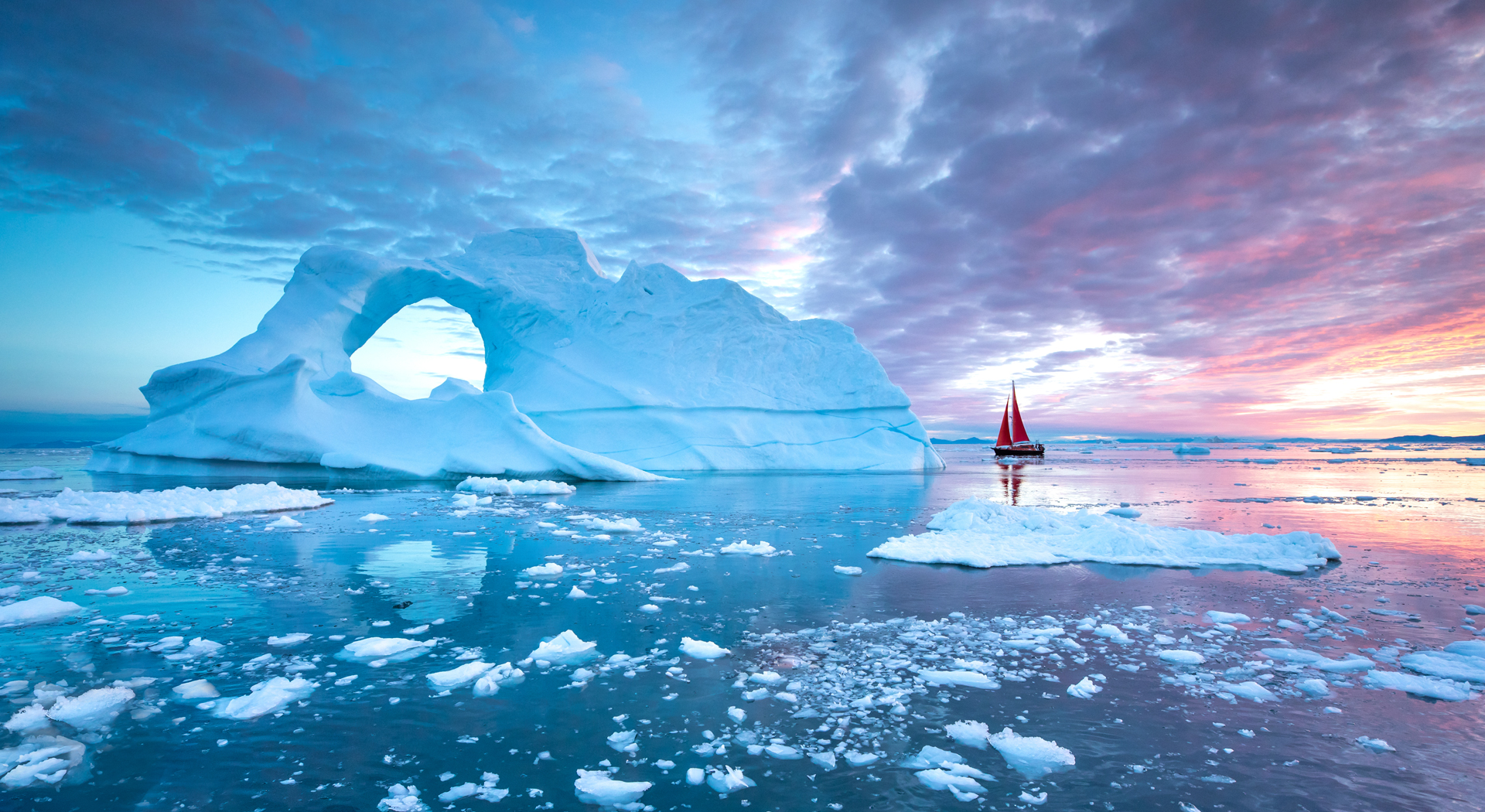
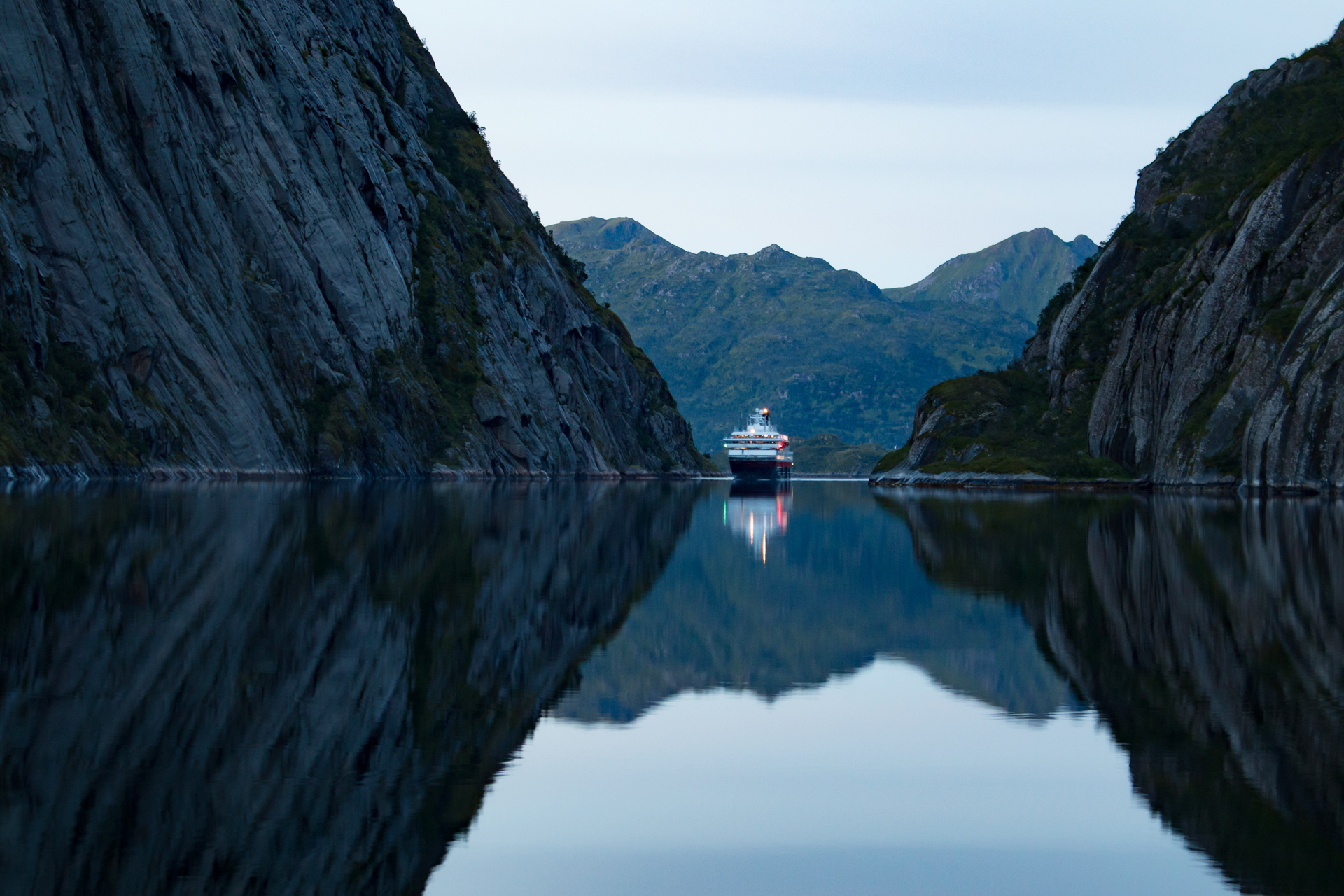
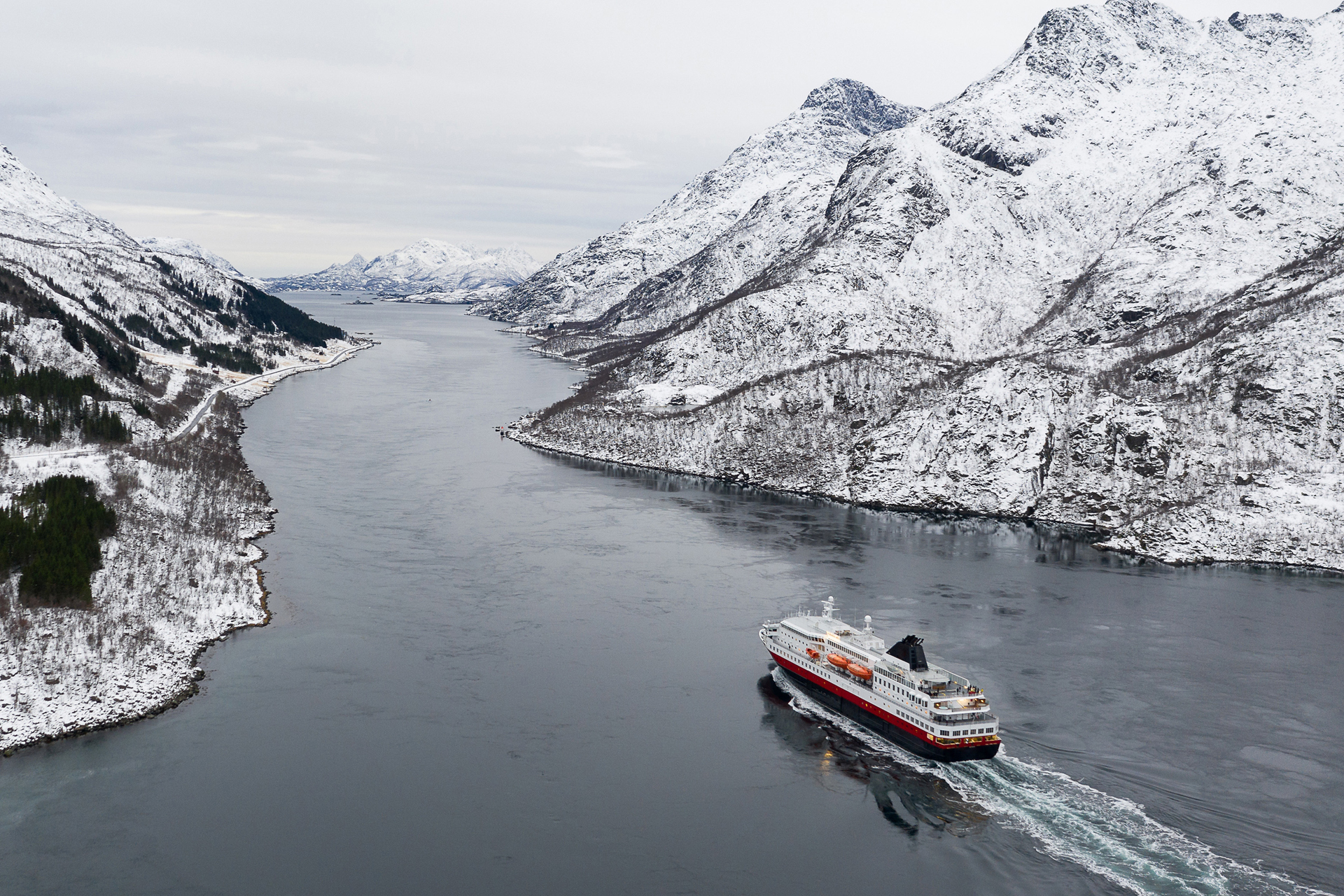
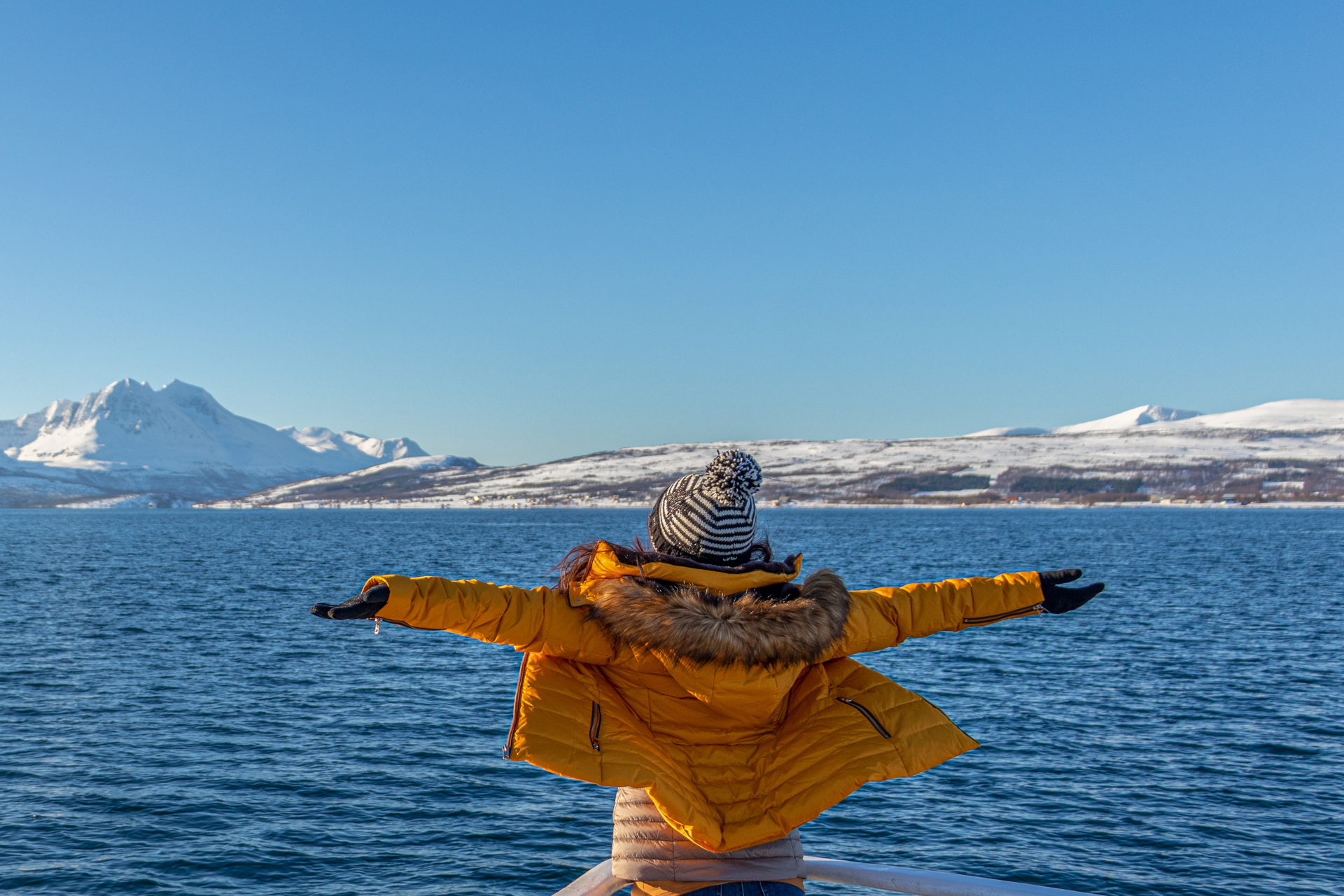
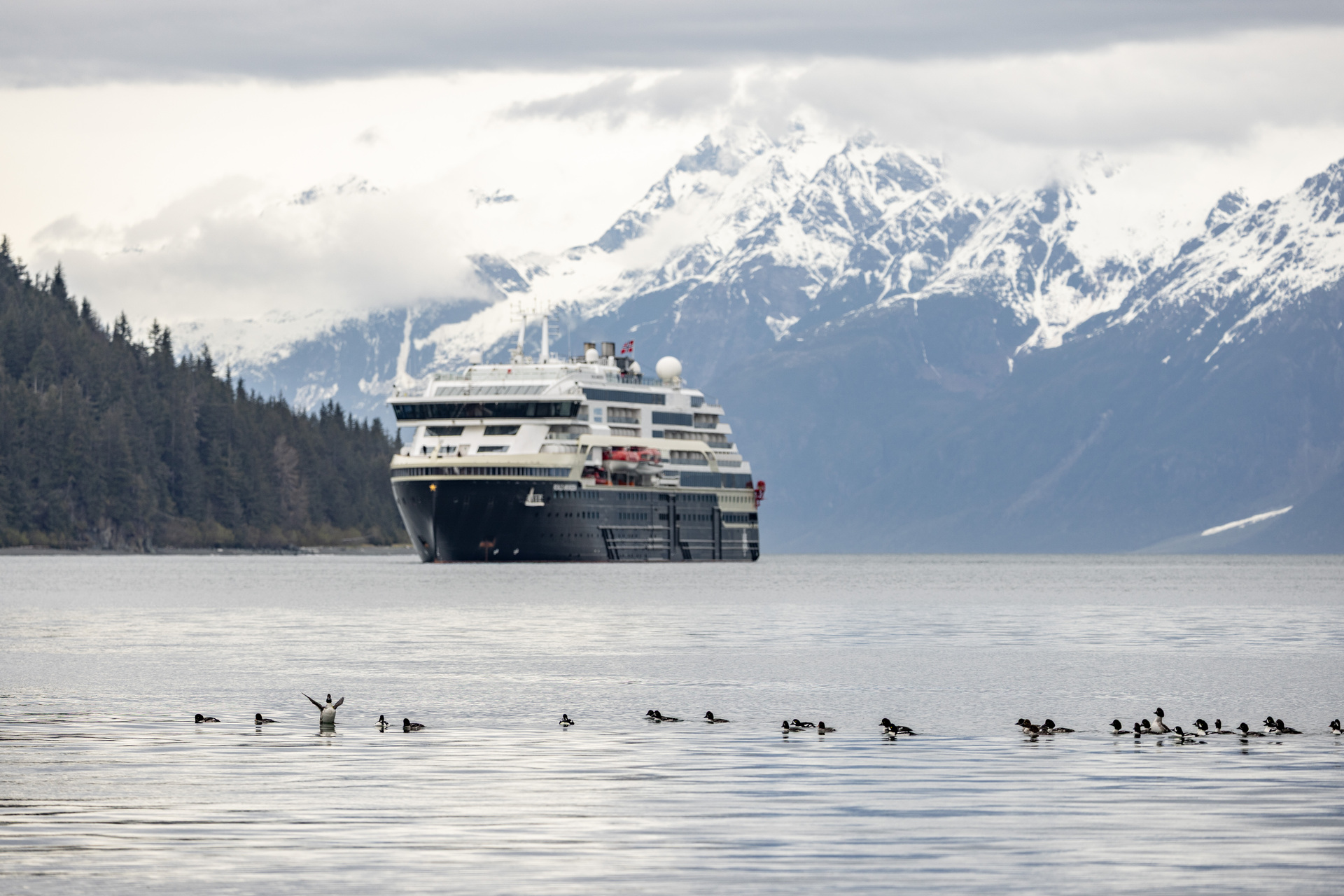
With robust safety measures in place, you can fully embrace the sublime beauty of the Arctic. Let the vast, protected landscapes of the fjords be the backdrop for a memory-minting voyage that balances adventure with peace of mind.
Enjoy a Memory-Minting—and Safe—Voyage to the Arctic
Few travel destinations on Earth are so extraordinary as the Arctic, host to some of the planet’s last great wilderness, dreamlike polar vistas, spectacular wildlife, and a rich cultural heritage. An expedition cruise carried out on a luxurious, comprehensively equipped, and exceptionally staffed vessel is an amazing—and just about the safest—way to experience it.

An Expert’s Guide To Chilean Patagonia’s Trekking Routes
Patagonia Cruise: An Antarctica Alternative Or Ideal Add-On?
Patagonia Cruise Or Lodge-Based Land Tour: Which is Best?
9 Best Patagonia Lodges To Combine With An Antarctica Cruise
The Best Time To Go To Chilean Patagonia
12 Best Things To Do In Chilean Patagonia
2 Weeks In Chilean Patagonia – Itinerary Inspiration
Ultimate Patagonia Cruise Guide: Routes & Recommendations
An Expert’s Guide To Planning A Trip To Chilean Patagonia
Disclaimer
Our travel guides are for informational purposes only. While we aim to provide accurate and up-to-date information, Antarctica Cruises makes no representations as to the accuracy or completeness of any information in our guides or found by following any link on this site.
Antarctica Cruises cannot and will not accept responsibility for any omissions or inaccuracies, or for any consequences arising therefrom, including any losses, injuries, or damages resulting from the display or use of this information.