

































2 Weeks In Chilean Patagonia - Itinerary Inspiration


- Considerations for your Chilean Patagonia adventure
- Itinerary One: Classic national parks and fjords
- Day one: Santiago
- Days two to five: Puerto Varas and Chiloé
- Days six to nine: Torres del Paine National Park
- Days ten to fourteen: The Patagonia Fjords
- Itinerary Two: Classic and off-the-beaten-path hiking
- Day one: Santiago
- Days two and three: Punta Arenas and Puerto Natales
- Days four to eight: Torres del Paine National Park
- Days nine to fourteen: The Carretera Austral
- Itinerary Three: Extended explorations through the Patagonian fjords
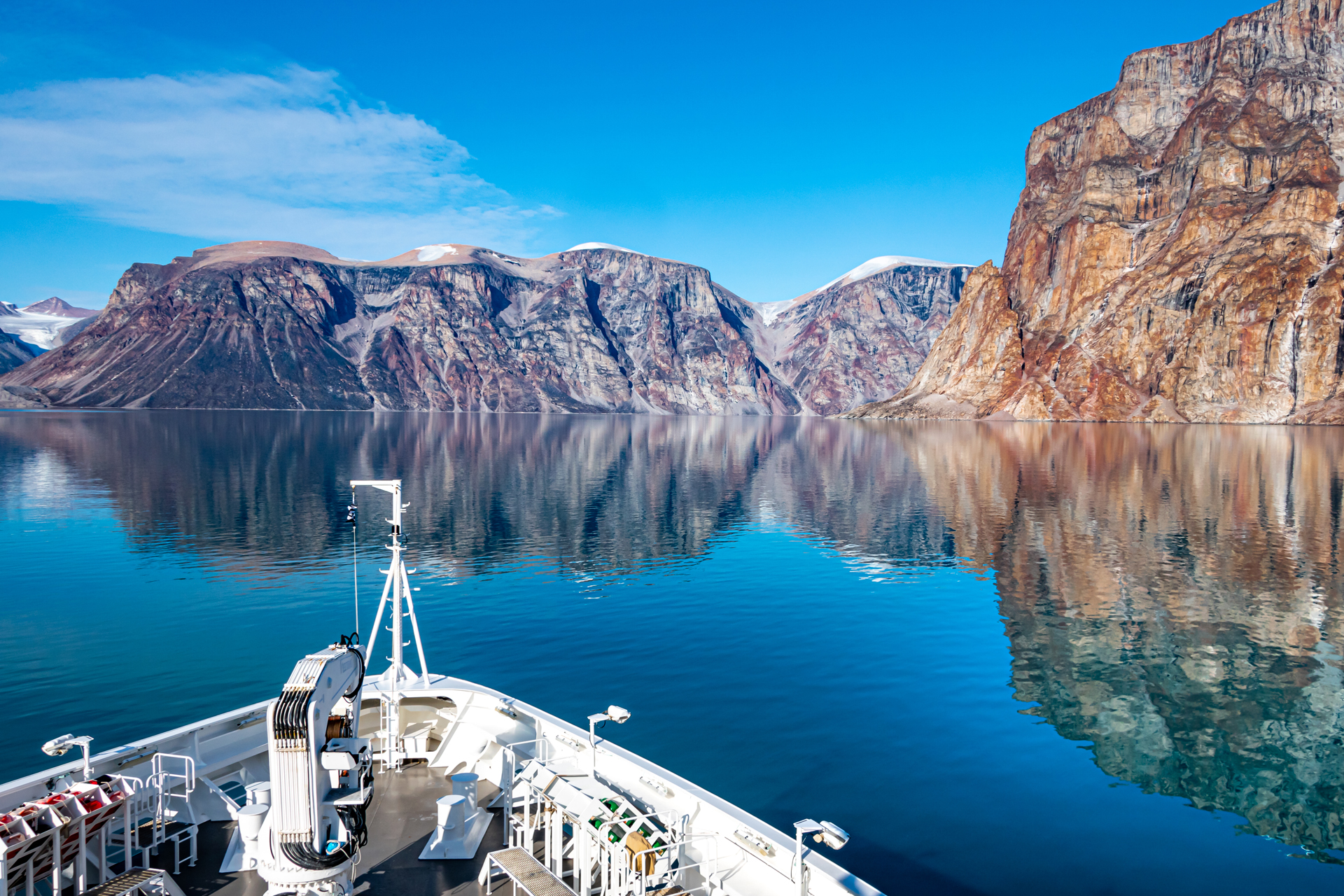
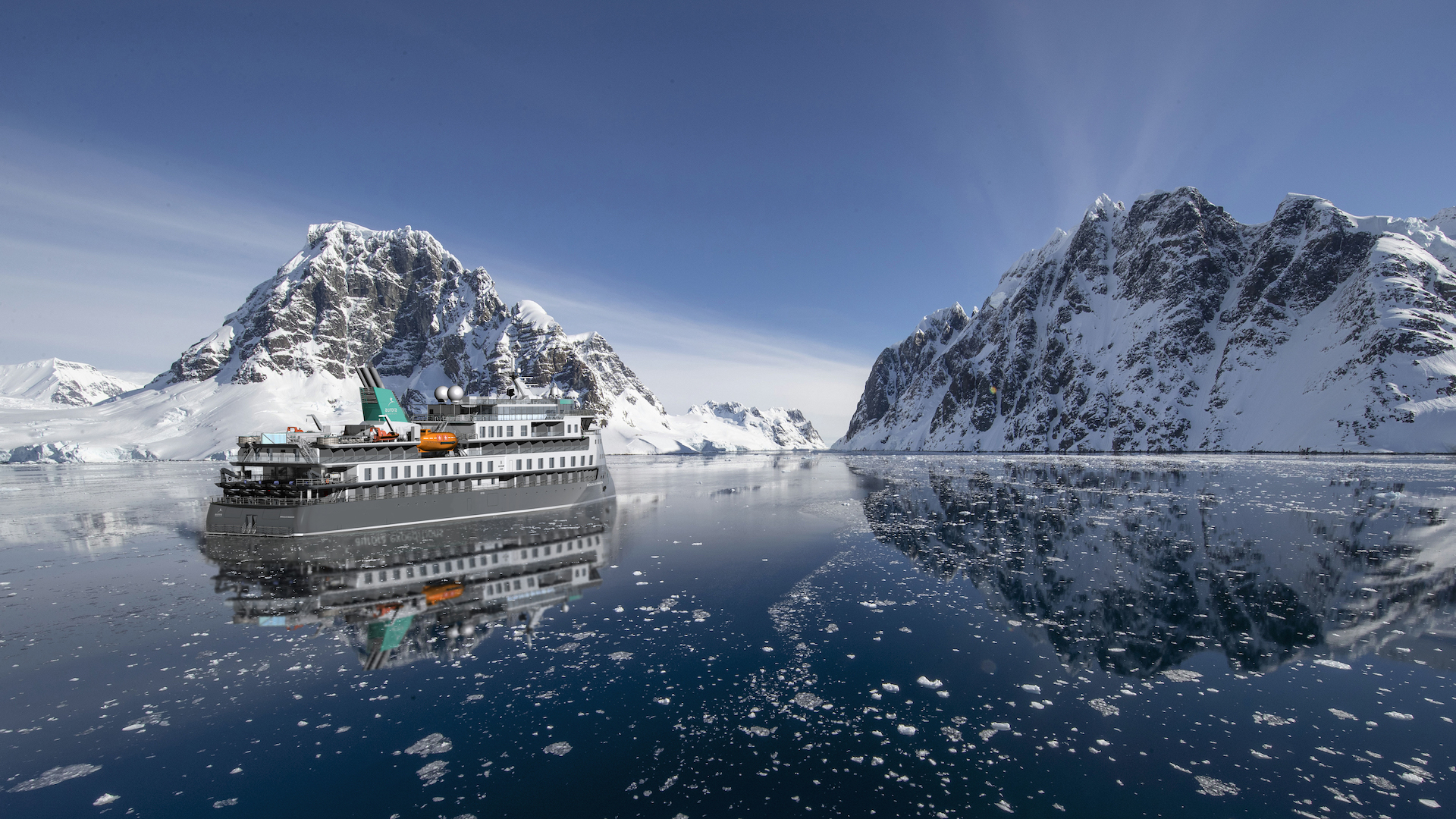
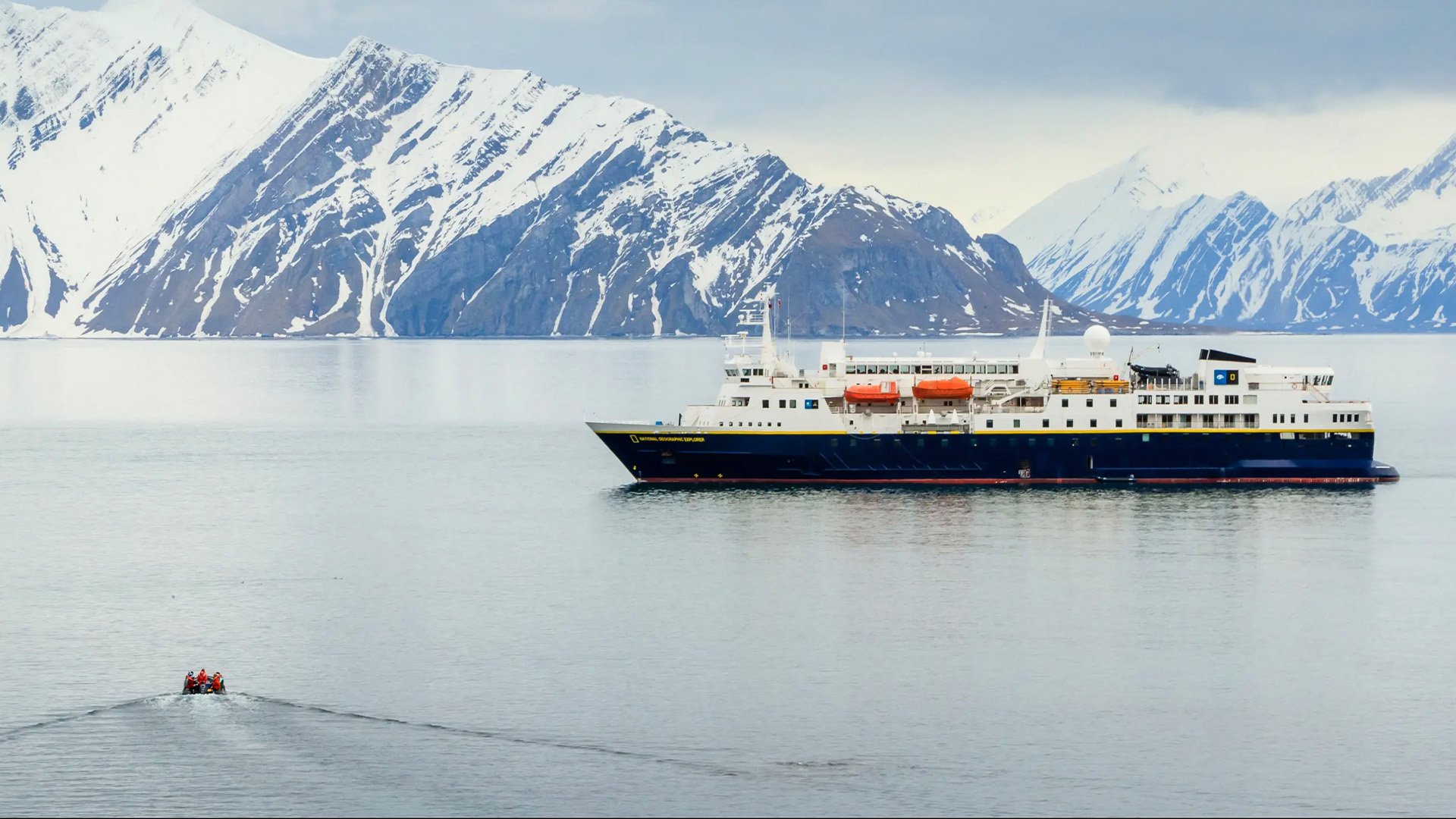
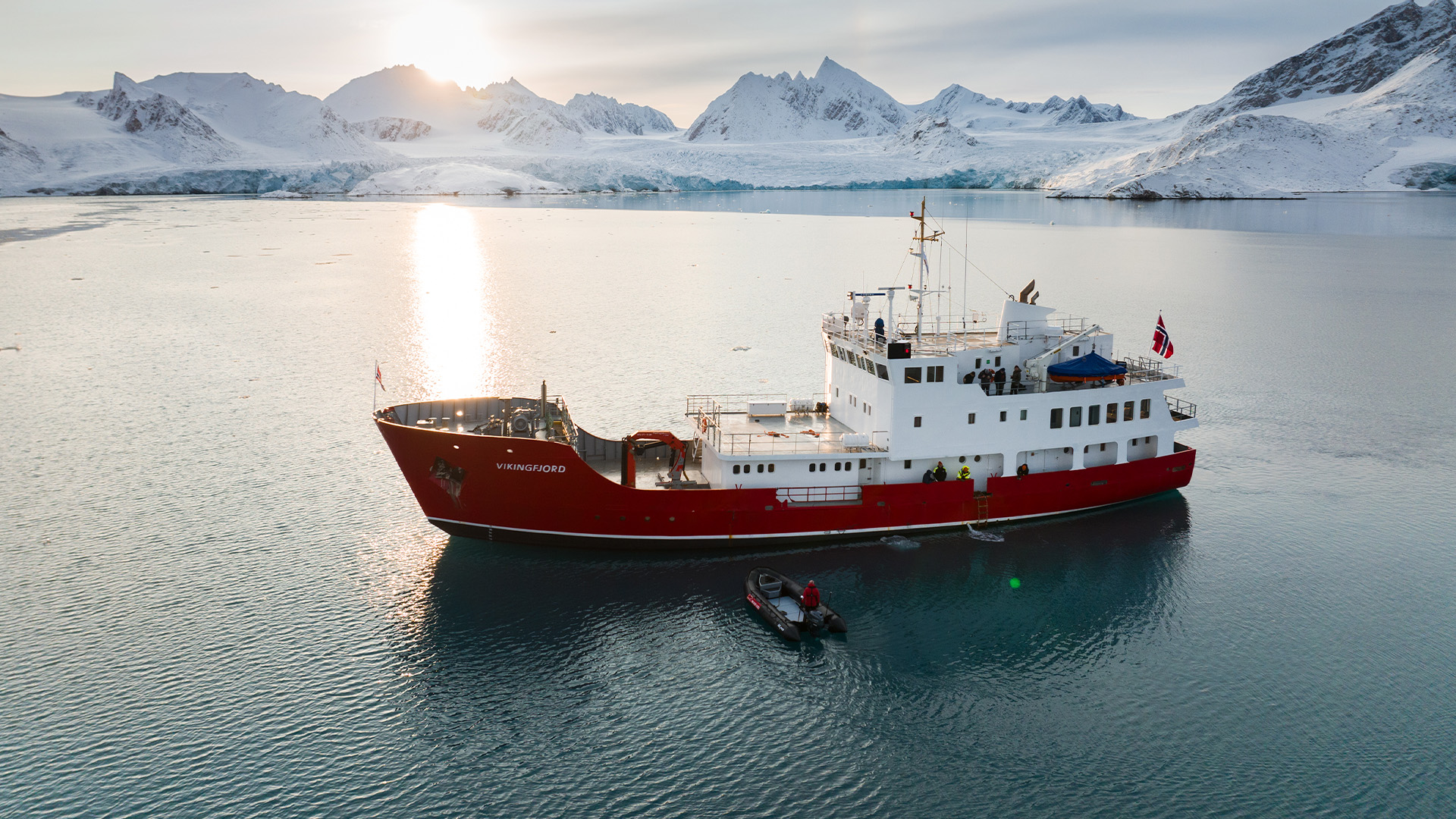
Patagonia is one of the planet’s last great wildernesses – a place long sought out by travelers seeking true remoteness. Its immense, sculpted landscapes are a major part of the draw: hiking trails thread through jagged mountains and windswept plains, while small ships navigate the salt-laced fjords that carve into its Pacific edge.
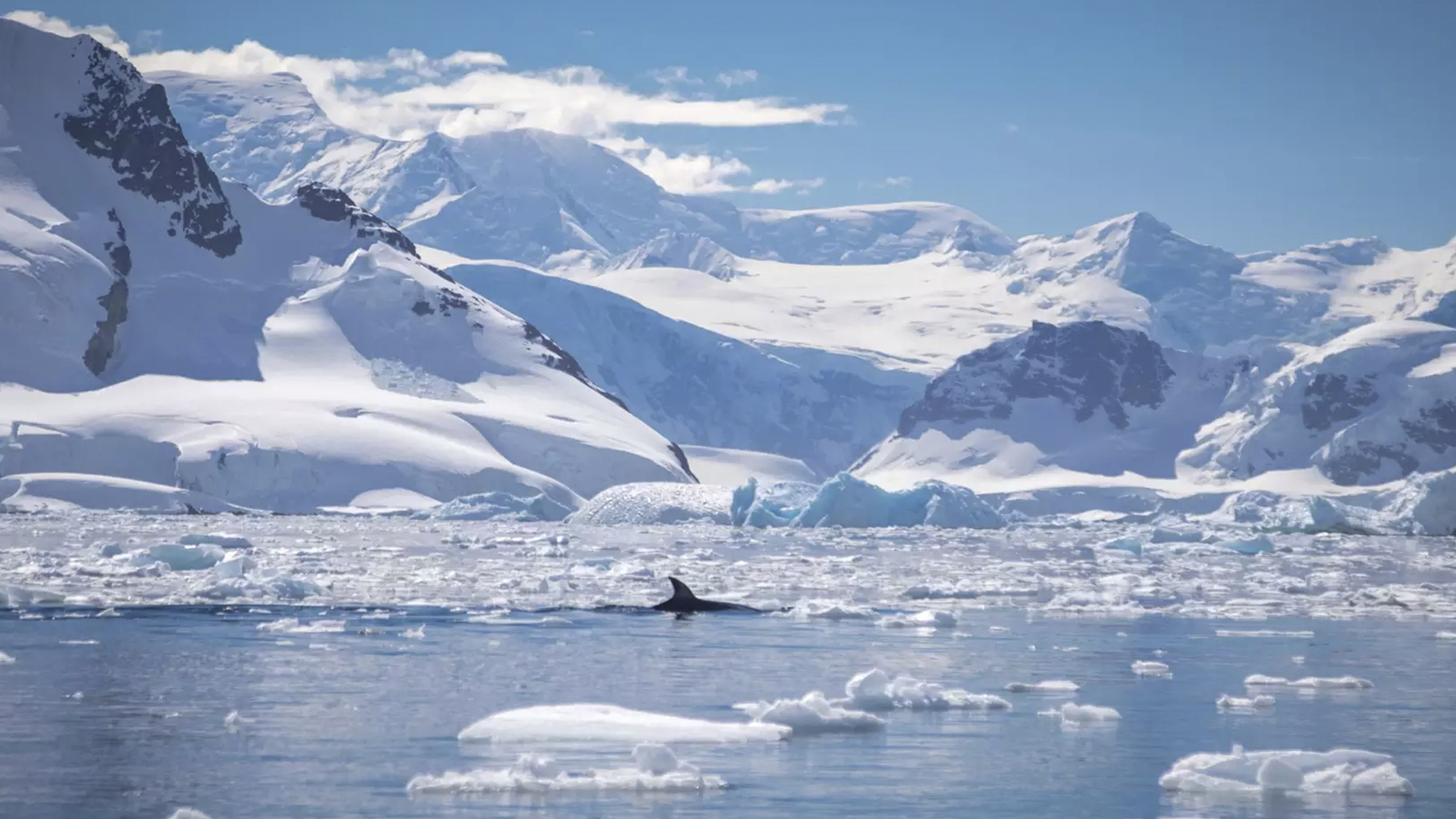
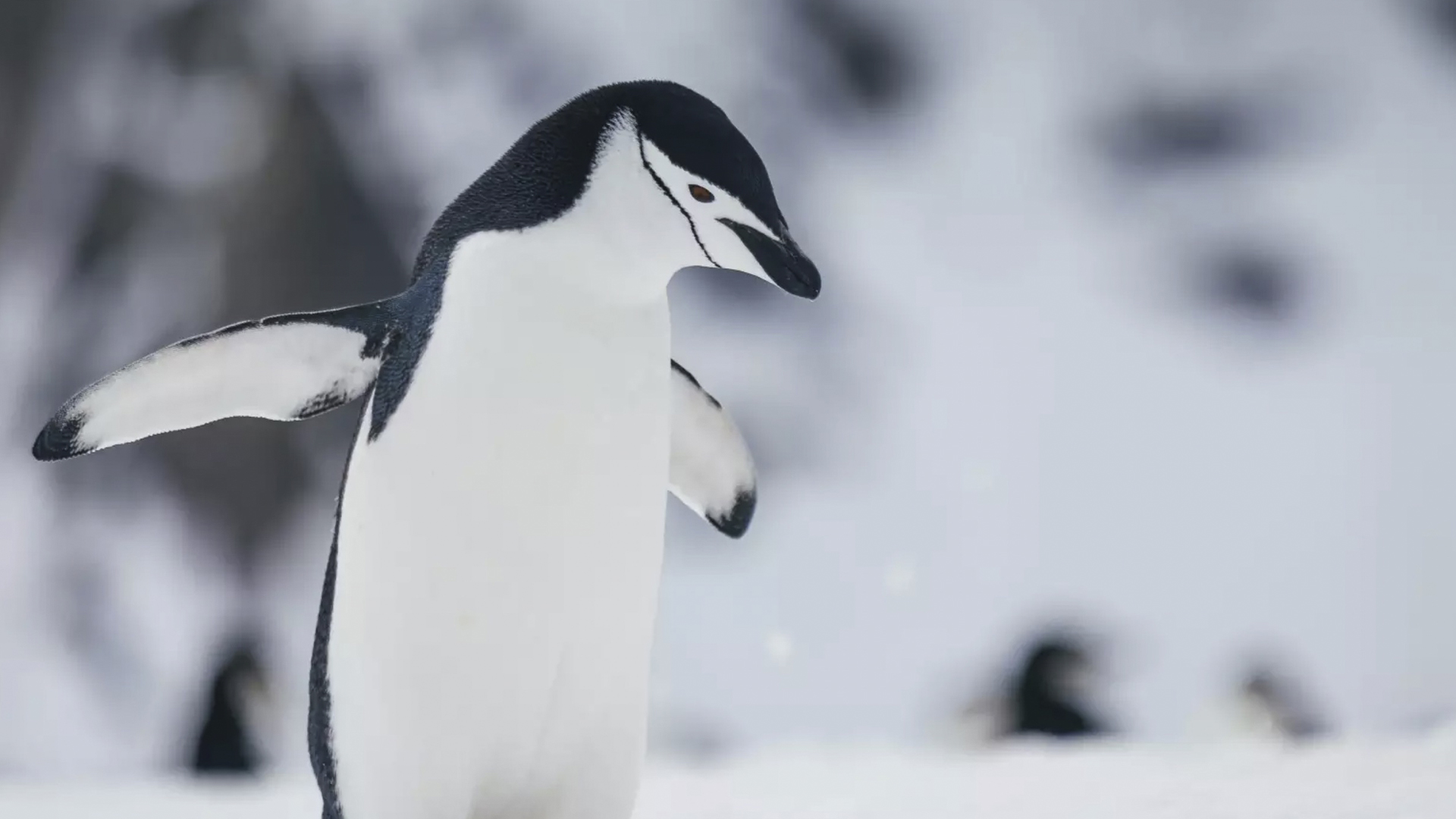
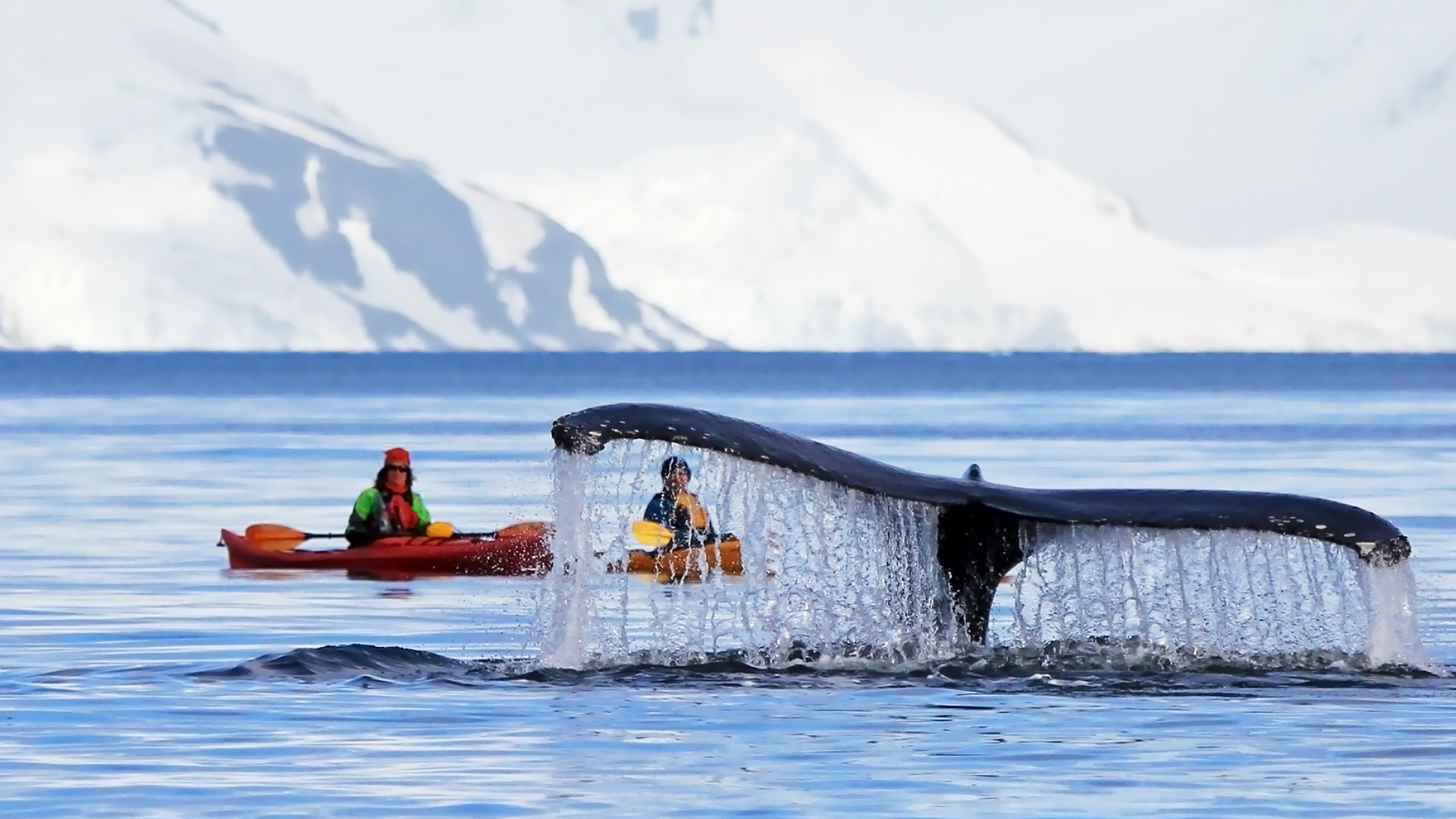
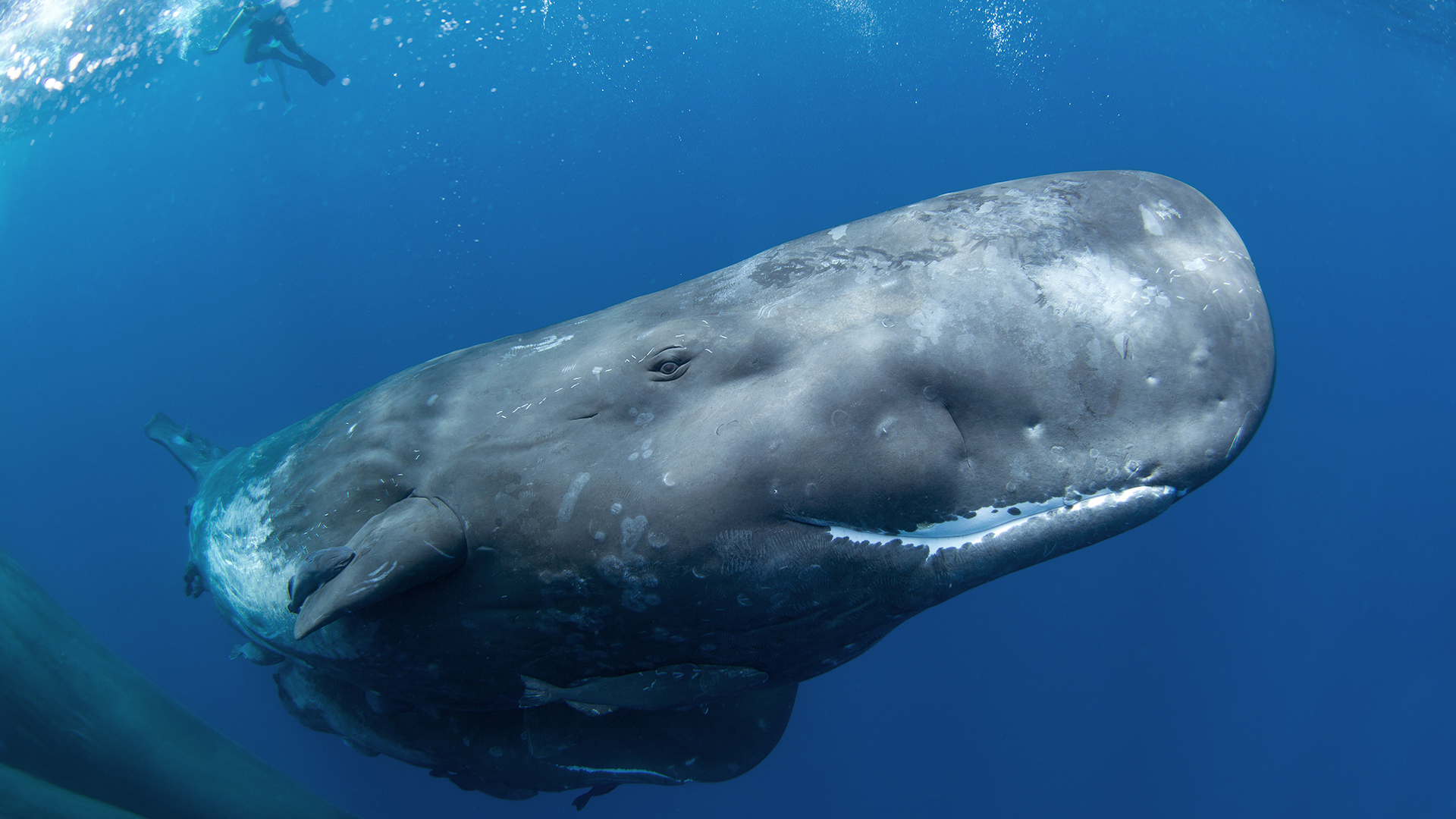
But it’s not only these superlative landscapes that captivate travelers. It’s the life they hold: pumas and condors patrolling national parks, and penguins, whales, and dolphins thriving in the surrounding oceans. The human presence runs deep, too, in the gauchos, who continue to raise sheep on the unforgiving Patagonia steppe, and in the legacy of the Indigenous peoples whose cultures and communities were devastated by colonization.
While Argentine Patagonia is arguably better known, the Chilean side holds much of the region’s magic. Distances are far and highlights plentiful, so a minimum of two weeks is needed to truly get under the skin of its landscapes and cultures. Read on for our recommended Chilean Patagonia two-week itineraries to inspire your vacation.
Considerations for your Chilean Patagonia adventure
Chilean Patagonia is split into two distinct regions: northern and southern. The latter is the most famous, thanks to the mountains and steppe of Torres del Paine, as well as the small ship expedition cruises that sail around its bewitching fjord systems. While this region is best known for its multi-day treks, other activities, including hiking trails, boat journeys, and wildlife watching, are available and accessible to all physical abilities.
Northern Patagonia is greener than the south and is largely visited for the Carretera Austral, a road connecting a string of national parks and promising one of the world’s finest road trips. Hiking is equally part of the region’s appeal, although the drive along the Carretera Austral is one of Patagonia’s most scenic routes and beautiful even without leaving the vehicle.
It’s easy to combine both, as frequent air connections run throughout the season. The months of September, October, and April have unique end-of-season cruise journeys that head north or south between the two.
Seasonality is a huge consideration before planning your adventure. Most travelers visit Patagonia in summer, between December through February, leading to congested hiking trails. The region is far quieter – and the connection with its stark wildness much easier to appreciate – during trips in late spring (November) or fall (March and April).
During the austral winter, heavy snowfall closes practically all of northern Patagonia and most of the south; however, Torres del Paine National Park in winter can be unforgettable for those willing to sacrifice warmth for beautiful snowy landscapes and silence.
Itinerary One: Classic national parks and fjords
Why choose this itinerary: It shows the highlights of Chilean Patagonia, from land to ocean
Physical level: Low to moderate
Day one: Santiago
Start in the Chilean capital, Santiago. Explore the museums and street art of the city’s colonial center, sample the country’s territory through the ingredients of its fine dining establishments, and head to a vineyard or two for an introduction to the country’s outstanding wine scene.
Days two to five: Puerto Varas and Chiloé
Fly to Puerto Montt on the northernmost tip of Chilean Patagonia. The perfect base from which to explore the region is Puerto Varas, whose Germanic architecture reflects a wave of European immigration in the 19th century. This lakeside town is overlooked by the Osorno Volcano, with hiking trails and ski lifts to take you up the summit for glorious views.
Spend a couple of days relaxing in hot springs or exploring Chiloé Island, which is connected to the mainland with a short ferry. Spend a few days at the luxurious oceanside Refugia Chiloé. Explore the island’s UNESCO World Heritage churches and stilted houses, dine on traditional dishes such as curanto (a seafood stew cooked underground), and hit the trails in Tepuhueico Park, where endemic Valdivian temperate rainforest is home to the world’s smallest deer, the pudú, and the tiny marsupial, the monito del monte.
Days six to nine: Torres del Paine National Park
Fly south to Puerto Natales, the gateway to Torres del Paine National Park. Stay in a luxury boutique hotel, such as Explora or Awasi, or opt for Estancia Cerro Guido, a working ranch and boutique lodge.
There’s plenty to keep you busy in this wild and wonderful corner of Patagonia. Tackle the trek up to the Torres, the three toothy granite peaks after which the park is named, before a relaxed morning gliding by boat across Grey Lake to the crumbling snout of Grey Glacier.
Join a local gaucho (cowboy) to track down the park’s most intriguing residents, pumas, or escape the crowds on a quieter hiking trail – but one with still spellbinding views of the Paine Massif mountains at the heart of the park.
Spend evenings watching the sun set over these mountains and dining on traditional Patagonian dishes, such as roast lamb or guanaco steaks.
Days ten to fourteen: The Patagonia Fjords
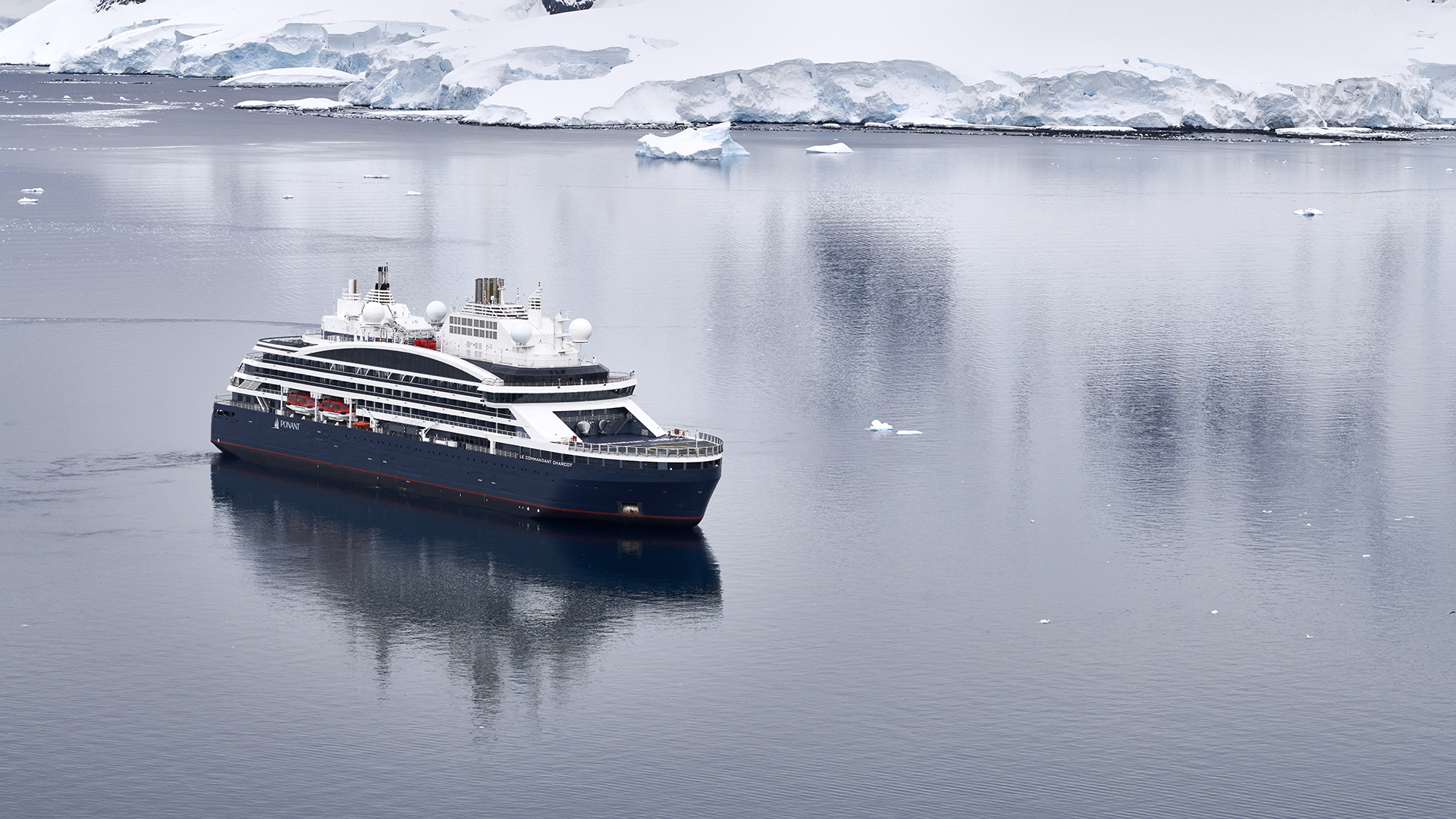
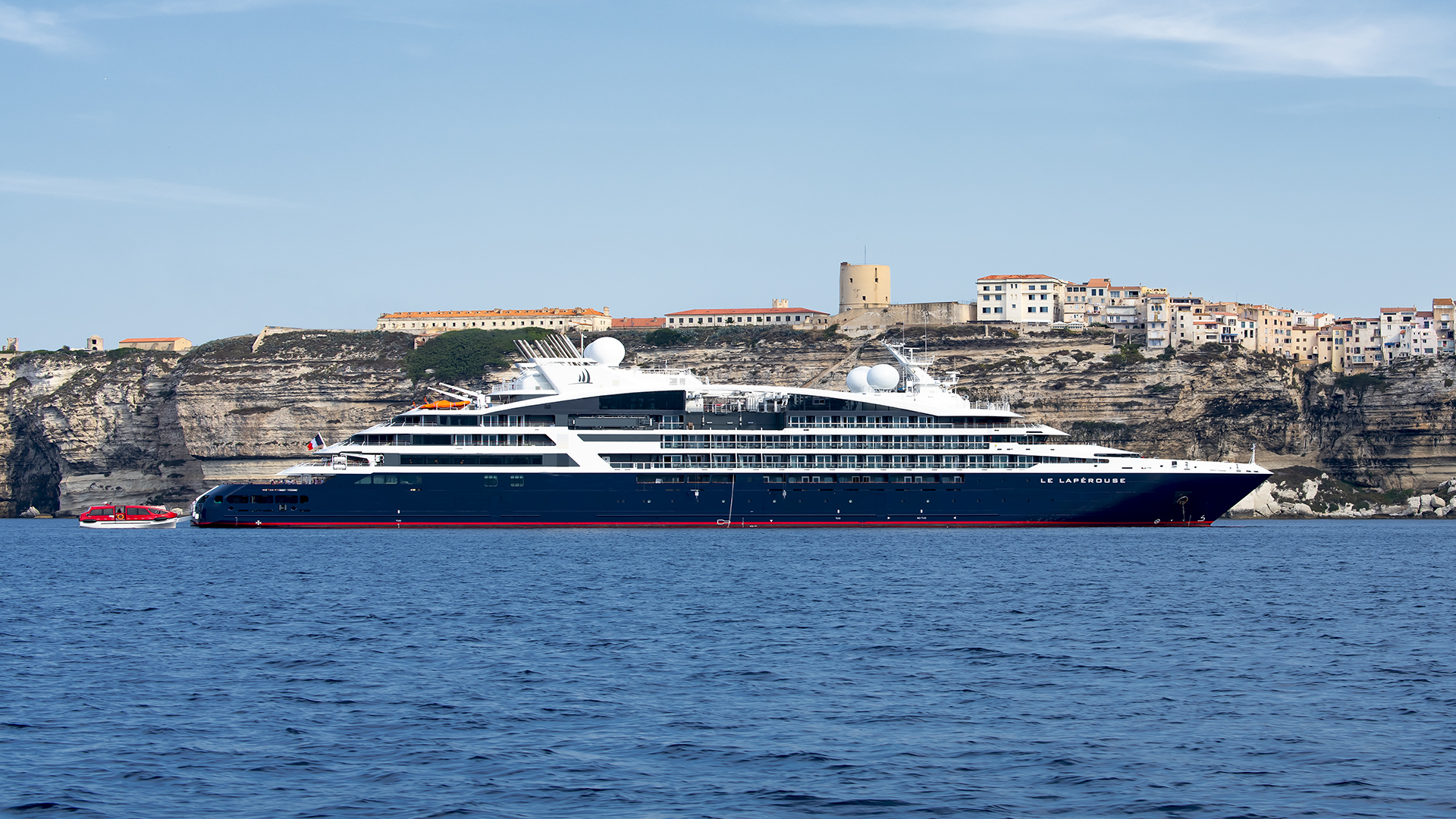
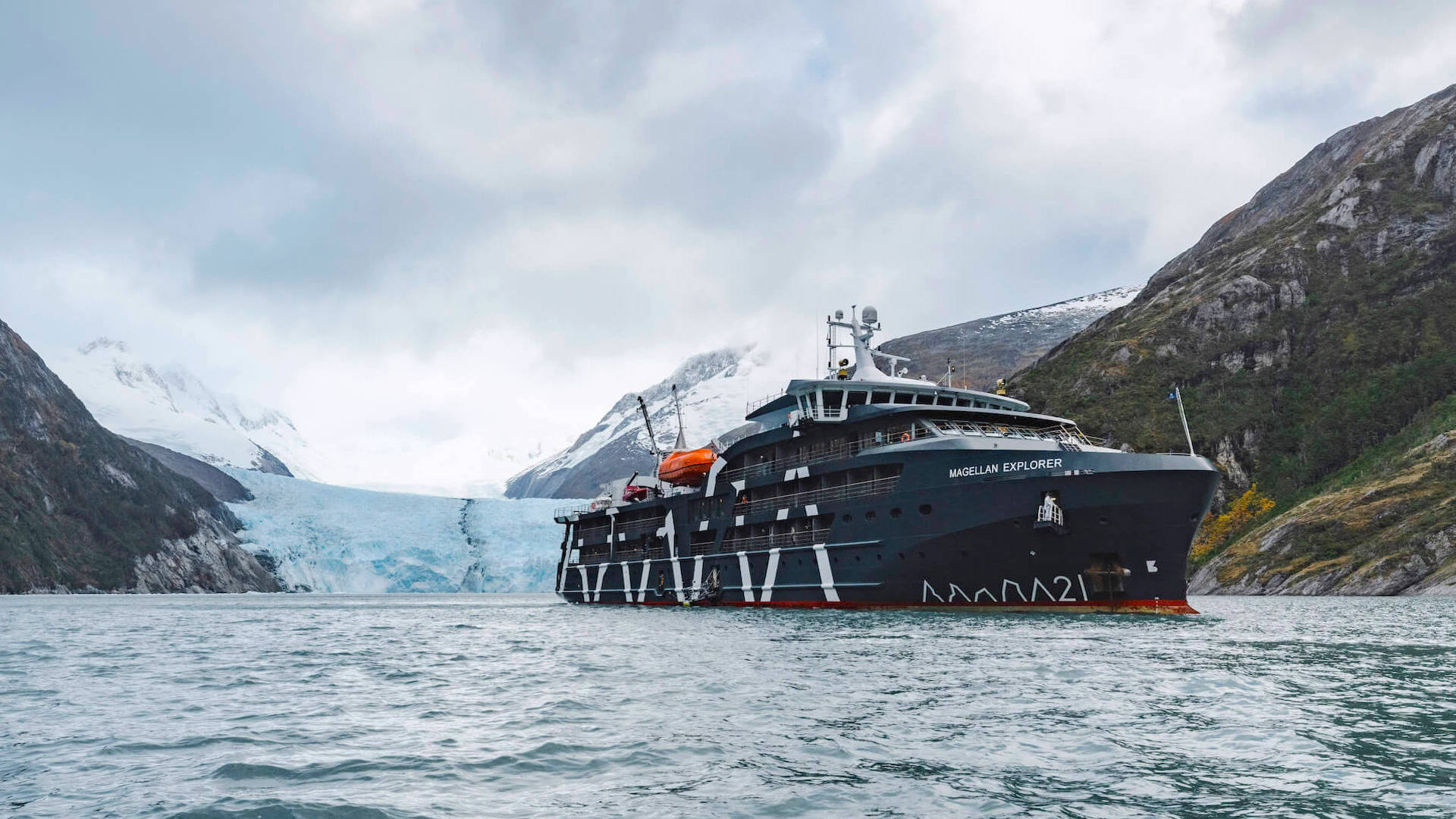
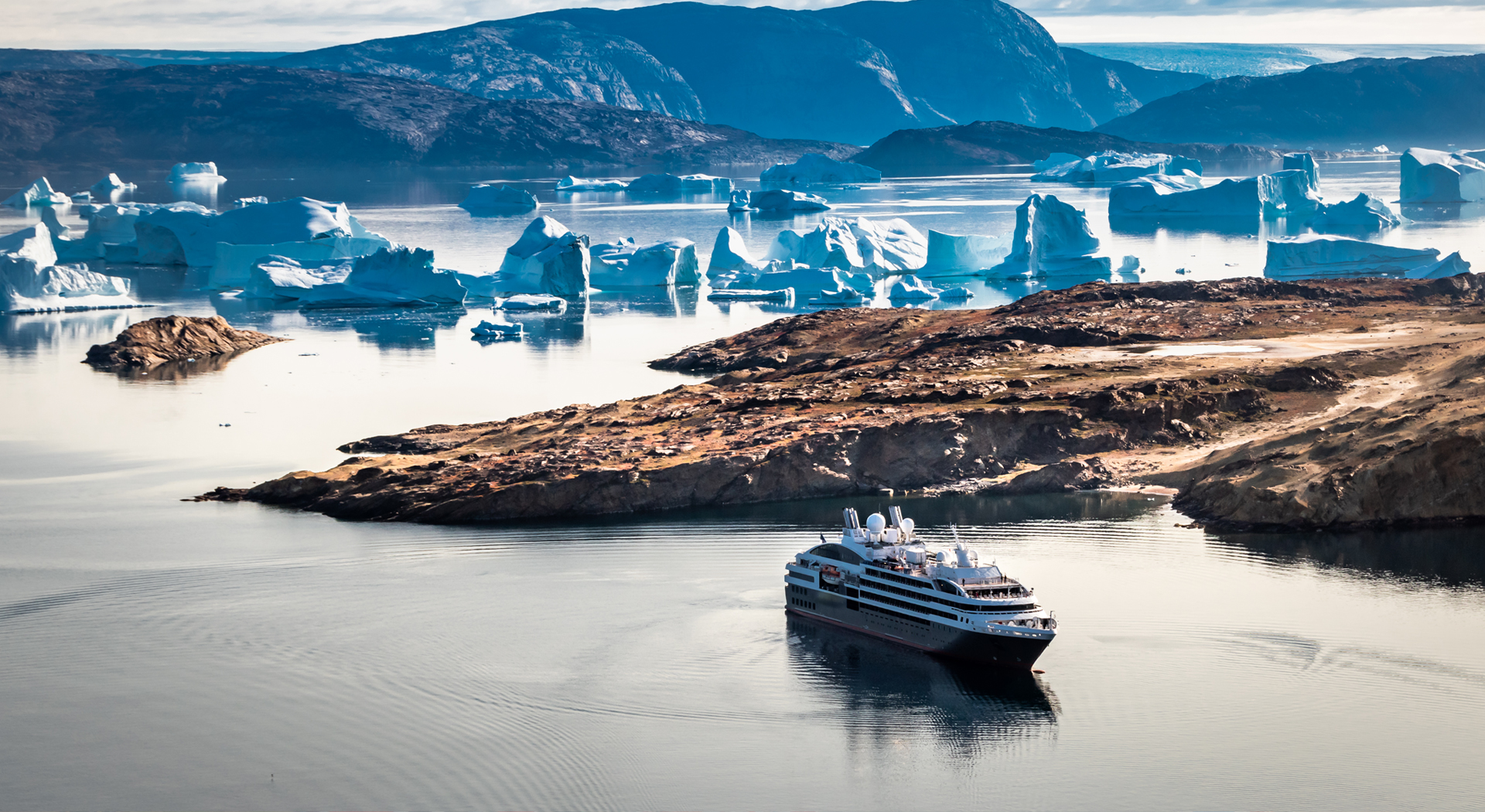
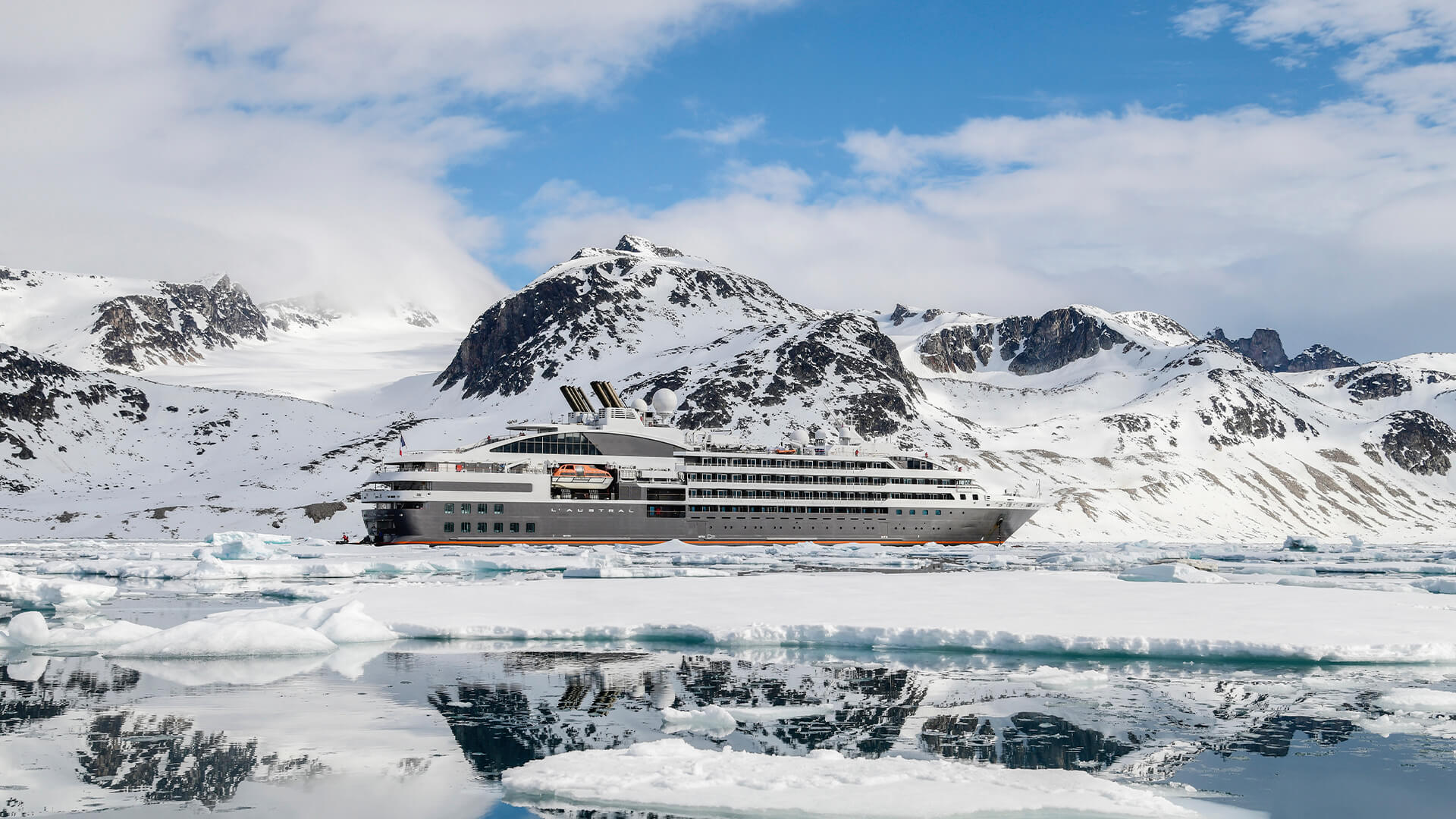
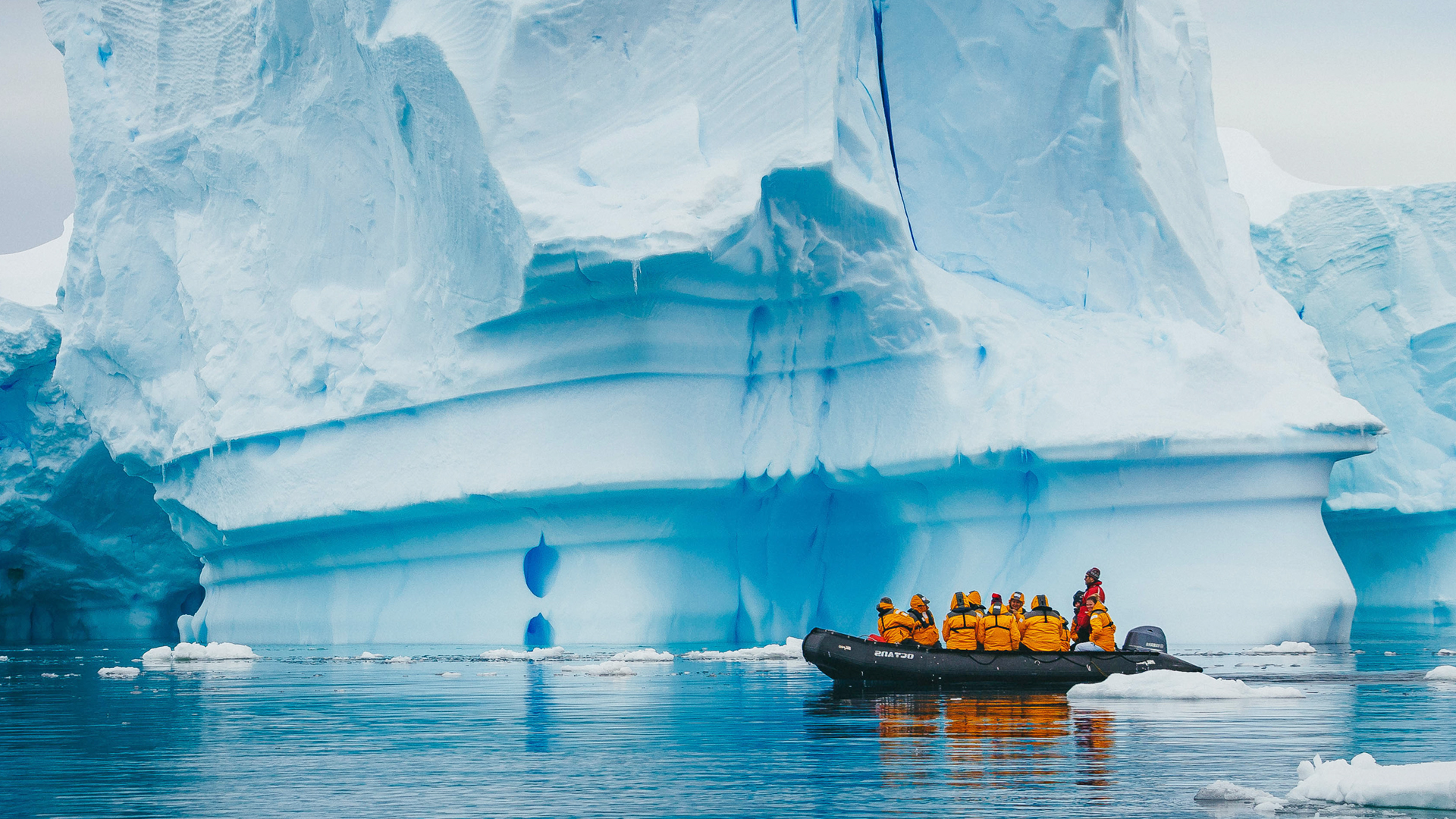
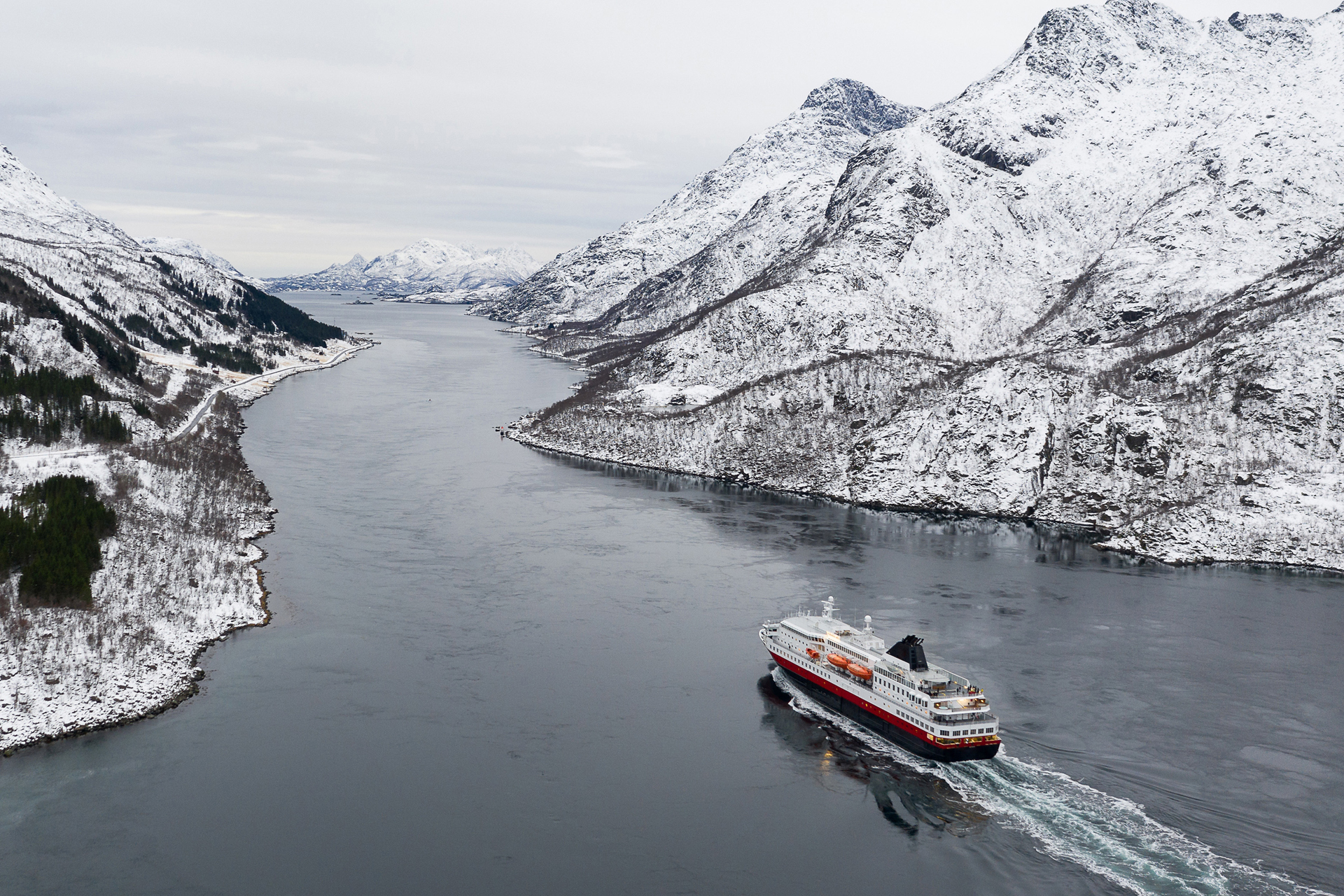
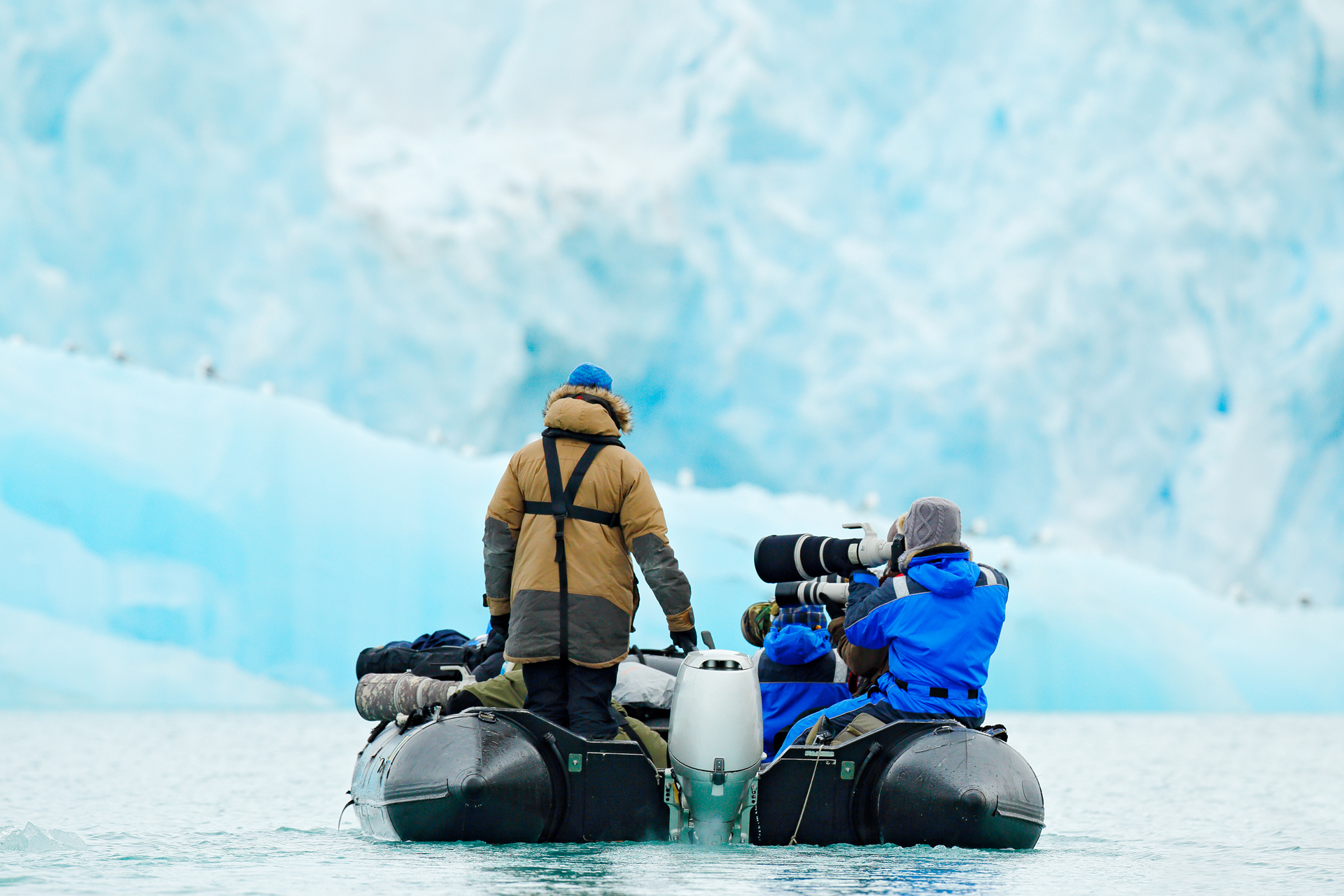
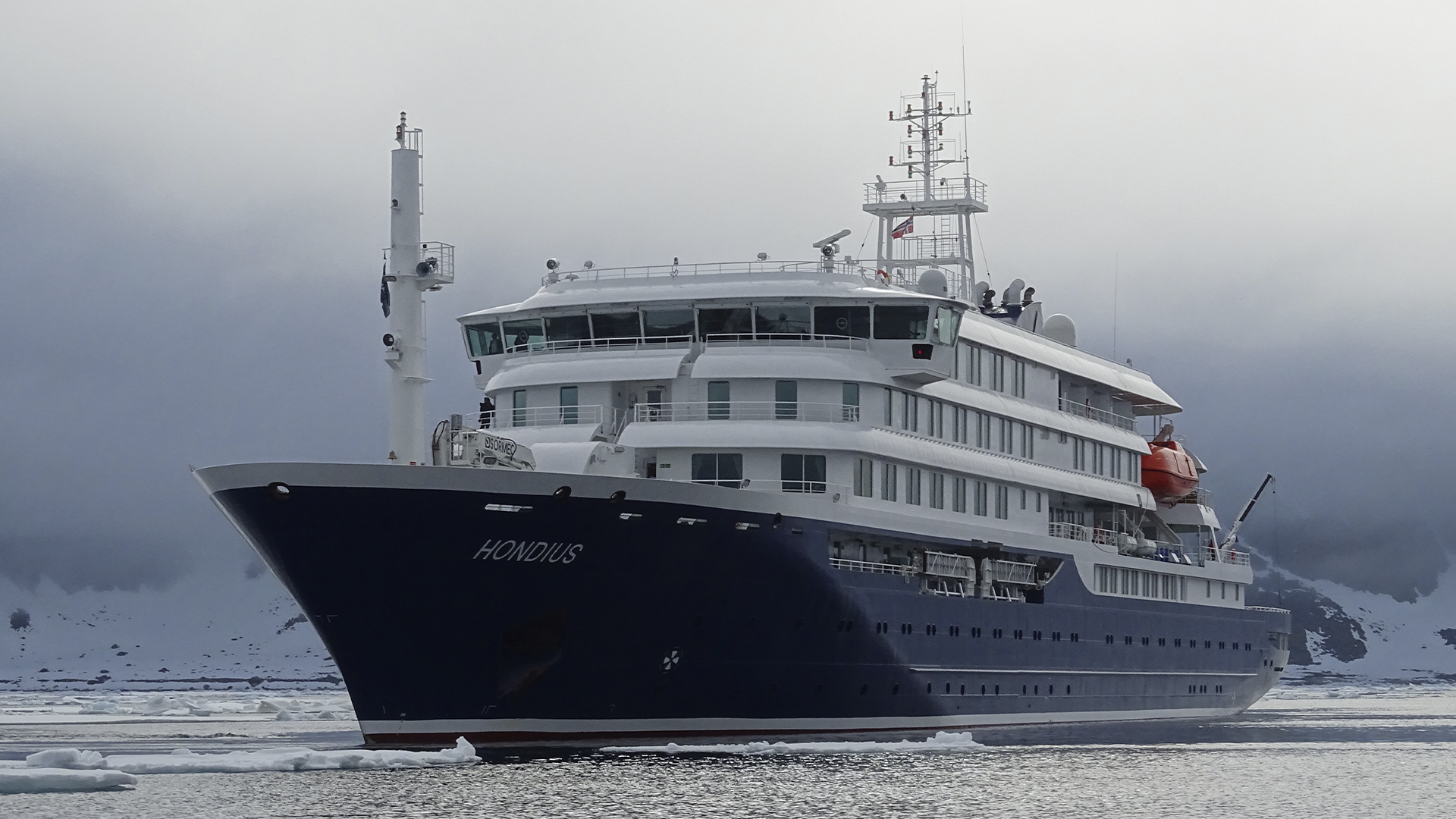
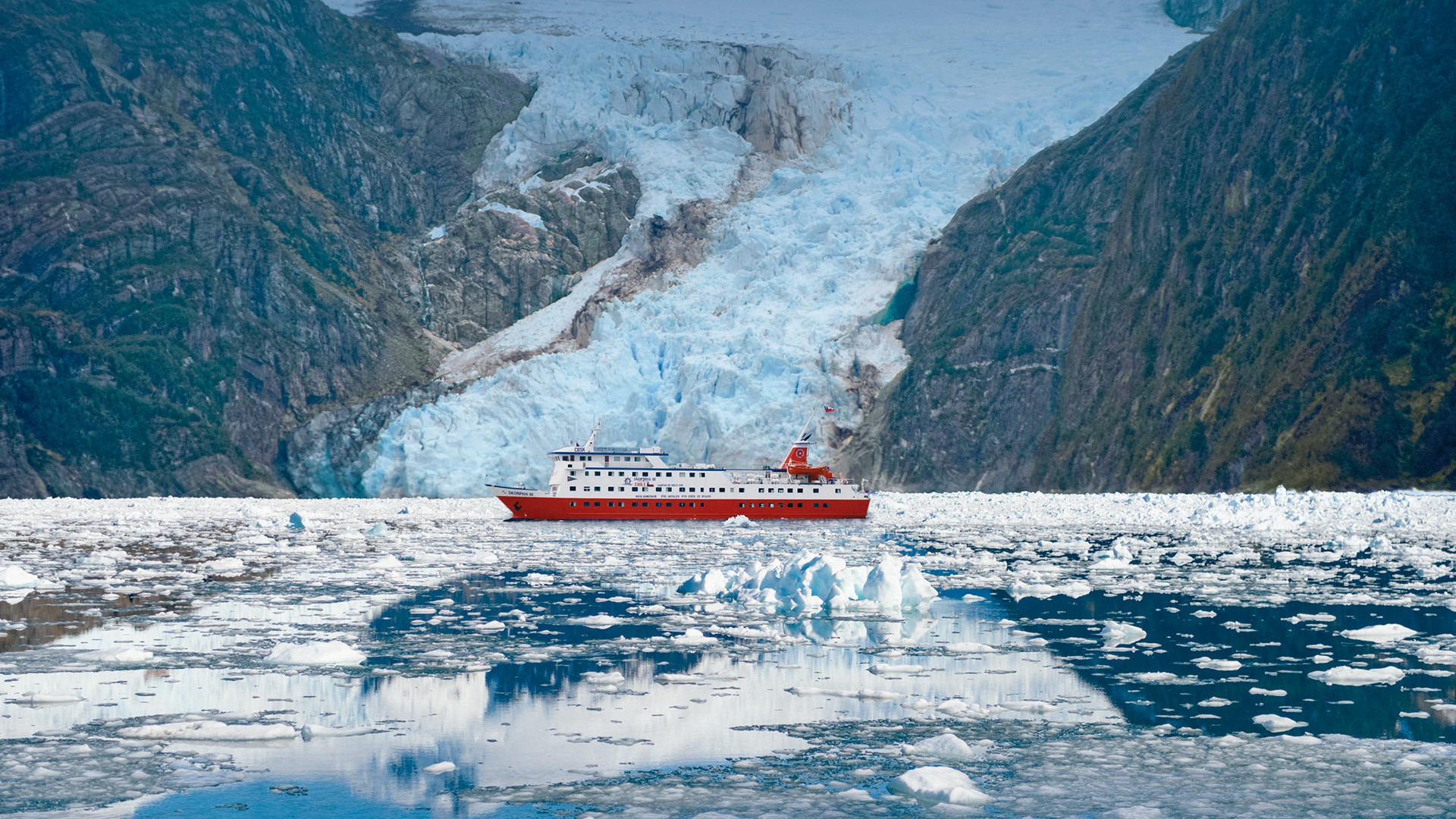
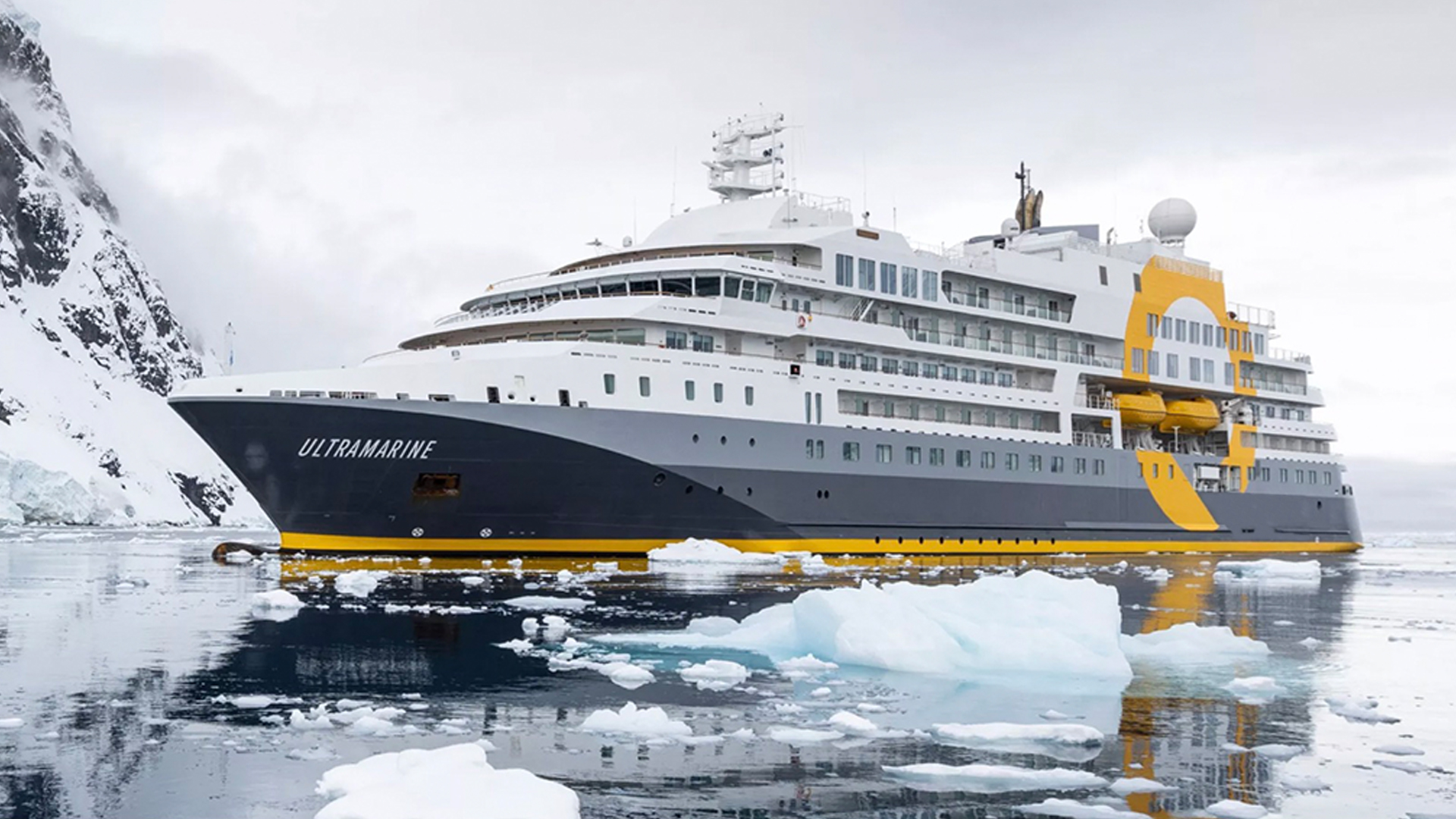
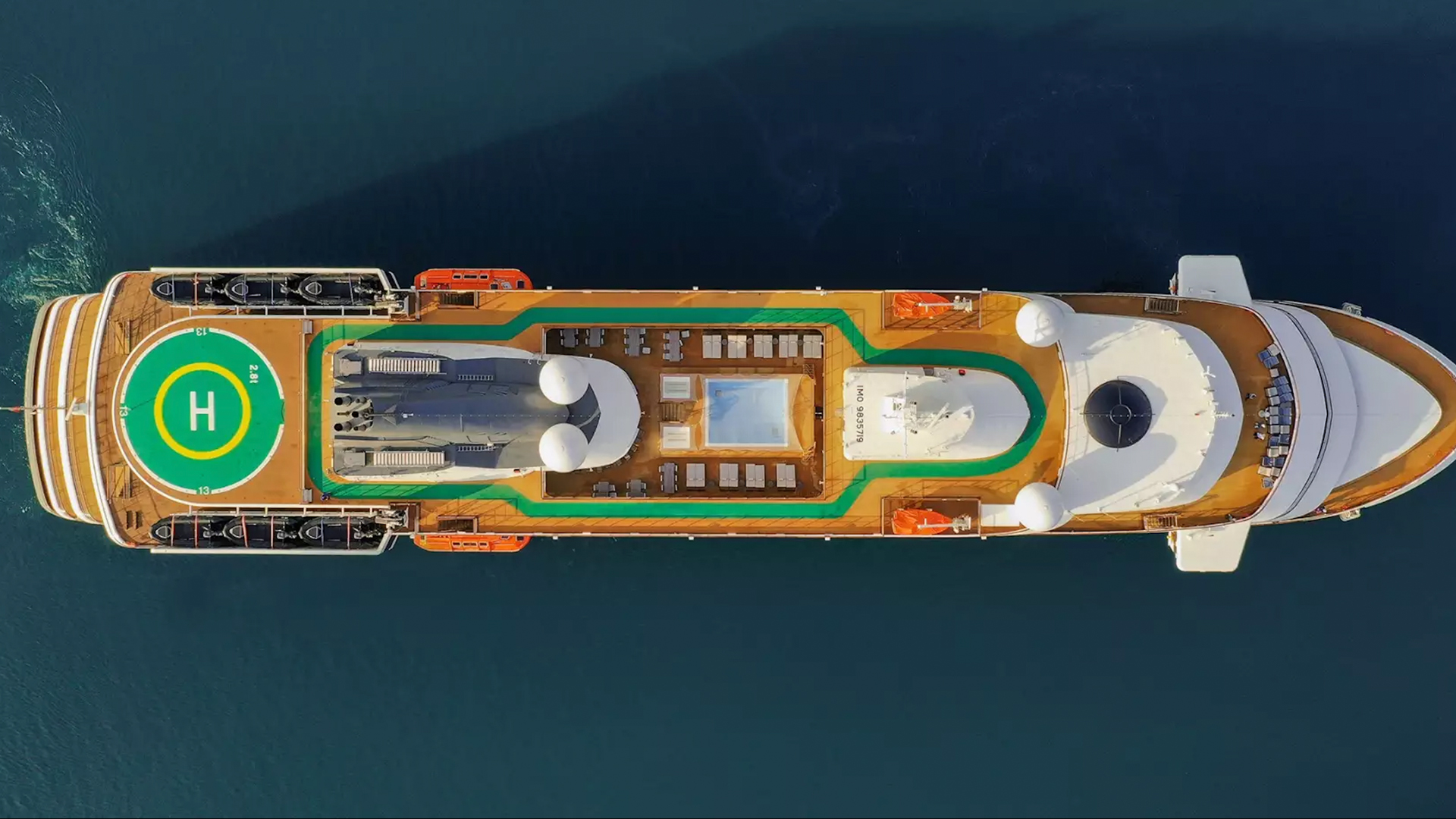
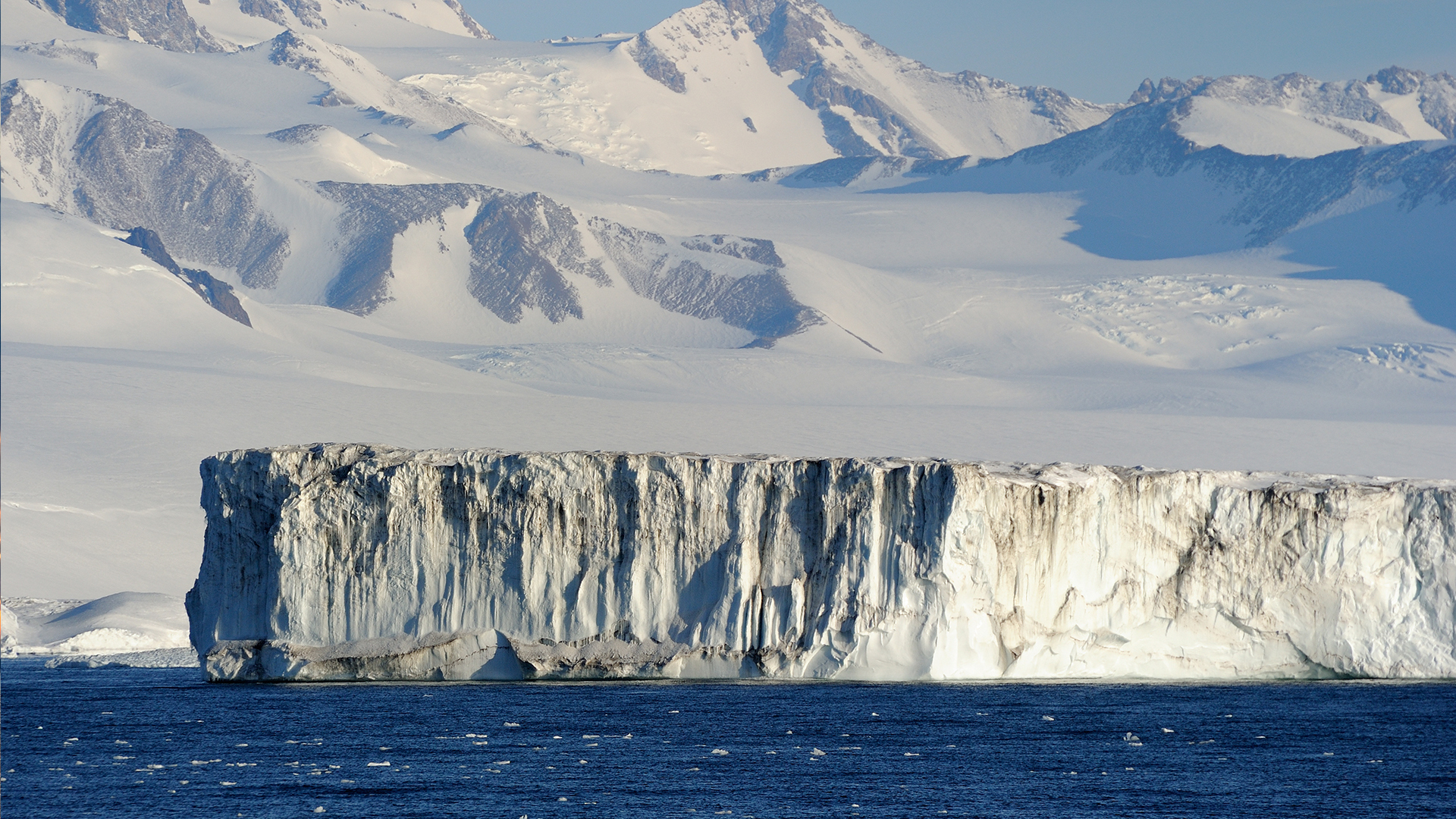
Board a five-day small ship expedition cruise to venture north into the Patagonian Fjords aboard the Skorpios III ship. The itinerary allows for Zodiac excursions to visit up to fifteen glaciers, many of which form part of the Southern Patagonian Icefield, plus on-land hikes through native evergreen forests, with expert guides leading the way.
Fly back to Santiago for your connecting flight home.
Itinerary Two: Classic and off-the-beaten-path hiking
Why choose this itinerary: It blends together the region’s famous and lesser-known hiking trails, wildlife, and traditional Patagonian culture.
Physical level: Moderate to high
Day one: Santiago
Start in the Chilean capital, Santiago. Explore the museums and street art of the city’s colonial center, sample the country’s territory through the ingredients of its fine dining establishments, and head to a vineyard or two for an introduction to the country’s outstanding wine scene.
Days two and three: Punta Arenas and Puerto Natales
Fly into the capital of southern Patagonia, Punta Arenas. This windswept city on the skirts of the Magellan Strait lies down the coast from the region’s first European settlement.
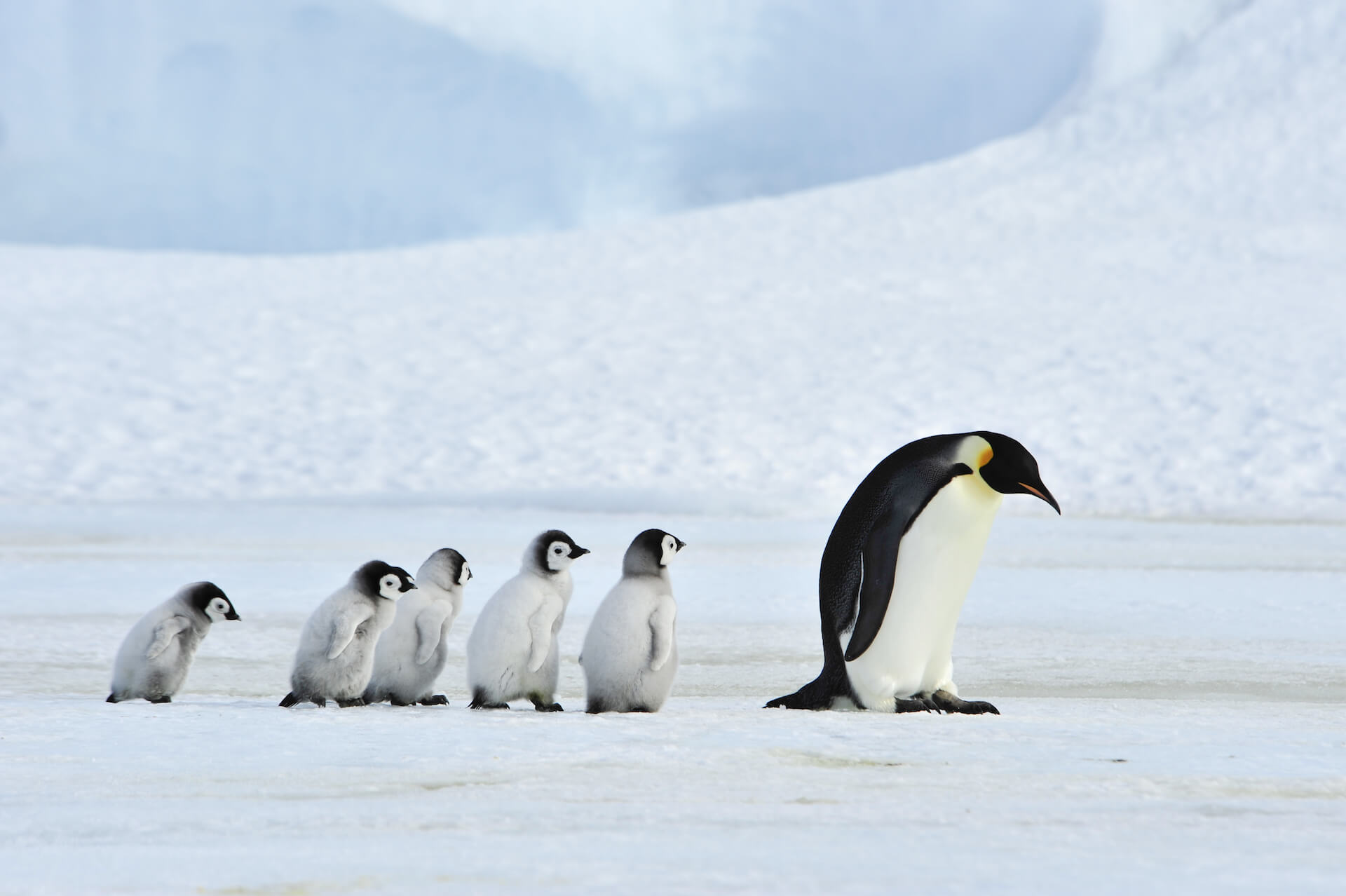
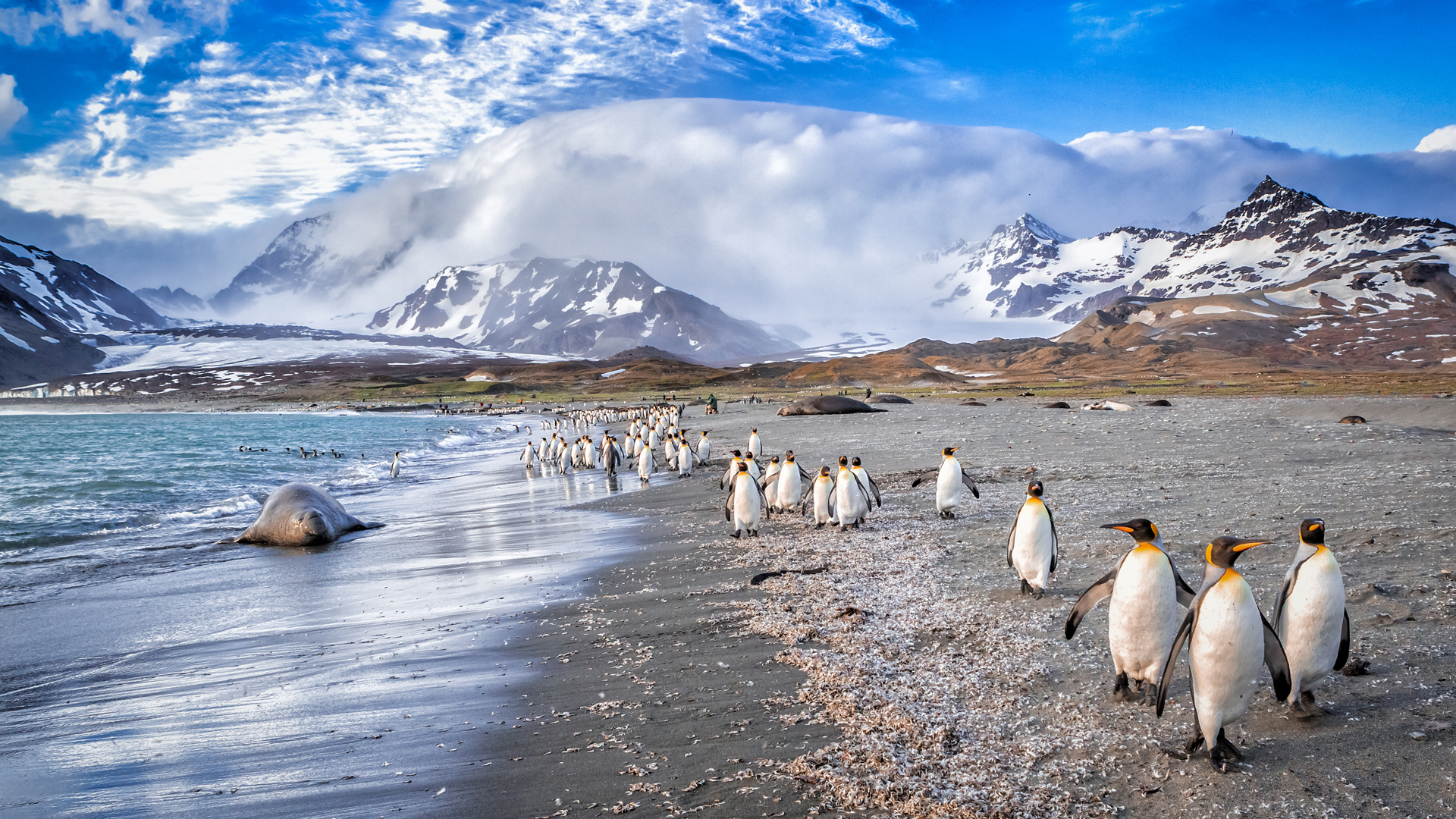
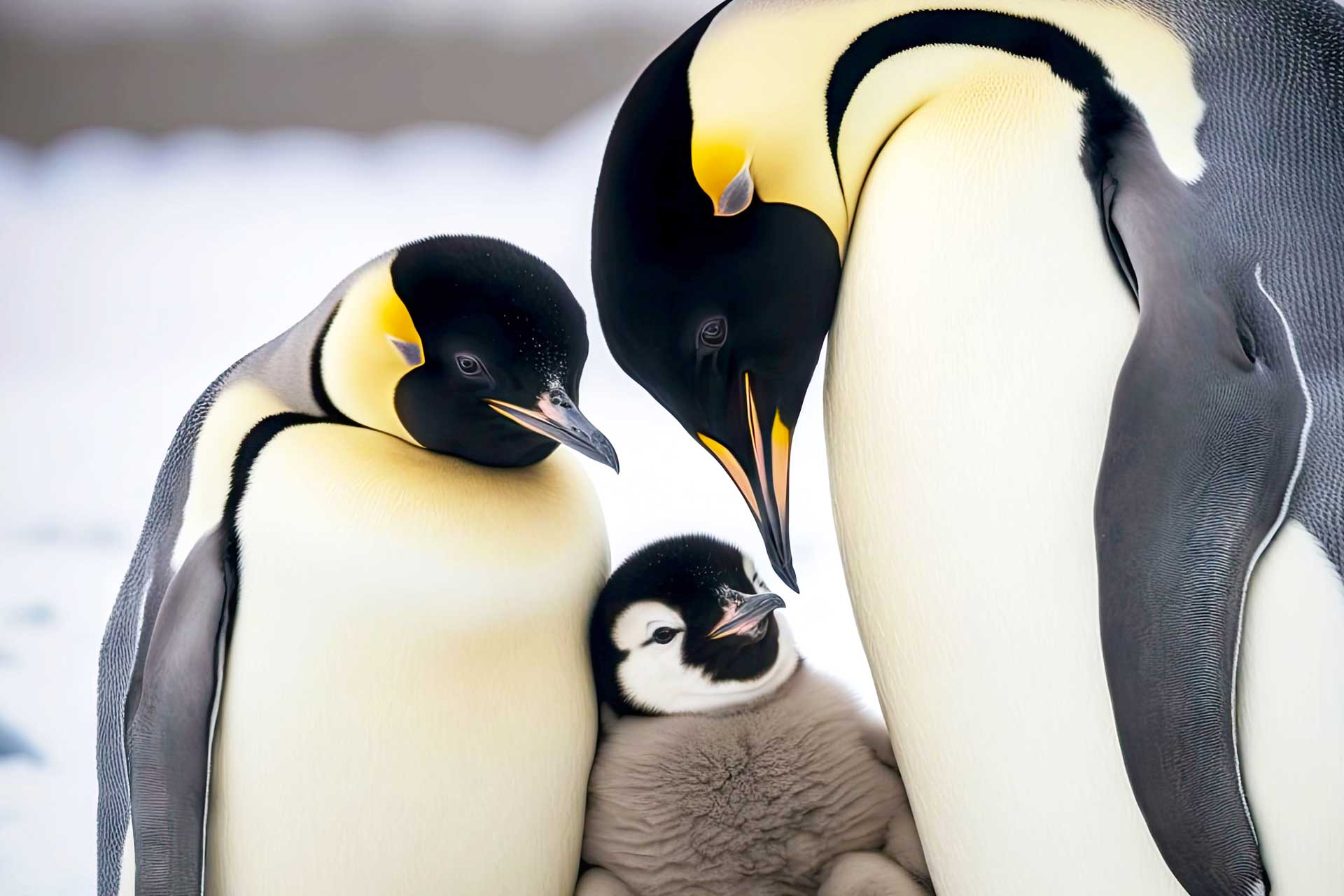
Arrange a tour to wander between the burrows at the Magallanic penguin colony of Isla Magdalena or a longer trip to the king penguins of Bahía Inύtil across the strait.
Journey by transfer to Puerto Natales, three hours north. Spend a day at a traditional Patagonian estancía (ranch). Learn the secrets of Patagonian life from the gauchos themselves, the cowboys who still manage flocks of sheep across the region’s plains, with a sheep herding experience or a trot on horseback across the steppe. Traditional lamb – spit-roasted over coals – is the reward for your efforts.
Days four to eight: Torres del Paine National Park
Head into Torres del Paine National Park. Here, you’ll embark on Patagonia’s most famous trek, The W. Named for the shape it takes around the Paine Massif mountains at the park’s heart, this five-day route takes you to the edges of glaciers, past mountain lakes, and up to the otherworldly Mirador Las Torres.
Sleep under canvas or opt for a luxury tour that allows you to return to a hotel to recharge each night.
Days nine to fourteen: The Carretera Austral
From Puerto Natales, it’s a short flight north to Balmaceda, the gateway to the Carretera Austral. Organise a self-drive tour or a private driver to take you deep into this lesser-visited corner of Patagonia. Spend a couple of days on the hiking trails at Cerro Castillo National Park – known as the ‘new Torres del Paine’ thanks to its dramatic mountain scenery – and exploring marble caves by boat.
Spend a couple of nights in the magnificent Patagonia National Park at the region’s most luxurious lodge, Explora. Hiking trails are on the doorstep and take you into steppe dotted with lagoons and wildlife such as guanaco and rhea.
Fly back to Santiago for your connecting flight home.
Itinerary Three: Extended explorations through the Patagonian fjords
Why choose this itinerary: Deep-dive into the landscapes, wildlife, and culture of the Patagonian fjords, then enjoy luxury in Torres del Paine National Park
Physical level: Low to moderate
Day one: Santiago
Start in the Chilean capital, Santiago. Explore the museums and street art of the city’s colonial center, sample the country’s territory through the ingredients of its fine dining establishments, and head to a vineyard or two for an introduction to the country’s outstanding wine scene.
Days two to ten: The Patagonian Fjords
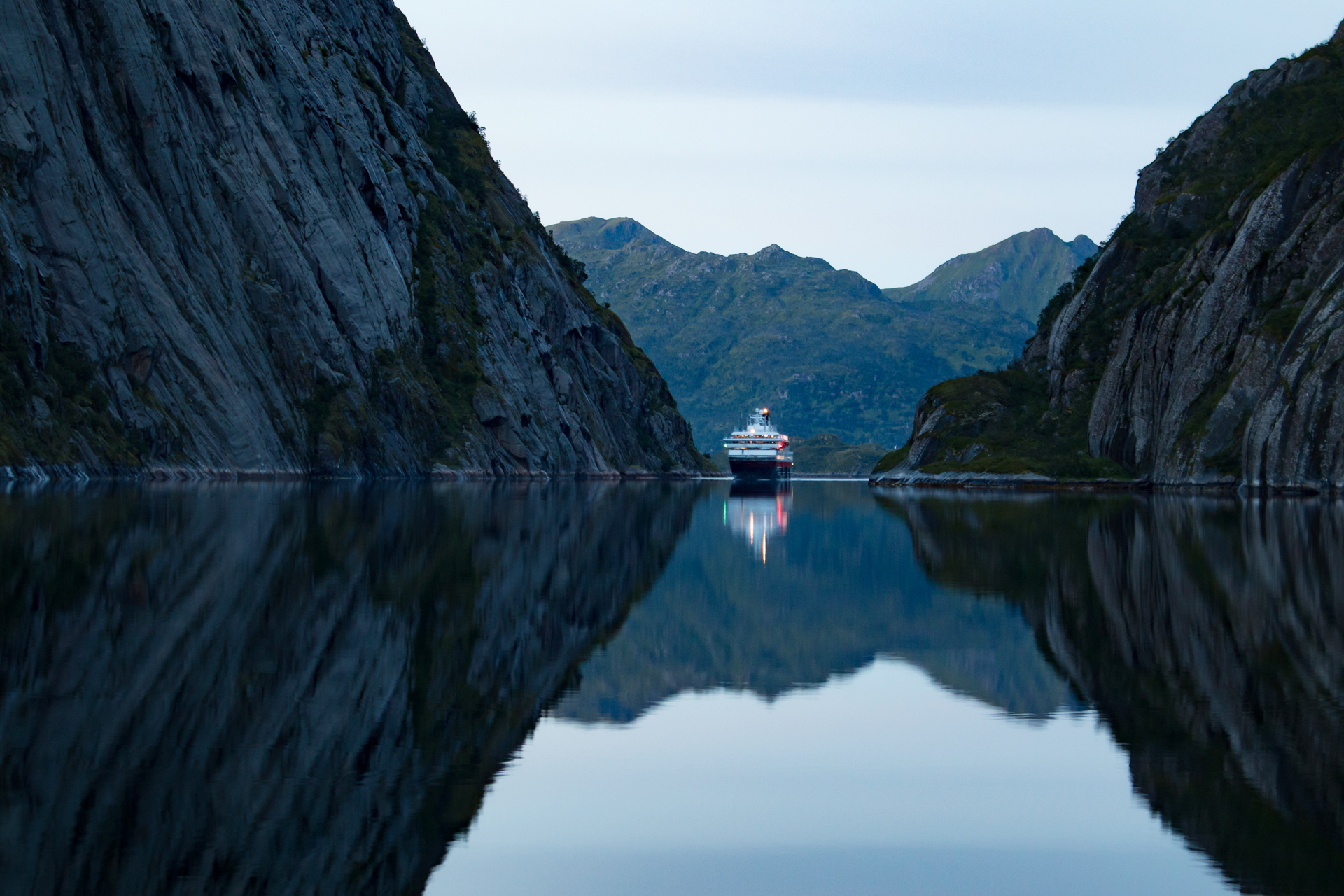
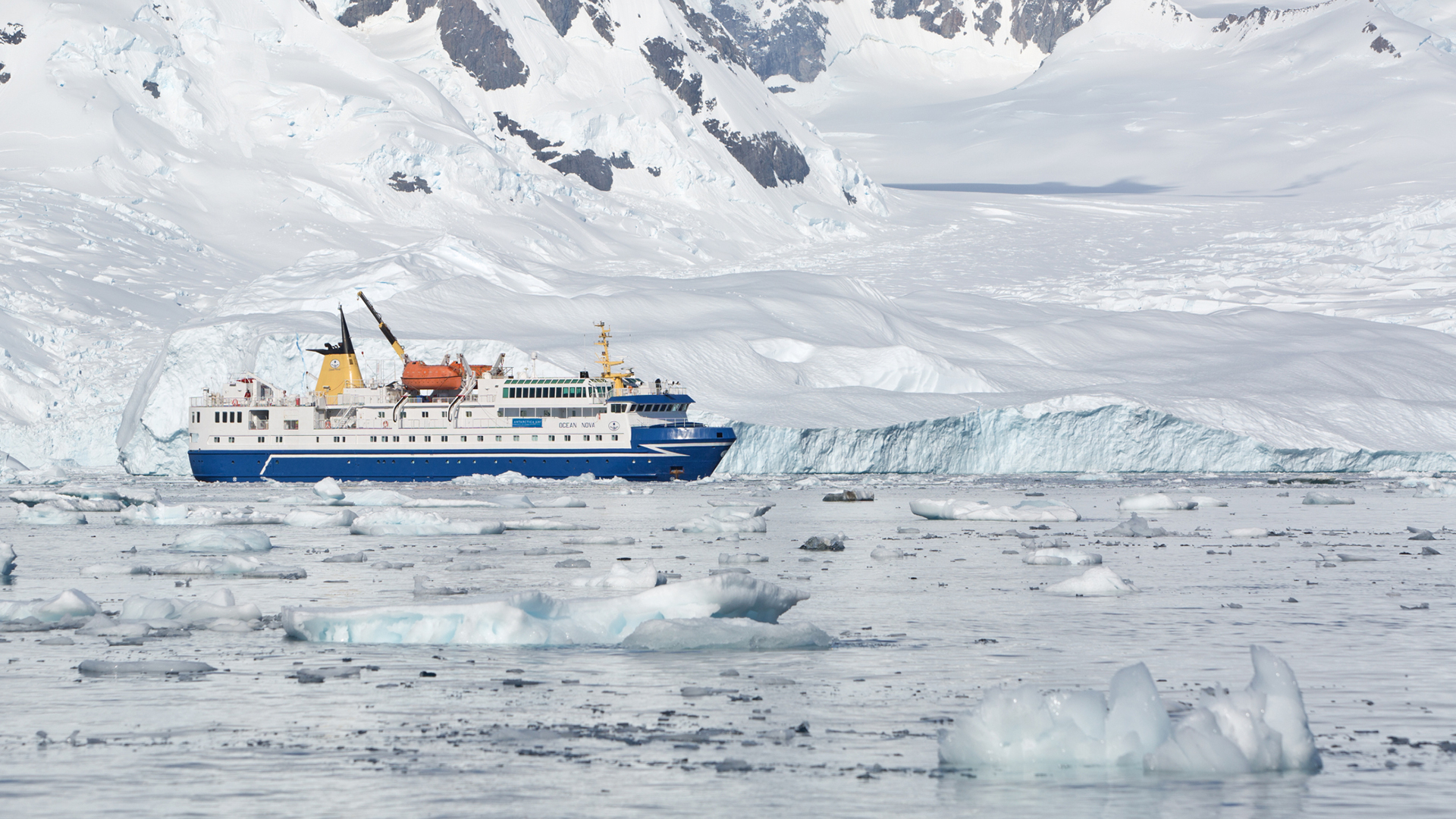
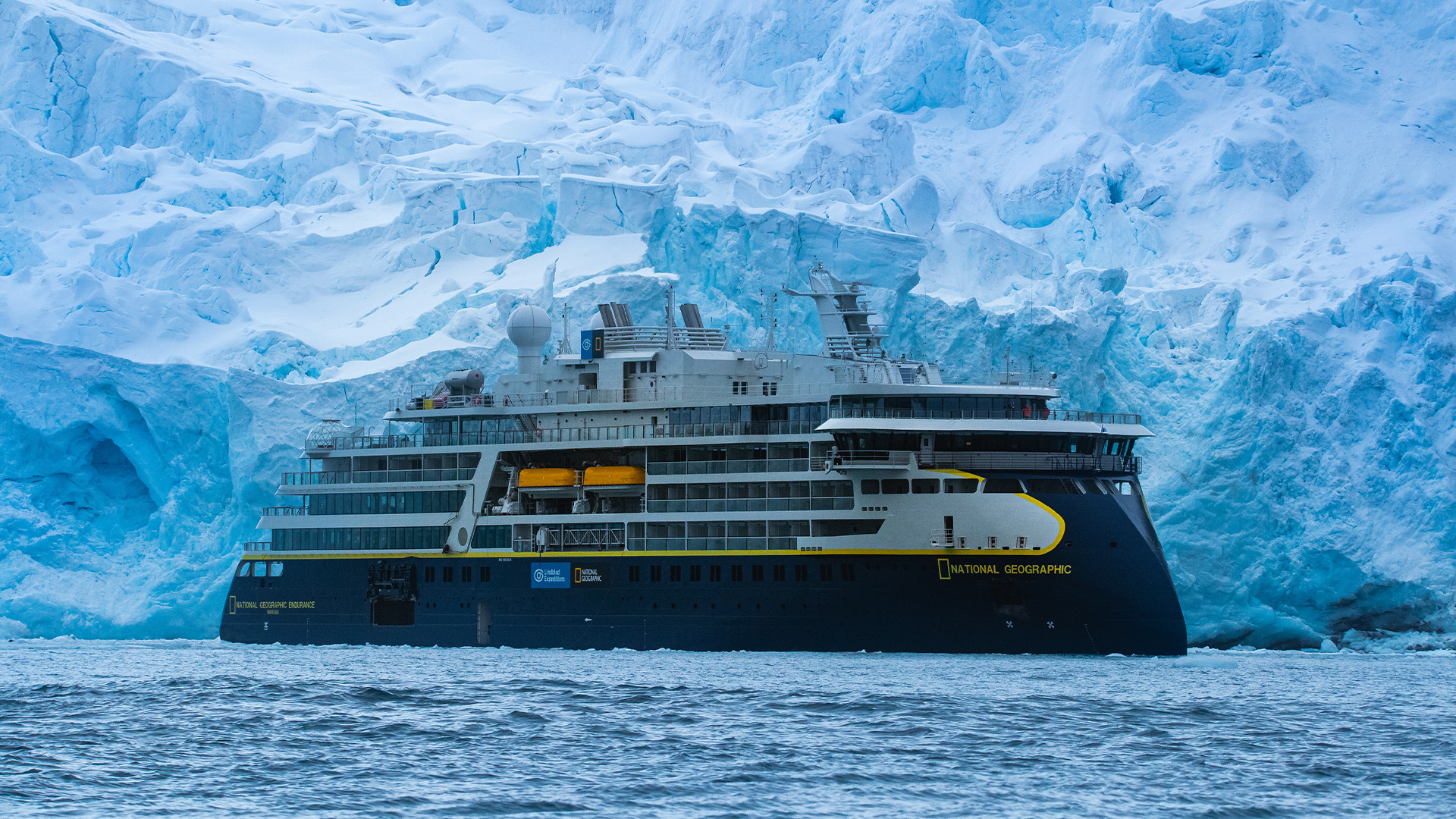
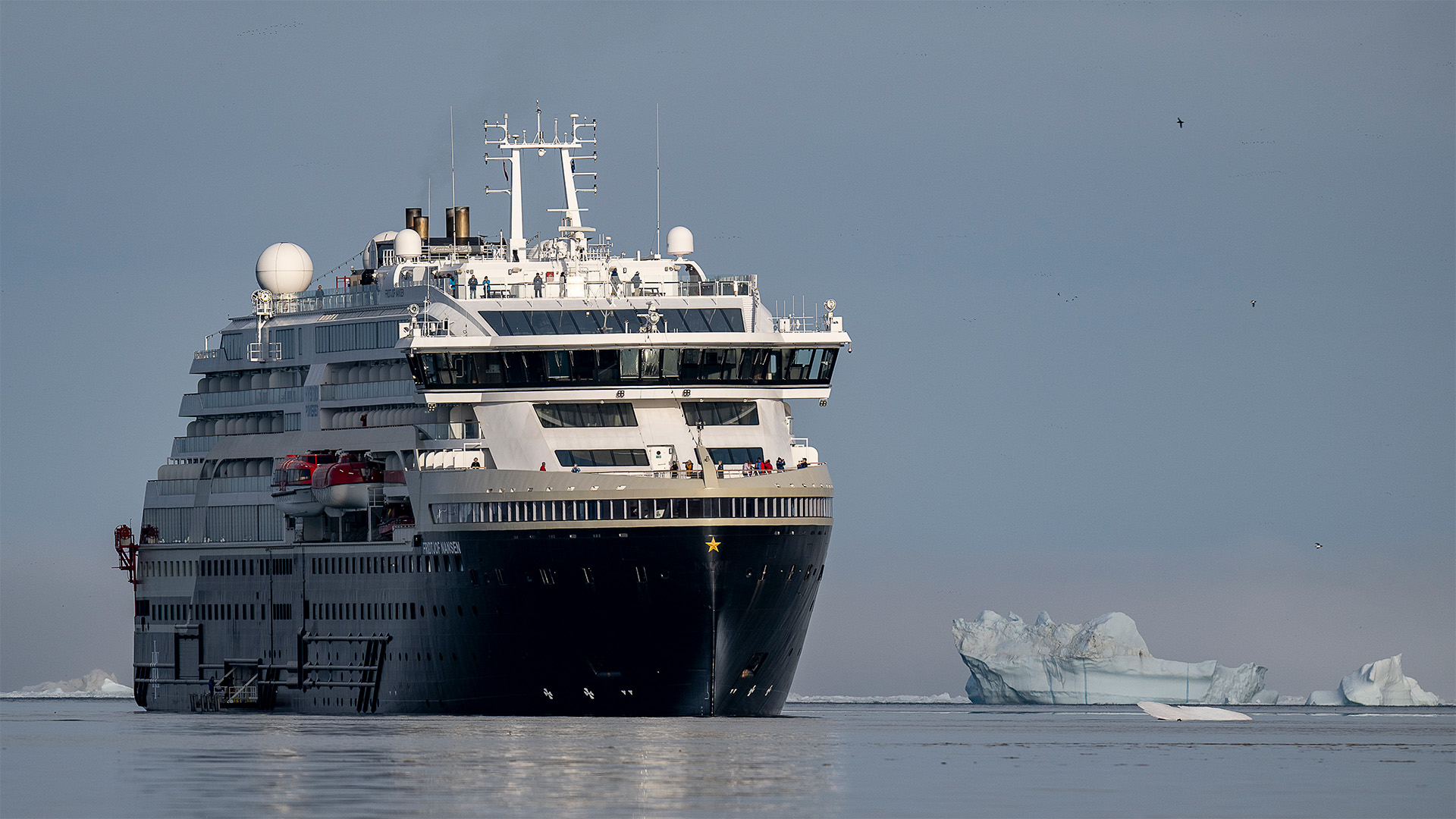
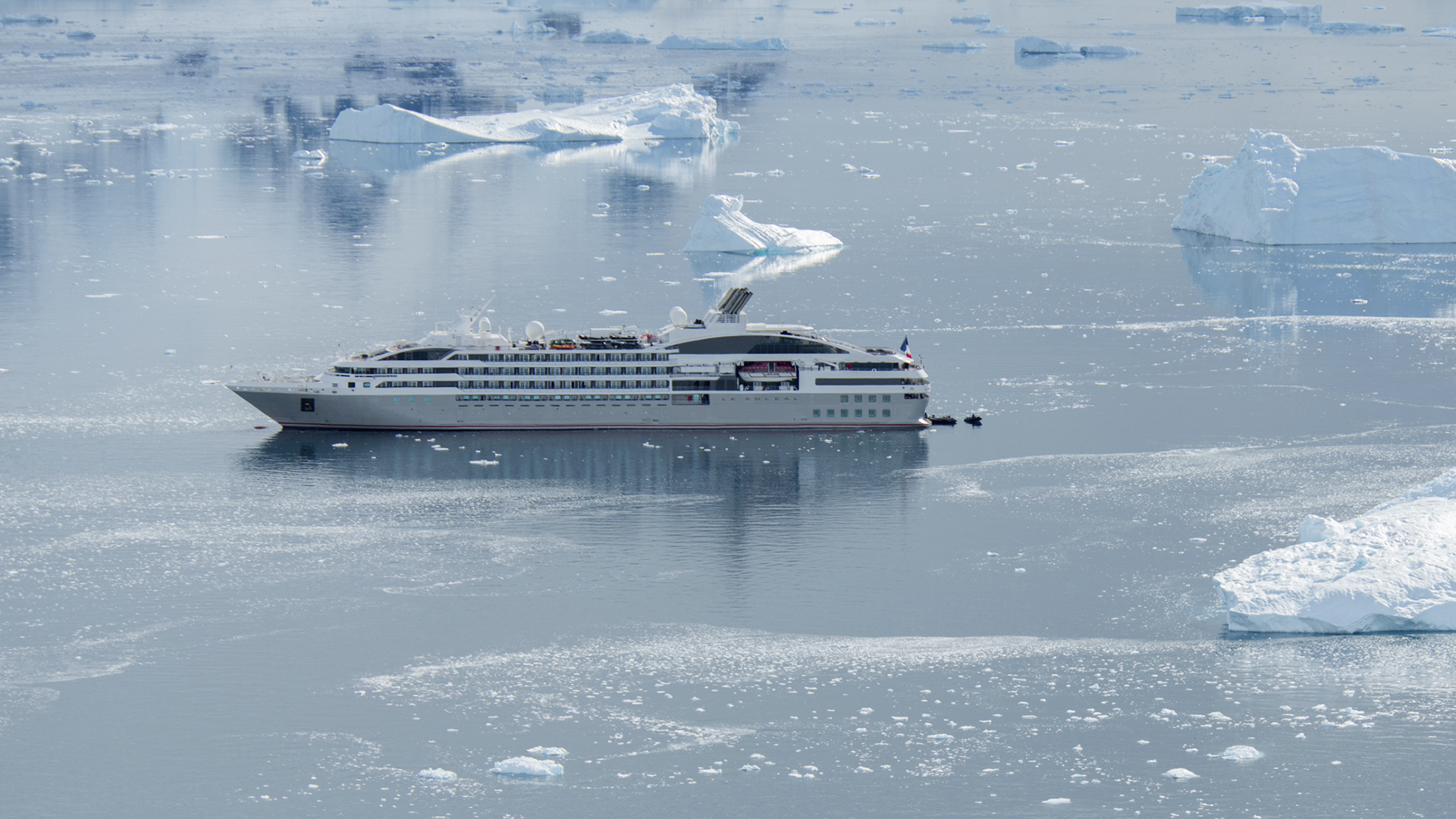
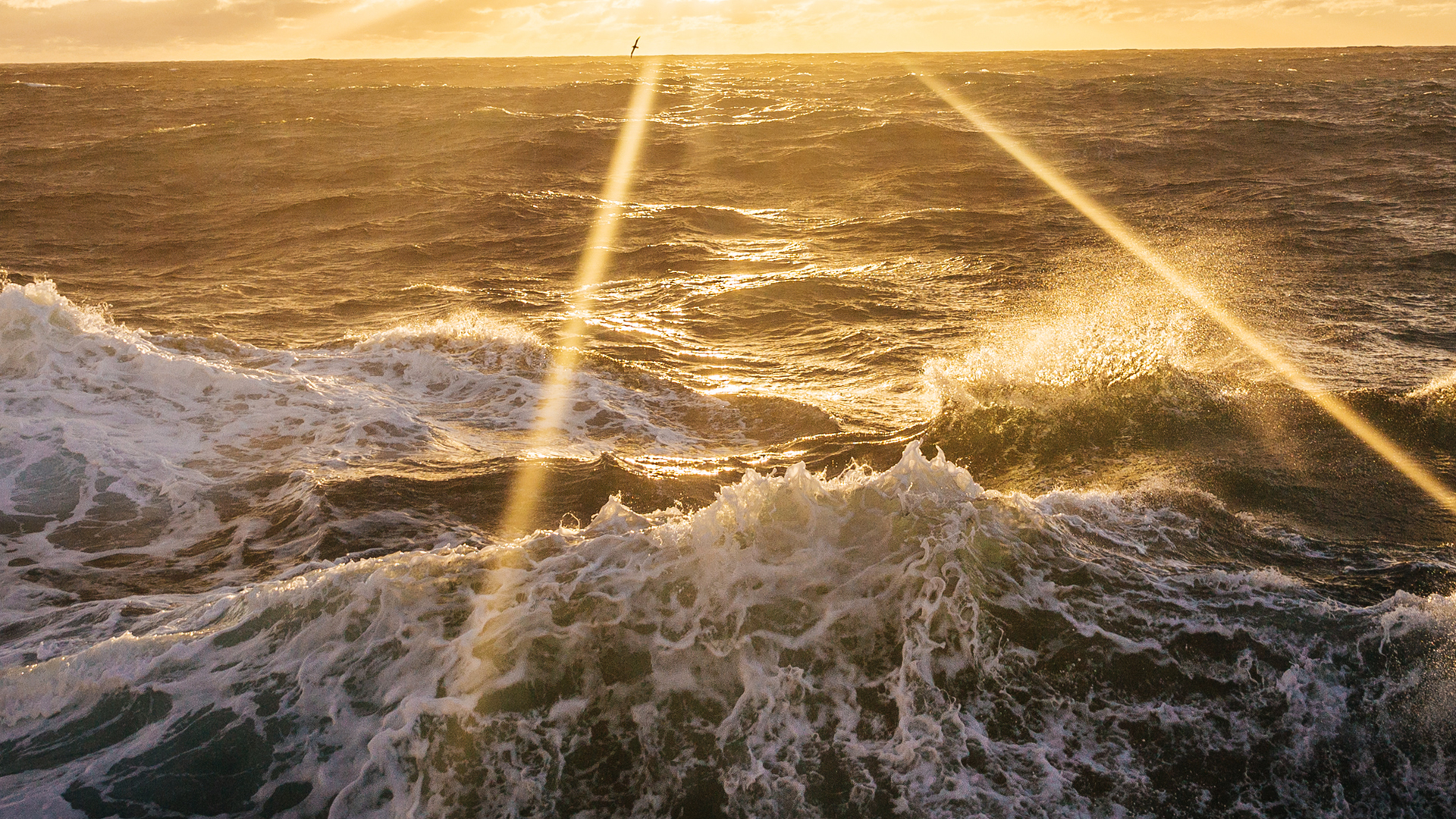
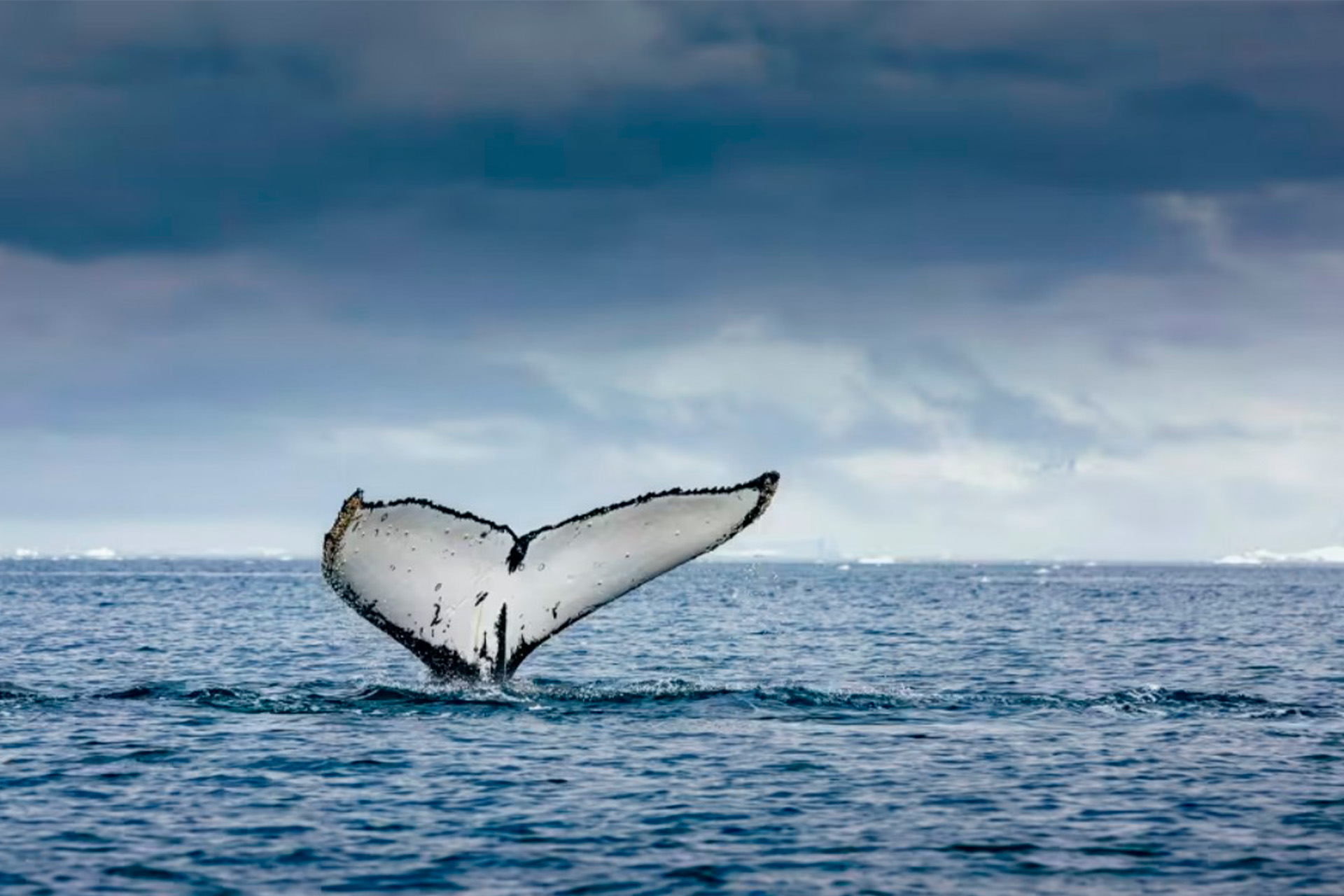
Board a nine-day small ship expedition cruise to sail to Ushuaia, in Argentina, and back through the Patagonian Fjords. This itinerary aboard the luxurious Stella Australis takes you deep into these remote channels, where tidewater glaciers drip from the cliffside along Glacier Alley, humpback whales blow fizzing air above the water in the Beagle Channel, and albatross glide in the ship’s slipstream.
Alongside expert guides, you’ll disembark in secluded bays that are impossible to reach in large vessels or on land, take Zodiacs out to glaciers, and watch the scenery pass from the picture windows of the ship and your cabin. Along the way, you’ll learn about the rich natural and Indigenous history of the region, and attempt what only 10,000 manage per year: landing on Cape Horn.
Days eleven to fourteen: Torres del Paine National Park
Take a transfer north to Puerto Natales, the gateway to Torres del Paine National Park. Stay in a luxury boutique hotel, such as Explora or Awasi, or opt for Estancia Cerro Guido, a working ranch and boutique lodge.
There’s plenty to keep you busy in this wild and wonderful corner of Patagonia. Tackle the trek up to the Torres, the three toothy granite peaks after which the park is named, before a relaxed morning gliding by boat across Grey Lake to the crumbling snout of Grey Glacier.
Join a local gaucho (cowboy) to track down the park’s most intriguing residents, pumas, or escape the crowds on a quieter hiking trail – but one with still spellbinding views of the Paine Massif mountains at the heart of the park.
Spend evenings watching the sun set over these mountains and dining on traditional Patagonian dishes, such as roast lamb or guanaco steaks.
Fly back to Santiago for your connecting flight home.
Whether you wish to focus on hiking through spellbinding scenery or finding a more relaxed rhythm on an expedition cruise puttering through remote fjords, we can help you plan your Patagonia vacation. Our destination experts can tailor your itinerary for the perfect balance between adventure, culture, and the space to unwind in comfort at the end of the day.

An Expert’s Guide To Chilean Patagonia’s Trekking Routes
Patagonia Cruise: An Antarctica Alternative Or Ideal Add-On?
Patagonia Cruise Or Lodge-Based Land Tour: Which is Best?
9 Best Patagonia Lodges To Combine With An Antarctica Cruise
The Best Time To Go To Chilean Patagonia
12 Best Things To Do In Chilean Patagonia
Ultimate Patagonia Cruise Guide: Routes & Recommendations
An Expert’s Guide To Planning A Trip To Chilean Patagonia
The Best Antarctica Travel Agency?
Disclaimer
Our travel guides are for informational purposes only. While we aim to provide accurate and up-to-date information, Antarctica Cruises makes no representations as to the accuracy or completeness of any information in our guides or found by following any link on this site.
Antarctica Cruises cannot and will not accept responsibility for any omissions or inaccuracies, or for any consequences arising therefrom, including any losses, injuries, or damages resulting from the display or use of this information.