





























An Expert's Guide To Planning A Trip To Chilean Patagonia


- Where is Patagonia?
- The best time to go to Chilean Patagonia
- The best things to see and do in Chilean Patagonia
- How to spend two weeks in Chilean Patagonia
- Day one: Santiago
- Days two to four: Torres del Paine National Park
- Days five to thirteen: The Patagonia Fjords
- Iconic wildlife in Chilean Patagonia and where to see it
- Expert tips for taking an expedition cruise in Patagonia
- Expect premium service, but not traditional luxury
- Don’t underestimate seasickness
- Stay tech-safe in the elements
- What to pack for a trip to Chilean Patagonia
Since Ferdinand Magellan voyaged through the Strait of Magellan in 1520 and Bruce Chatwin’s seminal work, In Patagonia, was published four centuries later, the region of Patagonia has acquired near mythical status.
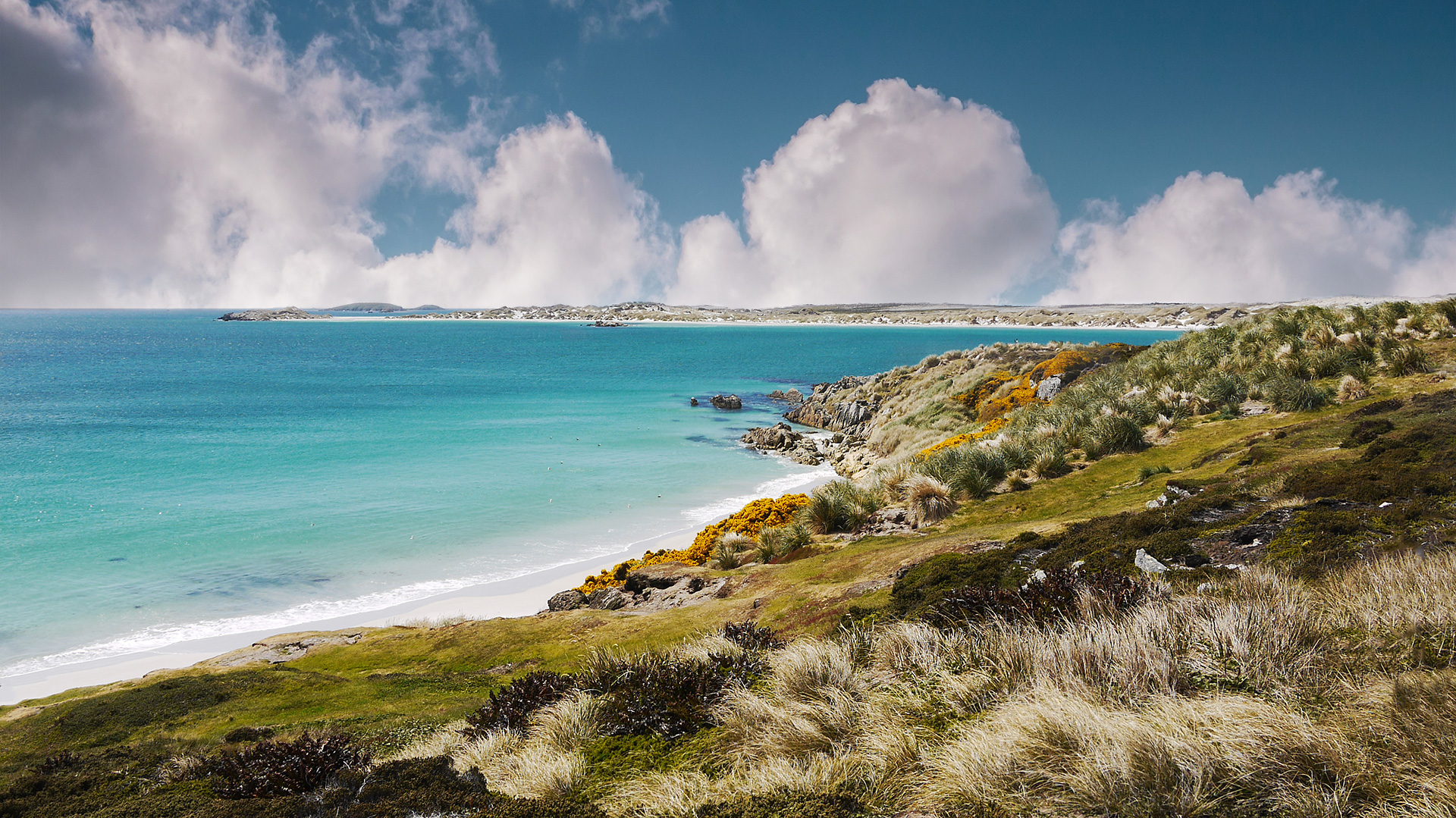
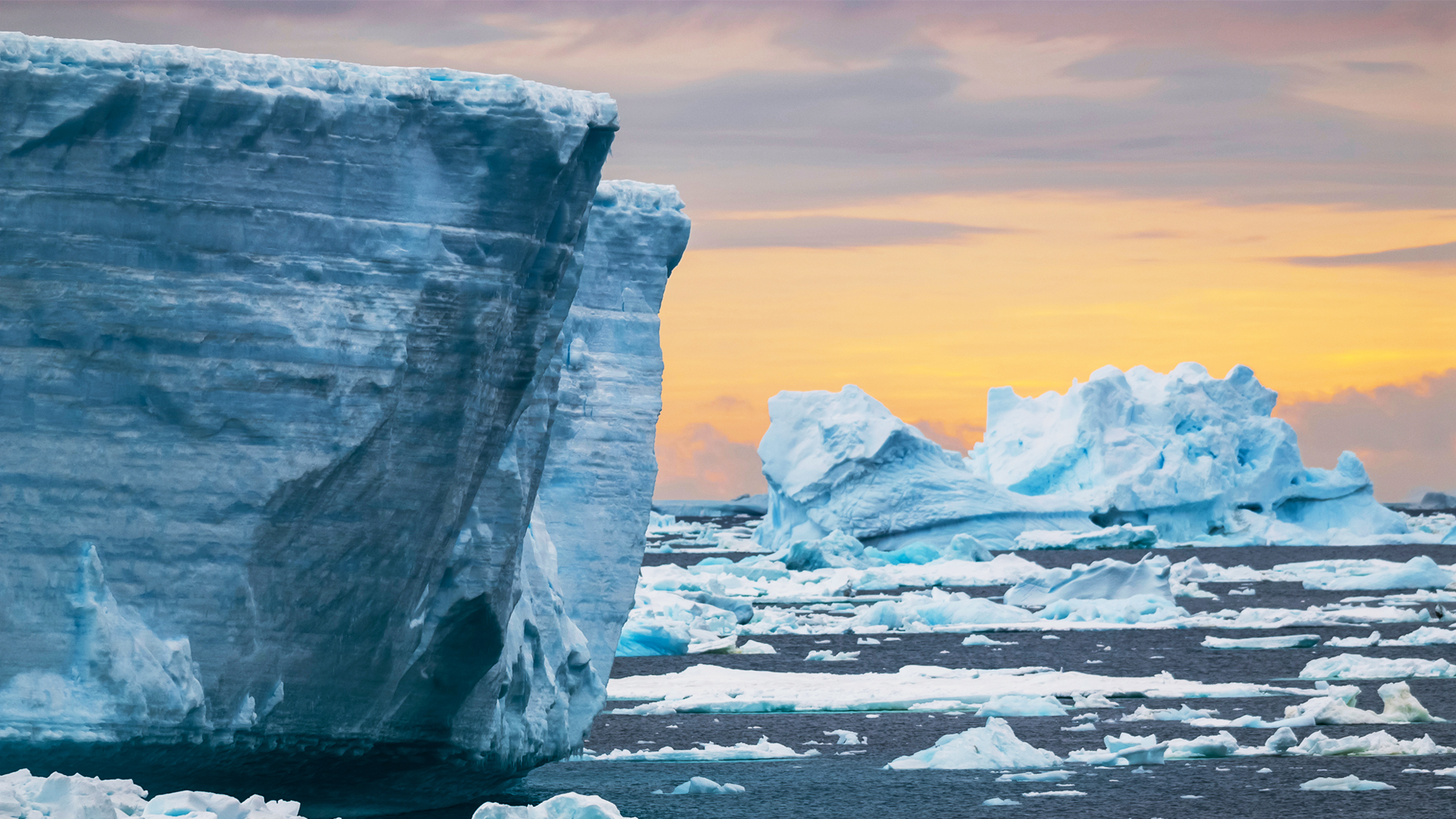
The scenery is certainly dreamlike. Soaring granite mountains are connected by yawning valleys and cerulean lakes, and topped with glaciers of outlandish proportions that date back to the last ice age. Hiking has become the natural bedfellow of these dramatic landscapes, calling adventurers from across the globe to make pilgrimage to Patagonia’s now legendary trekking routes.
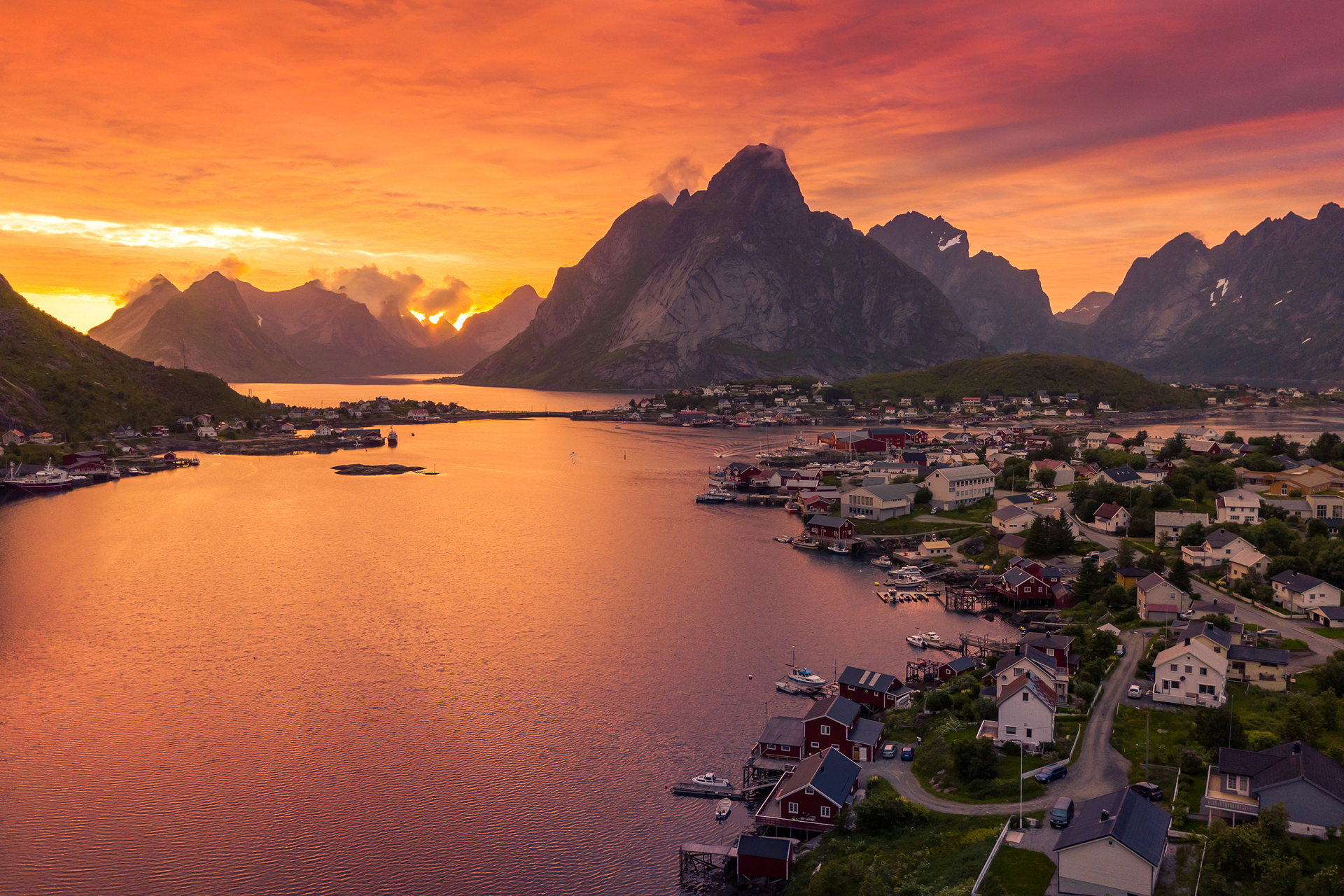
However, Chilean Patagonia is no one-trick pony, and the mountains are just the tip of the metaphorical iceberg. Expedition cruises ply the waters of some of the world’s most remote fjords, chattering penguin colonies make for the perfect day trip, and everything from ice trekking to hunkering down in a luxury hotel with the finest views of Torres del Paine National Park is par for the course.
Discover everything Chilean Patagonia has to offer – and, more importantly, how to organise a trip to the region – with this expert guide.
Where is Patagonia?
First things first: despite some misconceptions, Patagonia isn’t a country. Instead, it’s a huge region covering the far south of Chile and Argentina and continuing to the very tip of South America and the continent’s southernmost point, the Diego Ramírez Islands. Each half of Patagonia is governed by its respective country. However, the region has a distinctive character, with the population on both sides of the border often regarding themselves as having more in common with each other than their own nations.
What’s more, Patagonia has been inhabited for thousands of years. Four distinct Indigenous groups, the Tehuleche, Yaghan, Selk’nam, and Kawéskar, survived in these inhospitable lands until the 1500s, and the arrival of the first European explorers in the 1500s, who brought disease and genocide, wiping out the majority of the Indigenous population. Only a handful of Yaghan now remain, living in a remote community on the Chilean island, Navarino.
After colonization, settlers from Britain and other parts of Europe arrived in the region, installing sheep farming as Patagonia’s primary economic activity. While this industry has waned in the century since, the impact remains visible in the many ranches still scattered across the region. Many have been transformed into luxury boutiques, allowing visitors to appreciate Patagonia’s distinctive cultural flavor firsthand.
The best time to go to Chilean Patagonia
Chile’s four seasons occur at the opposite time of the year from those found in the northern hemisphere. Most visitors arrive in the region for the austral summer (December through February), when daylight hours are long, and the weather is typically warmest and the most settled. However, it’s worth remembering that Patagonia is legendary for its rapidly shifting weather; visitors should pack with the expectation of experiencing four different seasons – all in one day.
The summer months coincide with peak season, leaving hiking trails congested and visitors questioning where the wild, empty Patagonia they imagined has gone. For fewer visitors, the shoulder months of November (spring), March, and April (fall) are the best time to visit Patagonia, which coincide with the start and the end of the expedition cruise season to Antarctica and the Chilean fjords.
Winter (June to August) in Patagonia is truly unique. High levels of snowfall can close some of the main trekking routes, and only certain areas, such as Torres del Paine National Park, are still open. However, the silent emptiness of this national park and bluebird skies above glittering snow can make this an unforgettable time to visit.
The best things to see and do in Chilean Patagonia
Chilean Patagonia has varied terrain and is split into northern and southern Patagonia. Both incorporate icefields, soaring mountains, remote fjords, and an abundance of endemic wildlife.
The region has become almost synonymous with Torres del Paine National Park, a dazzling region protecting the ragged, Andean peaks and wild, windswept terrain. It’s and widely considered to be one of the world’s finest trekking destinations: the five-day W Trek is the perfect introduction to multi-day hiking – with a side of superlative natural beauty thrown in – while the more challenging eight-day O Circuit promises wilder scenery. Alternatively, luxury hotels with breathtaking views of the park’s monumental mountains allow for day hikes, boat tours, ice trekking, wildlife watching tours, and slower adventuring.
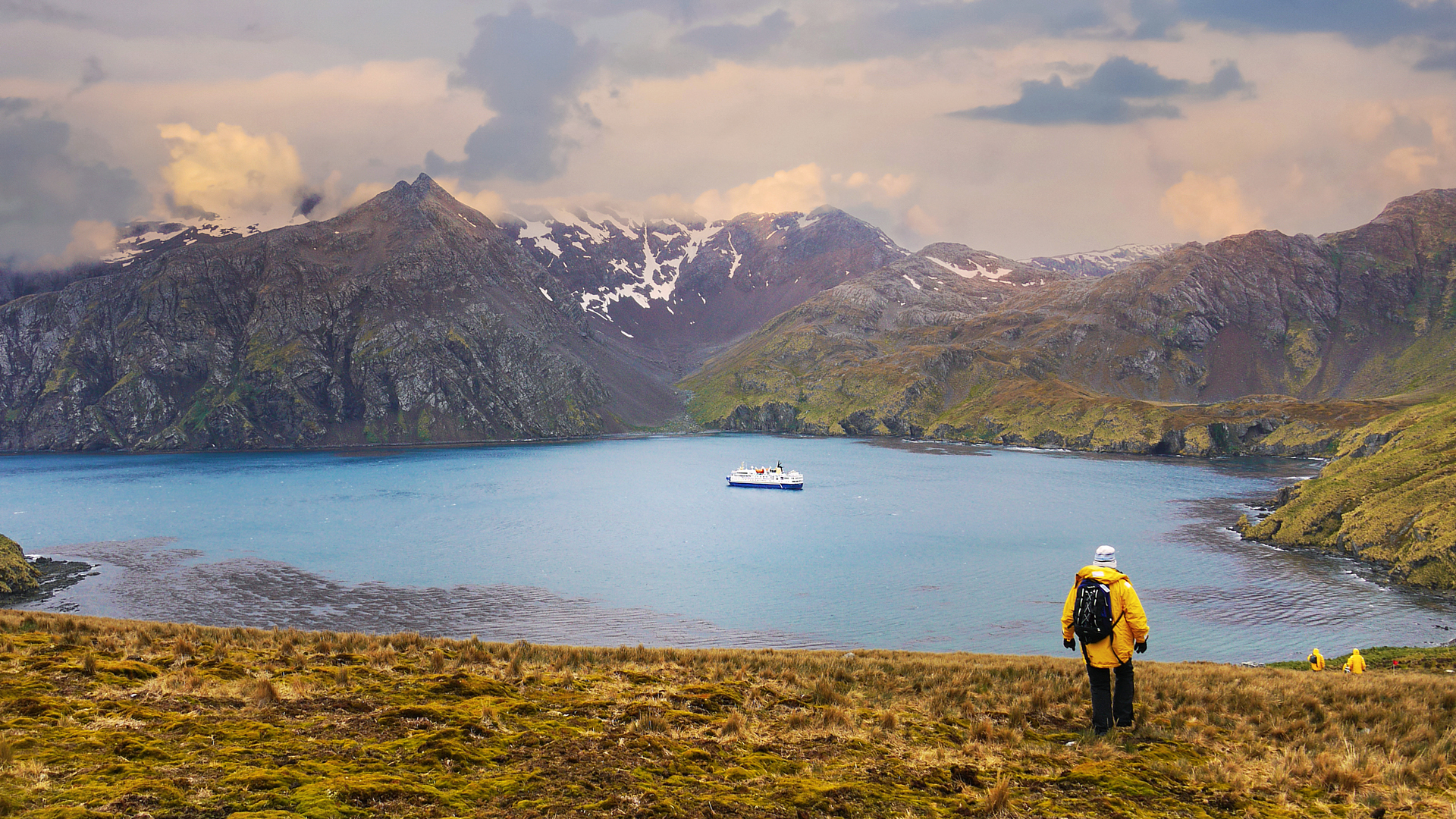
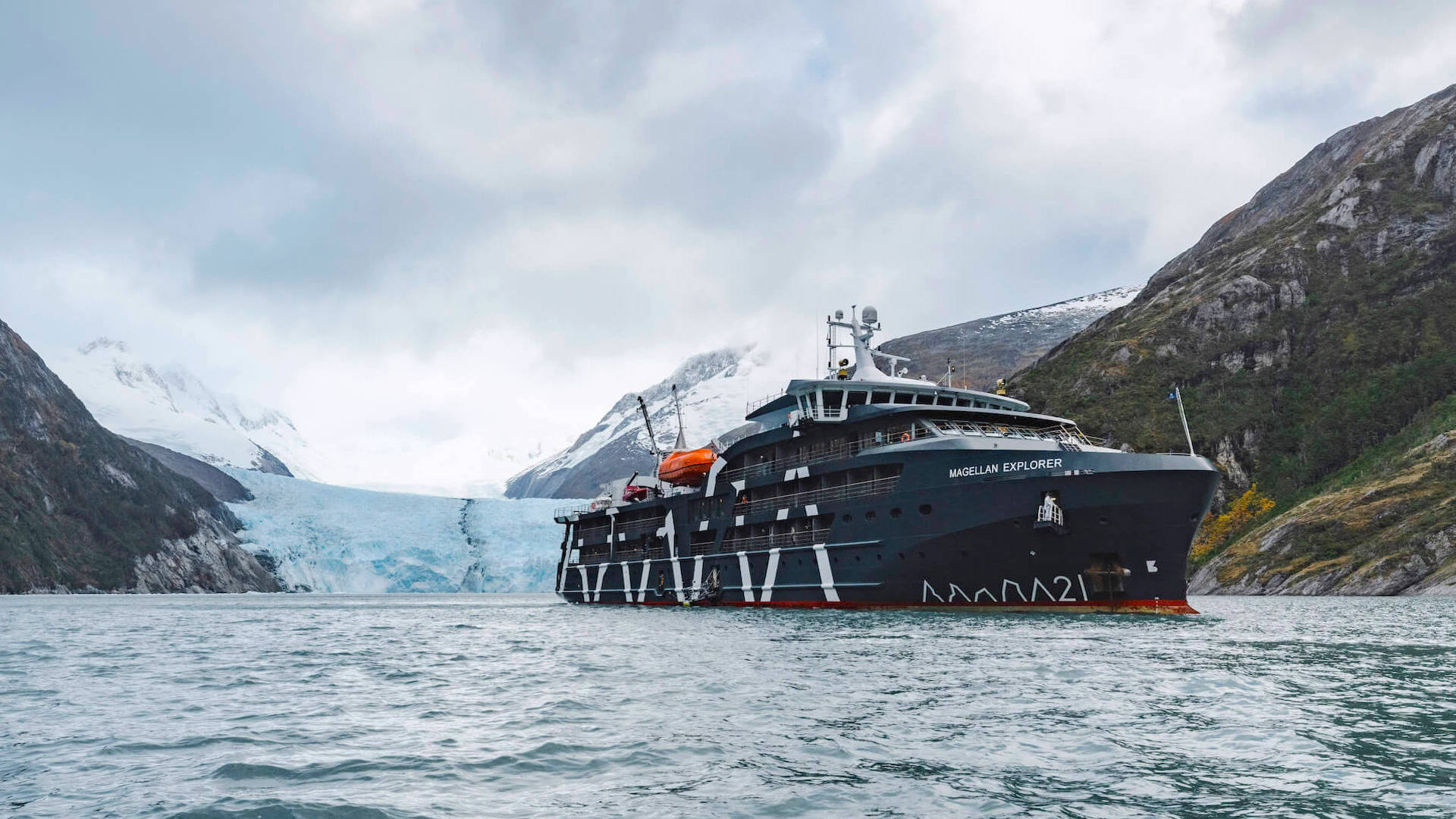
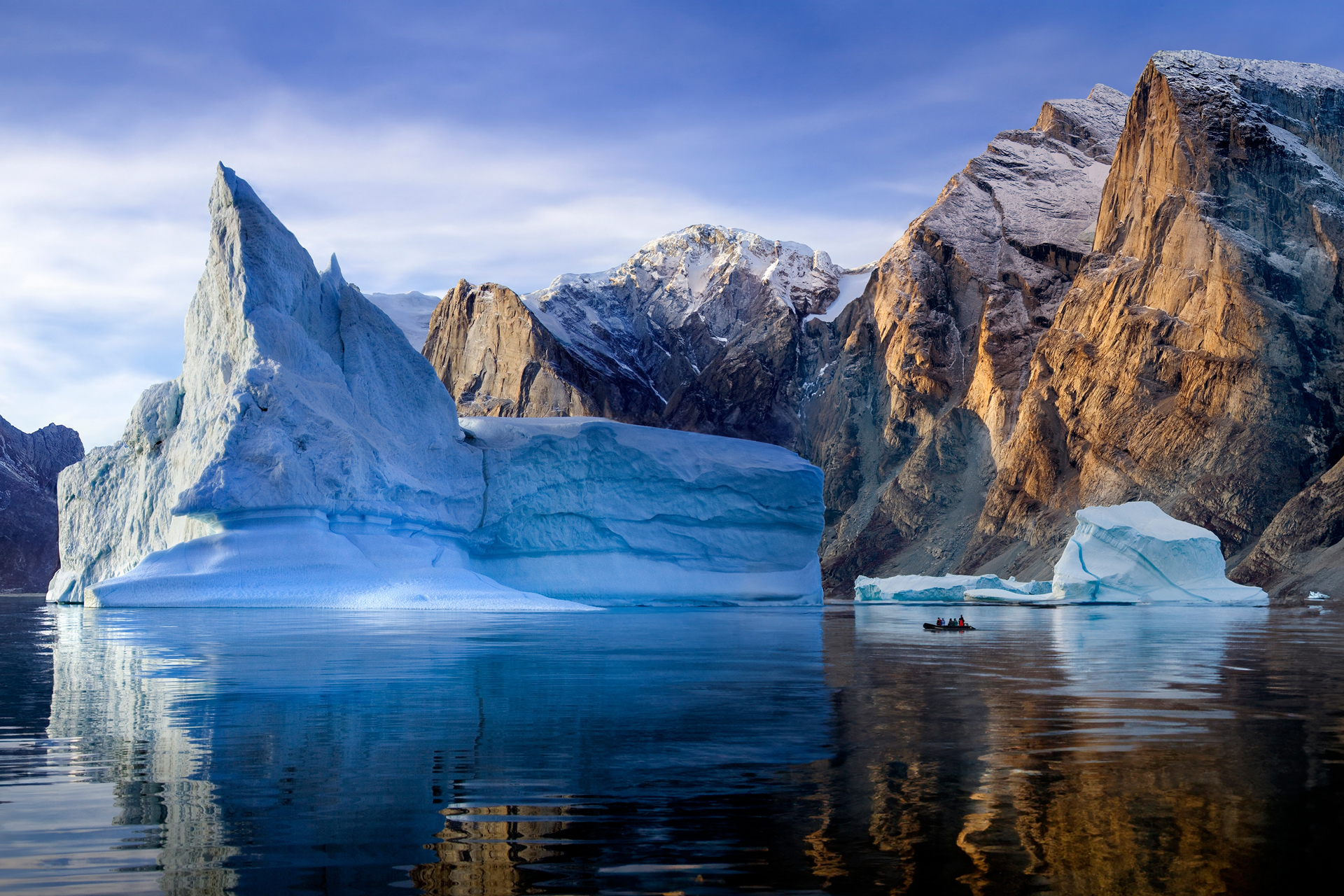
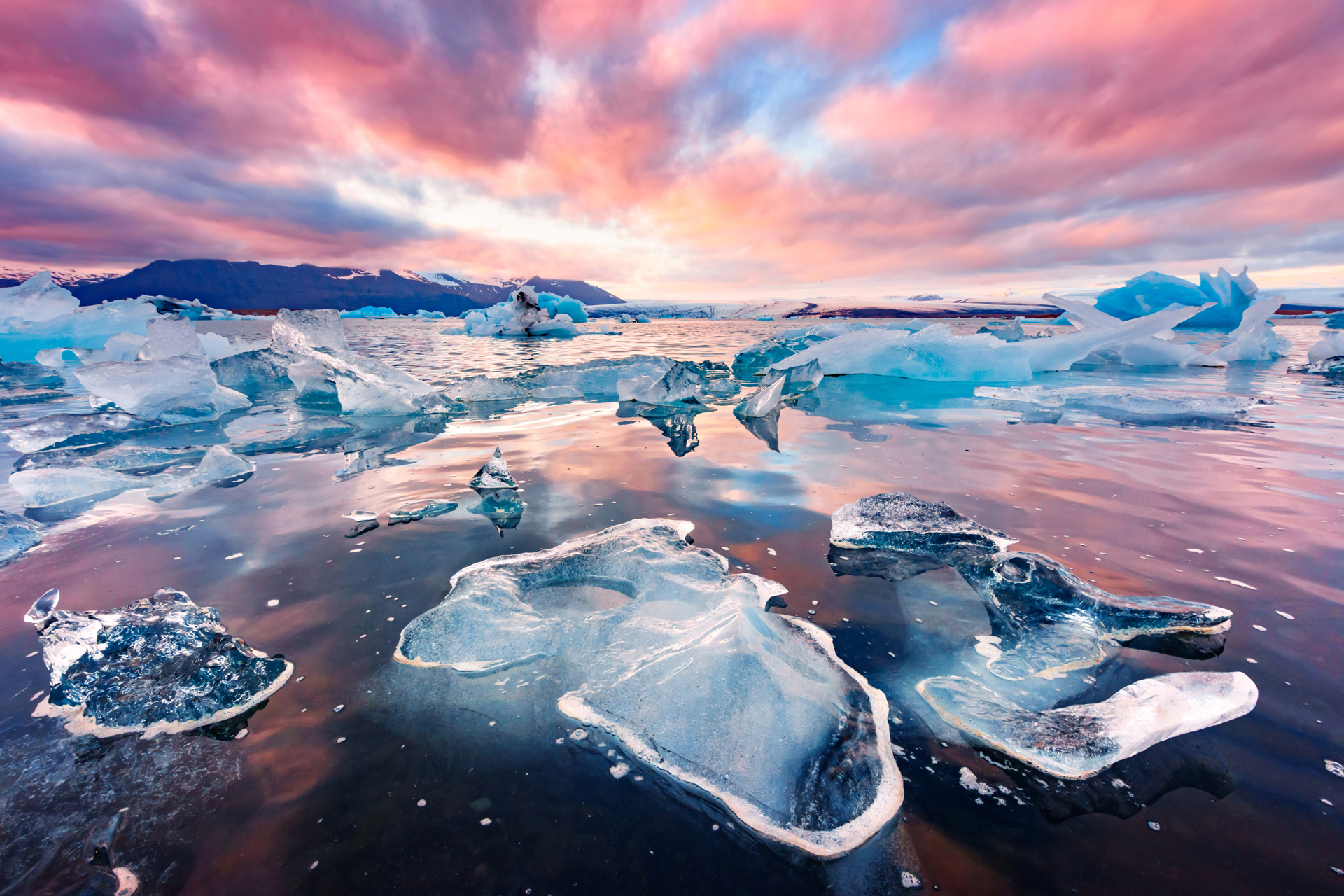
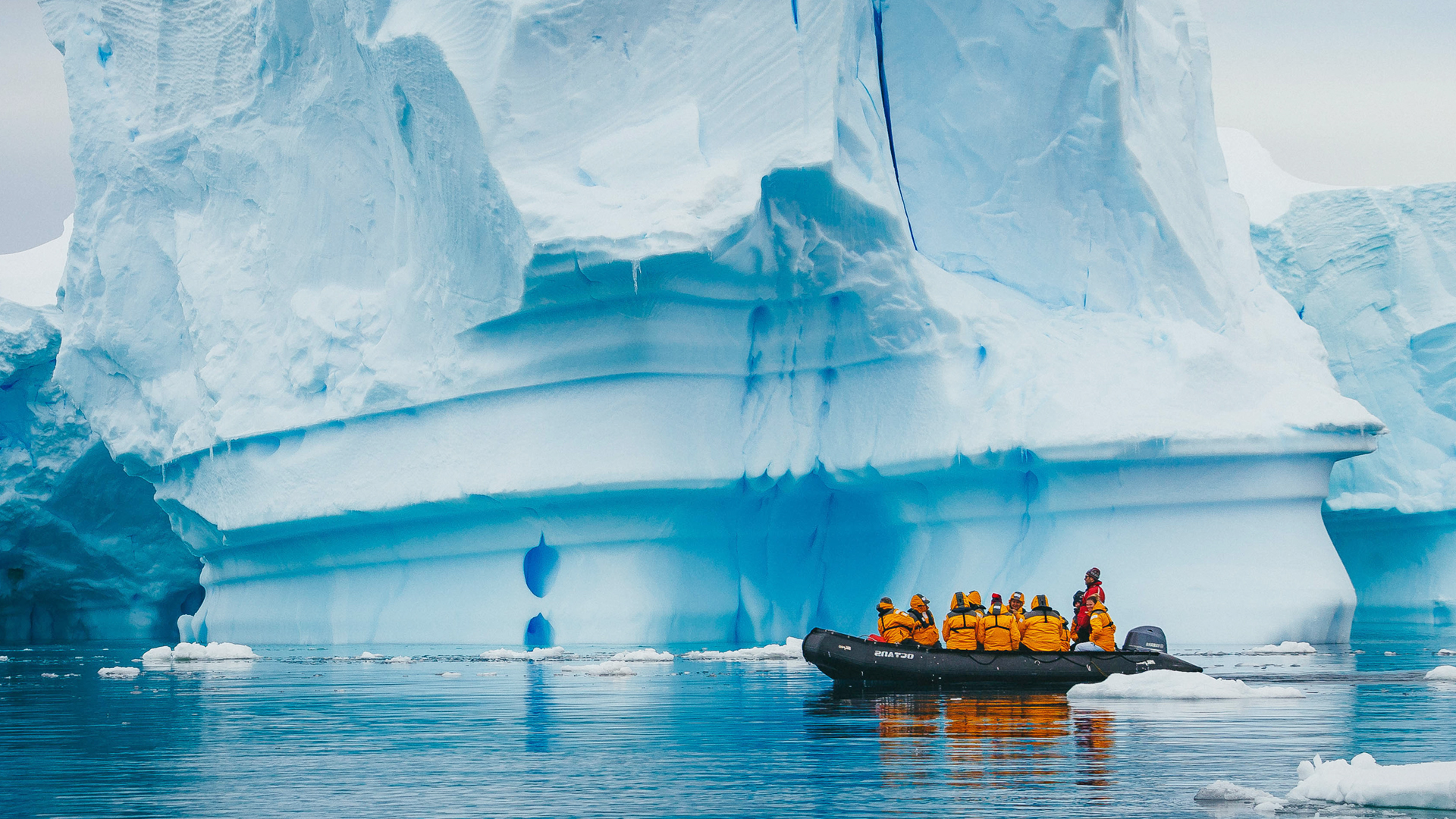
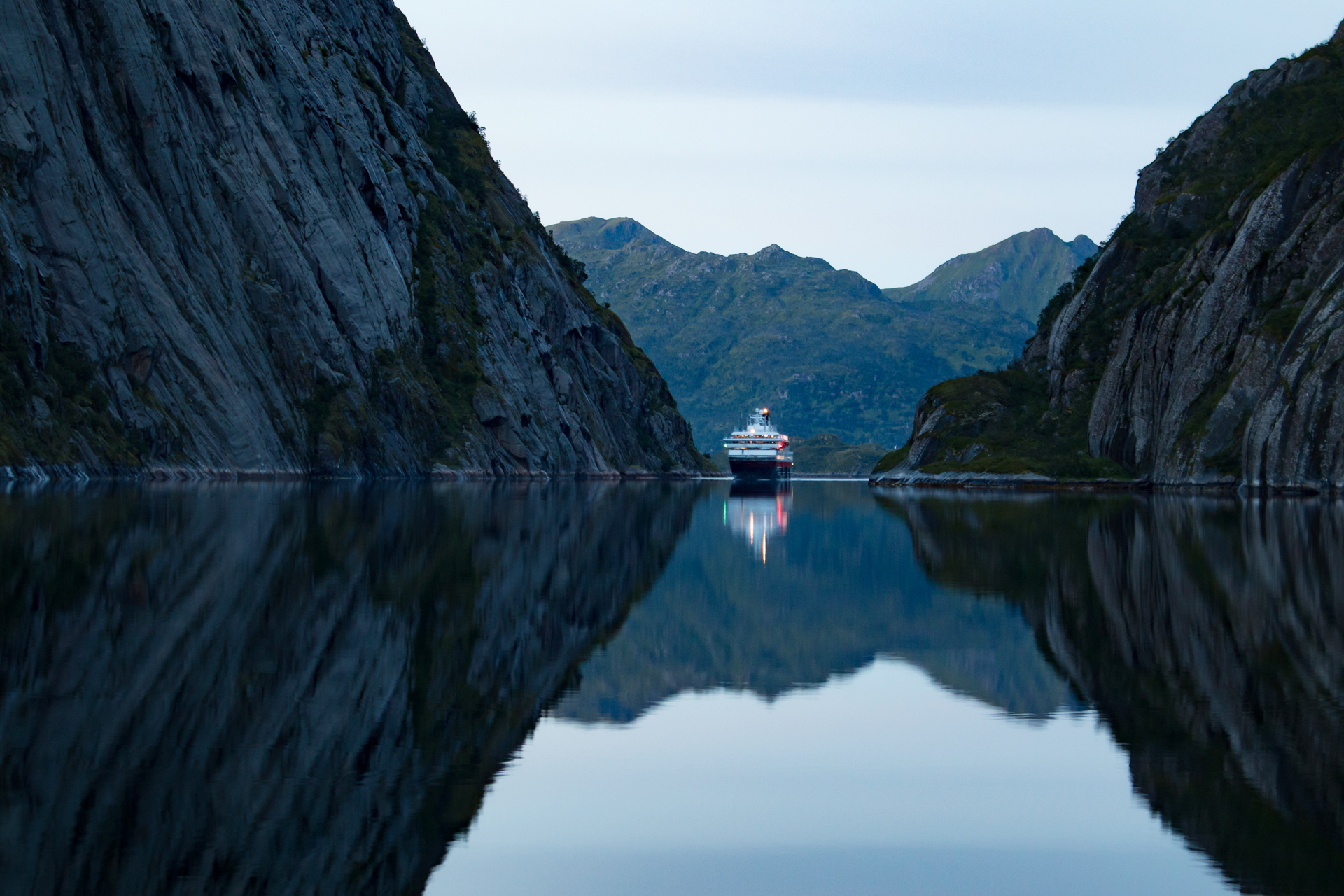
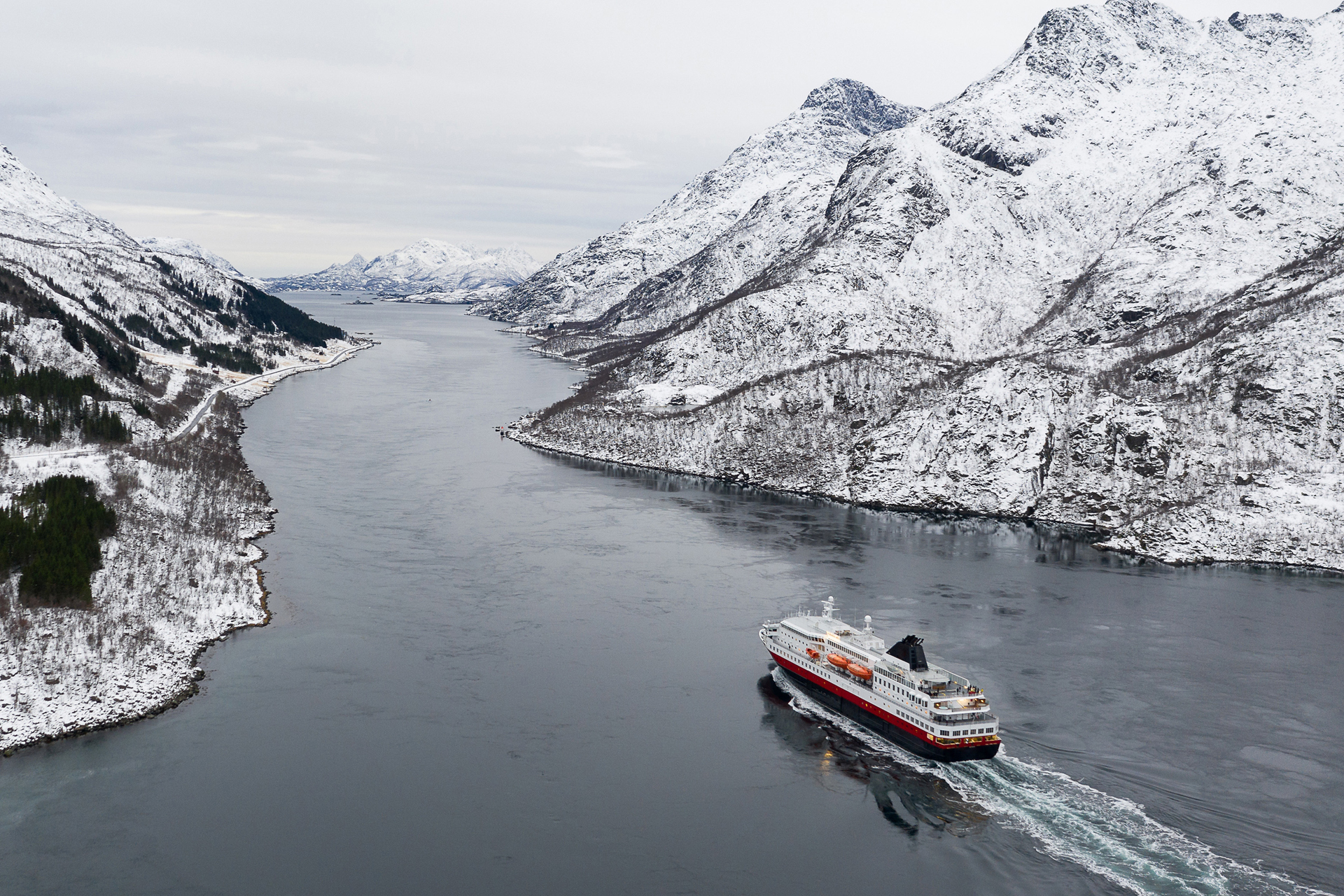
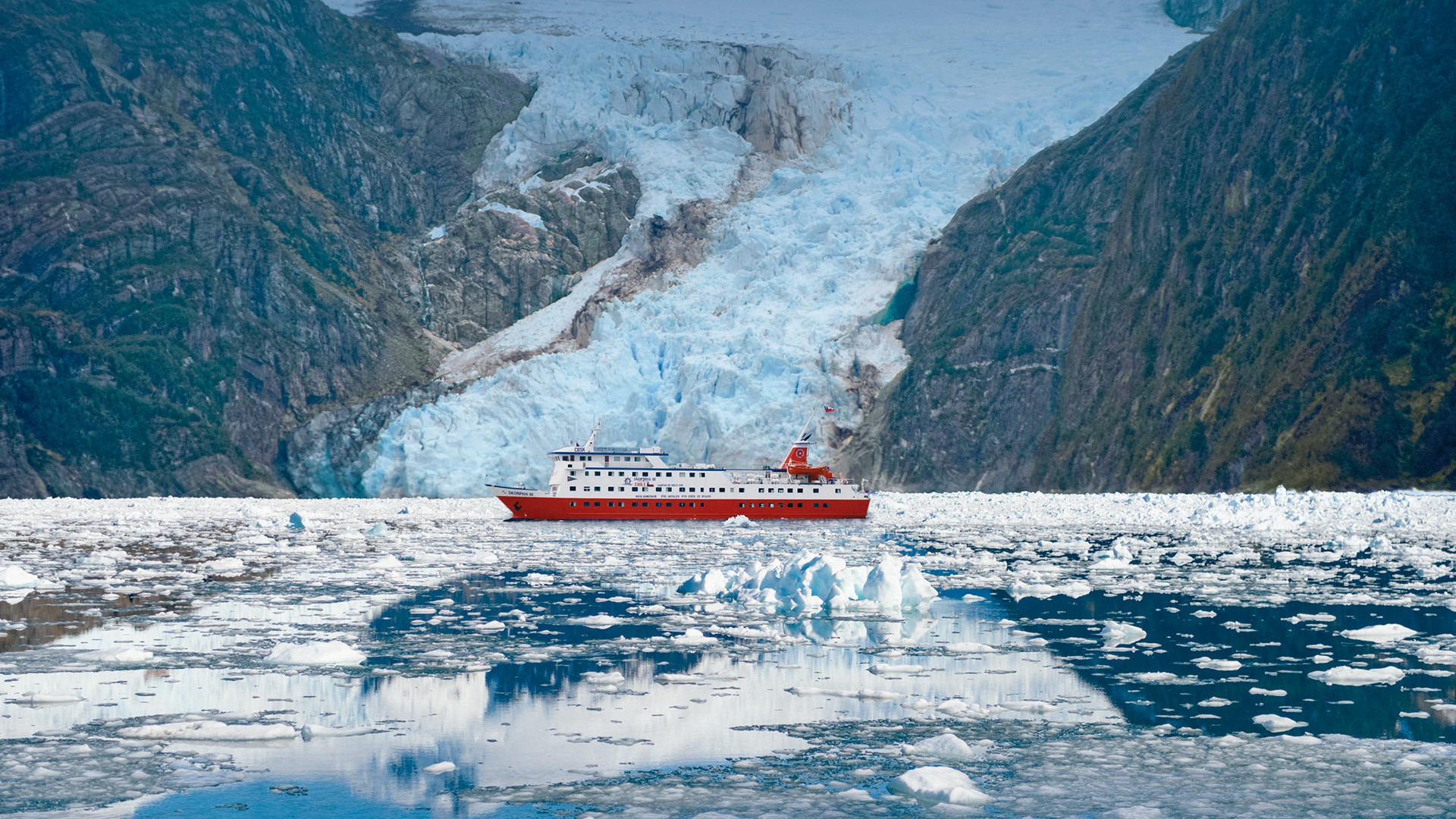
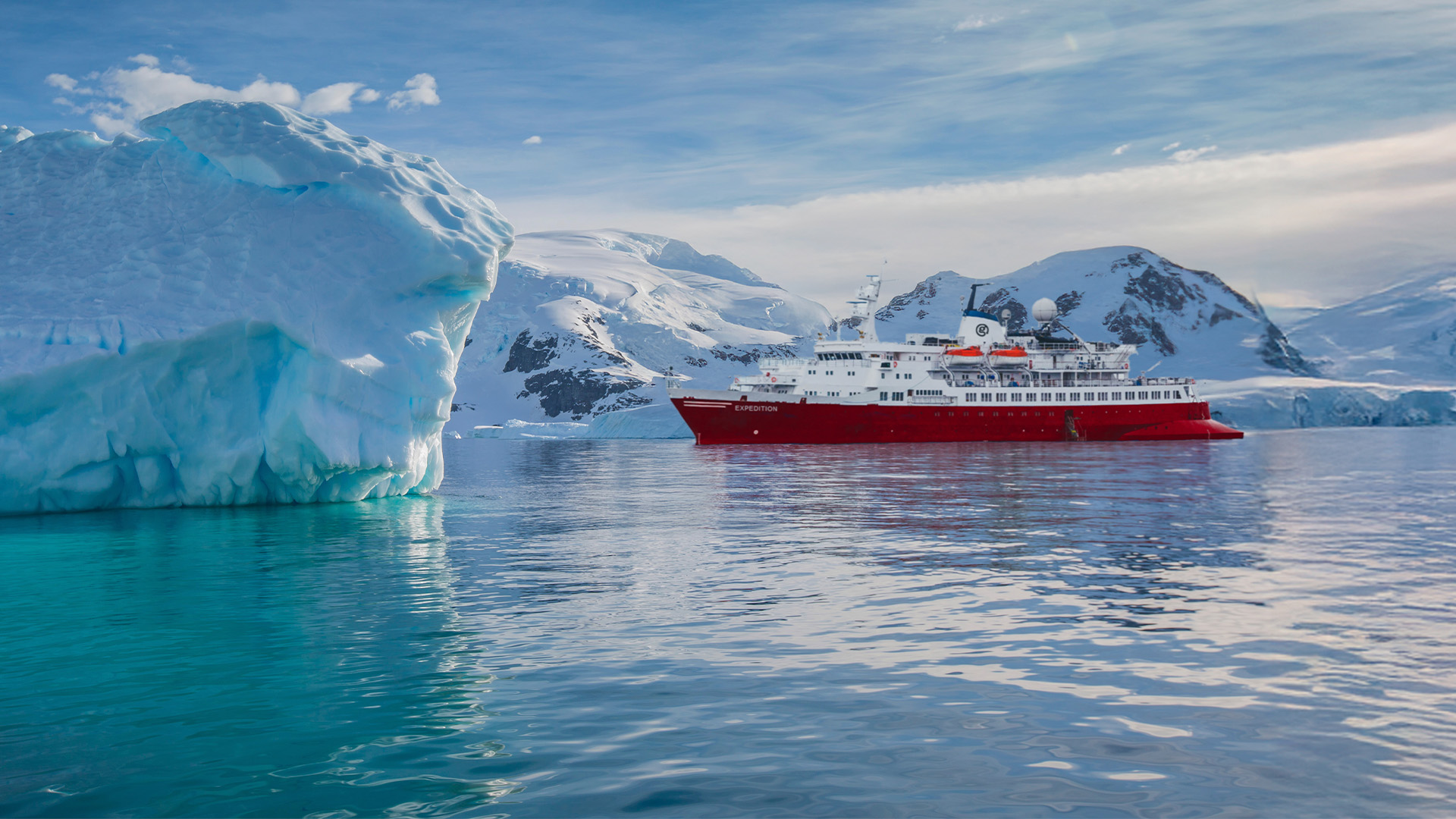
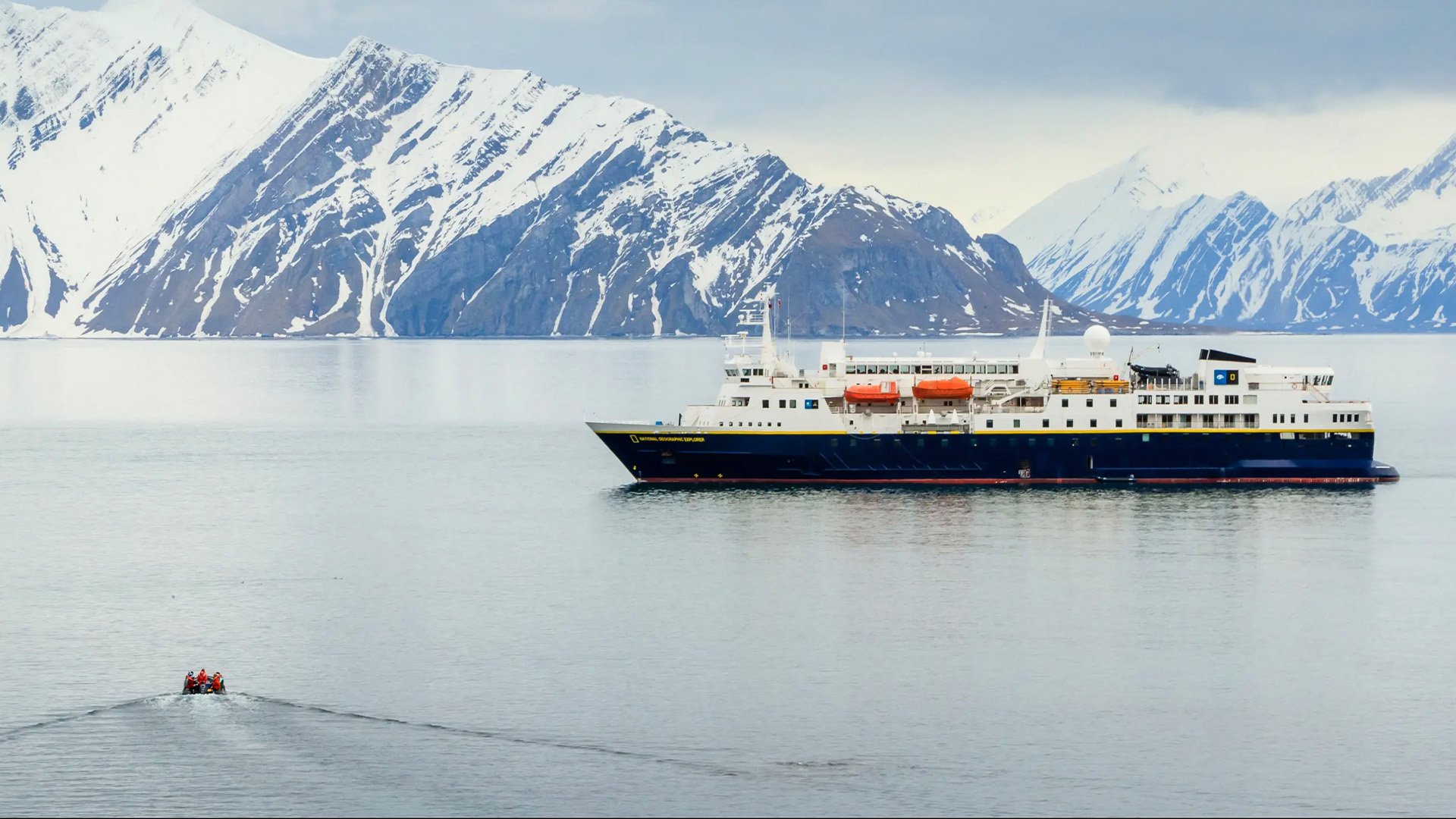
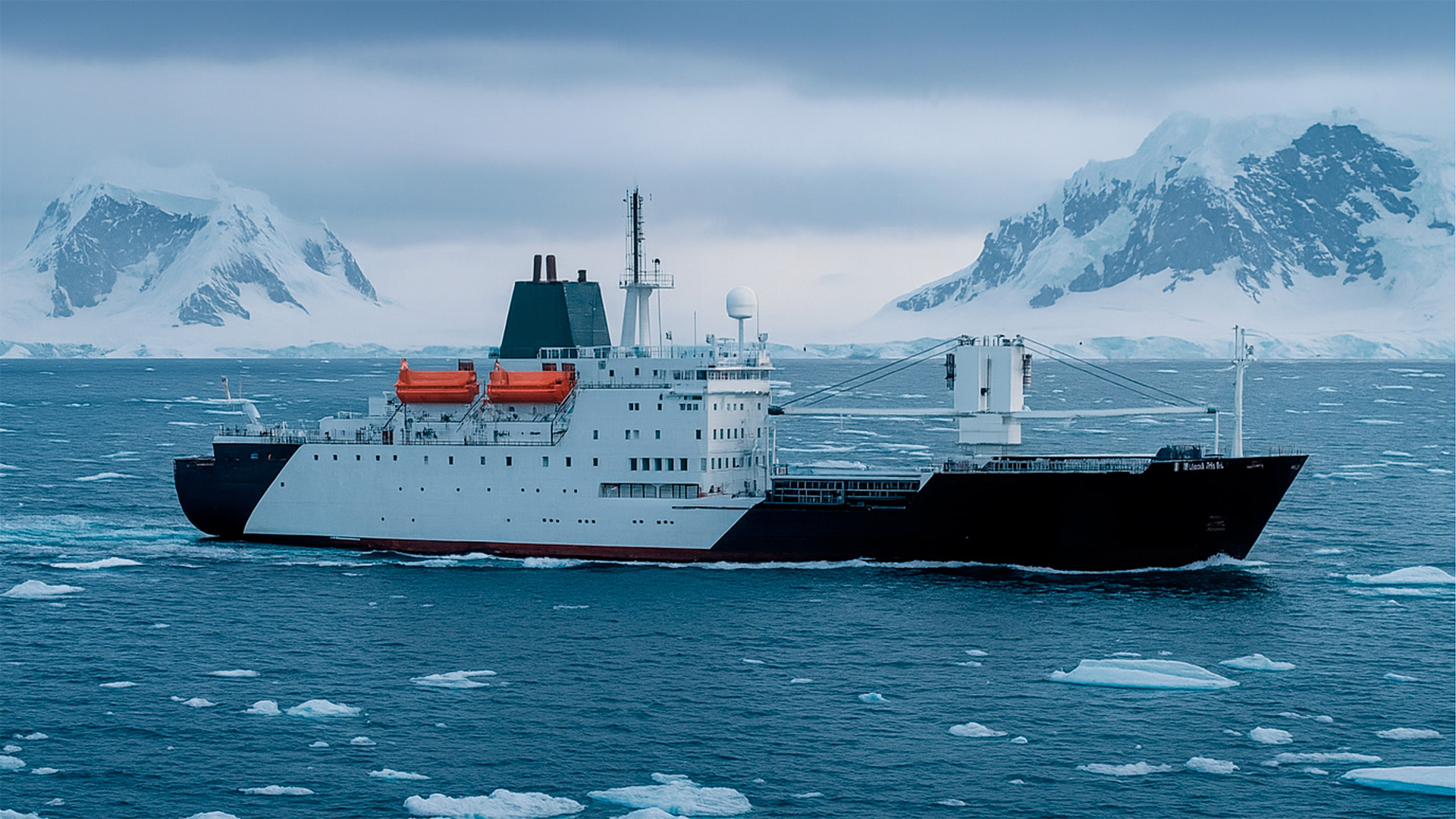
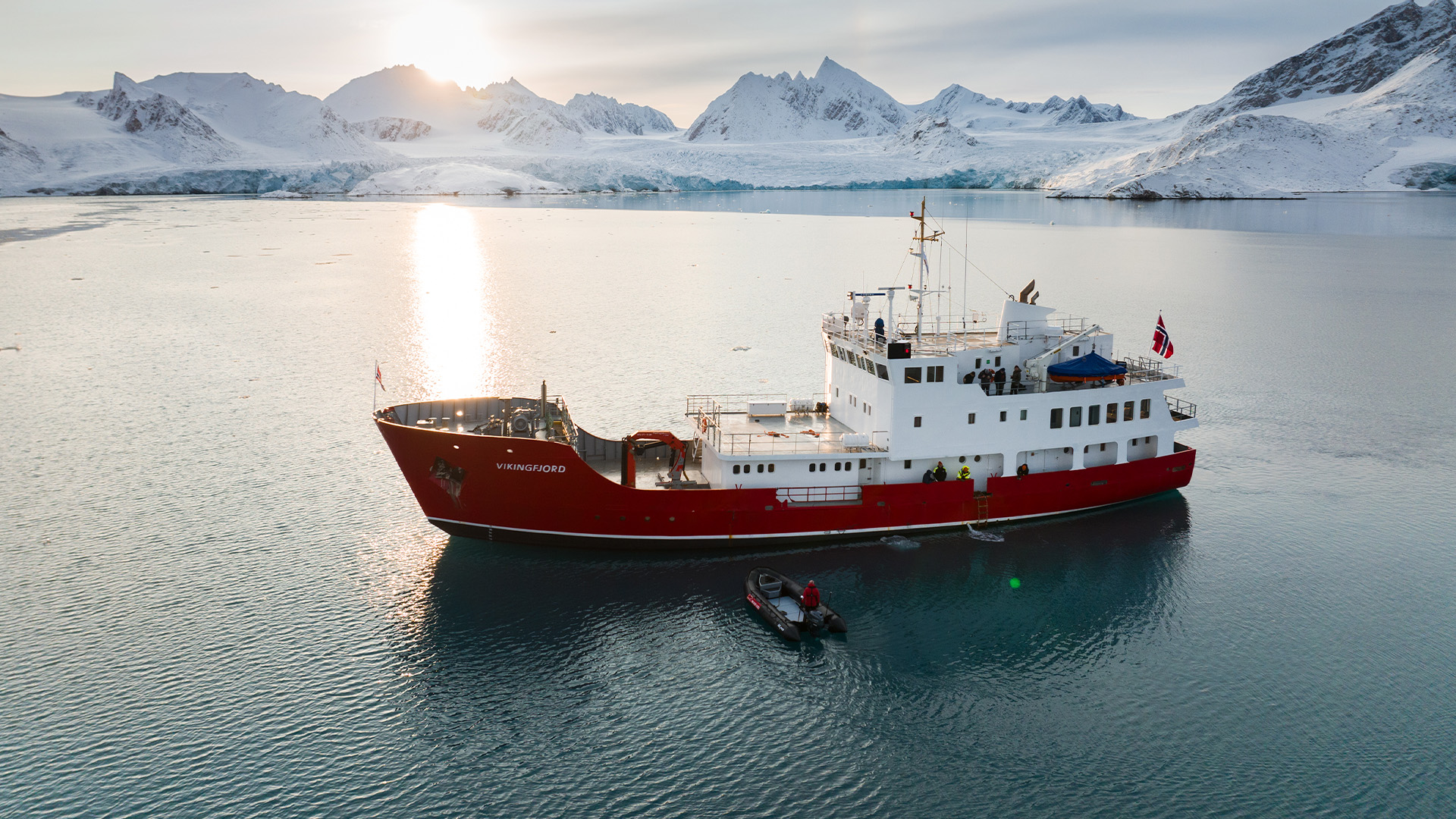
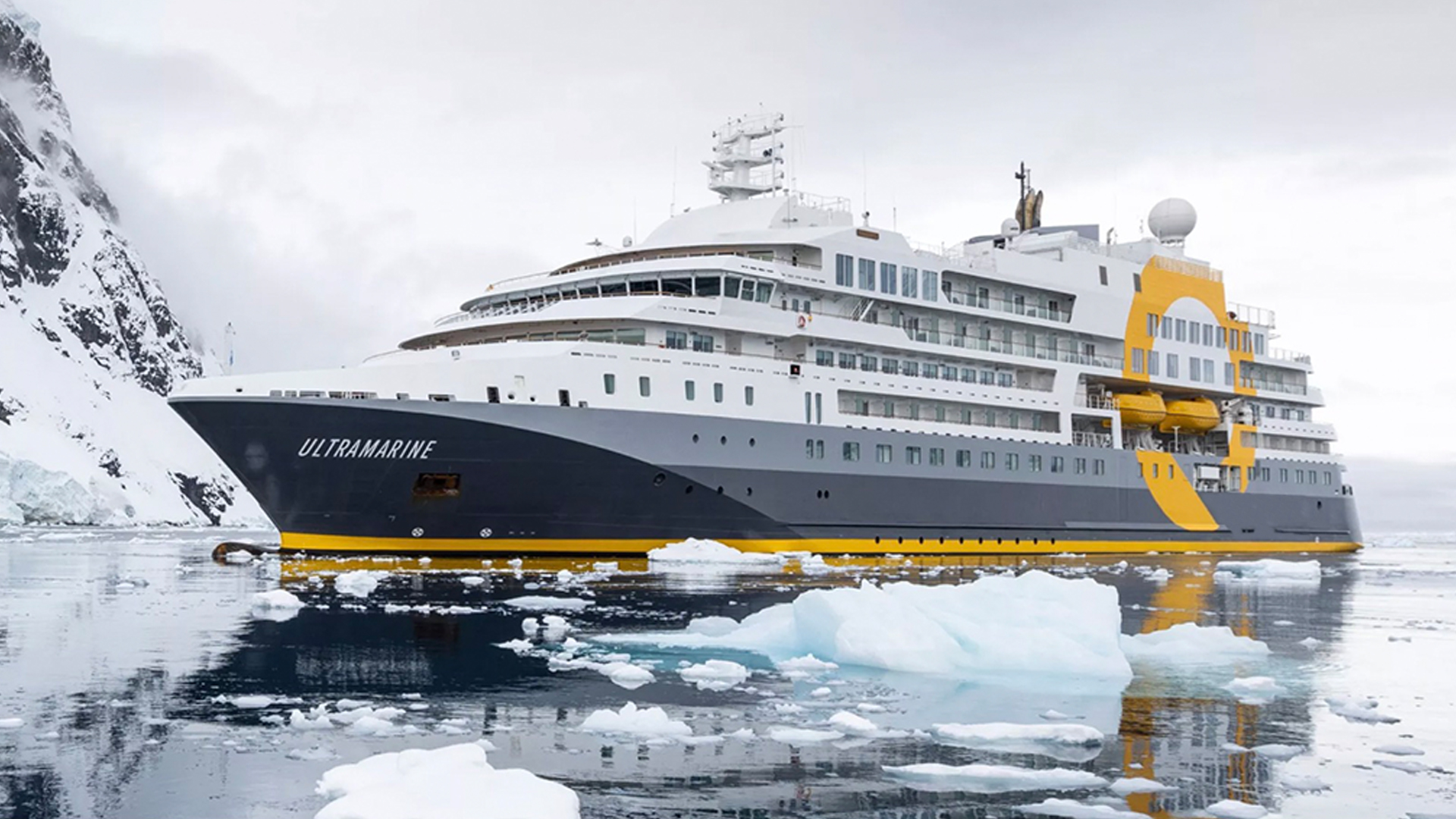
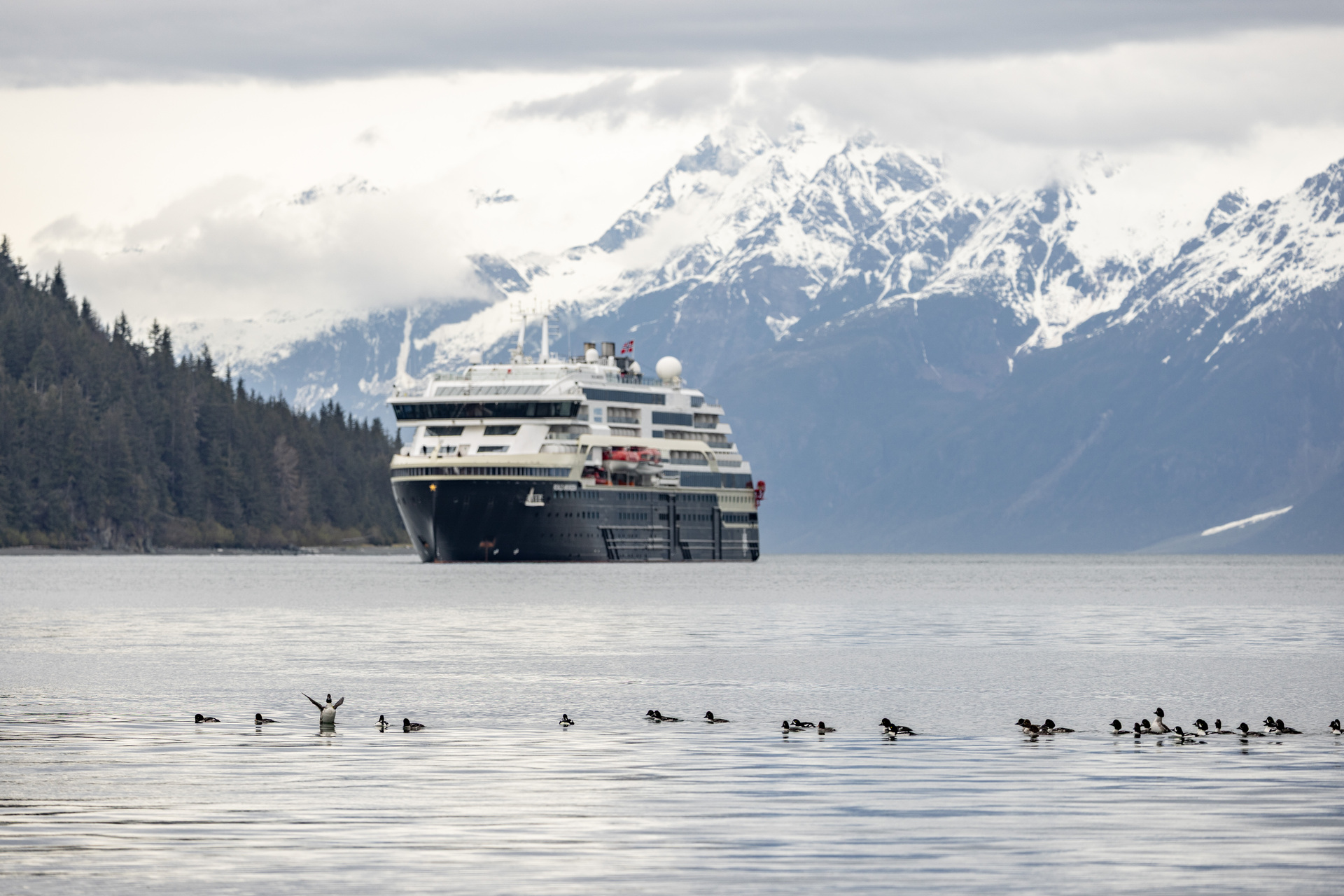
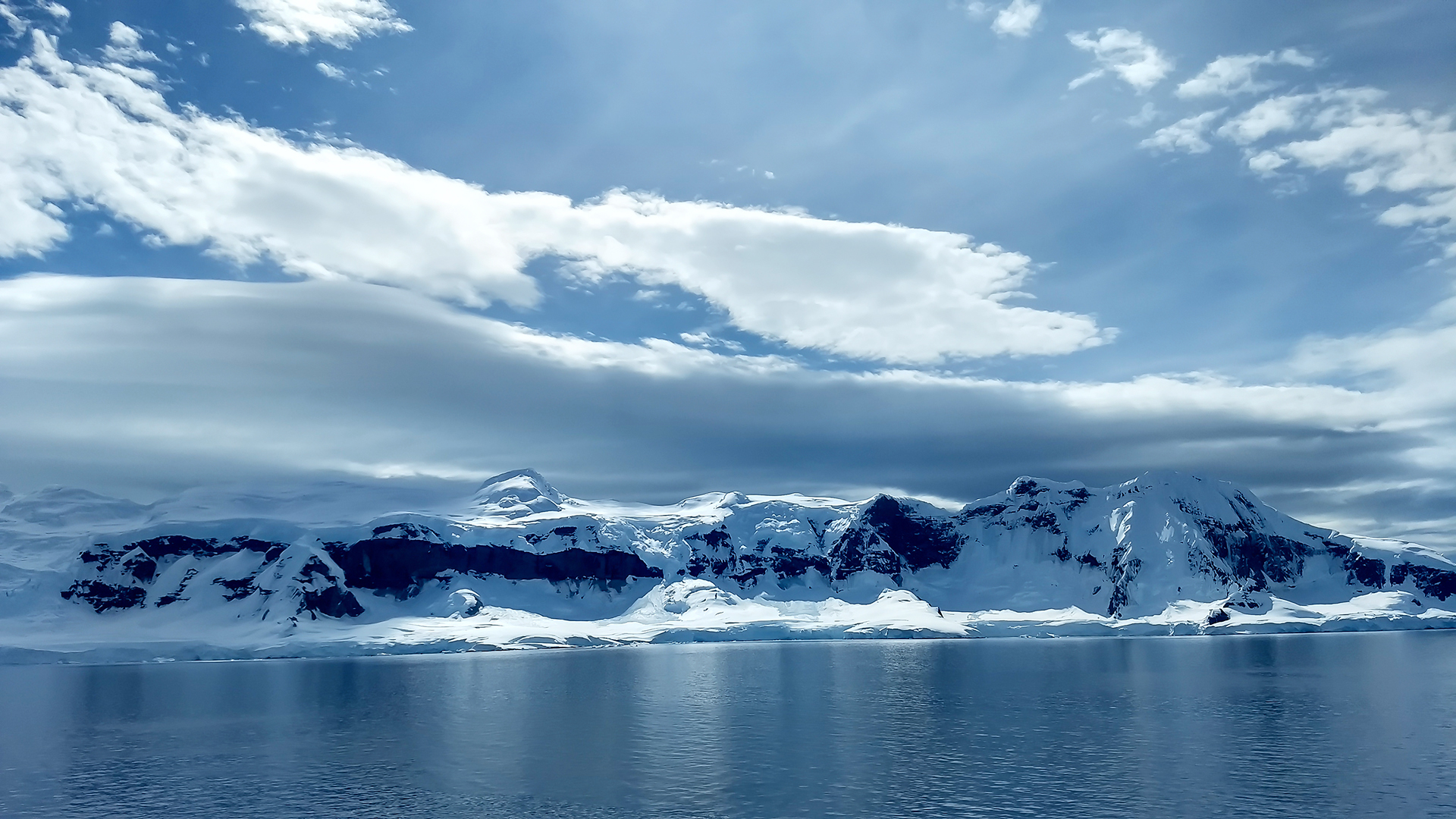
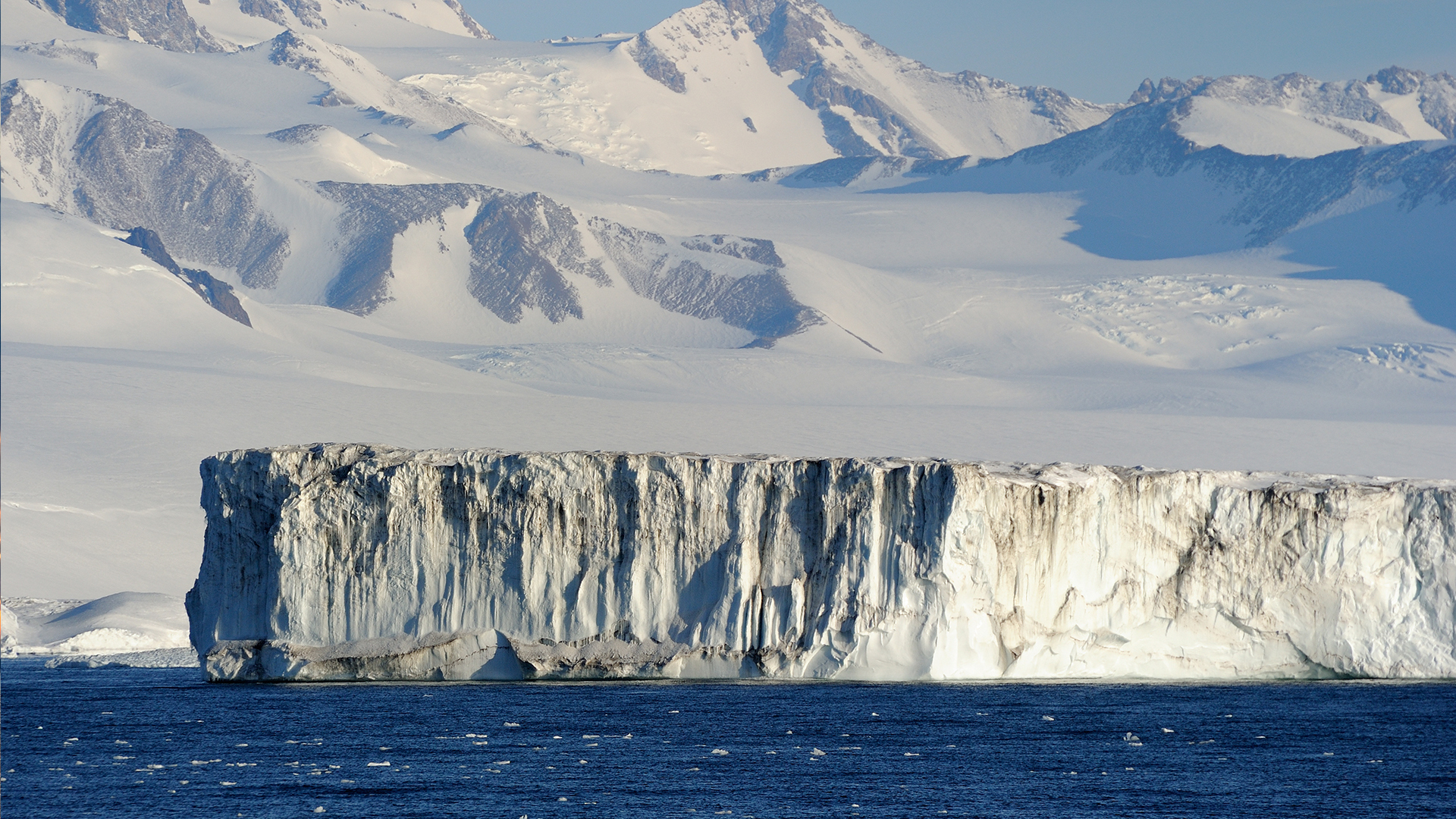
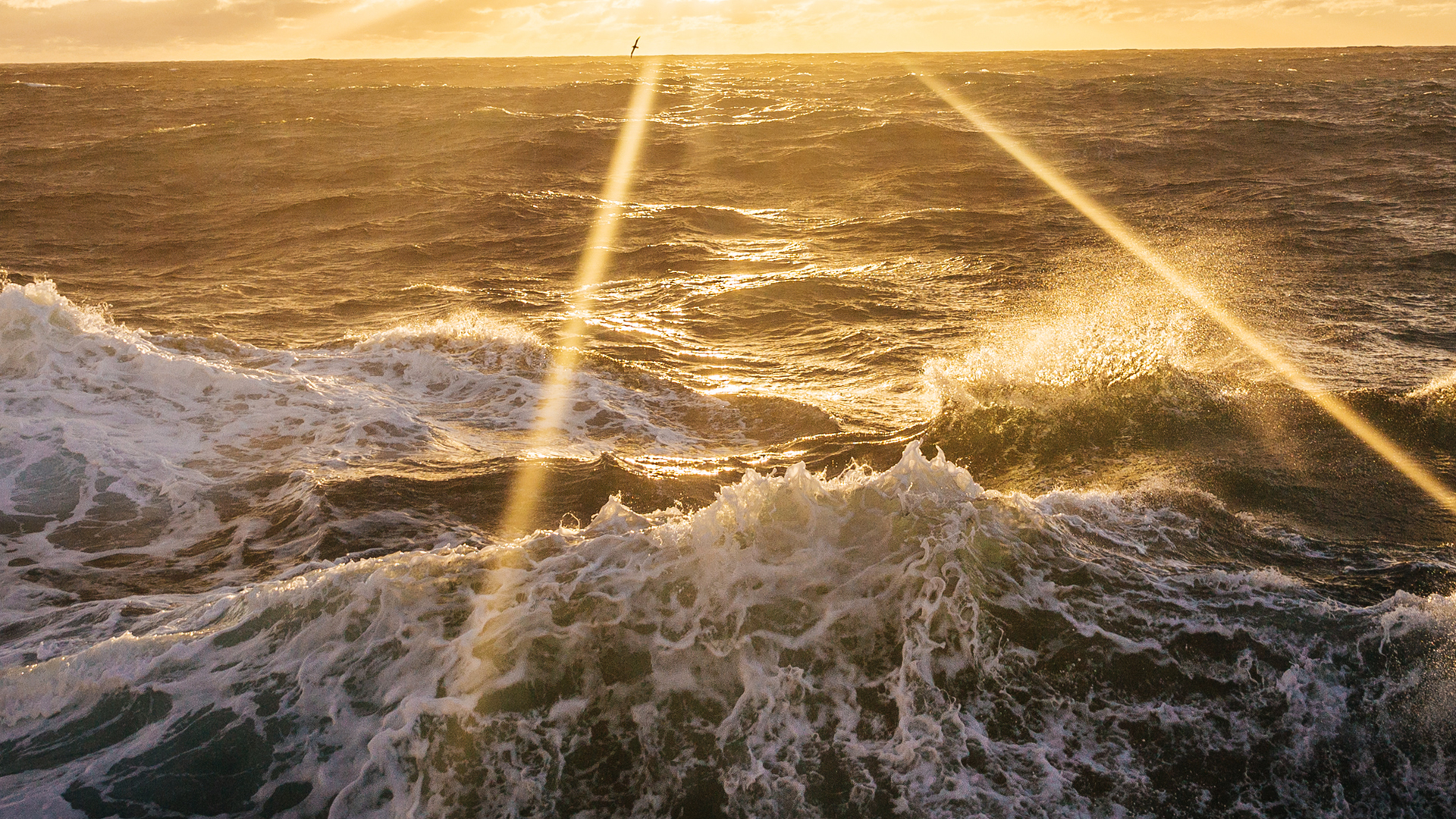
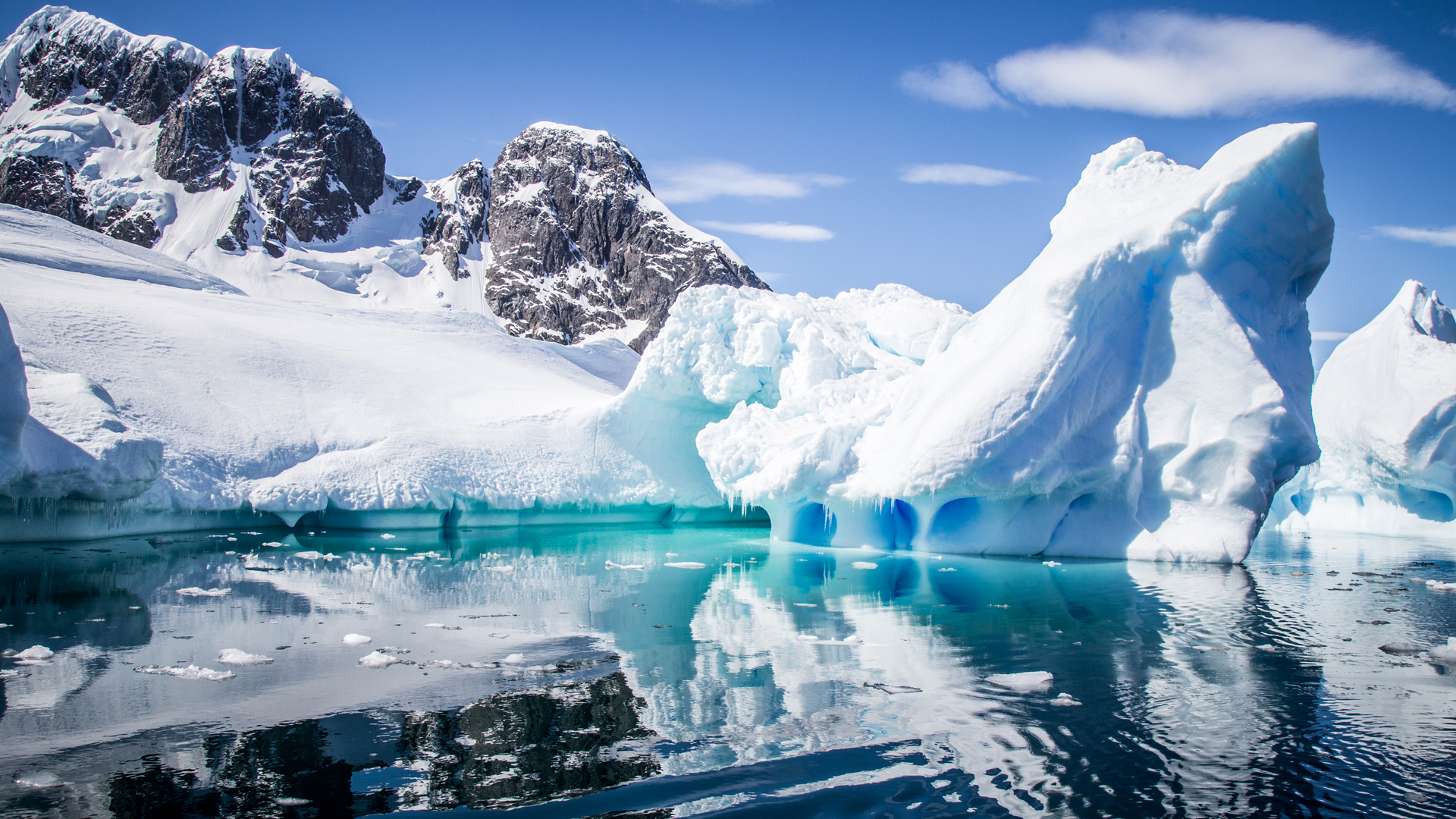
Further south, the Patagonian fjords that link the Strait of Magellan and the Beagle Channel set the stage for an unforgettable expedition cruise. Glaciers tumble from cliffsides into secluded channels and can be approached by Zodiac, and travelers can spy humpback whales and dolphins in the ocean beneath the ship. The luckiest will land on the fabled Cape Horn, a treeless island on the skirts of the infamously wild waters of the Drake Passage. From Punta Arenas, the regional capital, cruises for the White Continent – Antarctica – depart.
King and Magallanic penguin colonies inhabit windswept islands and bays around the island of Tierra del Fuego. Across the Beagle Channel, Isla Navarino lays claim to both the world’s southernmost town, Puerto Williams, and trek: the adventurous Dientes de Navarino, which circumnavigates toothy, ice-laced mountains and offers staggering views throughout.
In Northern Chilean Patagonia, the Carretera Austral (known in English as the Southern Highway) is a now legendary road trip destination. A chain of isolated villages is connected by this road, which progresses south through Patagonia’s varying landscapes. It passes alongside national parks with the region’s best hiking – including Pumalín Douglas Tompkins, Patagonia, and Cerro Castillo – cave systems in kaleidoscopic pastel hues, and steaming volcanoes.
Across the waters, the island of Chiloé is one of Chilean Patagonia’s forgotten corners. Private nature reserves sequester temperate rainforest and endemic wildlife, while wave-battered coastlines are dotted with sculptures and wild birds. Inside the towns, UNESCO-listed wooden churches and stilted houses give a glimpse into the island’s rich maritime history.
On the northernmost tip of Chilean Patagonia, the pretty, German-influenced town of Puerto Varas sits beneath the perfectly conical Osorno Volcano on the shores of Lago Llanquihue and is one of the country’s adventure destinations. Rafting, kayaking, hiking, cycling, and skiing are possible here, while thermal hot springs and outstanding restaurants provide the perfect counterbalance.
How to spend two weeks in Chilean Patagonia
Two weeks is the ideal length of time for an adventure in Chilean Patagonia, offering enough breathing room to balance big-ticket experiences with genuine downtime. With a fortnight, tackle classic treks and the lesser-visited corners of Torres del Paine National Park, spend time among the glaciers in the fjords, and unwind in a luxurious lodge – the perfect balance of adventure and restoration.
Day one: Santiago
Chile’s capital, Santiago, has established itself as a city of world-class museums, fine dining, and wine. Spend a day going back in history at the excellent Museo Chileno de Arte Precolumbino, sample a class of carménère – the country’s trademark grape – at a city winery, and enjoy a long tasting menu at one of the many restaurants that appear on the world’s best lists.
Days two to four: Torres del Paine National Park
Fly south to Puerto Natales, the gateway to Torres del Paine National Park. Boutique hotels dotted within and just outside of the park offer understated luxury with outstanding mountain views – plus expert guides, who can introduce guests to Patagonia at its most beautiful.
From challenging day hikes to boat rides to glaciers, countless viewpoints for appreciating the dazzling scenery, and wildlife safaris where travelers can spot pumas, guanacos, and other native wildlife, there are plenty of unforgettable ways to explore the park.
Alternatively, tackle the five-day W Trek, which guides hikers around the granite mountains at the park’s heart before ending at its most famous viewpoint: Mirador Las Torres, where the three towering shards of granite rise into the sky above.
Days five to thirteen: The Patagonia Fjords
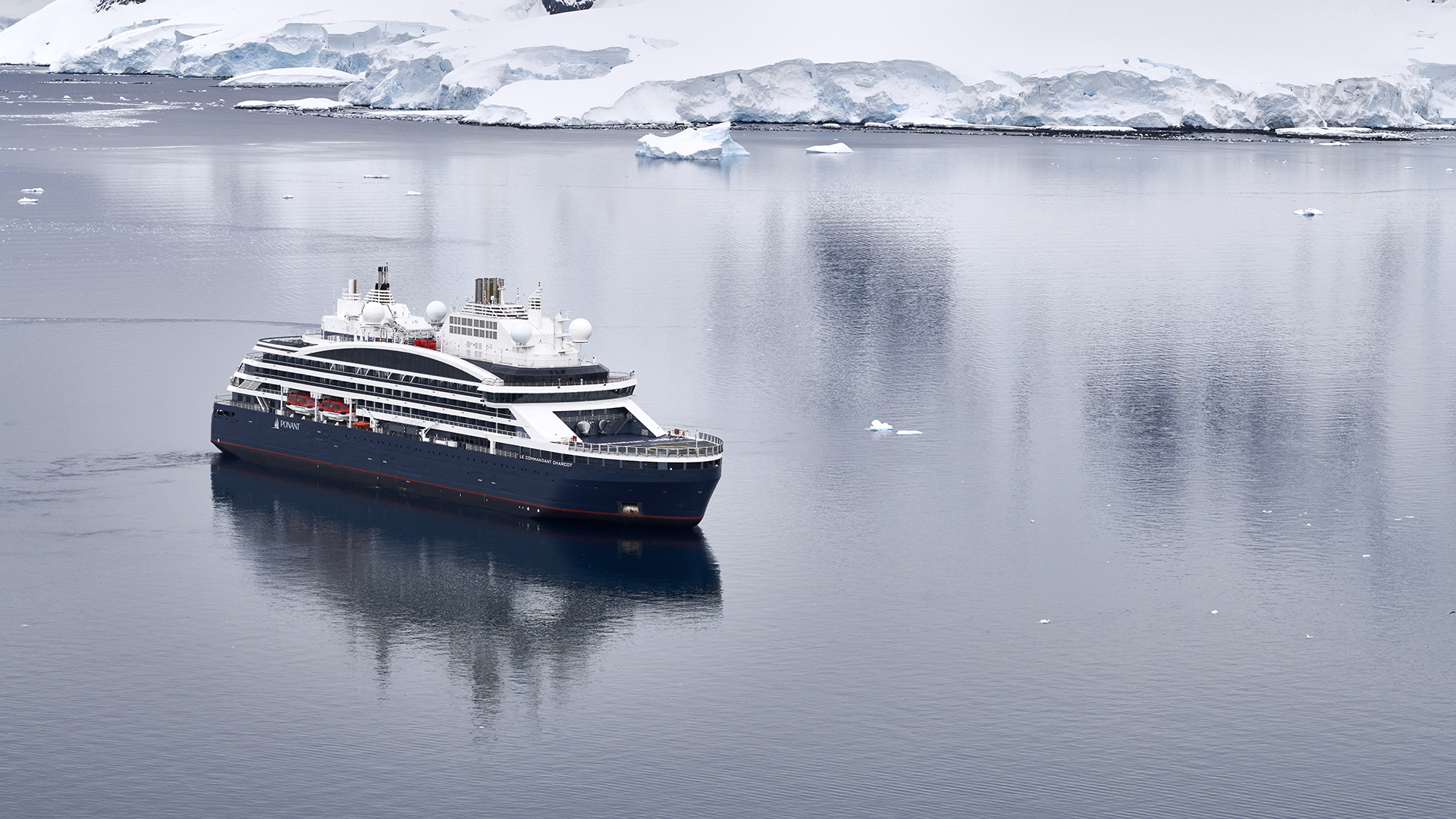
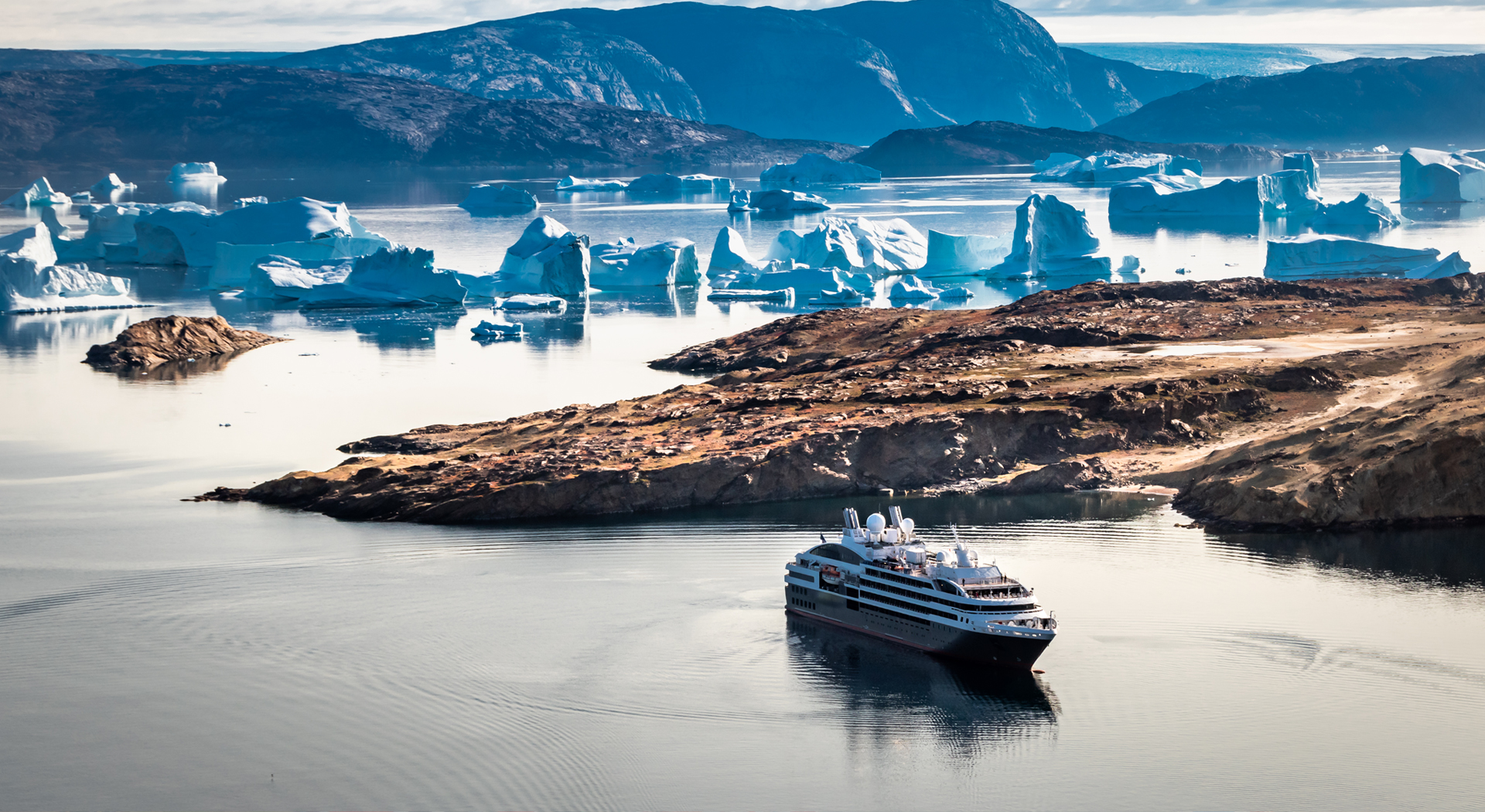
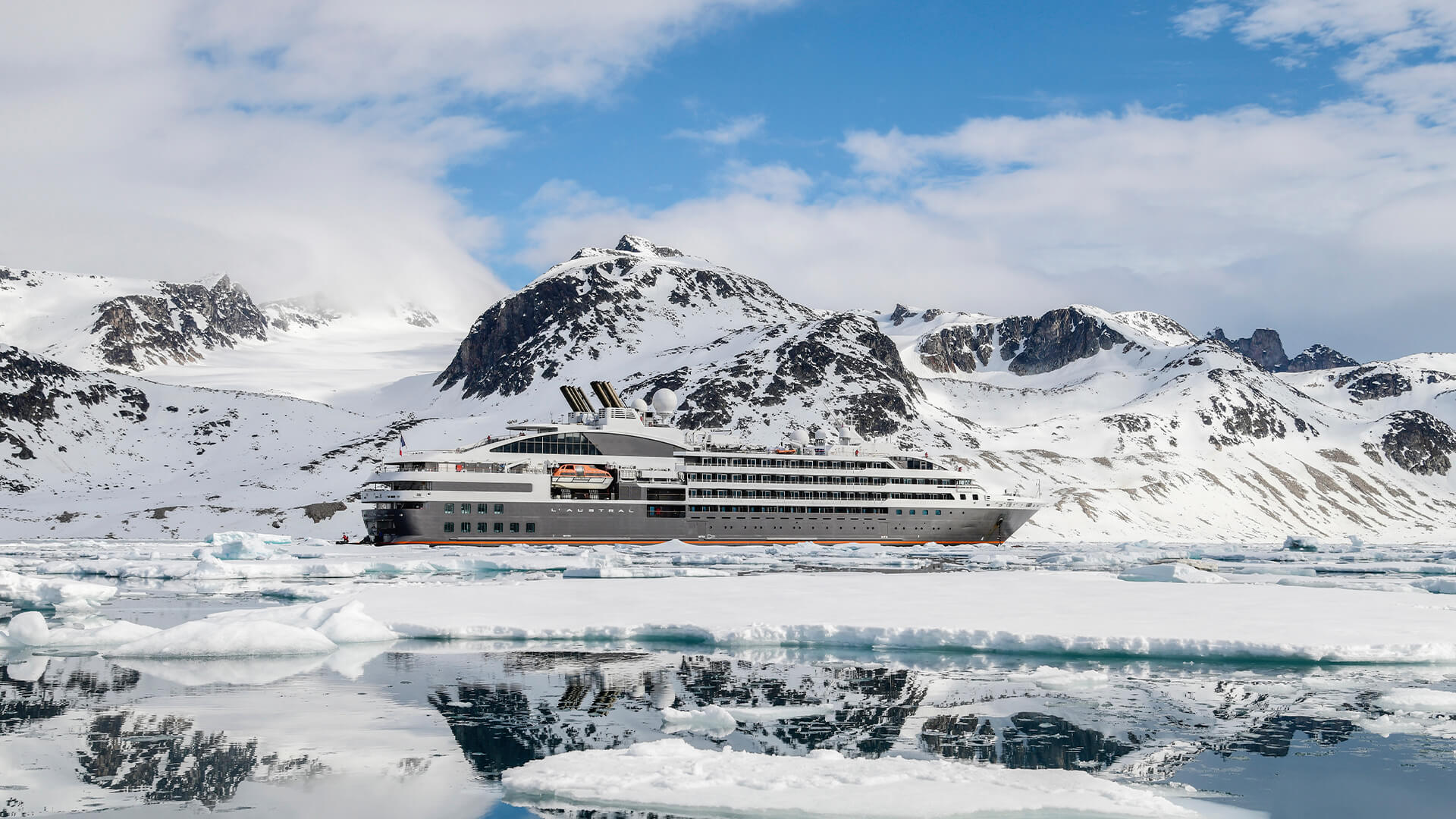
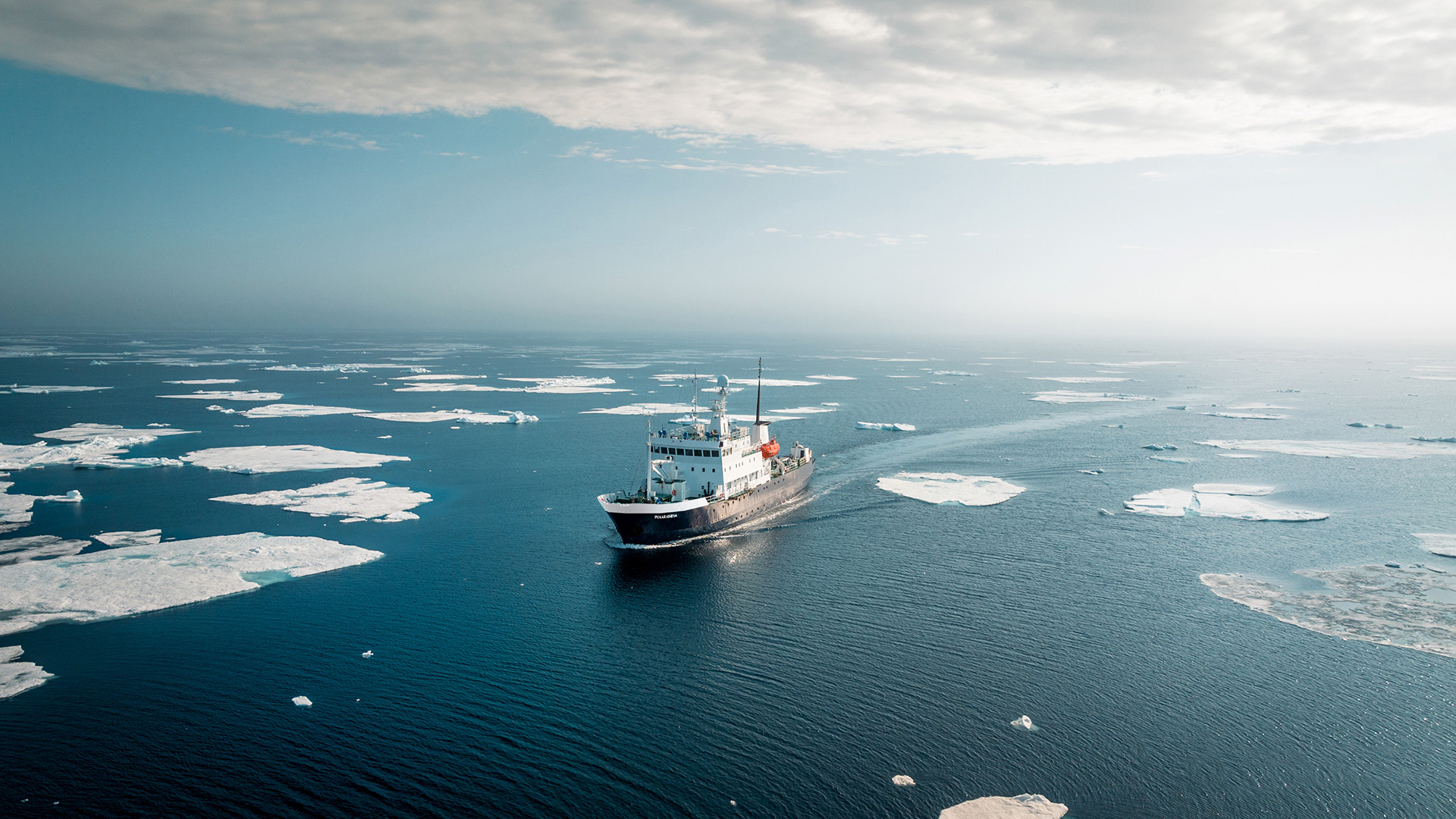
Board a five or seven-day small ship expedition cruise to head deep into the remote channels of the Patagonian fjords. Alongside expert guides, guests sail to dozens of secluded fjords where glaciers tumble into the ocean. During the evenings, talks about the region’s natural and Indigenous heritage ground the outside world within Patagonia’s millions of years of history.
If taking a shorter cruise, extend time in Torres del Paine by a couple of days, before heading to northern Patagonia. Use the pretty town of Puerto Varas as a base and explore the paths through the temperate rainforests of Alerce Andino National Park, relax in nearby thermal springs, or admire the scenery from an oceanside boutique hotel on Chiloé Island.
Fly back to Santiago for your flight home.
Iconic wildlife in Chilean Patagonia and where to see it
Patagonia might be the gateway to Antarctica and the Falkland Islands – both places known the world over for their remarkable wildlife. However, Chilean Patagonia has its own incredible species, which make it a worthwhile destination in its own right for photographers and wildlife lovers. Here are some of the most iconic.
Pumas
Following concerted conservation efforts, the puma population of Torres del Paine has exploded. Experts now believe the national park has one of the highest concentrations of pumas on the planet. Puma tracking tours have high levels of success in finding these beautiful big cats, who can often be seen hunting or lounging around on the sides of the roads that cut through the park.
Guanaco
Patagonia’s most famous camelids are the sandy-furred guanaco. More delicate in stature than their domesticated cousin, the llama, these creatures graze in large herds in national parks such as Torres del Paine and Patagonia, as well as on the plains of Tierra del Fuego.
Condors
The Andean condor is a king of the animal kingdom. Despite weighing up to 33 pounds (15 kilos) and with a ten-foot (three-meter) wingspan, these birds glide on air currents with little difficulty and are prevalent in mountainous areas across Patagonia. However, the easiest places to spot them include Torres del Paine National Park and near Coyhaique on the Carretera Austral.
Penguins
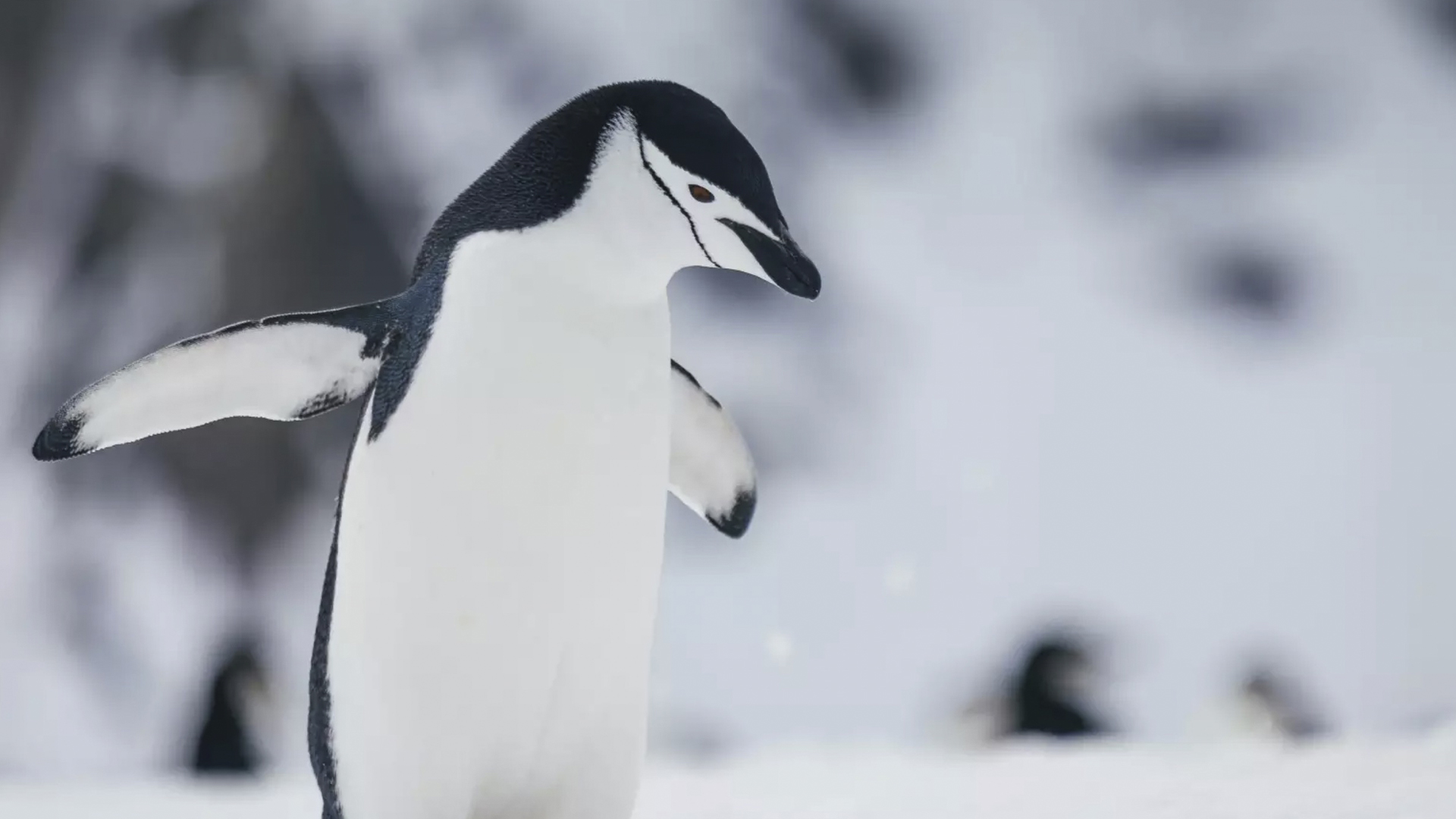
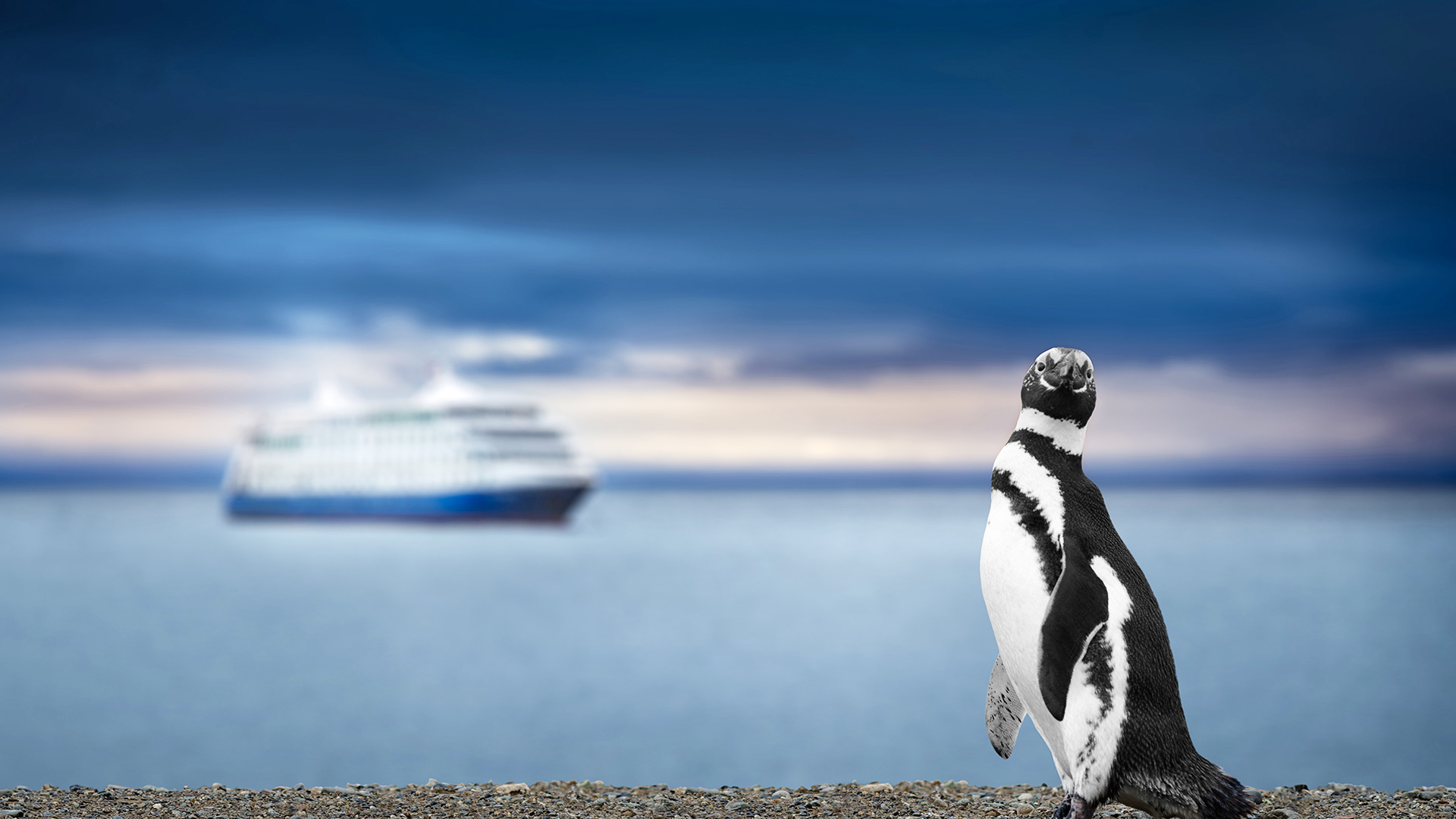
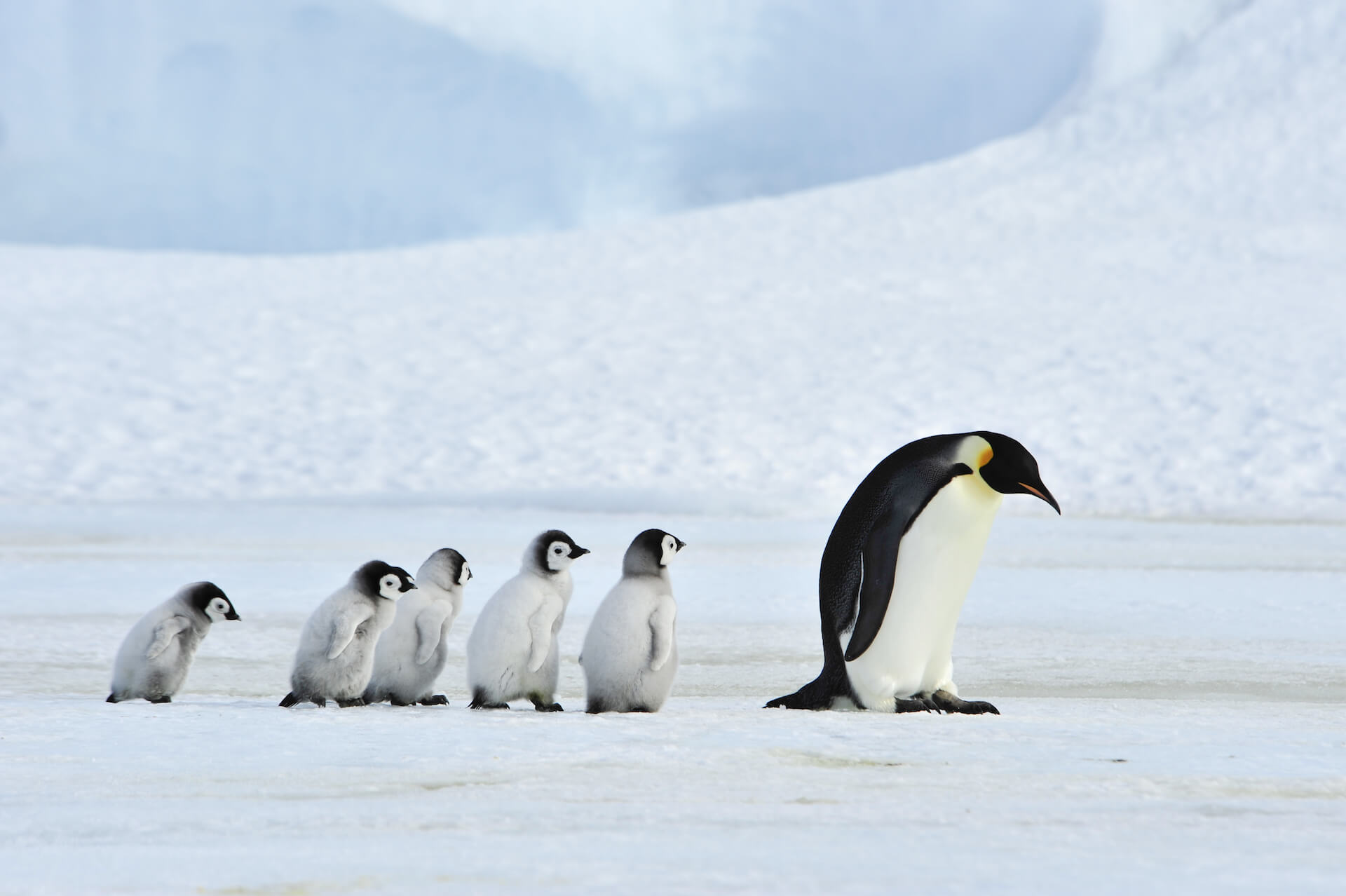
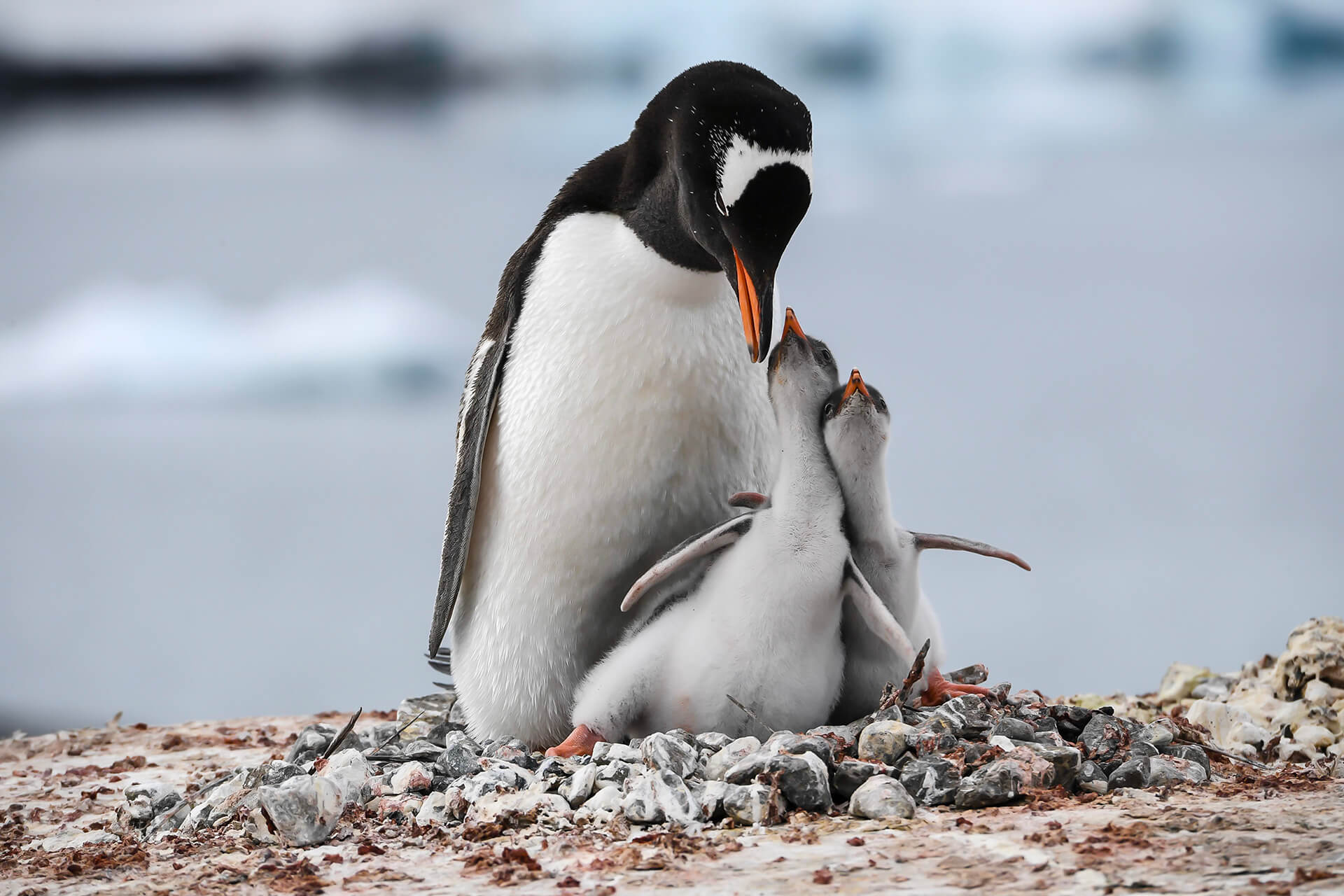
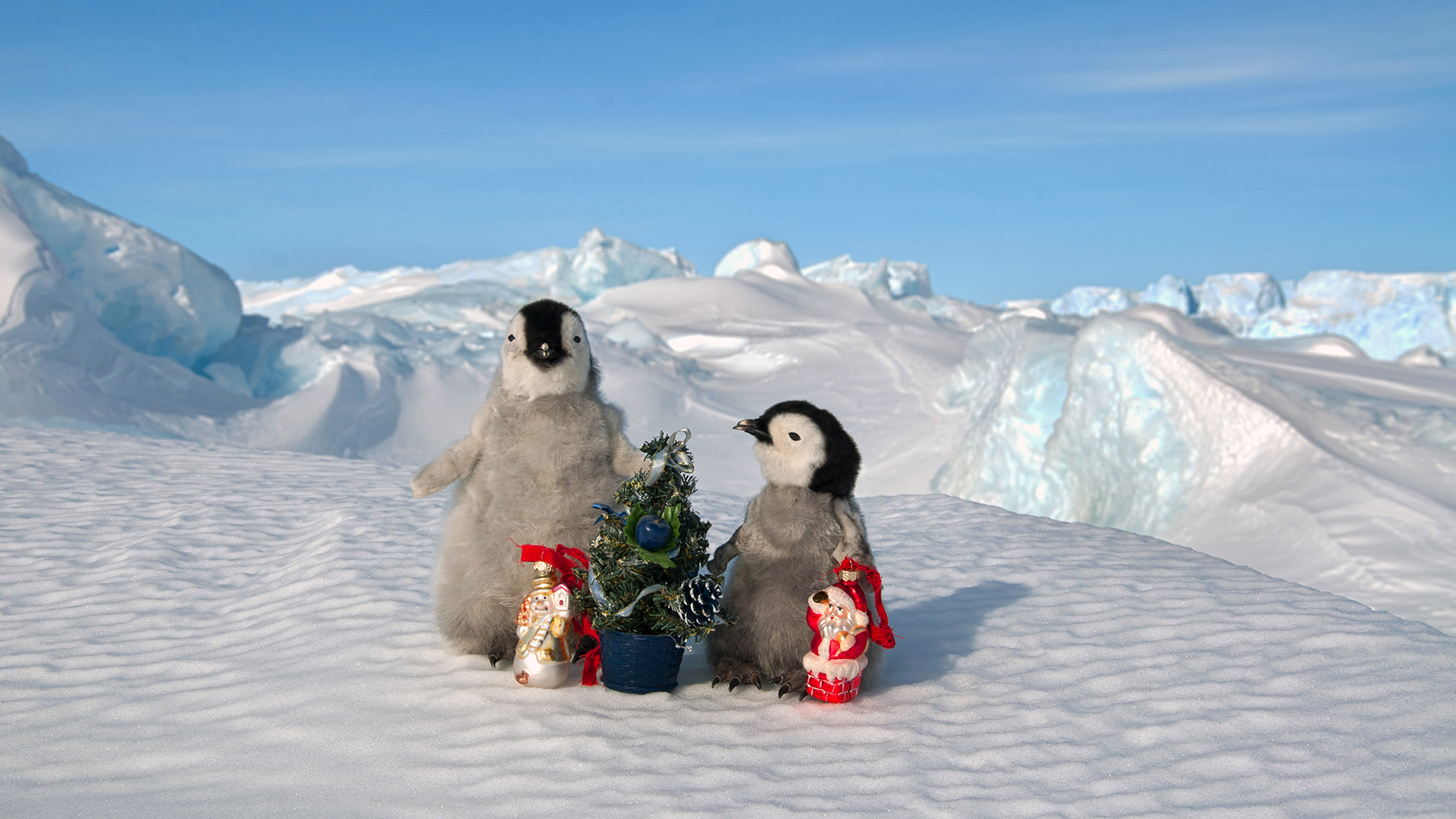
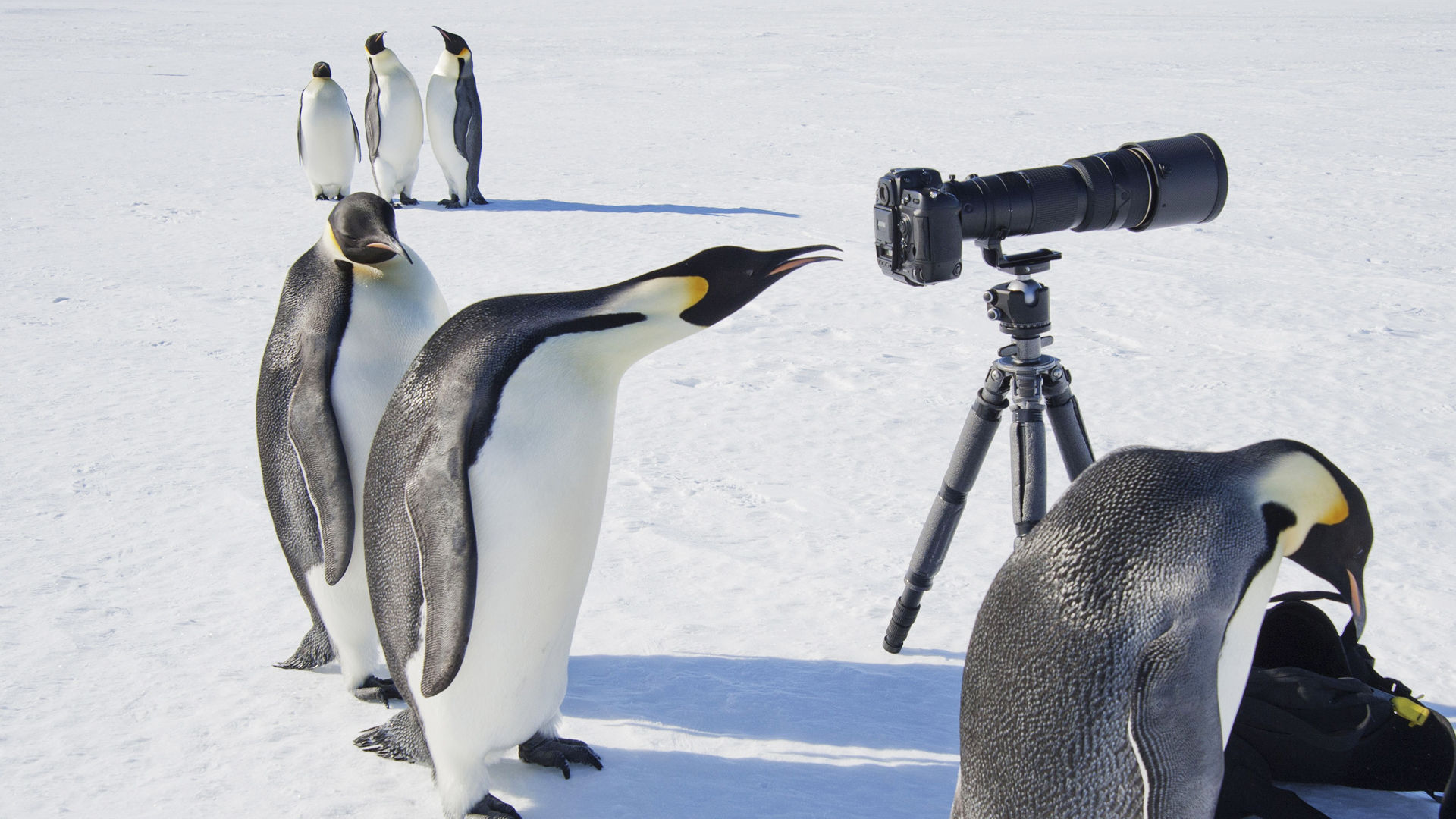
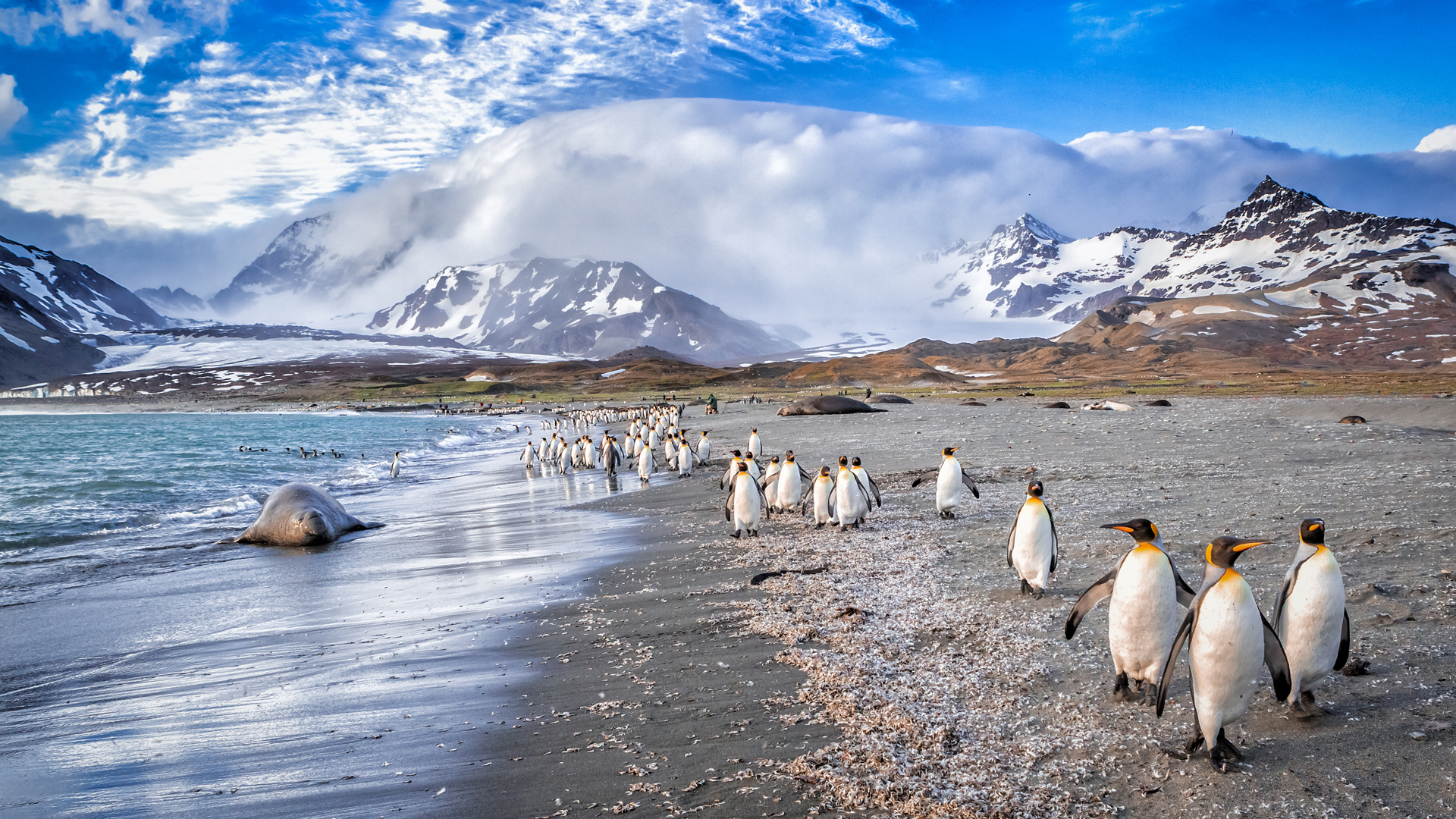
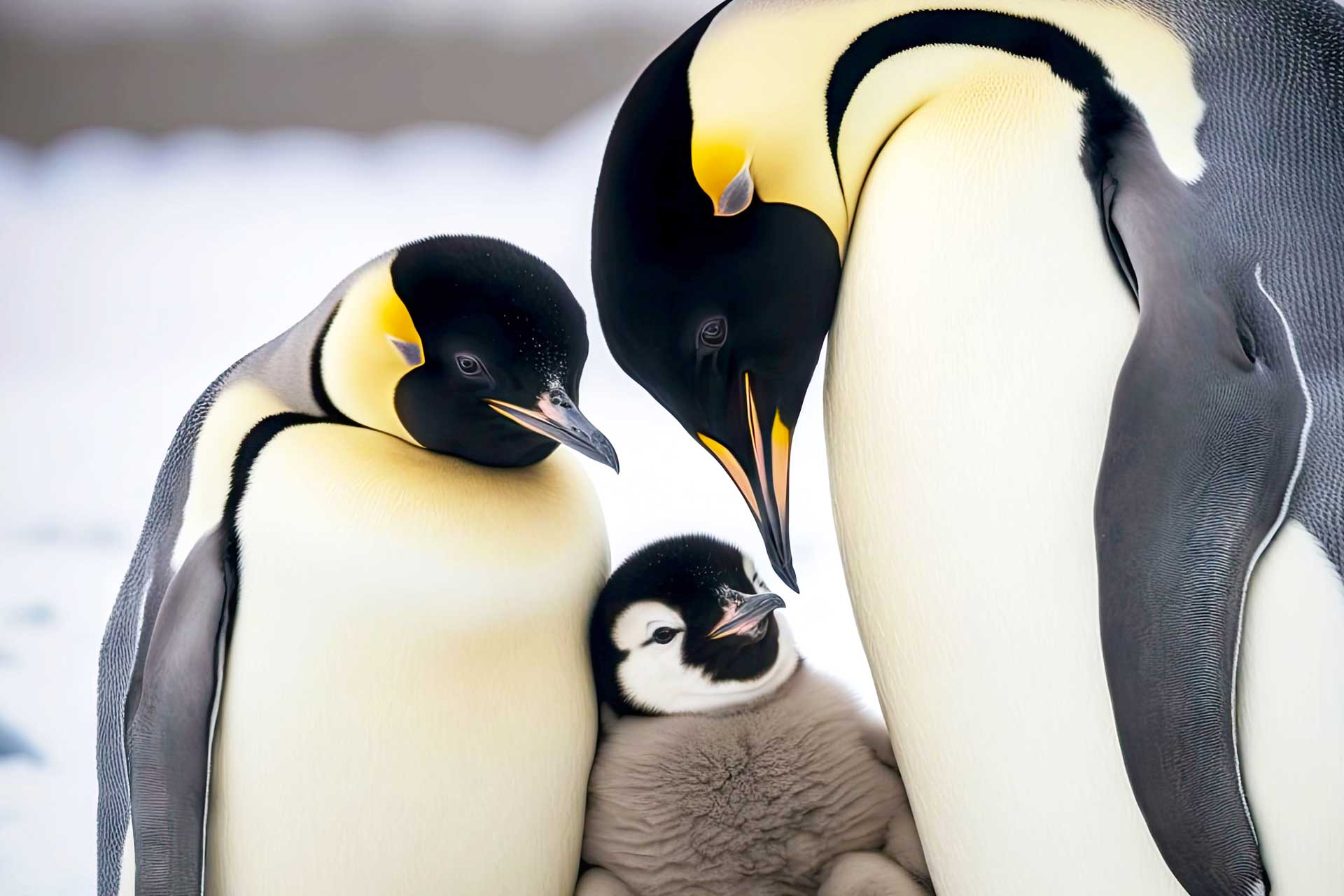
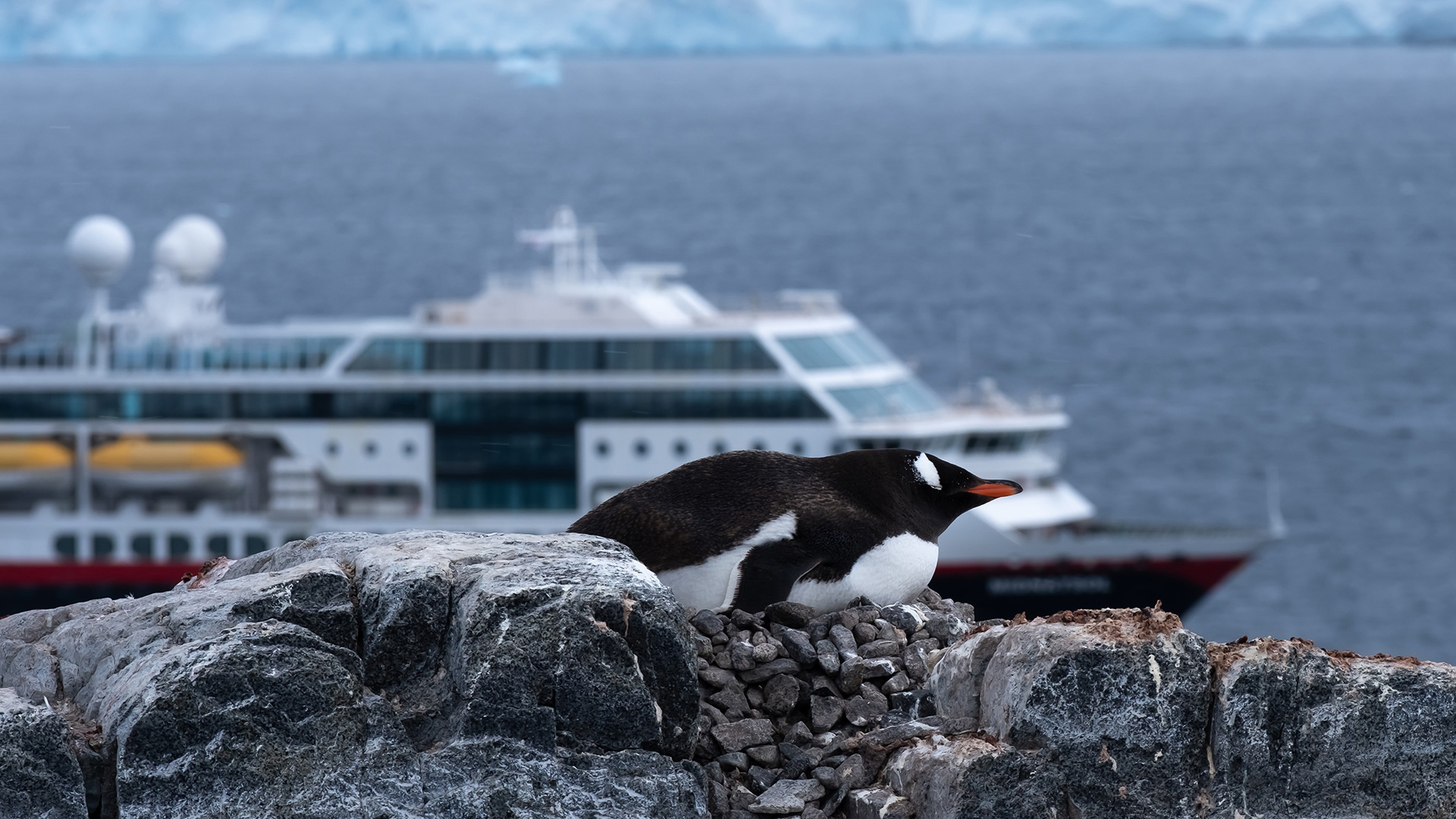
Antarctica might have its penguins, but you don’t have to travel quite so far to see these adorable creatures. Chilean Patagonia has multiple nesting penguin colonies, including the Magallanic penguins of Magdalena Island, in the Strait of Magellan and the king penguins of Bahía Inútil in Tierra del Fuego. Both are accessible by day trips or, in the case of the former, expedition cruises.
Whales
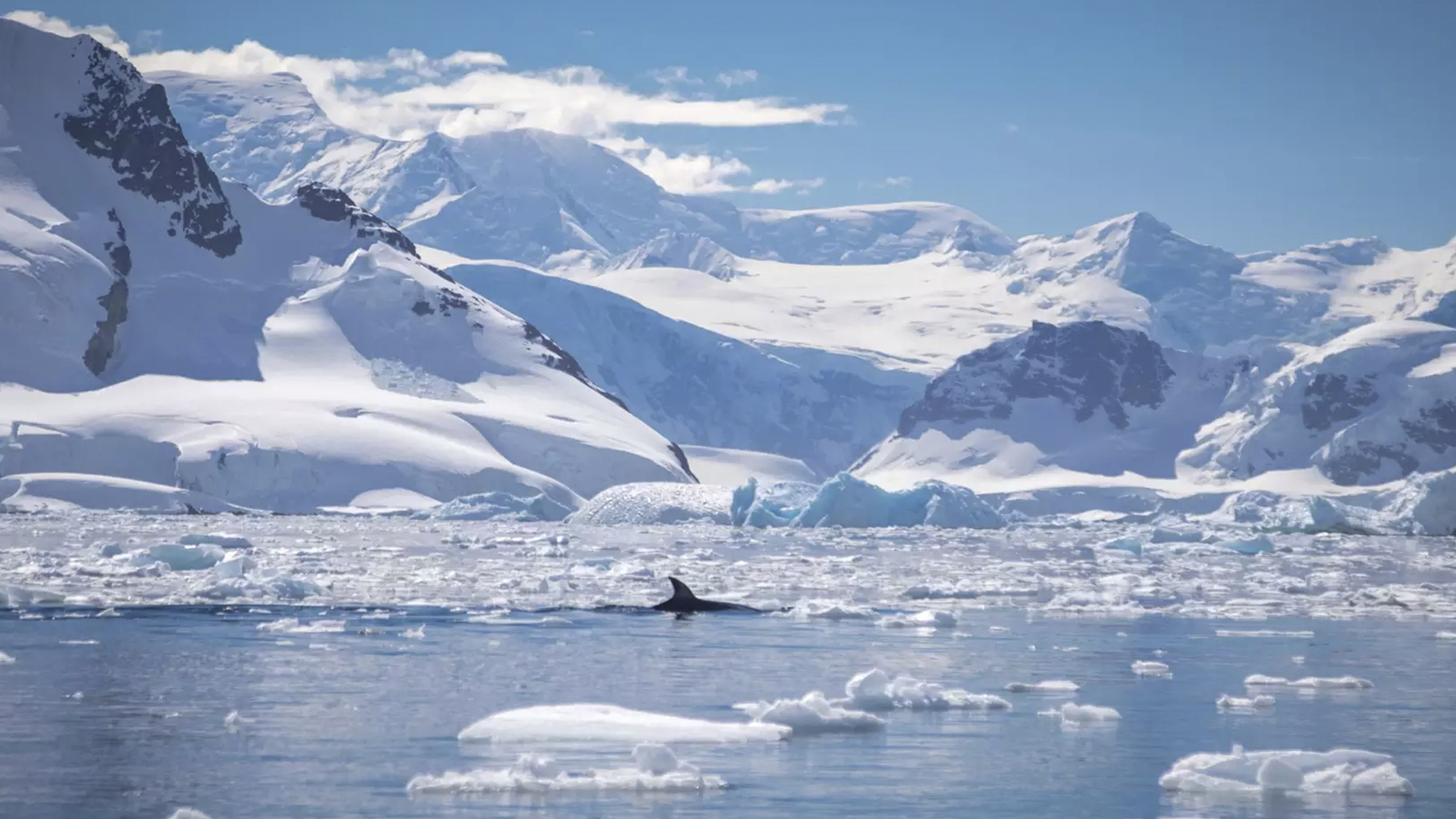
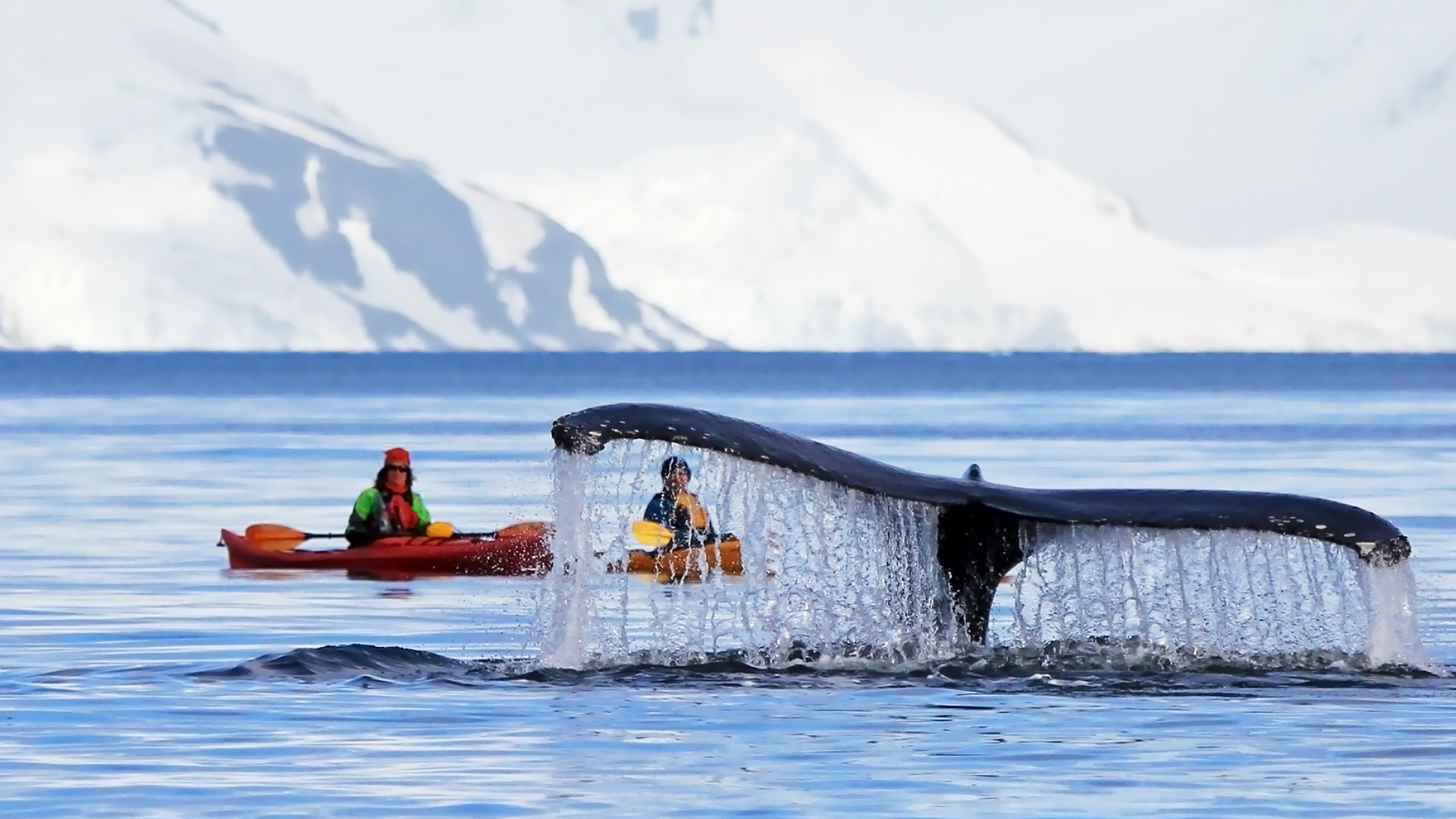
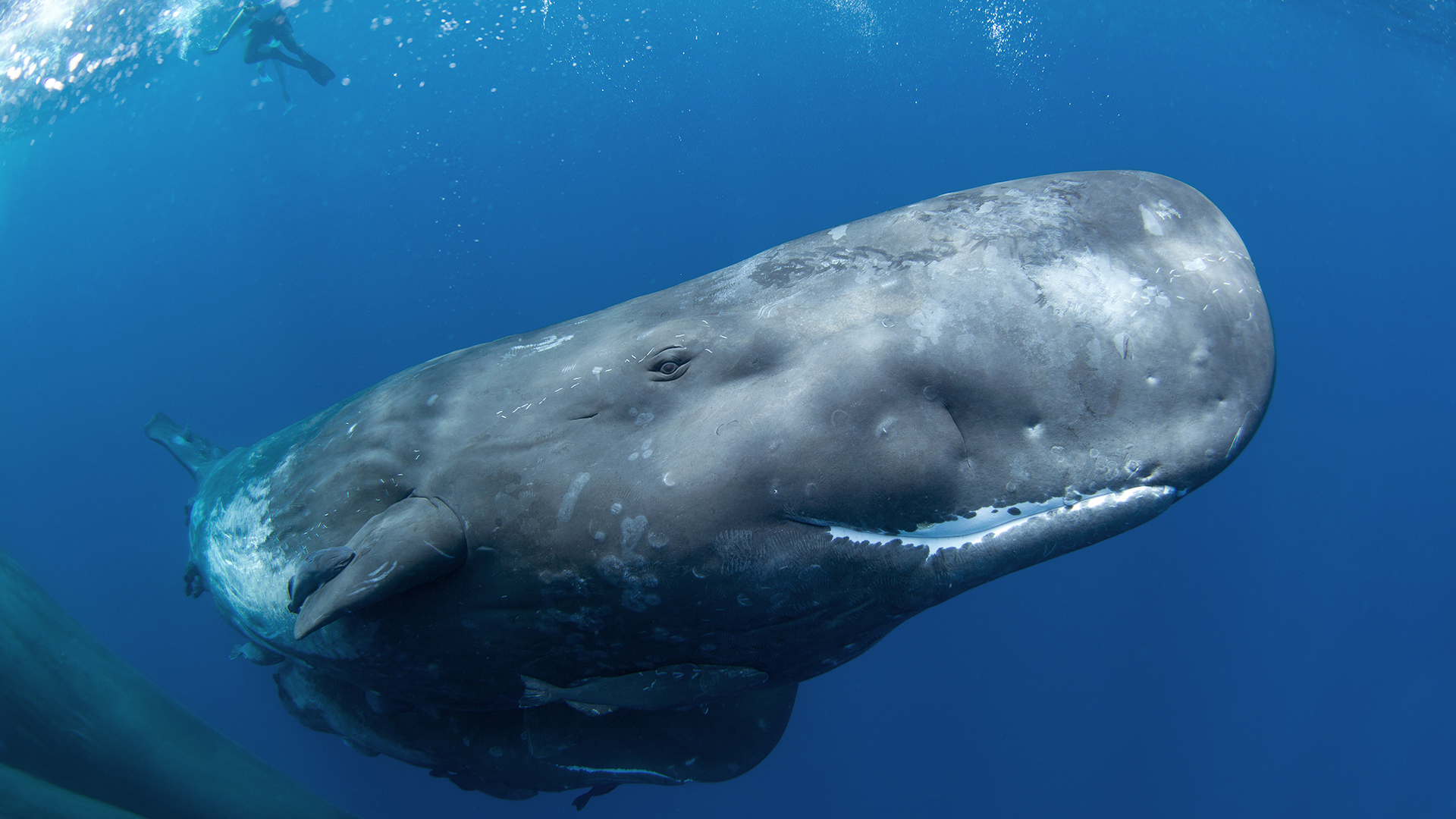
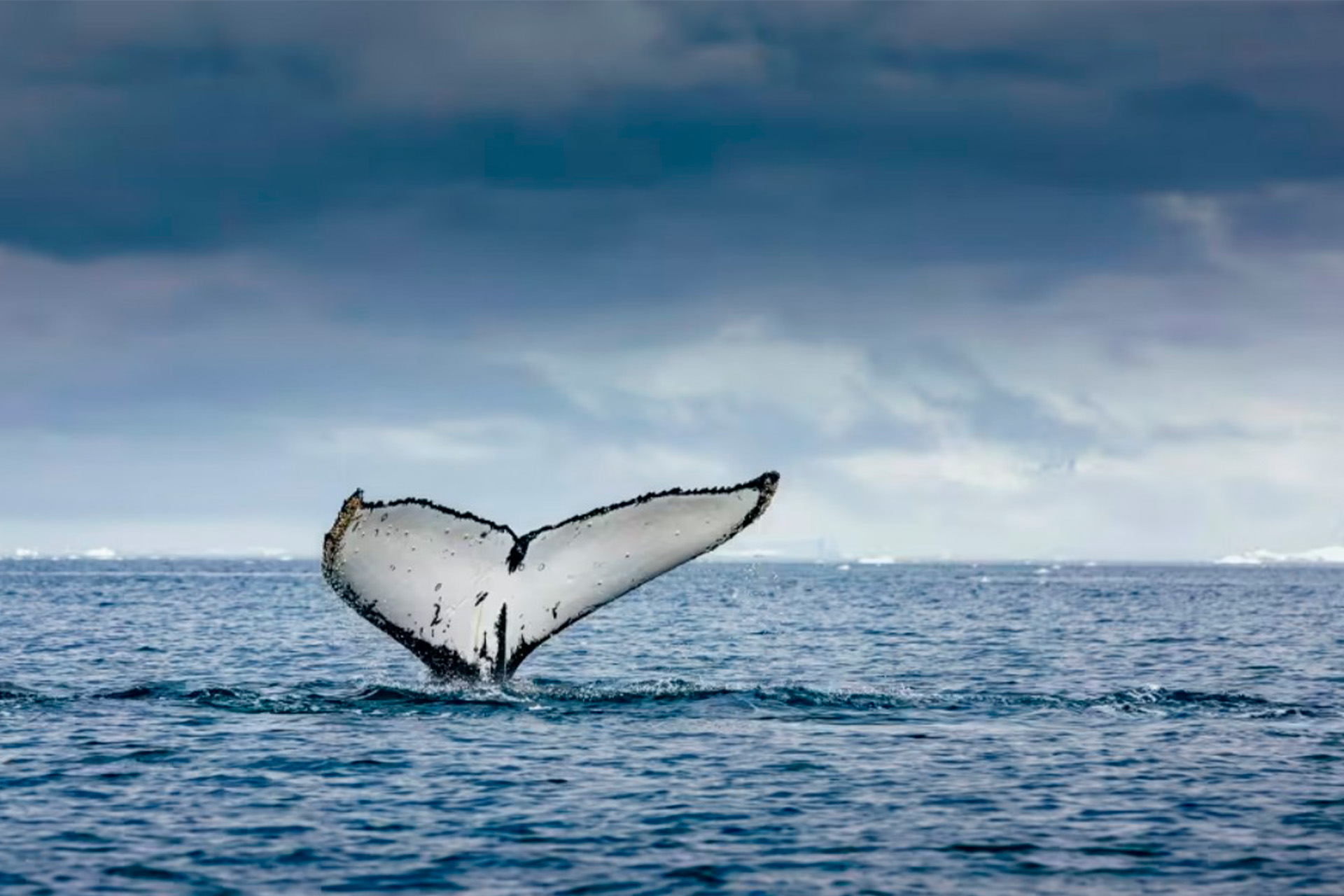
Patagonia’s splendid waters aren’t just attractive to travelers. Humpback whales gather in the oceans surrounding Patagonia to breed and feed during the Austral summer and are relatively easy to spot in areas such as the Beagle Channel and Francisco Coloane Marine Park. Blue whales – the largest mammals on the planet – are far rarer; however, they can sometimes be encountered in the waters off Chiloé.
Expert tips for taking an expedition cruise in Patagonia
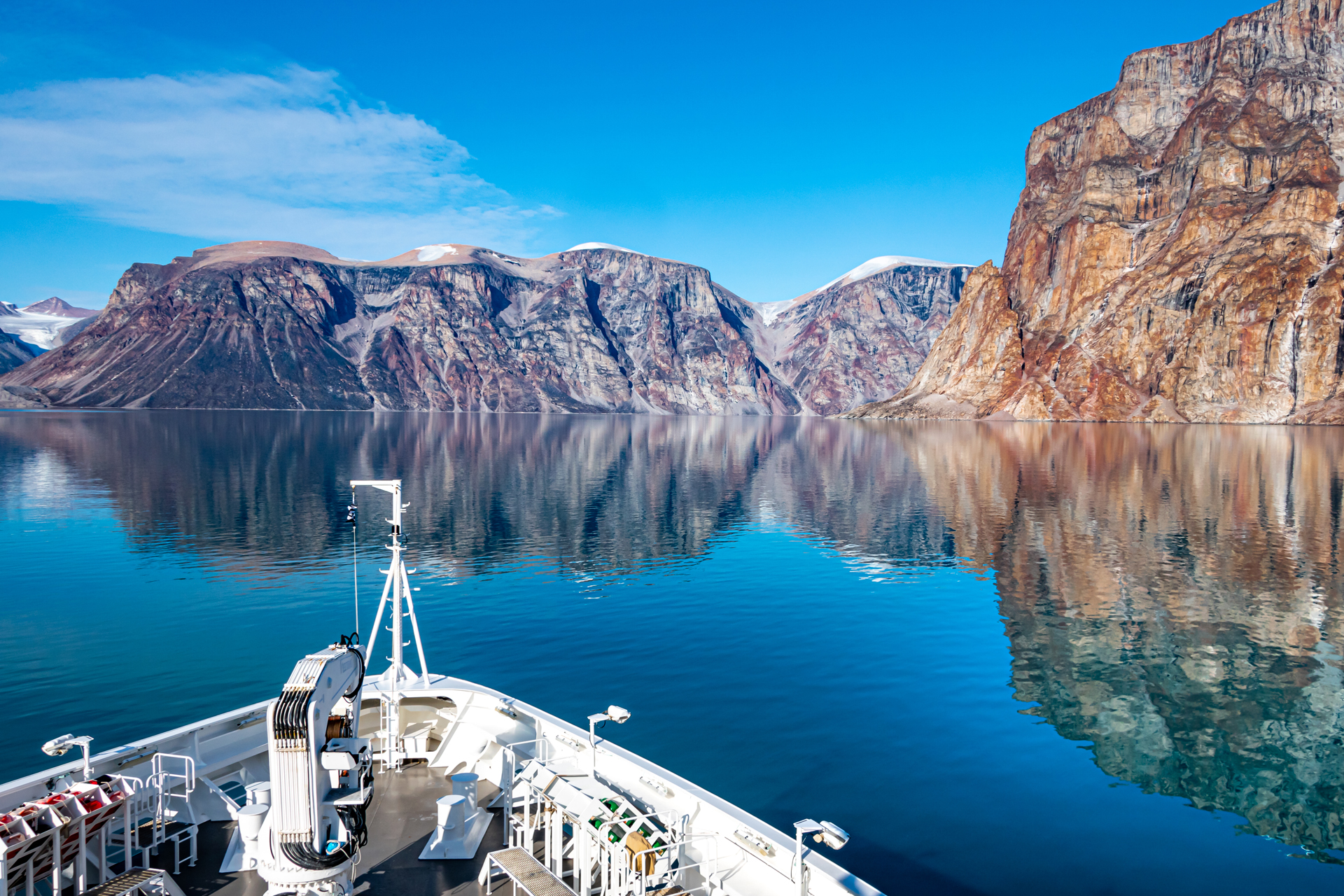
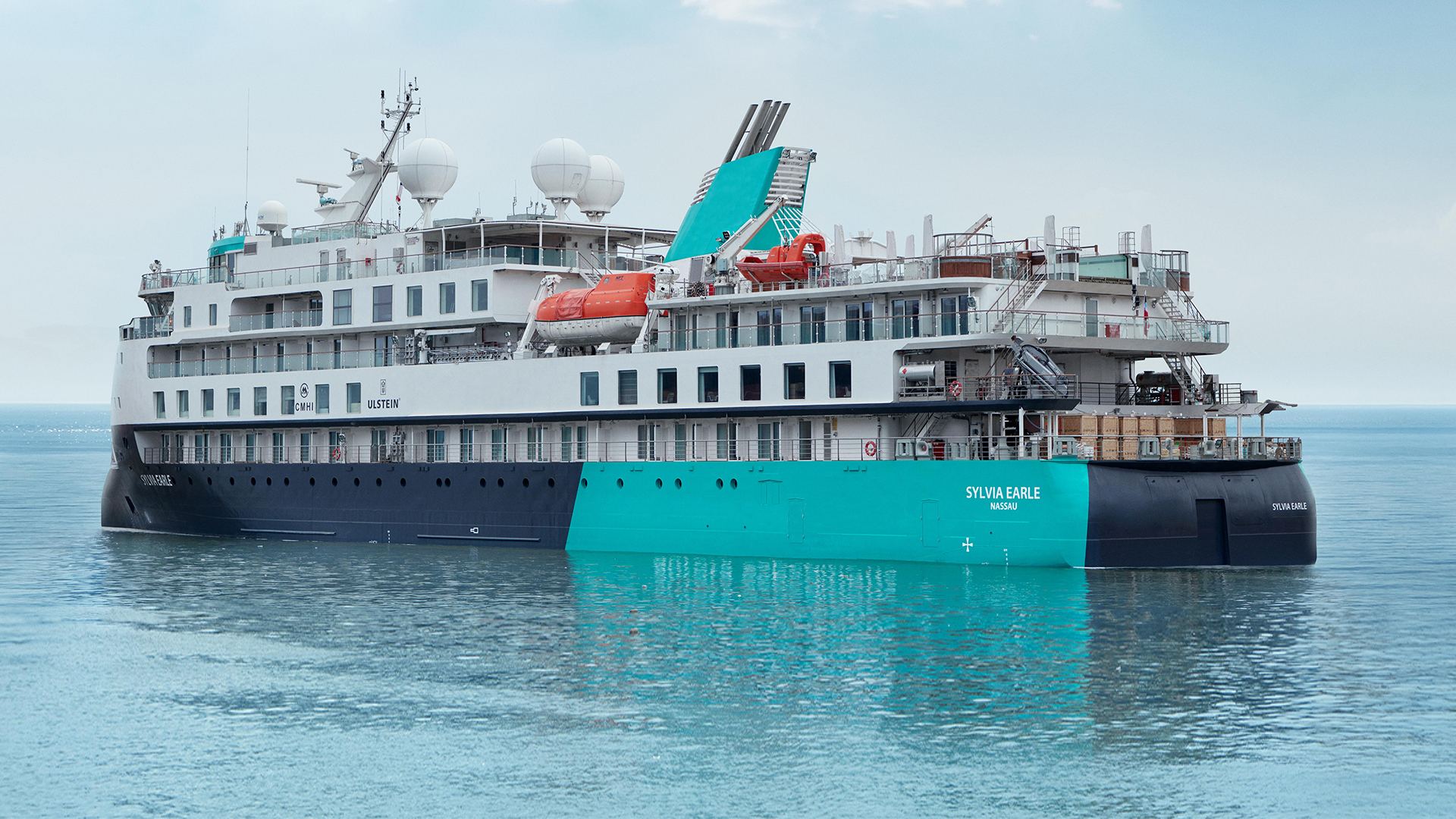
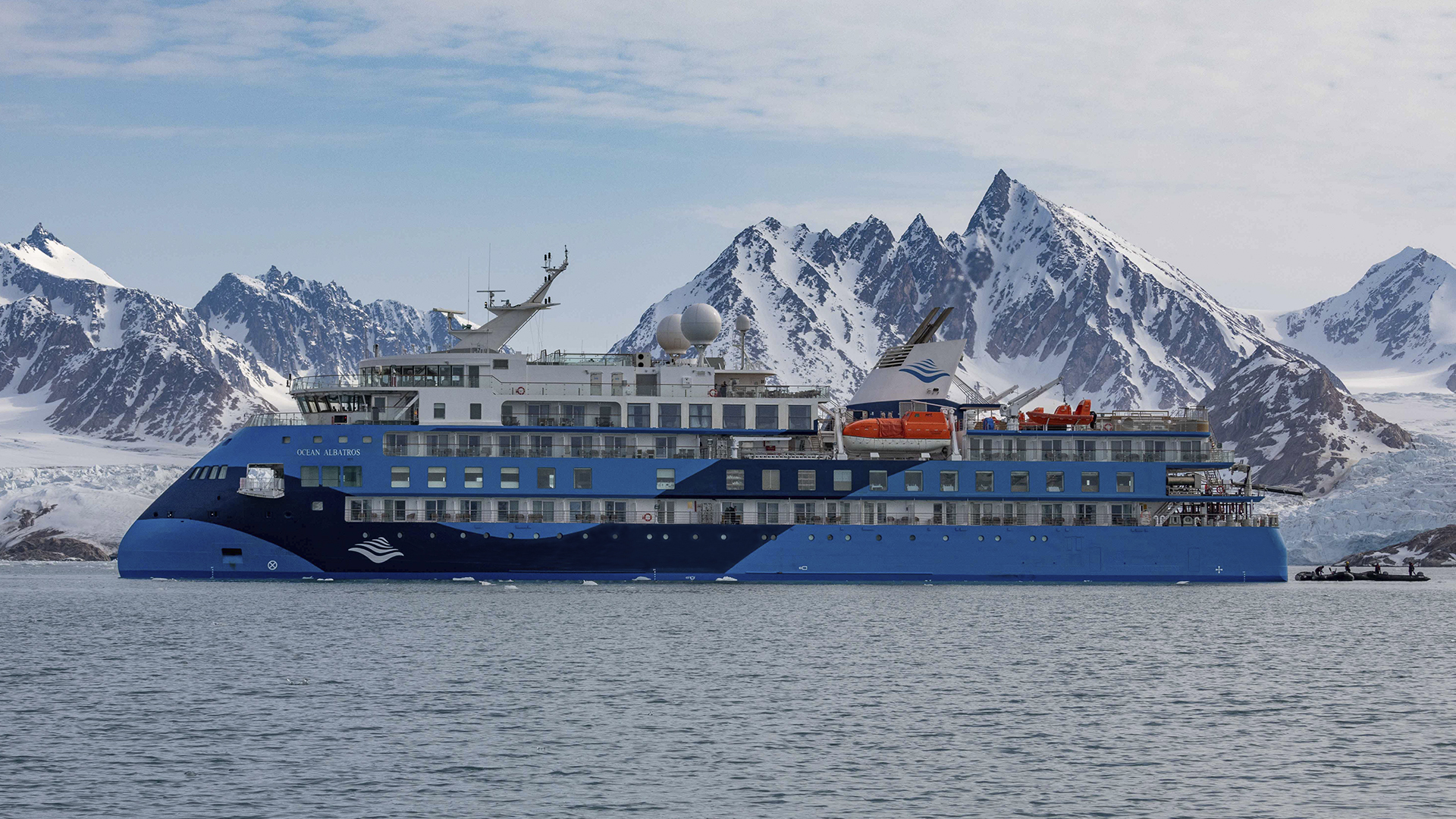
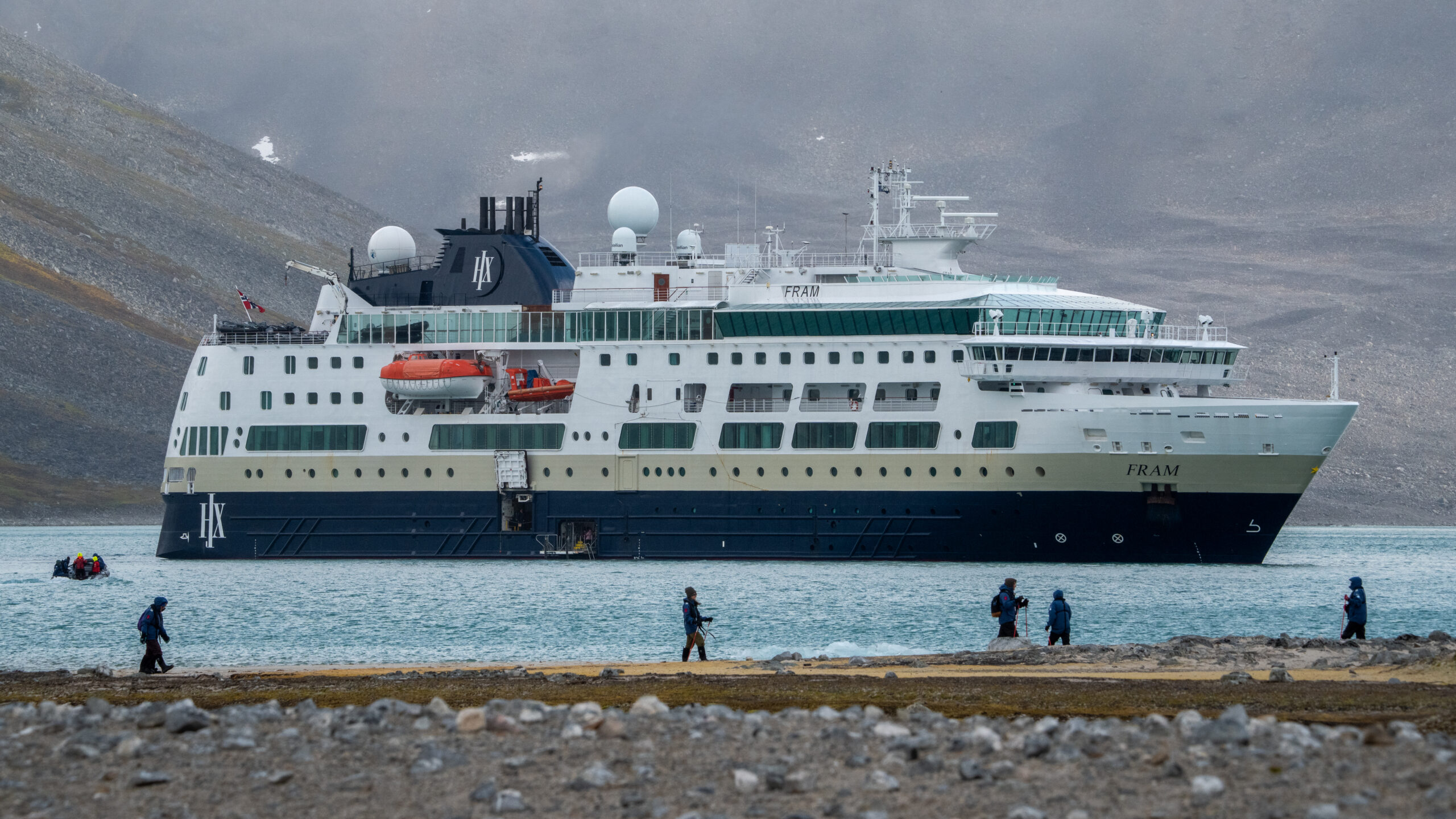
Few trips to Patagonia would be complete without time spent exploring the fjords that wriggle along the western flanks of the region, and there are a handful of itineraries to choose from.
Some head south through the fjords connecting the fabled Strait of Magellan with the Beagle Channel, while others venture north into the fretwork of channels that make up the edges of Northern Chilean Patagonia. A small number combine the two.
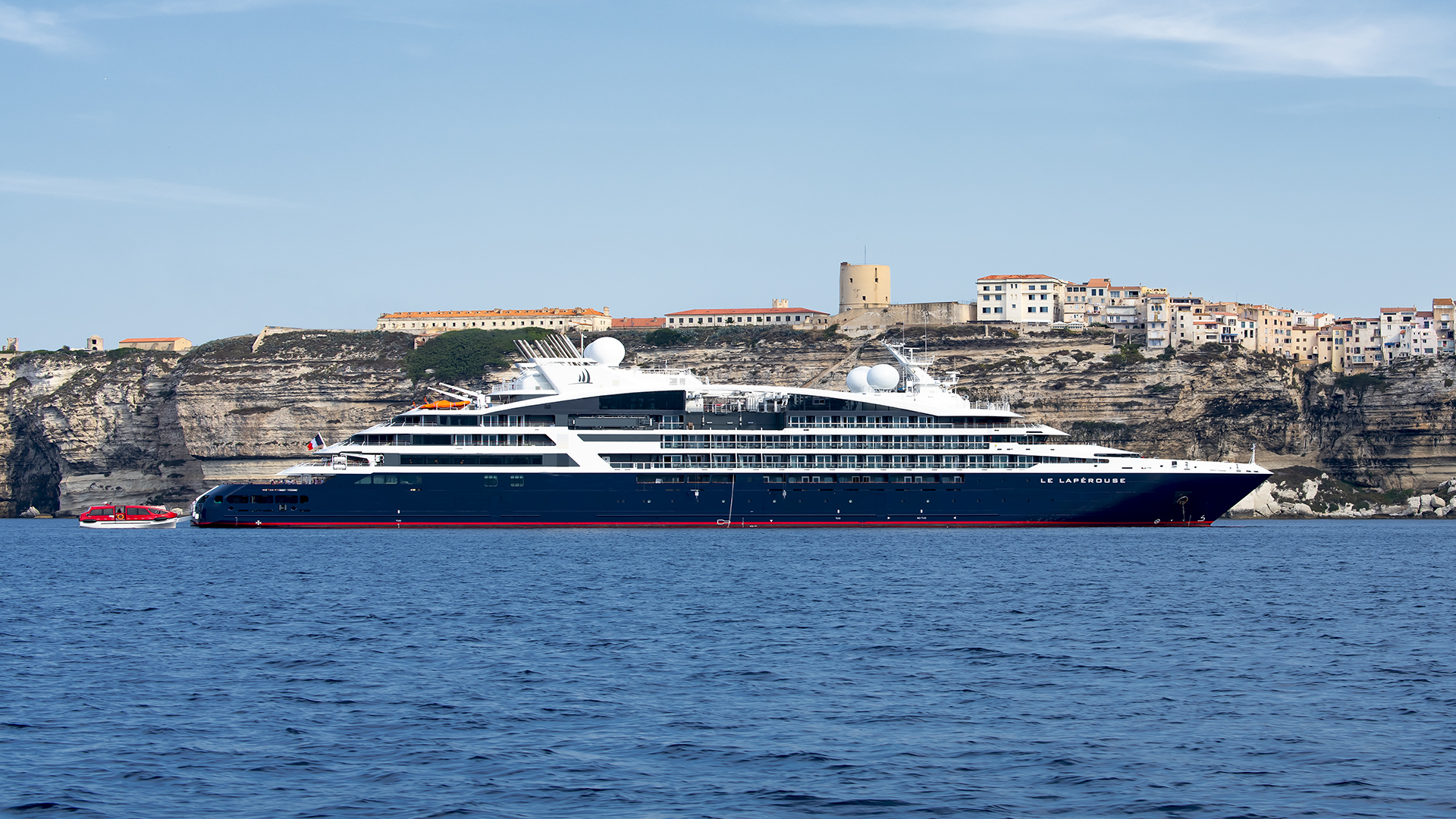
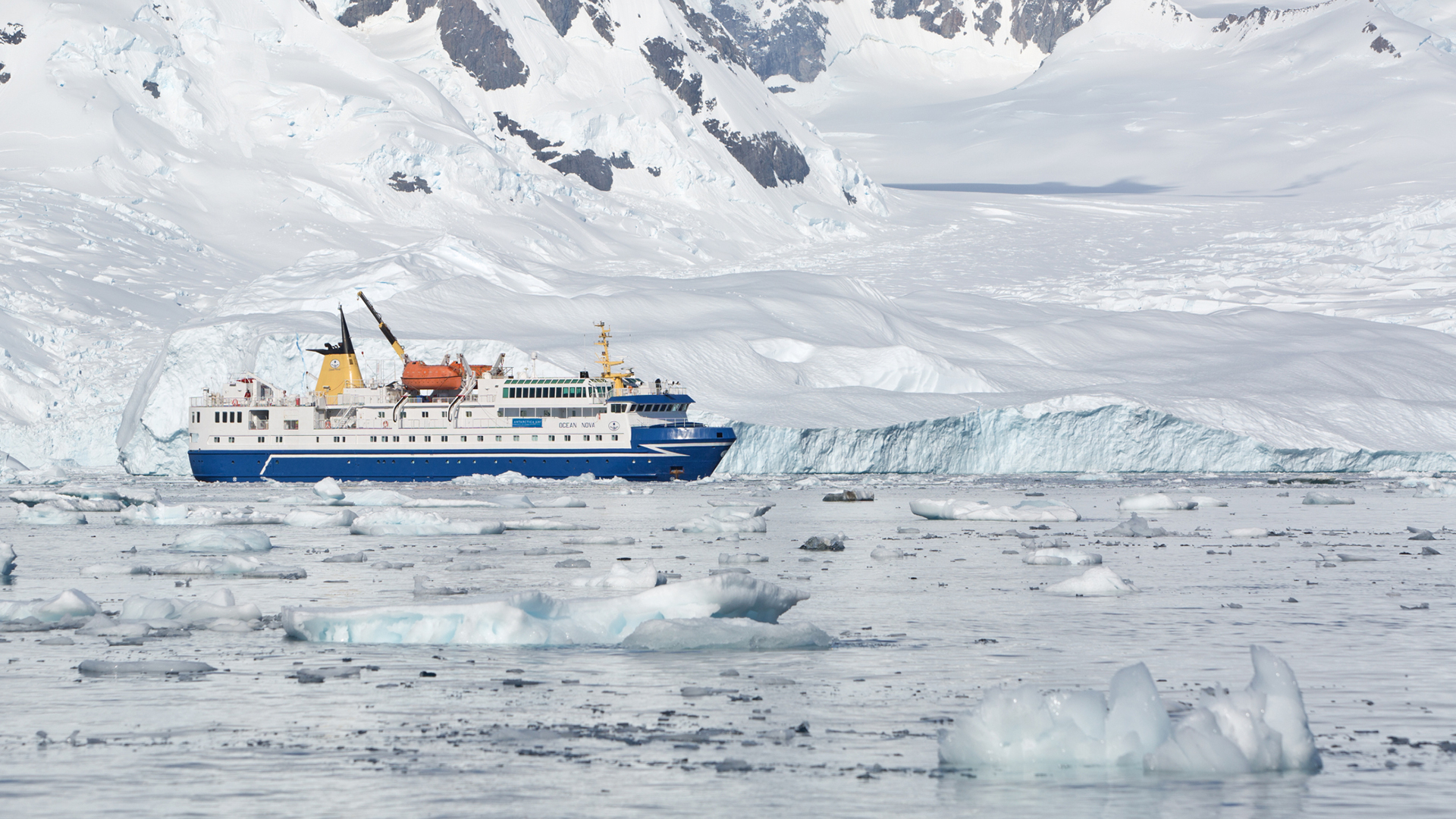
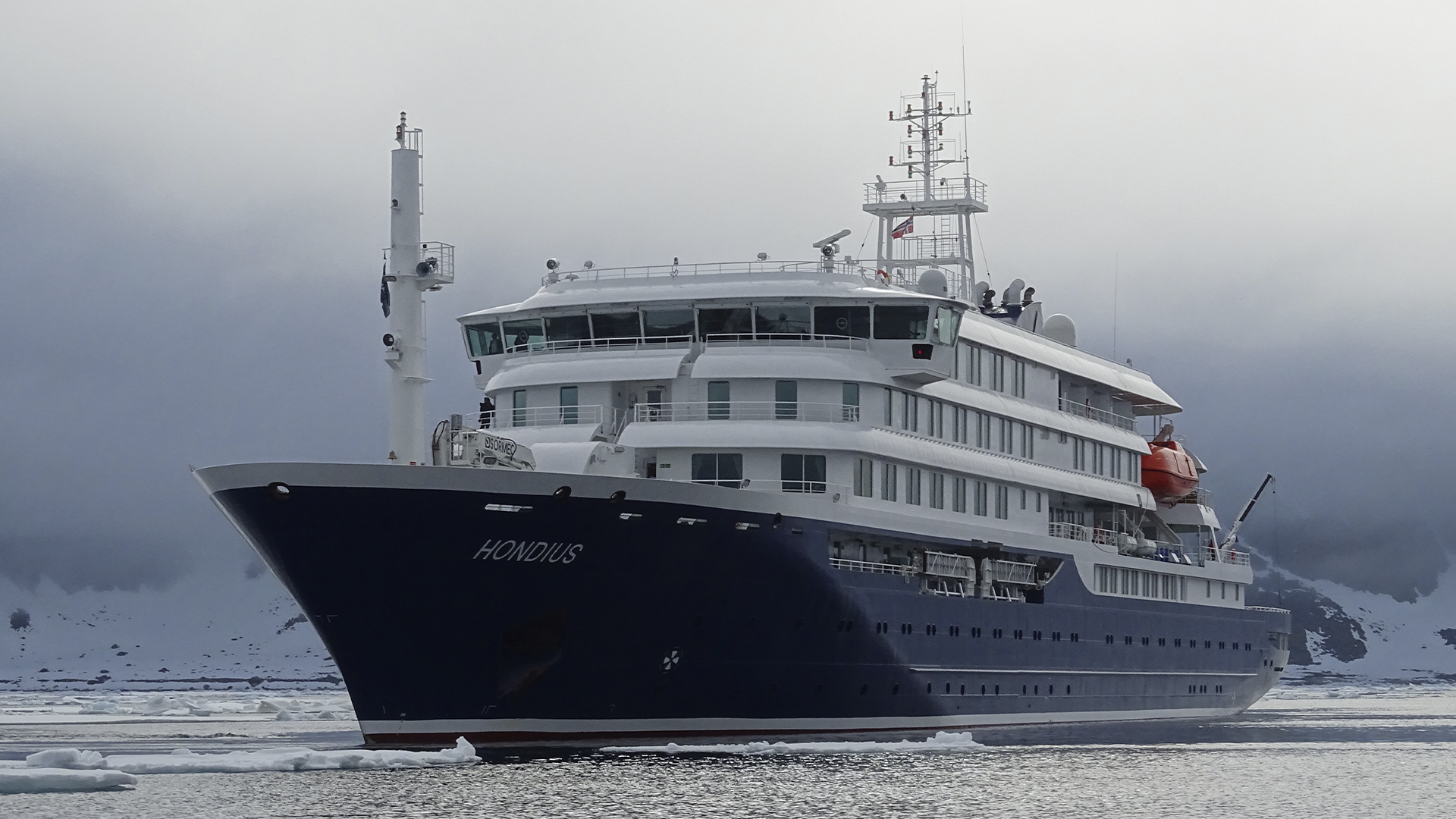
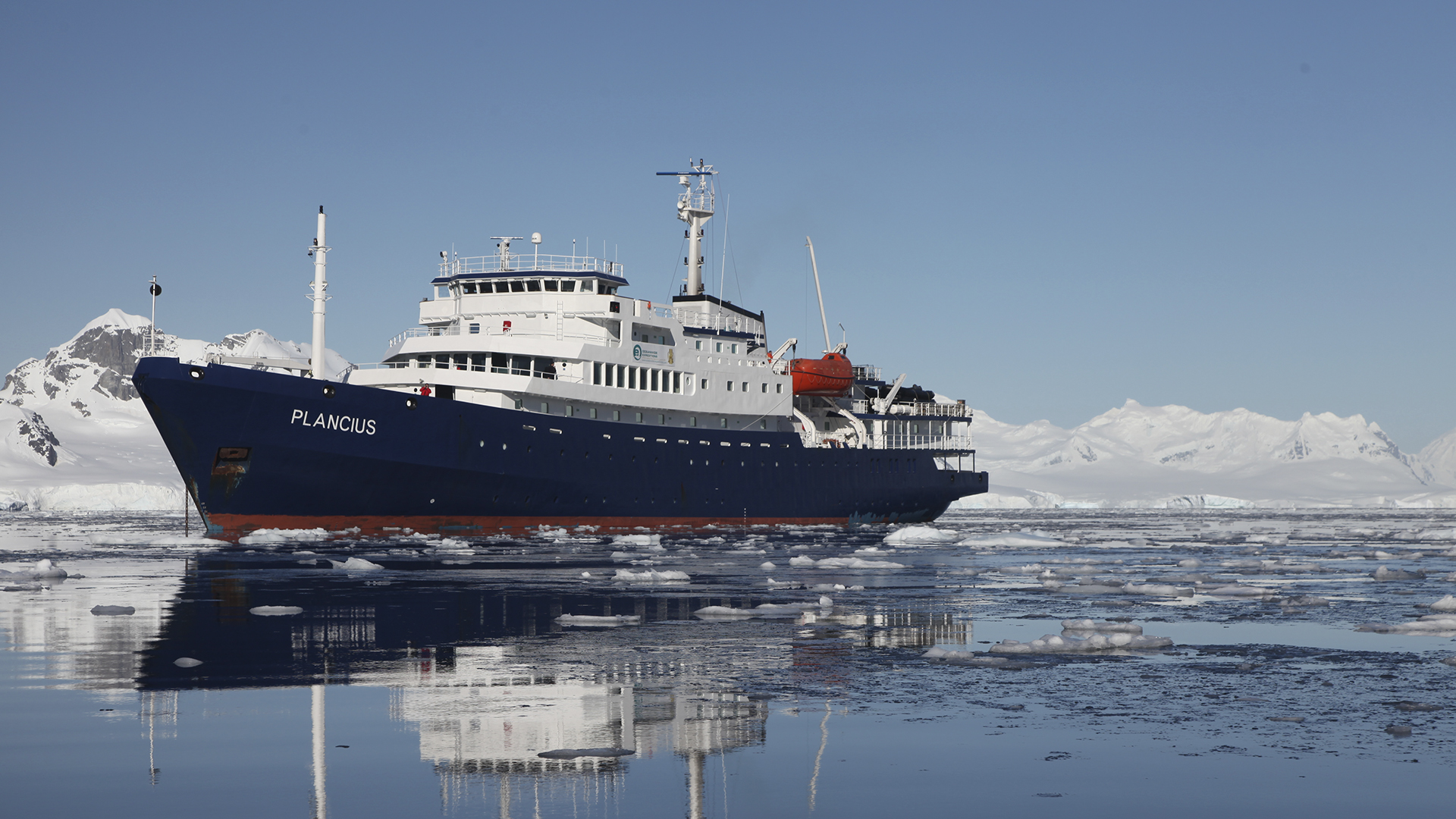
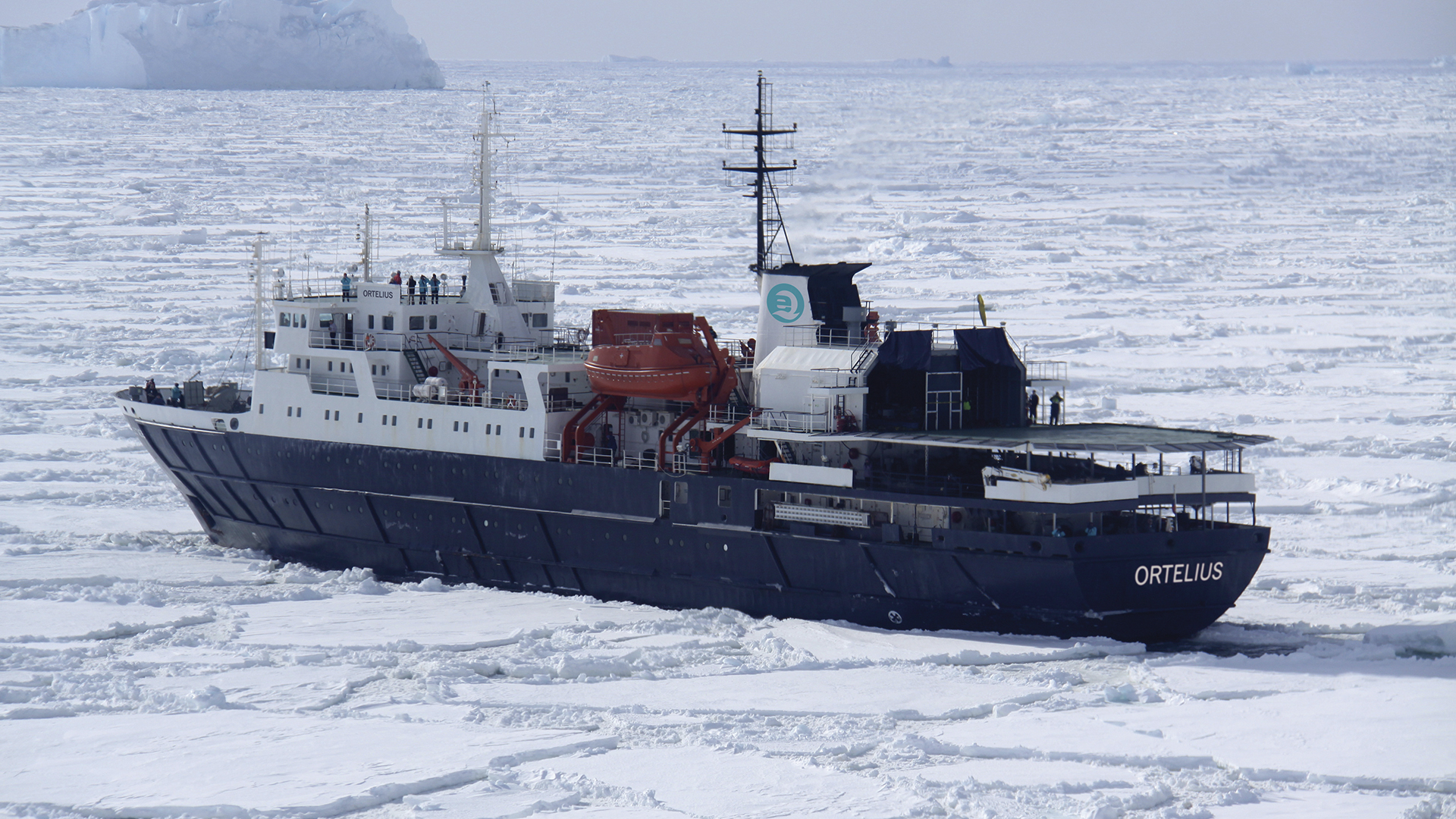
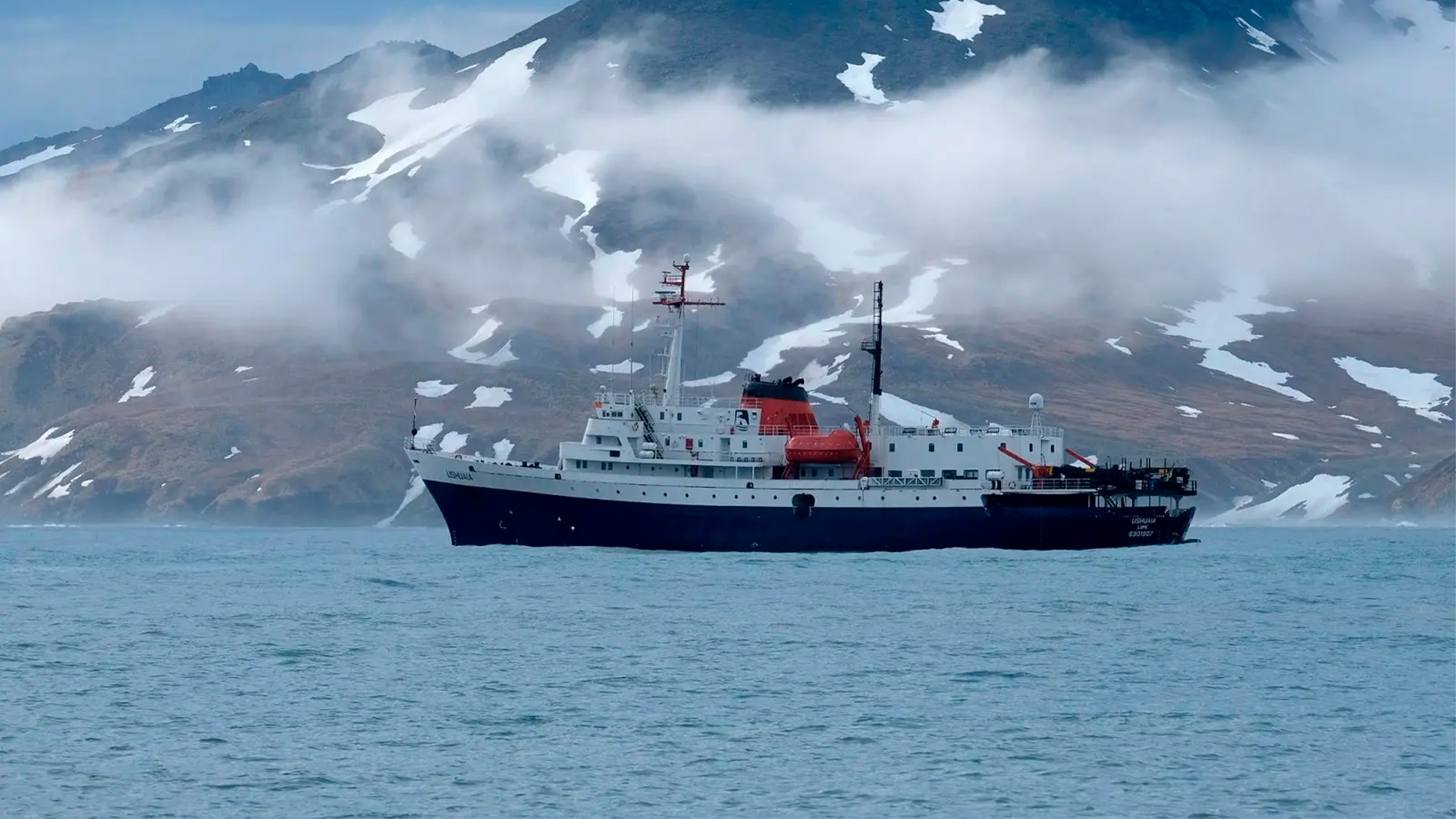
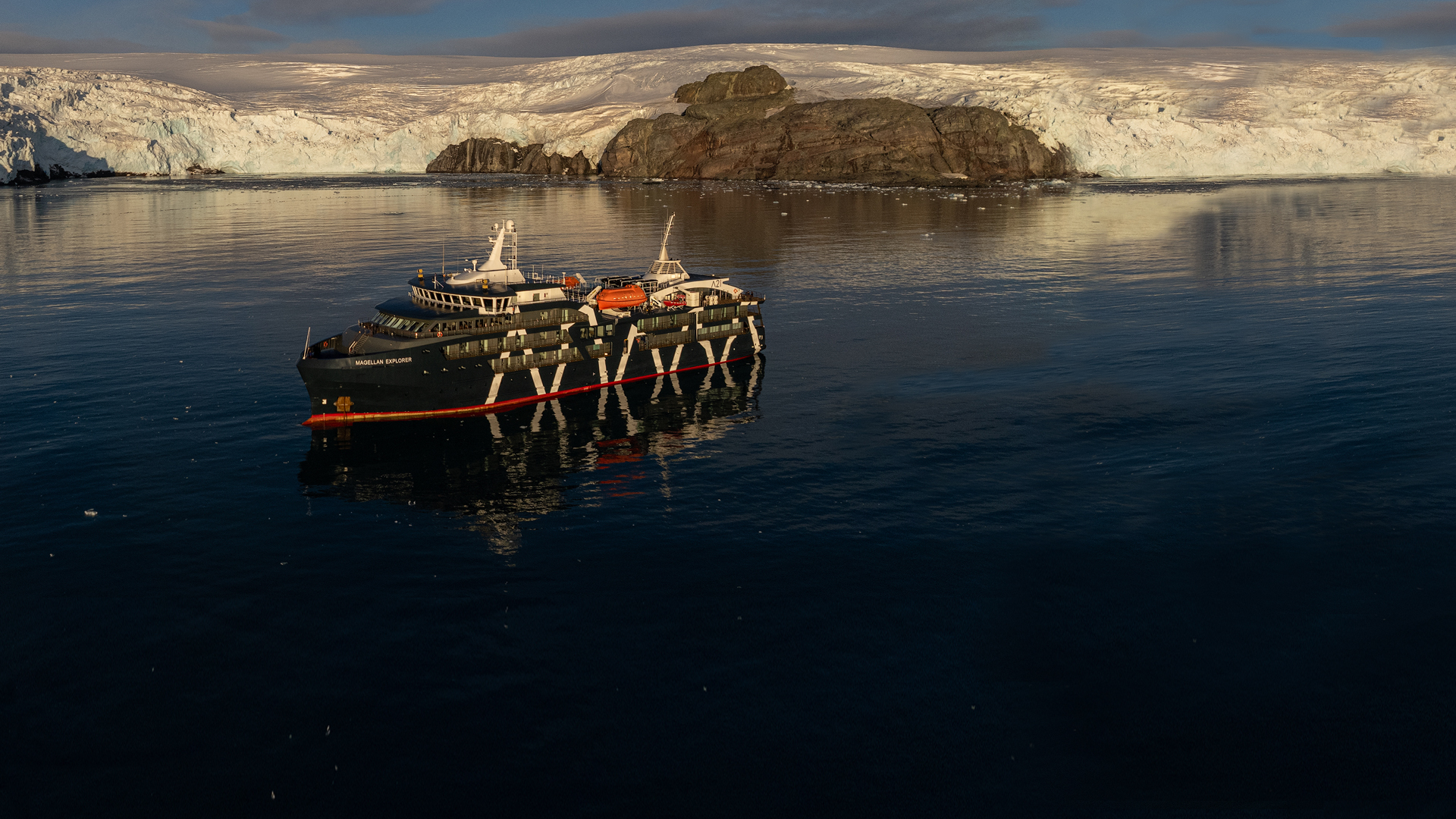
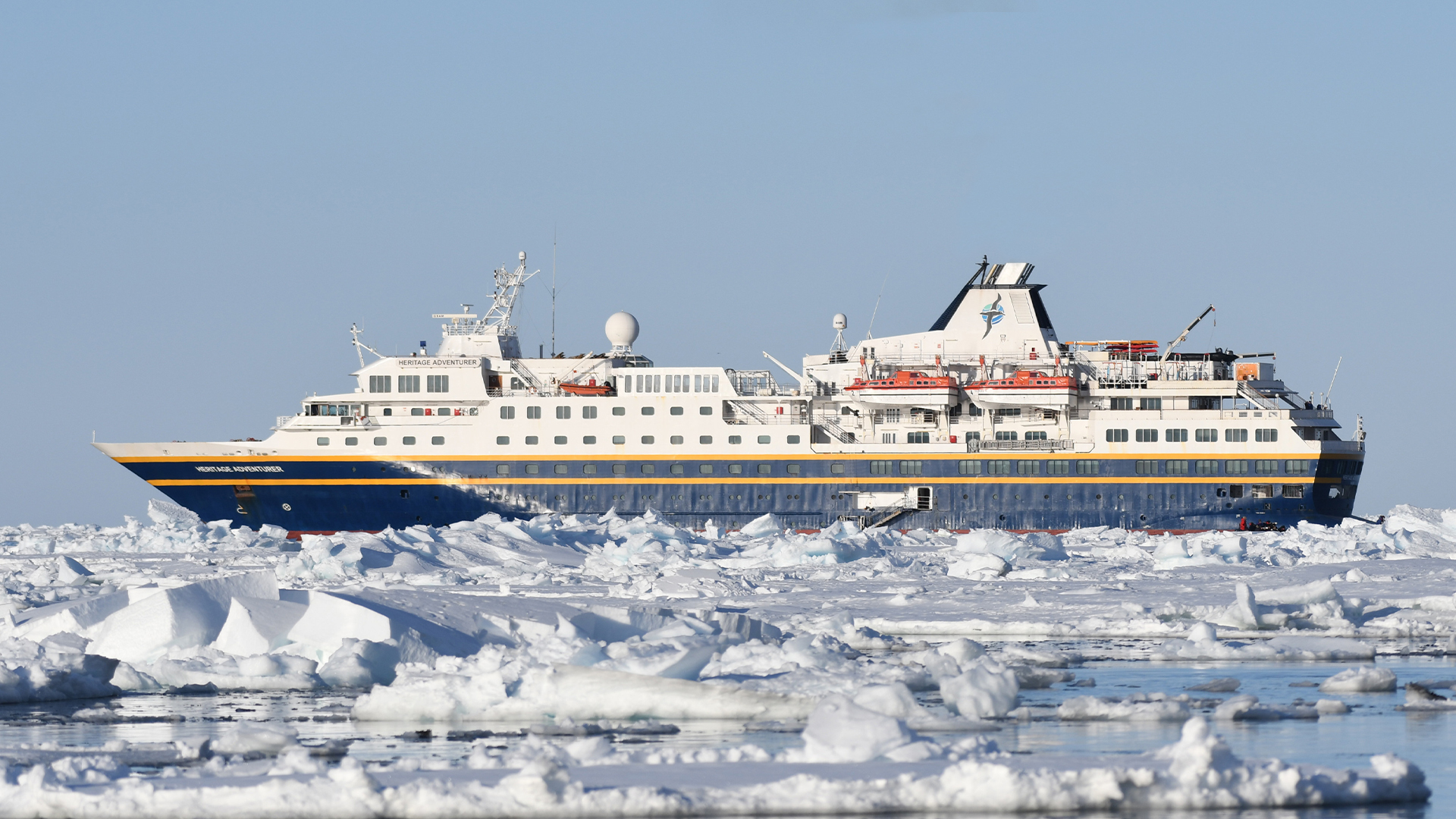
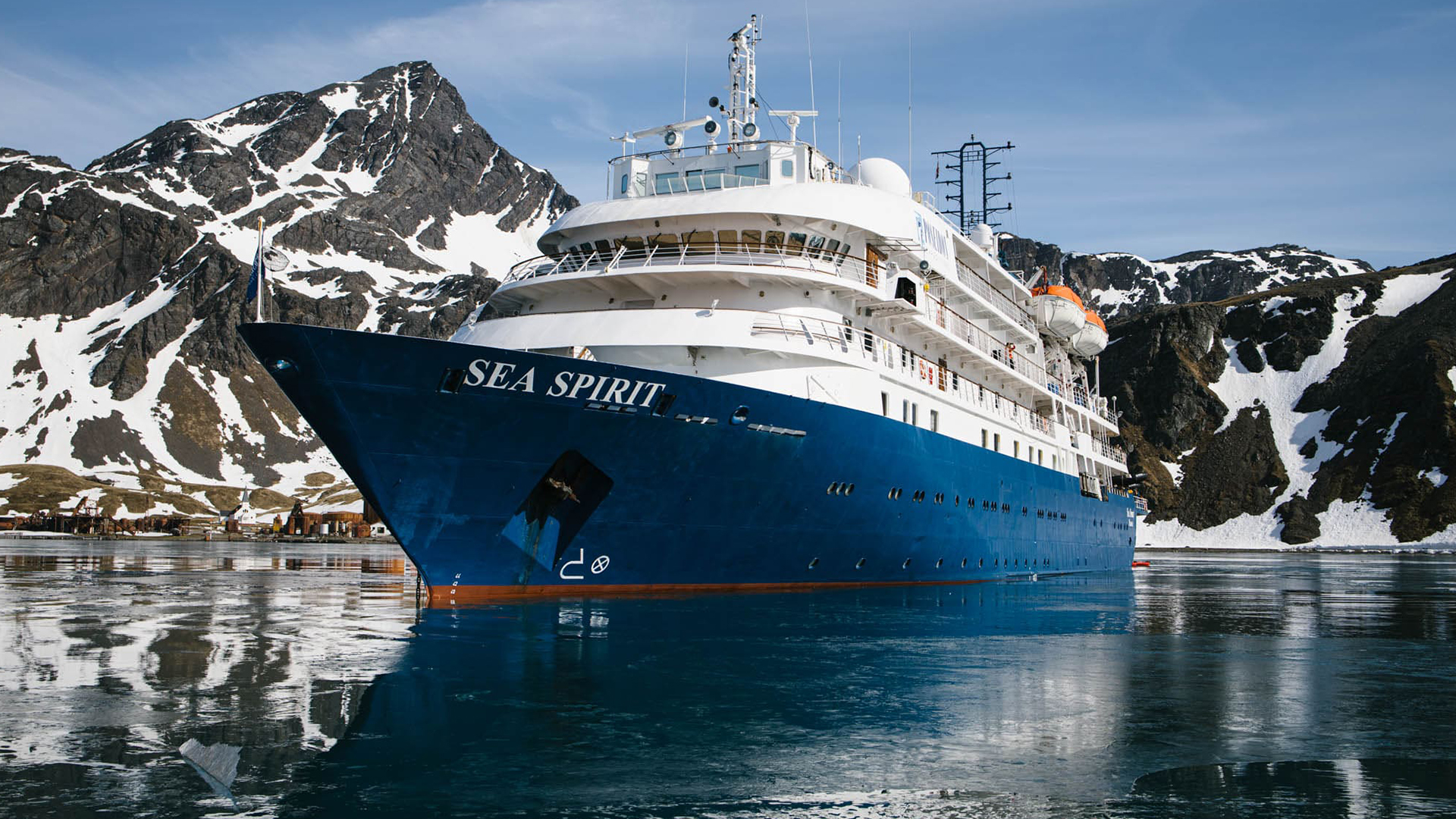
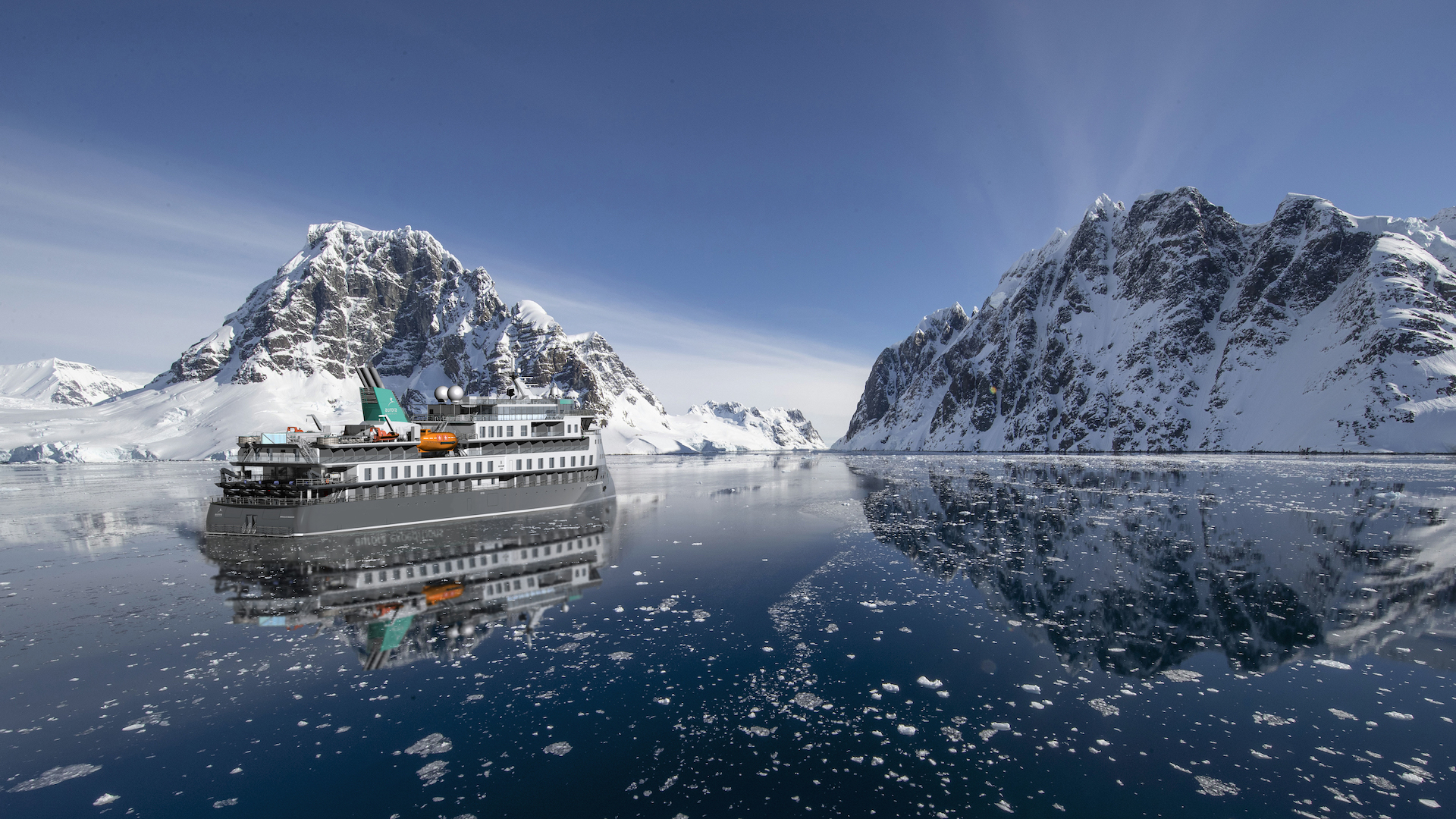
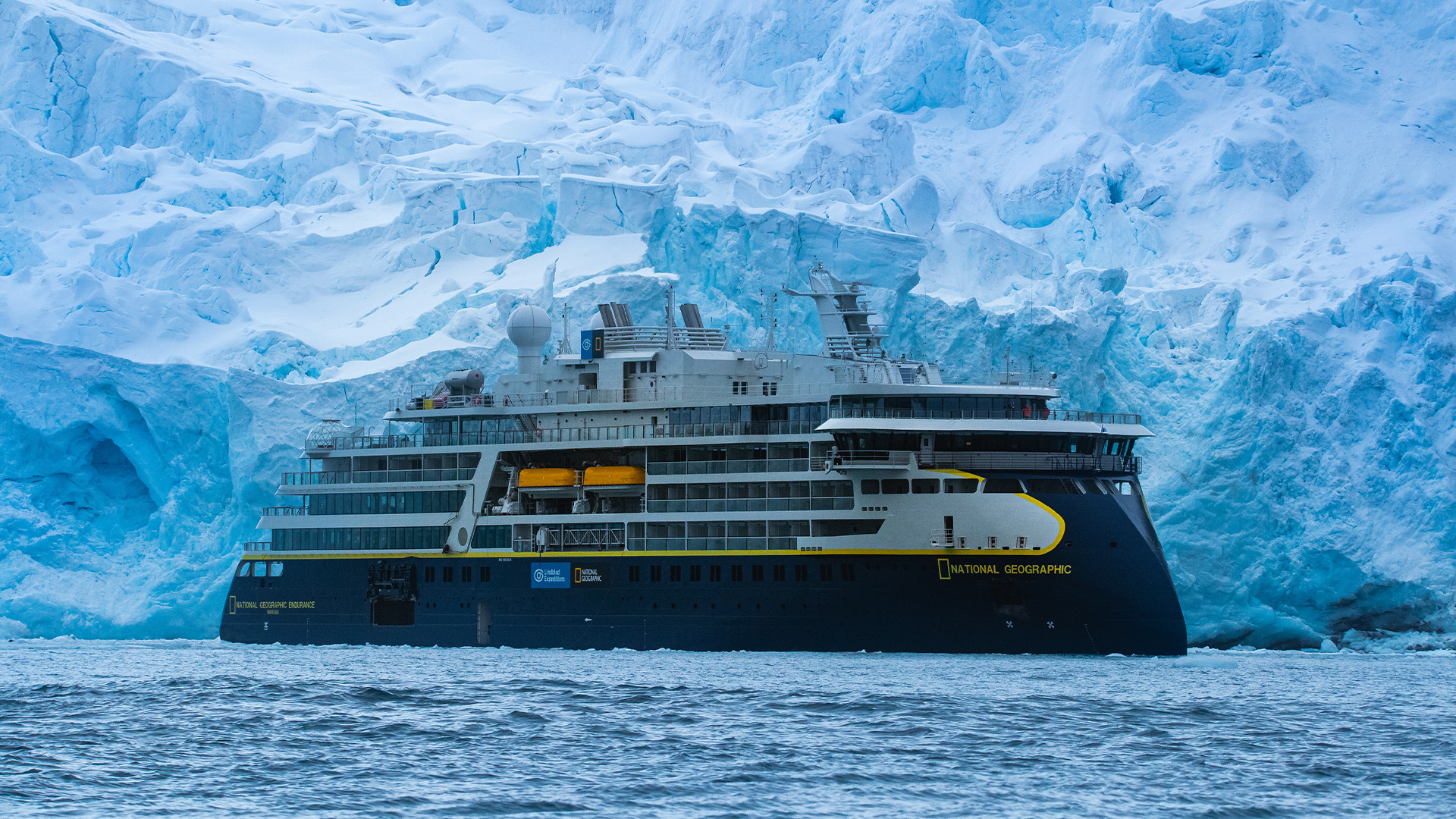
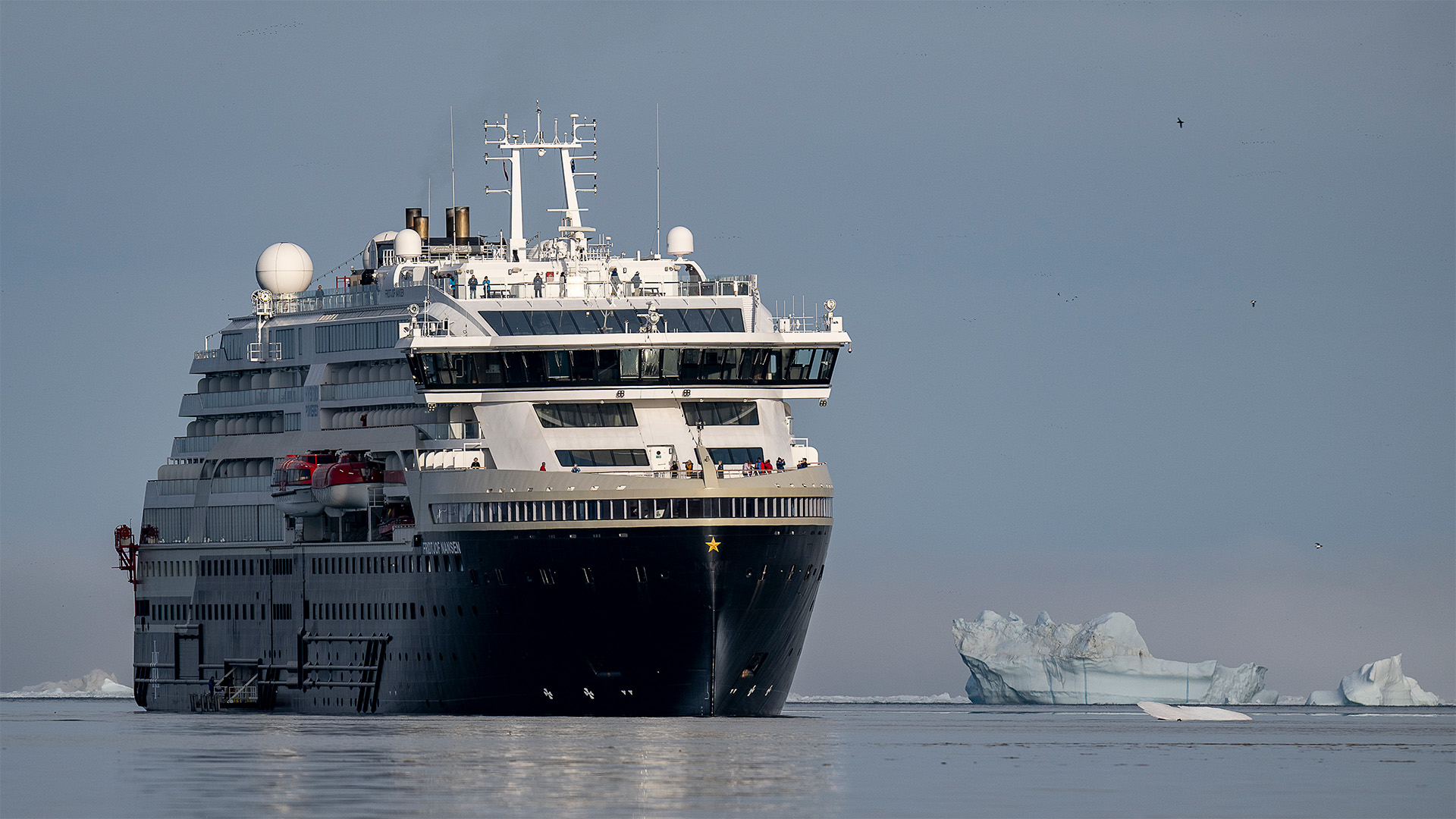
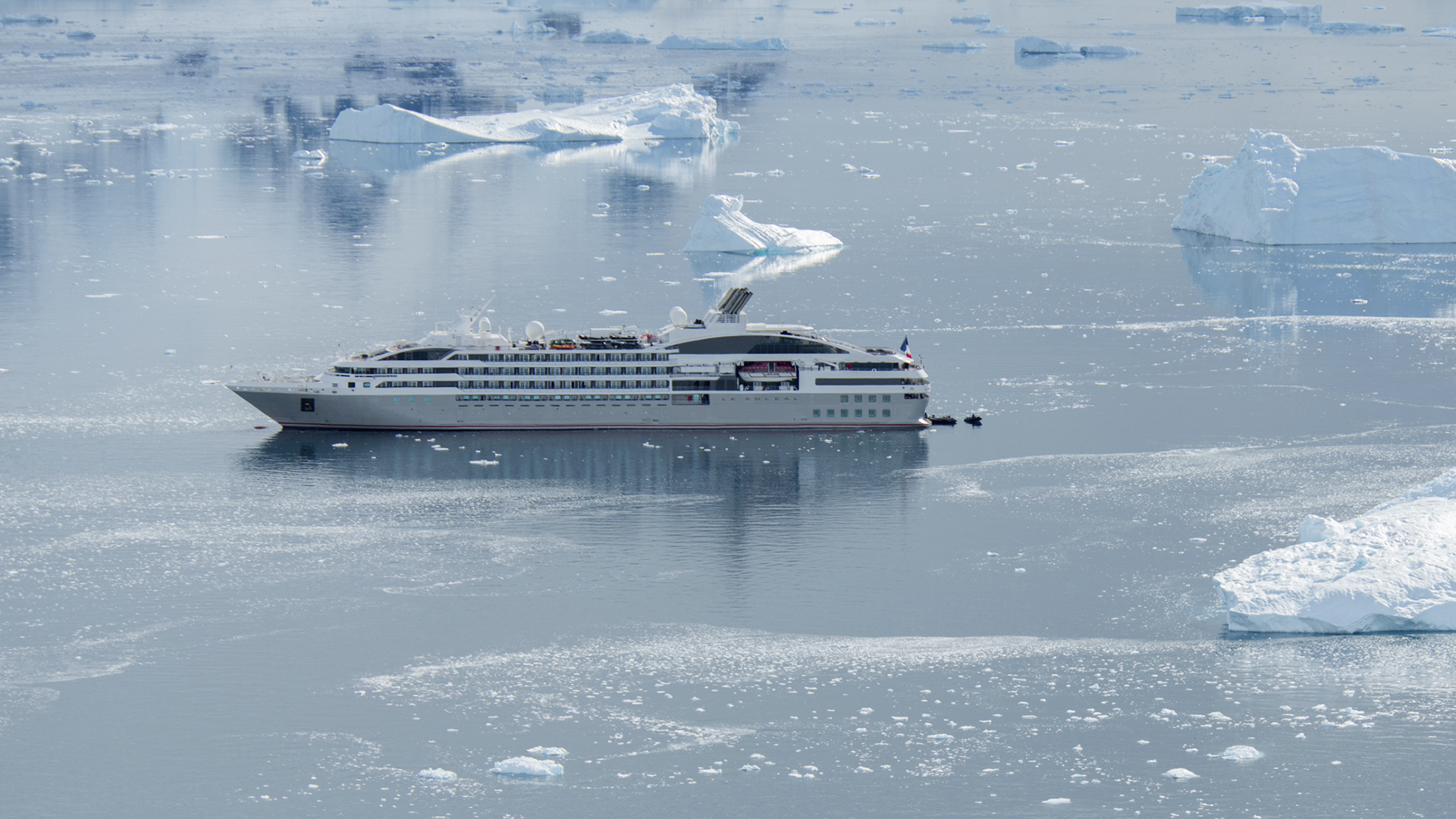
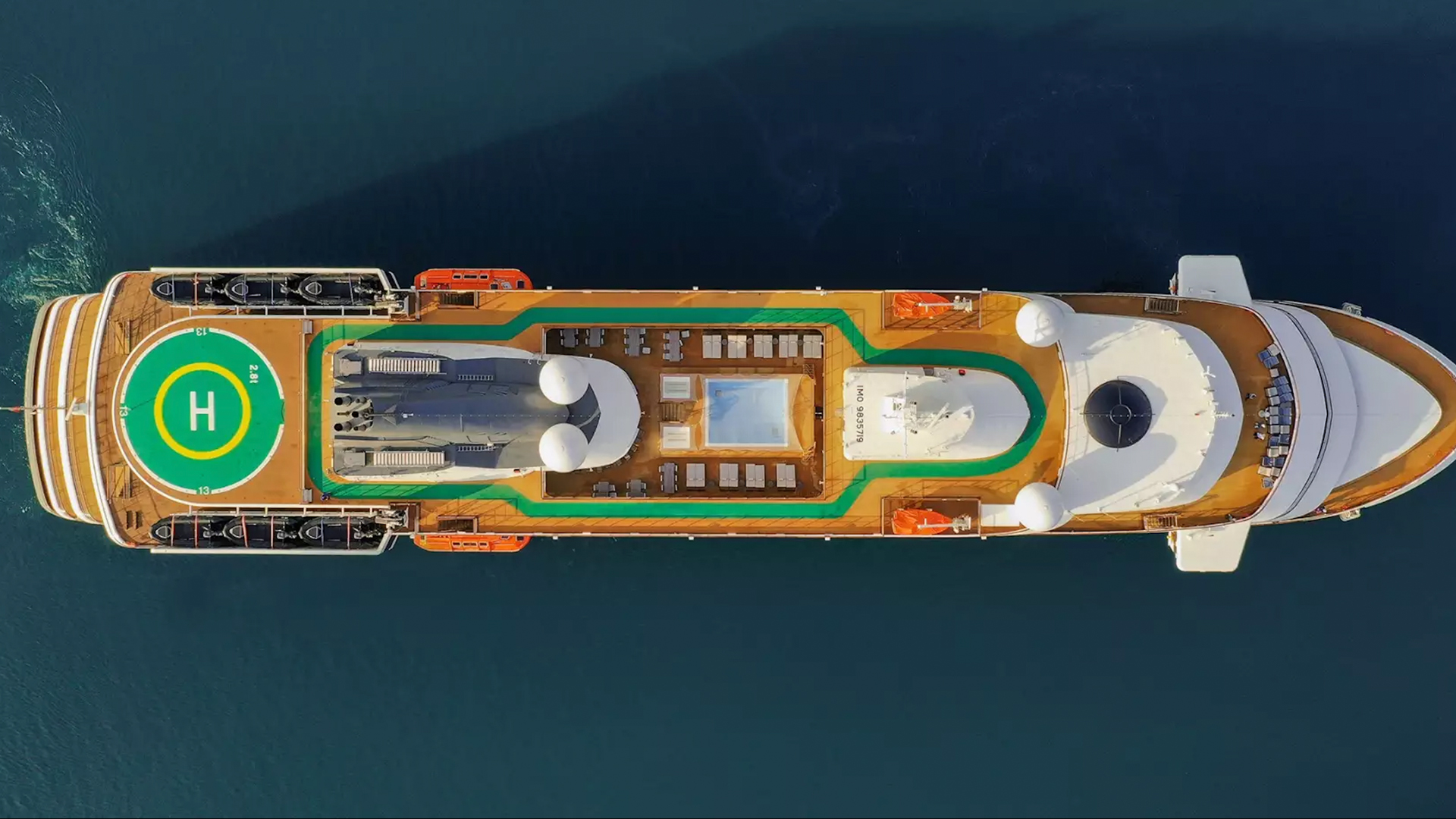
Adventure, outstanding landscapes, and plenty of wildlife are guaranteed on all – helped by the fact that these are small-ship expedition cruises, with a maximum of just two hundred guests on the larger ships (and as few as eighty on the smaller ones). These cruises enable you to have unbridled access to one of the most inaccessible places on Earth.
So what does life actually look like on an expedition cruise – and how can travelers make sure they’re fully prepared for the journey? Here are our tips.
Expect premium service, but not traditional luxury
Even on high-end ships, expedition cruising is “boots on, binoculars ready” travel rather than white-gloved formality. The real luxury is the vastness of the fjords, the silence, and the exclusive access to places few travelers are lucky enough to visit.
Don’t underestimate seasickness
While fjords are sheltered, crossings between them – or a landing at Cape Horn – can be choppy. Even seasoned travellers benefit from bringing medication or acupressure bands to help them manage the experience.
Stay tech-safe in the elements
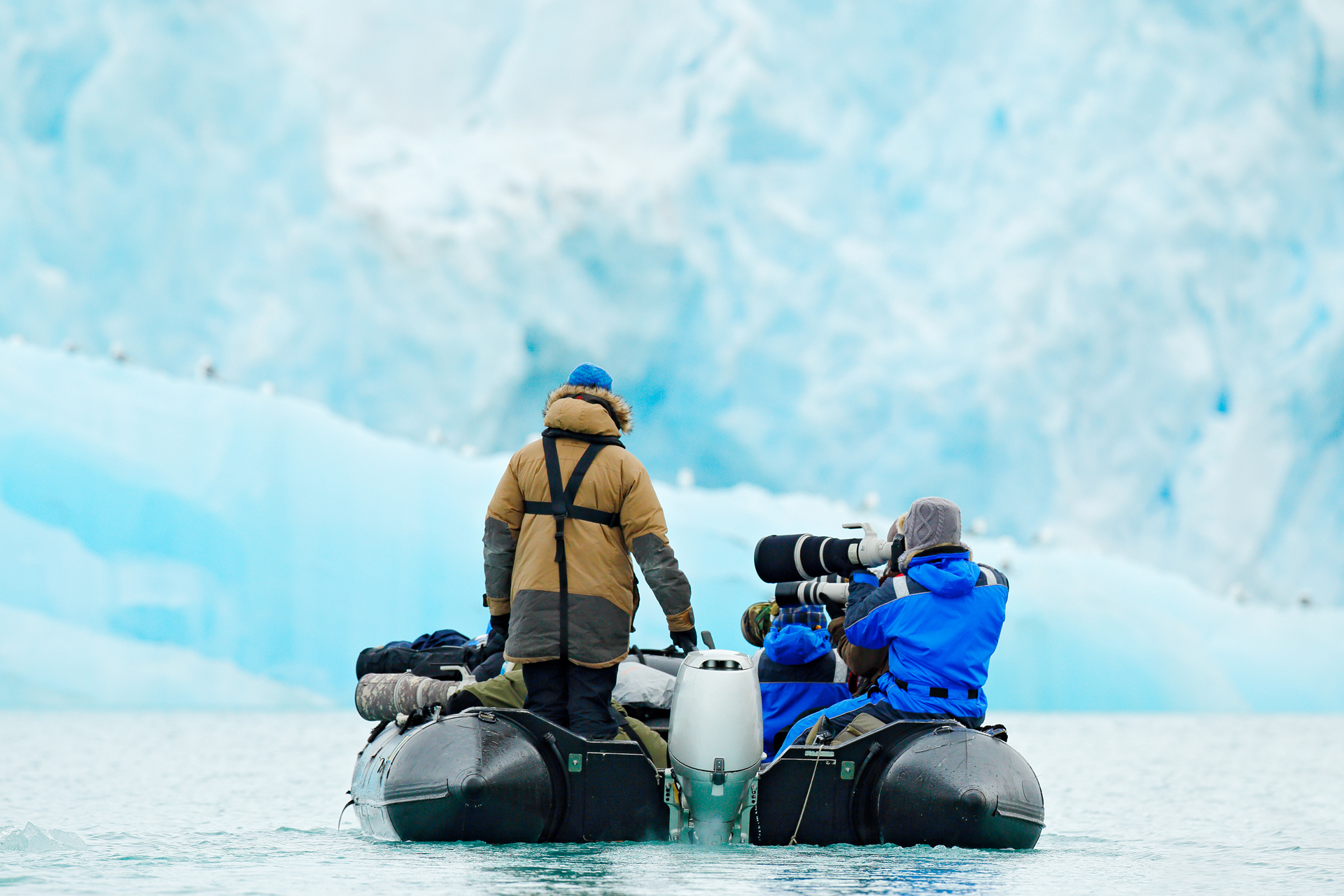
Patagonian weather isn’t kind to electronics. Use desiccant pouches to dry them out after an expedition, bring spare batteries (they drain quickly in cold weather), and pack a waterproof case for your phone. Ensure it’s attached to your neck by a lanyard to avoid the risk of it finding a watery end when shooting from a Zodiac.
What to pack for a trip to Chilean Patagonia
The diverse terrain of Chilean Patagonia, combined with its changeable climate, can make it a challenging destination to pack for. Here are our recommendations for what to include in your suitcase.
Pack for violent microclimates
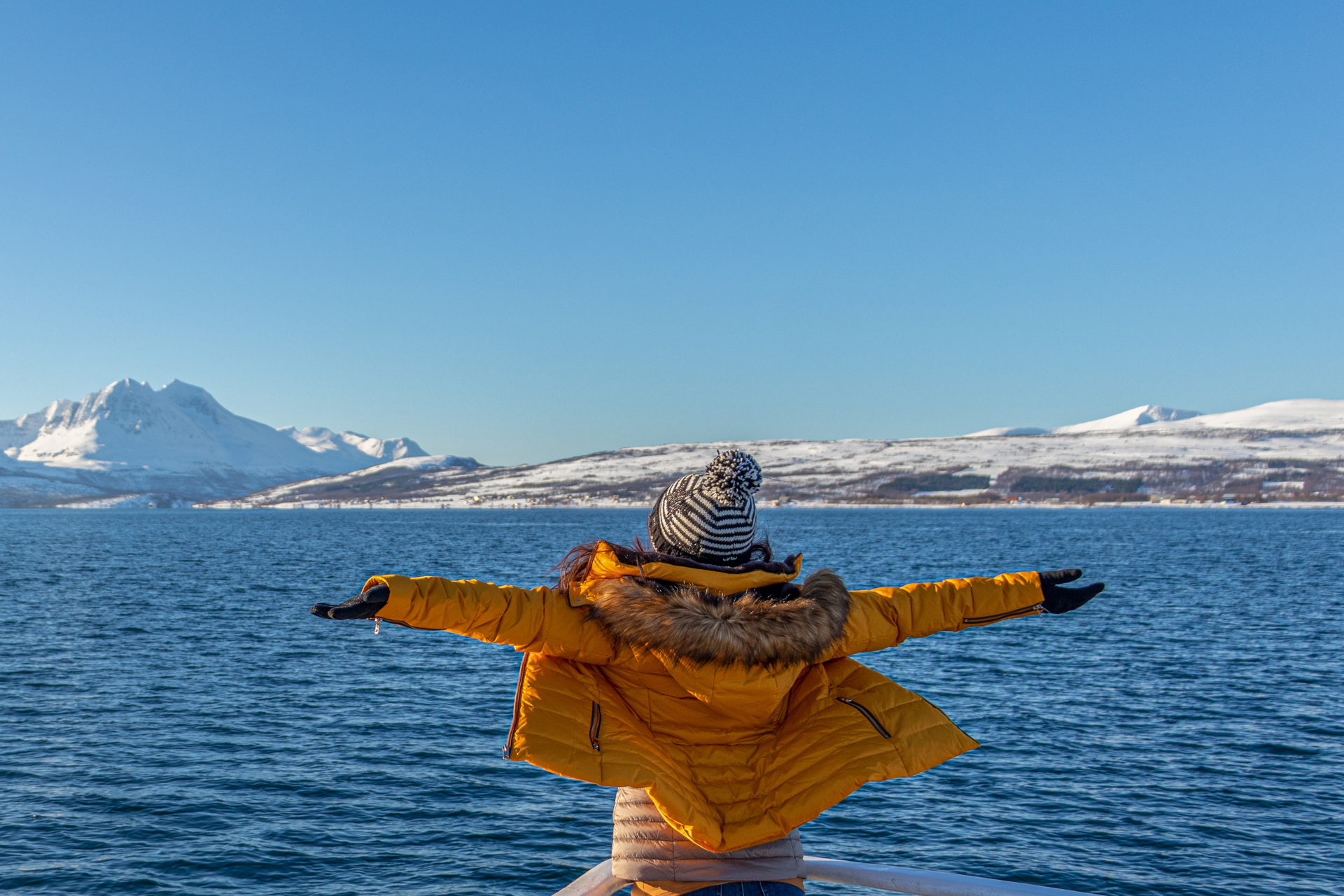
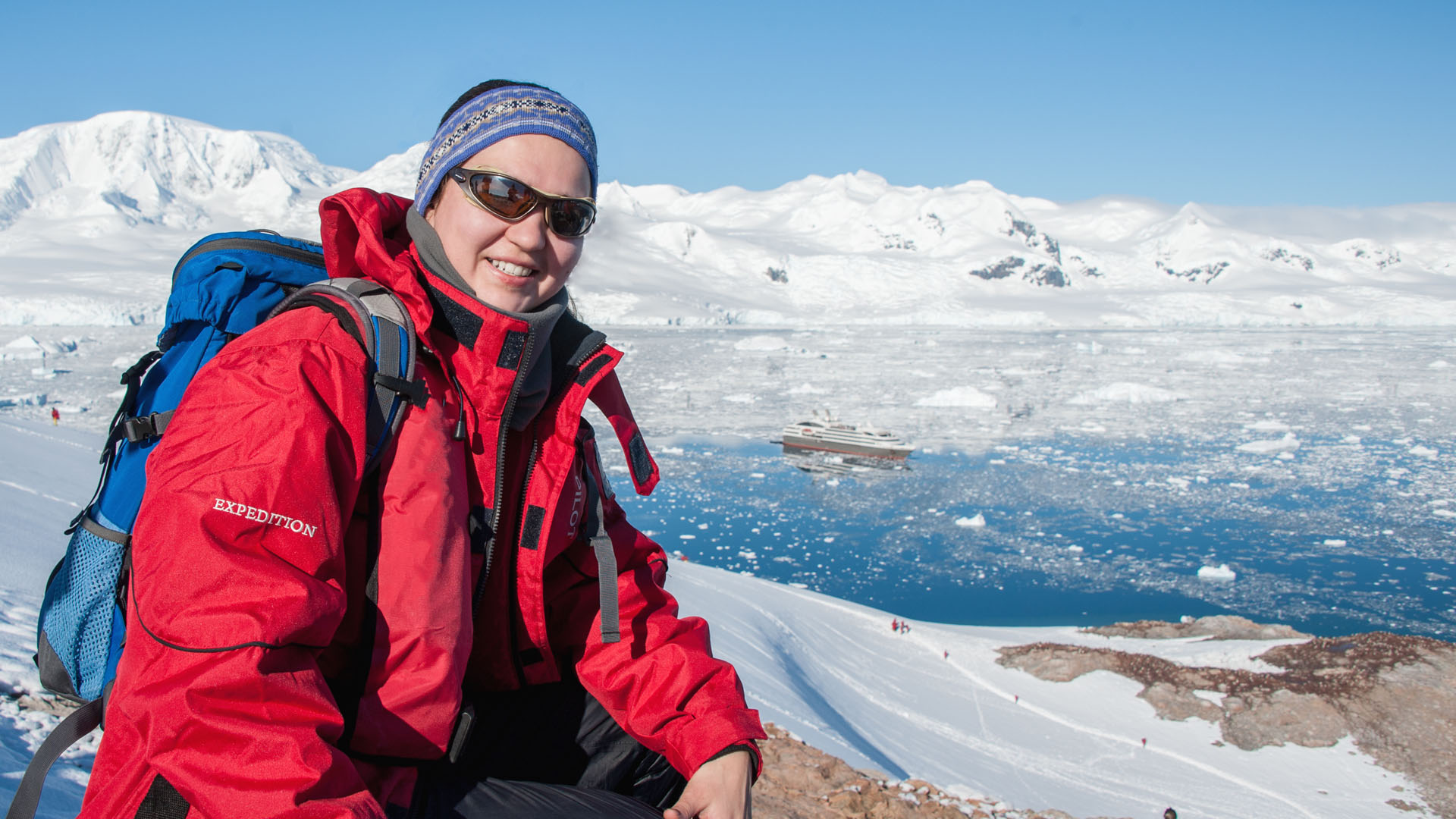
Layers matter. Waterproof and windproof outerwear, a warm mid-layer, and dry bags for cameras are essential. Don’t forget fleece-lined gloves (particularly for Zodiac expeditions and hiking), a tight-fitting beanie (the wind loves to steal them), and sunglasses to combat glare from ice and water.
Hiking shoes matter
Whether you plan on summiting mountains or taking a more relaxed stroll through the Patagonia steppe, it’s important to be wearing the right shoes. High ankle trekking boots are ideal for adventurous hikers, while comfortable but less structured shoes will suffice for those not tackling the more challenging trails. Whichever you choose, it’s essential to break them in; go for a couple of day hikes before departing for Patagonia. This can help loosen up the material and keep blisters off the cards.
Choose trousers built for the terrain
Lightweight, quick-drying hiking trousers work best on the trails, but bring a pair with a soft fleece lining for colder days and during early-morning outings from the ship. Waterproof overtrousers are invaluable, too: snowstorms during summer aren’t unheard of, and it can be extremely chilly at night.
Invest in a good backpack
A 25 to 30 litre daypack is ideal for hikes and shore excursions. Choose one with a hip belt, chest strap, and a built-in rain cover. Inside, pack a lightweight thermal layer, gloves, snacks, and a compact first-aid kit, including blister plasters.
Consider a compact pair of binoculars
Wildlife is abundant but often distant. A small pair of 8×32 or 10×32 binoculars will massively enhance your experience, particularly for spotting condors, whales, and pumas.
Chilean Patagonia is guaranteed to astound, and it’s the perfect place to combine a cruise with a private guided on-land itinerary. Our destination experts specialize in luxury travel in Patagonia and can create tailor-made itineraries that weave together the beauty of Patagonia’s mountains with the wildness of its fjords.

An Expert’s Guide To Chilean Patagonia’s Trekking Routes
Patagonia Cruise: An Antarctica Alternative Or Ideal Add-On?
Patagonia Cruise Or Lodge-Based Land Tour: Which is Best?
9 Best Patagonia Lodges To Combine With An Antarctica Cruise
The Best Time To Go To Chilean Patagonia
12 Best Things To Do In Chilean Patagonia
2 Weeks In Chilean Patagonia – Itinerary Inspiration
Ultimate Patagonia Cruise Guide: Routes & Recommendations
The Best Antarctica Travel Agency?
Disclaimer
Our travel guides are for informational purposes only. While we aim to provide accurate and up-to-date information, Antarctica Cruises makes no representations as to the accuracy or completeness of any information in our guides or found by following any link on this site.
Antarctica Cruises cannot and will not accept responsibility for any omissions or inaccuracies, or for any consequences arising therefrom, including any losses, injuries, or damages resulting from the display or use of this information.