
































The Beagle Channel: Where Evolution Began and Borders Meet


The Beagle Channel in Patagonia slices through the southern tip of South America, shattering the land into shards of land beyond. Named after the HMS Beagle, the survey ship that carried a young Charles Darwin to these far-flung waters in the 1830s, the channel is one of the world’s most historically loaded stretches of water. It was one of several formative stops on a voyage that shaped Darwin’s worldview – observations that would eventually form his groundbreaking book, On the Origin of Species.
Wedged between the Argentine city of Ushuaia on its northern shore and the Chilean town of Puerto Williams in the south, the Beagle Channel remains a fabled waterway that attracts travelers keen to follow in the wake of the famed explorer. This is a place where history, wildlife, and dramatic scenery converge.
This guide covers the logistics of doing the channel justice: the Beagle Channel’s extensive history, how to visit, and why this particular body of water rewards slow, attentive travel more than almost anywhere else in Patagonia.
Darwin and the Beagle Channel
As history has solidified Darwin’s role as the founder of modern evolutionary biology, few realise that the man who set out in 1831 from Plymouth, England, on a five-year voyage around South America, was a young man of just 22 years old and fresh out of university. Little did he, or any of his companions, have any idea that the journey would fundamentally change the way humans understood the planet.
Throughout his journey, Darwin collected species of flora and fauna, as well as fossilized remains. While the Galapagos, where he noticed the differences between finches across different islands, are associated with his theory of evolution, the whole voyage contributed to his understanding of the way the world worked.
The Beagle Channel was no different. Around half of the HMS Beagle’s journey was spent in the region of Patagonia, and the inhospitability of the region was noted by Darwin. In his journal (later published as his account of the journey under the title The Voyage of the Beagle) he wrote in September 29, 1836 that “among the scenes which are deeply impressed on my mind, none exceed in sublimity the primaeval forests undefaced by the hands of man; whether those of Brazil, where the powers of life are predominant, or whether those of Tierra del Fuego, where death and decay prevail.”
The HMS Beagle had sailed through and bequeathed the channel its name on its previous expedition between 1826 and 1830, during which the crew had encountered and absconded with four young Indigenous people, whom they sailed to England to raise as Christians. When the crew returned to the Beagle Channel on this voyage, it was Darwin’s first experience of seeing the Indigenous communities that skillfully inhabited the hostile waters and lands of Patagonia. His comments were disparaging and reflected a racist, imperialistic worldview. He described them as existing in “a more miserable state of barbarism than I had expected ever to have seen a human being,” and that “viewing such men, one can hardly make oneself believe that they are fellow-creatures, and inhabitants of the same world”.
However, these interactions fundamentally shaped Darwin’s understanding of perhaps his most important theory: human evolution. This was revealed to the world forty years later in his seminal work, The Descent of Man. Despite the differences he perceived between the Indigenous people of Patagonia and the European society from which he was born, he realised that all had adapted to their surroundings. He concluded that “Nature, by making habit omnipotent, has fitted the Fuegian [Indigenous people of Patagonia] to the climate and productions of his country.”
What to see and do on the Beagle Channel
Since the arrival of the HMS Beagle, Patagonia has undergone enormous upheaval: from the diseases and violence brought by colonization, to the growth of towns and cities, and the arrival of tourism. Nonetheless, the Beagle Channel is rich in history and natural wildness and remains attractive to modern-day adventurers. Here are some of the things to experience on the Beagle Channel.
Visit the penguins of Isla Martillo
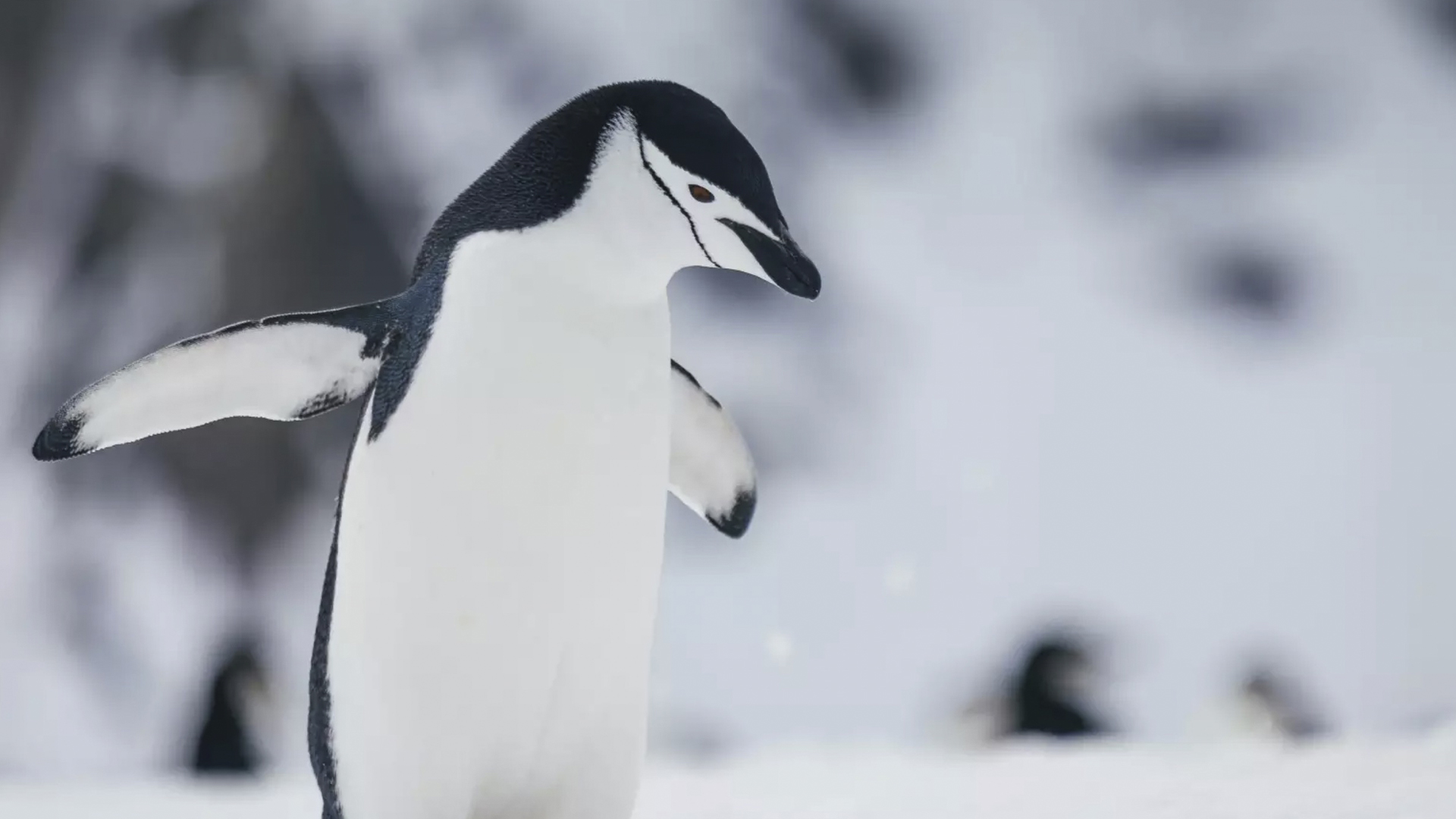
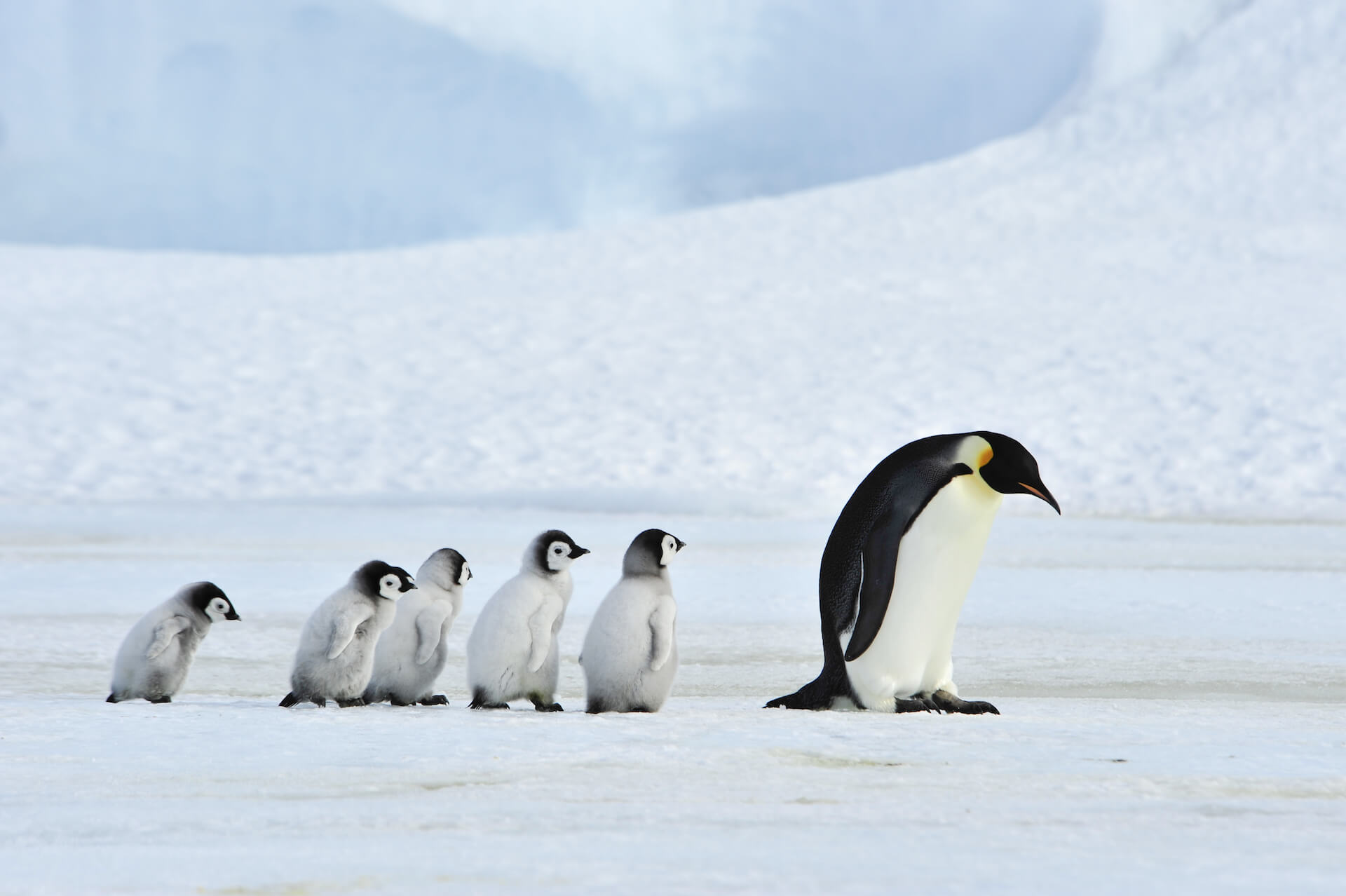
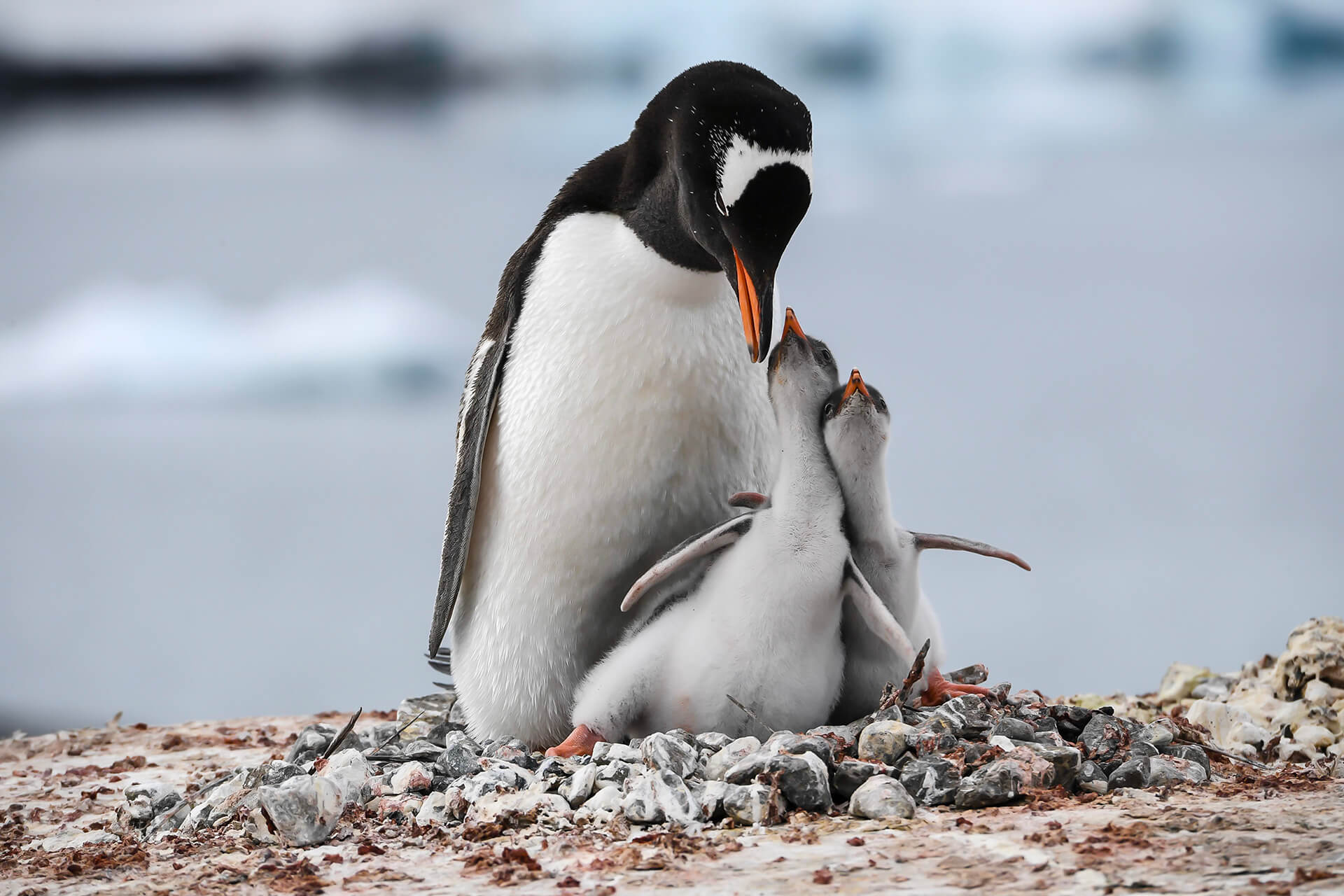
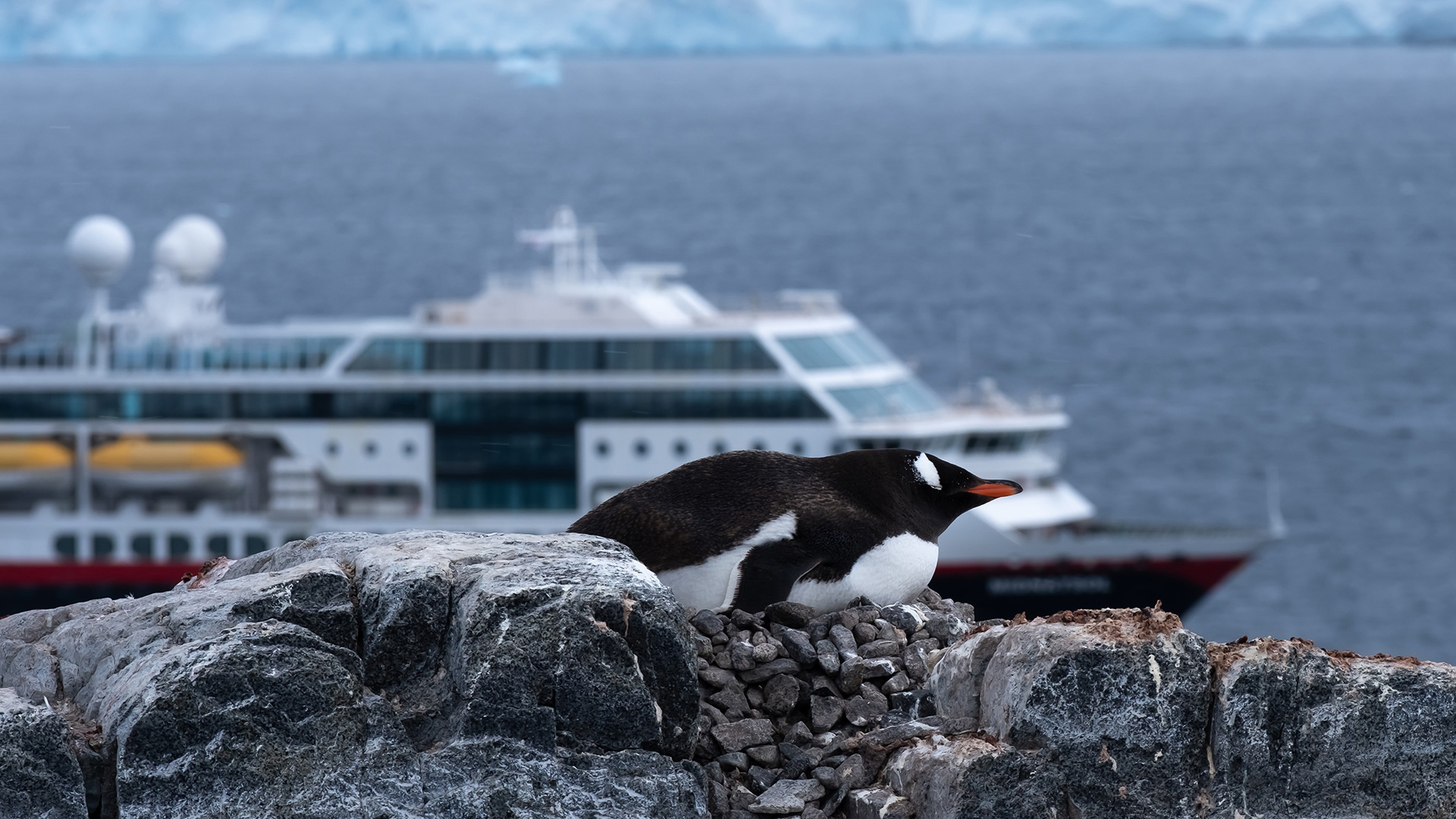
Around 44 miles (70 km) east of Ushuaia, Isla Martillo (known as Isla Yécapasela in the Indigenous language) is a small, 80-acre (32-hectare) island where some of the Beagle Channel’s most notable wildlife is found. Here, 3,000 breeding pairs of Magallenic penguins come to raise chicks each year. The male birds begin to arrive in October to reclaim their old burrows (which can measure up to 6.5 feet (2 meters) or build new ones; once they’re ready, the females arrive.
Visit during January and February to watch the hatching of the chicks, which is followed by two months of caring for the young until they’re ready to fend for themselves at sea. Just 20 visitors are allowed on the island at one time and are permitted a sixty-minute meander along carefully marked walkways. There are also thirty-five pairs of gentoo penguins, who remain on the island year-round.
Admire the Les Éclaireurs lighthouse
Far closer to Ushuaia, the Les Eclaireurs Lighthouse rises from a rocky islet in the Beagle Channel. It’s an iconic sight along the waterway with its 36-foot (11m) brick tower painted in candy cane red and white stripes. Construction began in December 1918, and the lighthouse became operational two years later, with it serving as an important navigational aid for vessels sailing to and from Ushuaia. It has operated ever since, although today it’s remotely controlled and powered by solar panels.
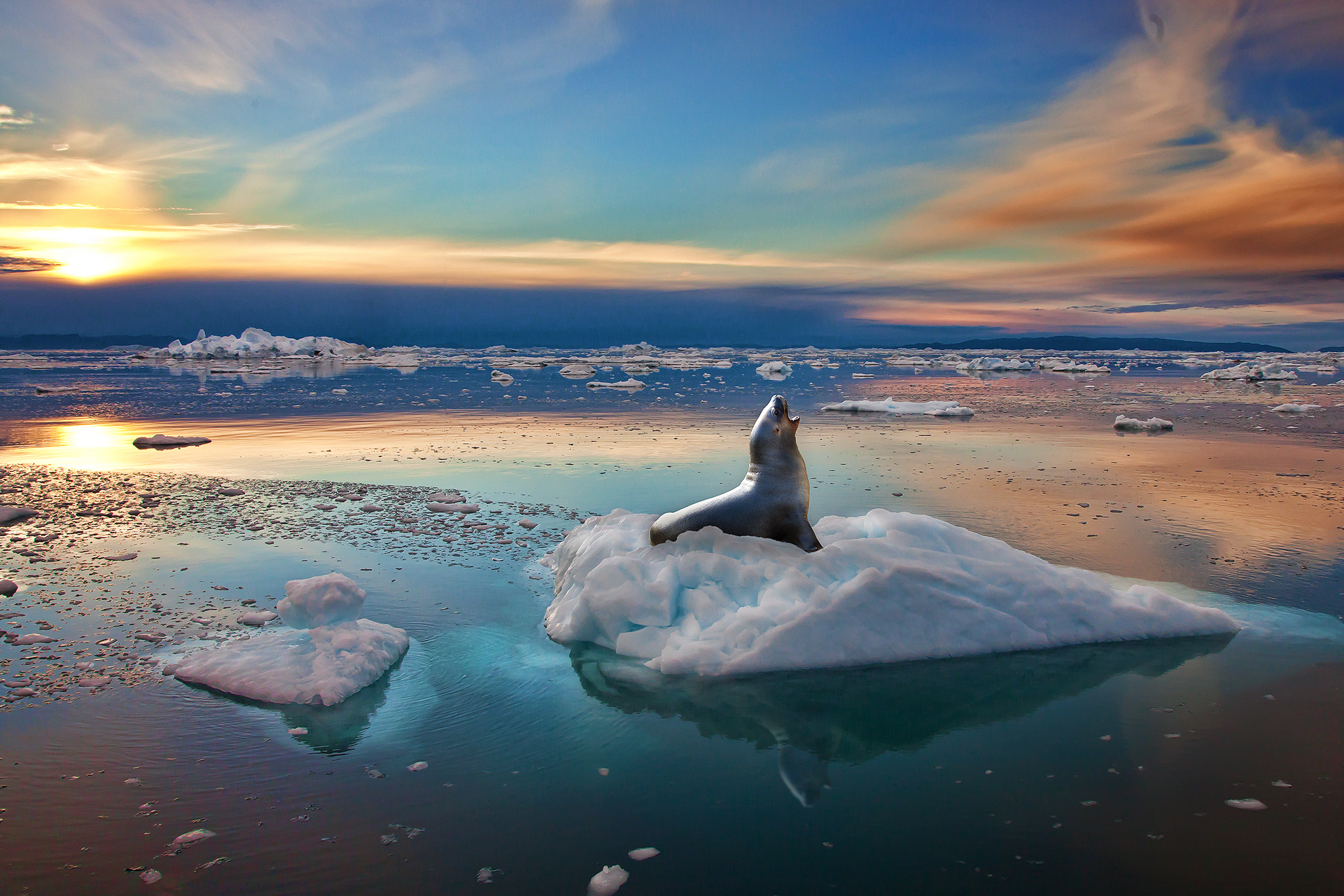
The islet itself is uninhabited by humans; instead, its rocks are colonized by cormorants and sea lions, which can be seen catching the sun from its rocks. Visitors cannot disembark, but numerous boat tours and catamaran cruises from Ushuaia’s port offer close-up views.
Take a Beagle Channel cruise along Glacier Alley
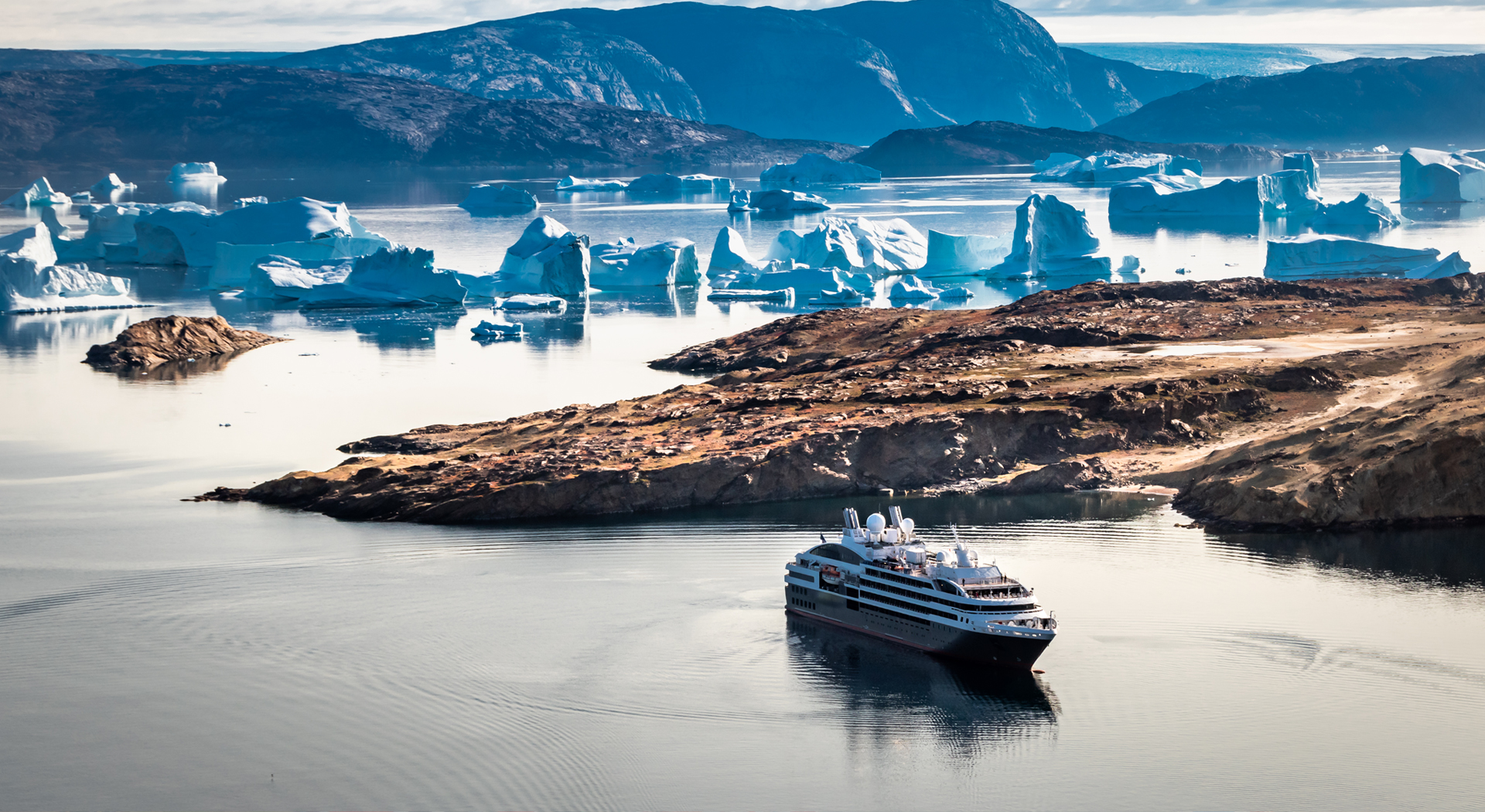
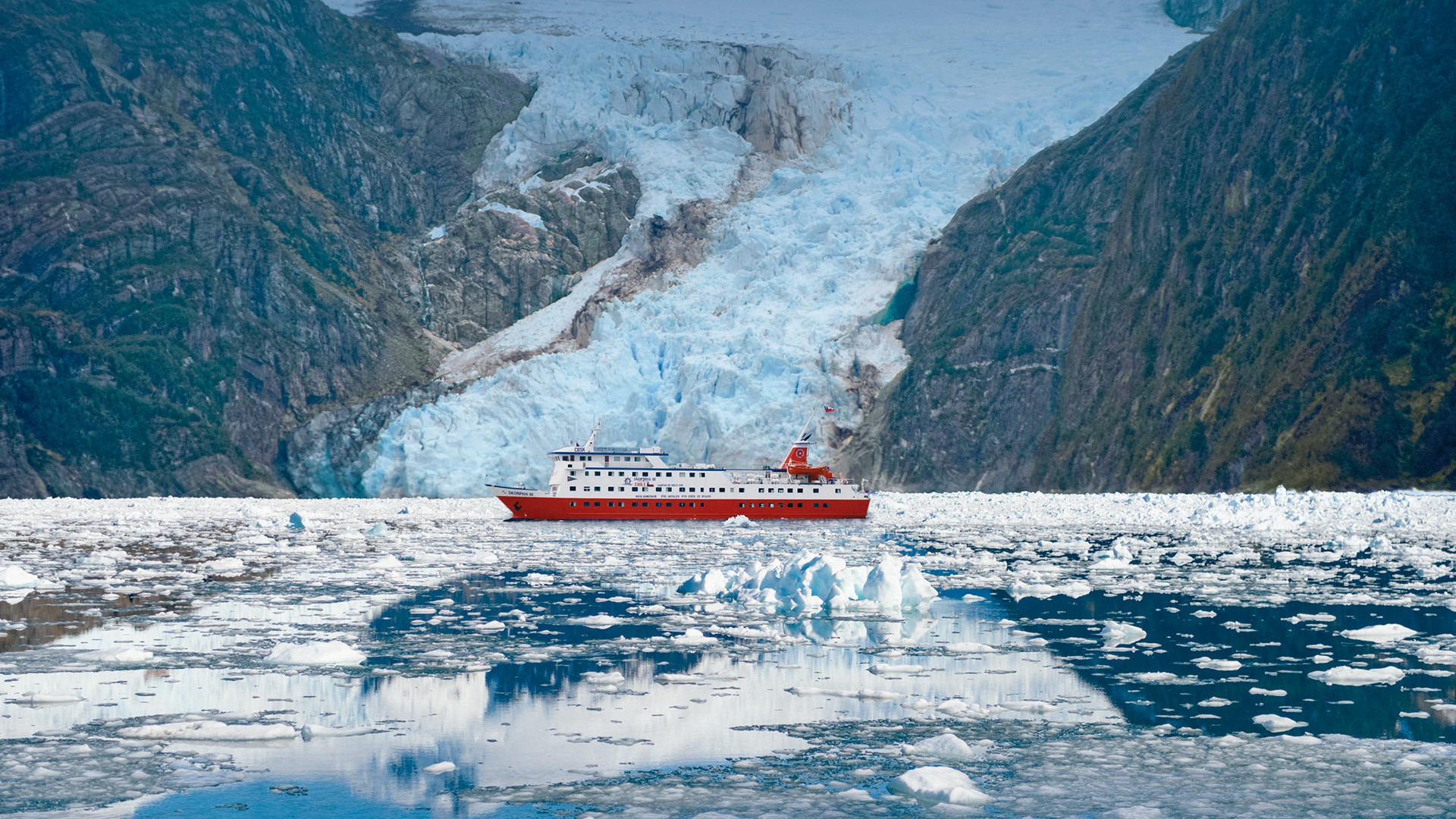
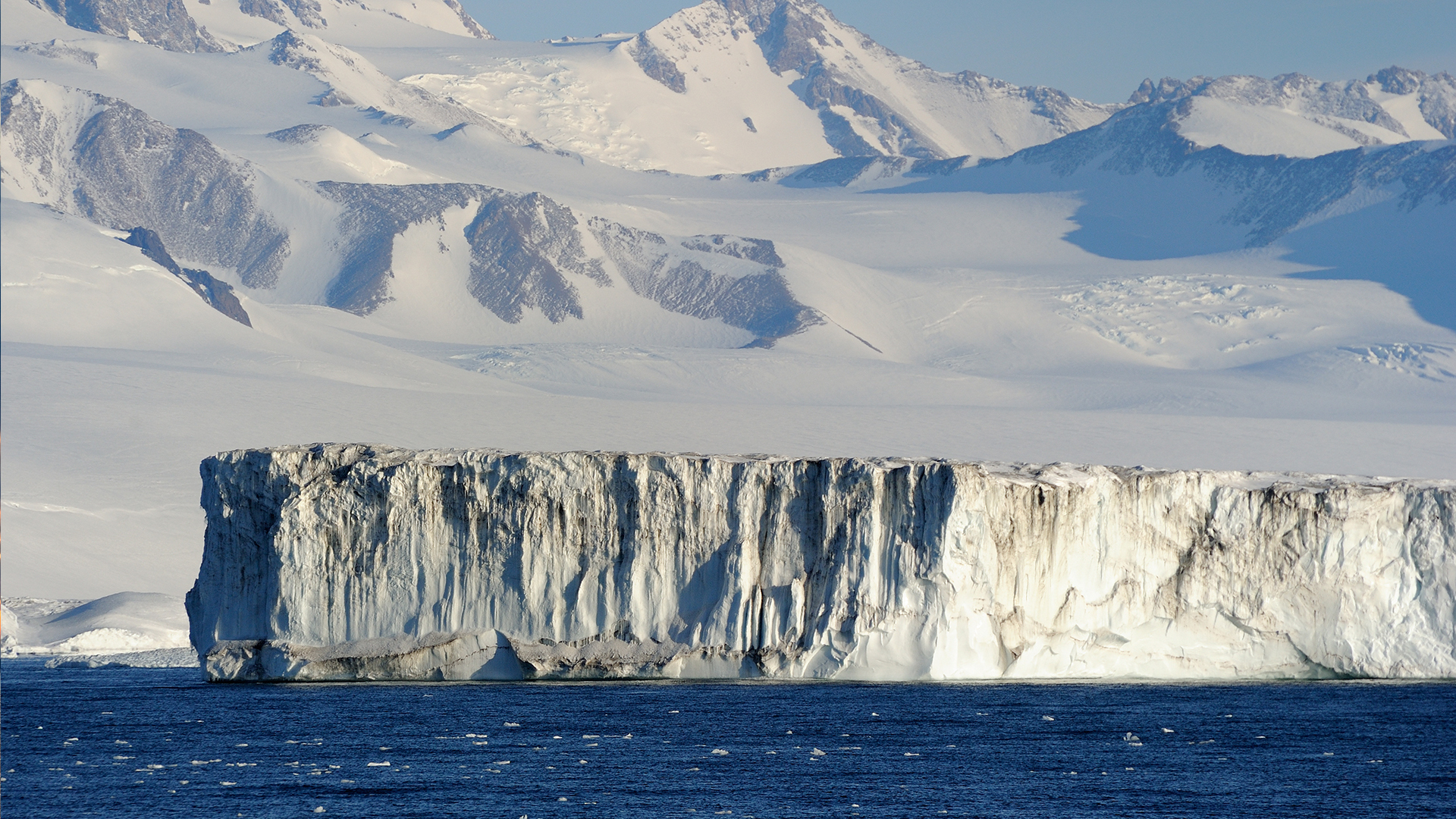
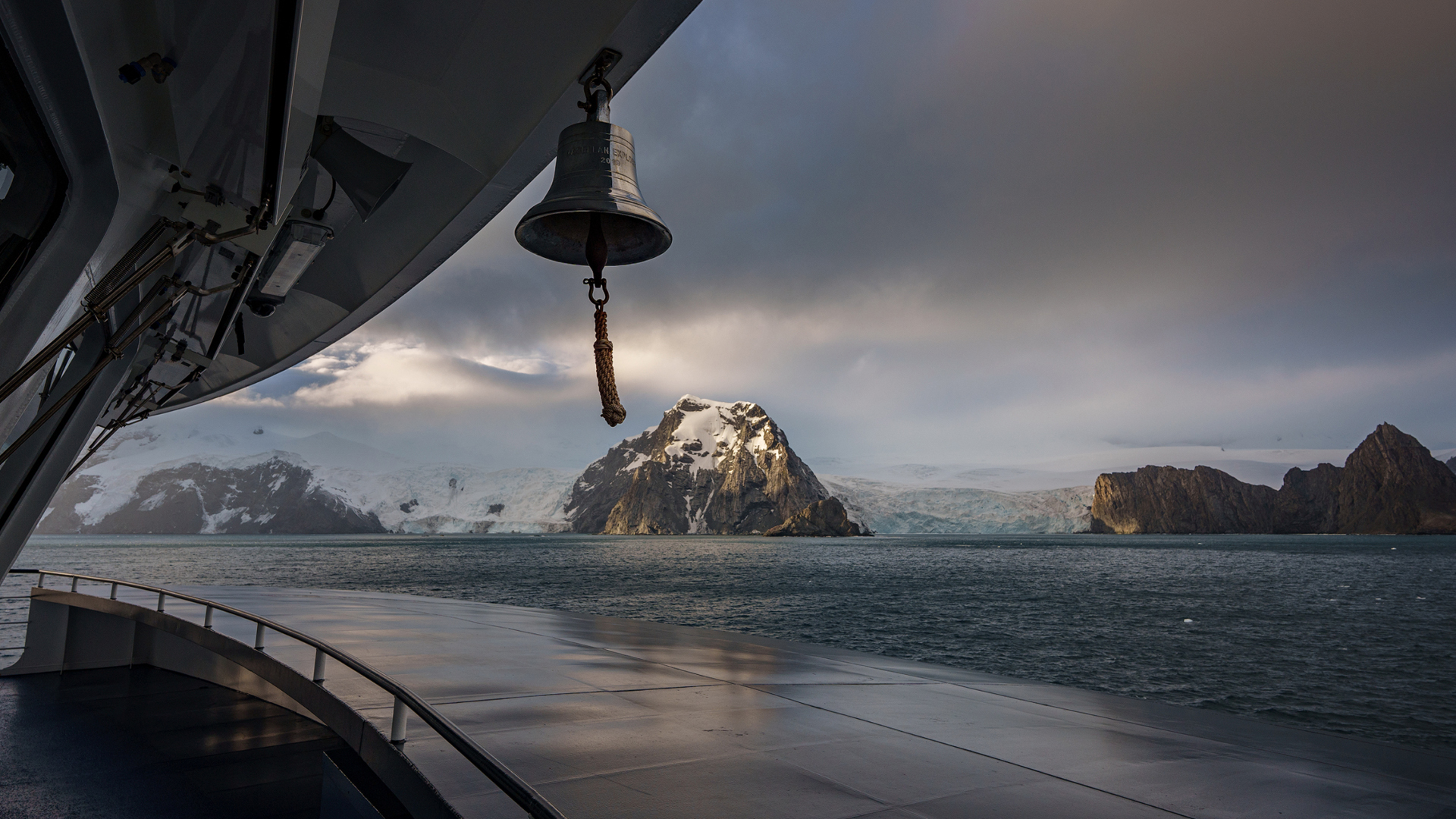
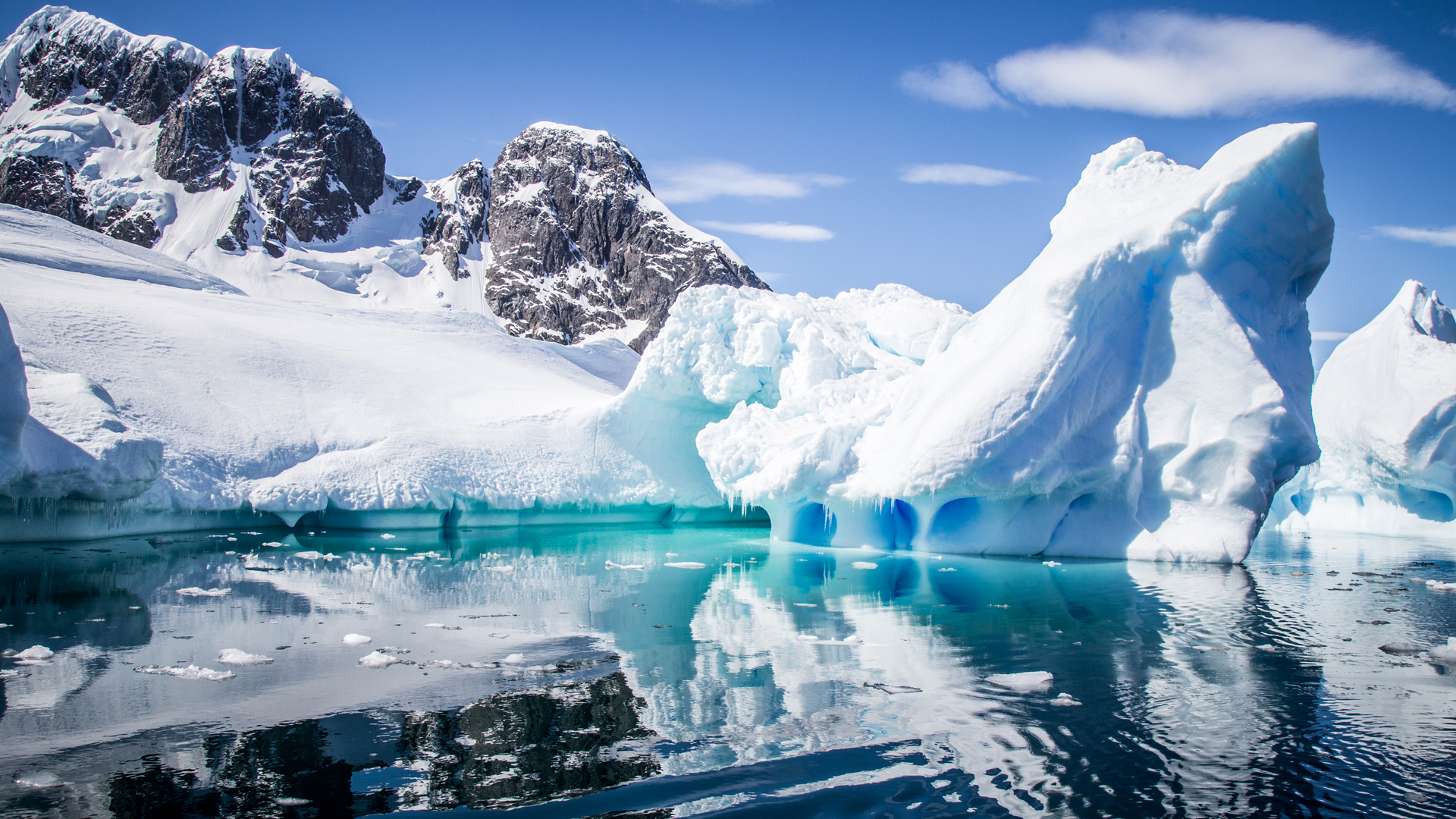
Most visitors head out to the waters closest to Ushuaia; however, the western arm of the Beagle Channel is arguably the most dramatic stretch. Here, five tidewater glaciers named after European nations crumble into the water from the ice-strewn Darwin Mountains above. These peaks were named by the captain of the HMS Beagle, Robert FitzRoy, in honor of Darwin’s 25th birthday, which was celebrated during the voyage. Indeed, in 1833, he wrote how it was “scarcely possible to imagine anything more beautiful than the beryl-like blue of these glaciers
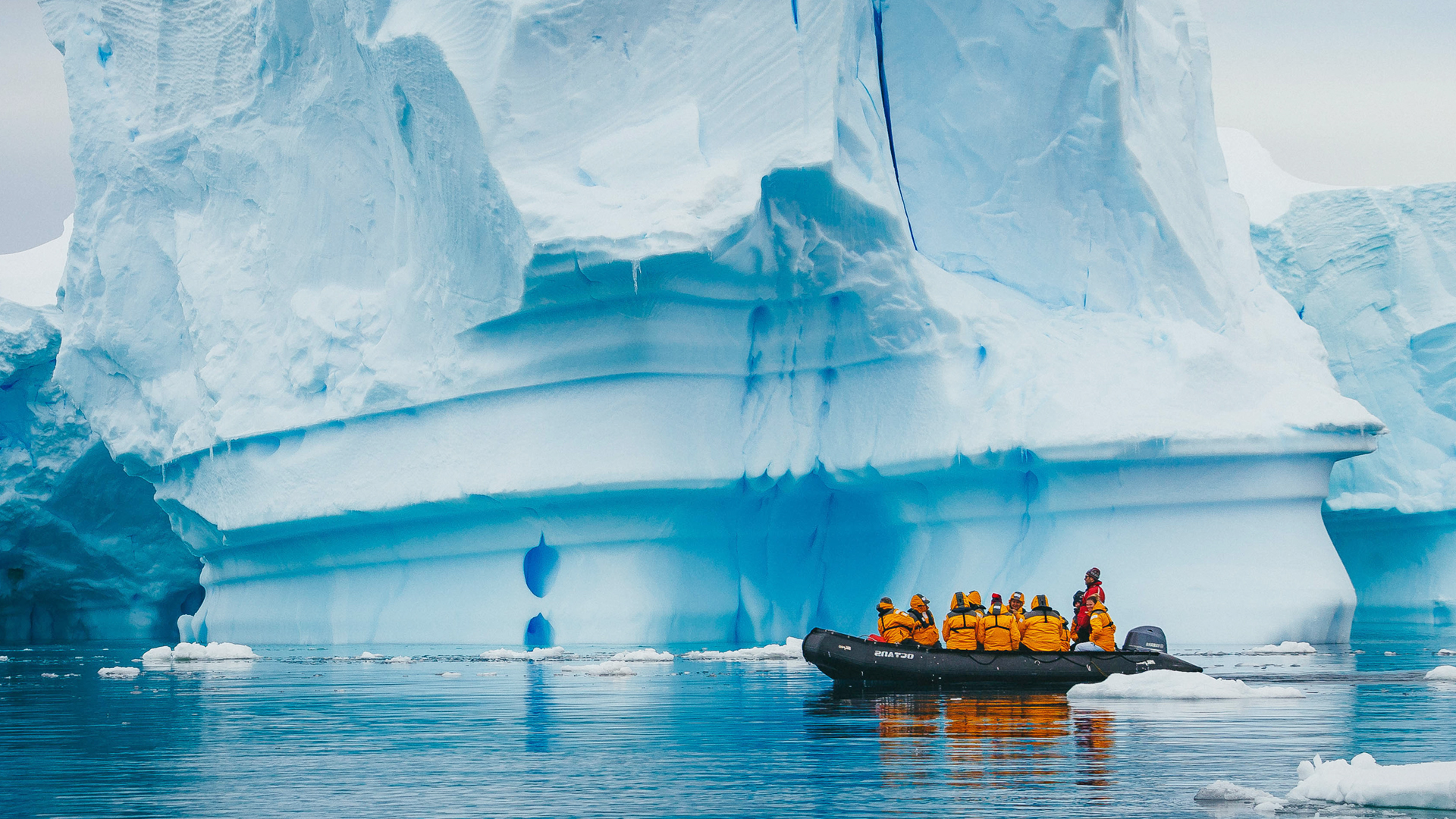
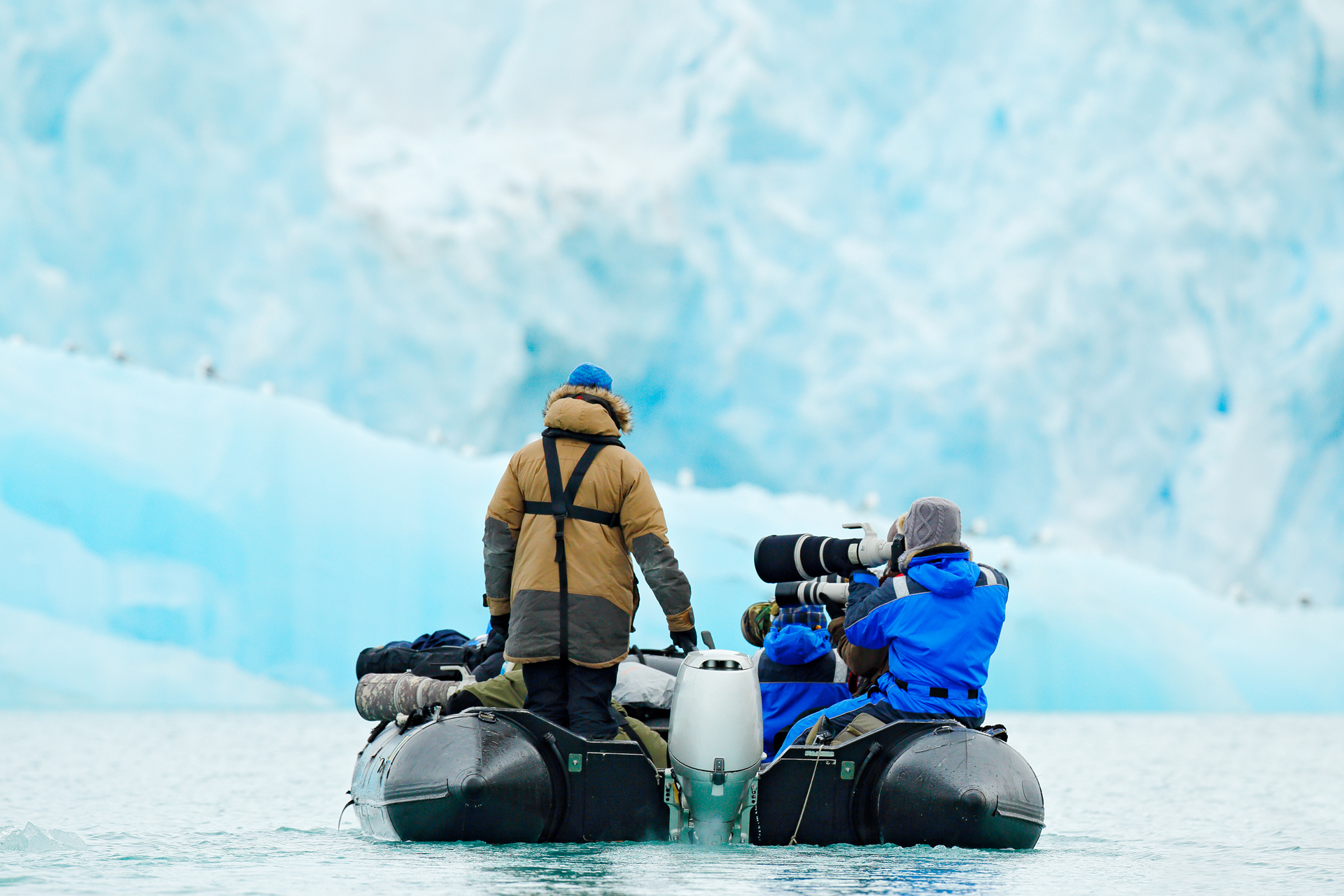
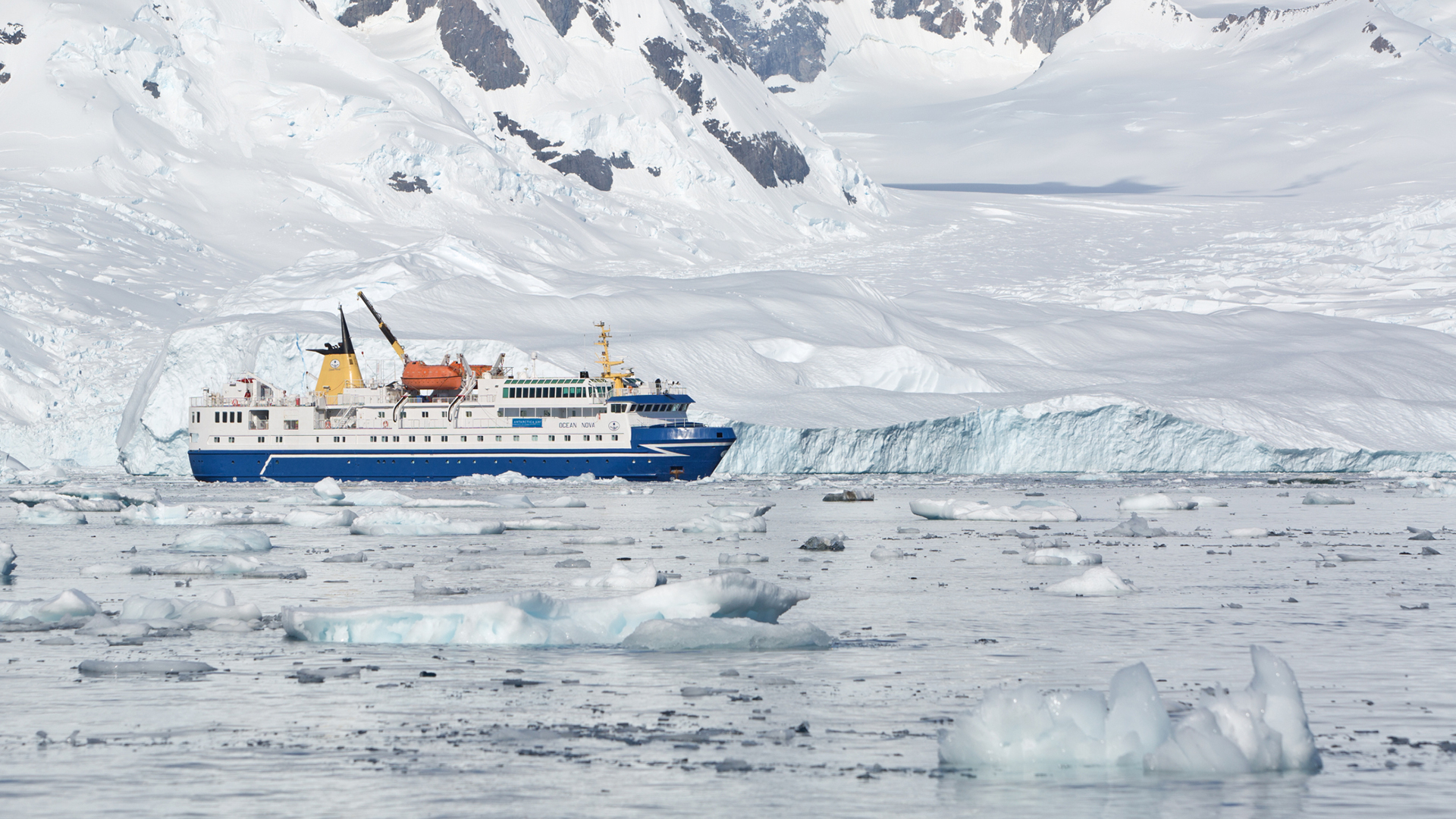
Glacier Alley is inaccessible by road and can only be reached by boat. Between late-September and April, multi-day expedition cruises operated by specialist operators sail along the Beagle Channel between Ushuaia and the Chilean city of Punta Arenas, with Glacier Alley a highlight of the voyage. Further excursions by Zodiac deeper into the fjords of Alberto de Agostini National Park to visit the Pia Glacier are equally arresting.
Learn about Indigenous history on Isla Navarino
On the southern shore of the Beagle Channel lies the Chilean town of Puerto Williams. Home to a population of just 3,000, it’s far smaller than Ushuaia and is officially the southernmost settlement in the world. Humans have inhabited the island for millennia, and the “Fuegians” that Darwin described in his writings were likely the Yaghan, who were skilled maritime hunter-gatherers and whose territory stretched from the Beagle Channel down to Cape Horn.
While a large part of the Yaghan community was killed by disease and then campaigns of violence brought about by colonization, most of the remaining Yaghan descendants still live on Isla Navarino. Visitors traveling by boat can land on the island’s western coast at Wulaia Bay, an uninhabited outpost with shell middens – ancient refuse heaps – that archaeologists say indicate that seasonal settlements began being built here up to 10,000 years ago. A museum housed in an old naval radio station here also offers information about the remarkable Yaghan.
How to explore the Beagle Channel
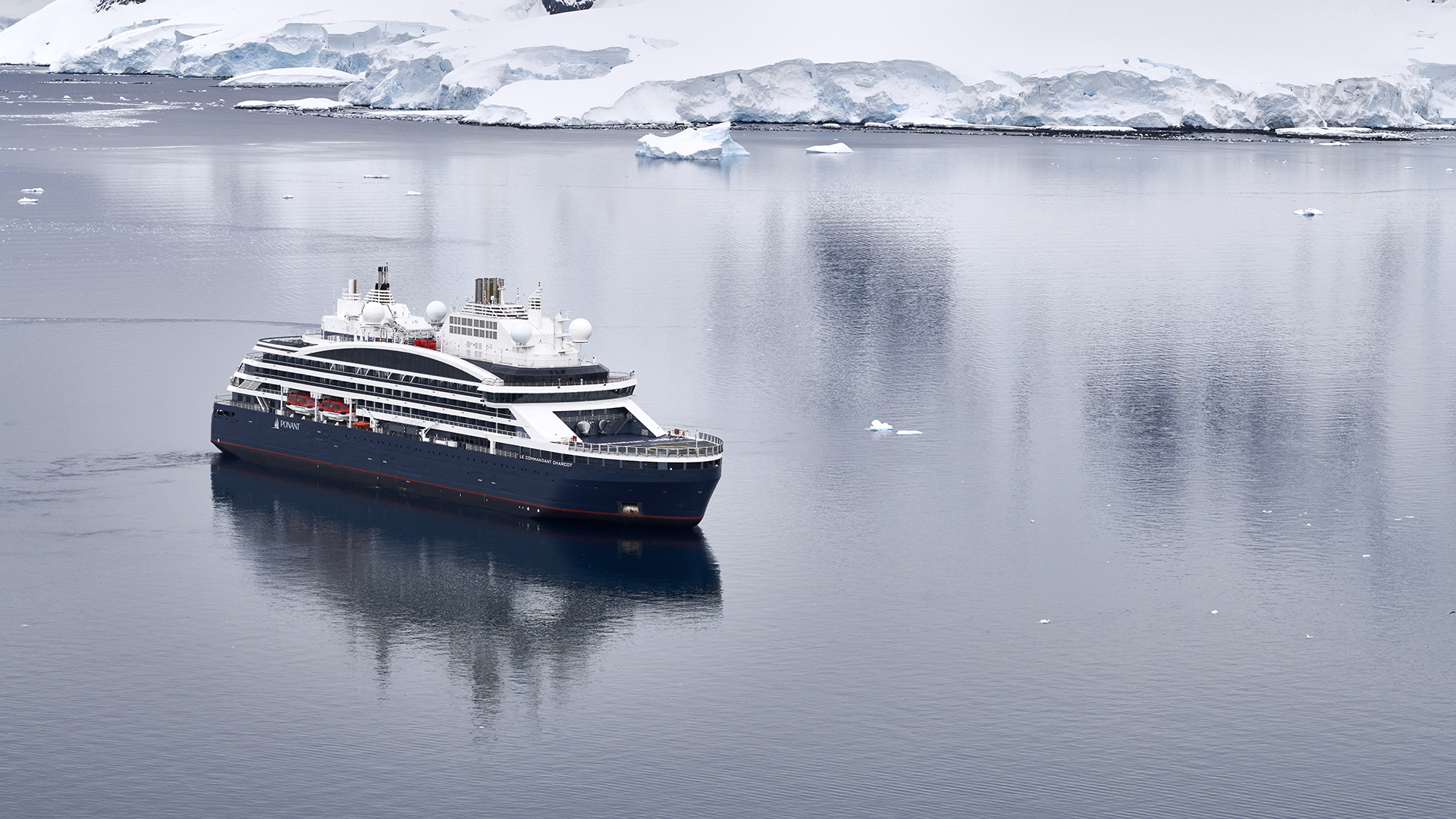
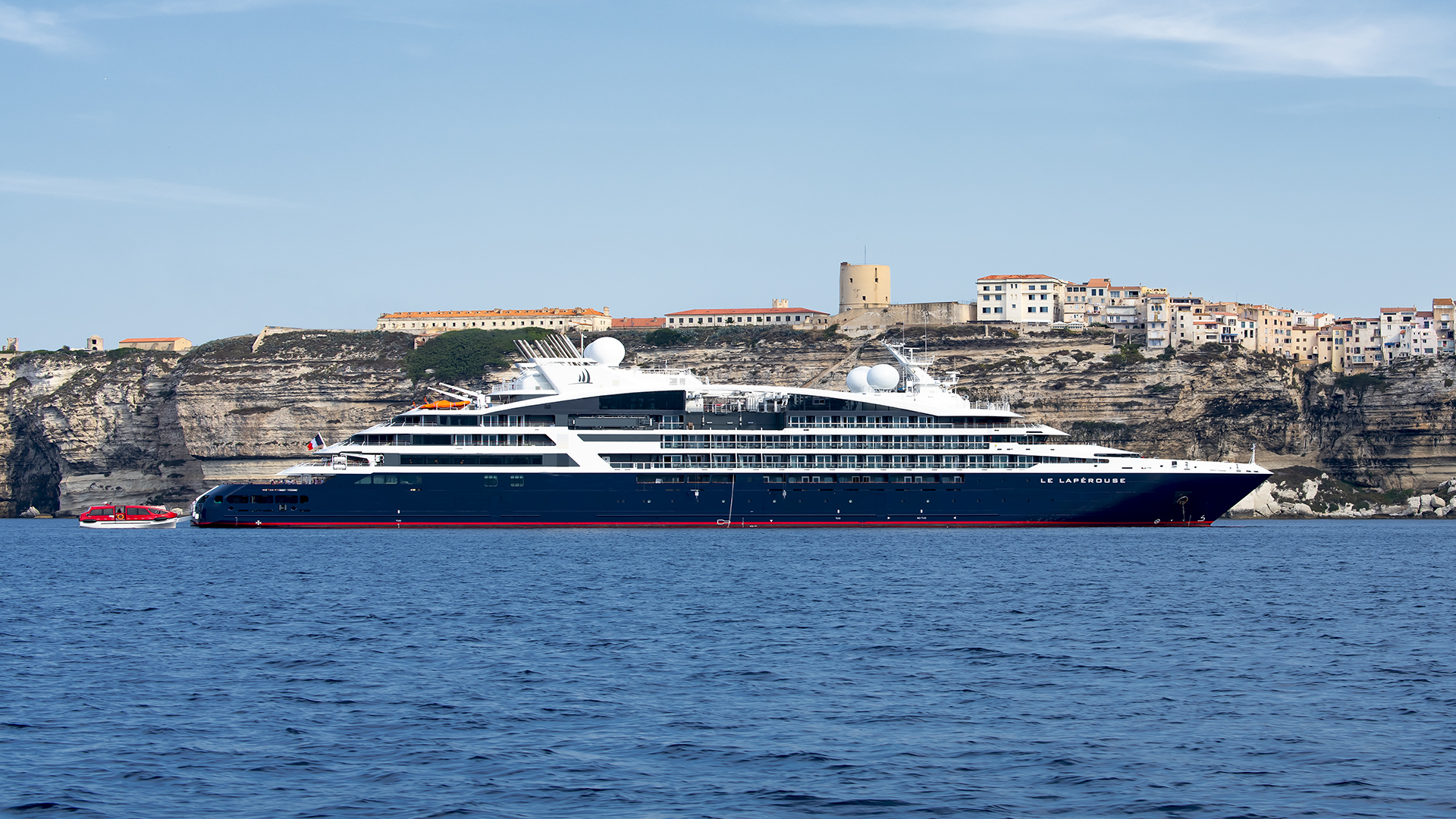
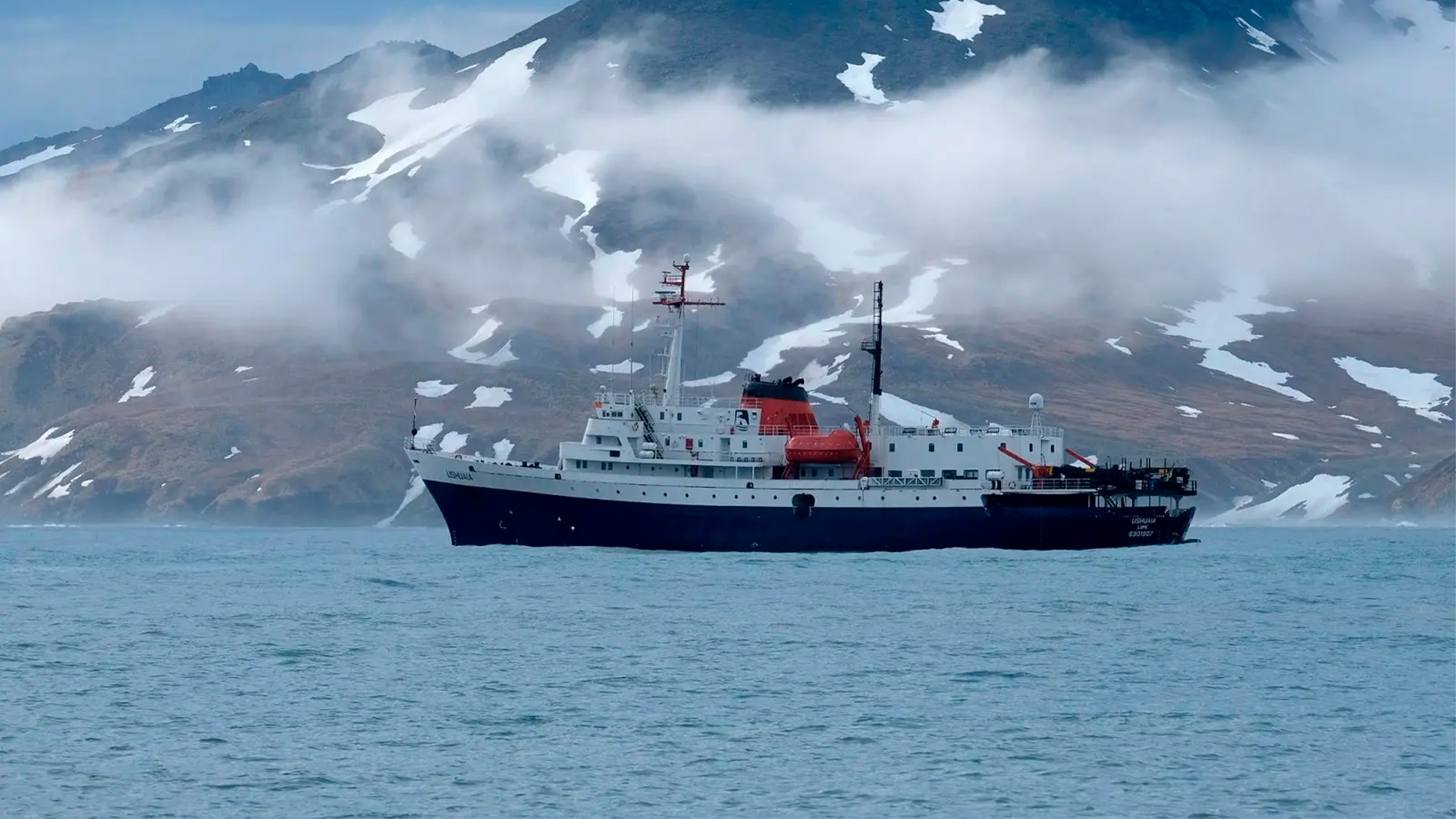
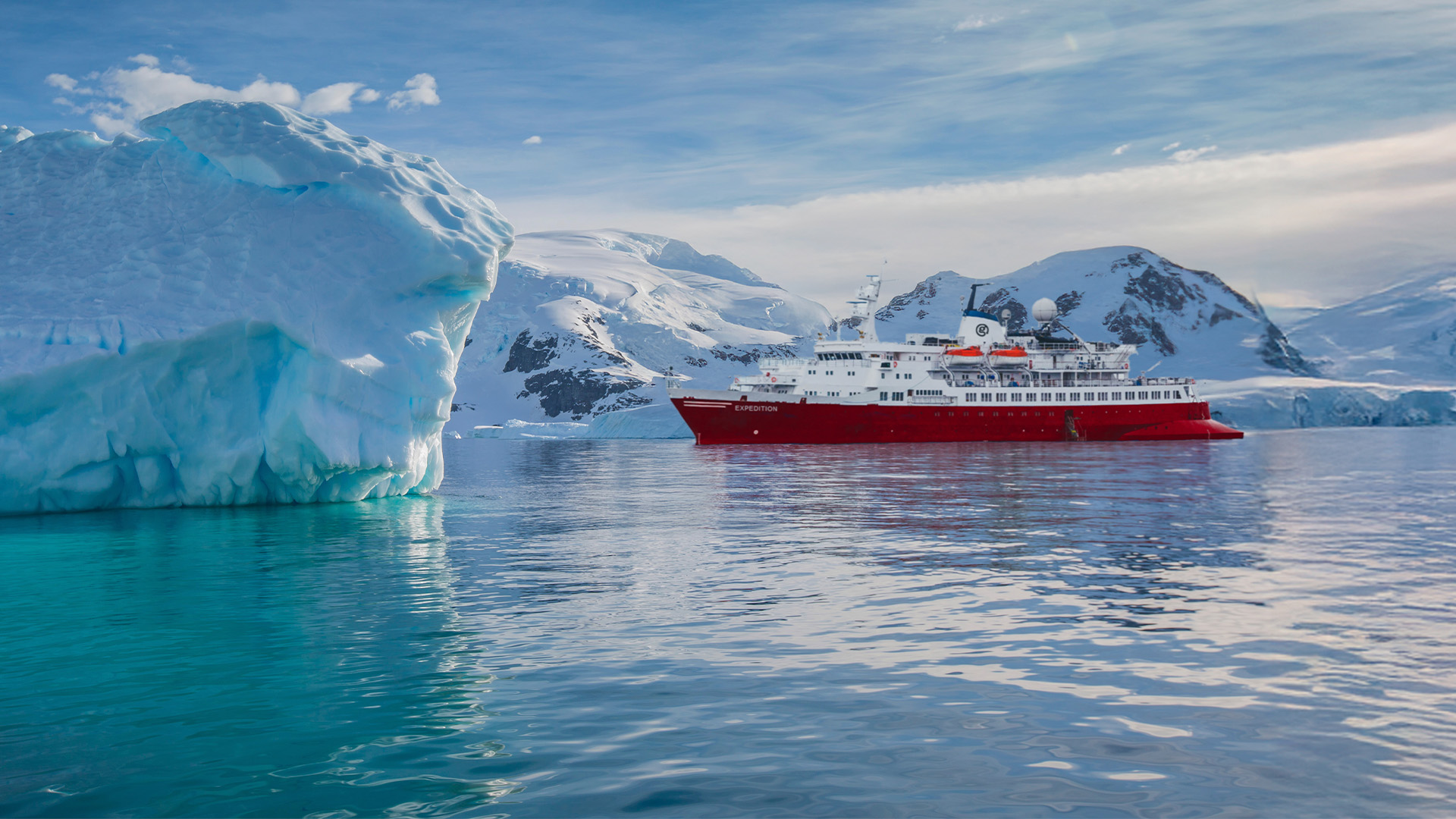
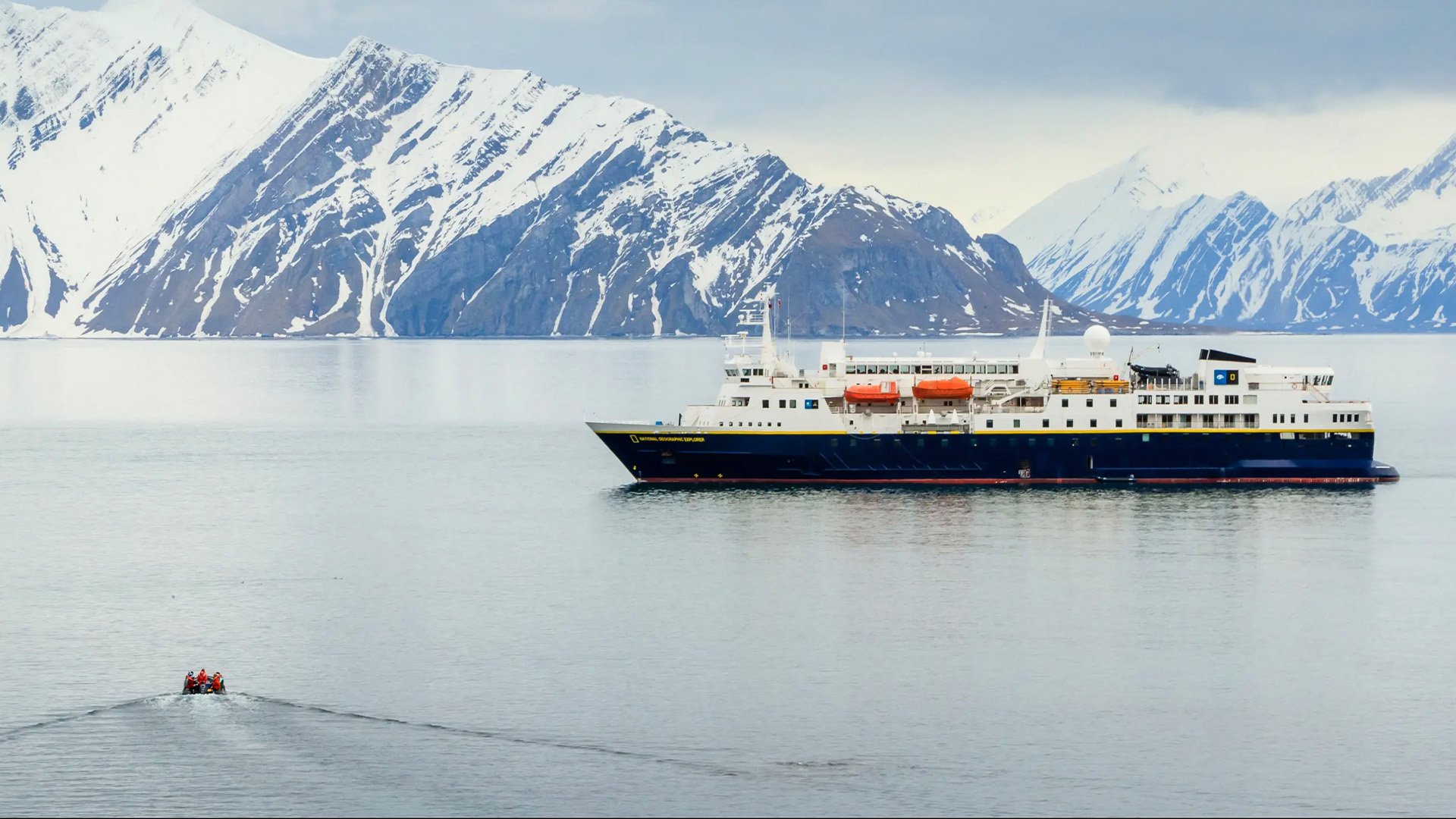
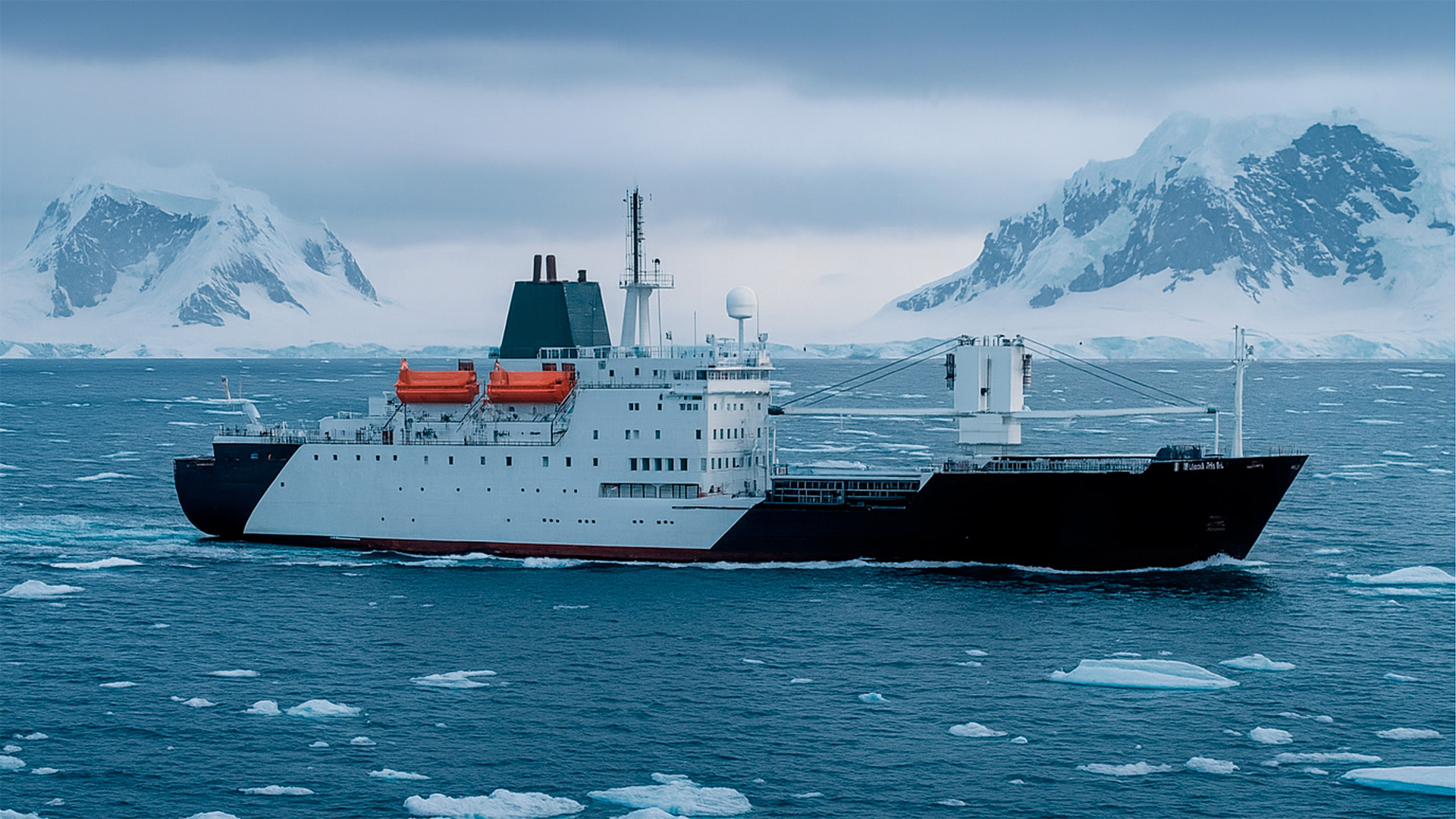
An adventure cruise is the best means of exploring the Beagle Channel, particularly as most of it is inaccessible overland. While day tours aboard catamarans are possible from Ushuaia to reach Les Eclaireurs Lighthouse and Isla Martillo, these types of tours only scratch the surface.
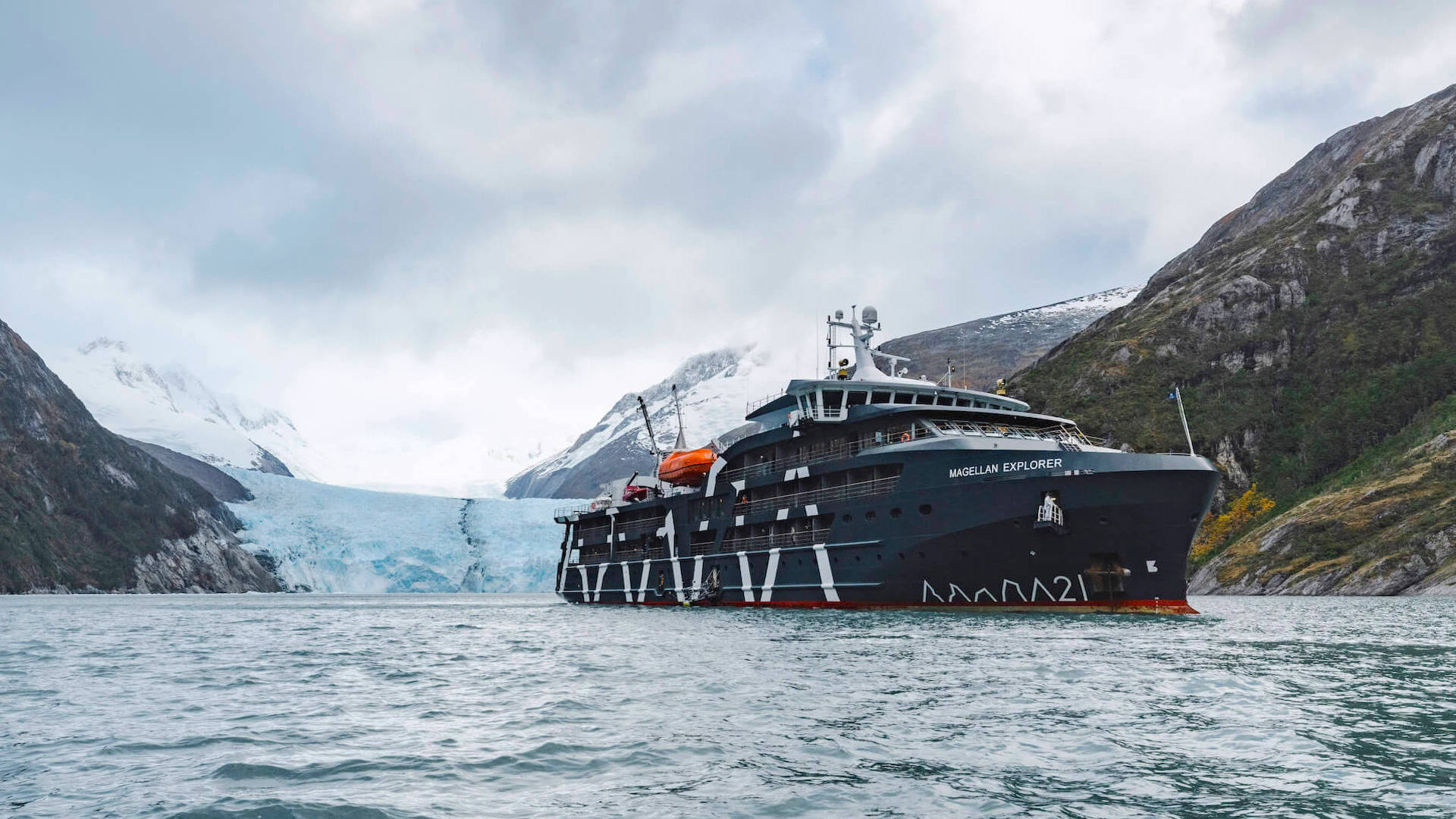
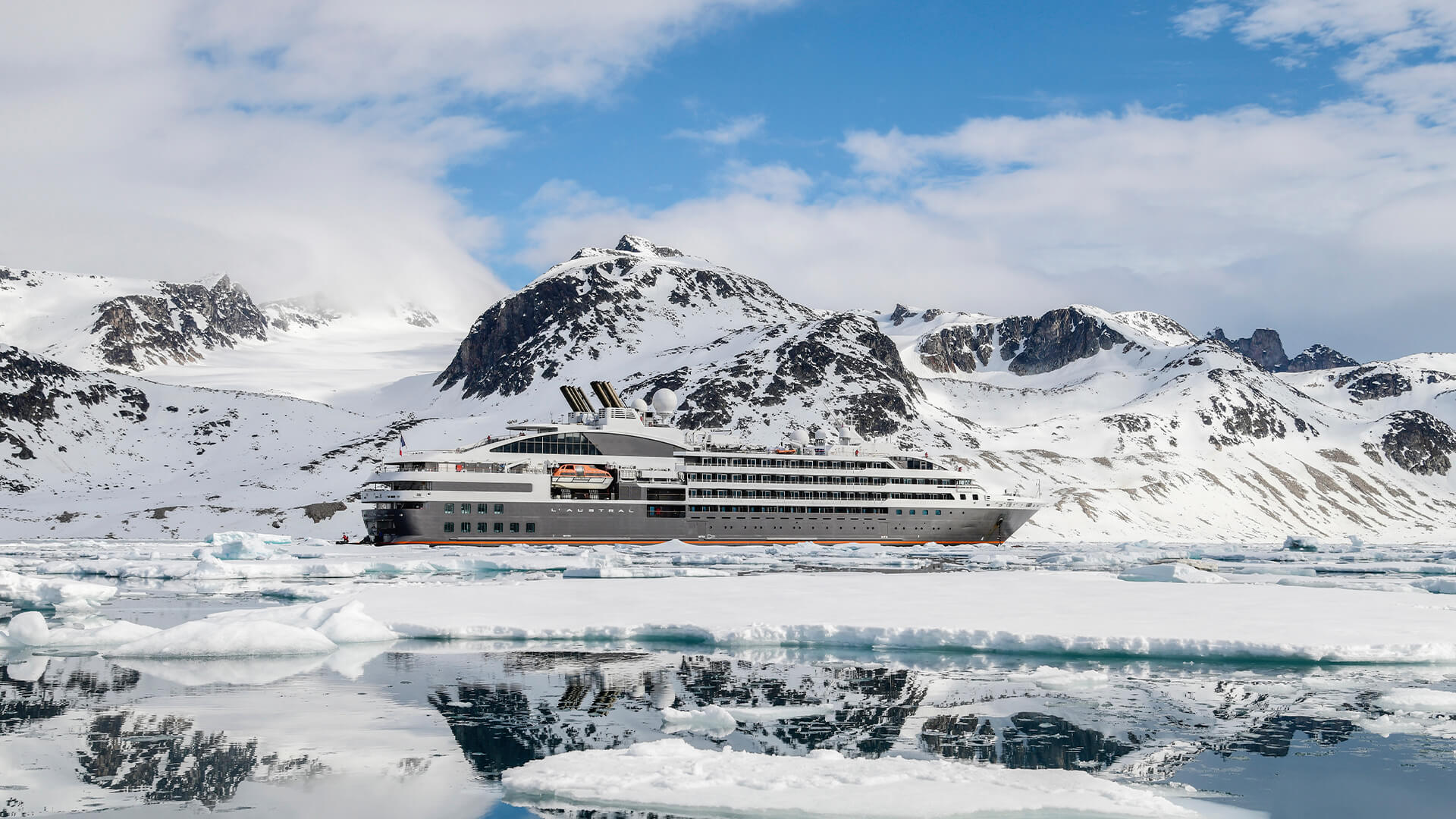
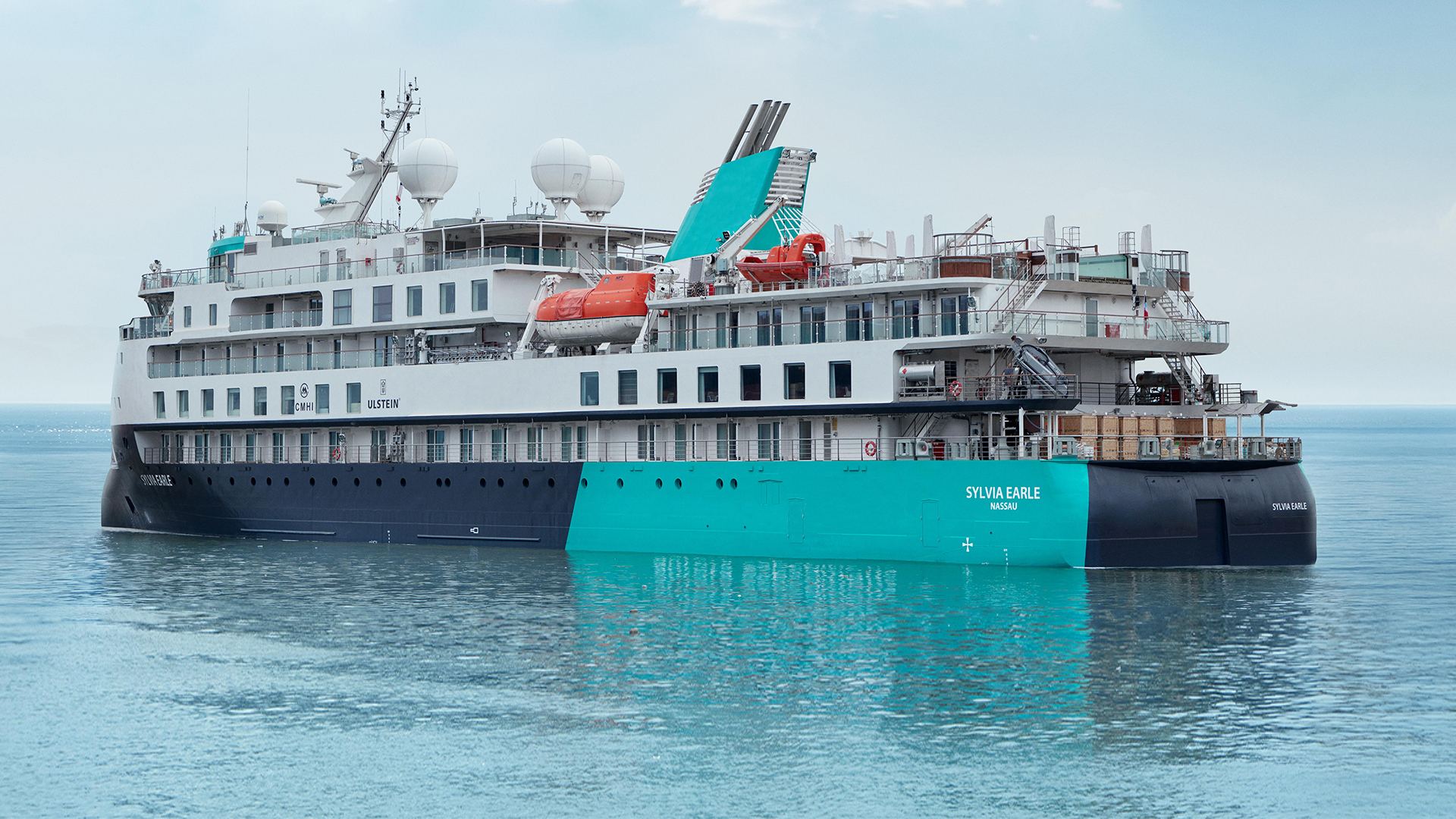
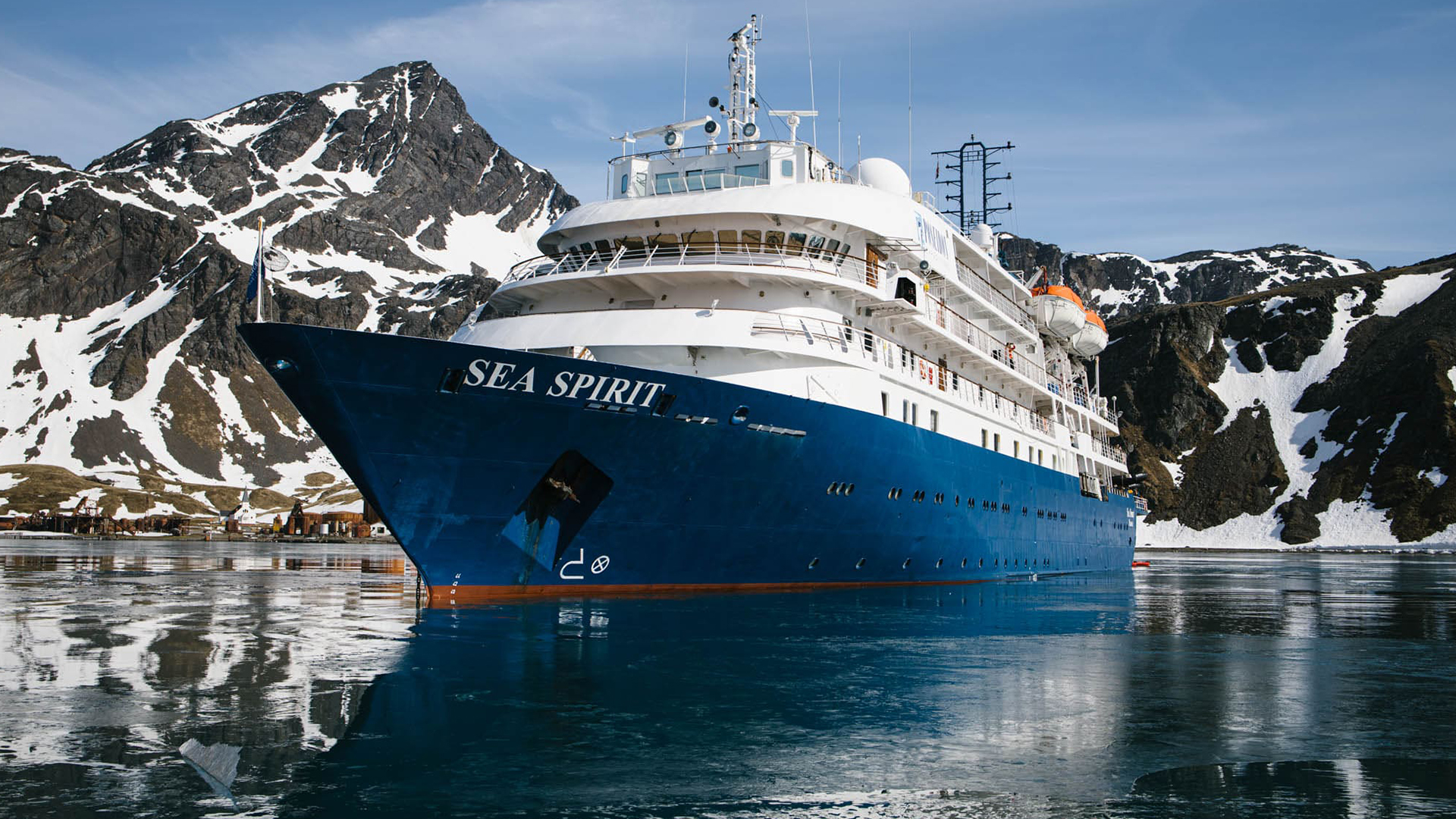
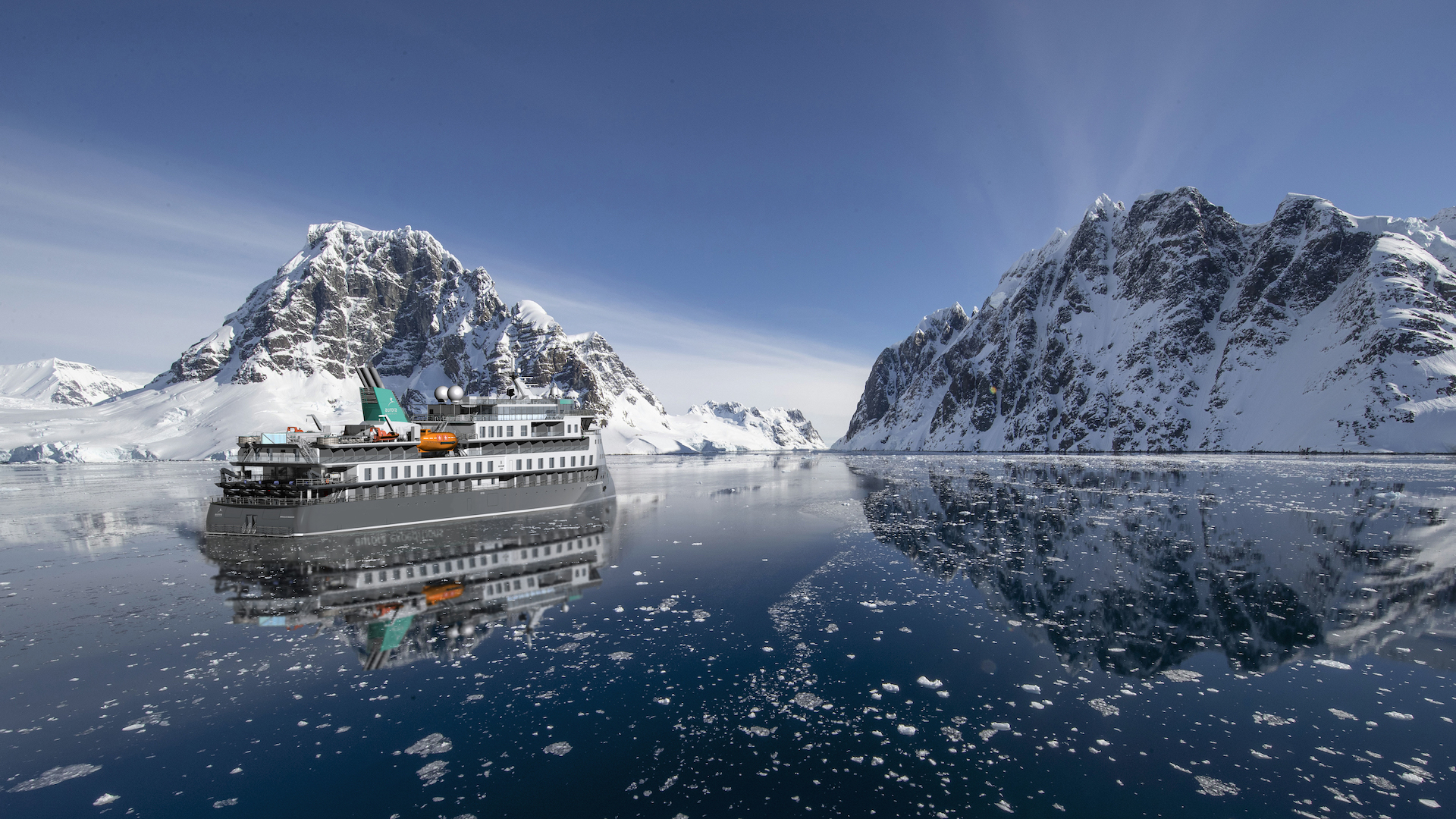
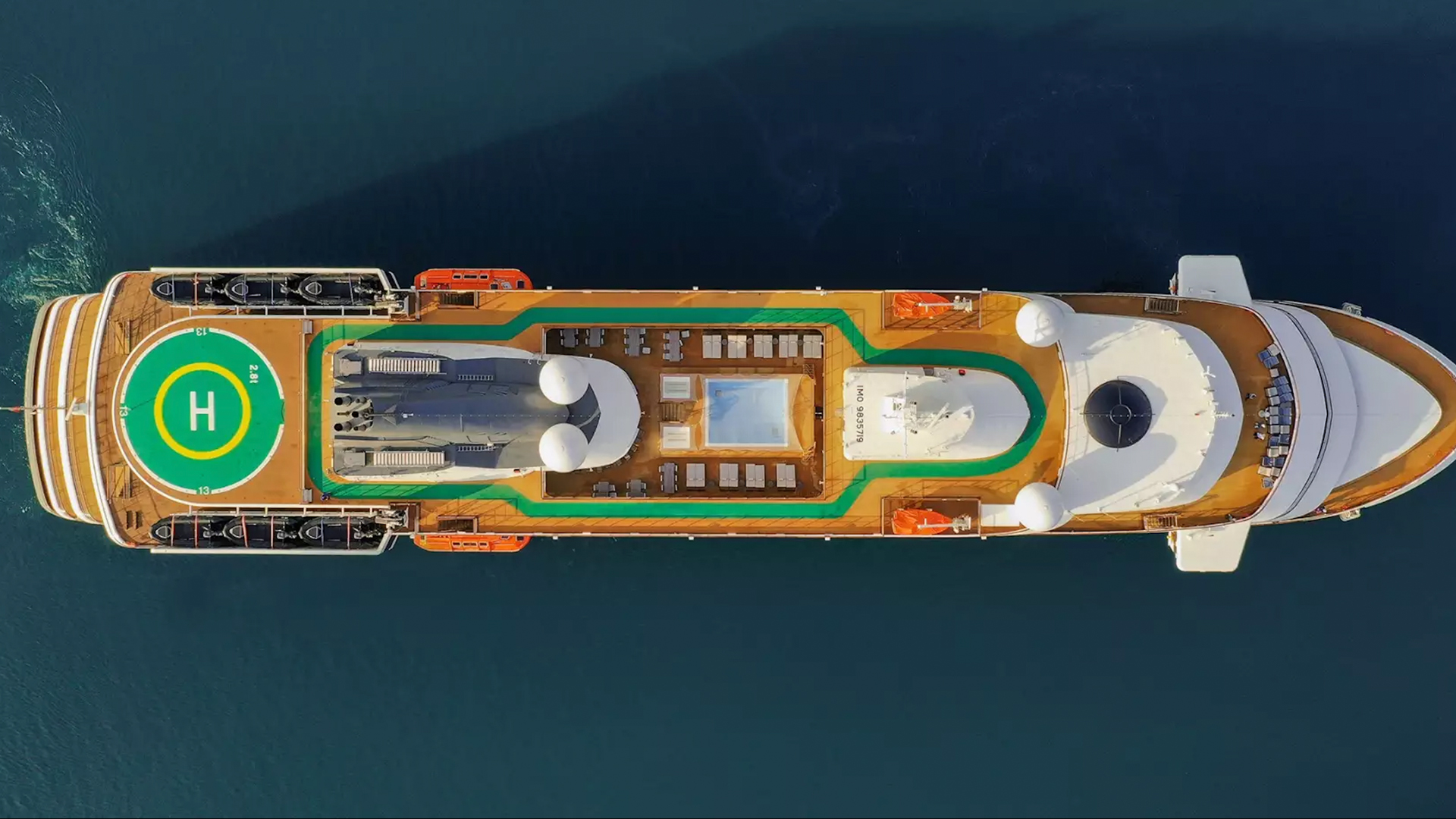
Expedition ships go much deeper. Cruise operator Australis has five- to nine-day itineraries sailing between Ushuaia and Punta Arenas, stopping at Glacier Alley and Wulaia Bay en route, plus Zodiac excursions to shore to allow guests to experience this remote corner of Patagonia on foot.
The Beagle Channel is a storied stretch of water, and one to which a one-day visit cannot do justice. An expedition cruise is a means of going deeper into this fabled part of Patagonia, and our destination experts can craft an itinerary that combines highlights such as the Beagle Channel with private overland tours to iconic destinations such as Torres del Paine National Park.

Cape Horn: Conquering the “End of the Earth”
The Strait of Magellan: Gateway to Patagonia’s Legends
The 10 Best Places To Visit In Chilean Patagonia
Living North: The Indigenous Peoples of the Arctic
Arctic Climate & Weather: How Cold Is The Arctic Really?
What & Where Is The Northwest Passage? Definition & Location
Where Is The South Pole? Antarctica. But There’s 7 Of Them!
Aurora Australis: The Southern Lights
Day & Night, Daylight Hours & The Midnight Sun In Antarctica
Disclaimer
Our travel guides are for informational purposes only. While we aim to provide accurate and up-to-date information, Antarctica Cruises makes no representations as to the accuracy or completeness of any information in our guides or found by following any link on this site.
Antarctica Cruises cannot and will not accept responsibility for any omissions or inaccuracies, or for any consequences arising therefrom, including any losses, injuries, or damages resulting from the display or use of this information.