



































Chilean Fjords Cruises
Highlights
- Explore firsthand some of the planet’s best examples of fjords, including Montañas Fjord, the Messier Channel, and Aisén Fjord.
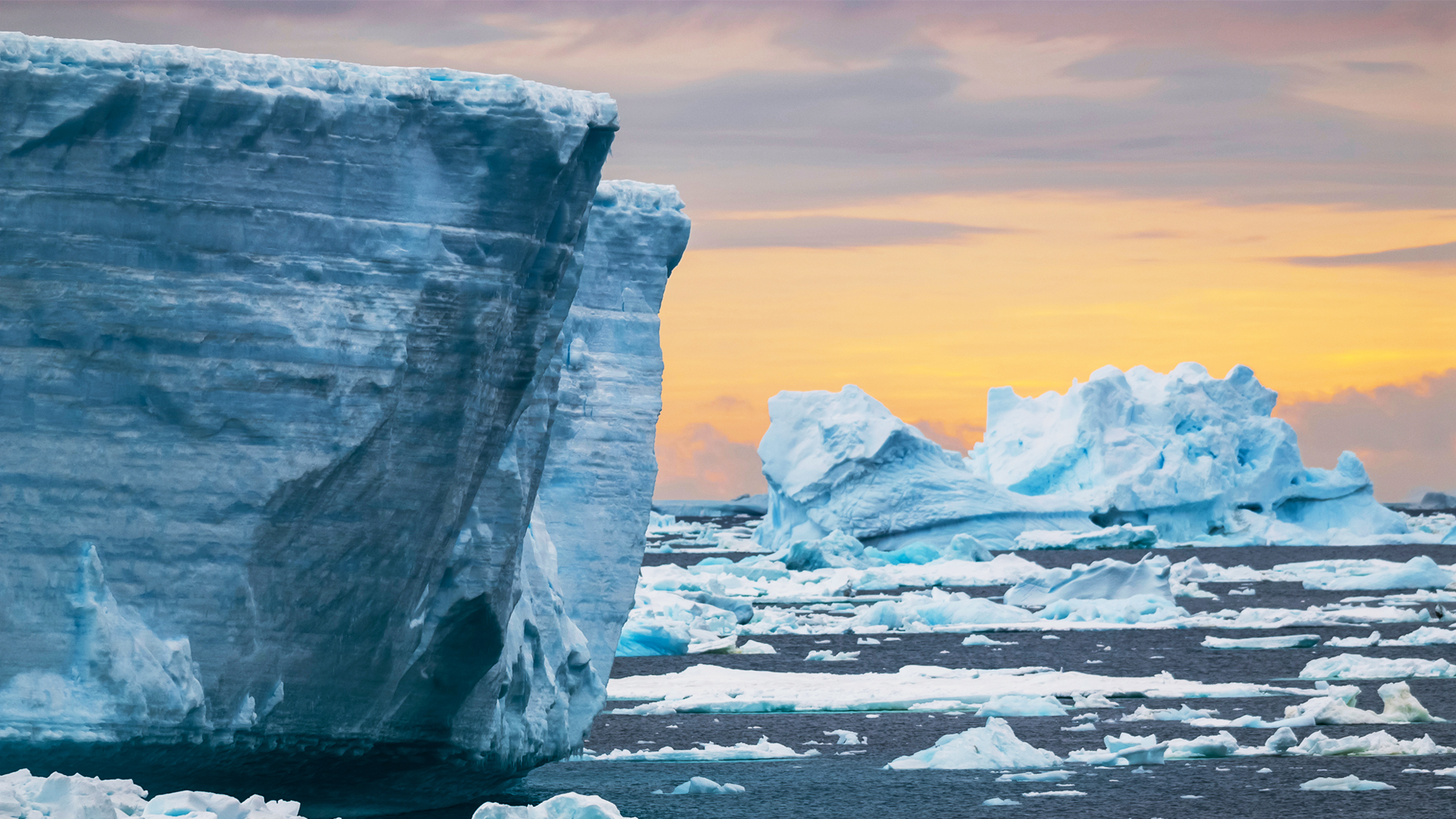
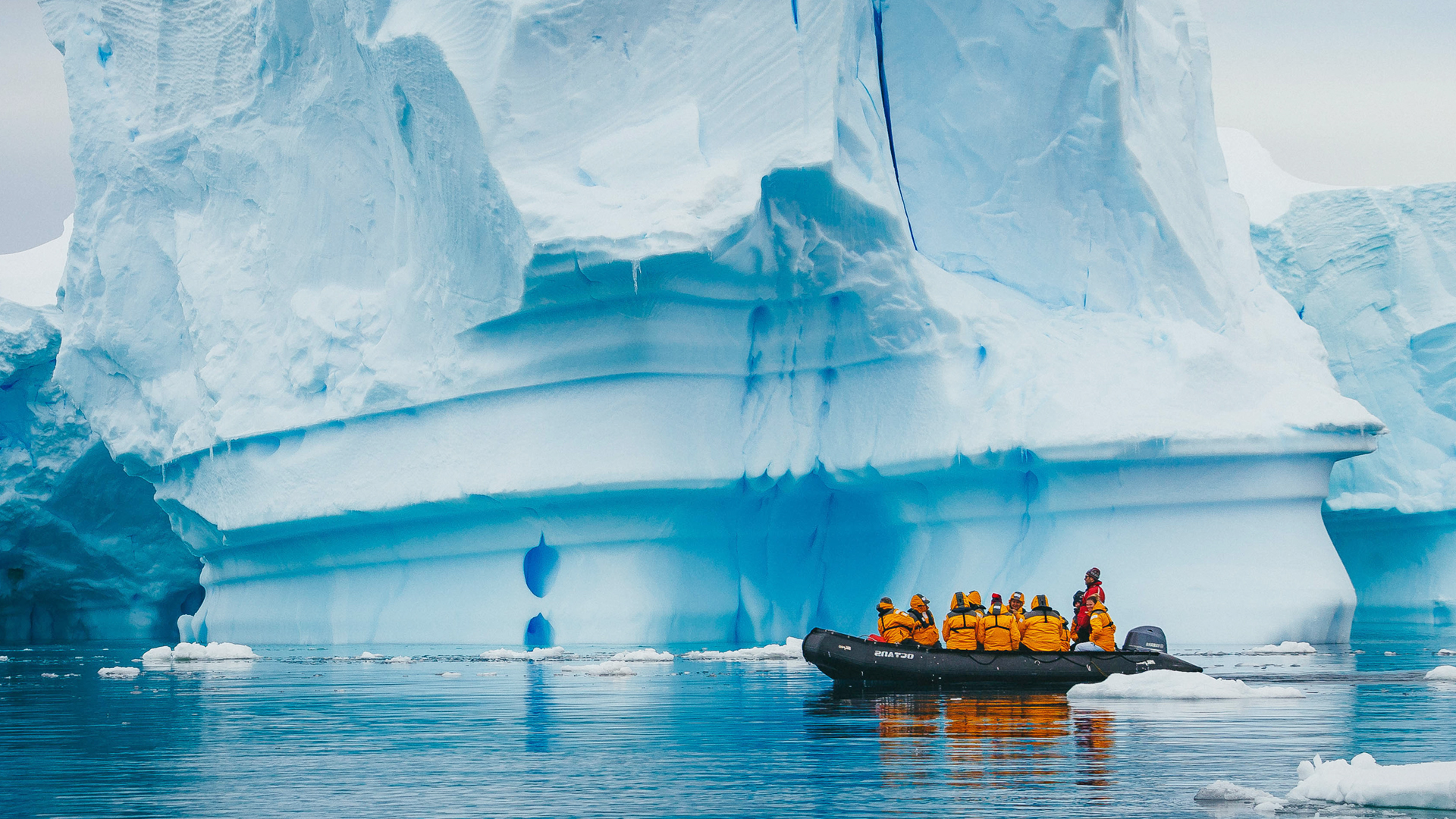
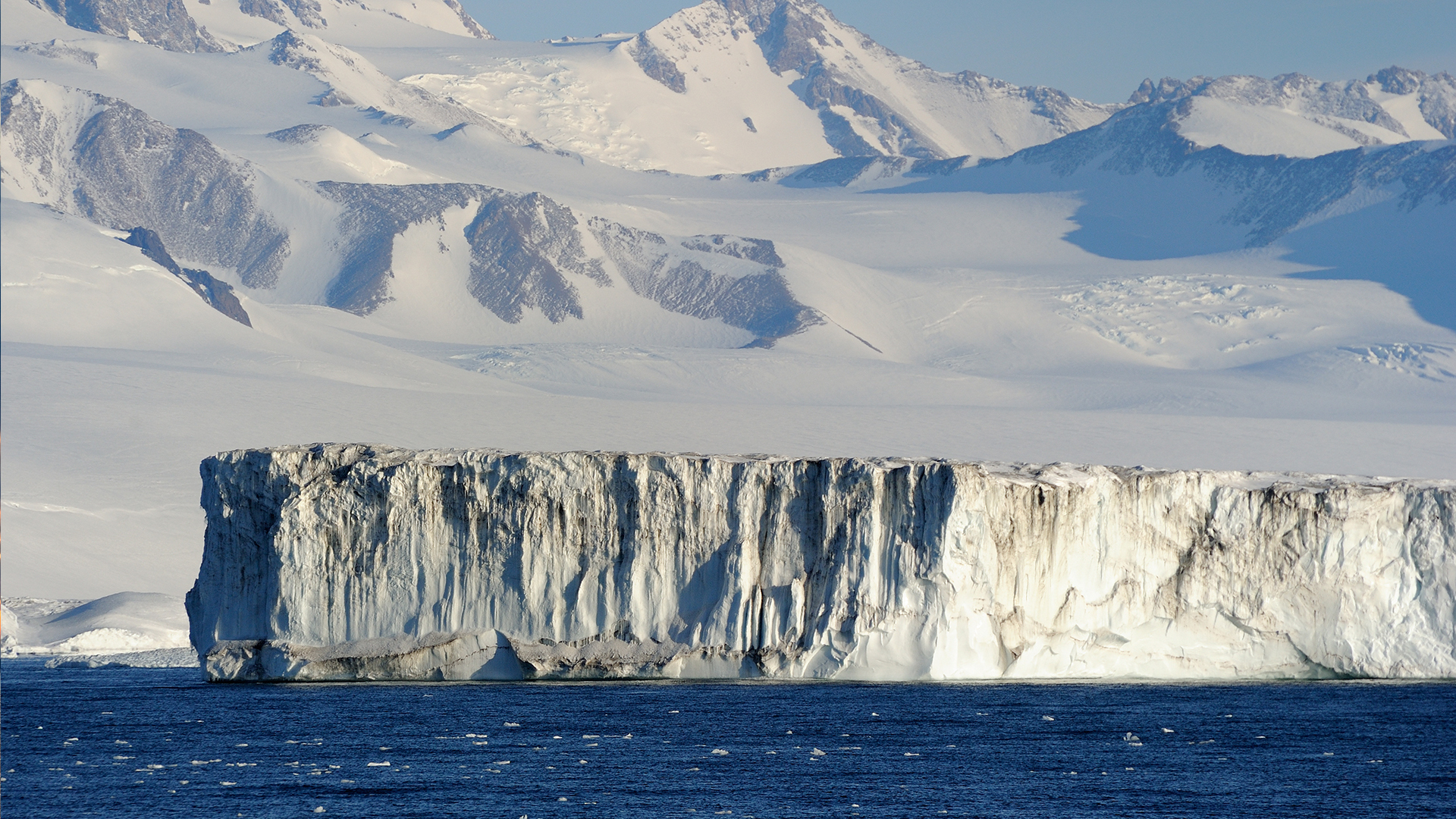
- See remarkable tidewater ice-streams such as the Pío XI Glacier—among the few of its kind in the world that has shown growth in recent decades—and the Jorge Montt Glacier, and sometimes the icebergs shed off their snouts.
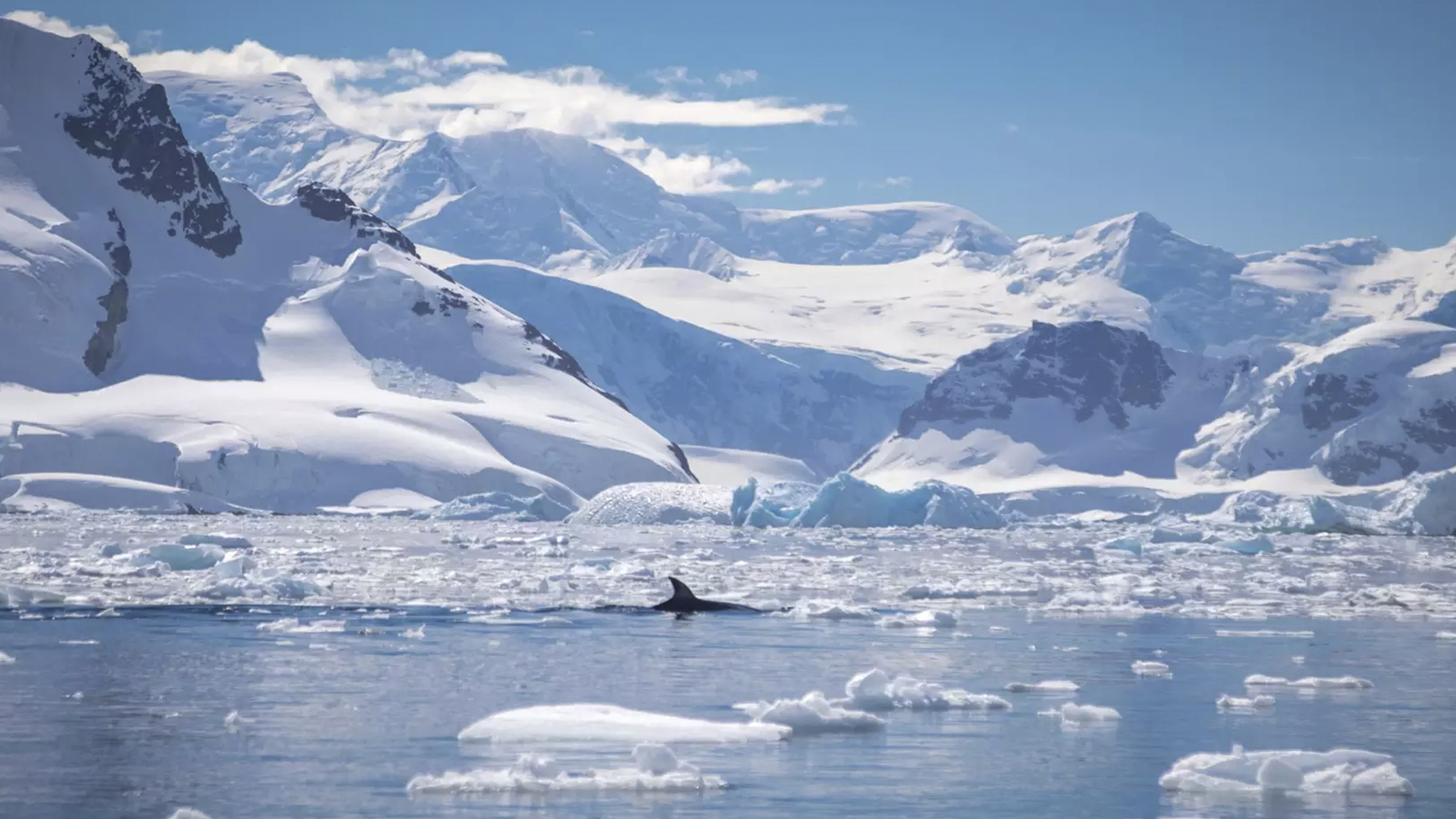
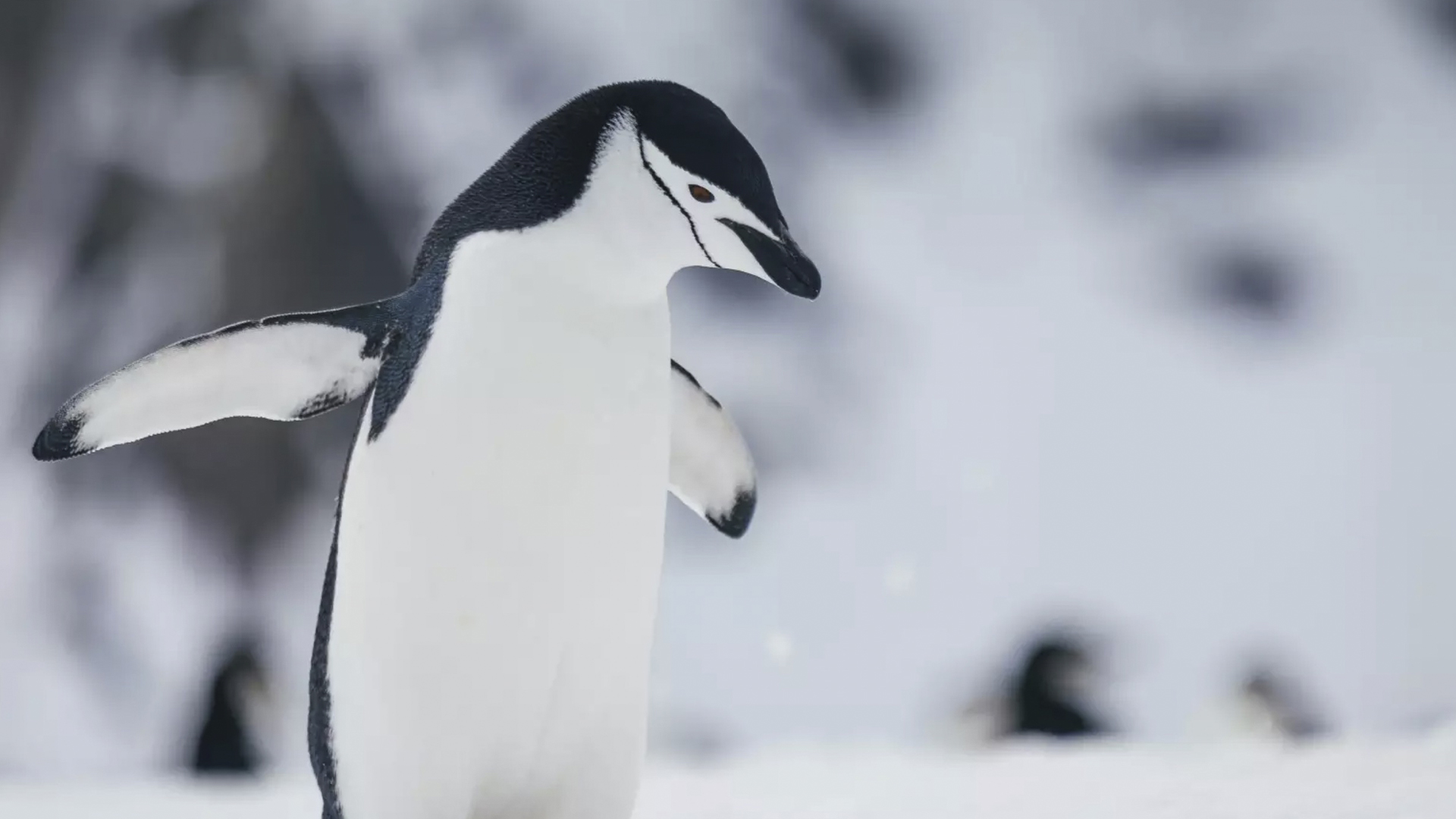
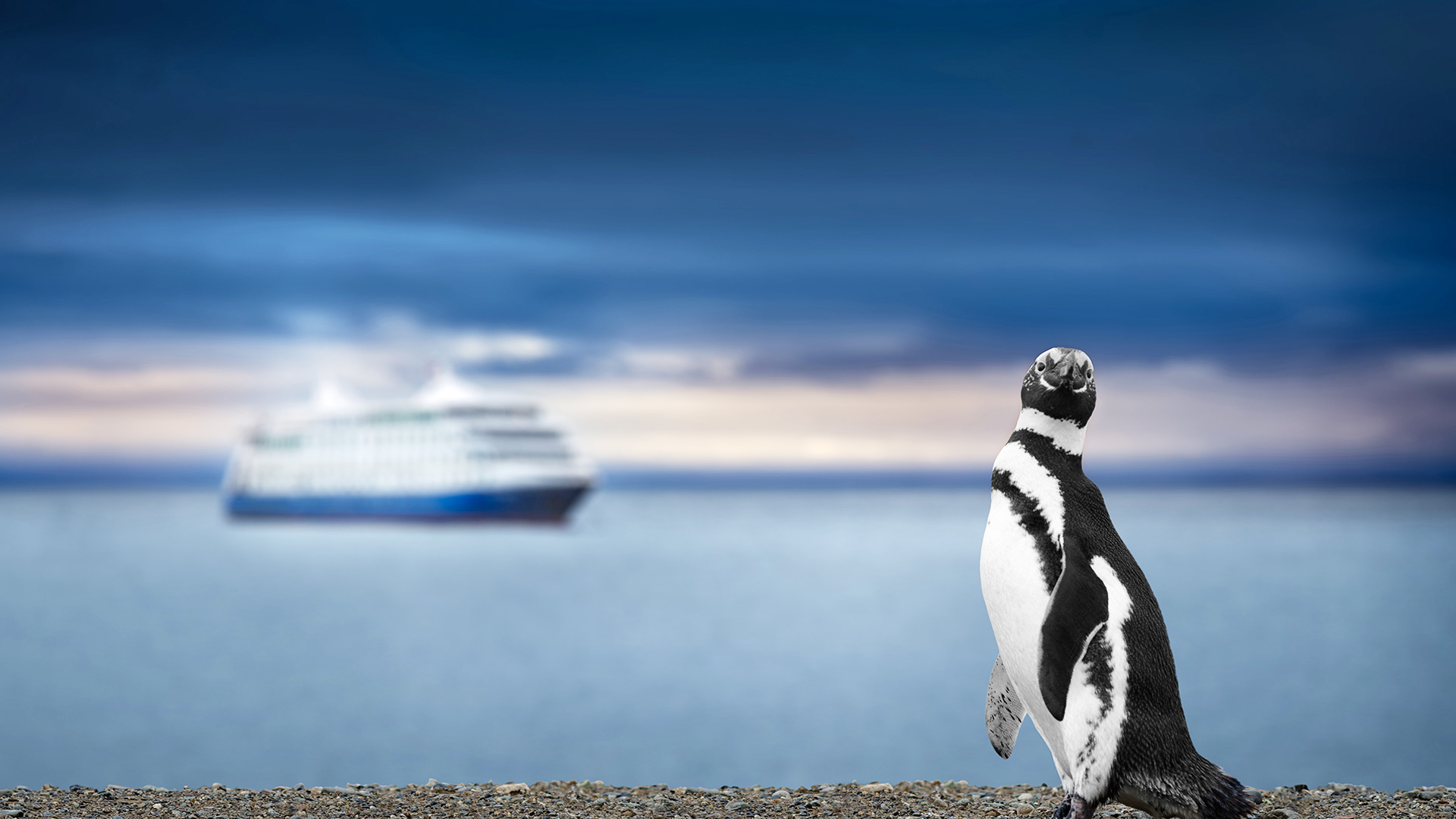
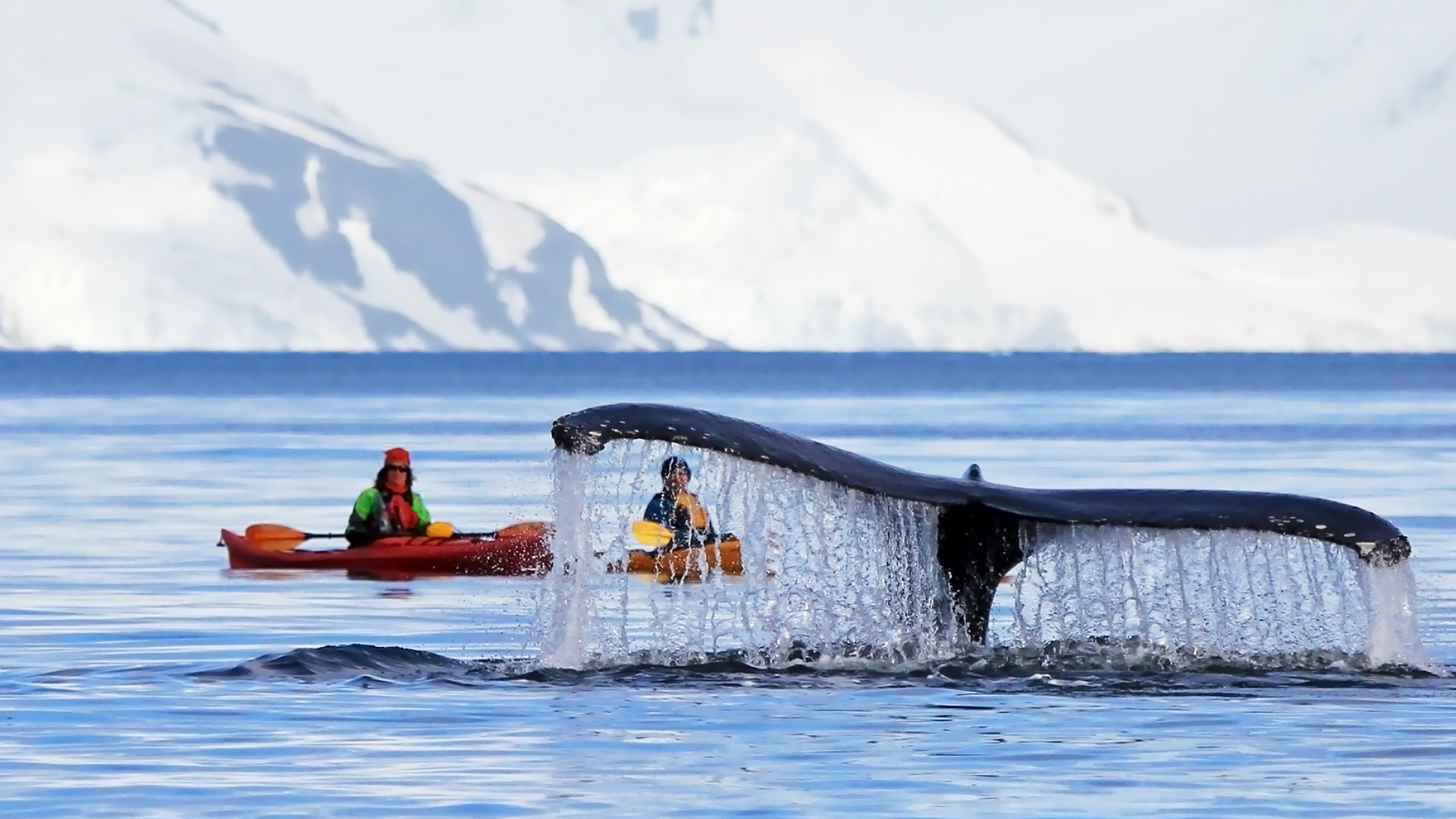
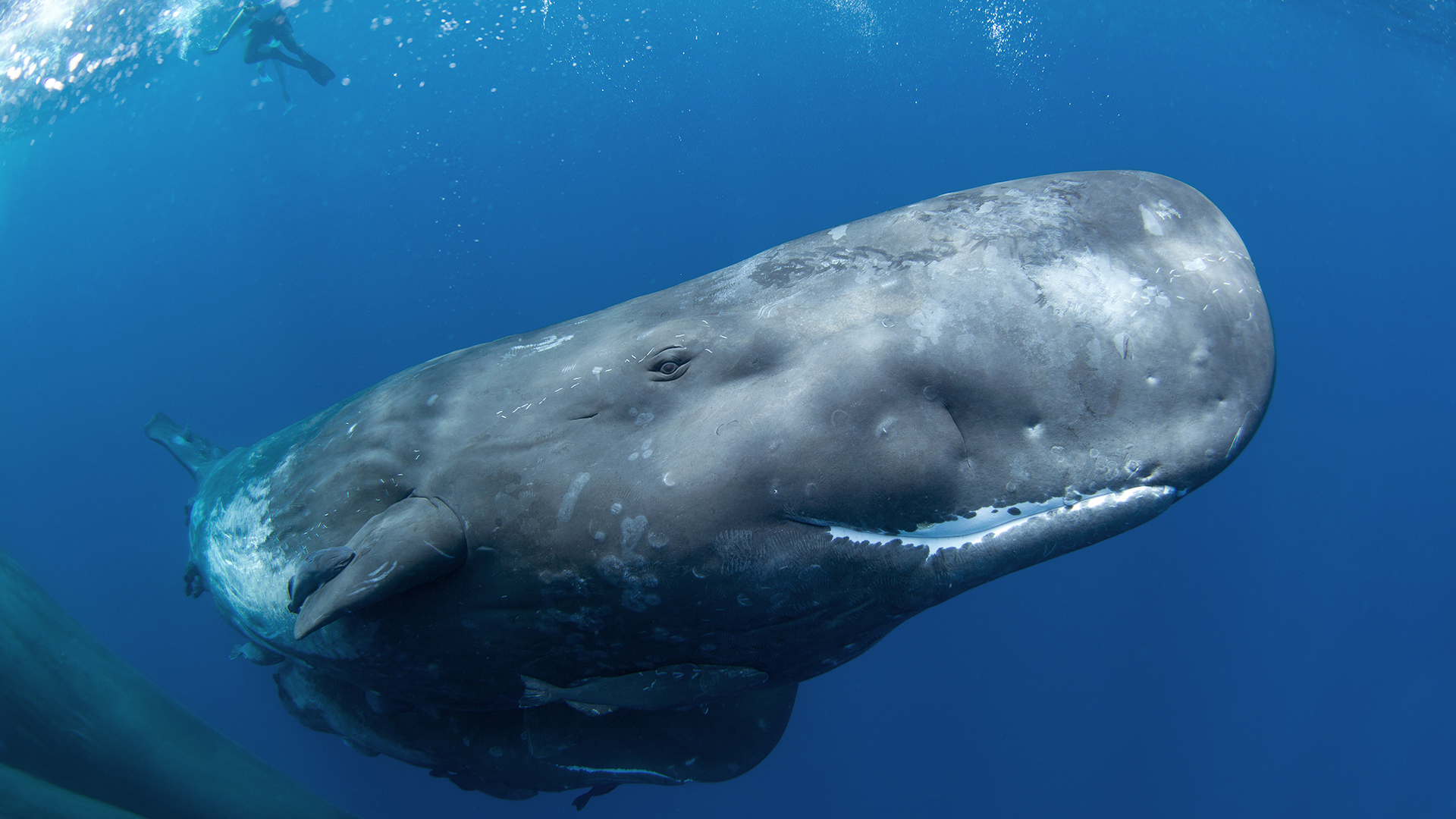
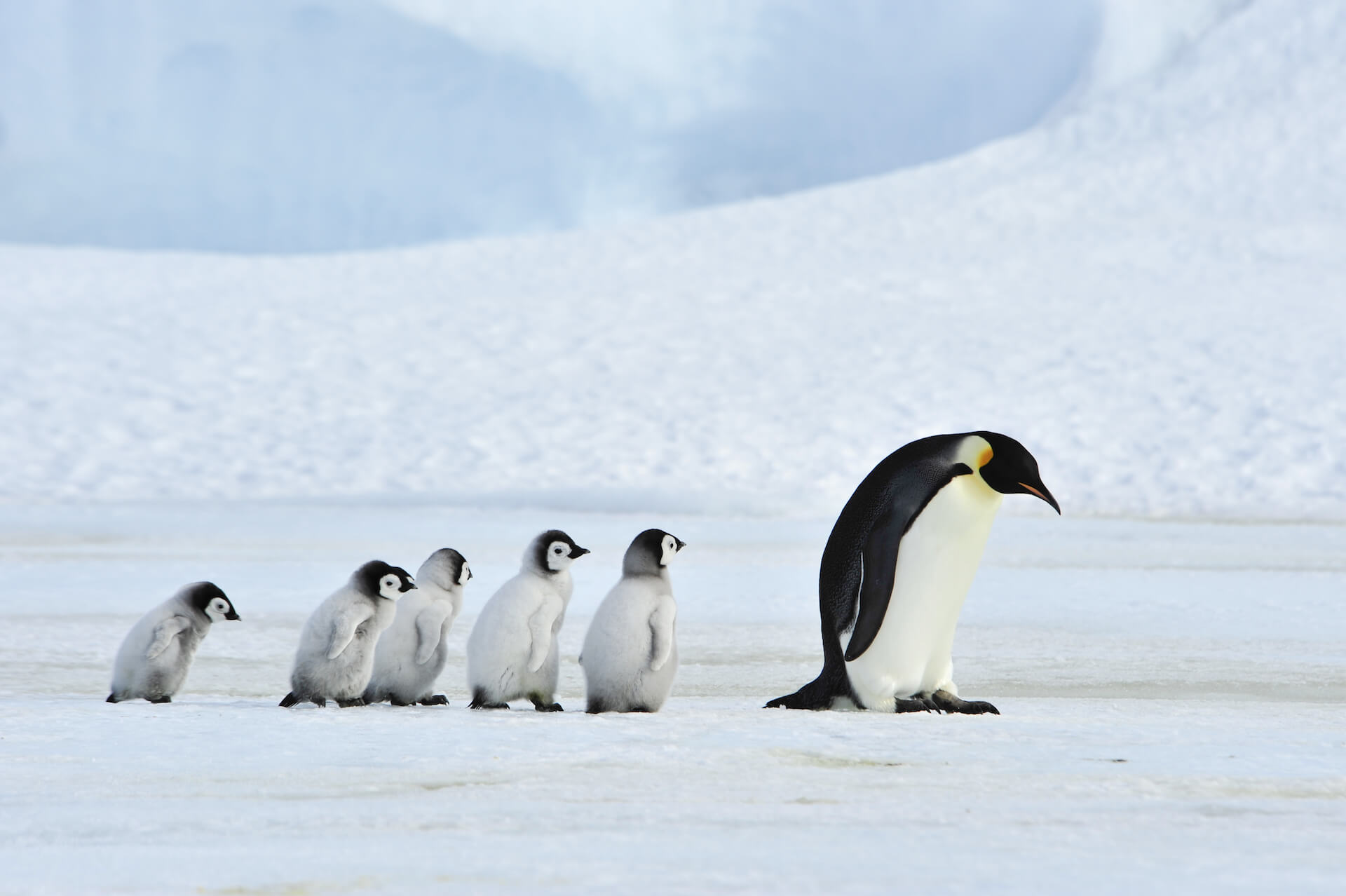
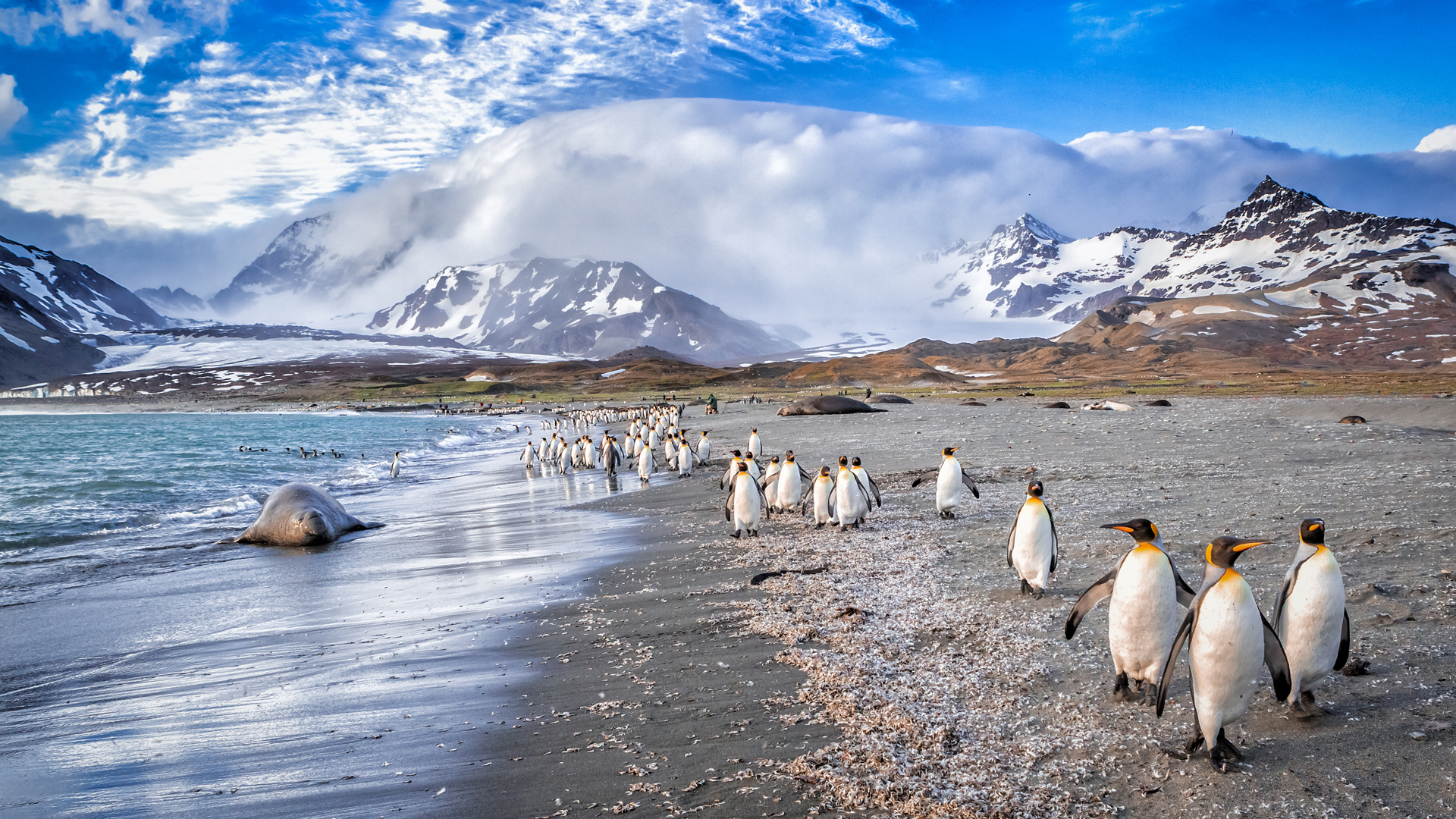
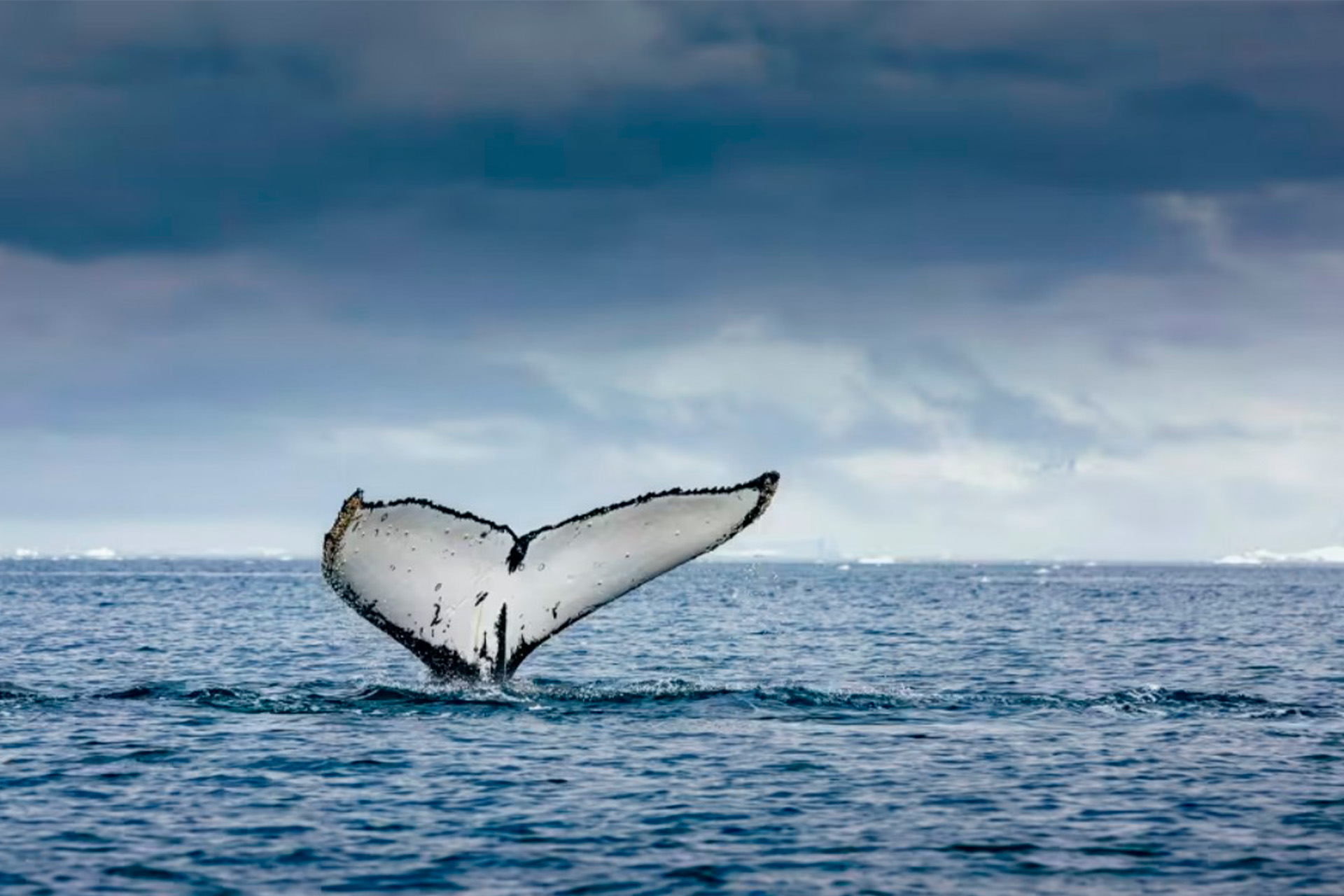
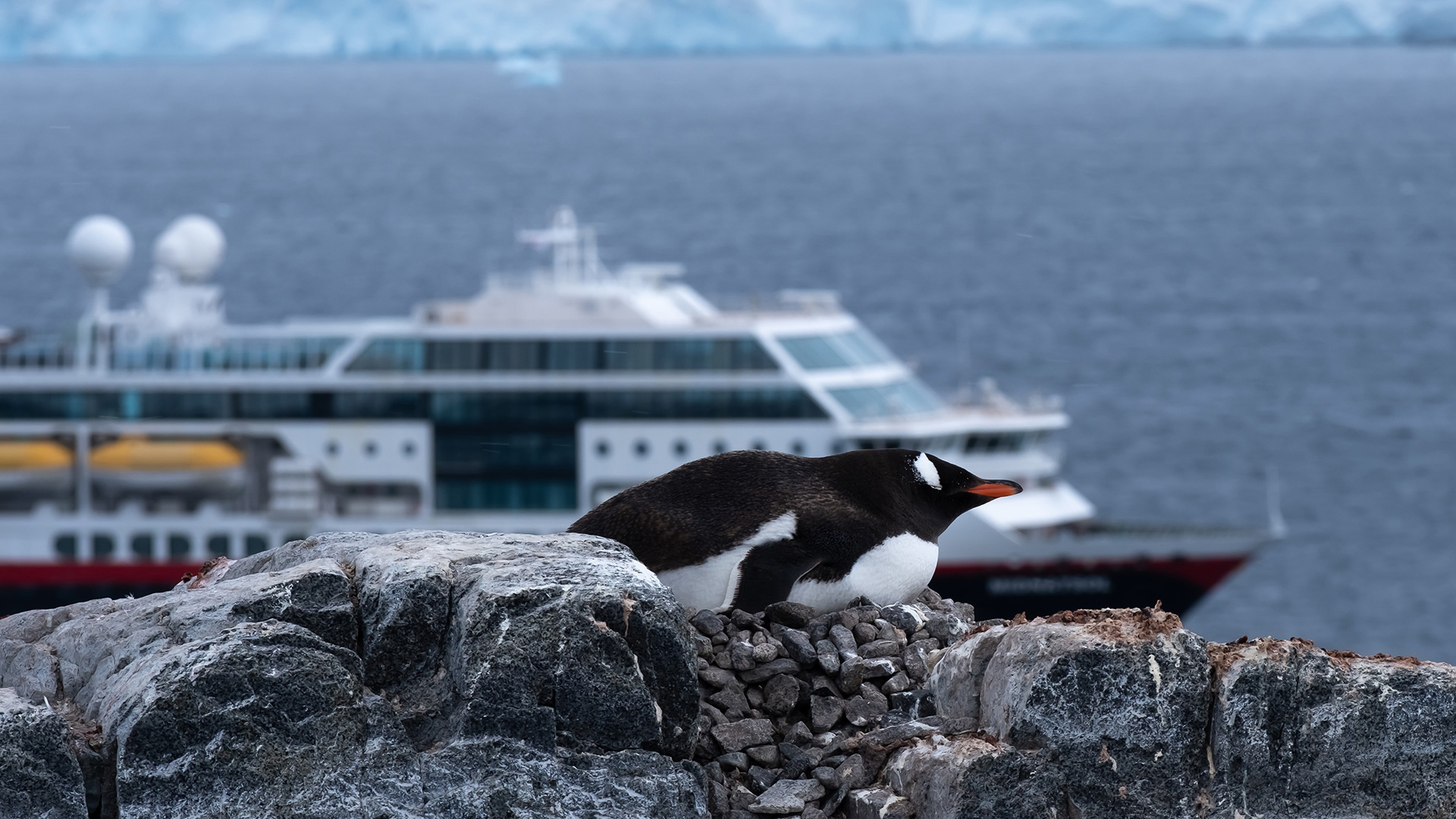
- Watch for a rich array of marine mammals, from Peale’s and Chilean dolphins to humpback and blue whales, as well as Magellanic penguins.
- Experience some of the world’s most unique vegetation communities in the form of lush Valdivian temperate rainforest and its equally luxuriant, epiphyte-strewn southerly counterpart, the Magellanic subpolar forest.
- Visit one of Chile’s most farflung settlements, Puerto Eden, home to the traditionally seafaring indigenous Kawésqar people.
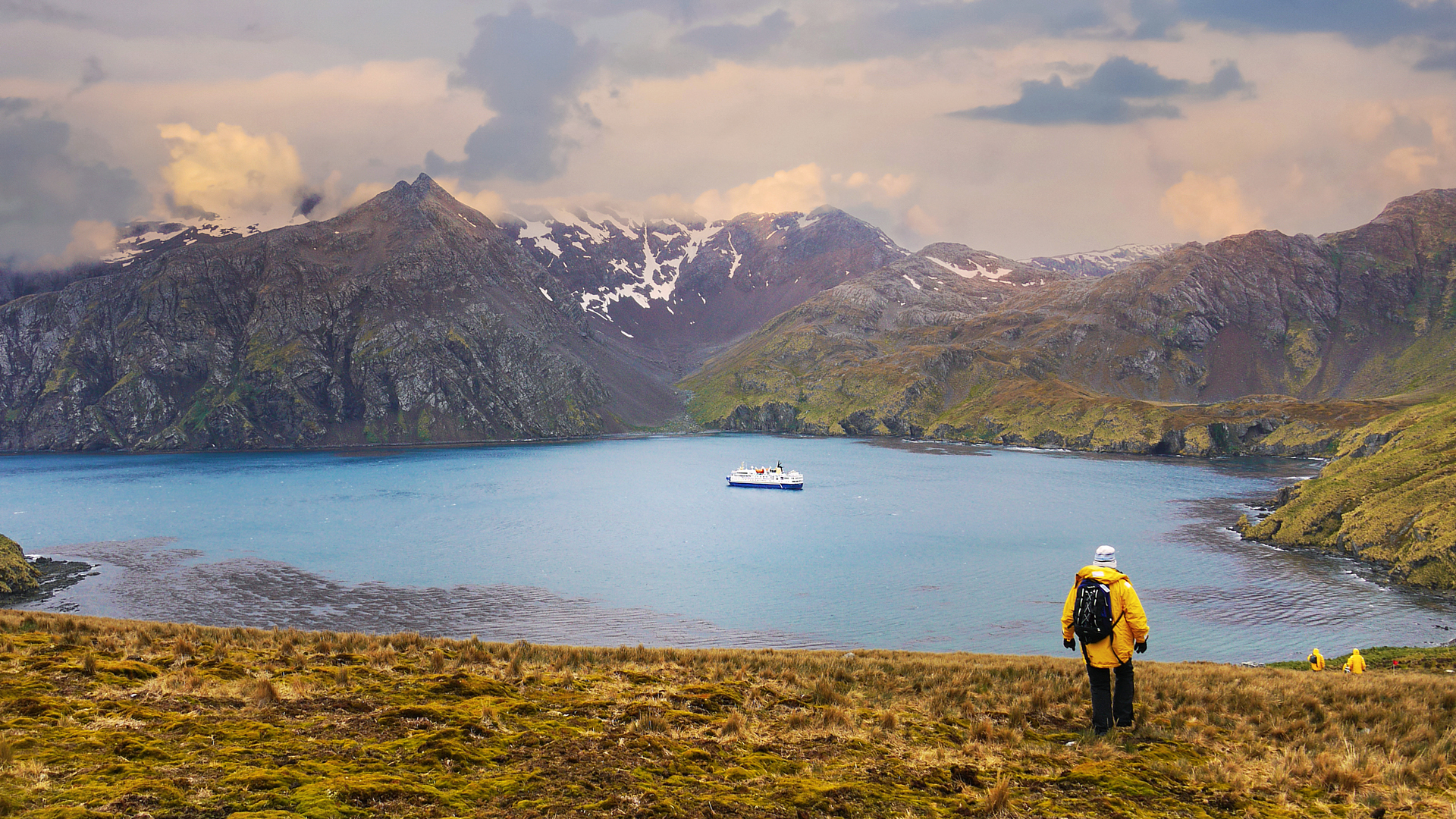
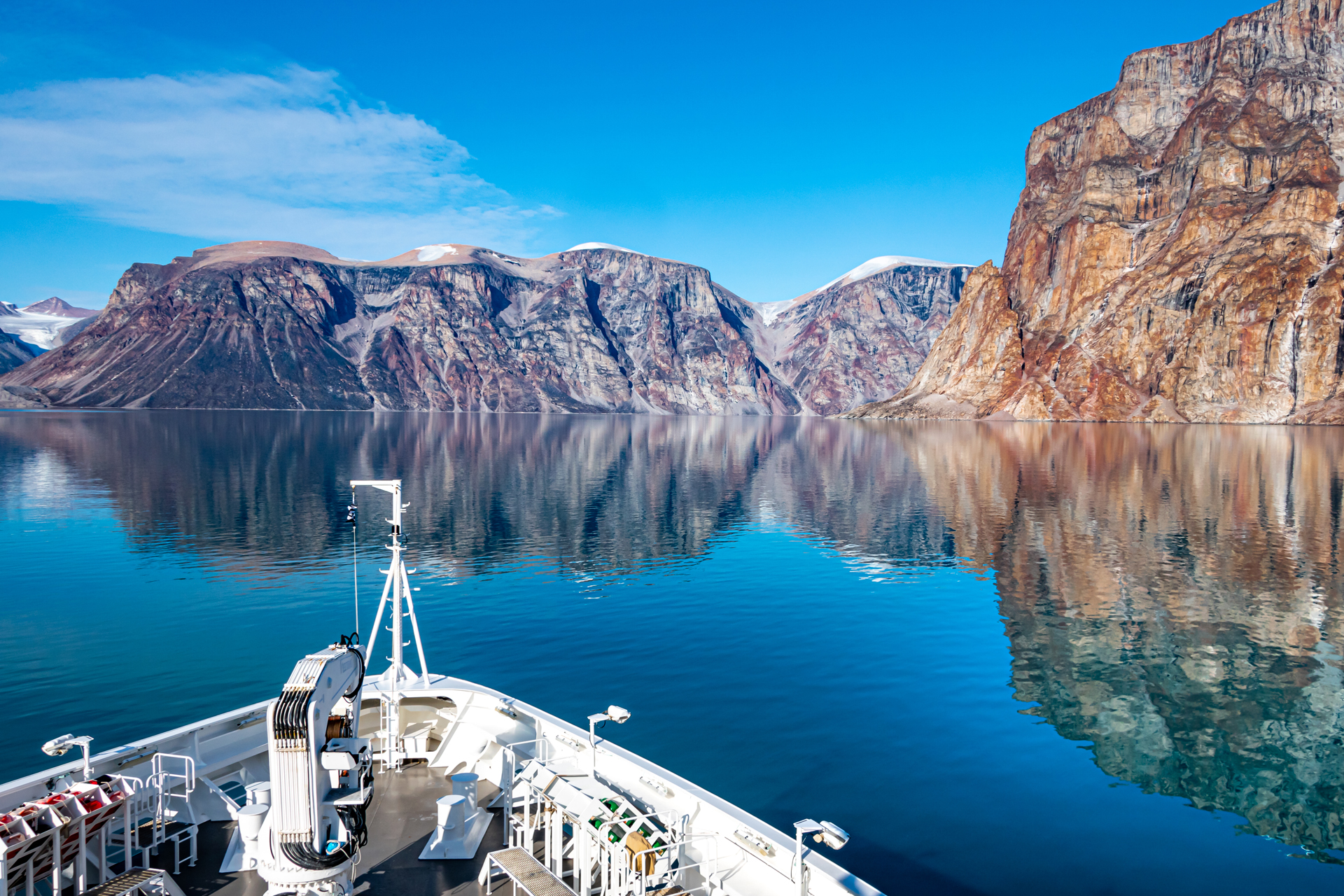
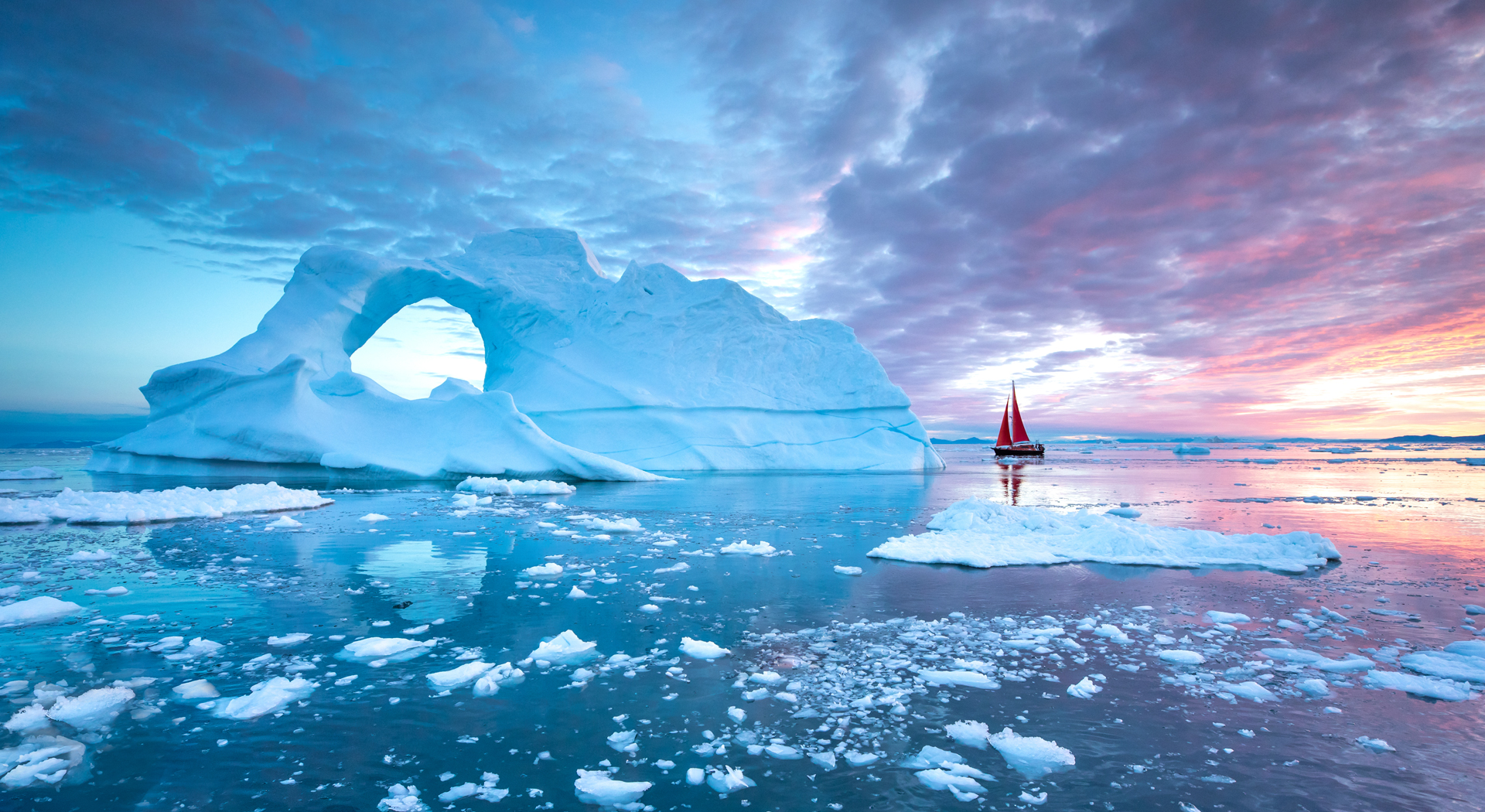
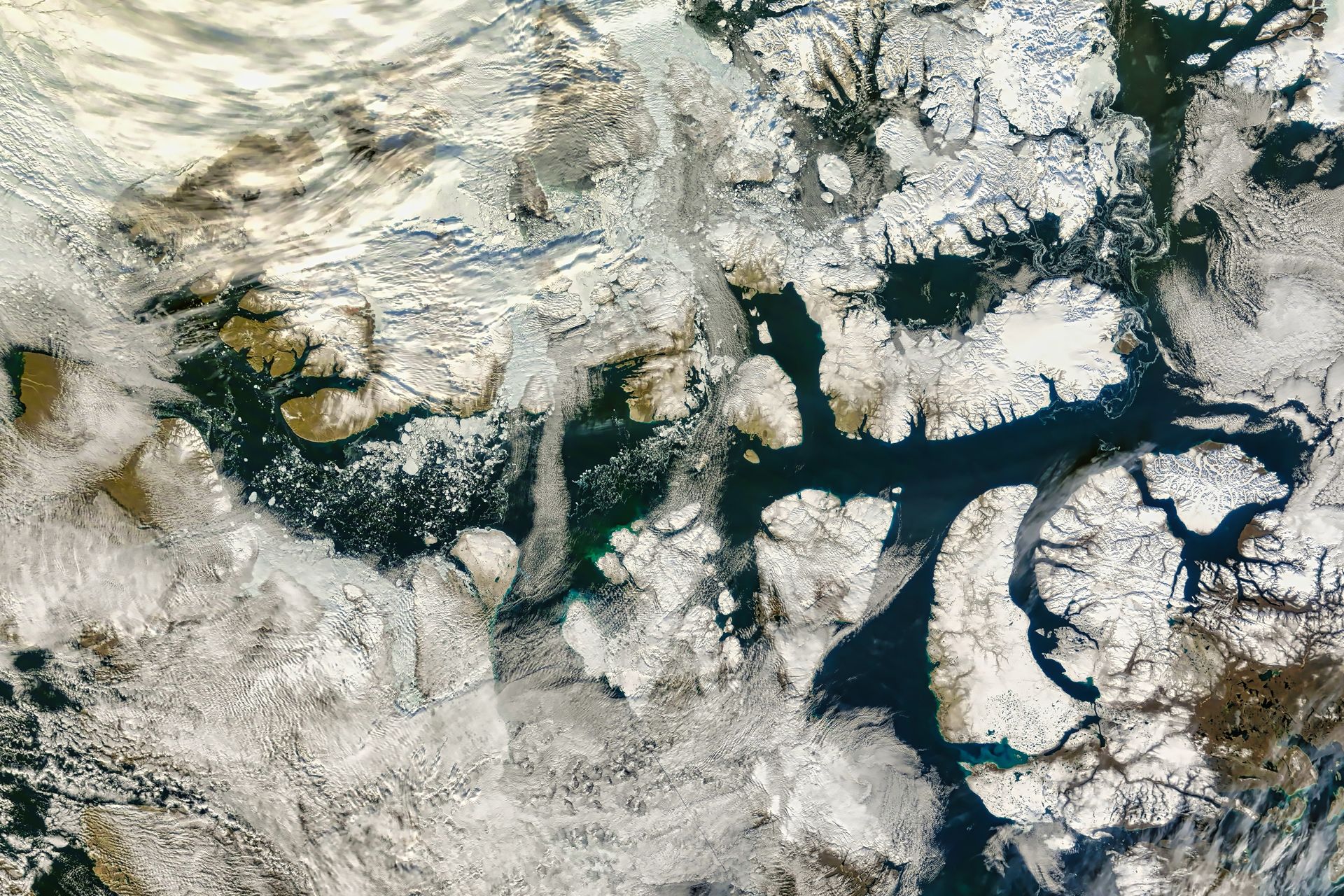
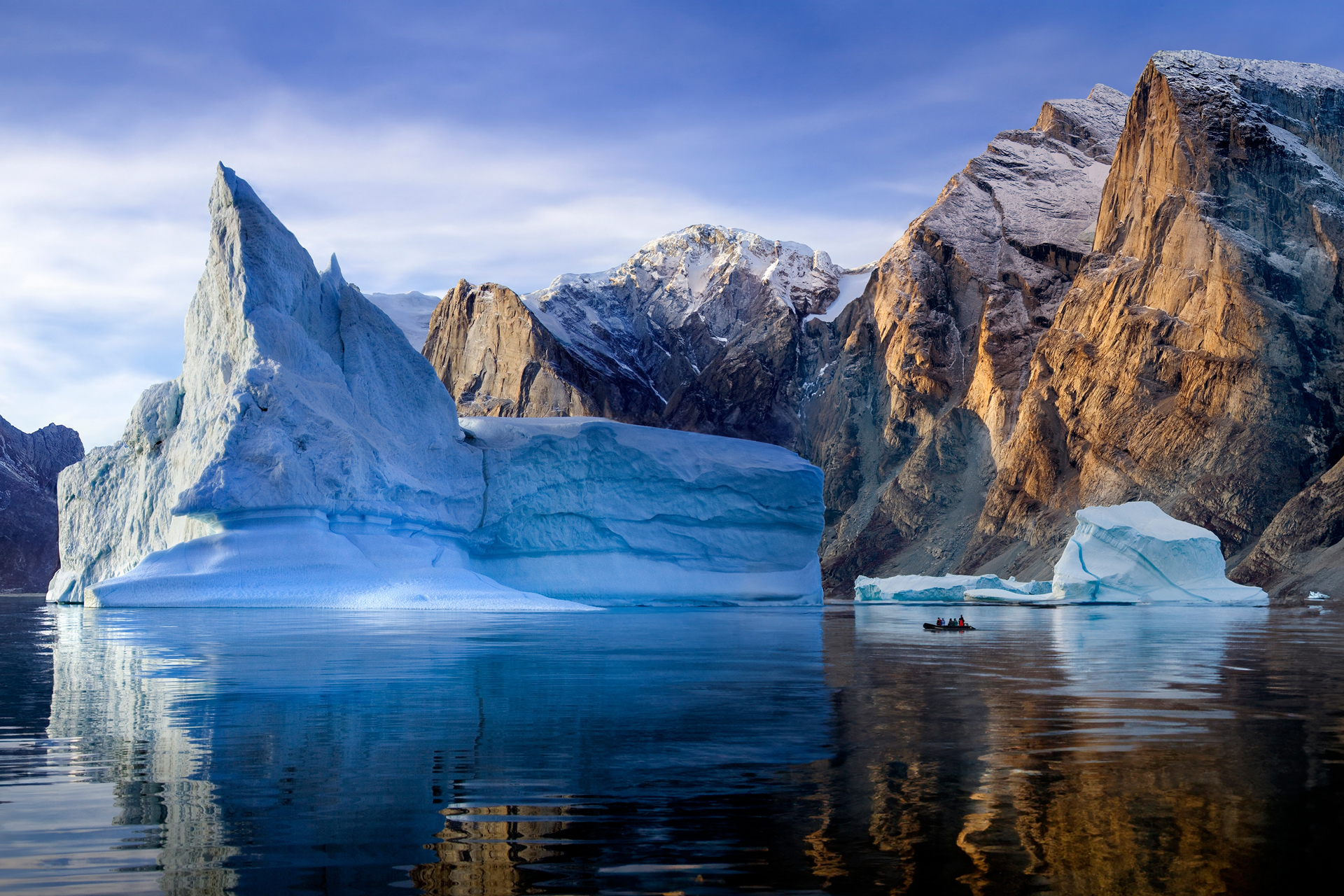
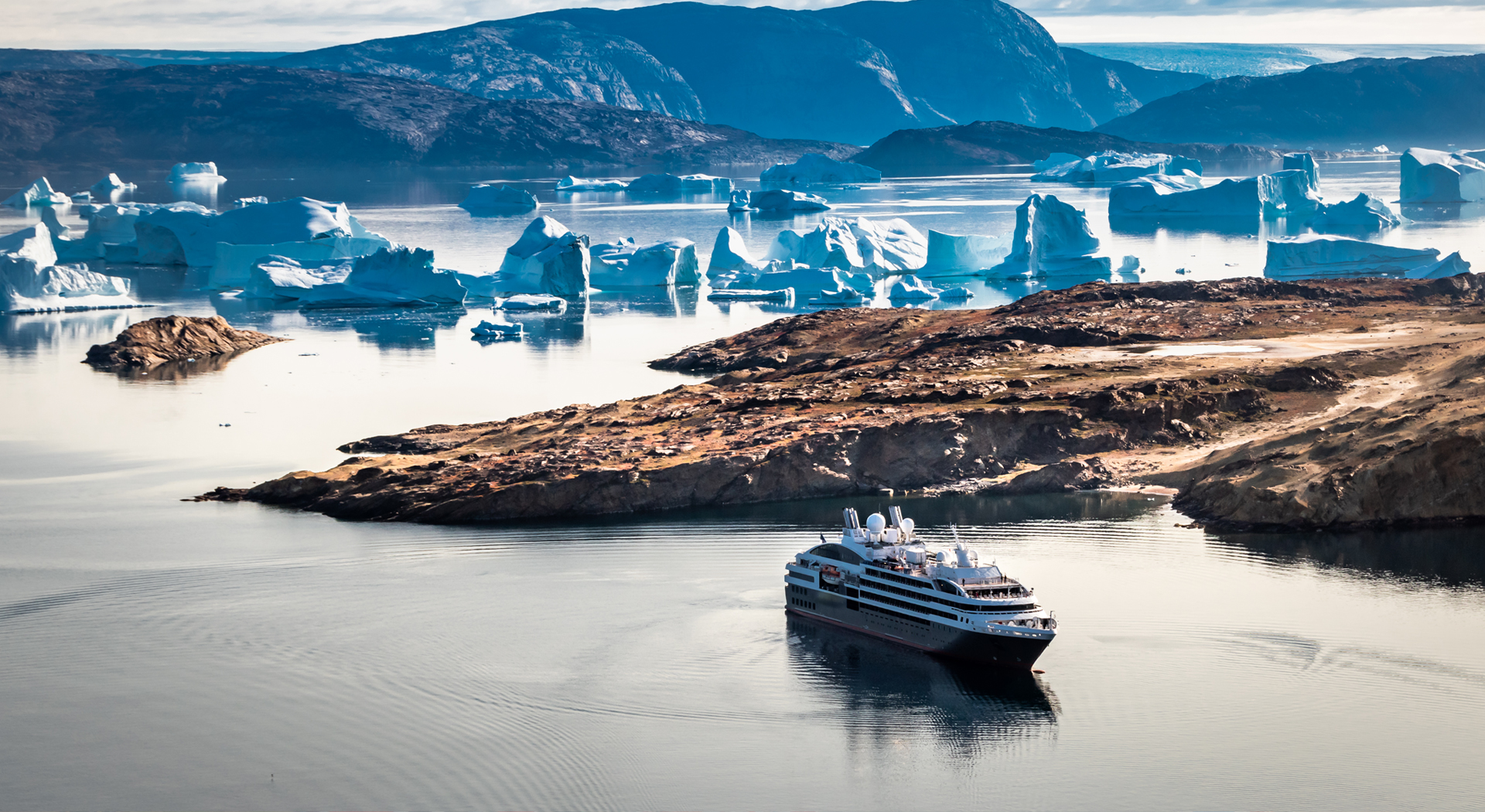
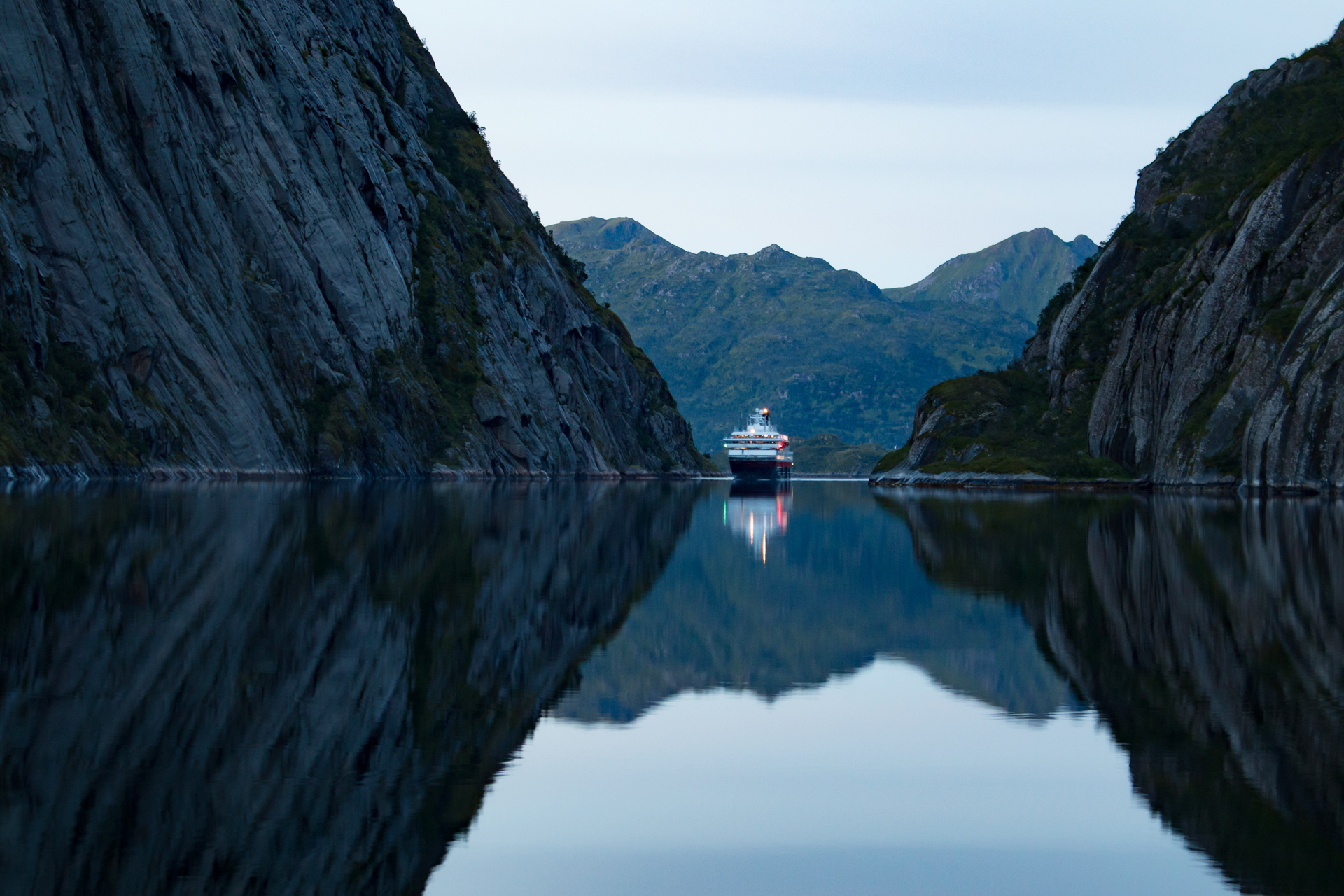
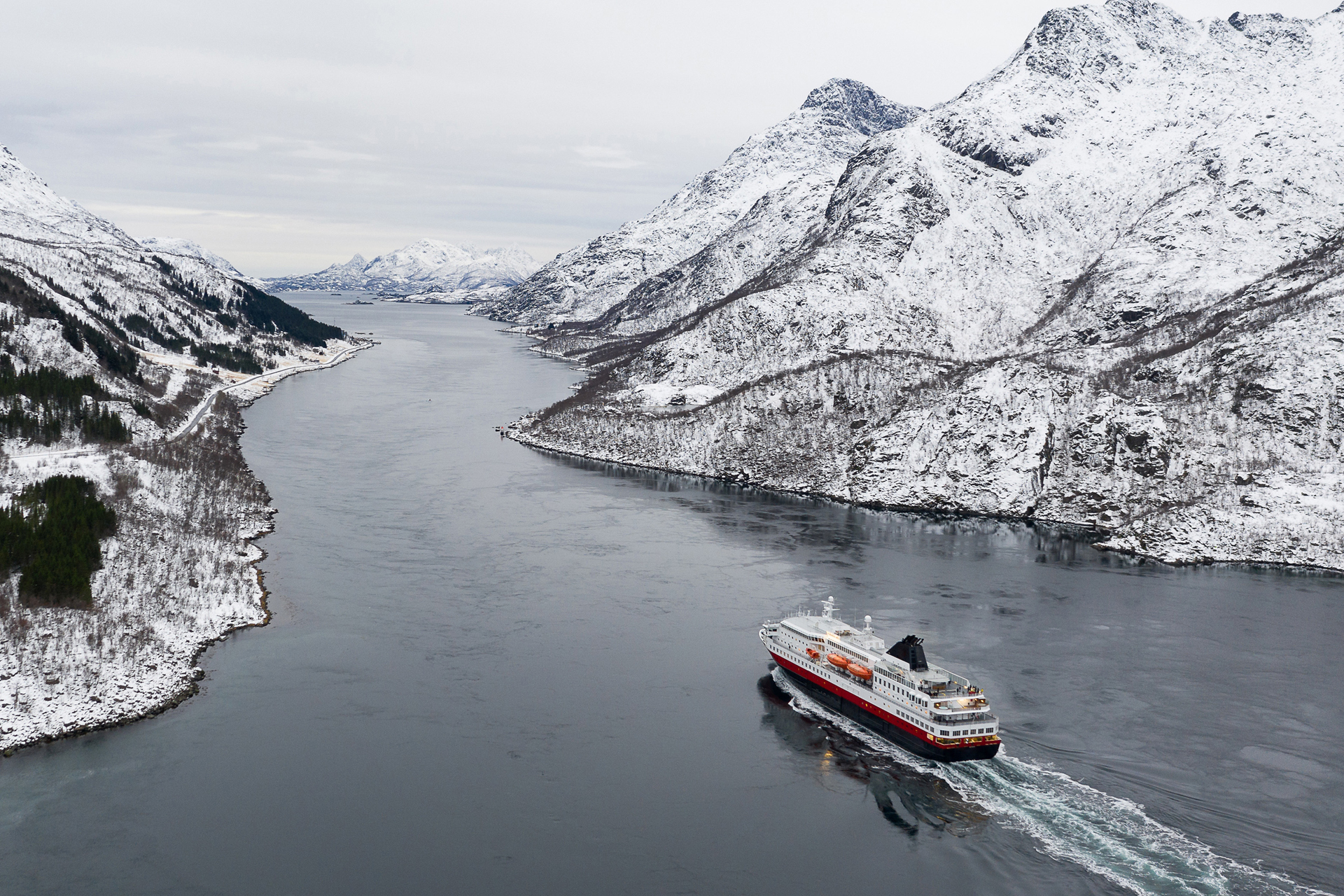
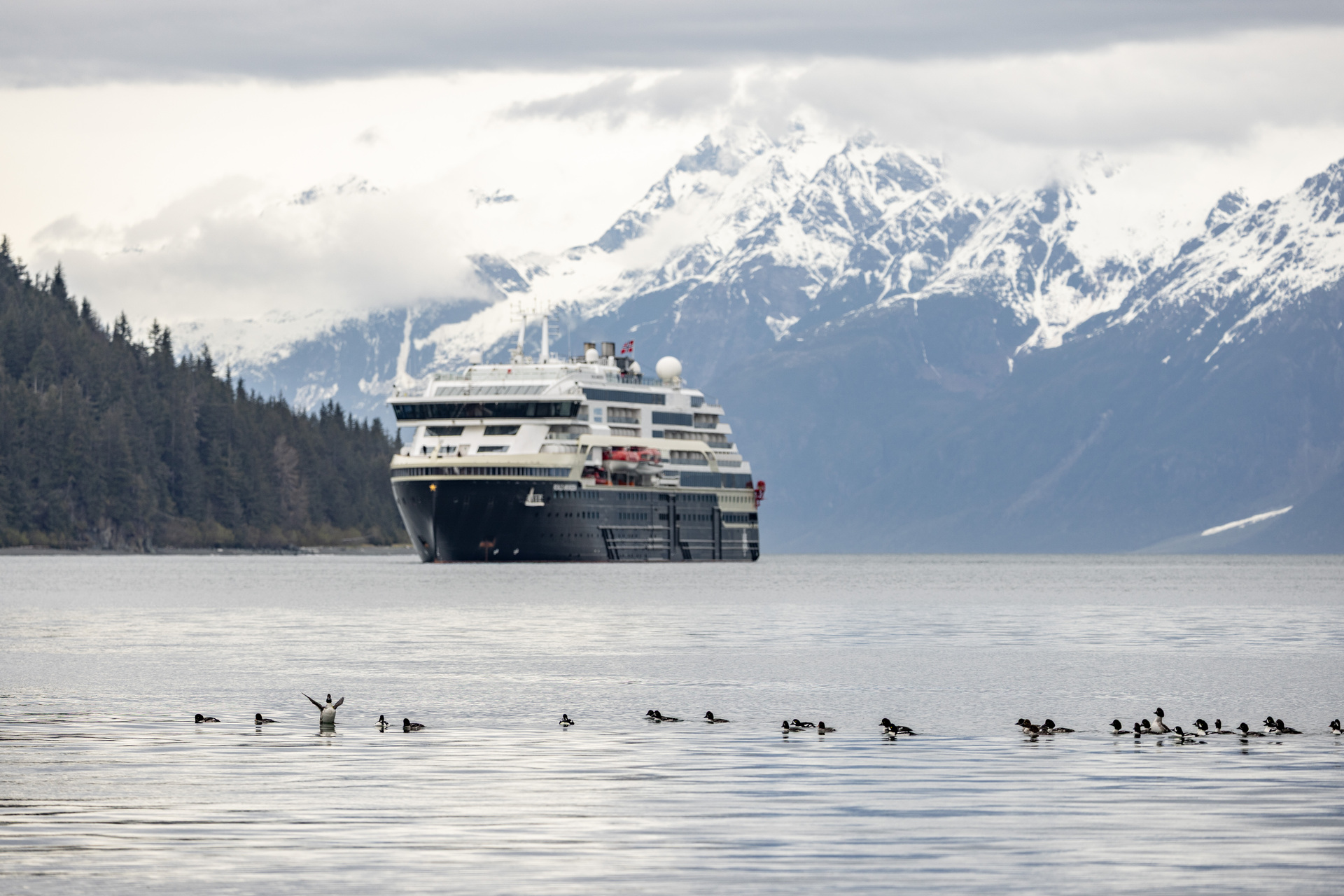
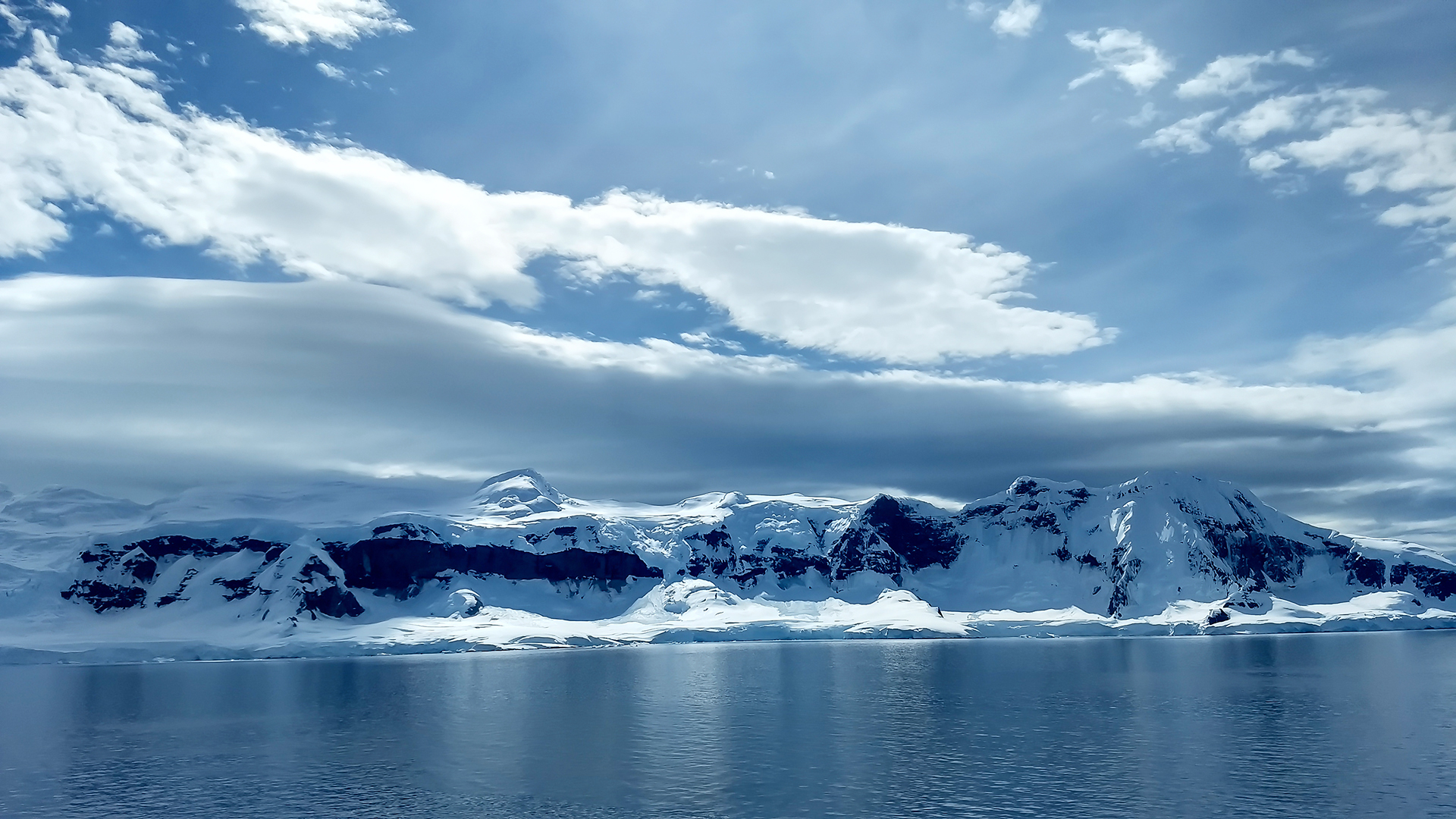
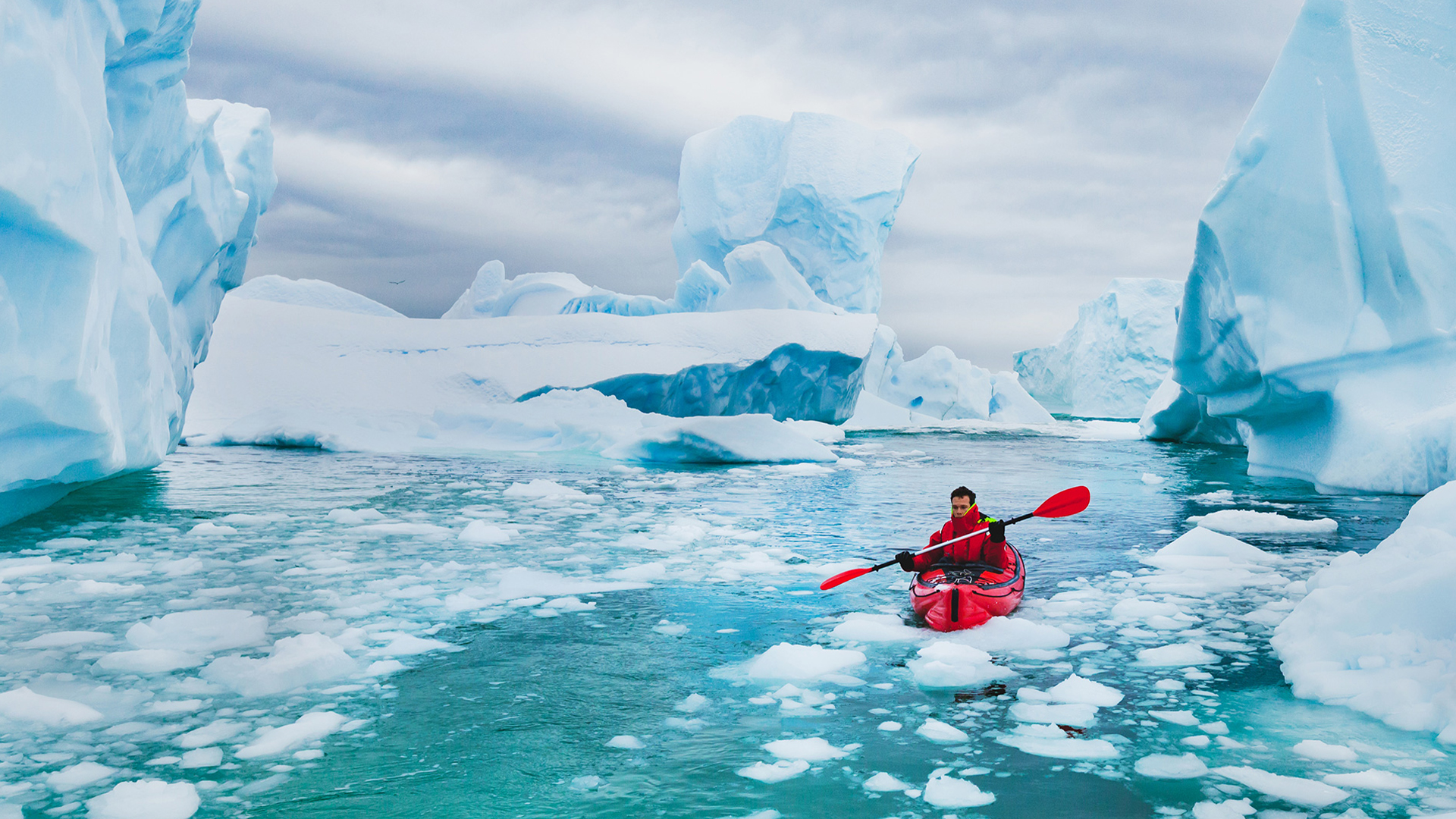
The staggeringly majestic landform known as a fjord—a glacially gouged, steep-sided trough filled with seawater—reaches pinnacle expression in a few select corners of the world, and southwestern Chile is absolutely one of them. Cruise through channels, straits, and sounds walled by oceanfront mountainsides, plied by great whales and other marine life, and headed by mighty tidewater glaciers that drain out of the superlative Southern Patagonian Icefield—the greatest reserve of glacial ice in the Southern Hemisphere outside of Antarctica—and calve bergs into the narrow waterways.
From the slapping flukes of a humpback or the spout of a blue whale to the misty, sea-kissed lushness of a Valdivian temperate rainforest, this is one of the truly magical corners of the planet, and there’s no better way to see it than by ship. Few places combine land and sea so sublimely as this immaculately indented Chilean coastline, woven with an unforgettable sense of pristine wildness—and some fascinating culture, as well.


About Chilean Fjords Cruises
The staggeringly majestic landform known as a fjord—a glacially gouged, steep-sided trough filled with seawater—reaches pinnacle expression in a few select corners of the world, and southwestern Chile is absolutely one of them. Cruise through channels, straits, and sounds walled by oceanfront mountainsides, plied by great whales and other marine life, and headed by mighty tidewater glaciers that drain out of the superlative Southern Patagonian Icefield—the greatest reserve of glacial ice in the Southern Hemisphere outside of Antarctica—and calve bergs into the narrow waterways.
From the slapping flukes of a humpback or the spout of a blue whale to the misty, sea-kissed lushness of a Valdivian temperate rainforest, this is one of the truly magical corners of the planet, and there’s no better way to see it than by ship. Few places combine land and sea so sublimely as this immaculately indented Chilean coastline, woven with an unforgettable sense of pristine wildness—and some fascinating culture, as well.
Patagonia & Chilean Fjords (9-11 Days)
Darwin's Route From Ushuaia
Darwin's Route From Punta Arenas
Essential Patagonia: Chilean Fjords & Torres del Paine
Chilean Fjords Map
FAQs About Chilean Fjords Cruises
What is the best time for a Chilean Fjords cruise?
The austral summer (October to March) offers the eternal light and milder conditions necessary to explore these untamed realms in their most pristine form.
What wildlife can I see in the Chilean Fjords?
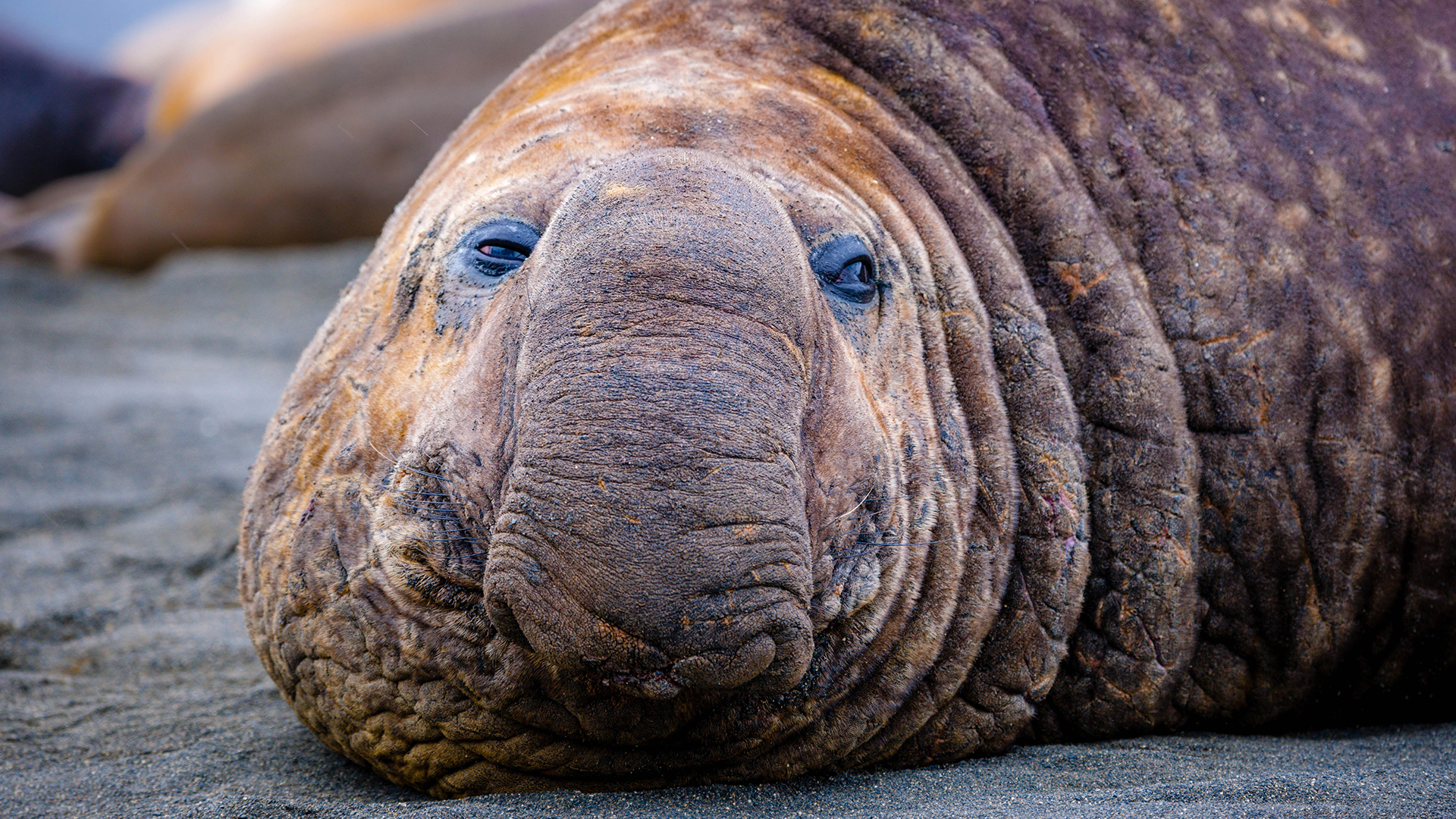
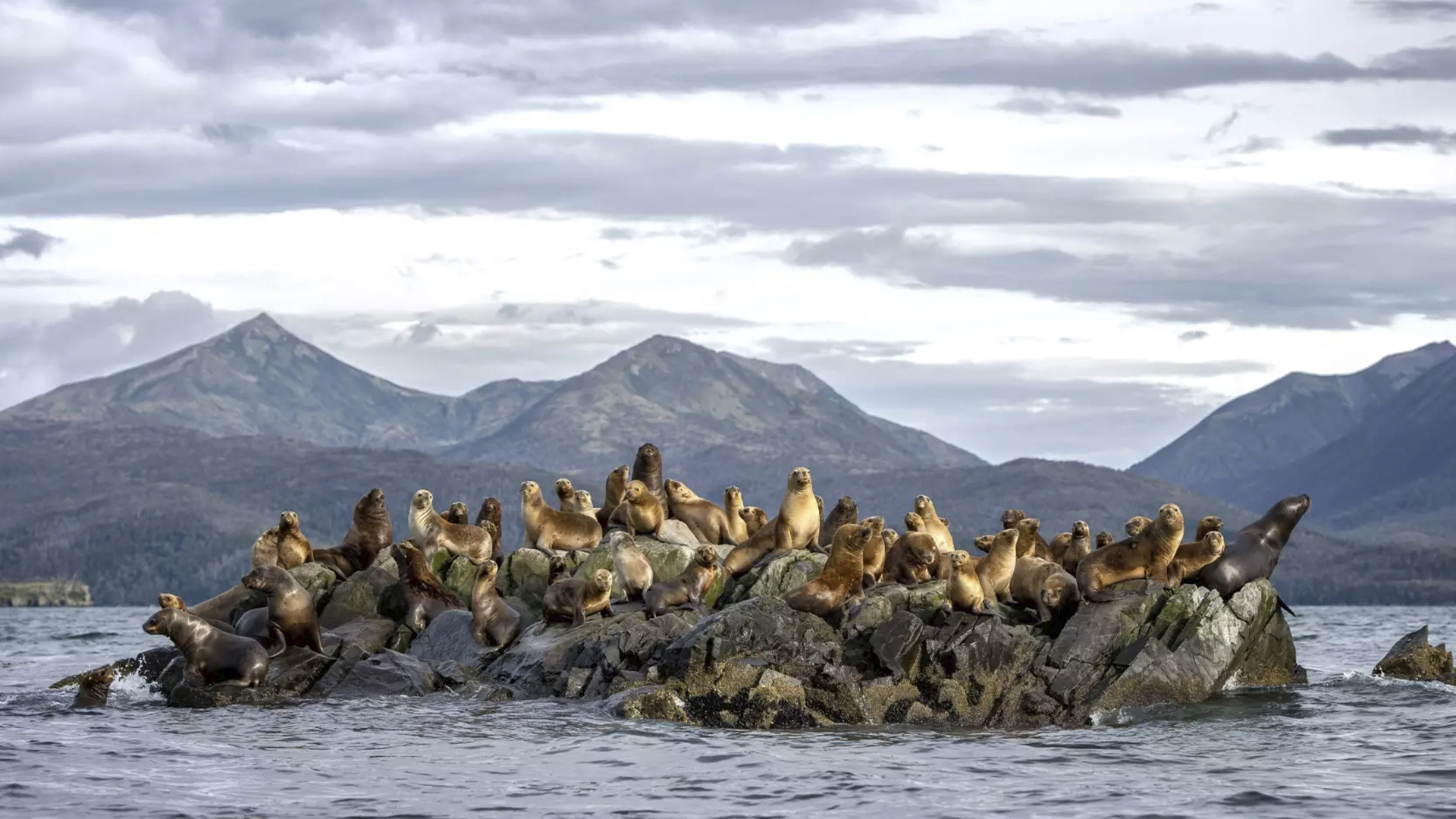
Travelers may witness Andean condors, South American sea lions, humpback, blue, and southern right whales, orca, marine otters, and sometimes even southern elephant seals and the elusive leopard seal amidst the rugged beauty of the glacial waterways.
Do I need a visa for a Patagonia cruise?
Visa requirements depend on your nationality and whether your voyage enters Chilean or Argentine waters; always consult with our specialist advisors before your journey.
What should I pack for a Patagonia expedition?
Prepare for capricious elements by bringing high-quality layers, waterproof outerwear, and sturdy boots for walking upon the ice with reverence and safety.
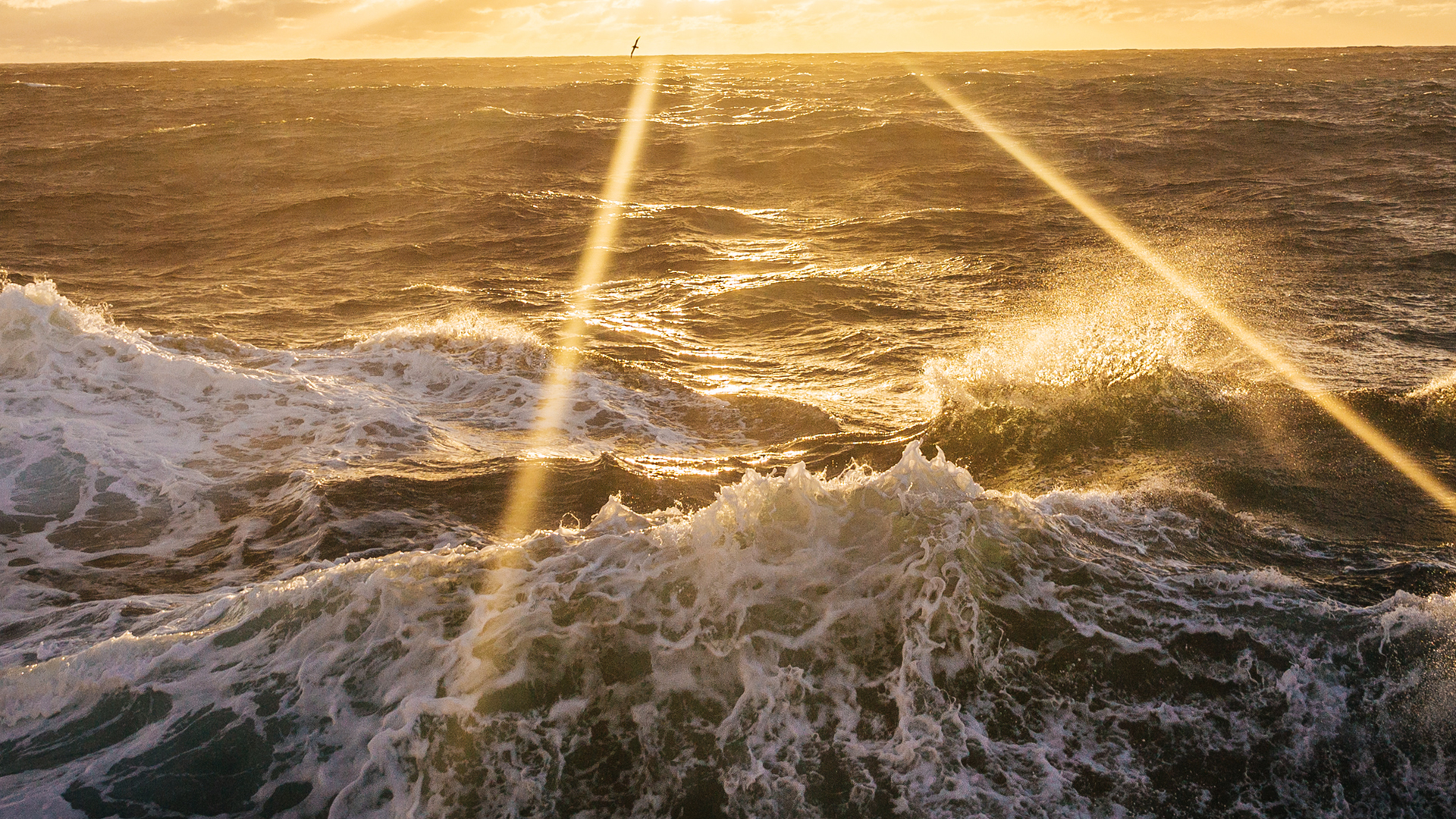
Are the Chilean Fjords calm?
While the inner channels offer tranquil, mirror-like waters, these regions are subject to the will of providence and shifting weather patterns.
What are "calving" glaciers?
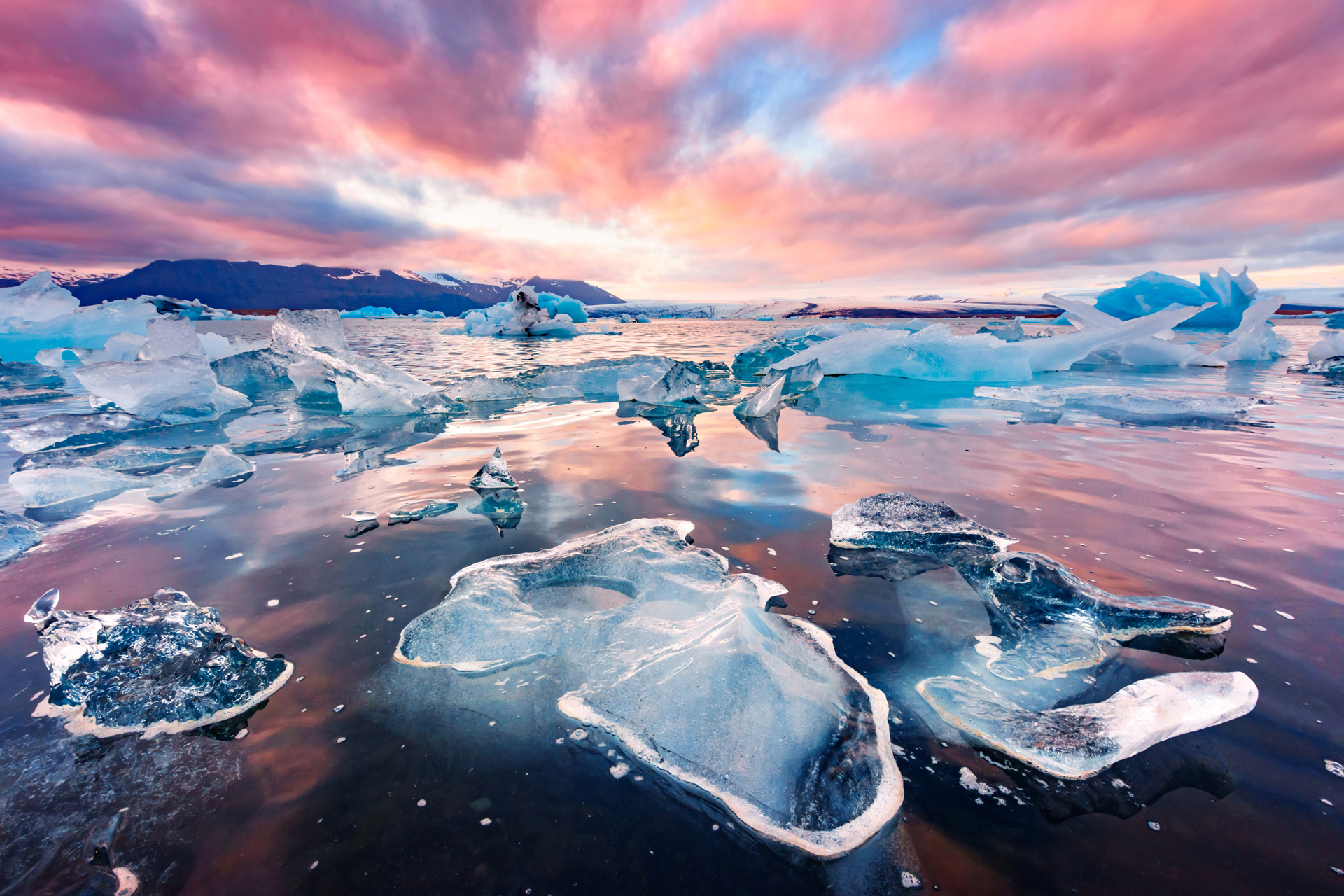
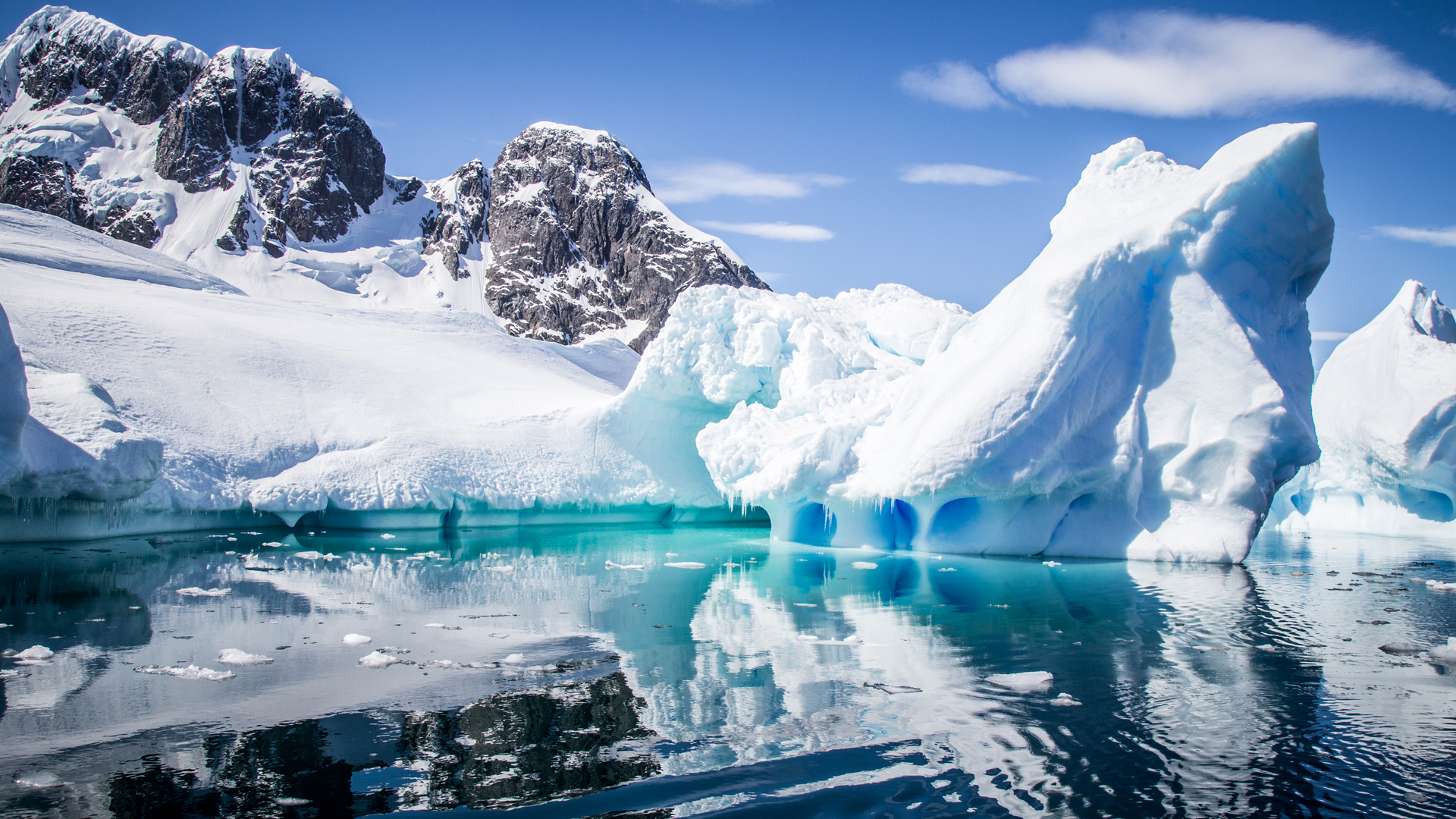
Calving occurs when enormous masses of ice break away from a glacier’s face, creating a haunting lament as they crash into the emerald waters below.
The austral summer (October to March) offers the eternal light and milder conditions necessary to explore these untamed realms in their most pristine form.
Travelers may witness Andean condors, South American sea lions, humpback, blue, and southern right whales, orca, marine otters, and sometimes even southern elephant seals and the elusive leopard seal amidst the rugged beauty of the glacial waterways.
Visa requirements depend on your nationality and whether your voyage enters Chilean or Argentine waters; always consult with our specialist advisors before your journey.
Prepare for capricious elements by bringing high-quality layers, waterproof outerwear, and sturdy boots for walking upon the ice with reverence and safety.
While the inner channels offer tranquil, mirror-like waters, these regions are subject to the will of providence and shifting weather patterns.
Calving occurs when enormous masses of ice break away from a glacier’s face, creating a haunting lament as they crash into the emerald waters below.
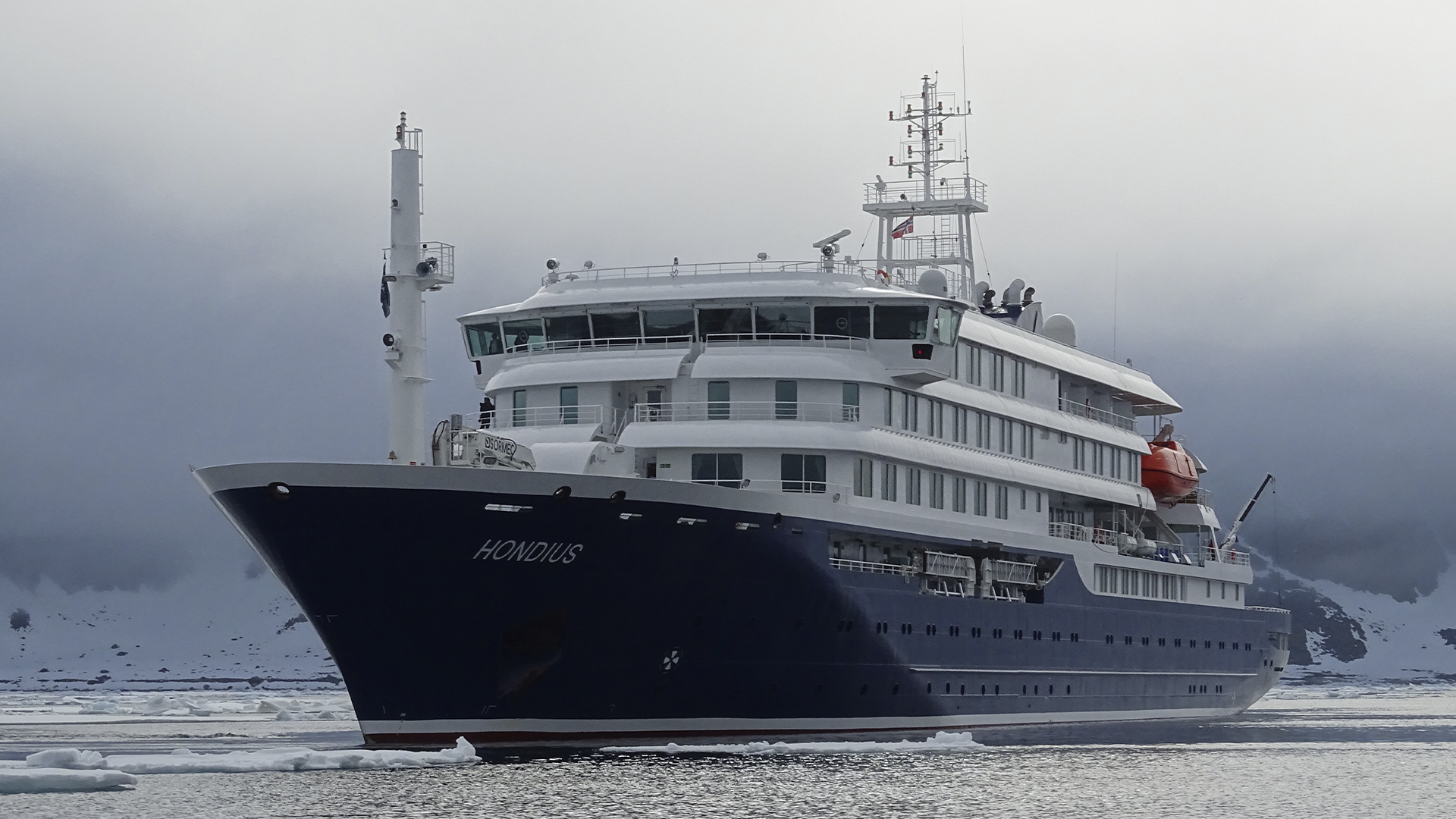
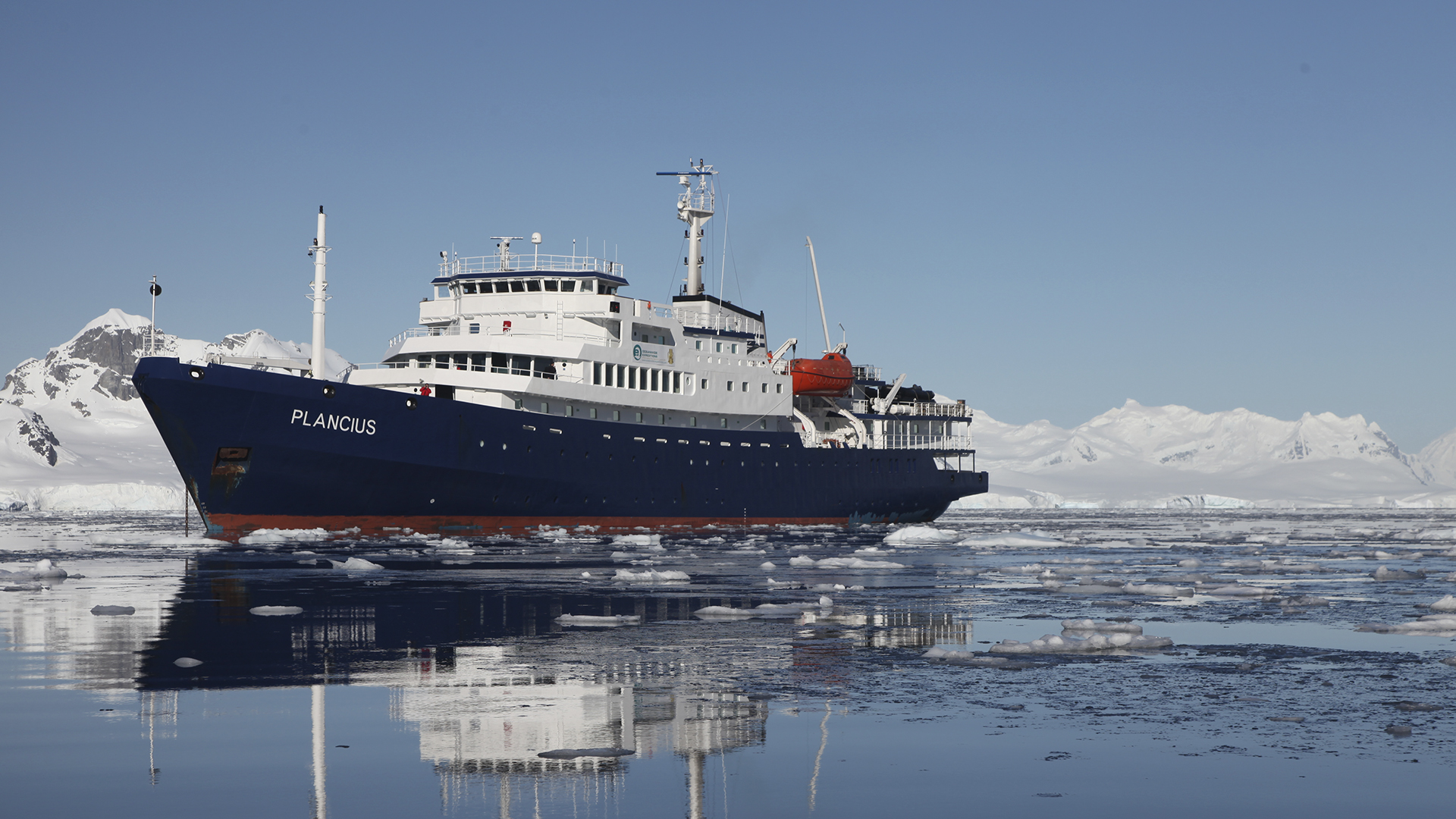
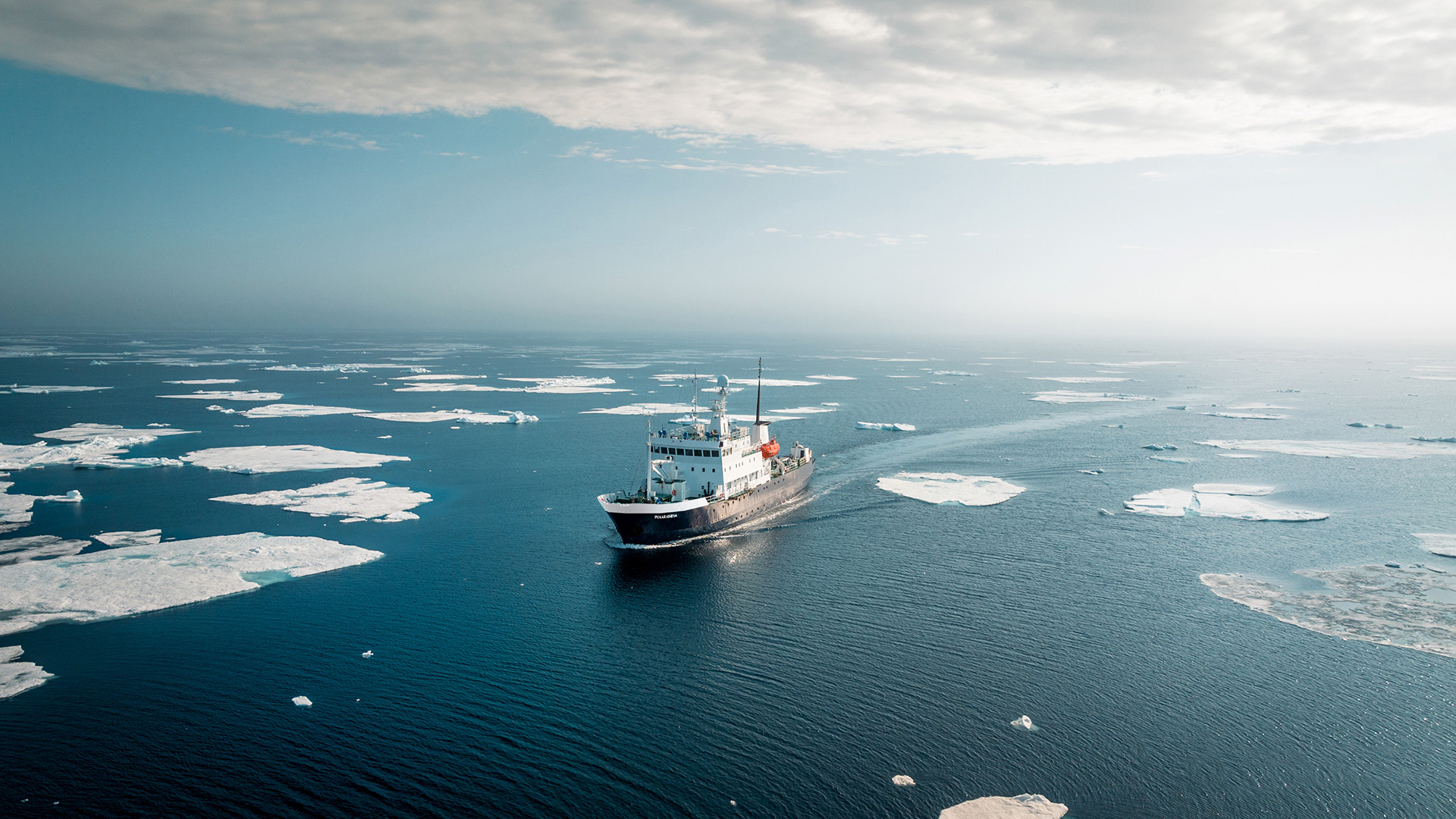
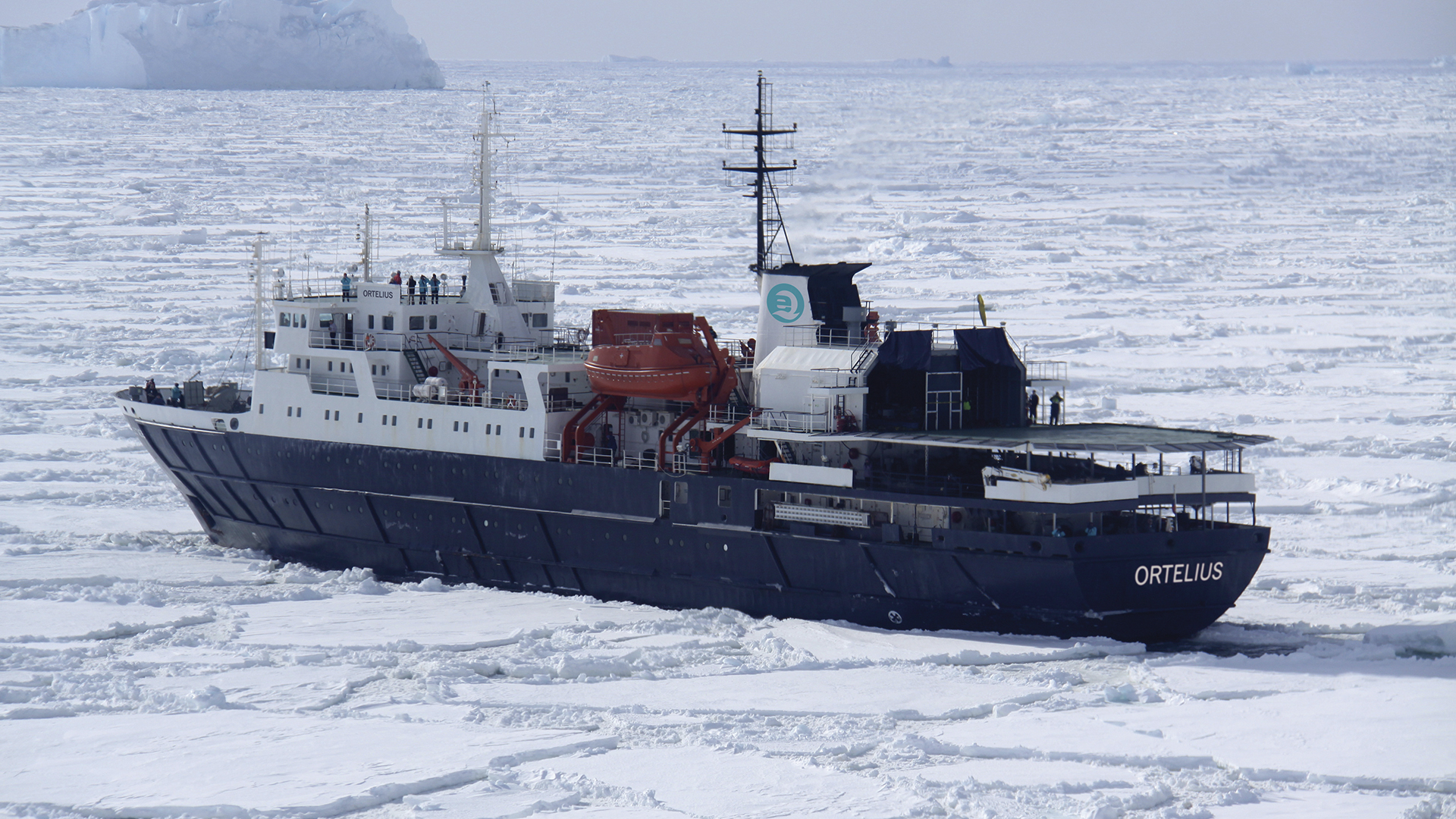
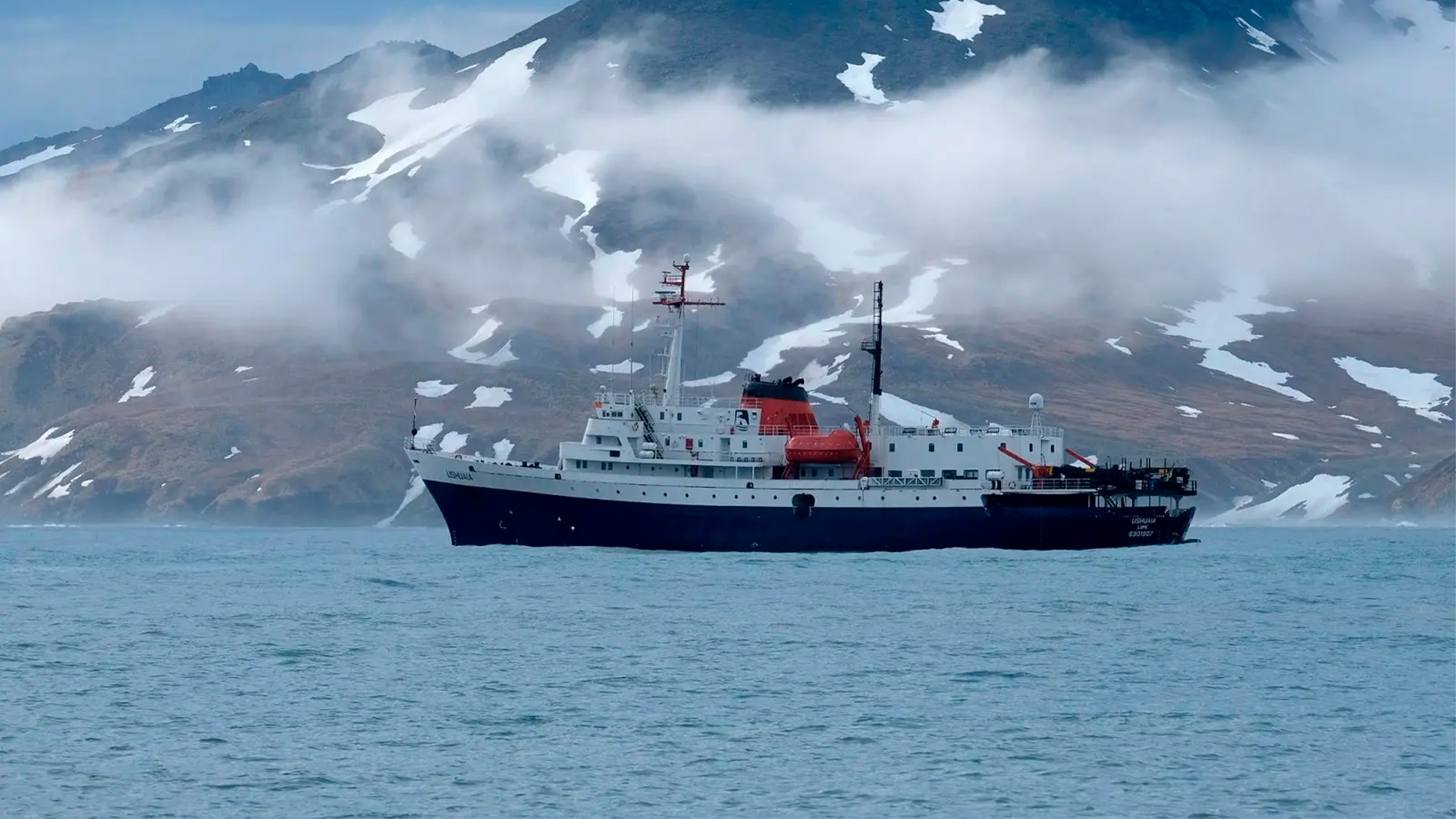
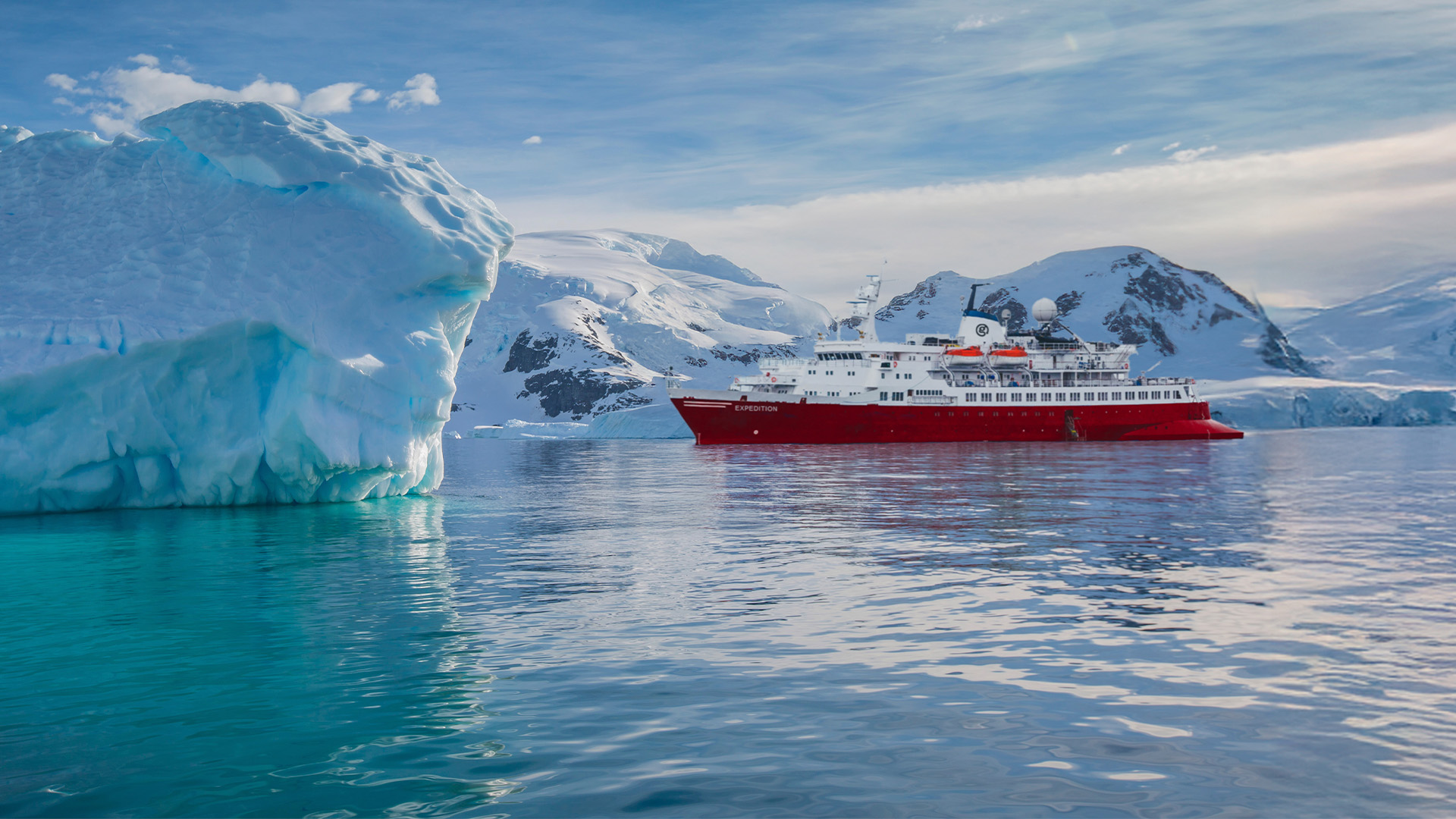
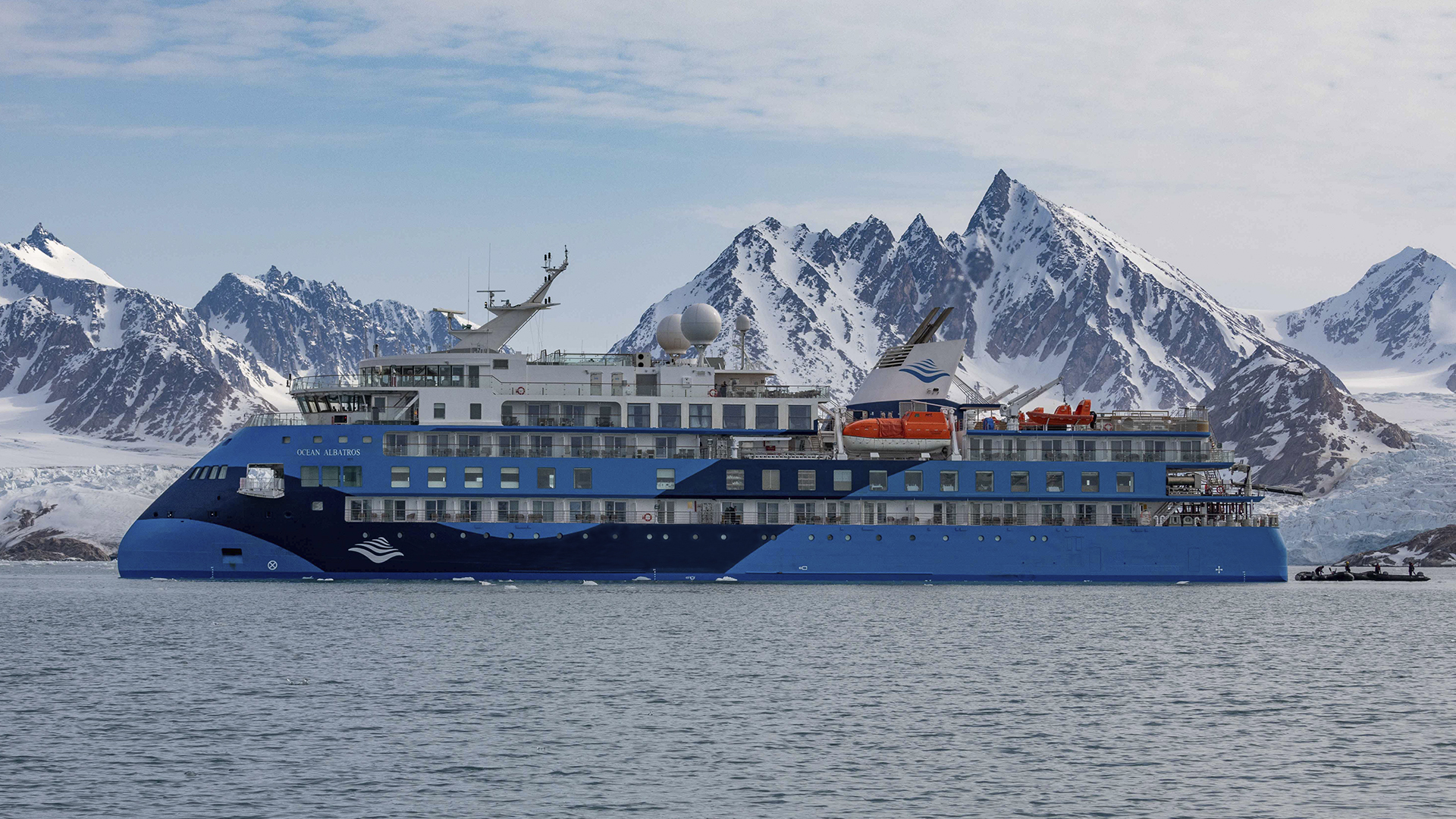
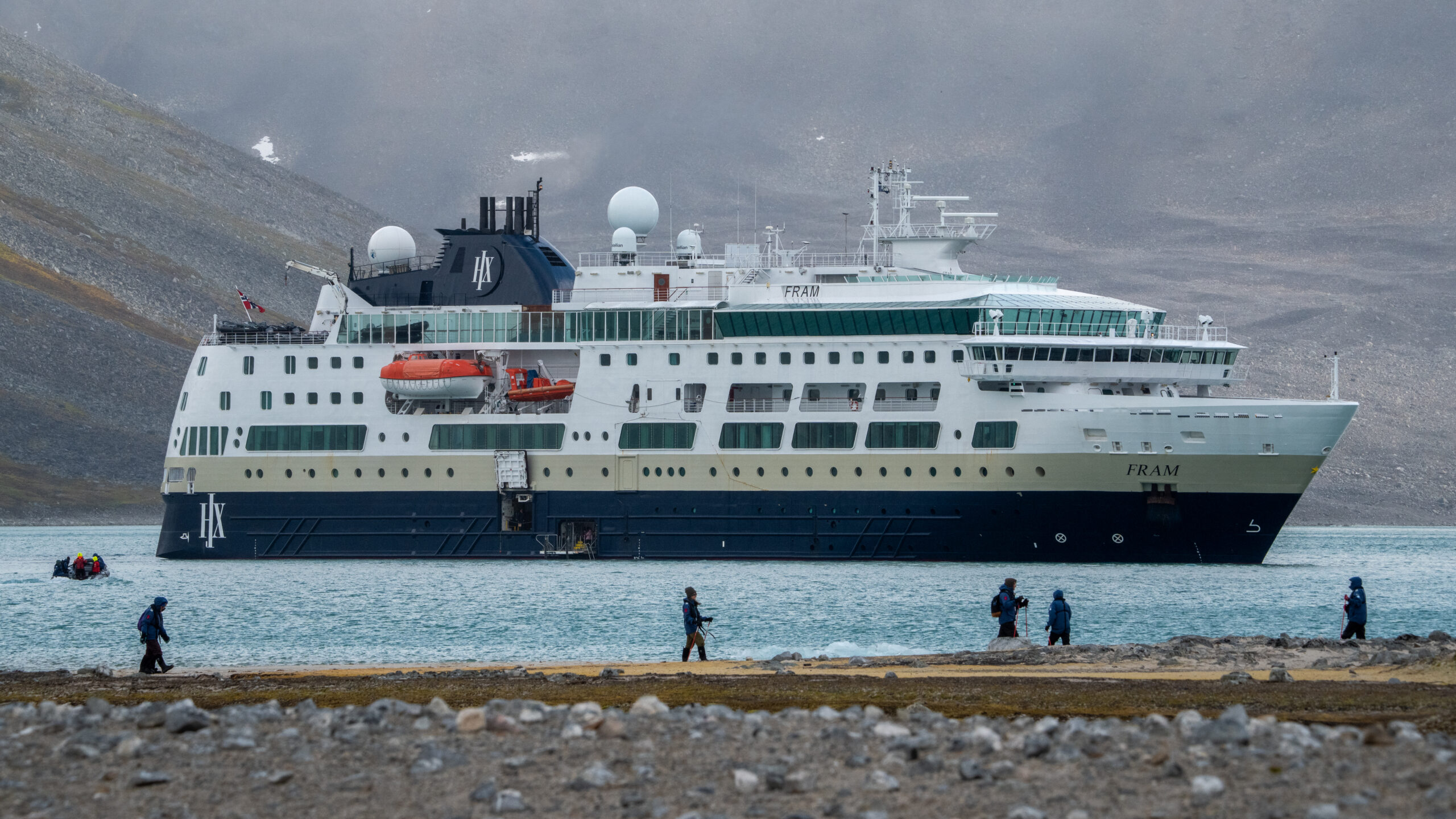
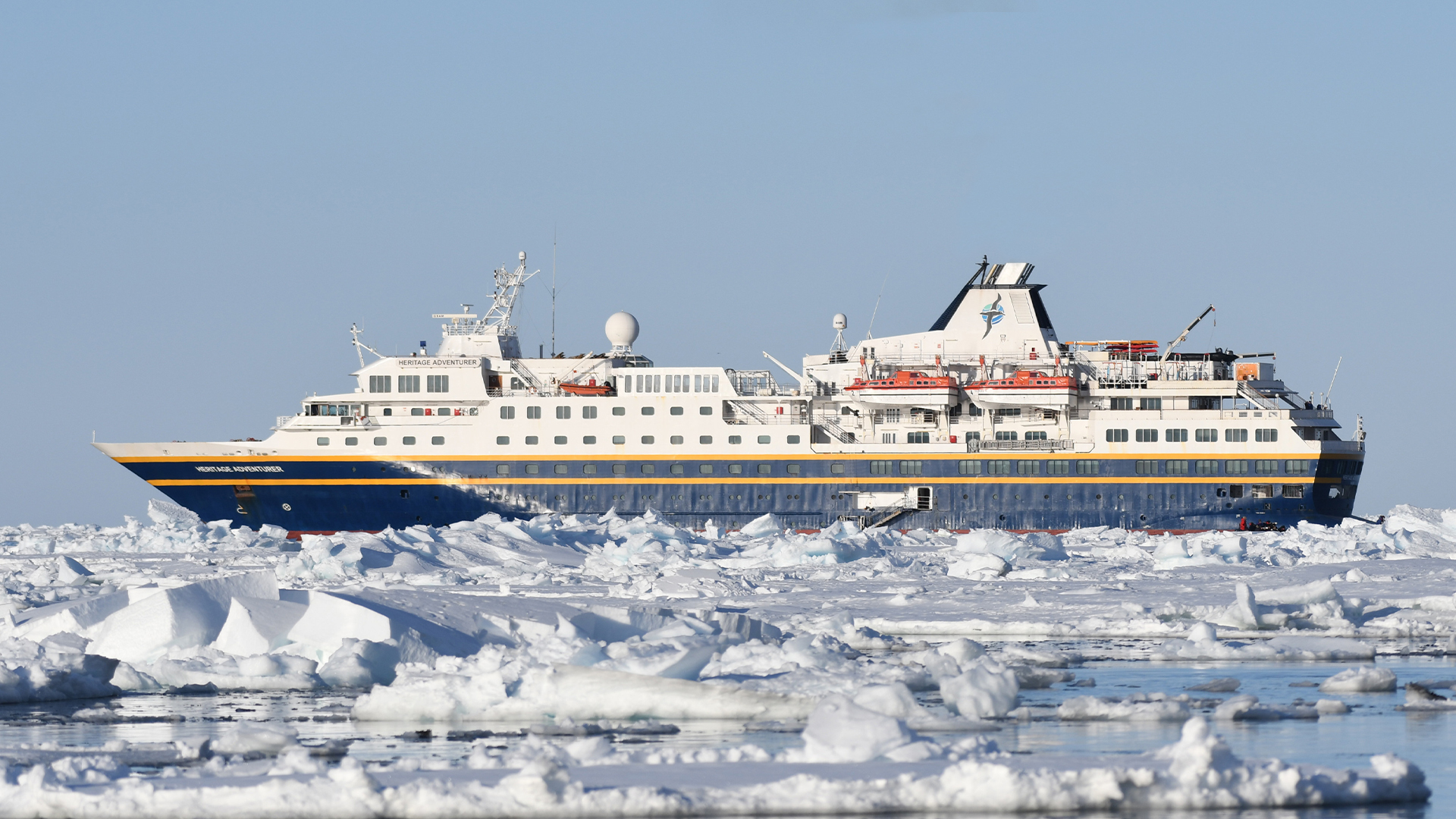
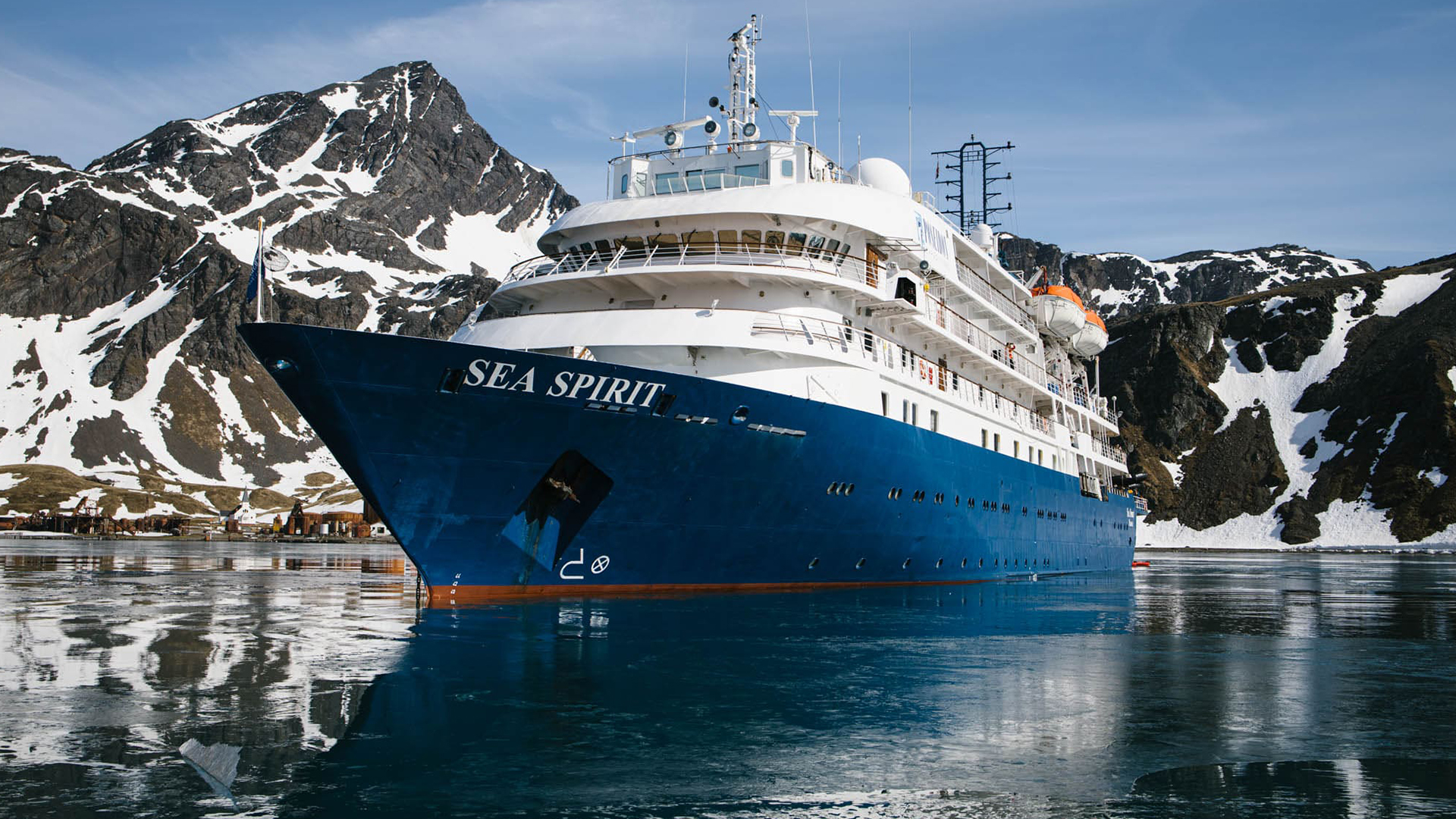
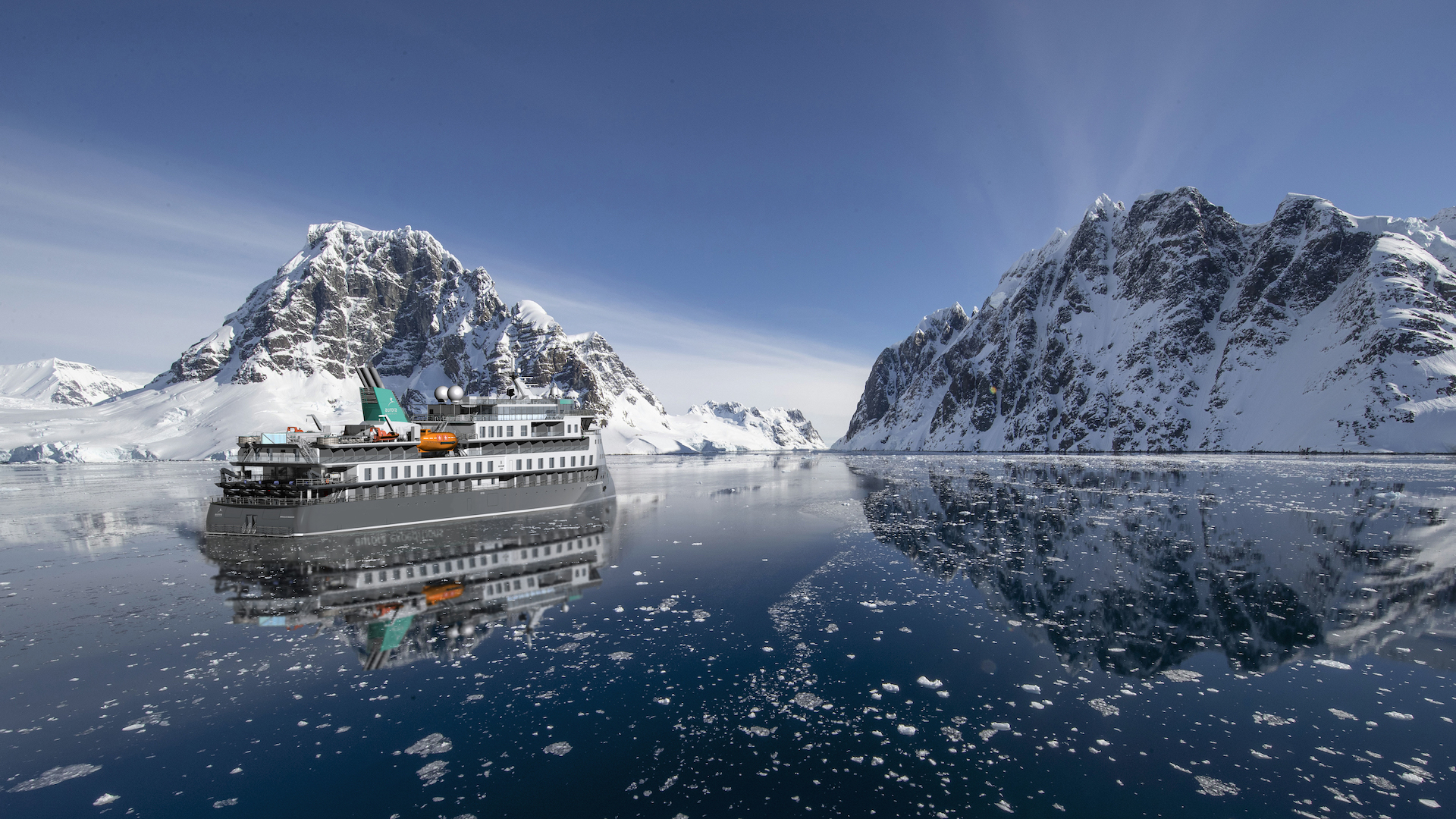
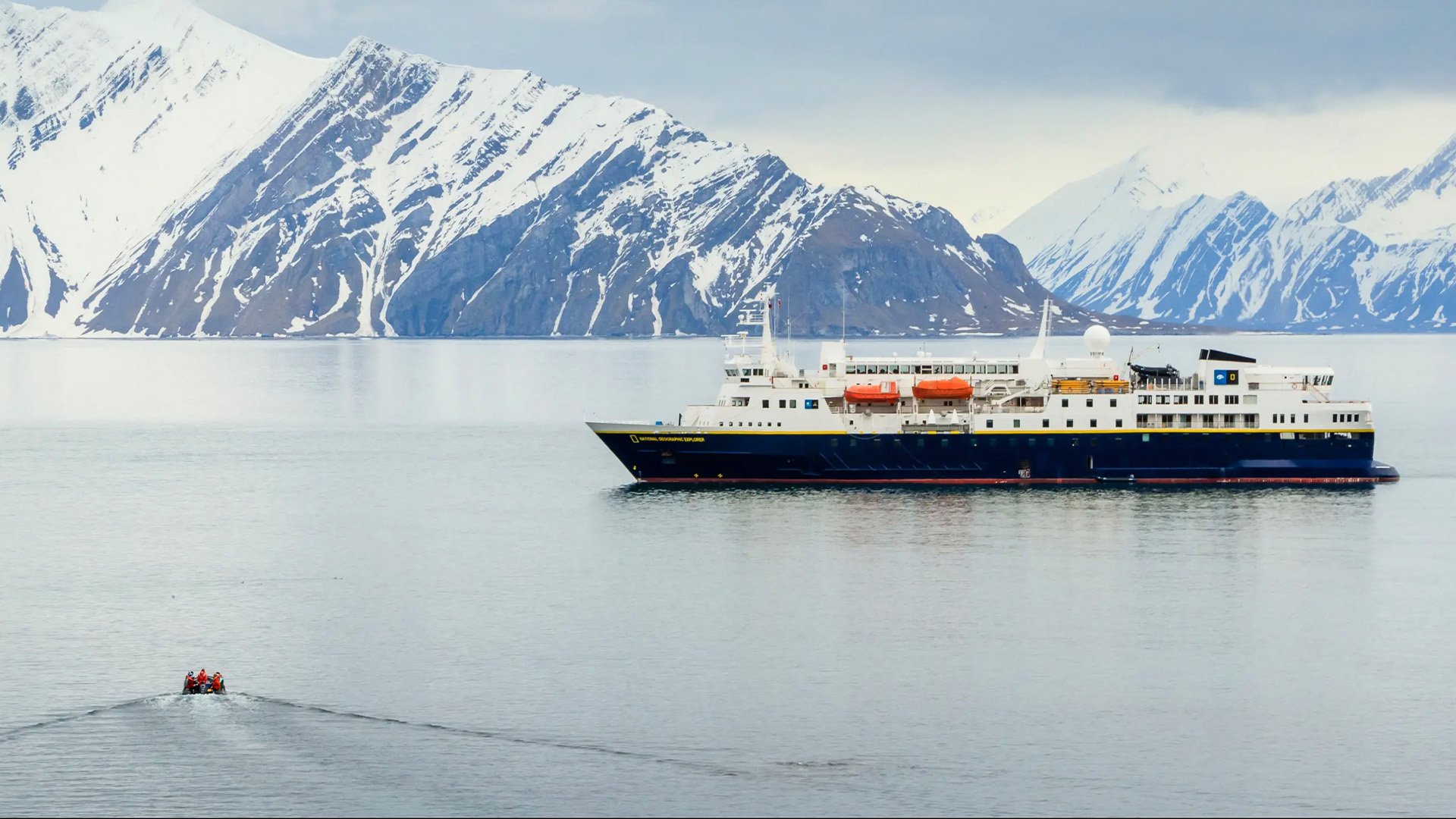
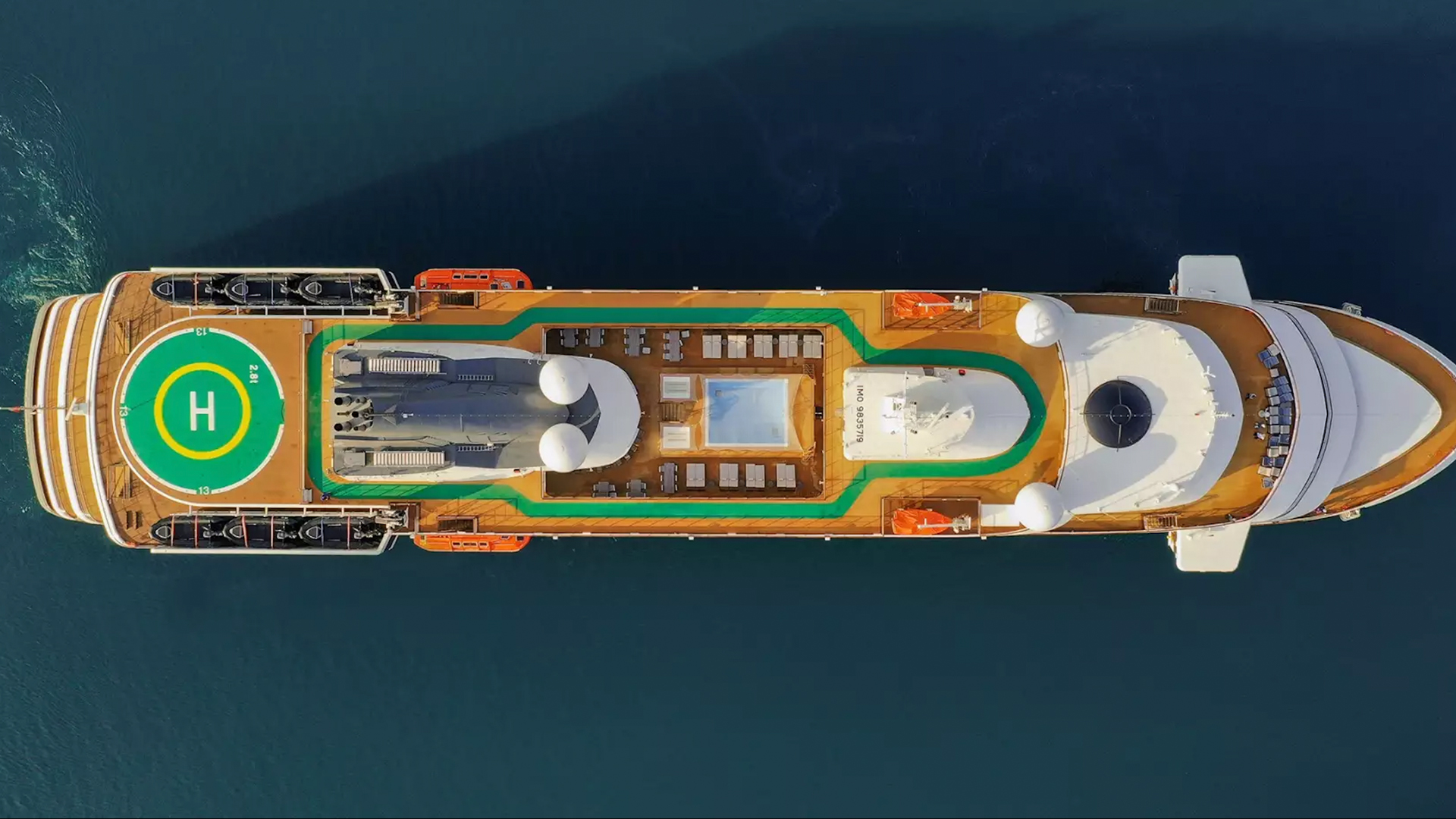
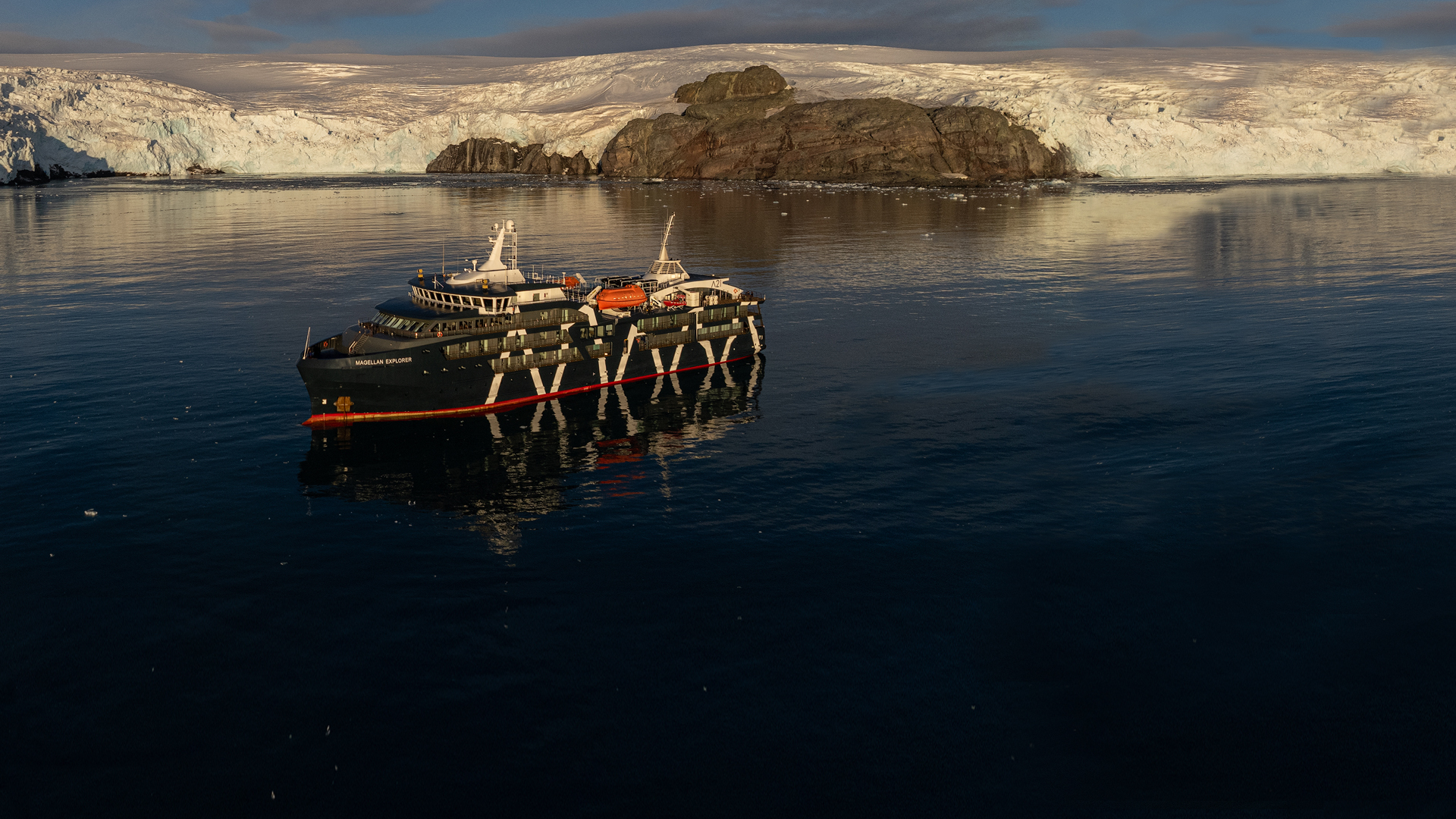
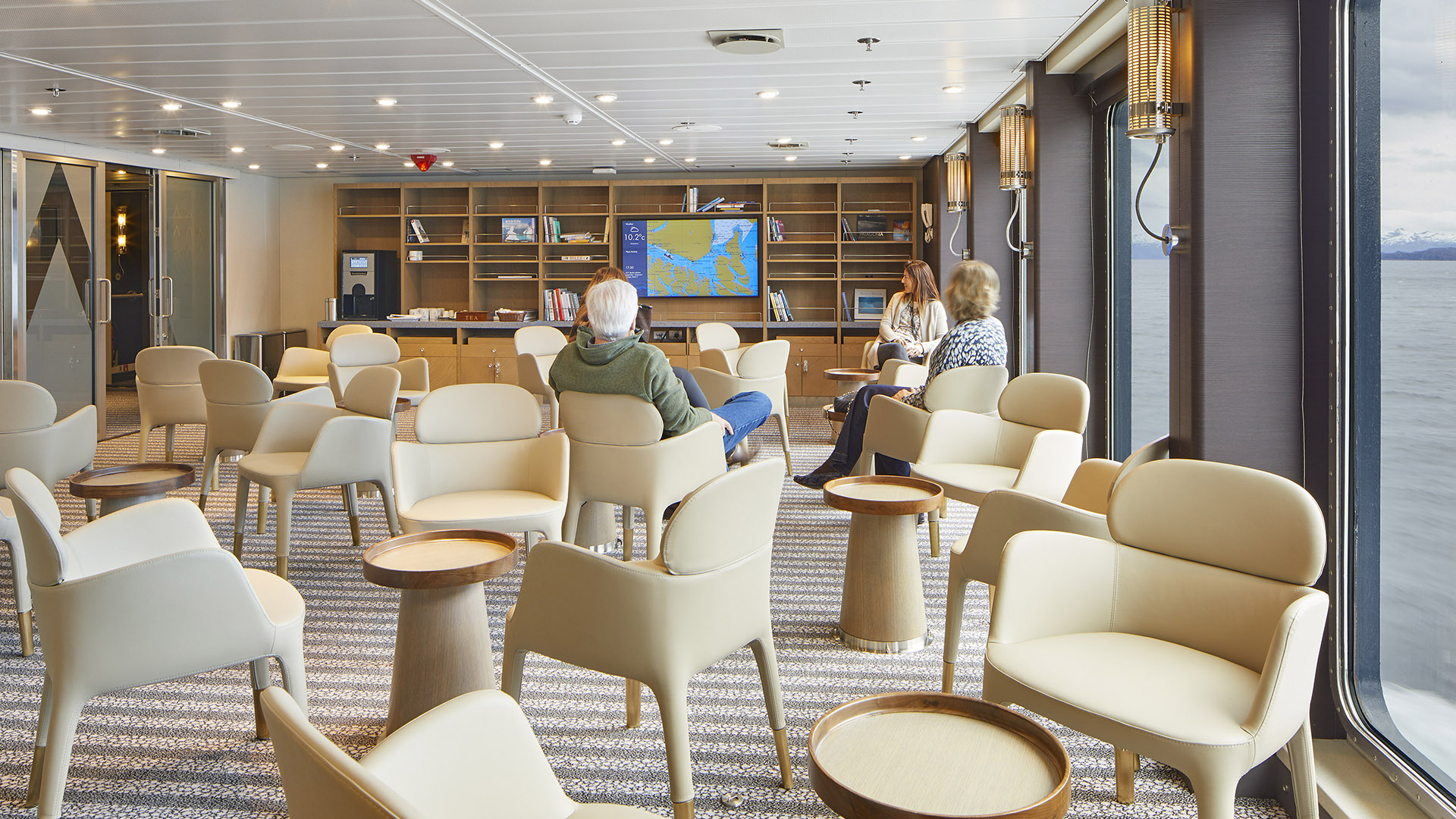
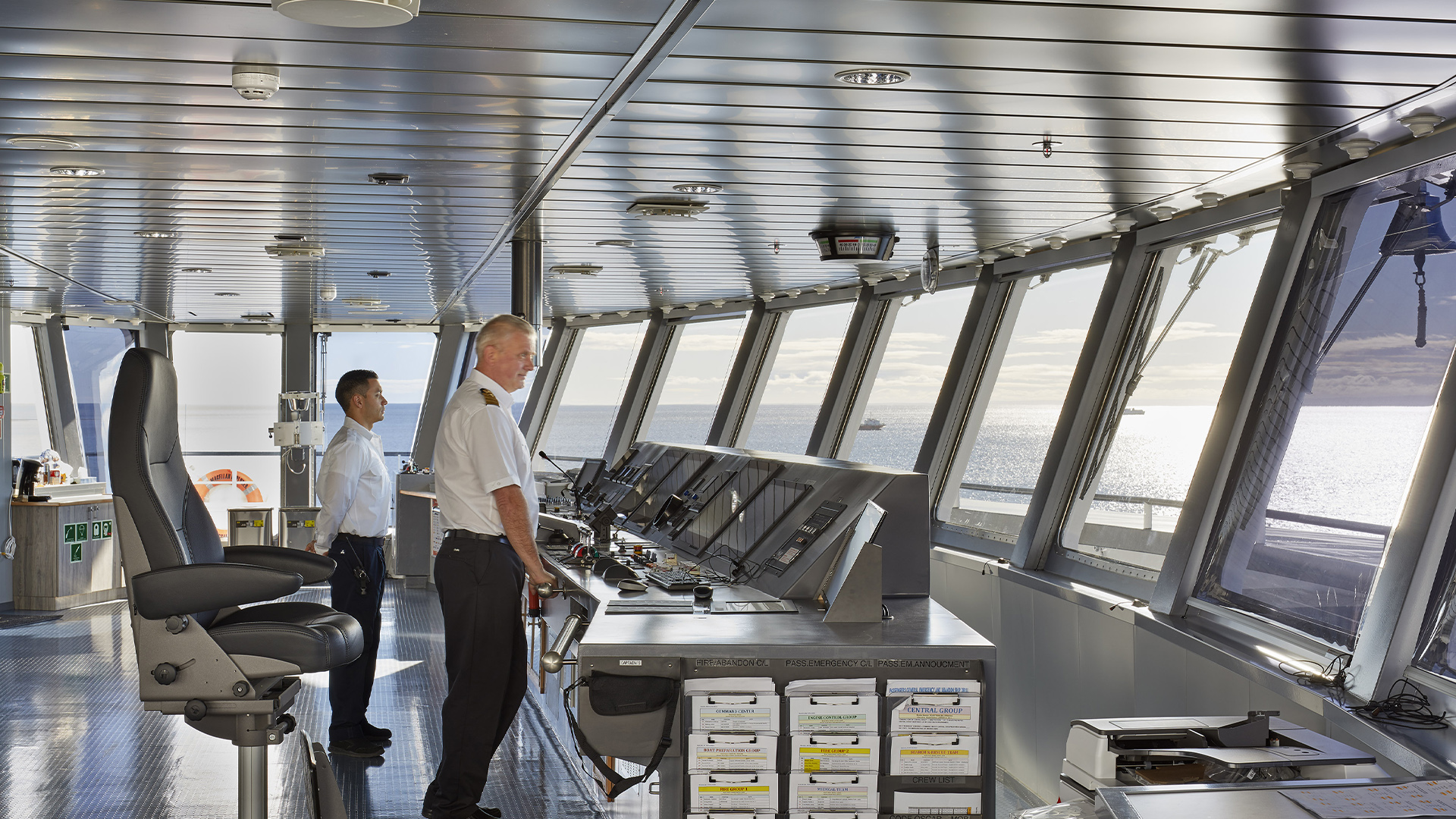
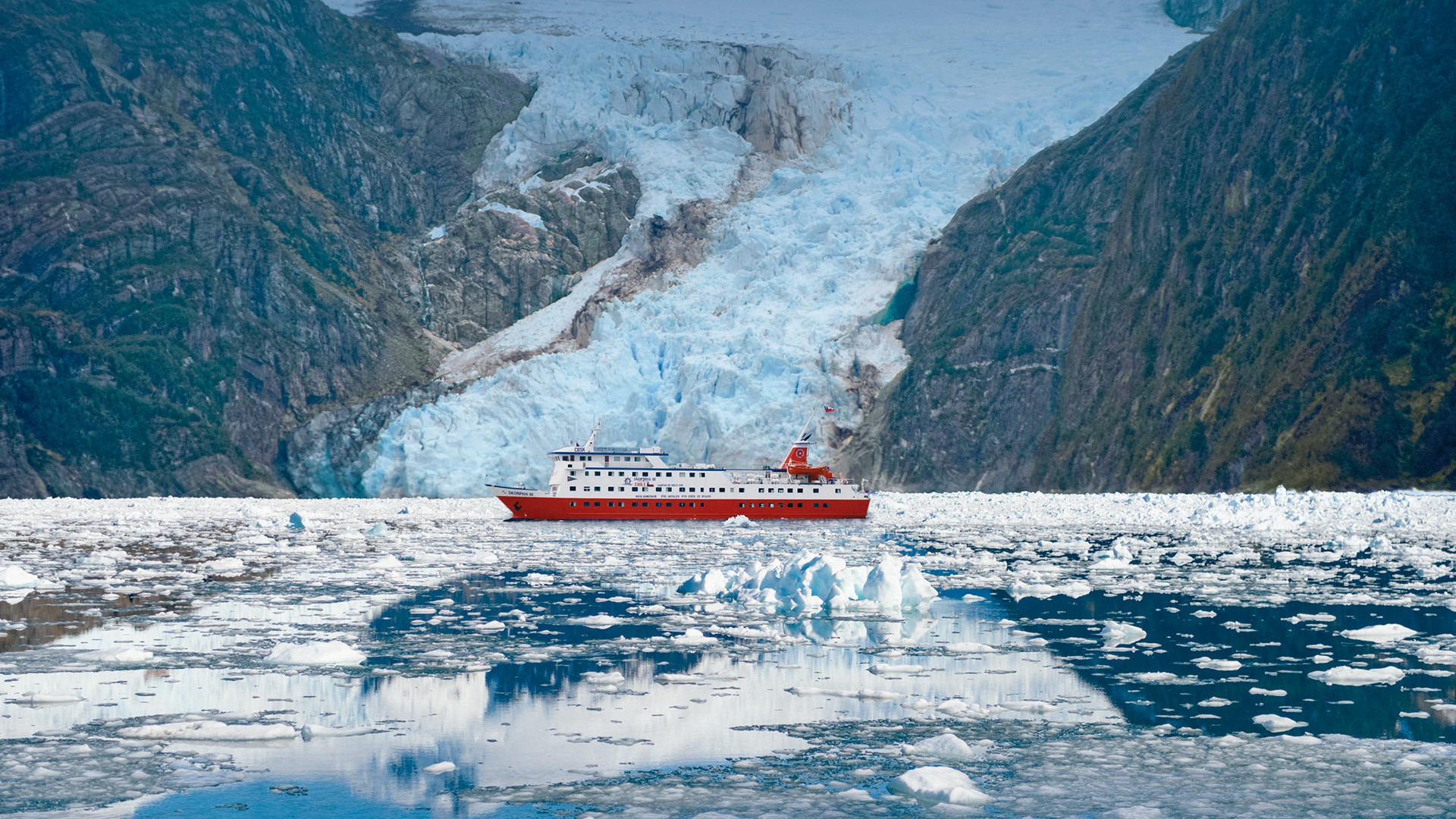
Chilean Fjords Cruise Ships
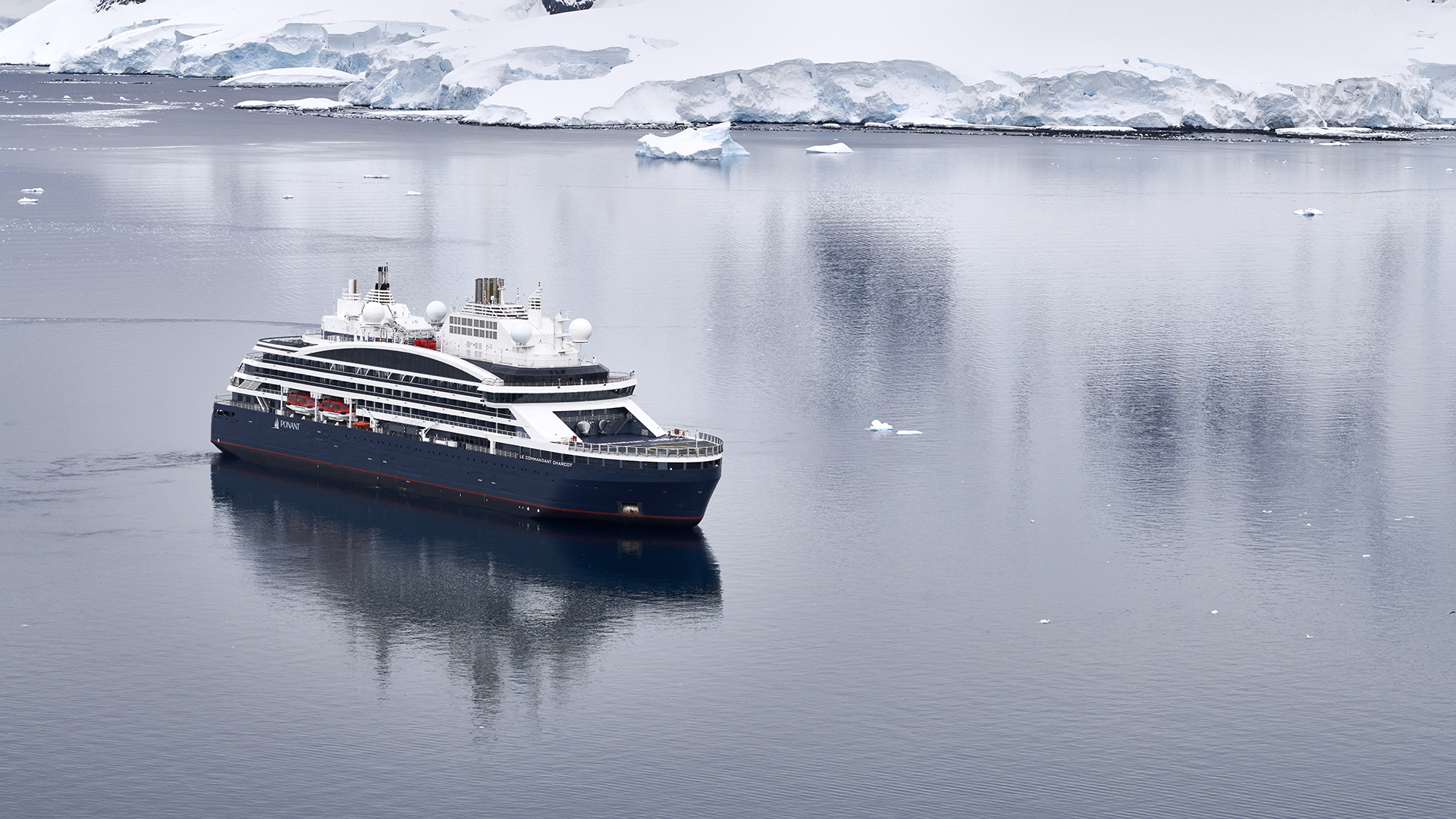
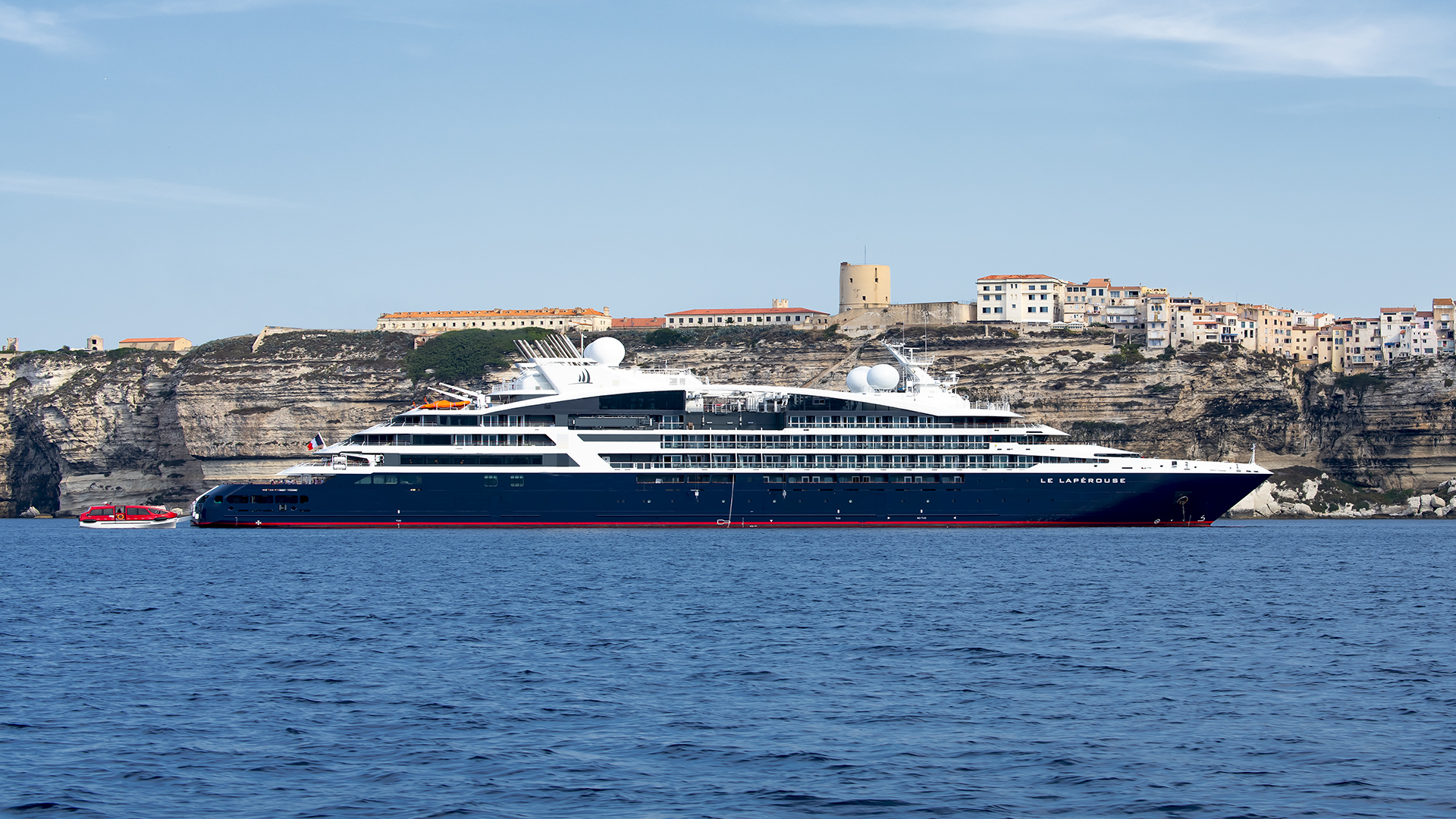
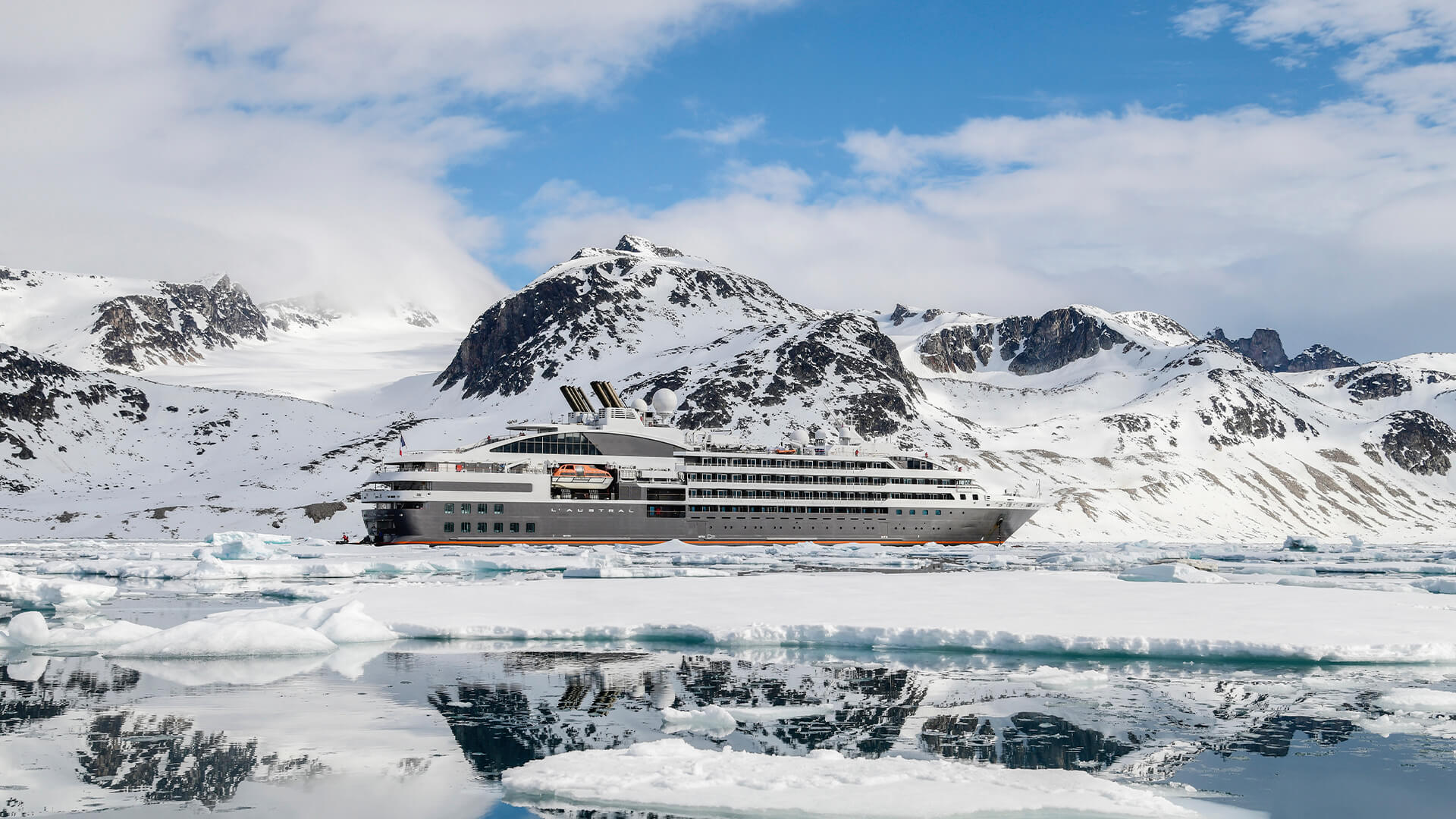
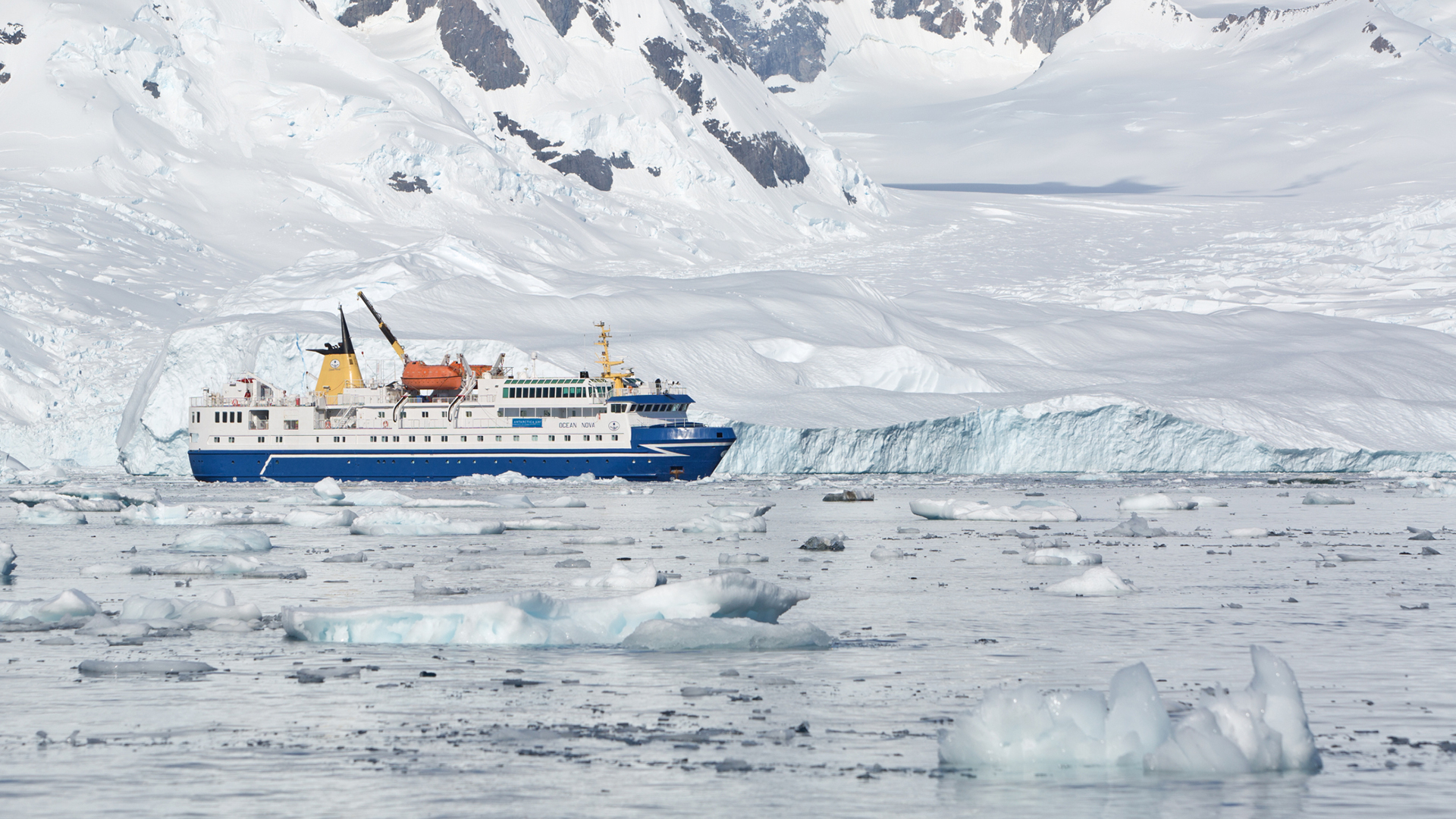
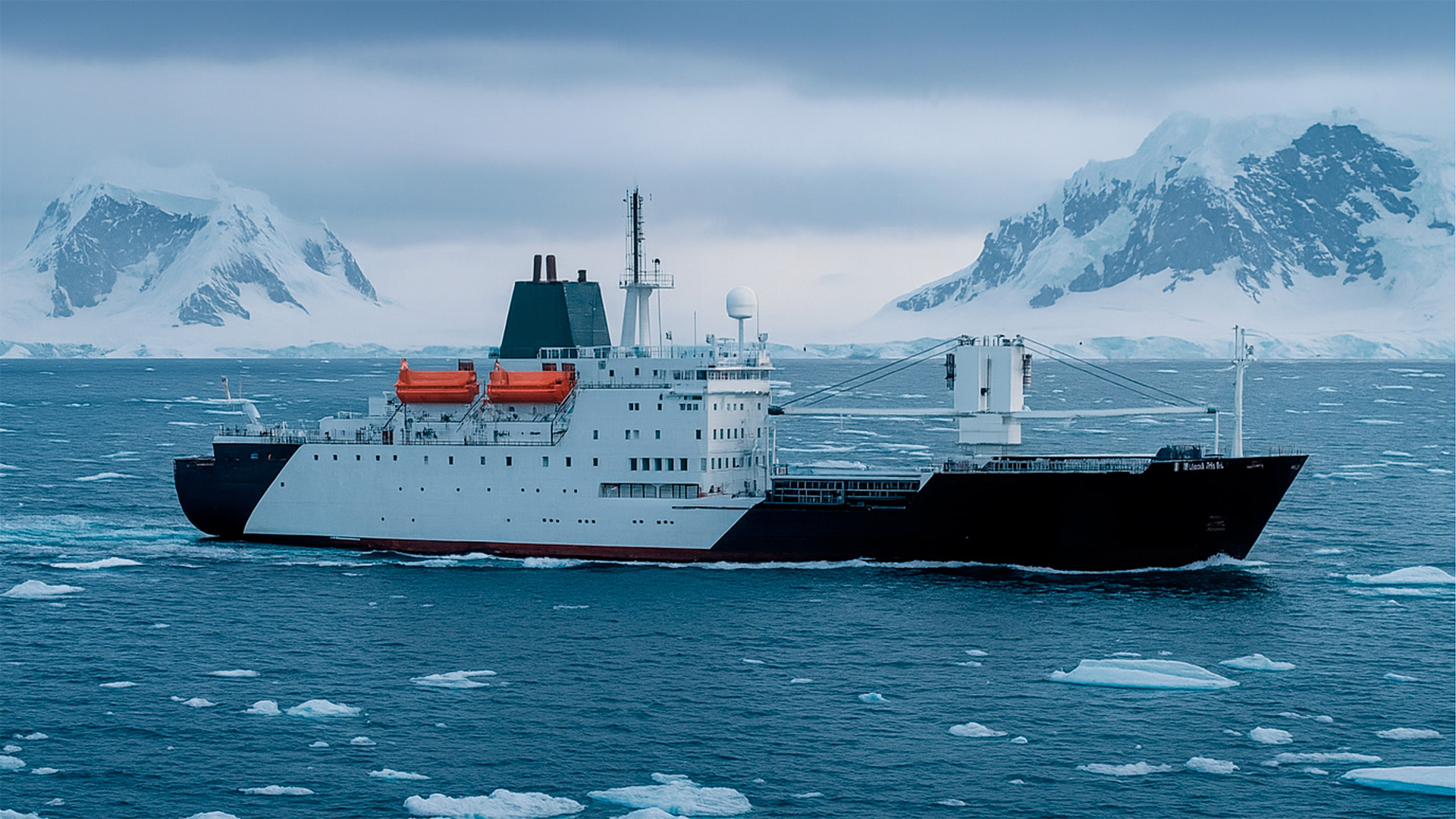
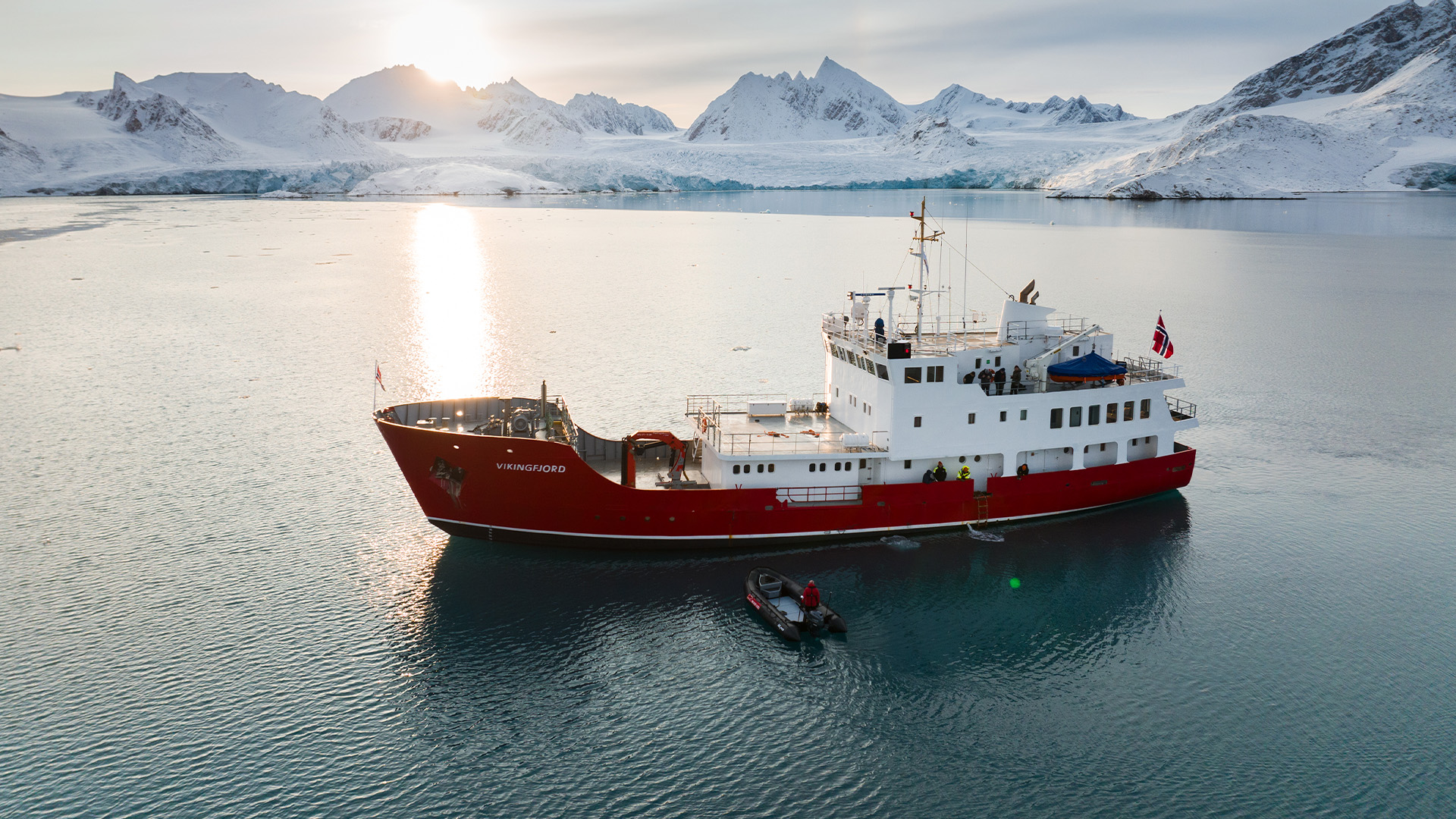
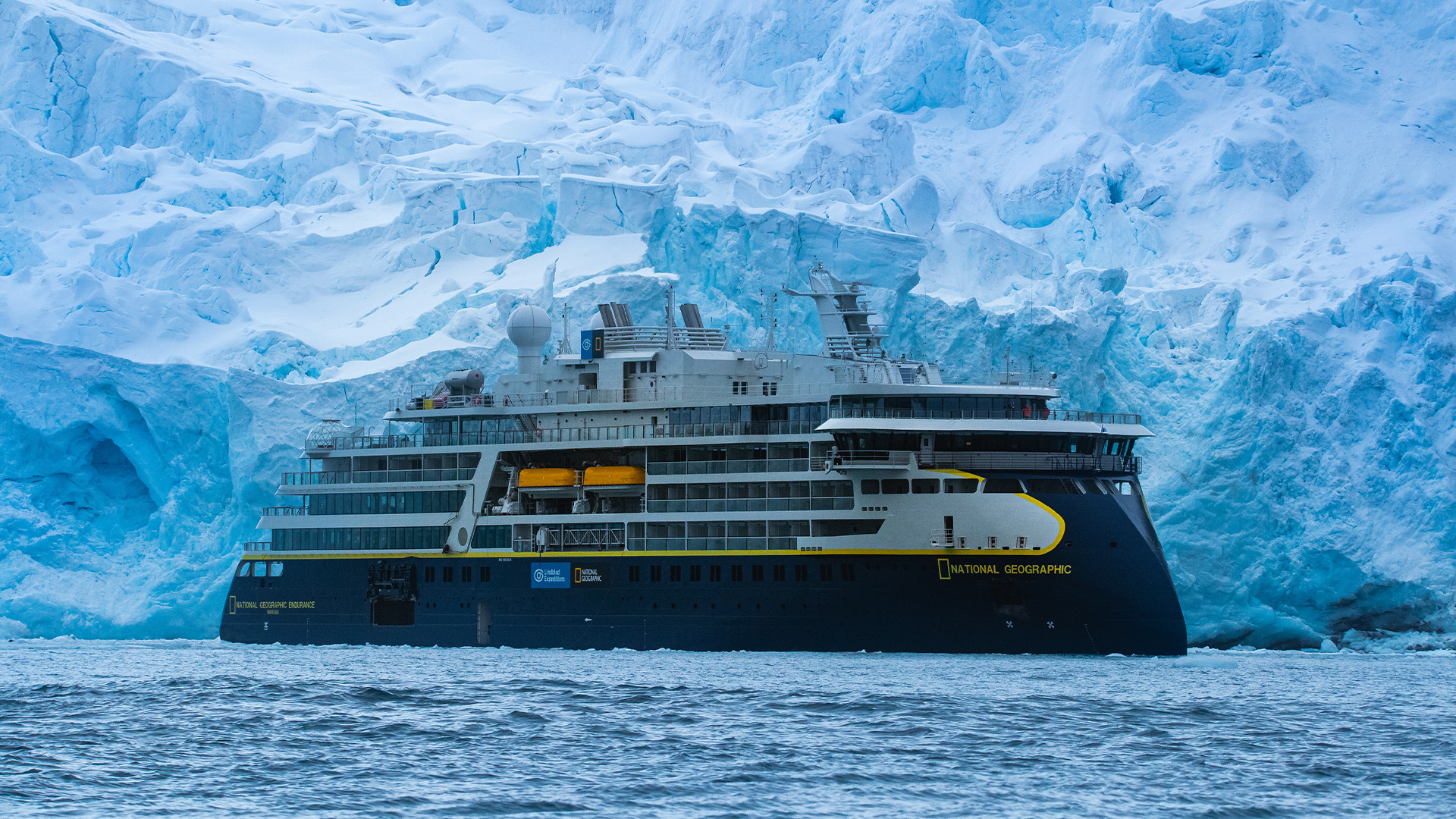
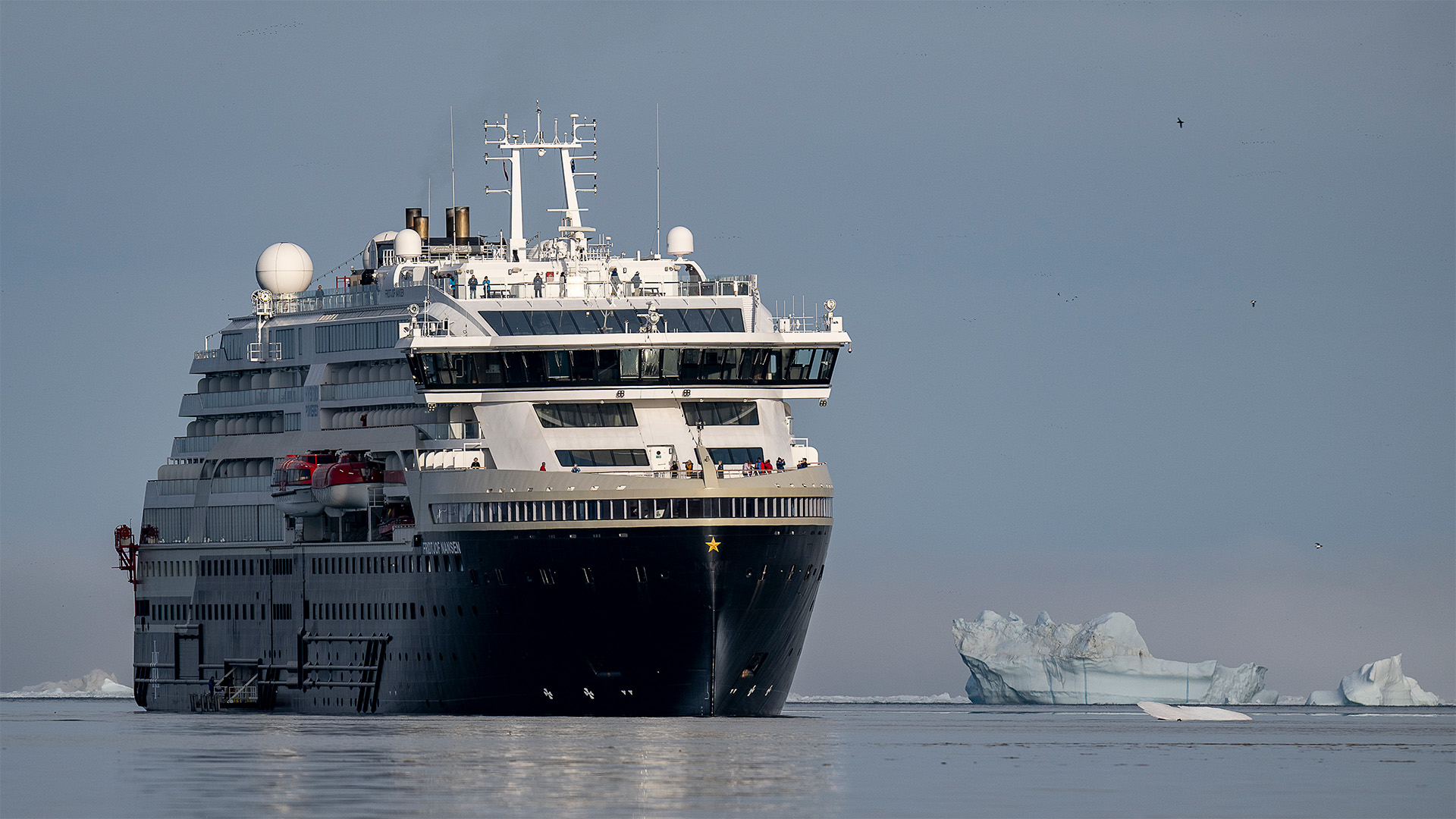
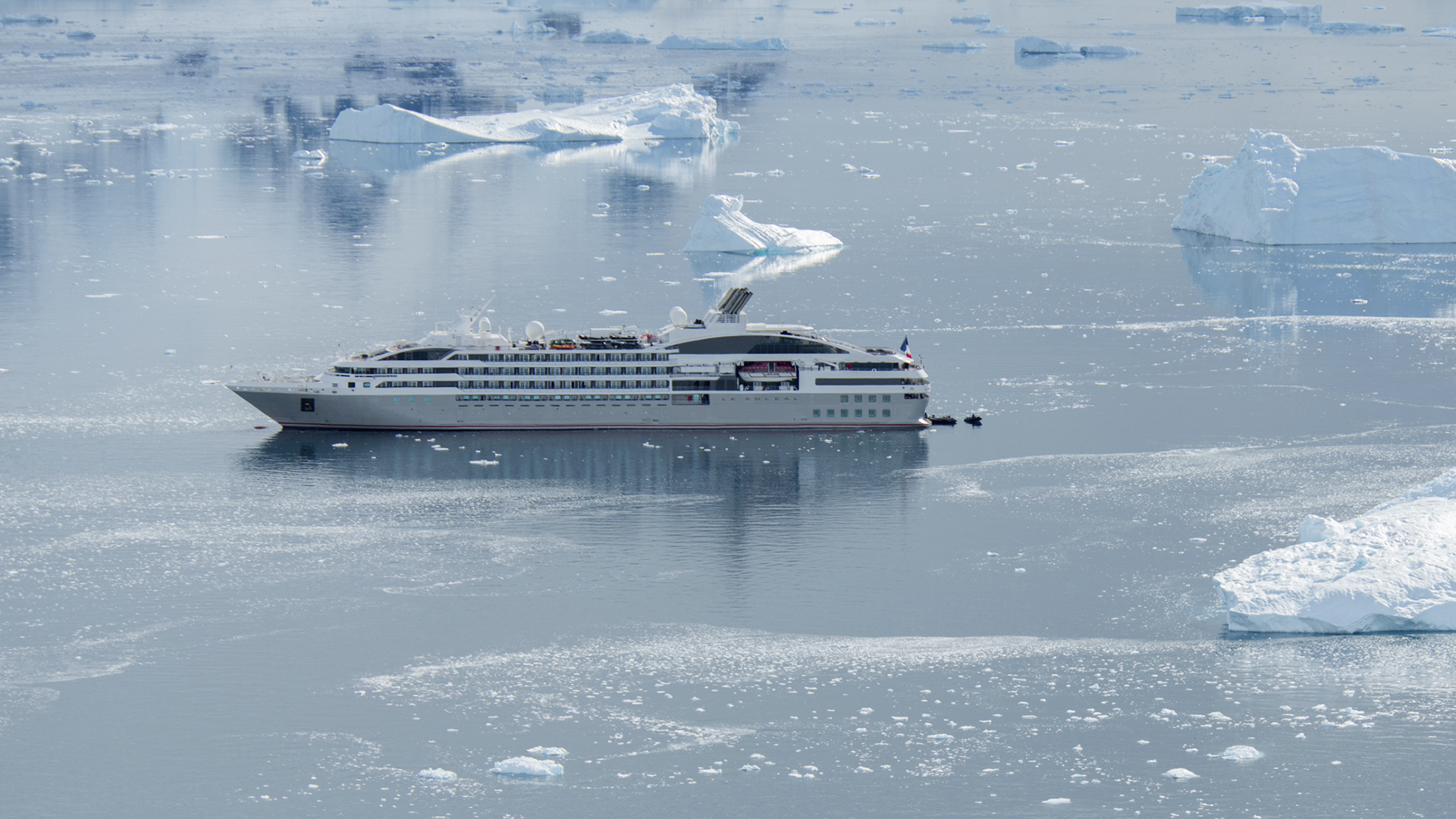
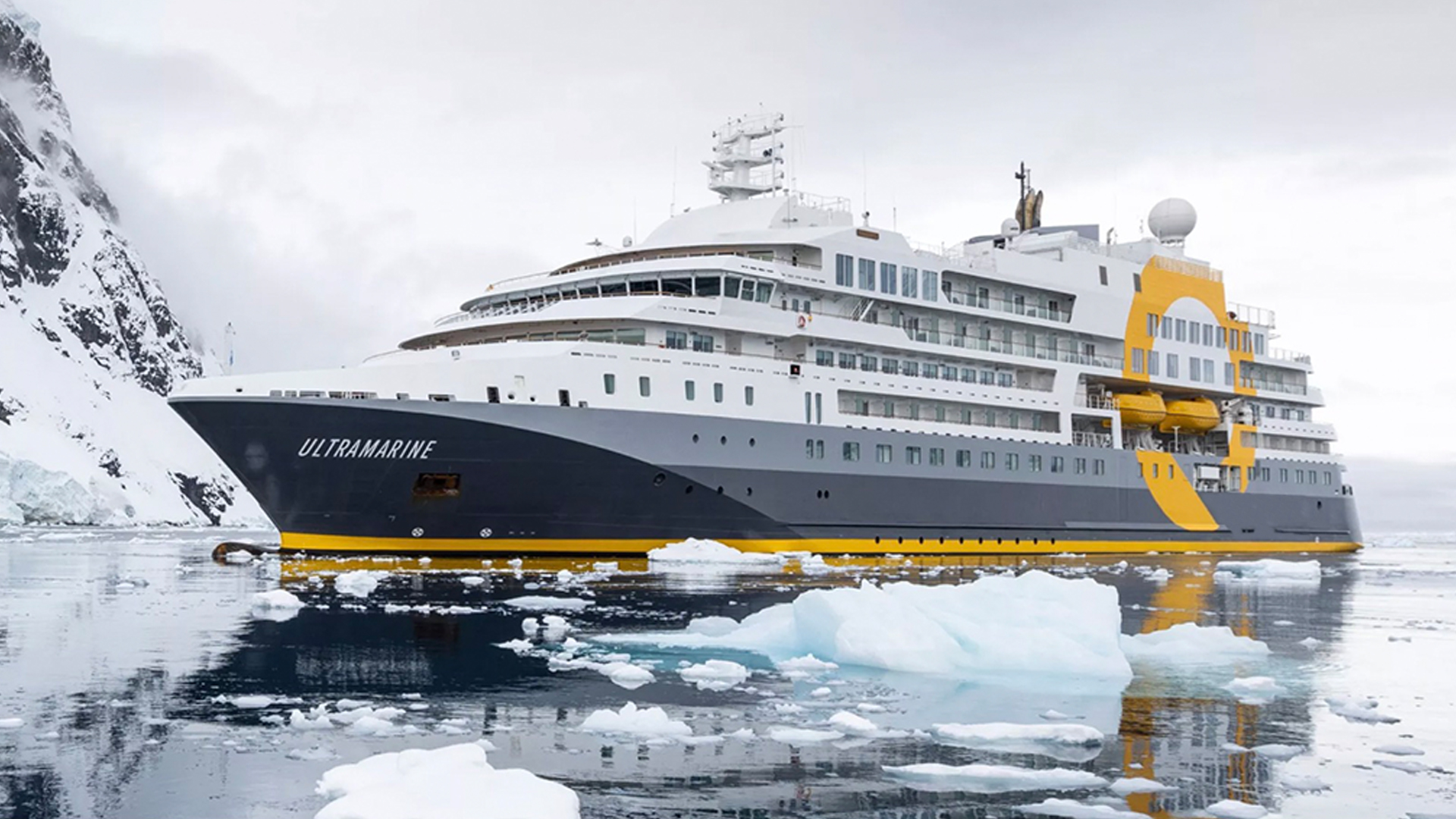
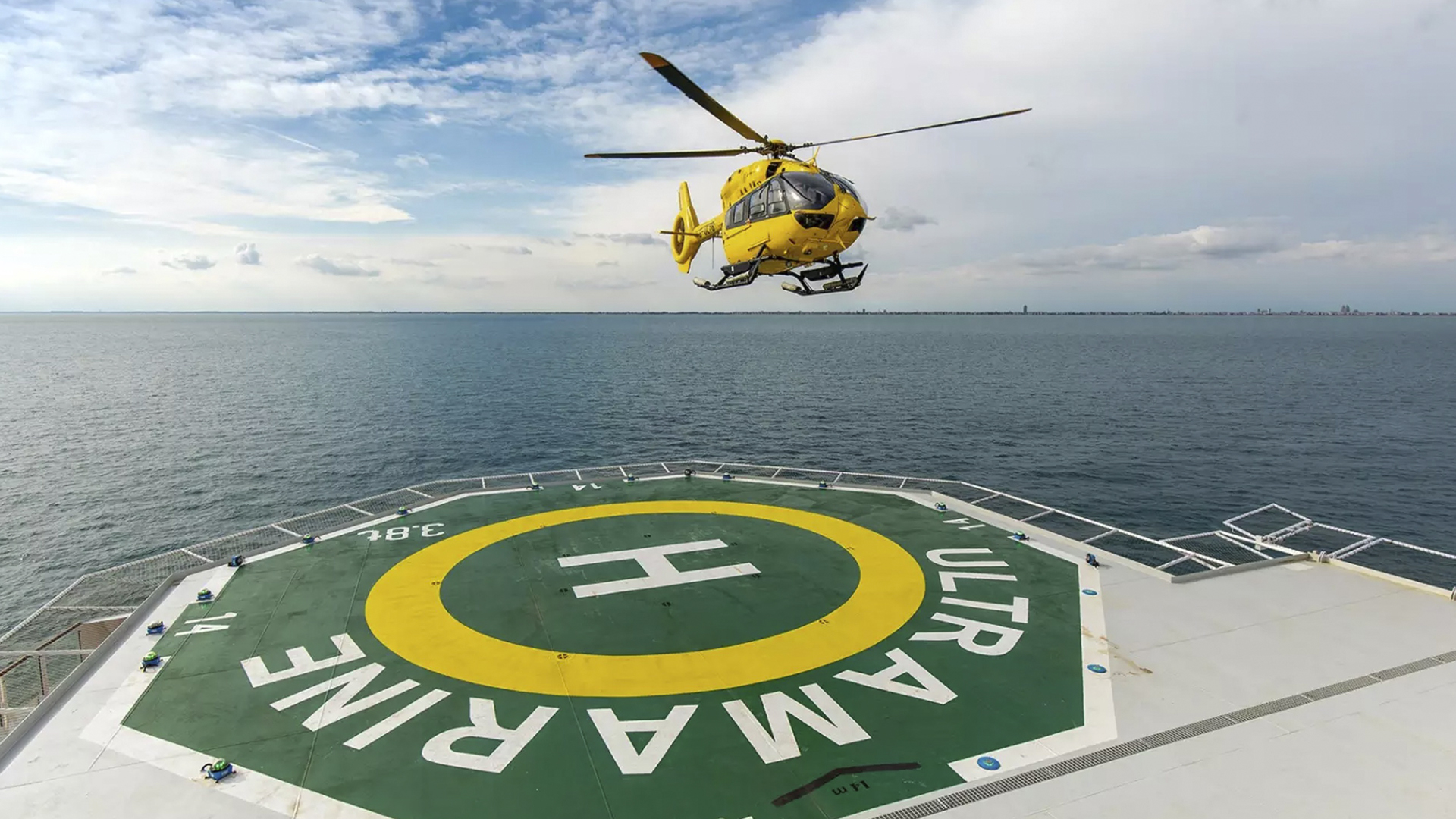
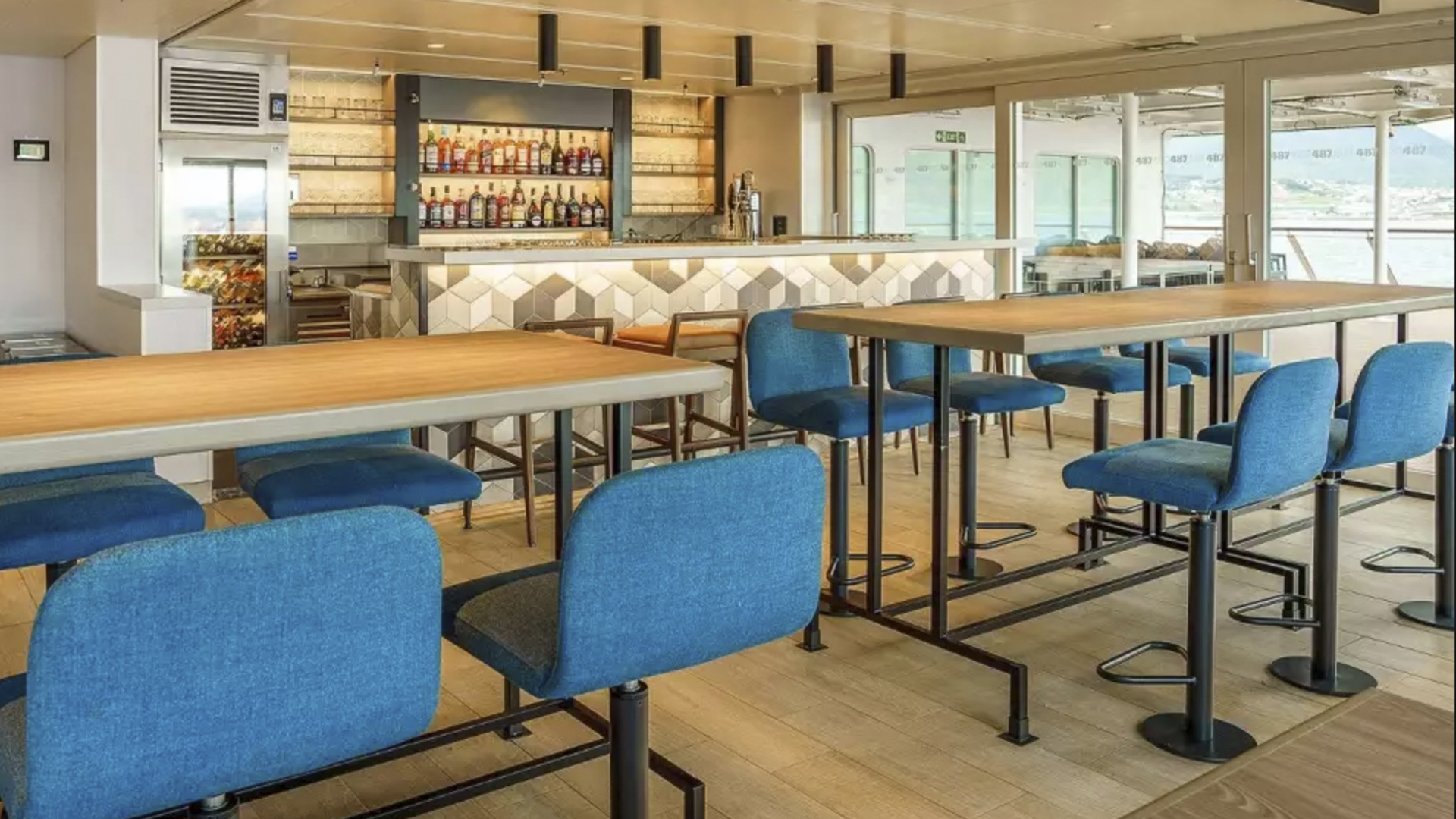
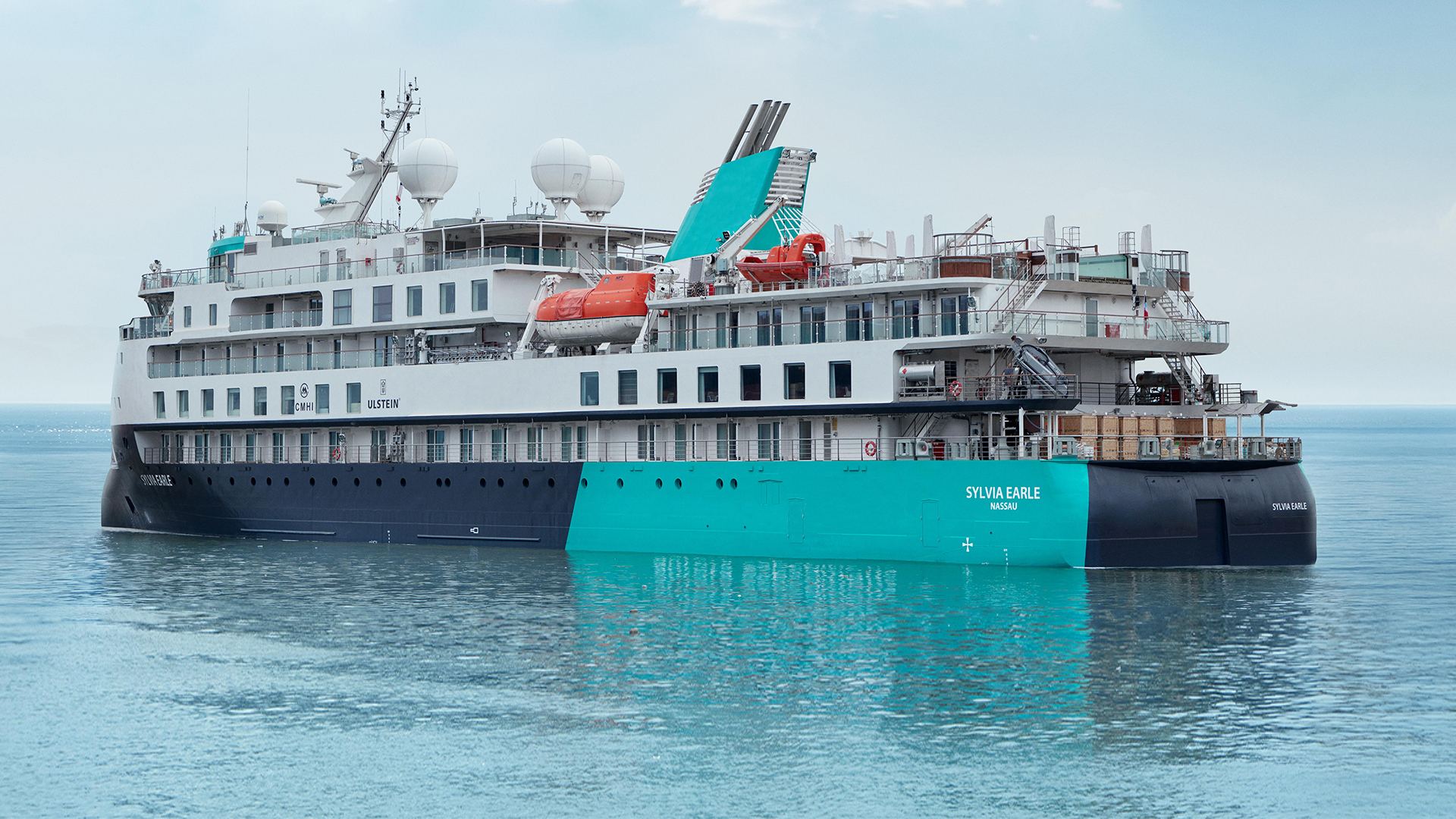
Board our seasoned polar-class vessels, designed for precise navigation through the fjords’ shifting ice and narrow channels to ensure safe passage and expert discovery.













Recommended Reading

Cape Horn: Conquering the “End of the Earth”

The Beagle Channel: Where Evolution Began and Borders Meet

The Strait of Magellan: Gateway to Patagonia’s Legends

Ultimate Patagonia Cruise Guide: Routes & Recommendations
