











































Strait of Magellan Cruises
Highlights
- Experience the striking architecture and multifaceted history of Punta Arenas, a fascinating Magellan Strait port.
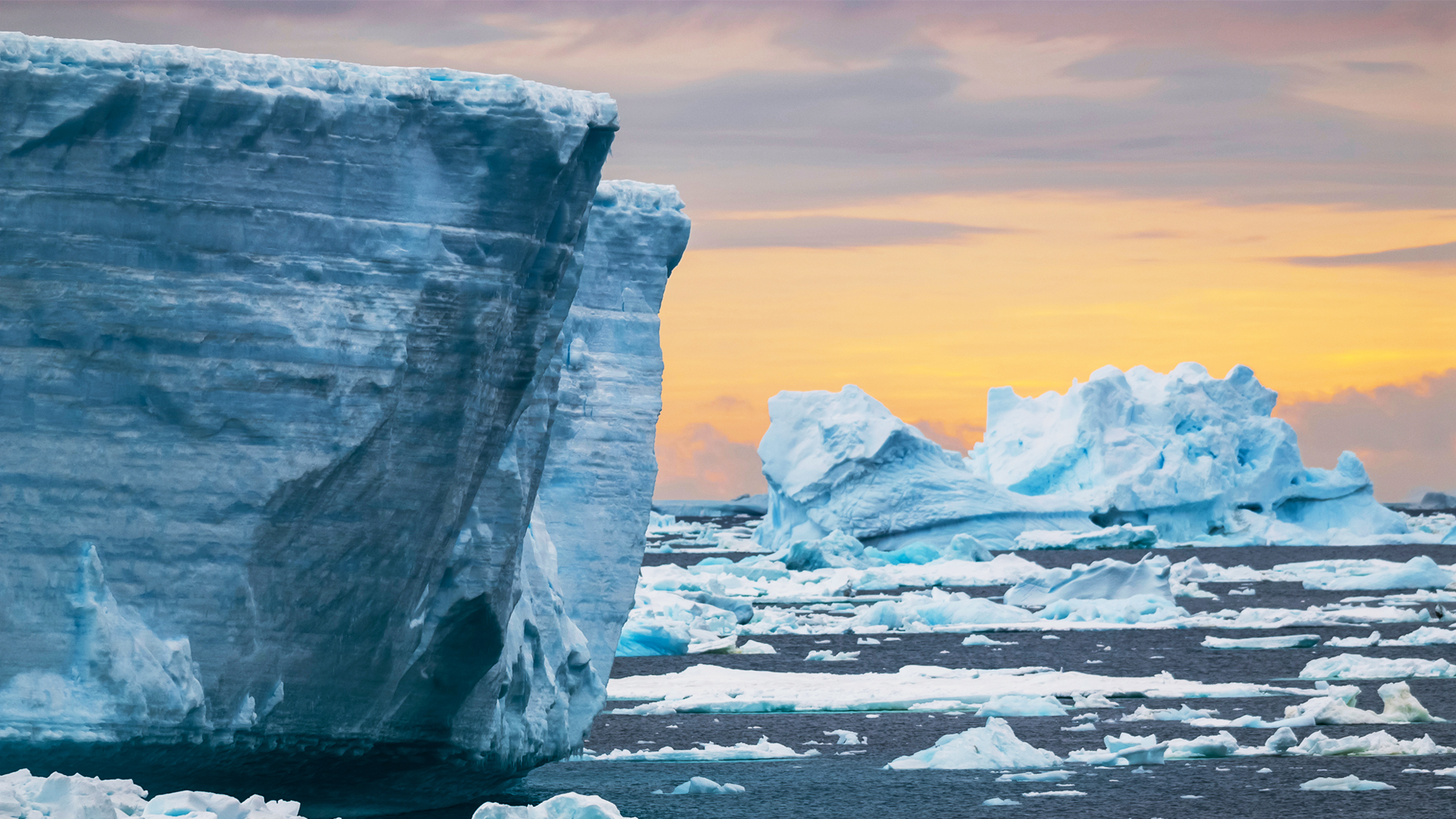
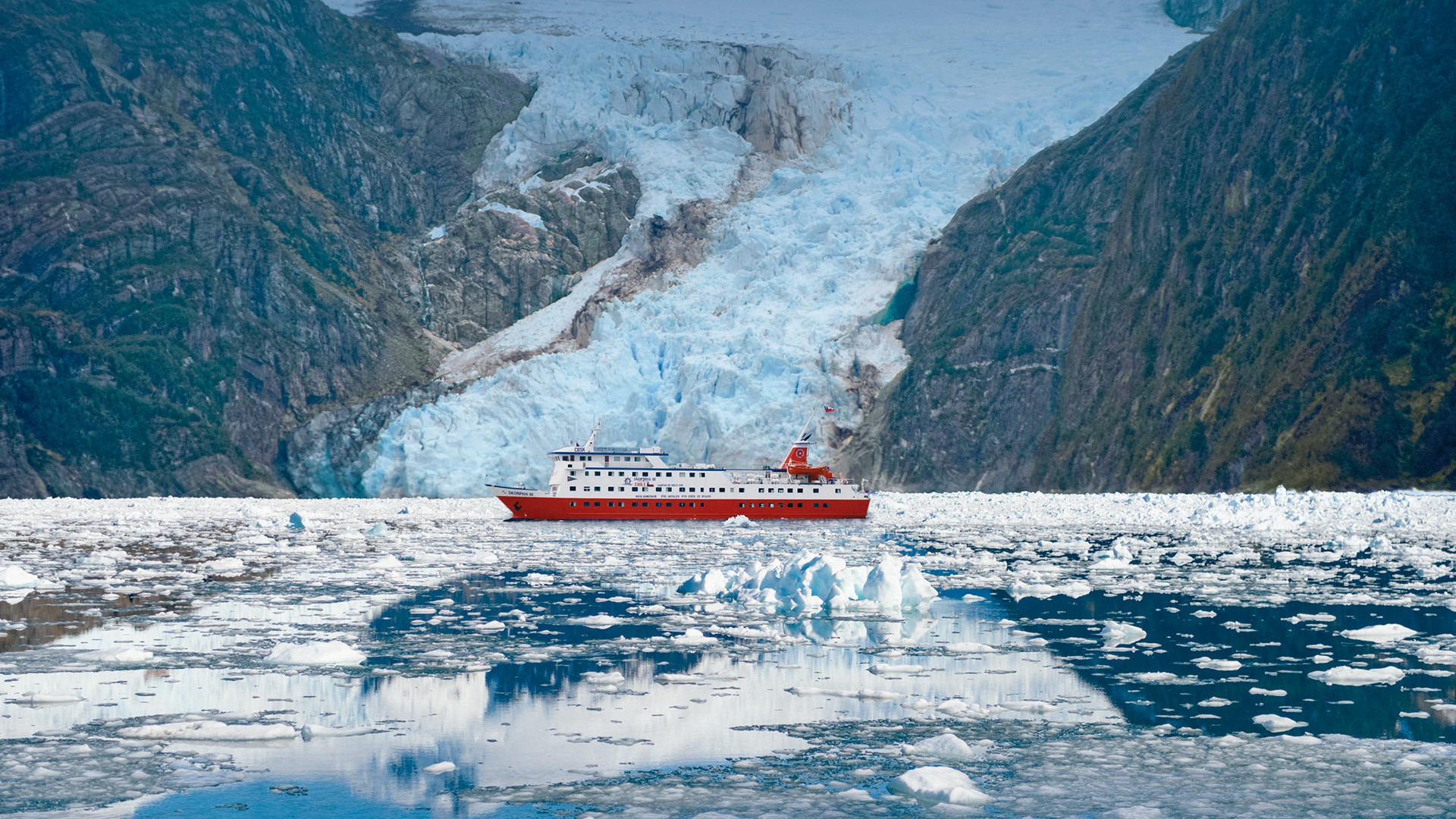
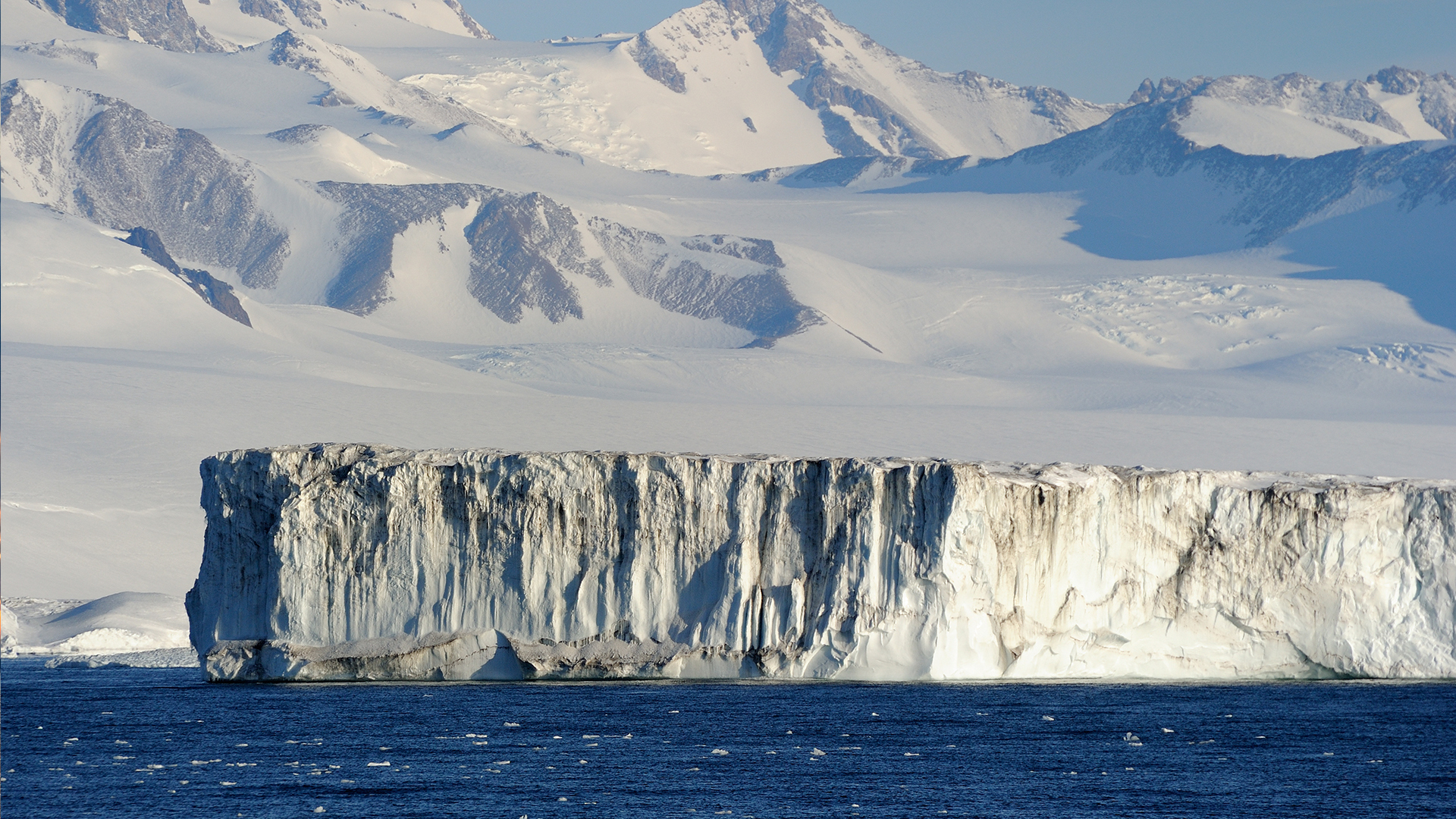
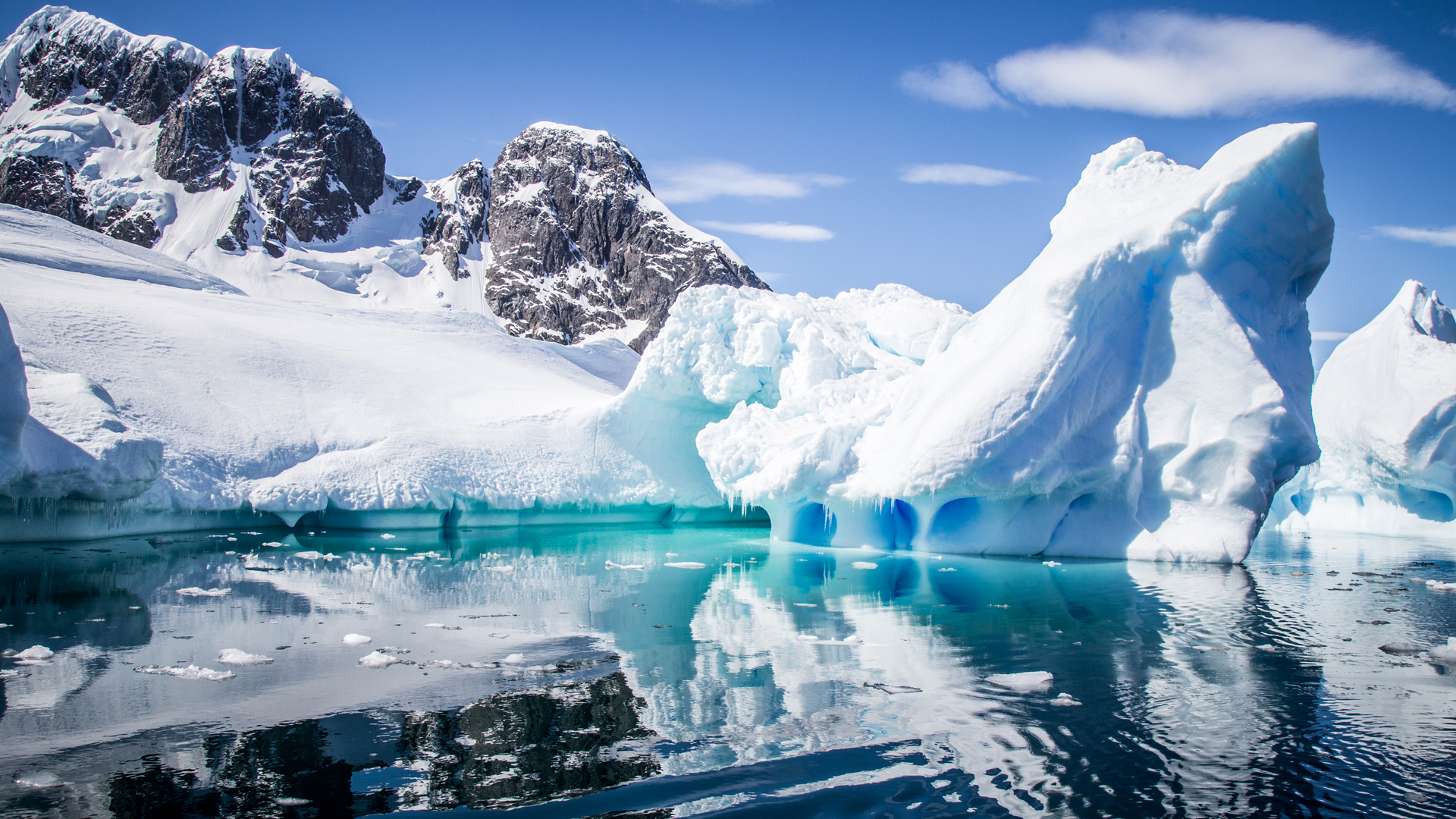
- Marvel at the still-impressive extent of the retreating Martinelli Glacier, spilling out of the Cordillera Darwin into Ainsworth Bay within Alberto de Agostini National Park.
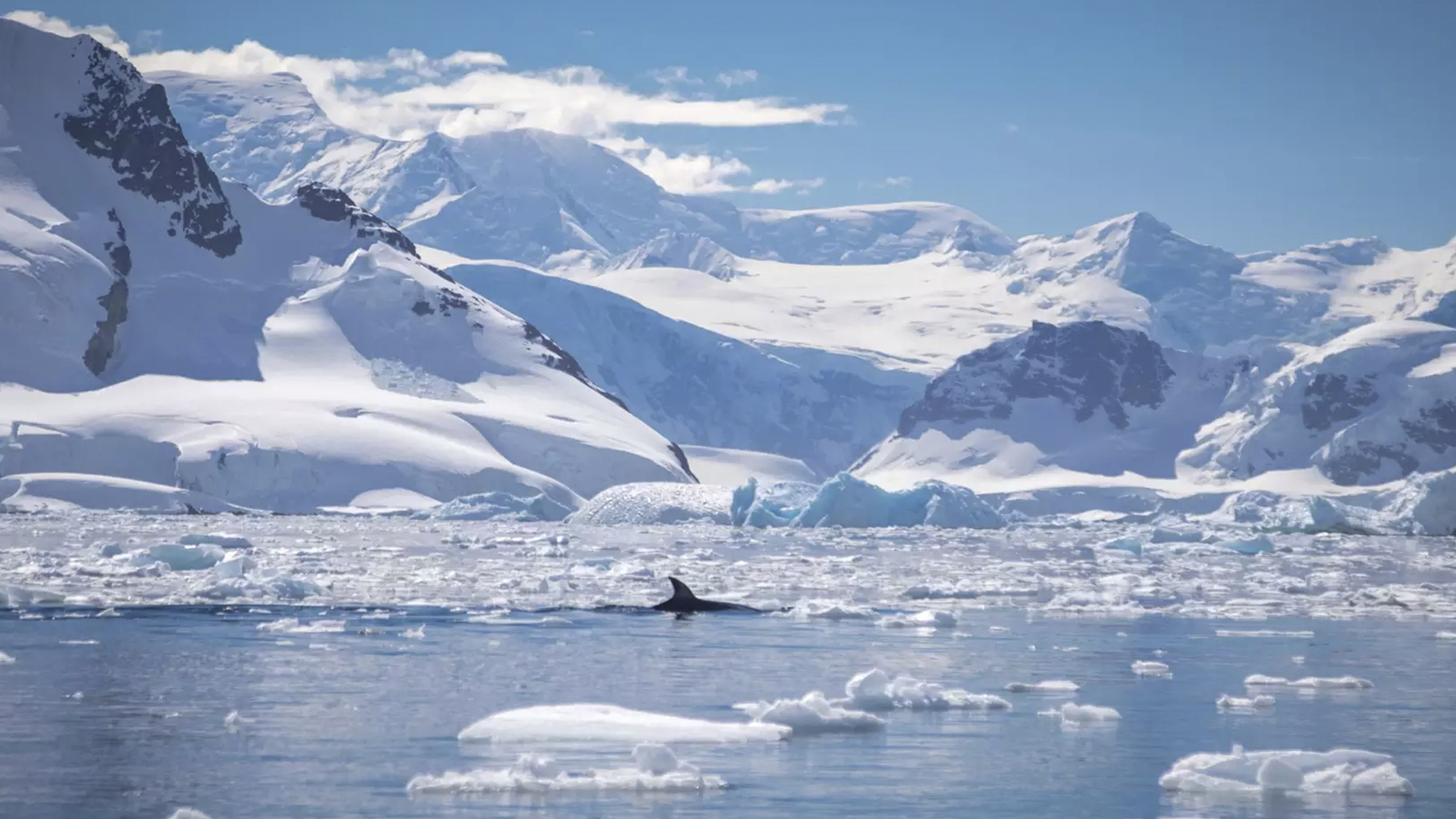
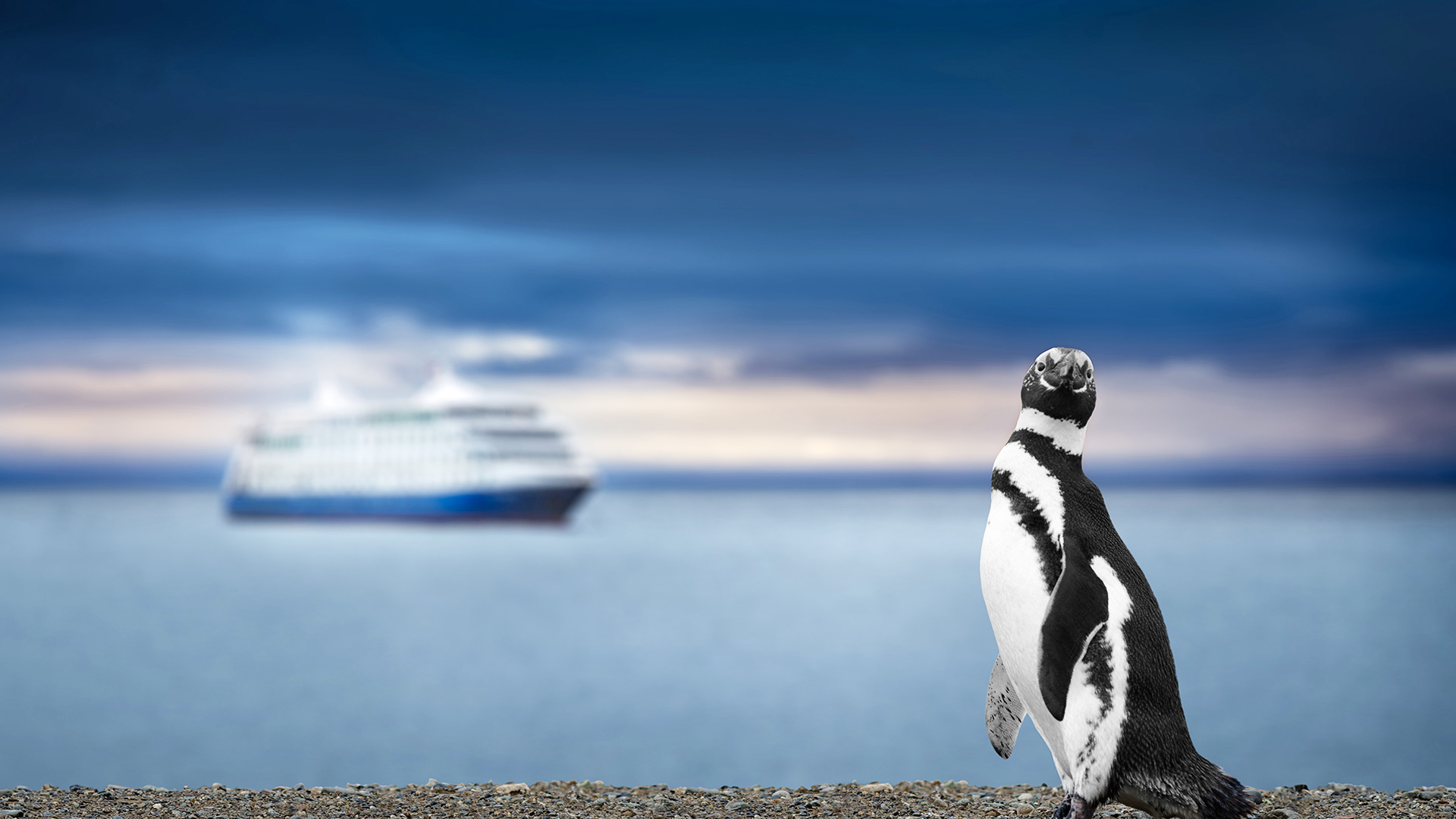
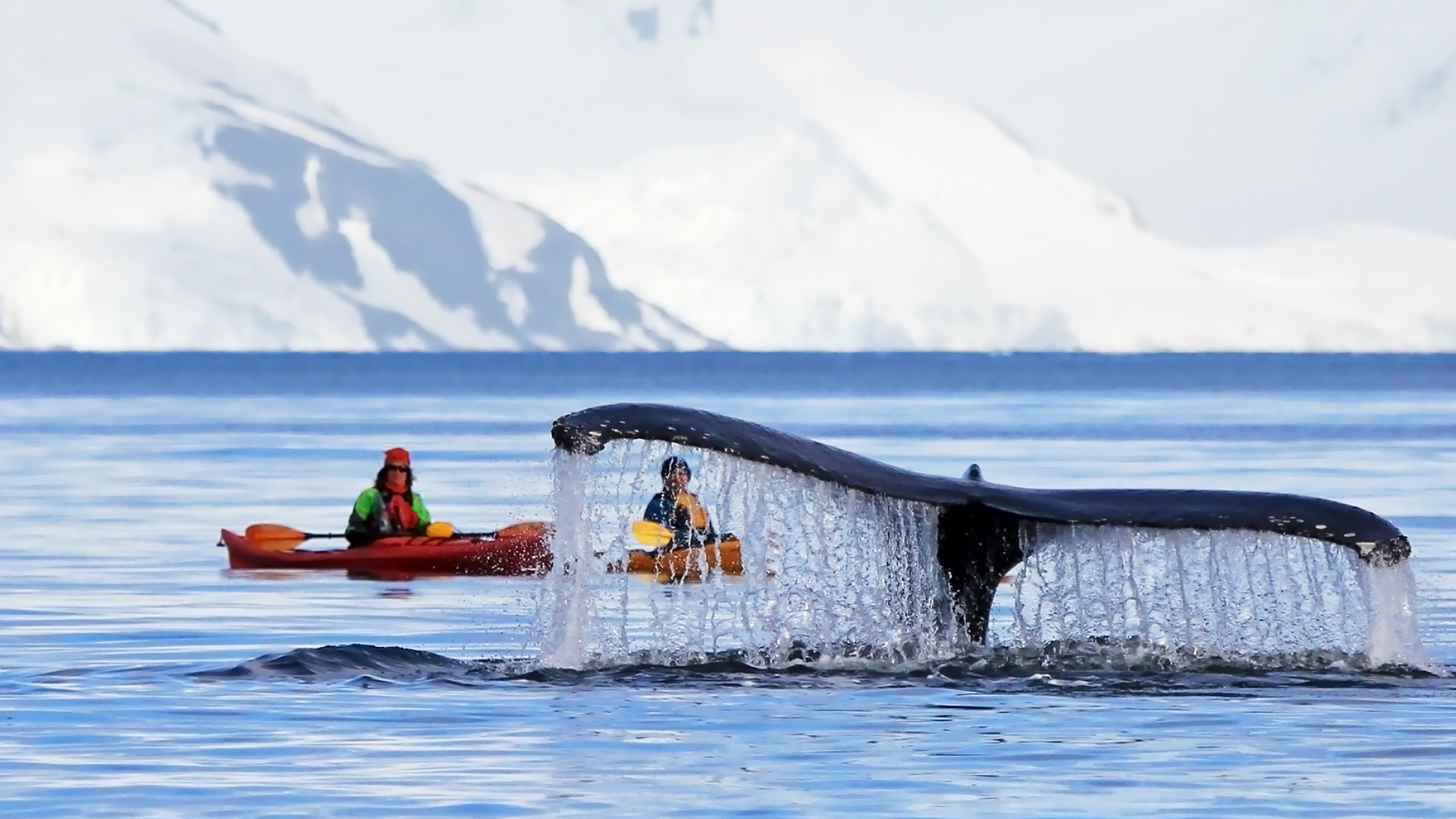
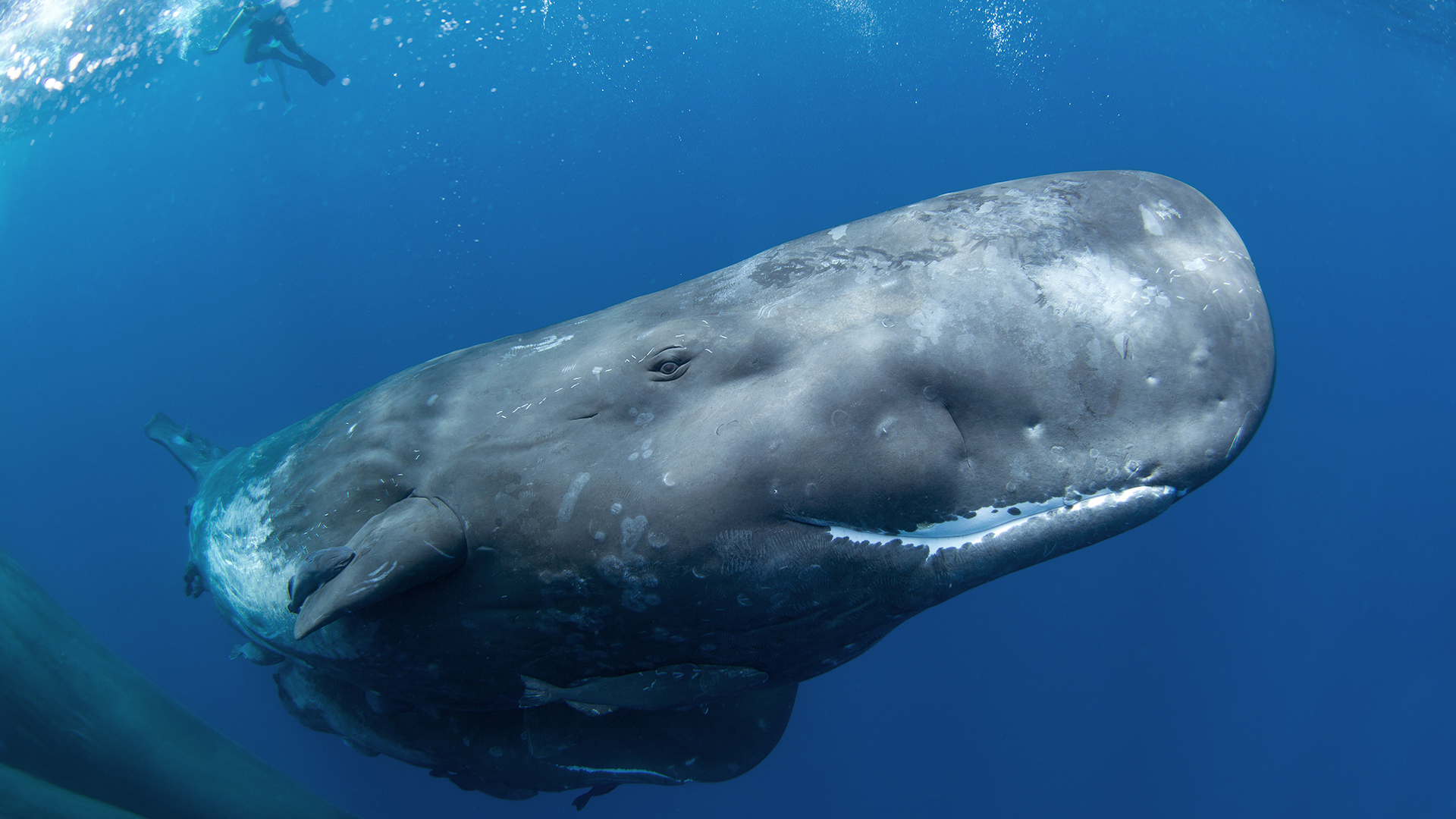
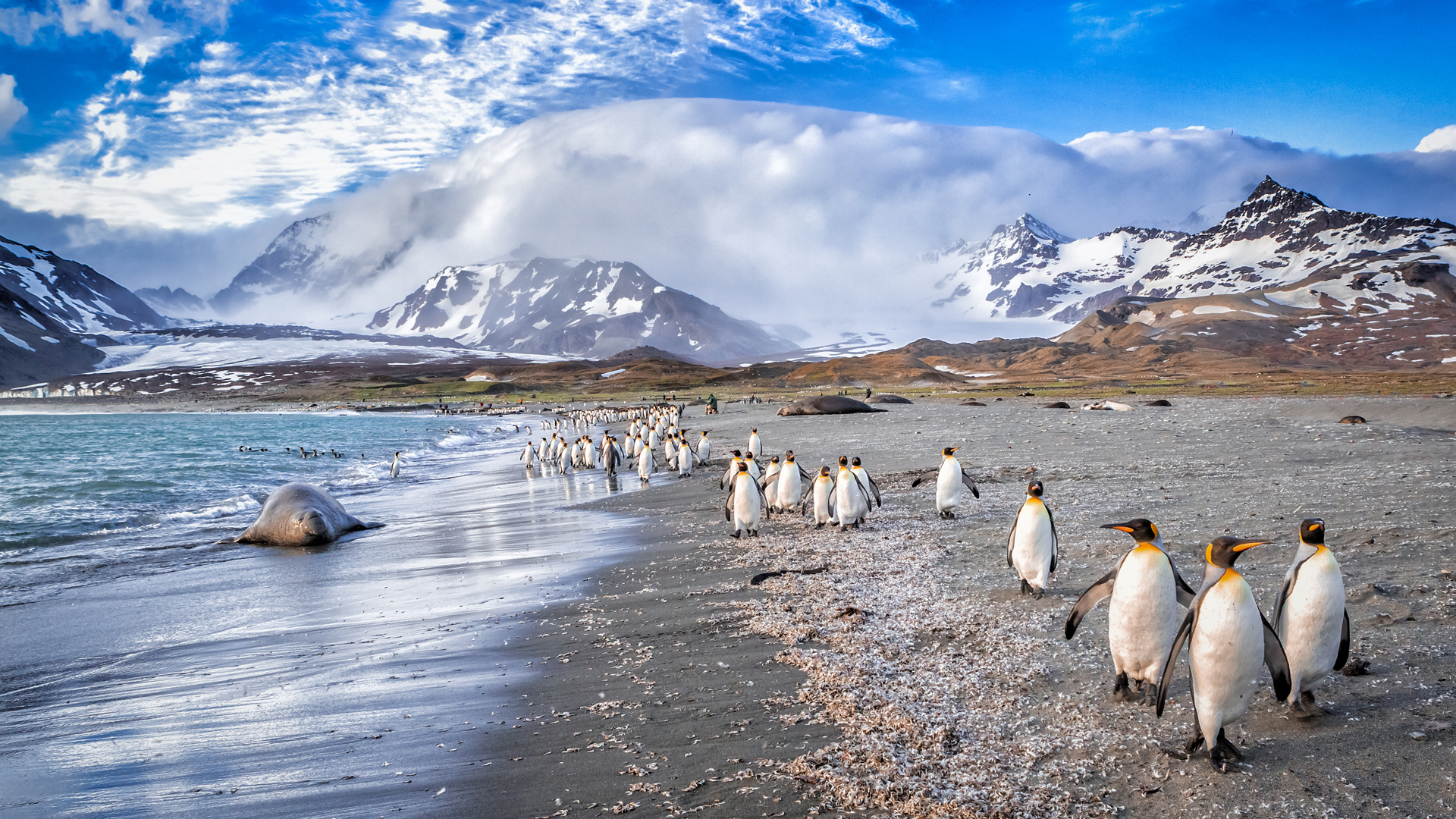
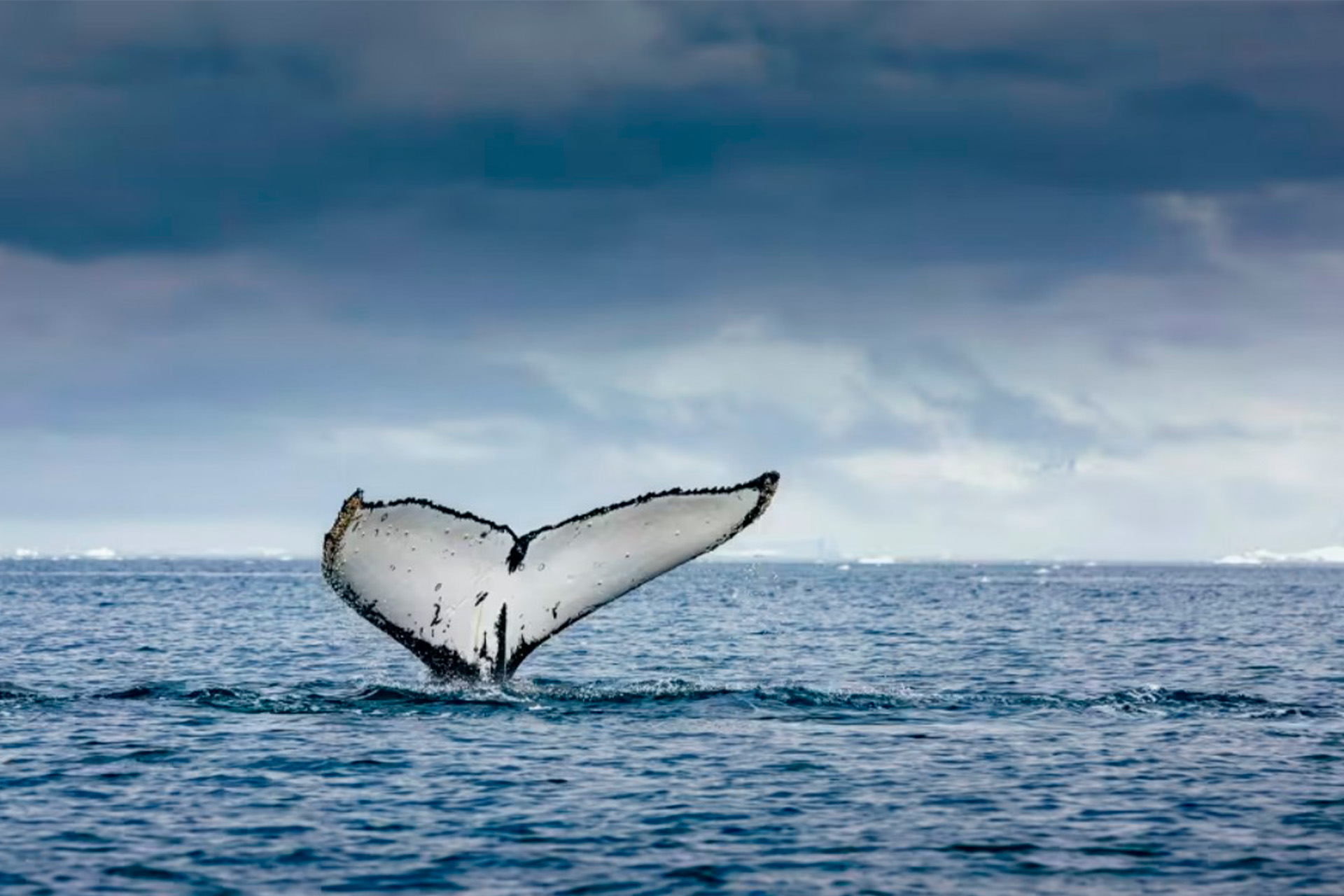
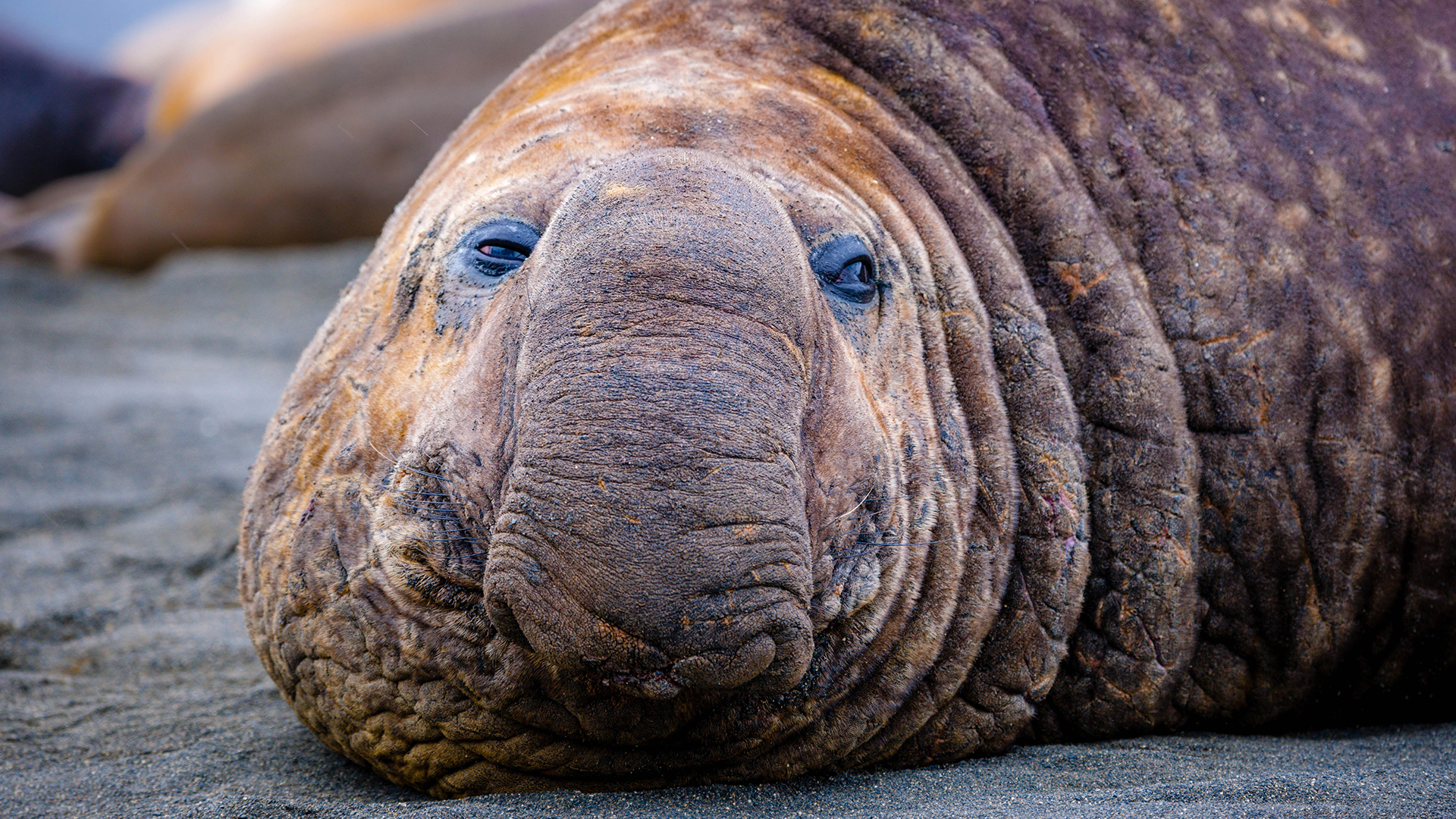
- Look for marine life, including gargantuan southern elephant seals, toothy leopard seals (more associated with Antarctica but known to breed in Parry Fjord), and Magellanic penguins (which form a large colony on Magdalena Island) as well as baleen whales, not least within the humpback hotspot of Francisca Coloane Marine & Coastal Protected Area.
- Follow in the footsteps of Magellan’s fateful 1520 voyage, which became the first to circumnavigate the globe (even if Magellan didn’t live to see it through).
- Explore the subpolar forest, fjords, and calving glaciers of Kawésqar National Park, the second-largest in Chile.
The Strait of the Magellan: the name alone conjures as much historical shimmer and adventurous connotation as any of the world’s great sea lanes. Cutting an angular and often tight 350-mile (560-km) path between the southern tip of mainland South America and Tierra del Fuego, this was the sheltered linkage between the Atlantic and Pacific oceans that Portuguese explorer Ferdinand Magellan famously scouted out in 1520. The Strait remained a heavily used maritime route until the completion of the Panama Canal in 1914.
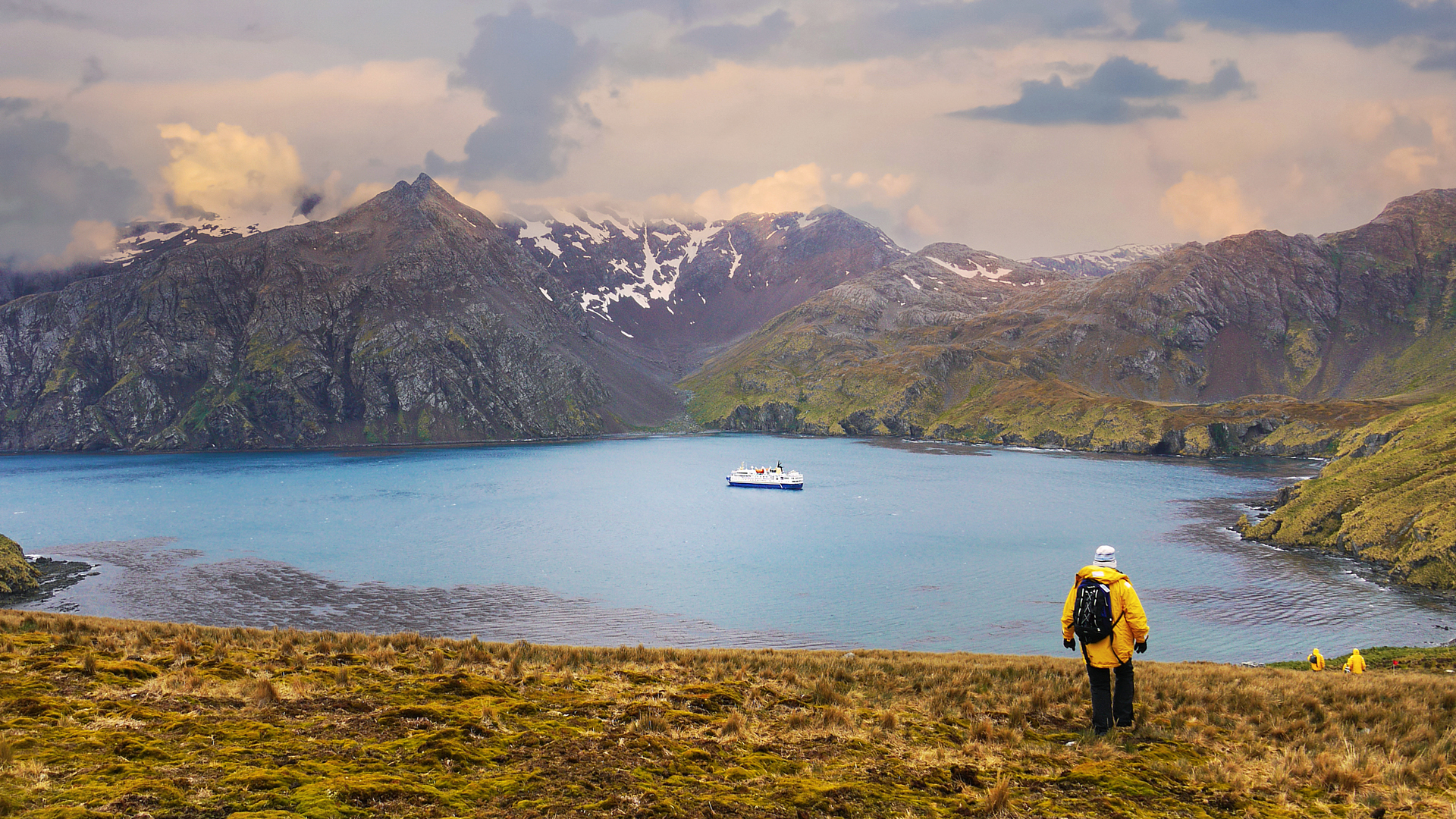
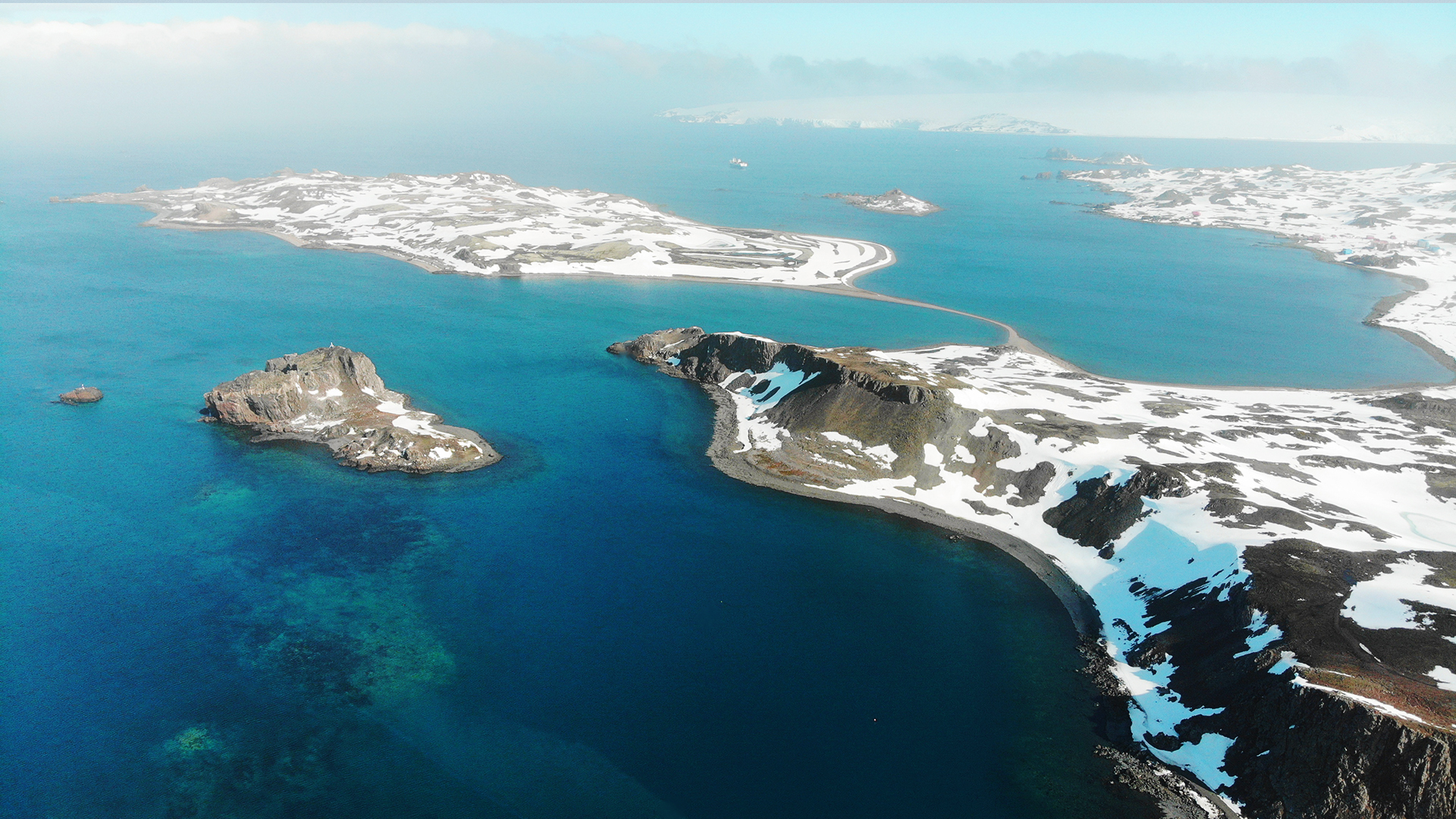
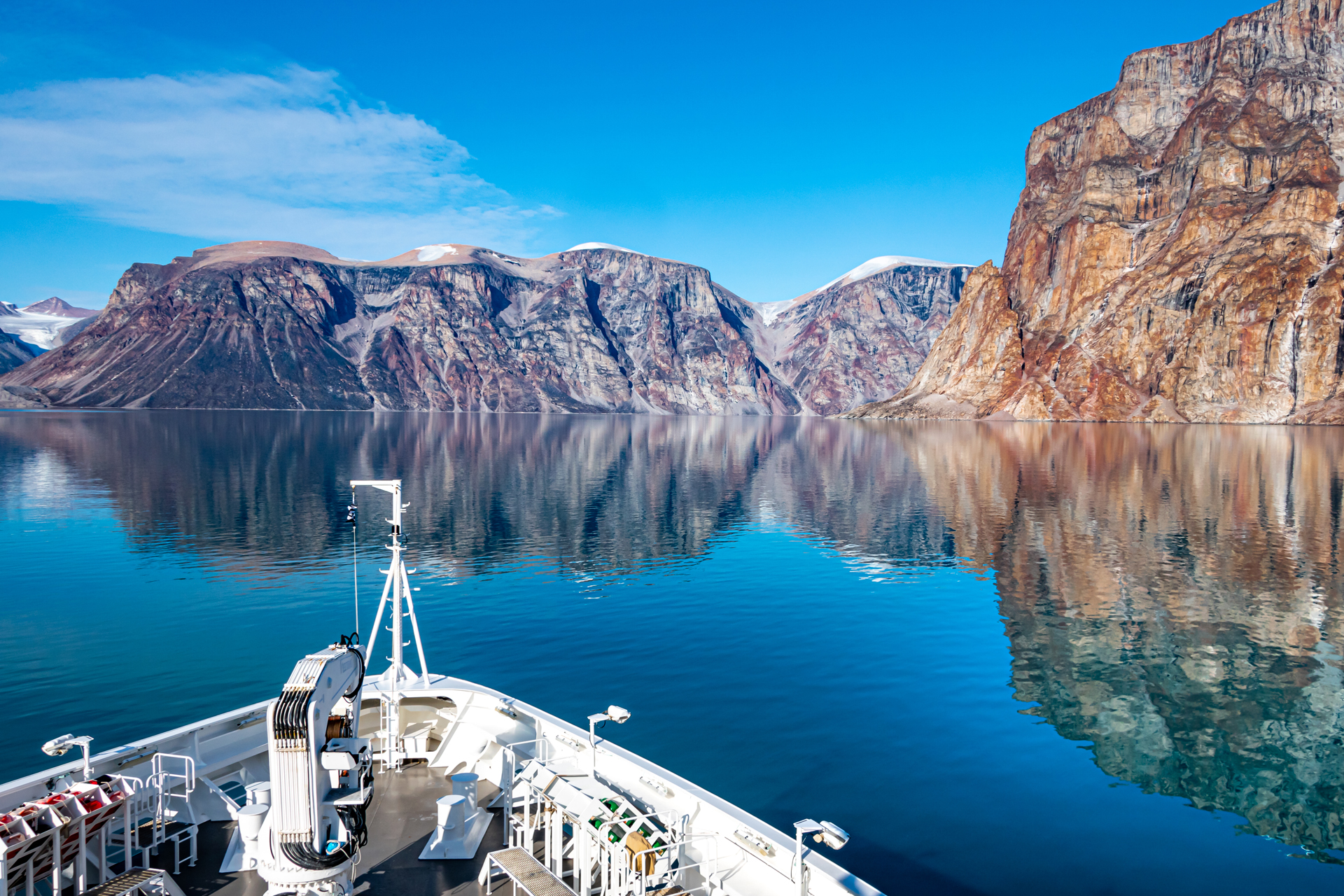
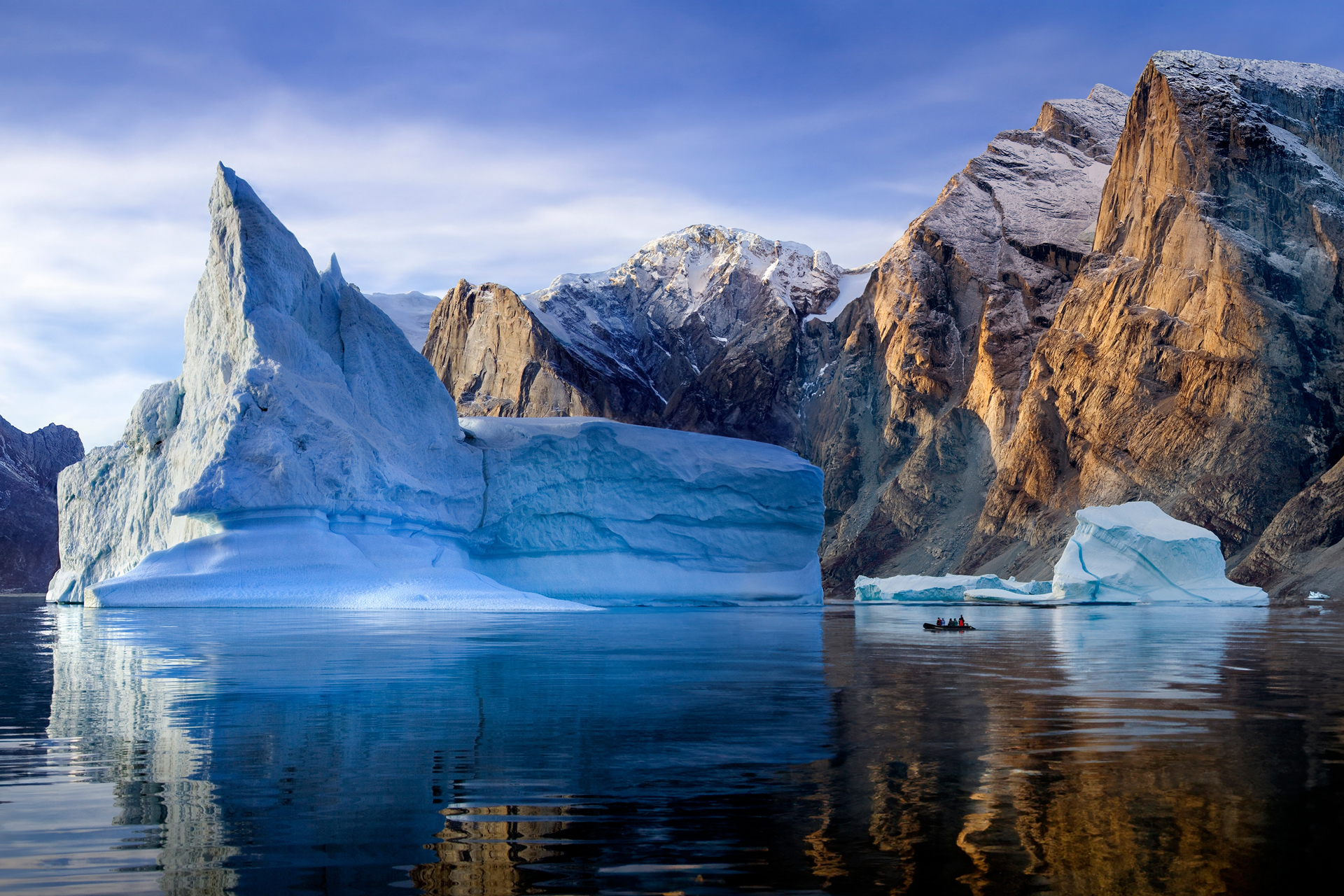
Strung between Cape Virgenes and Cape Espíritu Santo on the Atlantic side and Cape Pillar on the Pacific side, the Magellan Strait still inspires awe with its rugged scenery and sense of journeying through a great geographic frontier. The opportunities for wildlife-watching are outstanding, with a prolific and varied roster of marine mammals and seabirds inhabiting the waterway and a host of terrestrial animals haunting the ethereal Magellanic subpolar forest (aka Magellanic rainforest) that fringes it. Vast areas along and near the Strait fall within a splendid network of national parks and other protected reserves.


About Strait of Magellan Cruises
The Strait of the Magellan: the name alone conjures as much historical shimmer and adventurous connotation as any of the world’s great sea lanes. Cutting an angular and often tight 350-mile (560-km) path between the southern tip of mainland South America and Tierra del Fuego, this was the sheltered linkage between the Atlantic and Pacific oceans that Portuguese explorer Ferdinand Magellan famously scouted out in 1520. The Strait remained a heavily used maritime route until the completion of the Panama Canal in 1914.
Strung between Cape Virgenes and Cape Espíritu Santo on the Atlantic side and Cape Pillar on the Pacific side, the Magellan Strait still inspires awe with its rugged scenery and sense of journeying through a great geographic frontier. The opportunities for wildlife-watching are outstanding, with a prolific and varied roster of marine mammals and seabirds inhabiting the waterway and a host of terrestrial animals haunting the ethereal Magellanic subpolar forest (aka Magellanic rainforest) that fringes it. Vast areas along and near the Strait fall within a splendid network of national parks and other protected reserves.
Darwin's Route From Ushuaia
Darwin's Route From Punta Arenas
Essential Patagonia: Chilean Fjords & Torres del Paine
Patagonia & Chilean Fjords (9-11 Days)
Fjords of Tierra del Fuego
Magellan Strait Map
FAQs About Magellan Strait Cruises
Why is the Strait of Magellan famous?
Discovered by Ferdinand Magellan in 1520, it served as the primary route between the Atlantic and Pacific before the Panama Canal’s existence.
Can ships still use the Strait of Magellan?
Yes, seasoned crews still navigate these waters today, offering travelers a rite of passage through a realm of immense historical significance.
What is the weather like in the Magellan Strait?
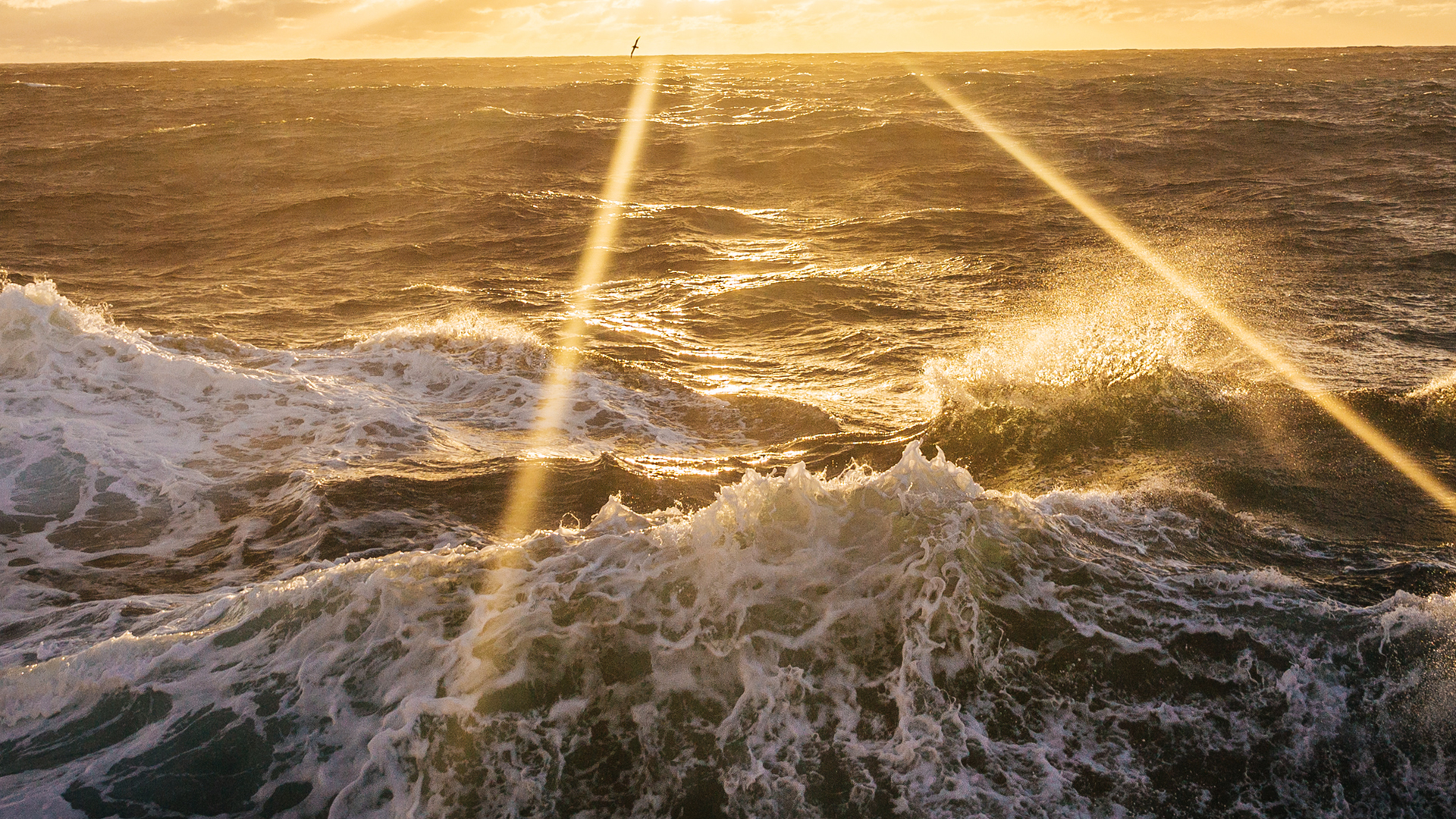
The region is known for its capricious nature, where katabatic winds can remake the view and challenge even the most experienced explorers.
Where is the Strait of Magellan?
It is a navigable sea route in southern Chile, separating mainland South America from the islands of Tierra del Fuego.
What wildlife lives in the Magellan Strait?
Look for Commerson’s dolphins, humpback whales, and various seabirds that roam these shifting ice-bound horizons.
Is it better to cruise the Strait or the Beagle Channel?
Both offer unique heritage; however, the Strait is wider and more storied in early maritime history, while the Beagle is narrower and more glacial.
Discovered by Ferdinand Magellan in 1520, it served as the primary route between the Atlantic and Pacific before the Panama Canal’s existence.
Yes, seasoned crews still navigate these waters today, offering travelers a rite of passage through a realm of immense historical significance.
The region is known for its capricious nature, where katabatic winds can remake the view and challenge even the most experienced explorers.
It is a navigable sea route in southern Chile, separating mainland South America from the islands of Tierra del Fuego.
Look for Commerson’s dolphins, humpback whales, and various seabirds that roam these shifting ice-bound horizons.
Both offer unique heritage; however, the Strait is wider and more storied in early maritime history, while the Beagle is narrower and more glacial.
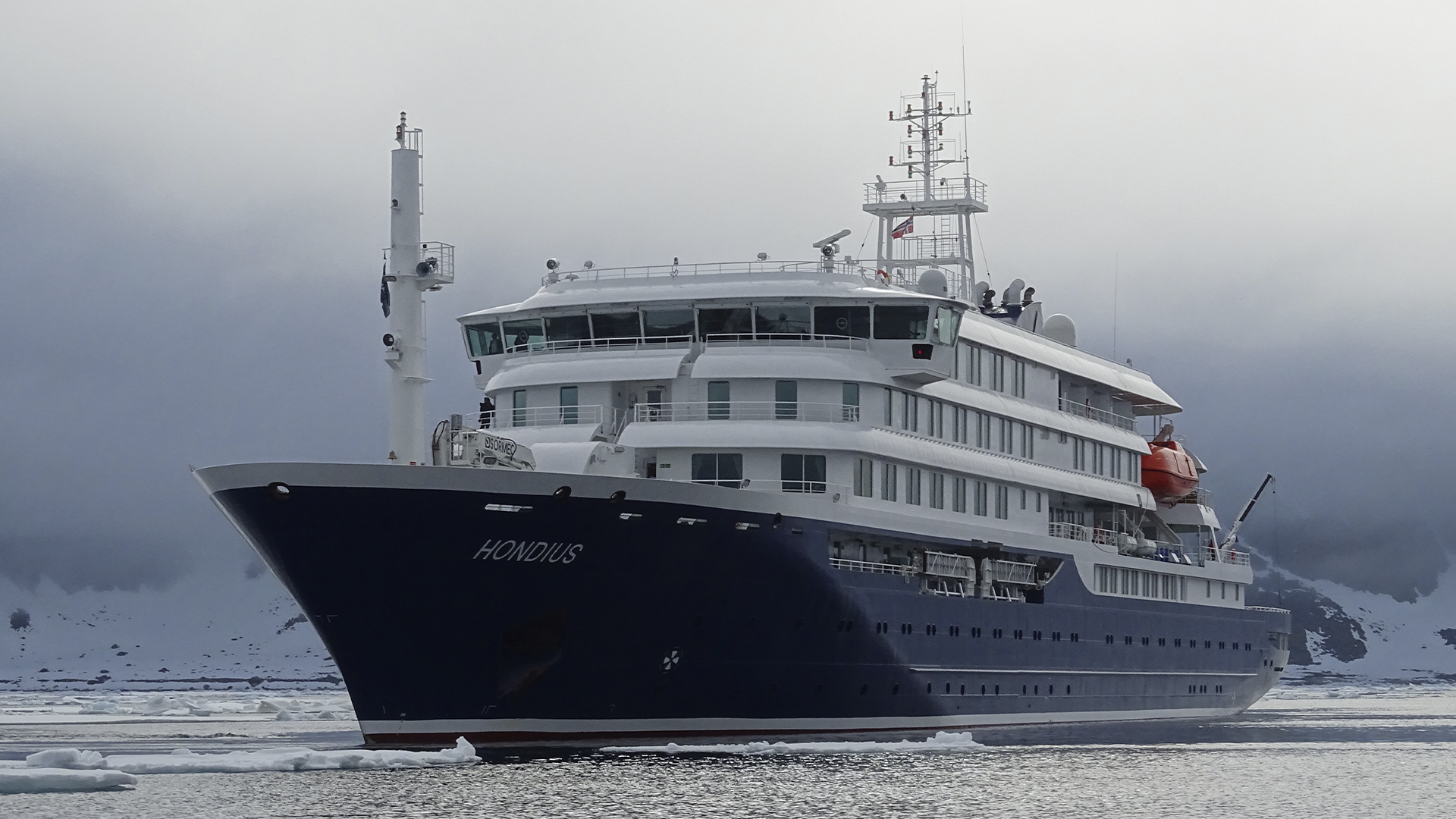
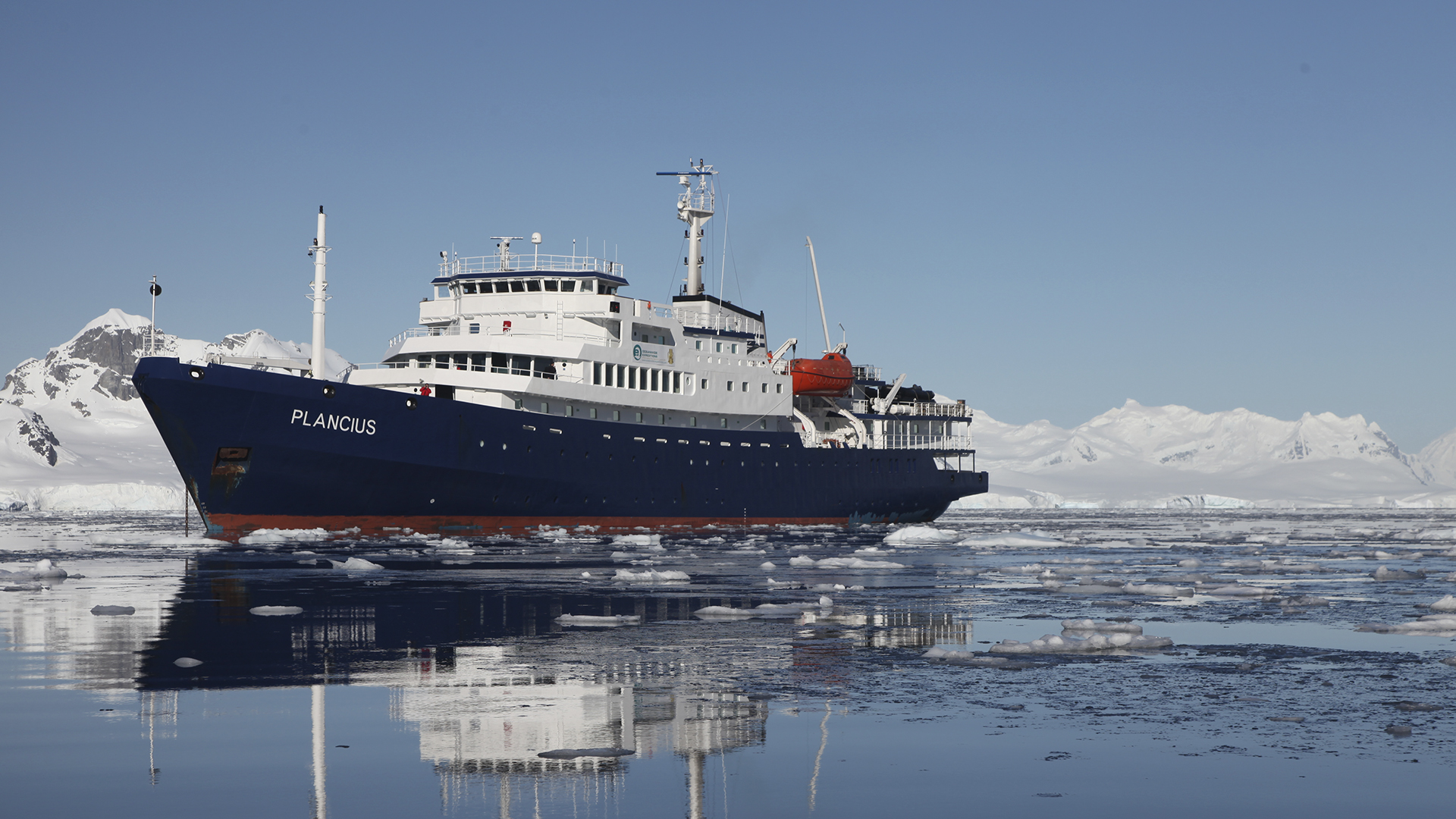
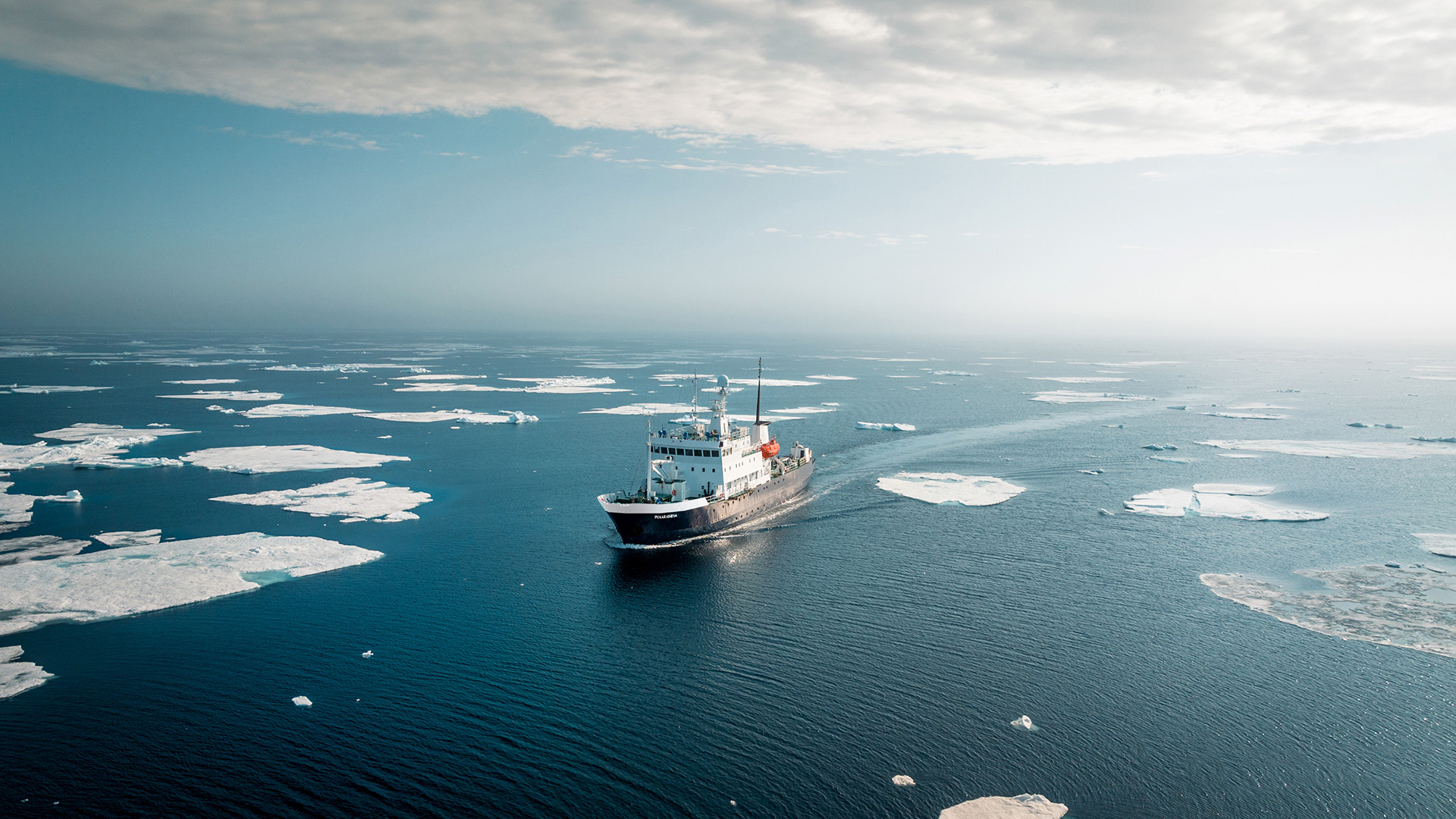
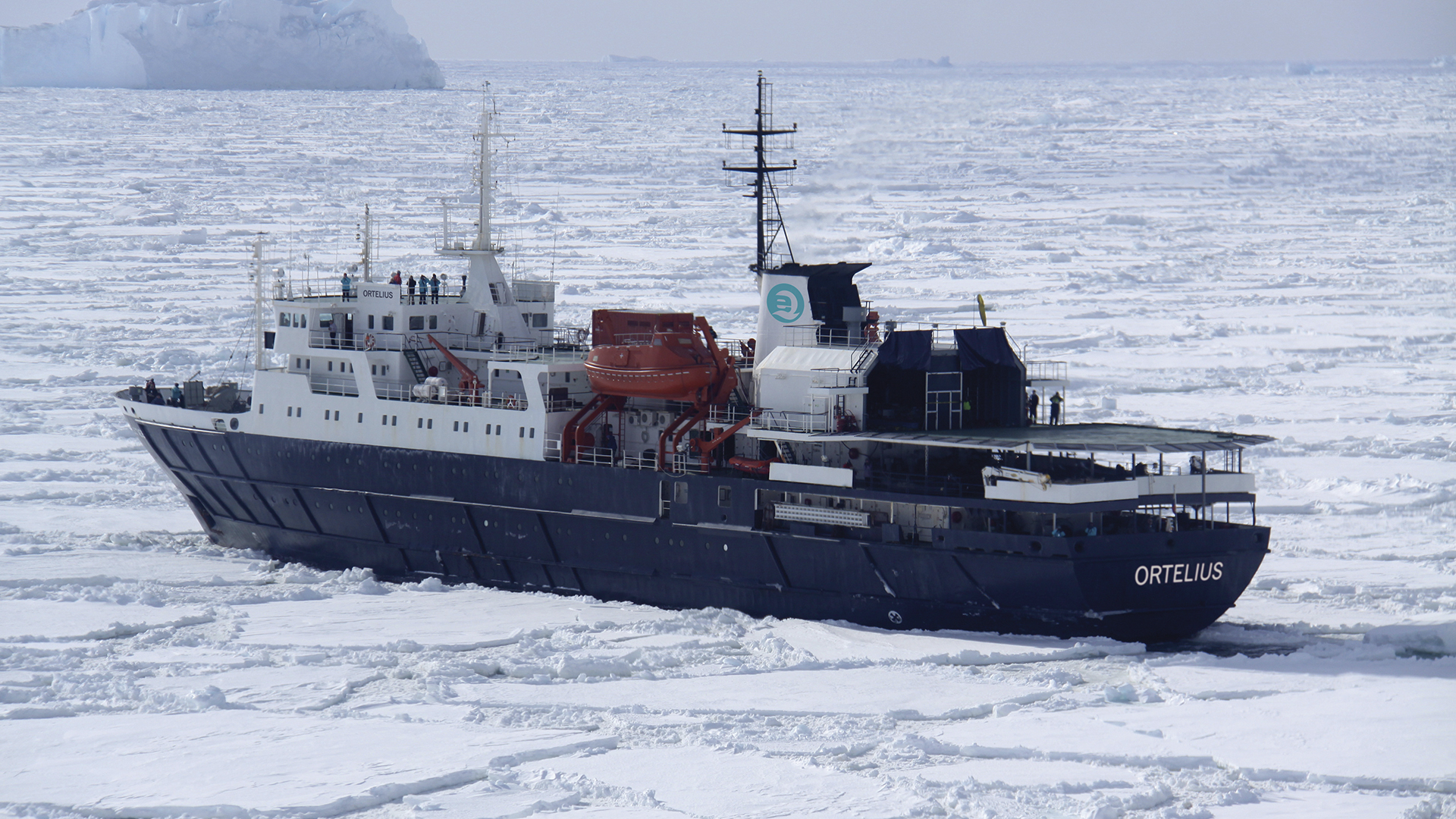
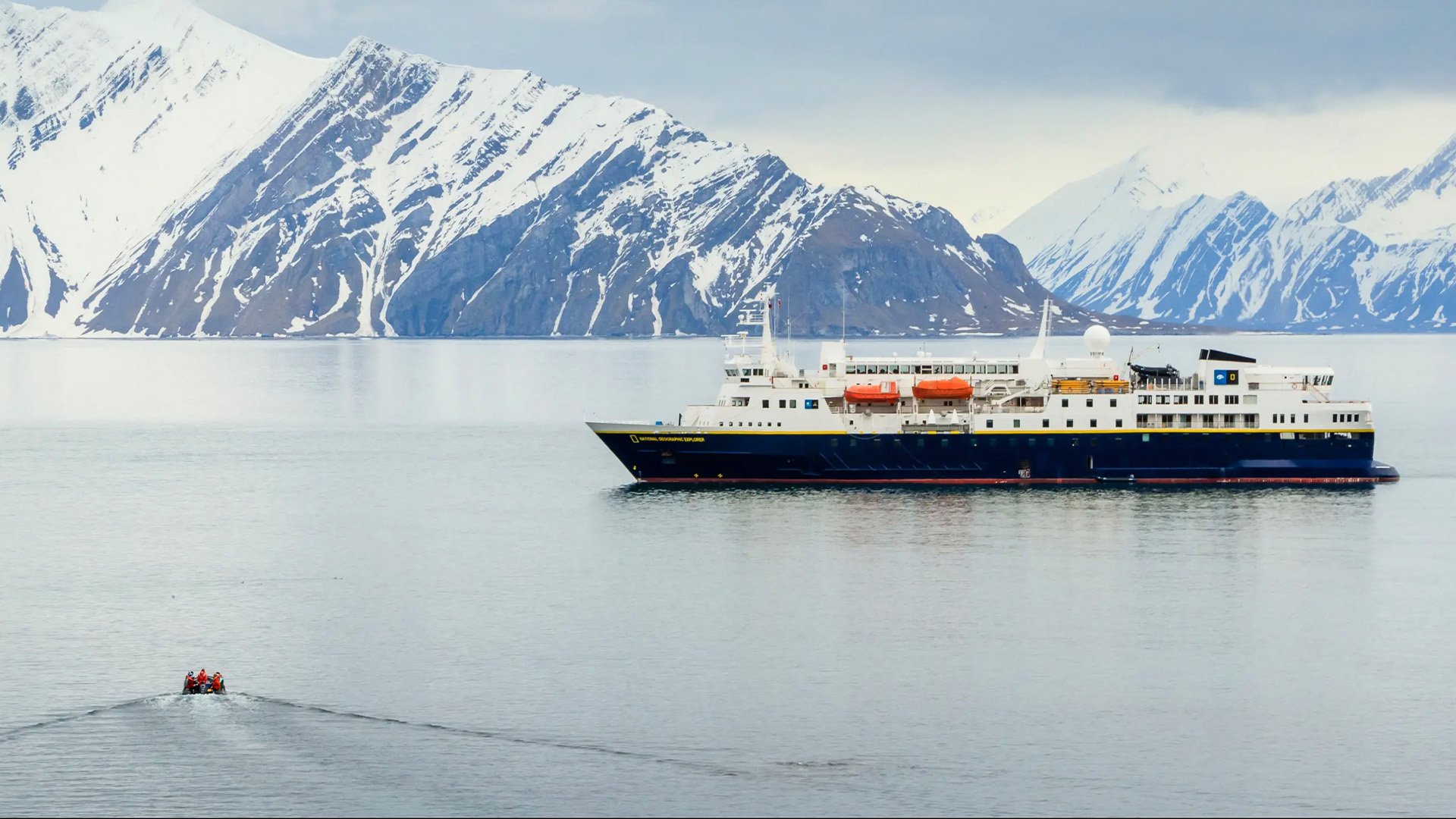
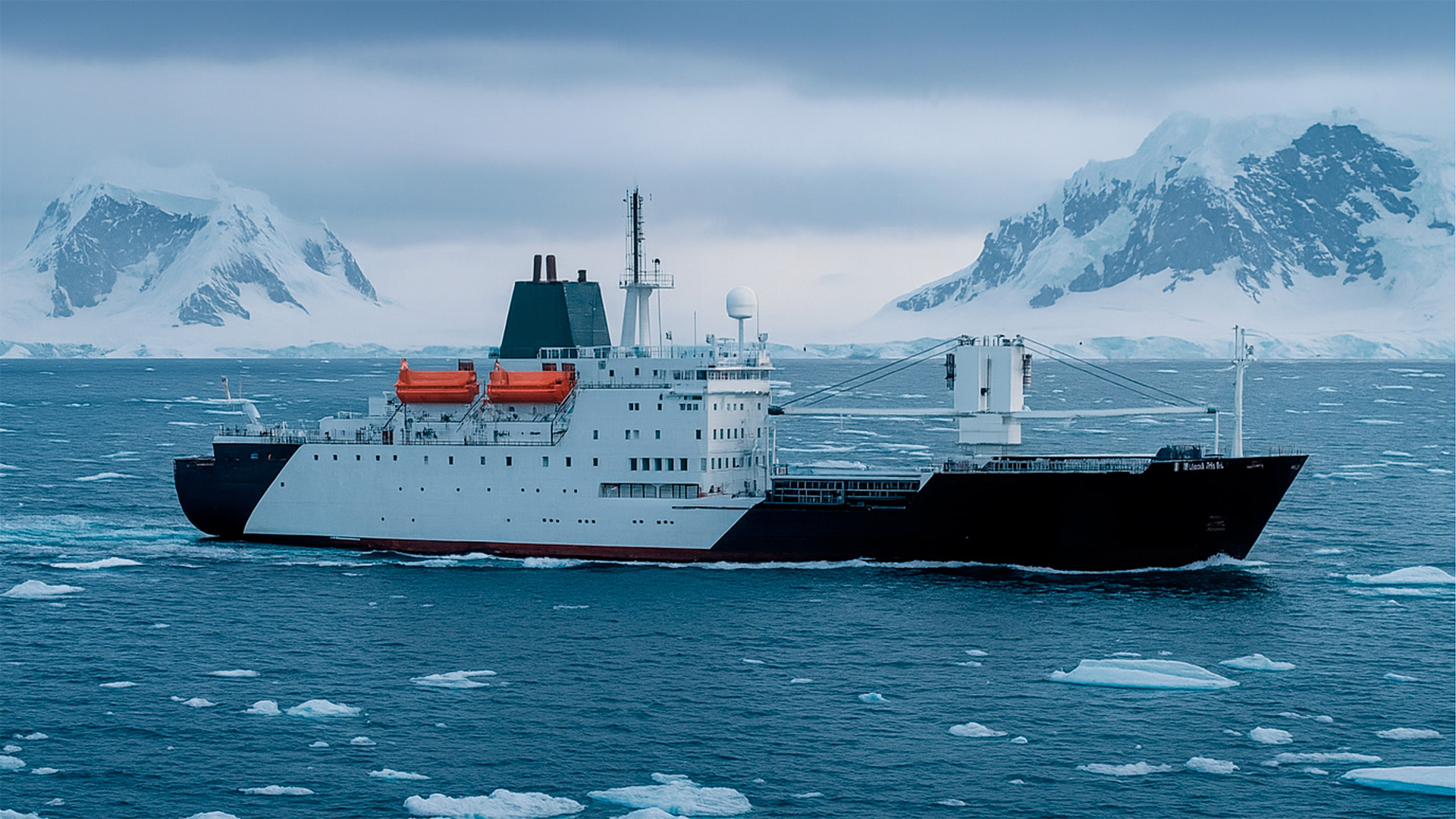
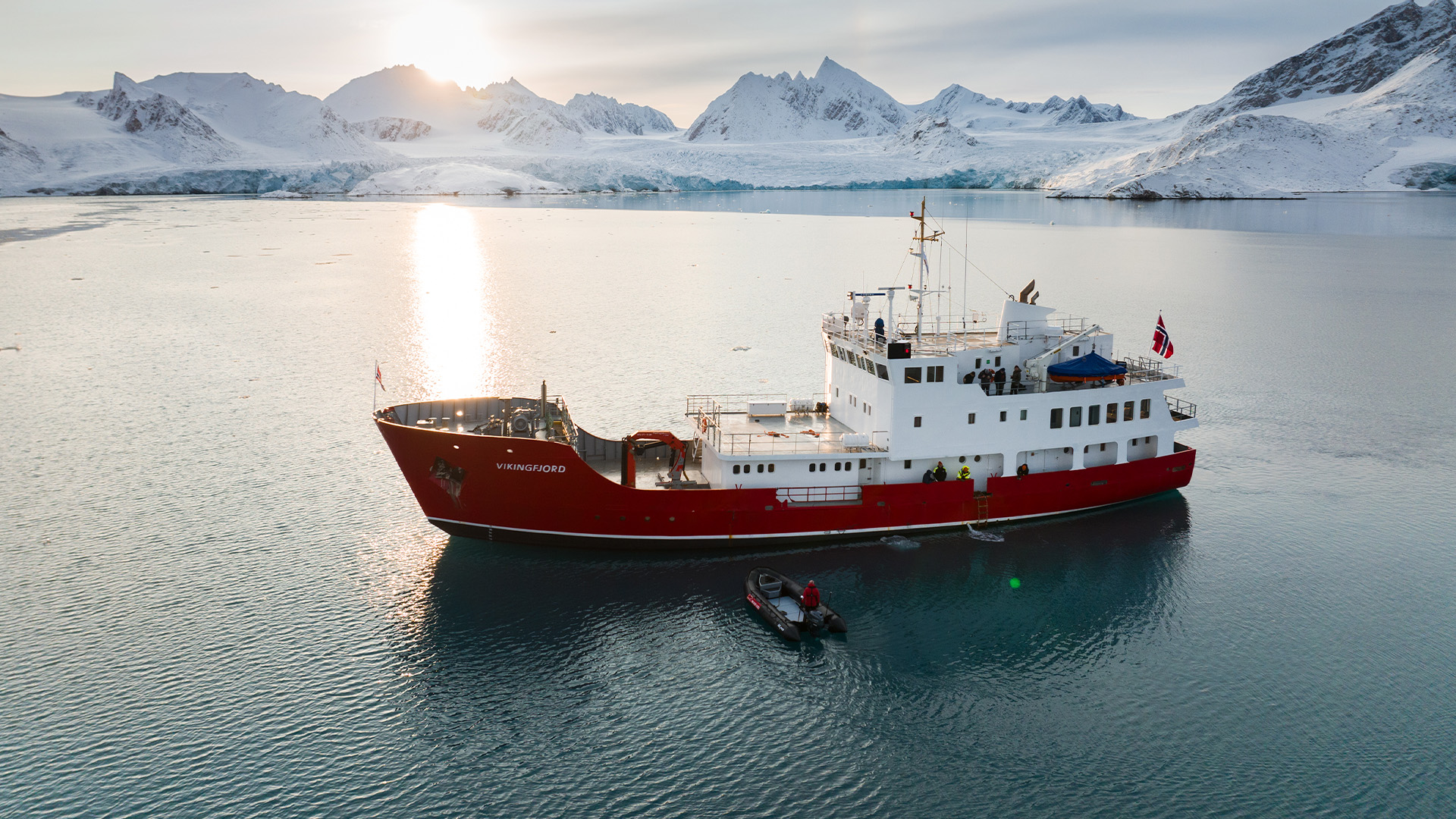
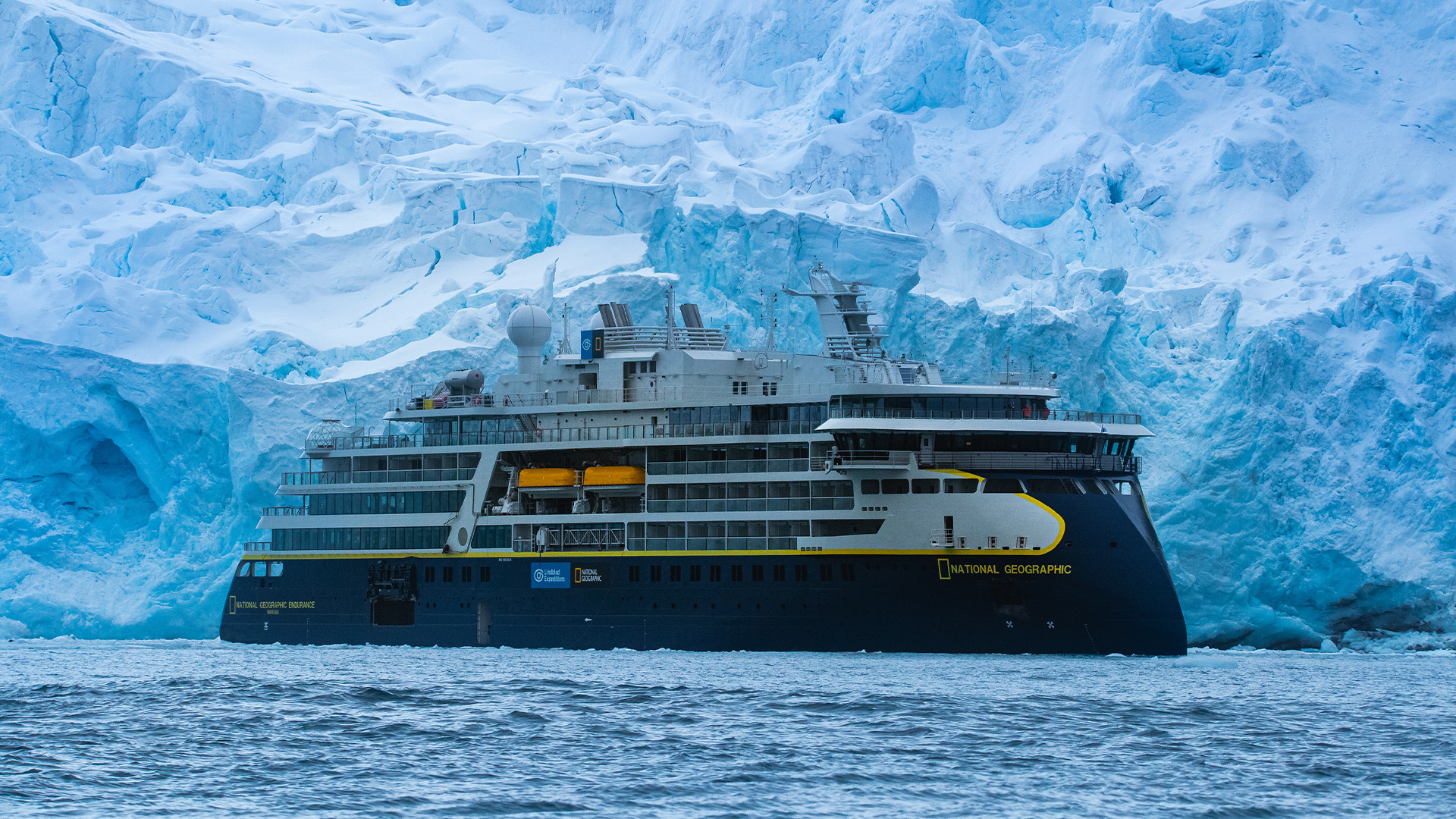
Magellan Strait Cruise Ships
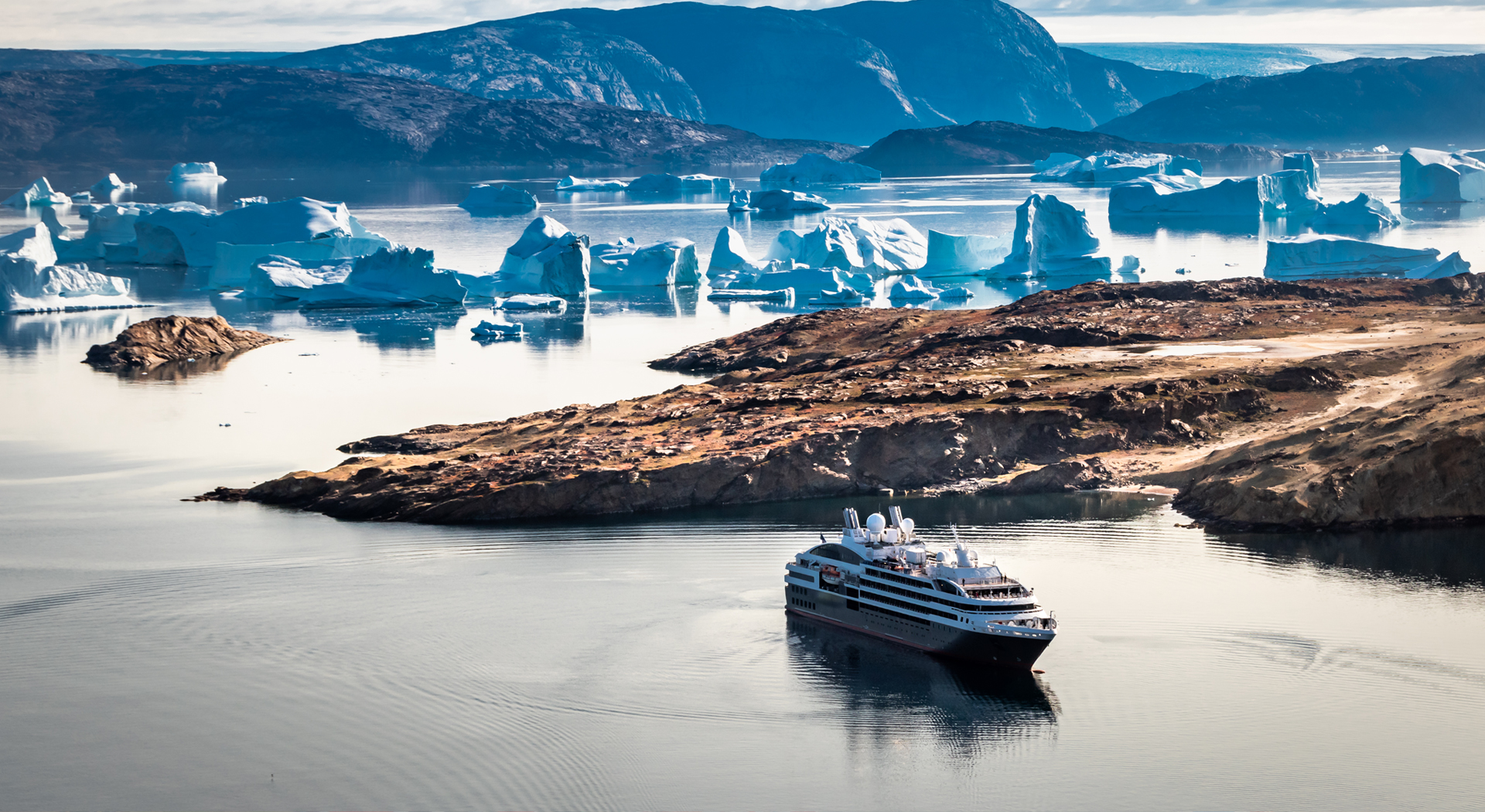
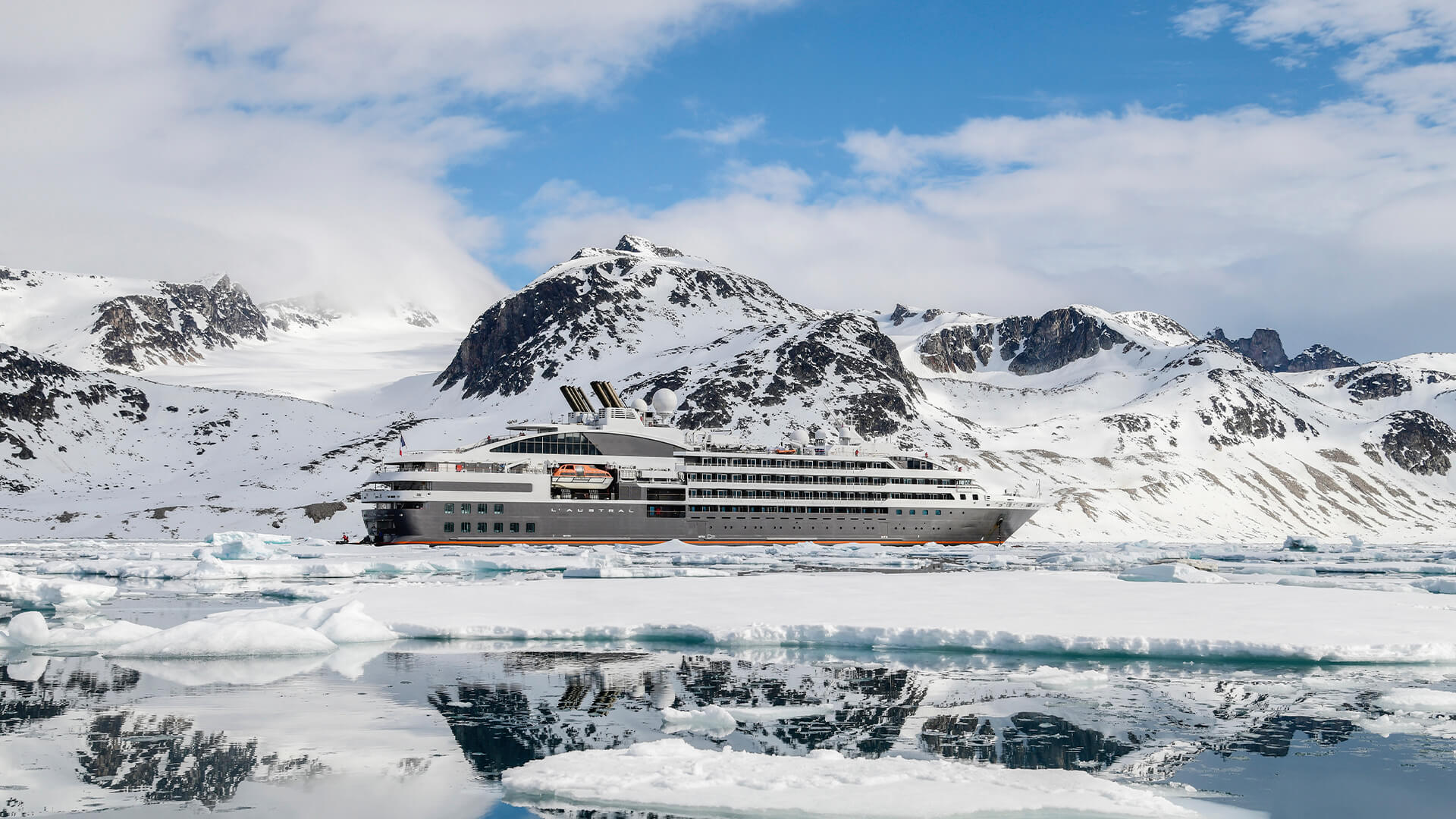
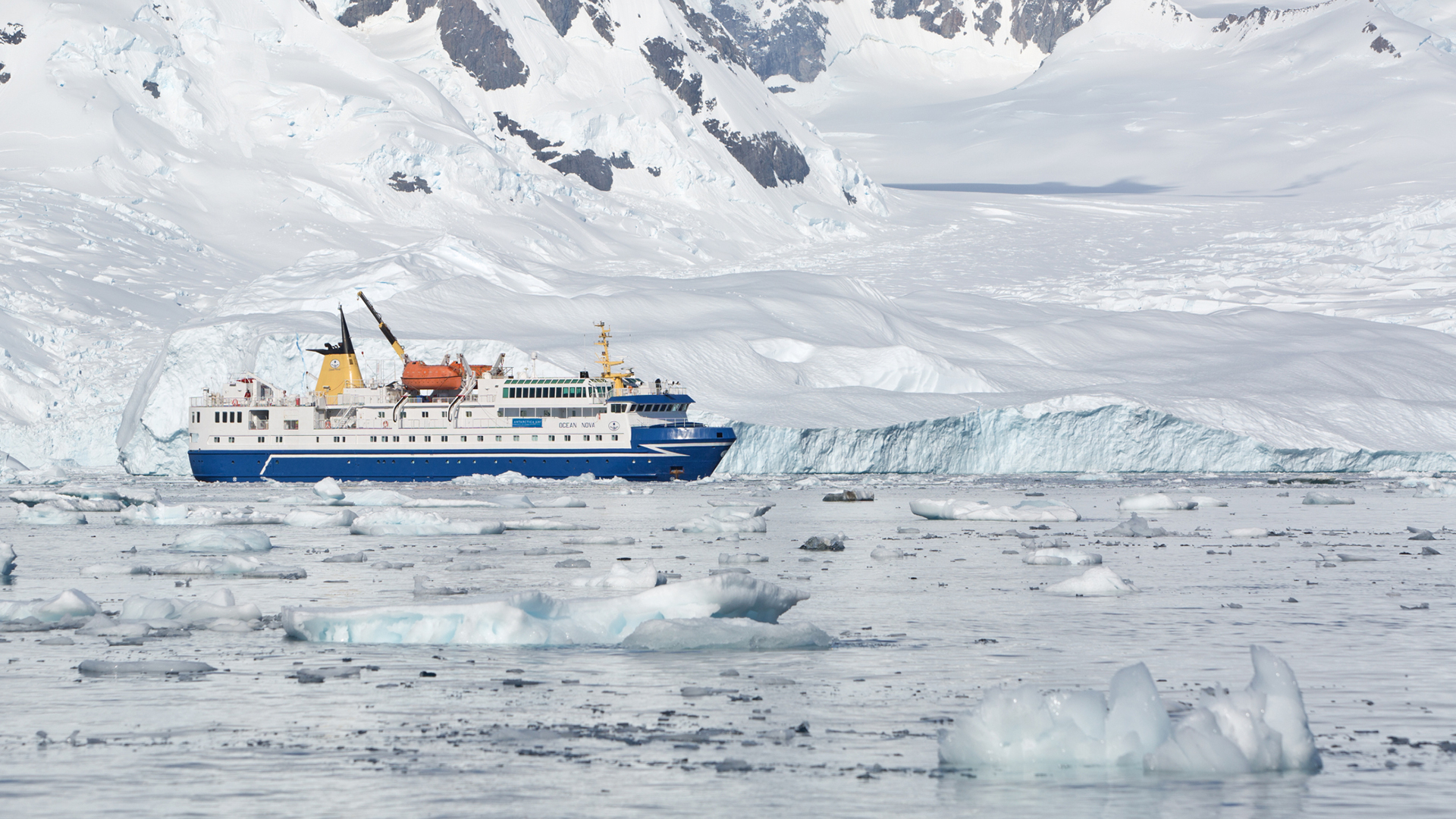
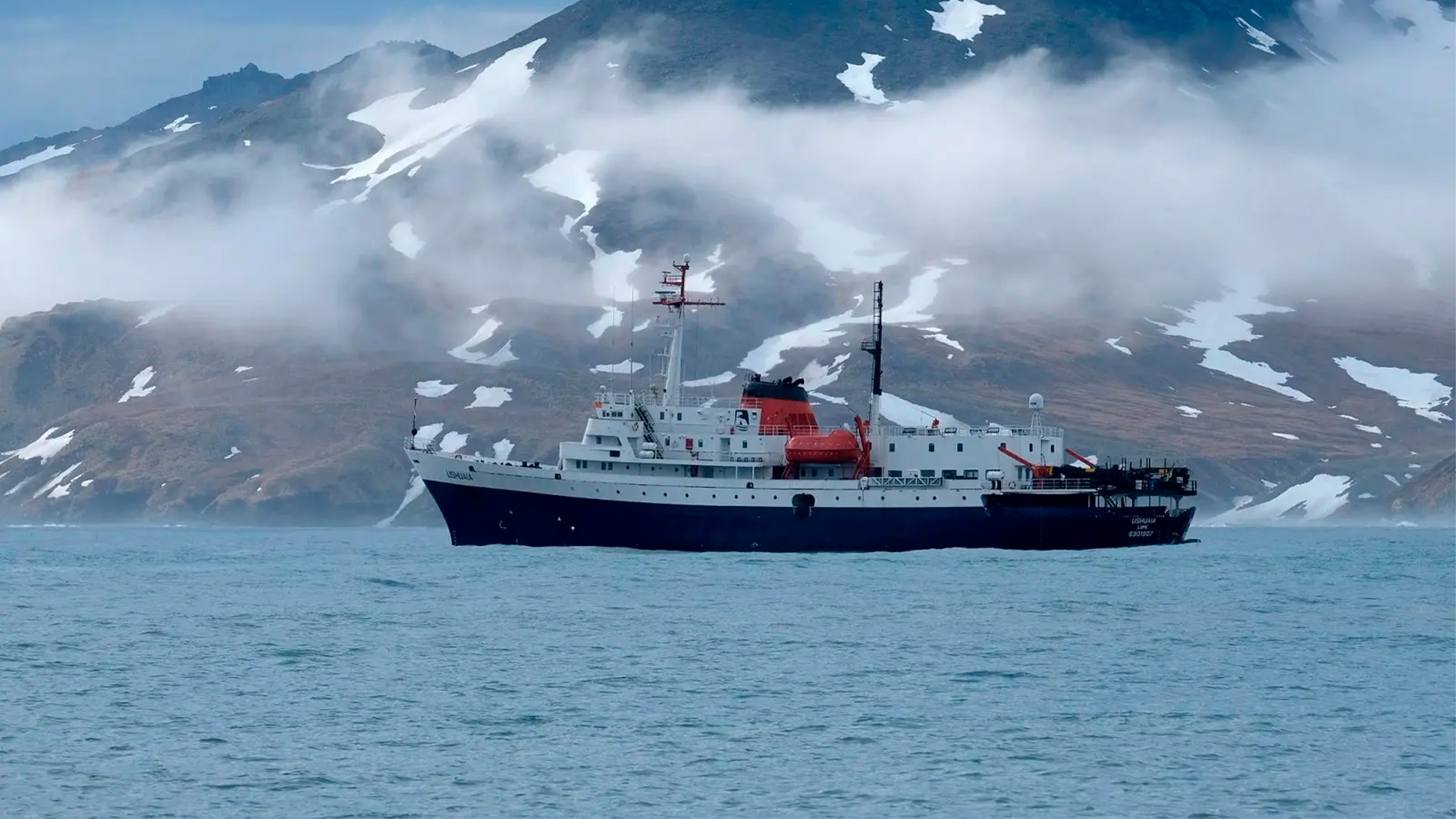
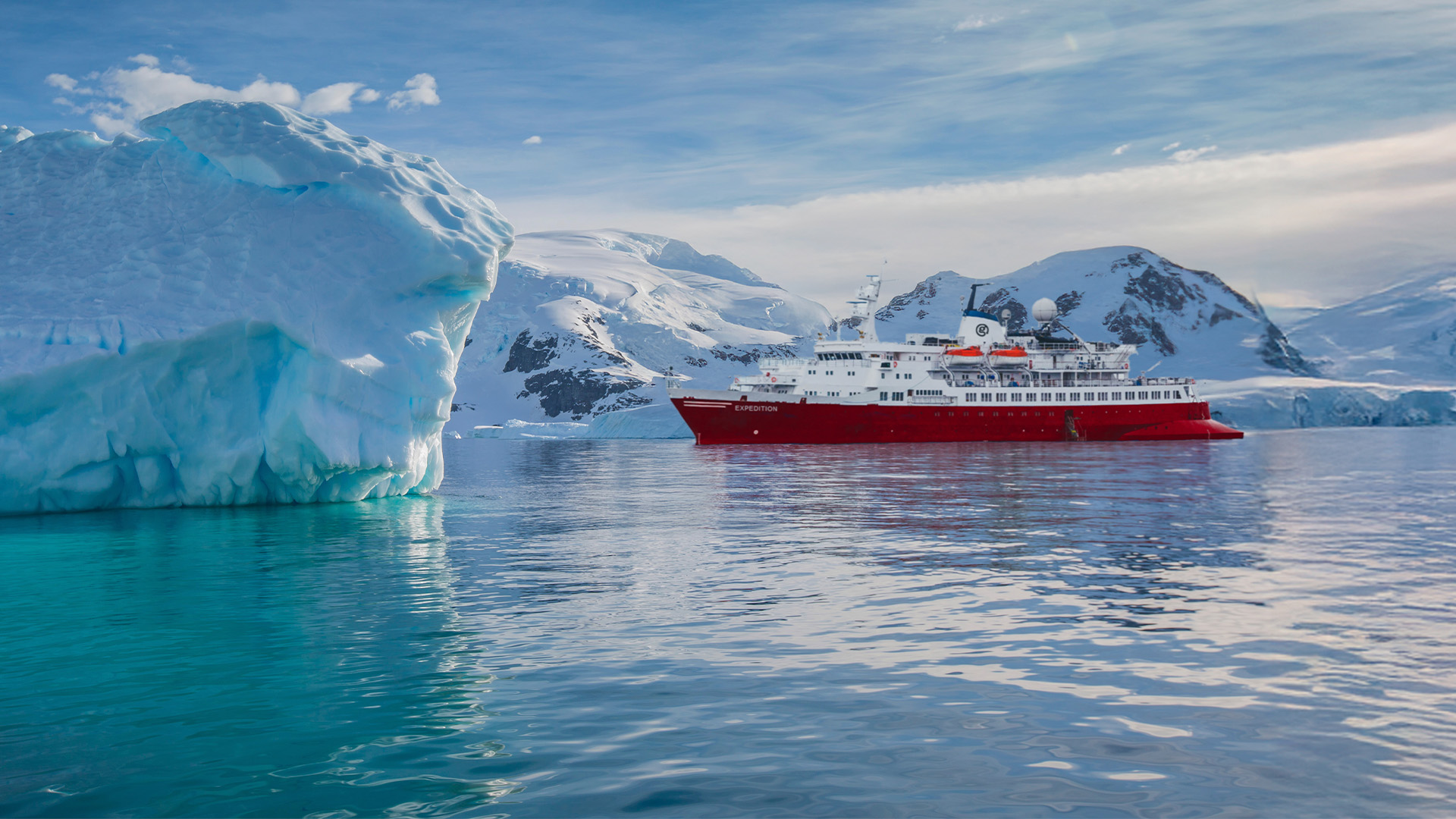
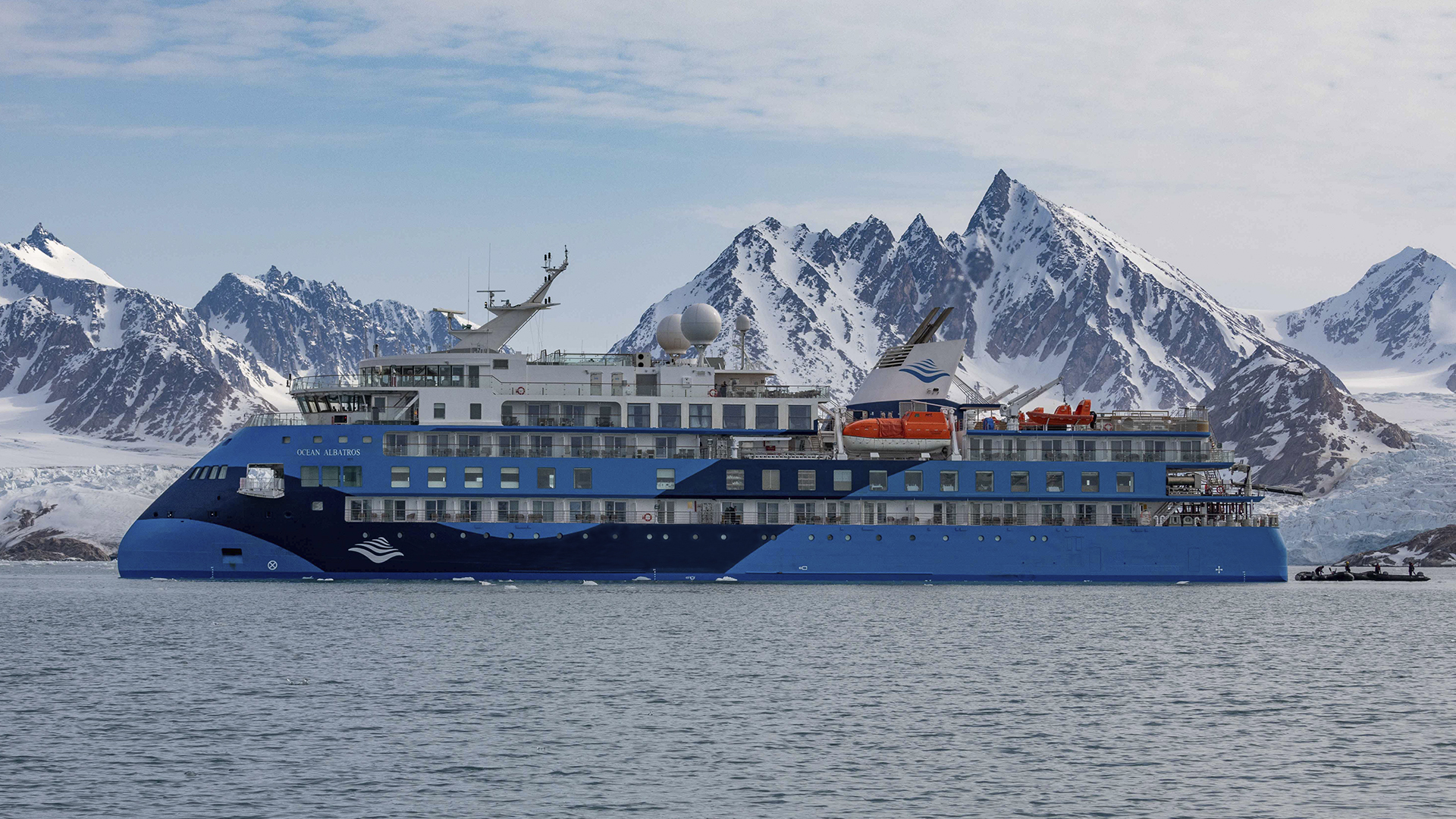
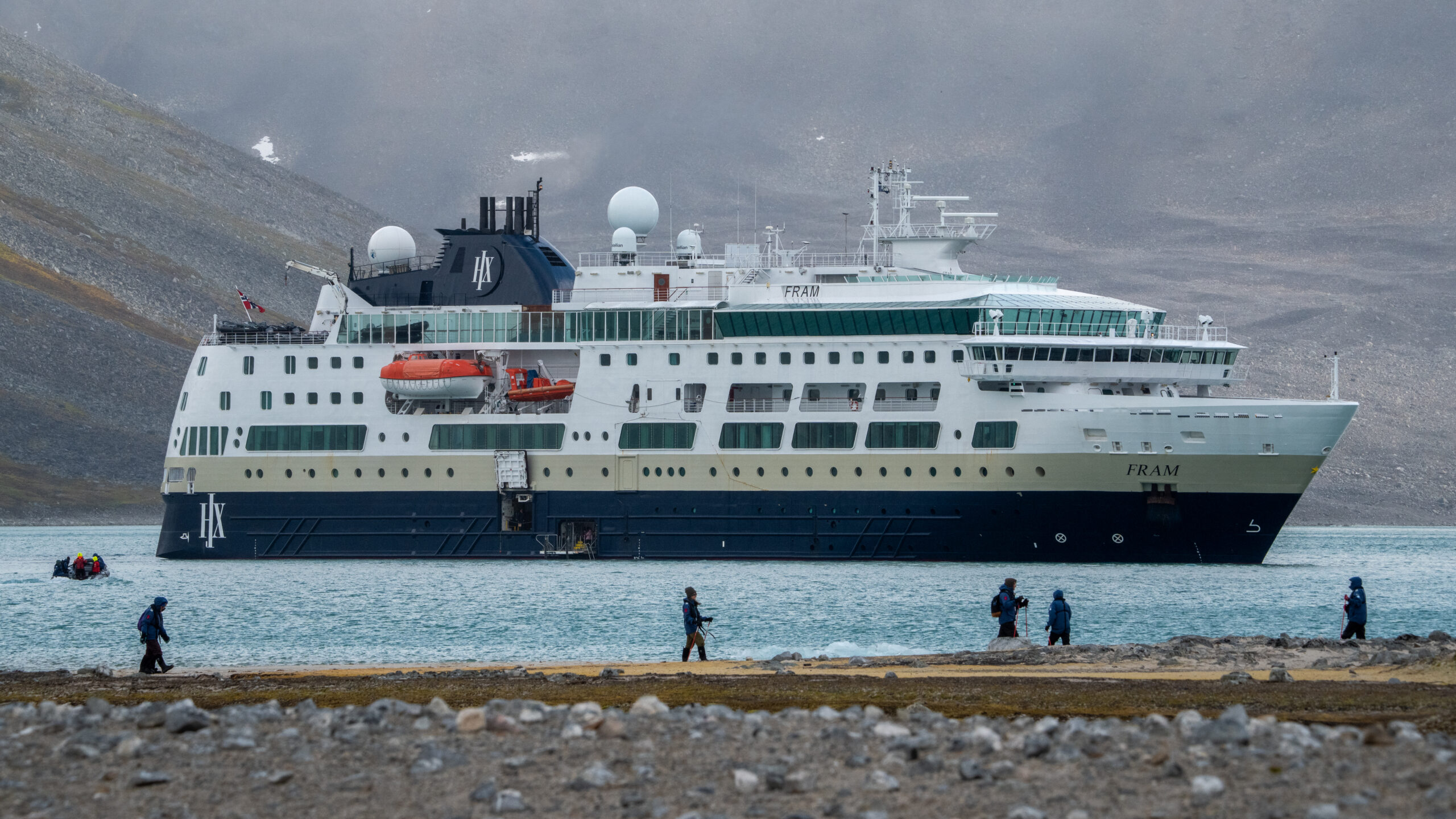
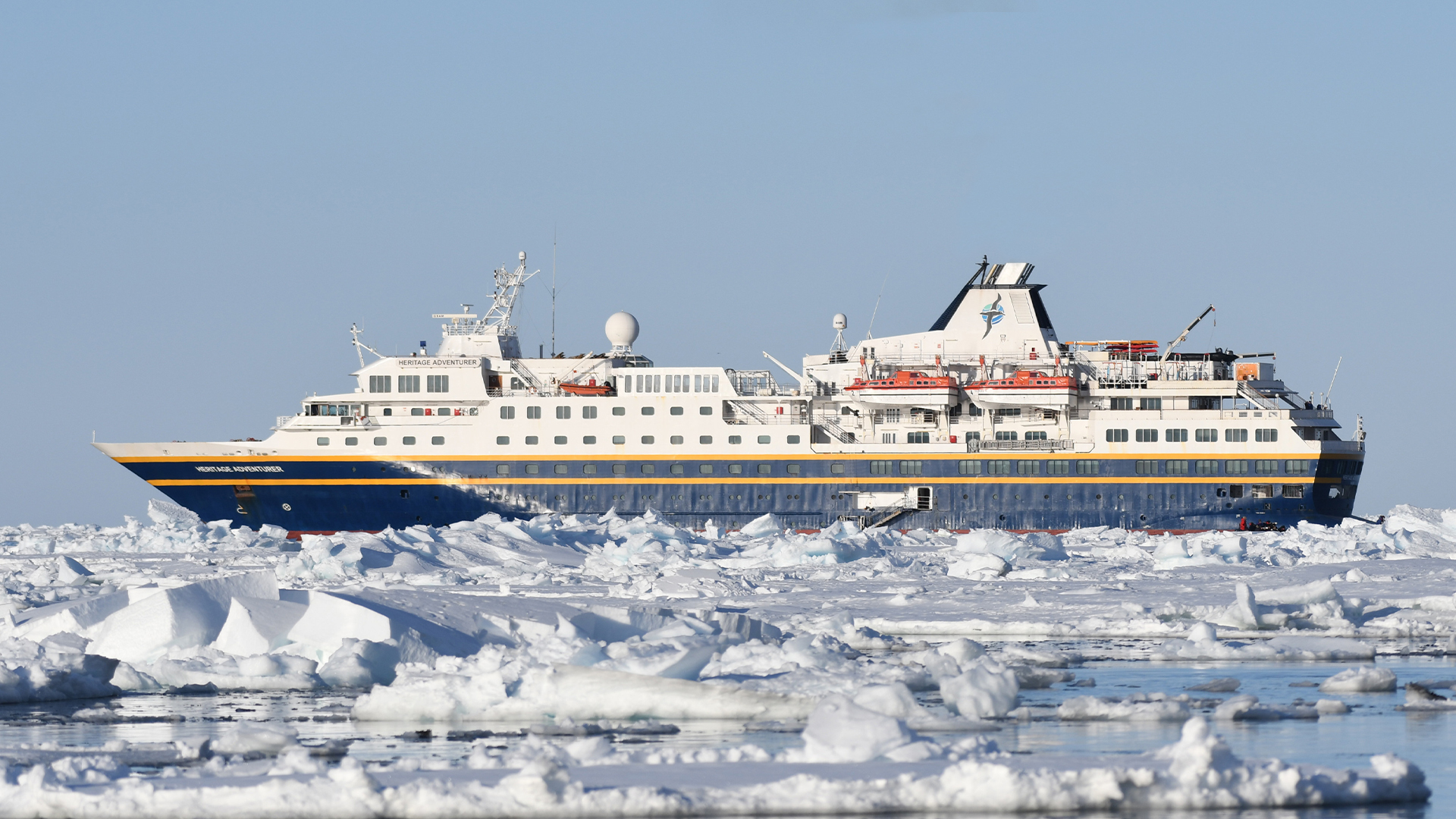
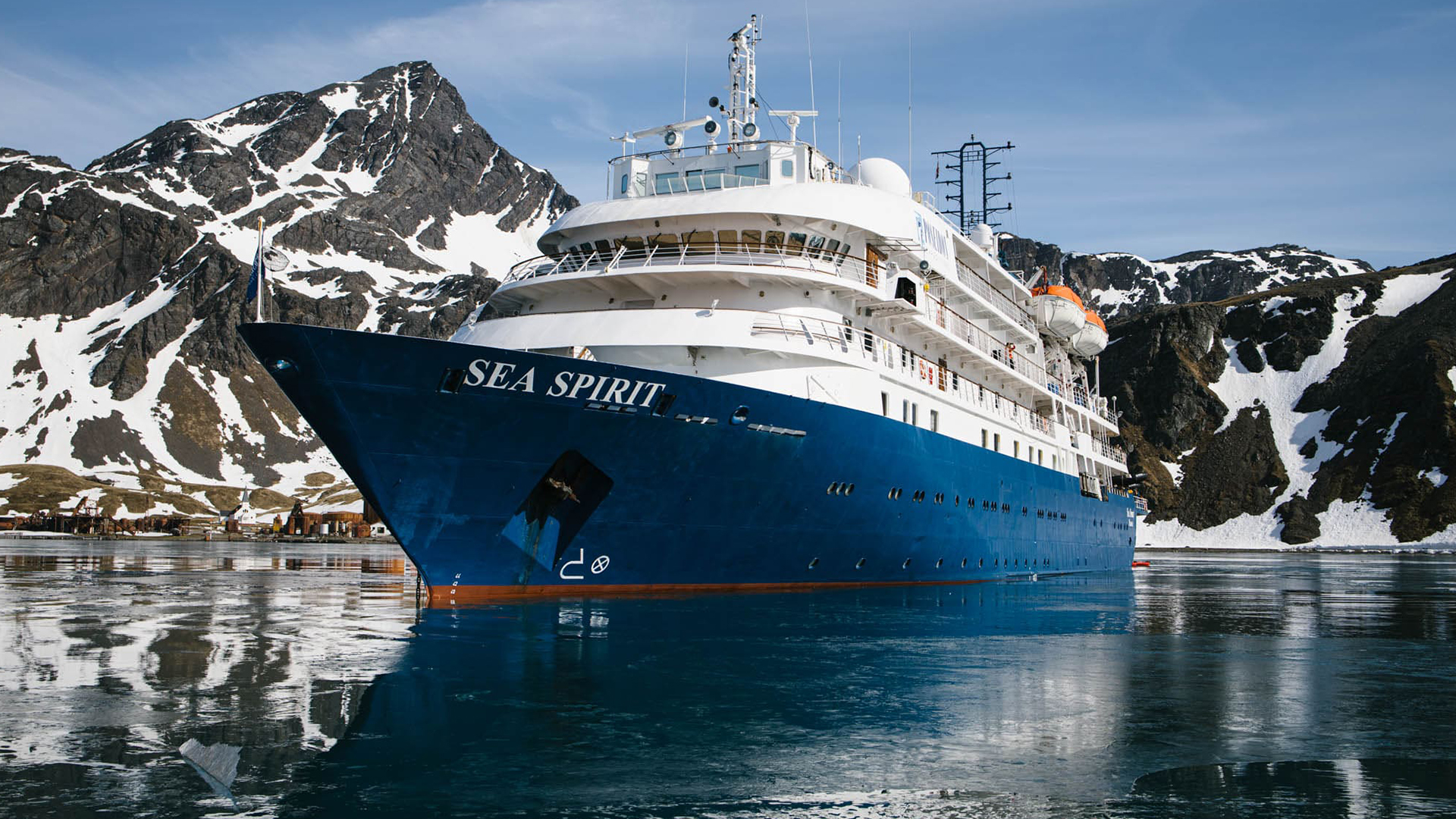
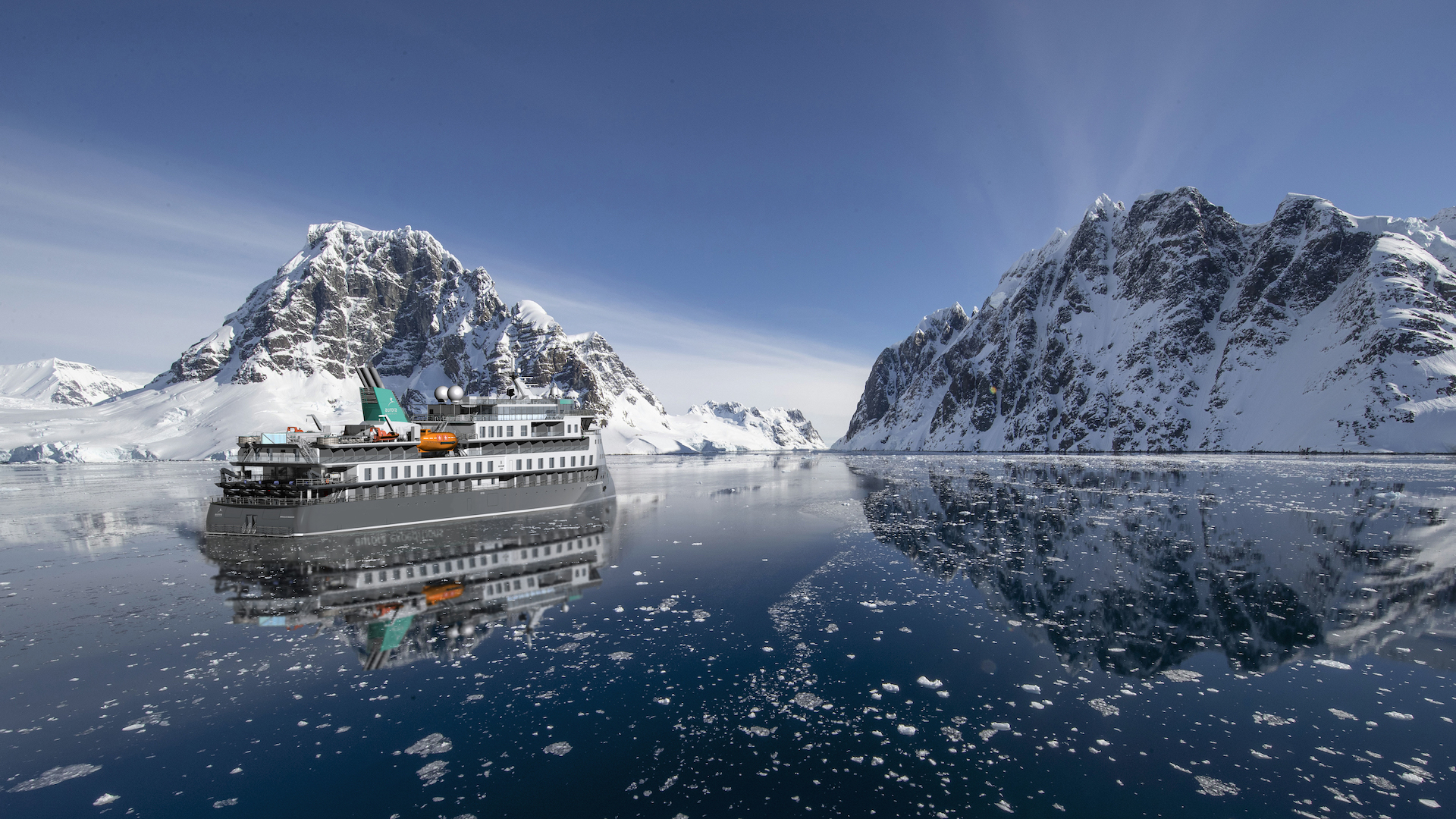
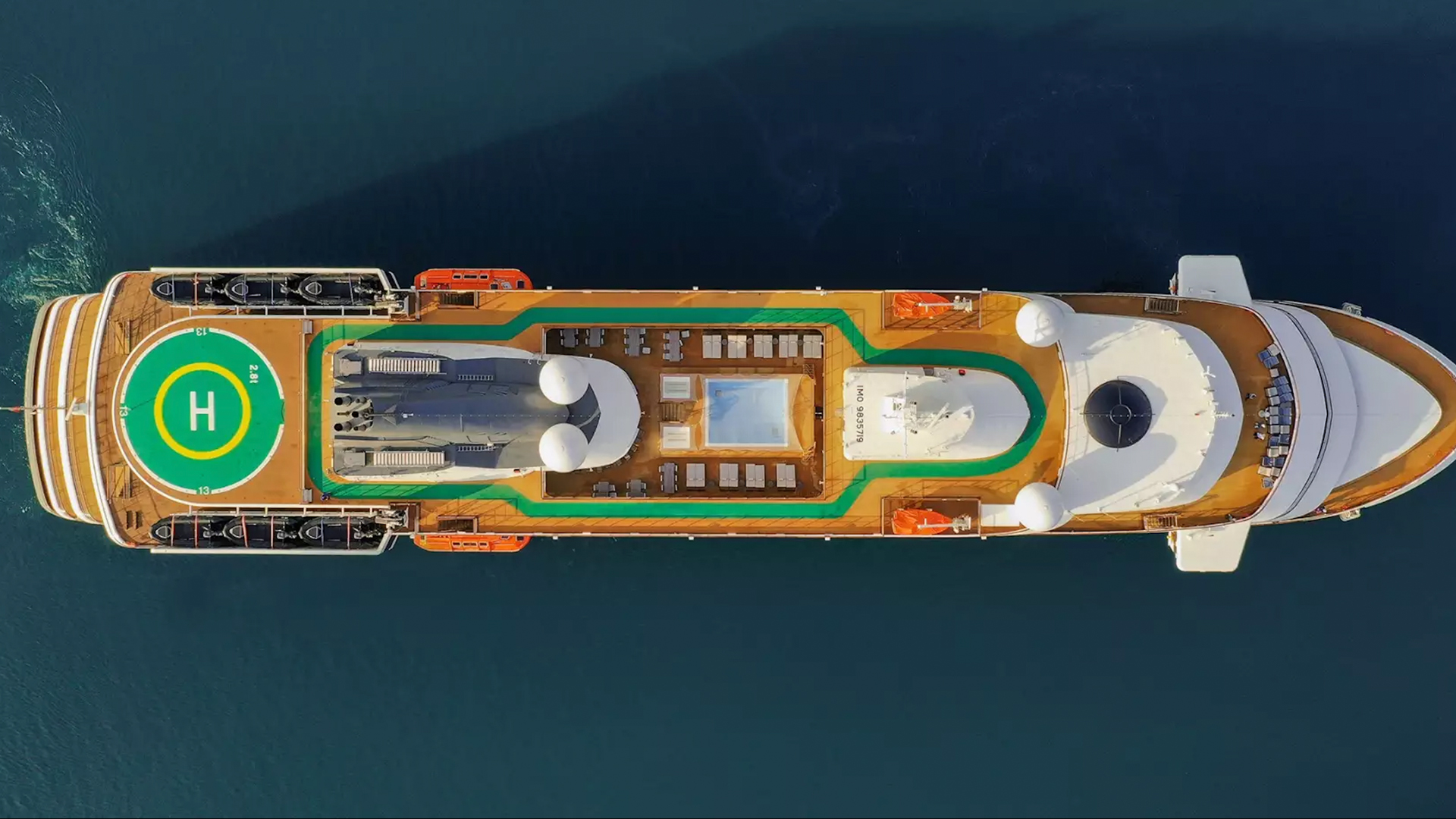
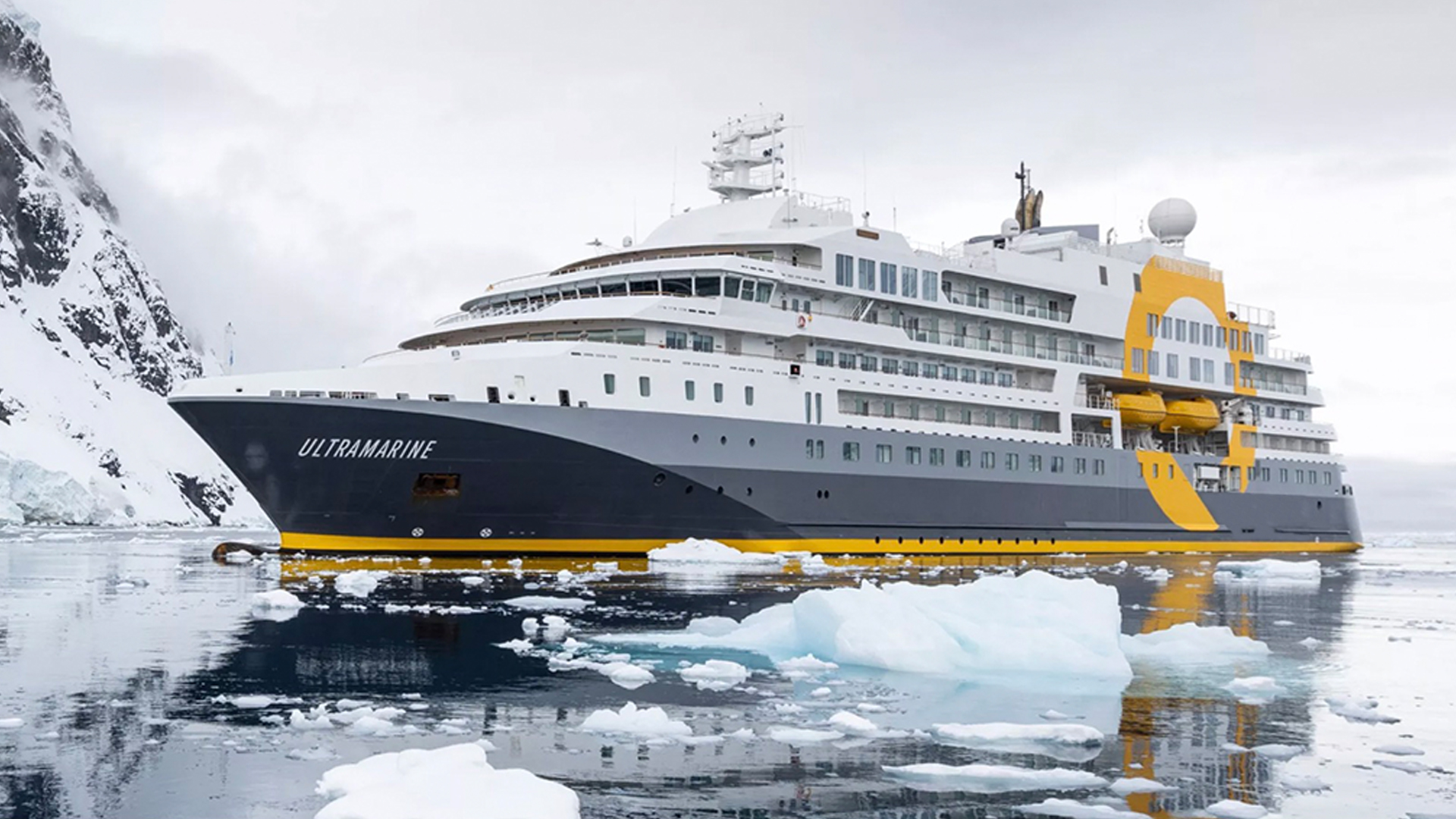
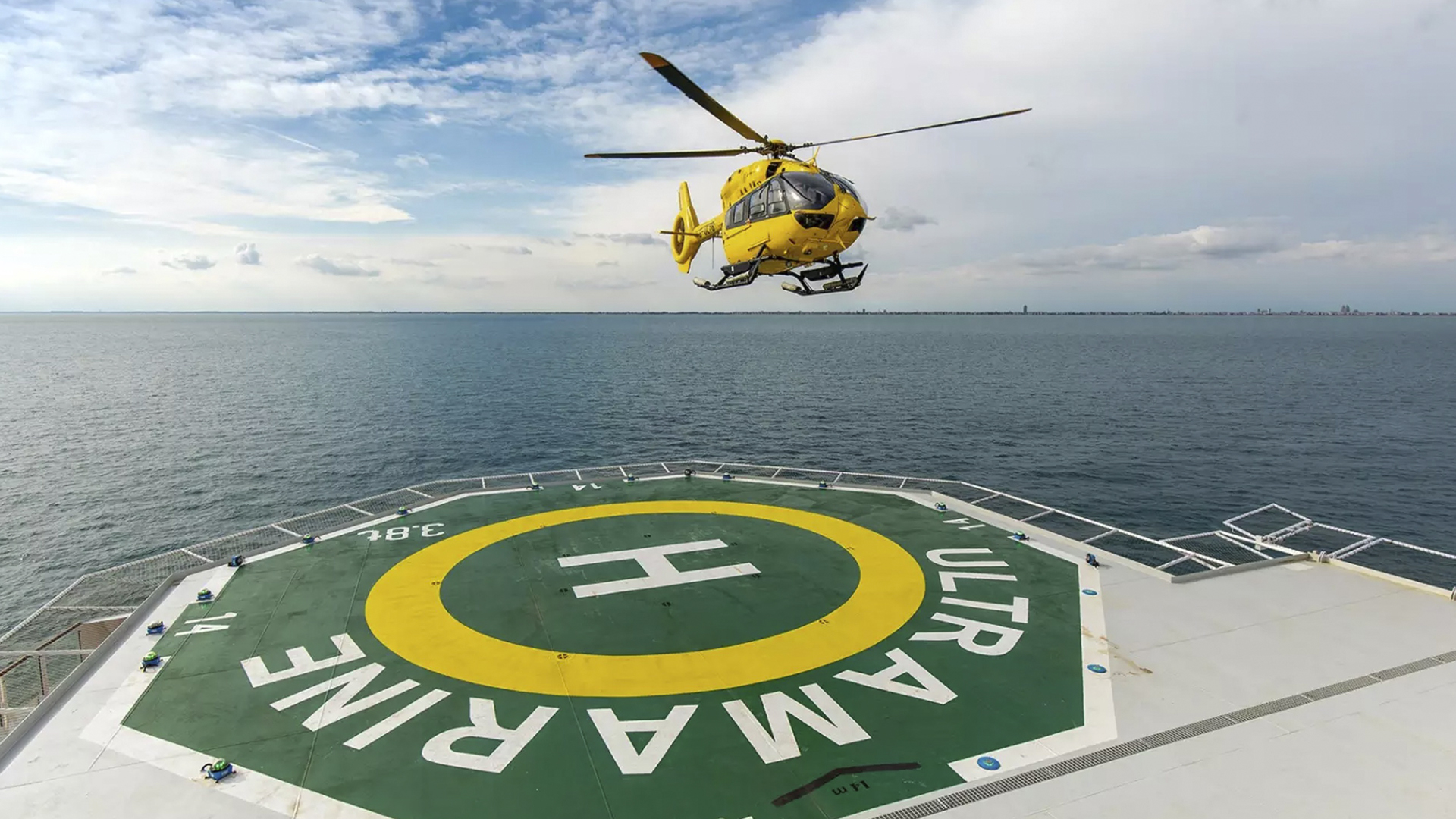
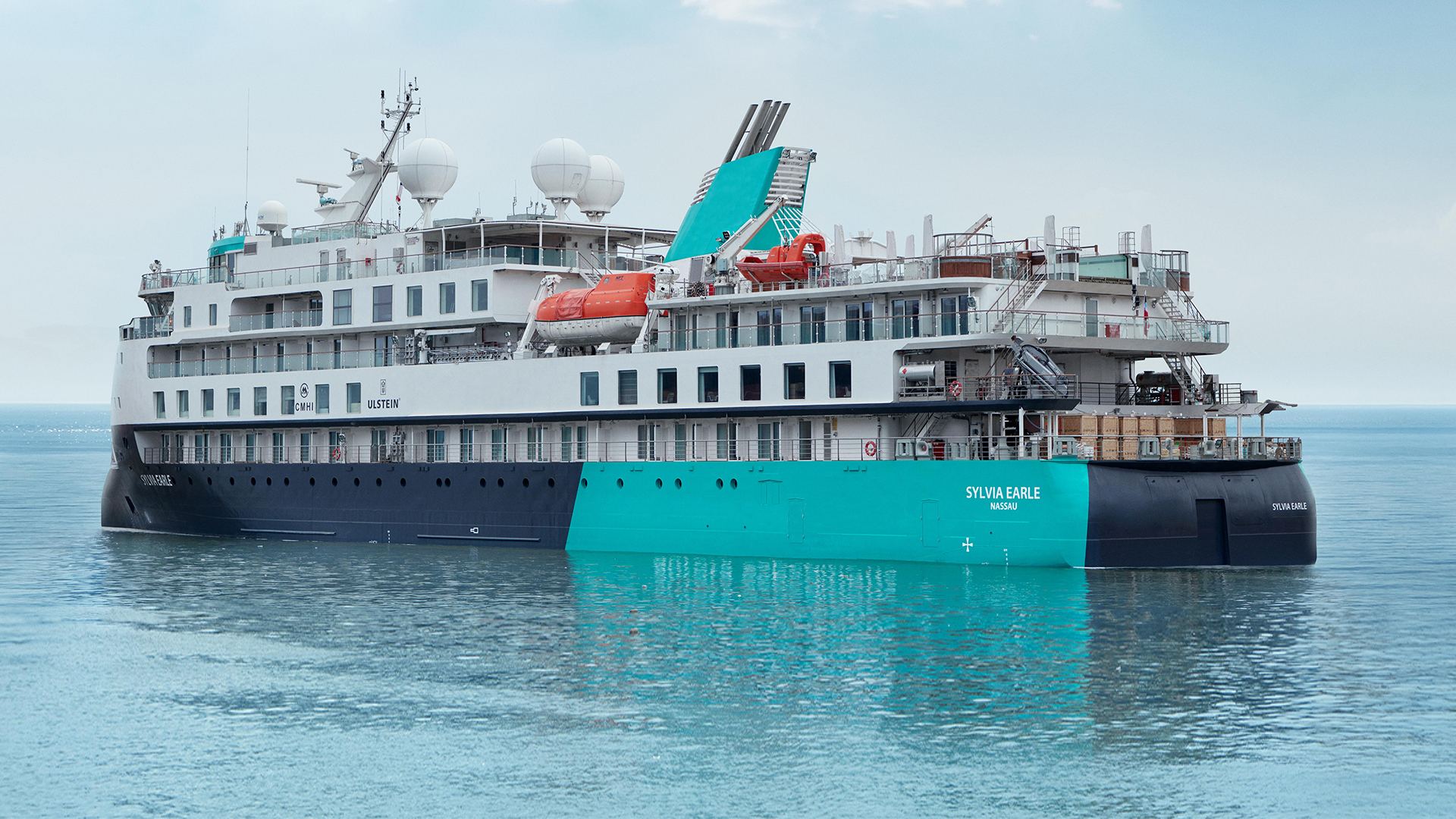
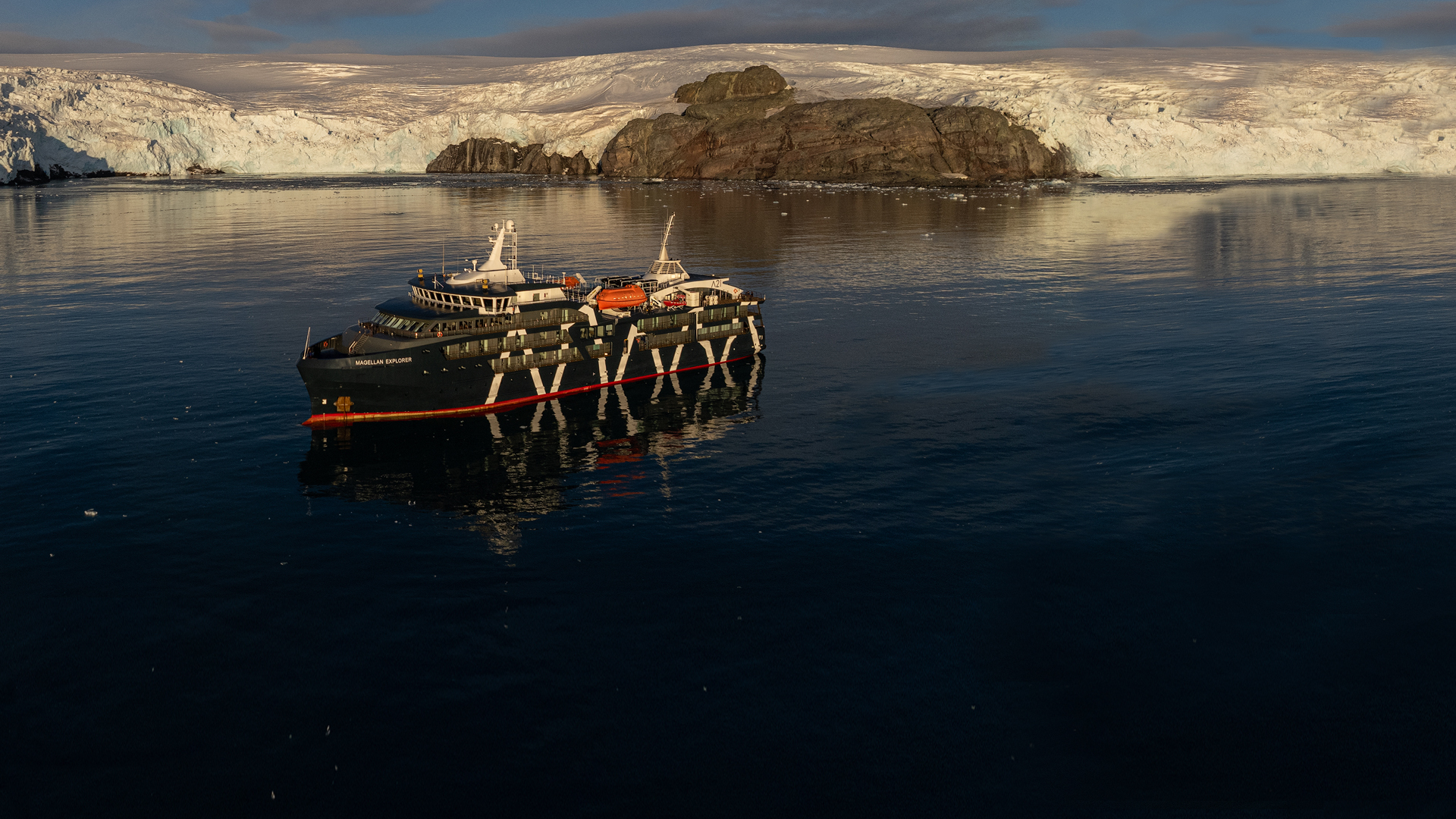
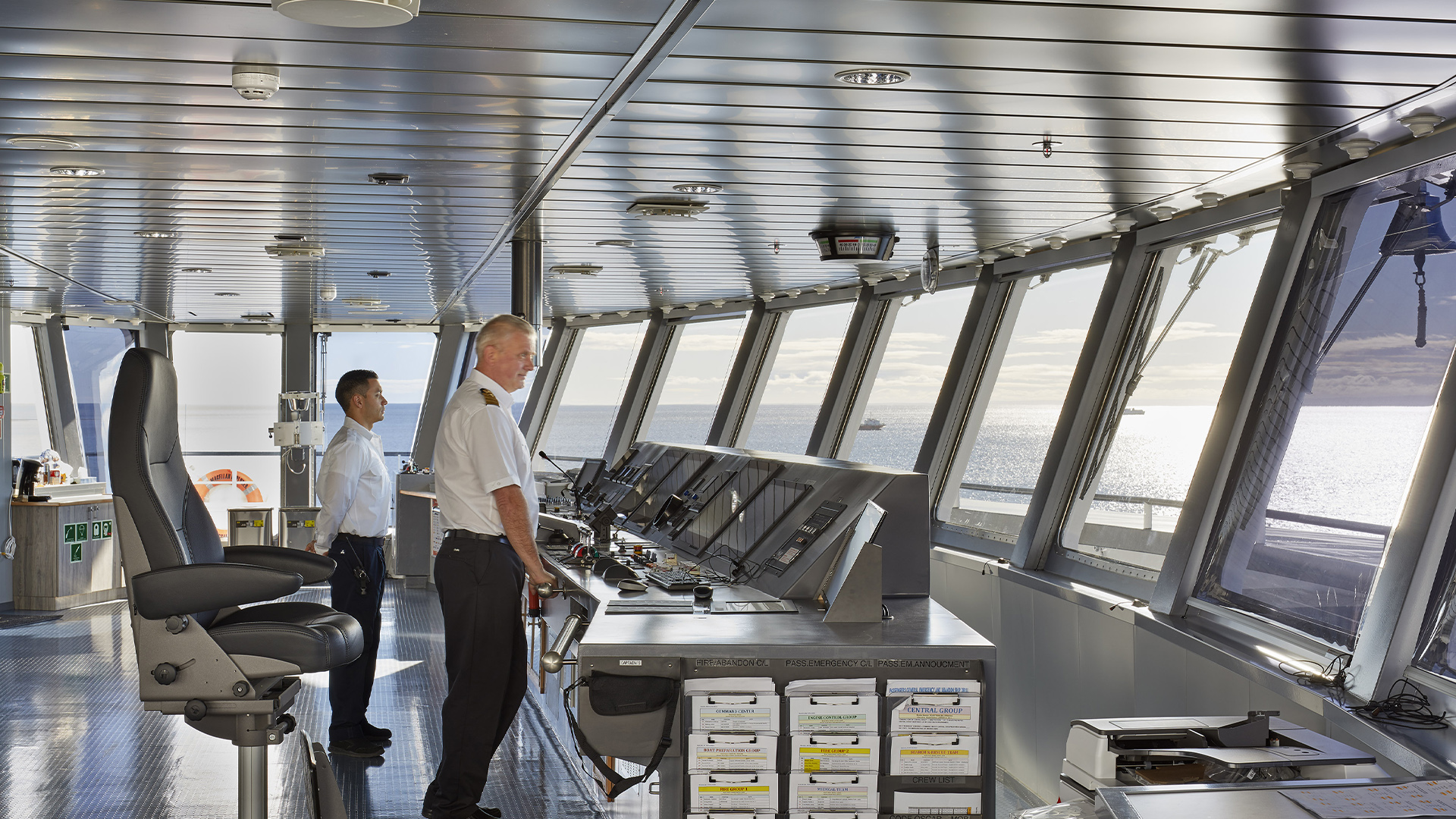
Select from our finest selection of expedition ships, built with the authority and precision required to master these legendary waters.













Recommended Reading

The Strait of Magellan: Gateway to Patagonia’s Legends

Cape Horn: Conquering the “End of the Earth”

The Beagle Channel: Where Evolution Began and Borders Meet

Ultimate Patagonia Cruise Guide: Routes & Recommendations
