
























La mejor época para visitar el Ártico
- Panorama de las temporadas en el Ártico
- Principios de temporada (abril-mayo)
- Temporada alta (junio-agosto)
- Temporada tardía (septiembre - octubre)
- Mejor época para visitar determinadas regiones árticas
- Nota sobre la migración de cruceros en el Ártico
- La mejor época para visitar Islandia
- La mejor época para visitar Groenlandia
- La mejor época para visitar el Ártico canadiense y el Paso del Noroeste
- La mejor época para visitar Svalbard
- La mejor época para visitar el Polo Norte
- Resumen: El mejor momento para un crucero por el Ártico
Más allá del mundo conocido existe un reino donde el tiempo no se mide por el tic-tac de un reloj, sino por el pulso lento y majestuoso del hielo. Aquí, entre las rutas del Paso del Noroeste y los horizontes helados que una vez obligaron a los exploradores más valientes de la historia, donde los glaciares se alzan como catedrales de alabastro y los osos polares deambulan por los témpanos a la deriva, el momento del viaje al Ártico puede definir el alma misma de su expedición.
Elegir el momento ideal para su odisea polar depende enteramente de sus prioridades personales, desde destinos específicos o avistamientos de fauna hasta consideraciones presupuestarias. Por ejemplo, aunque los meses de verano, de junio a agosto, pueden ofrecer el clima más favorable y el mayor acceso a fiordos remotos, los viajeros que buscan una mejor relación calidad-precio suelen optar por las temporadas bajas de mayo o septiembre, cuando las tarifas pueden ser significativamente más bajas.
Tanto si su objetivo es fotografiar colosales icebergs primaverales como recorrer la floreciente tundra estival o presenciar las primeras auroras otoñales, hacer coincidir sus fechas de viaje con las cambiantes condiciones ambientales de la región le garantiza un viaje a la medida de sus intereses. A continuación repasamos las consideraciones más importantes a tener en cuenta antes de embarcarse en su aventura ártica.
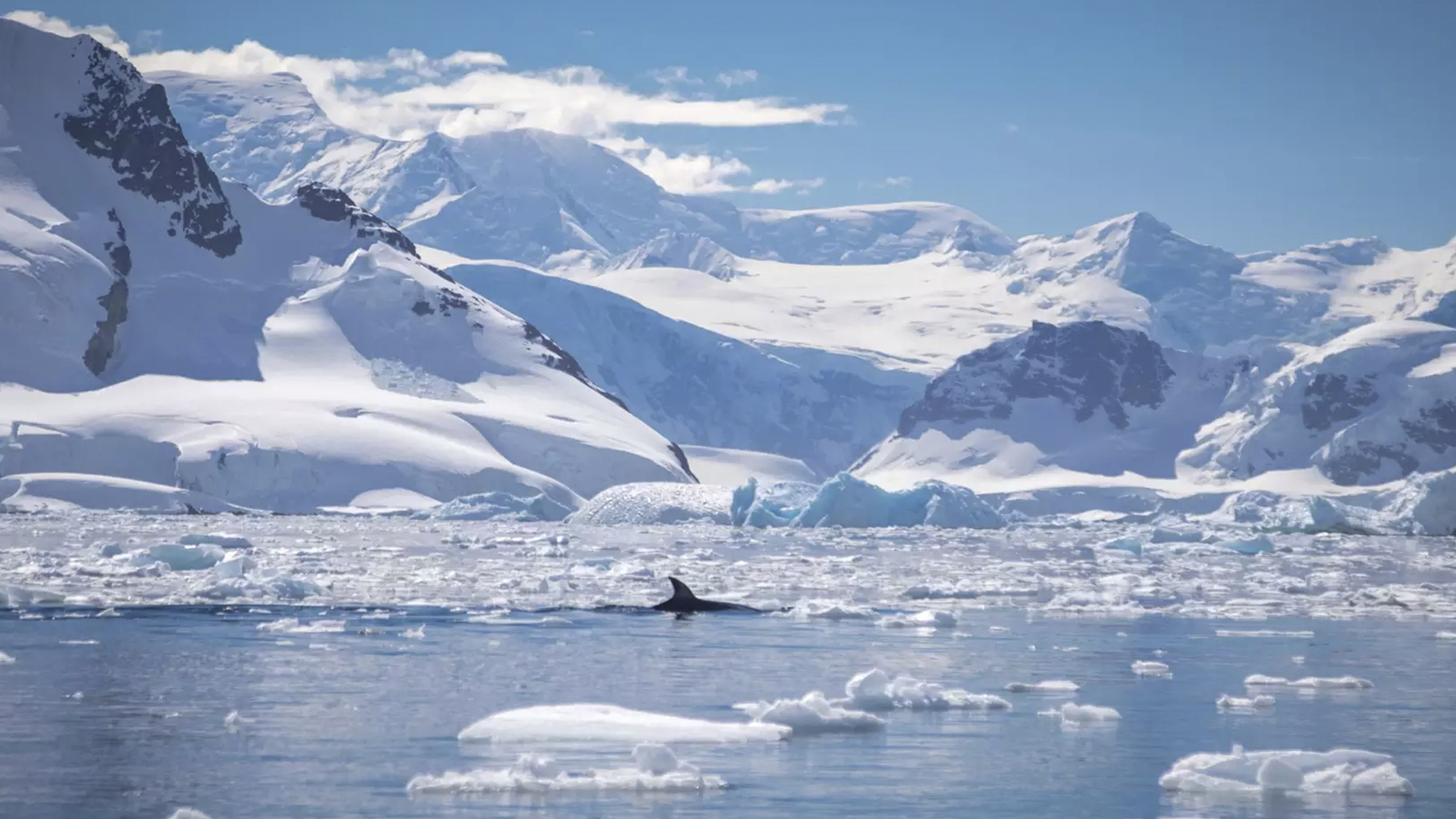
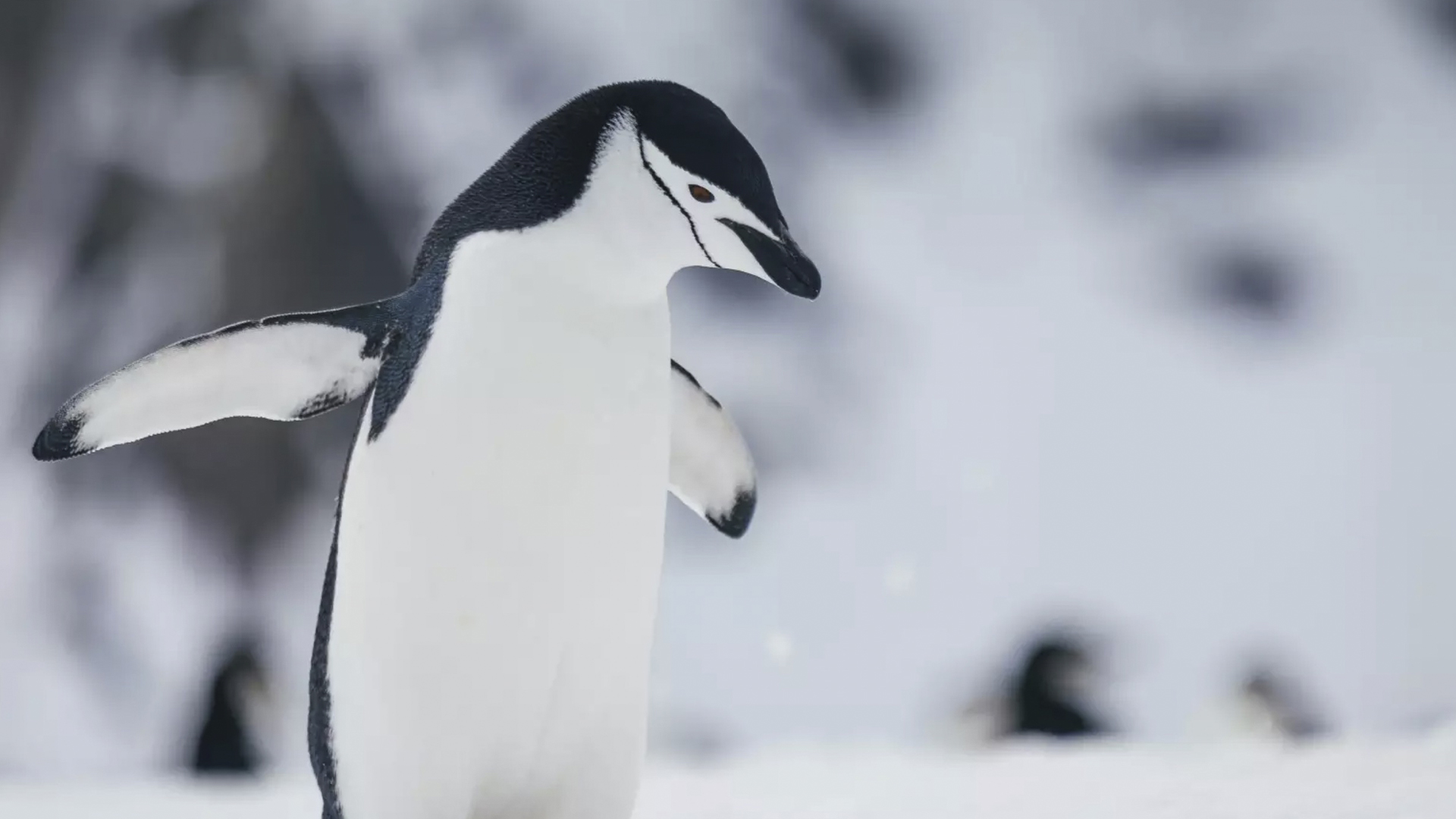
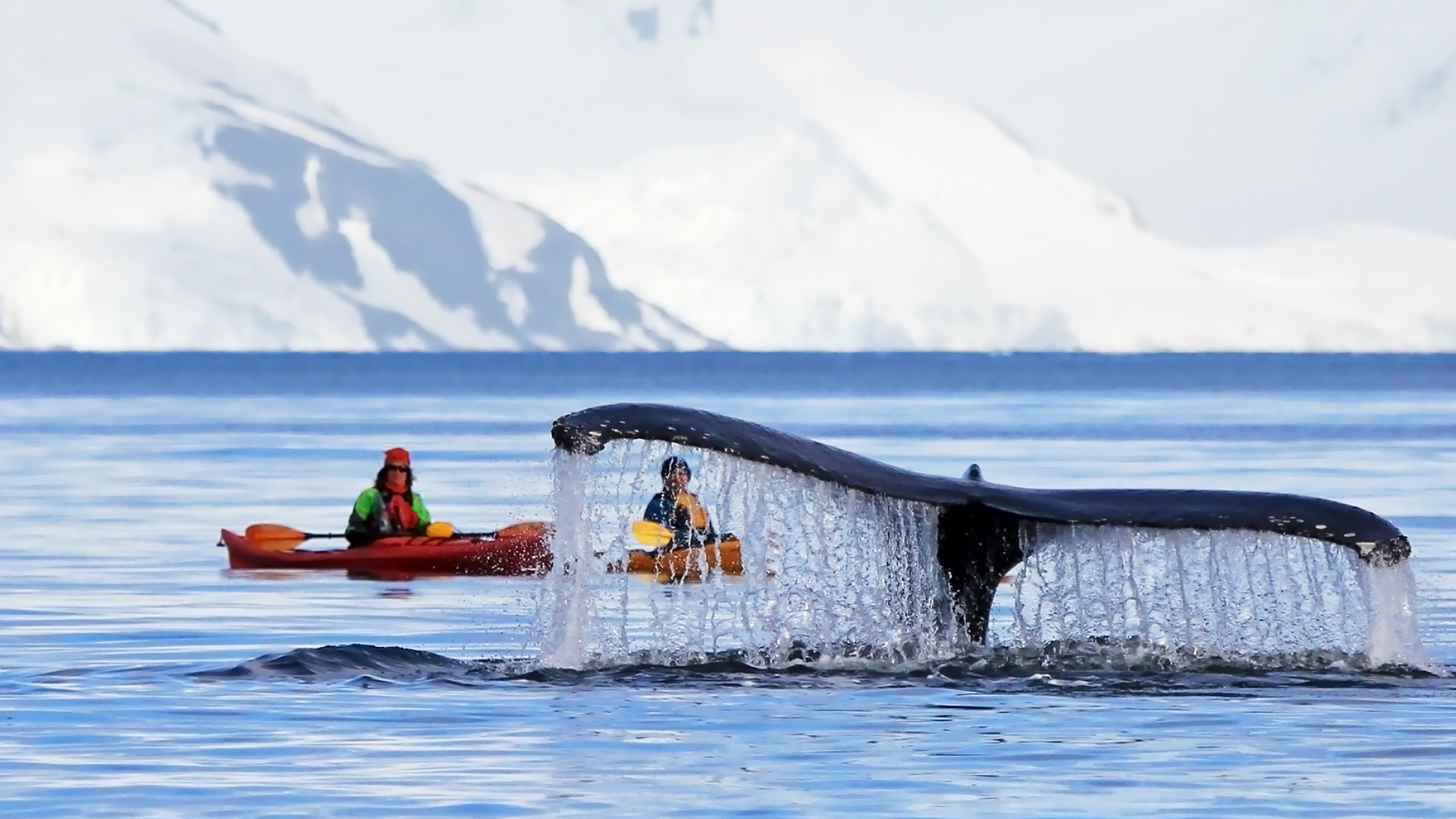
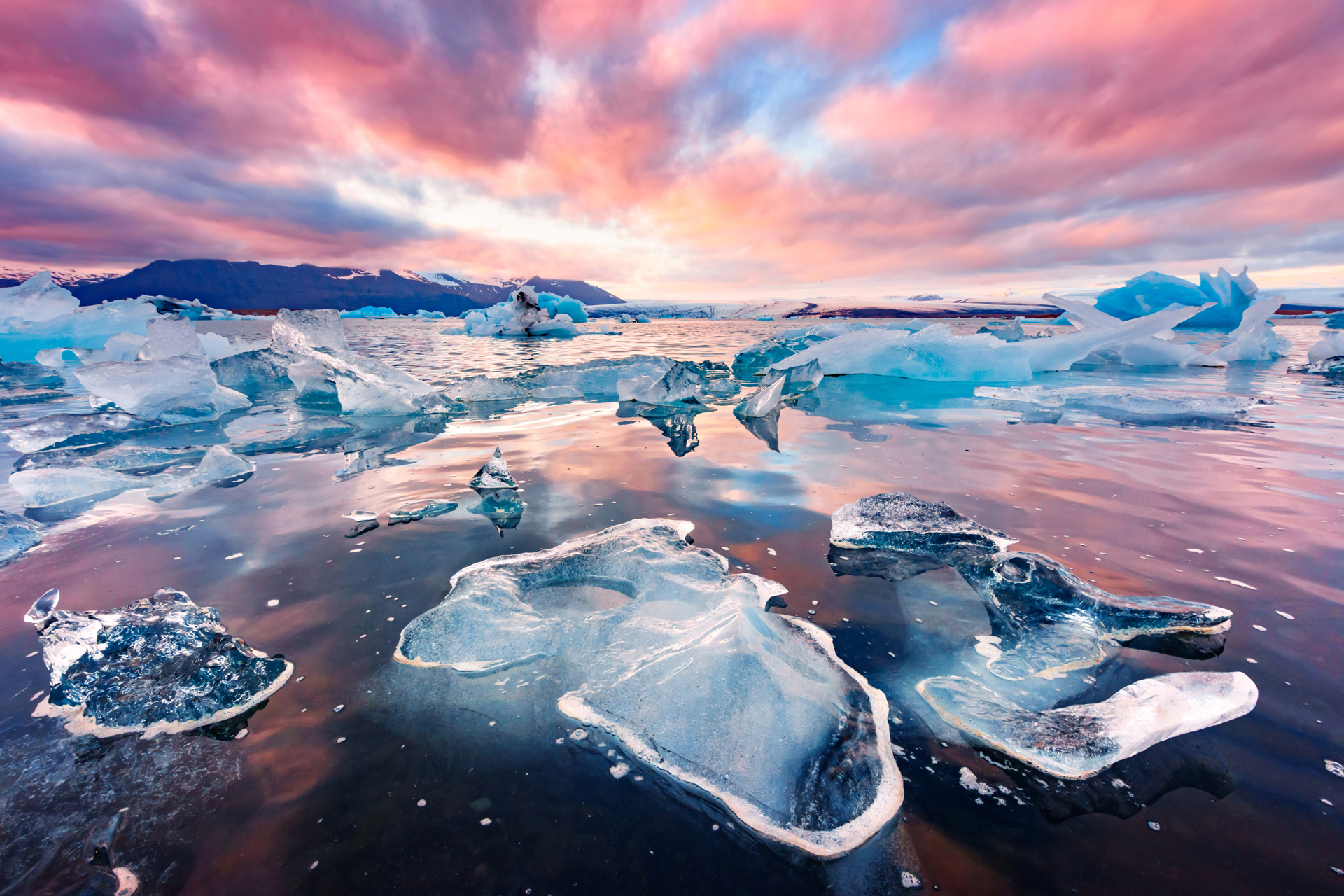
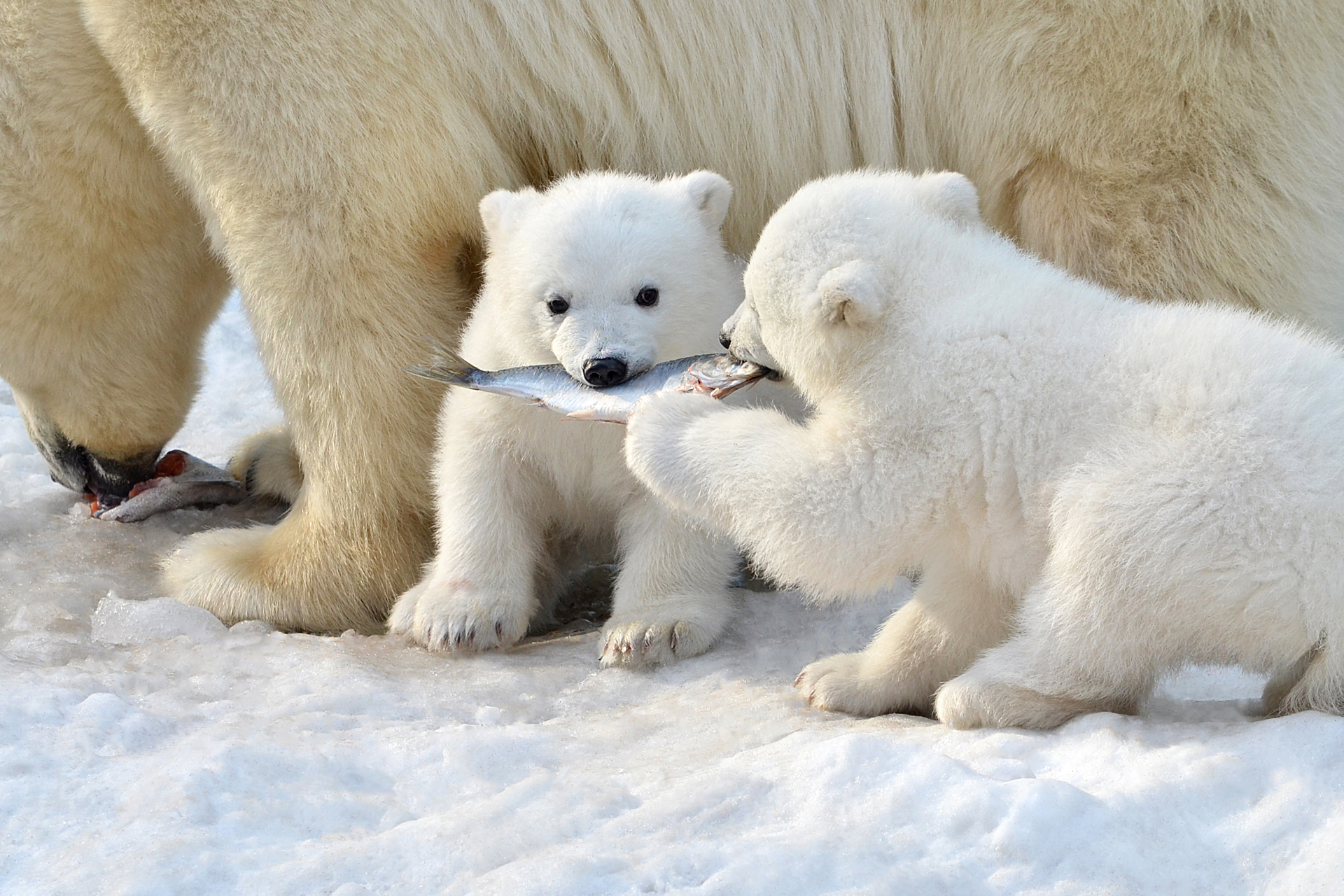
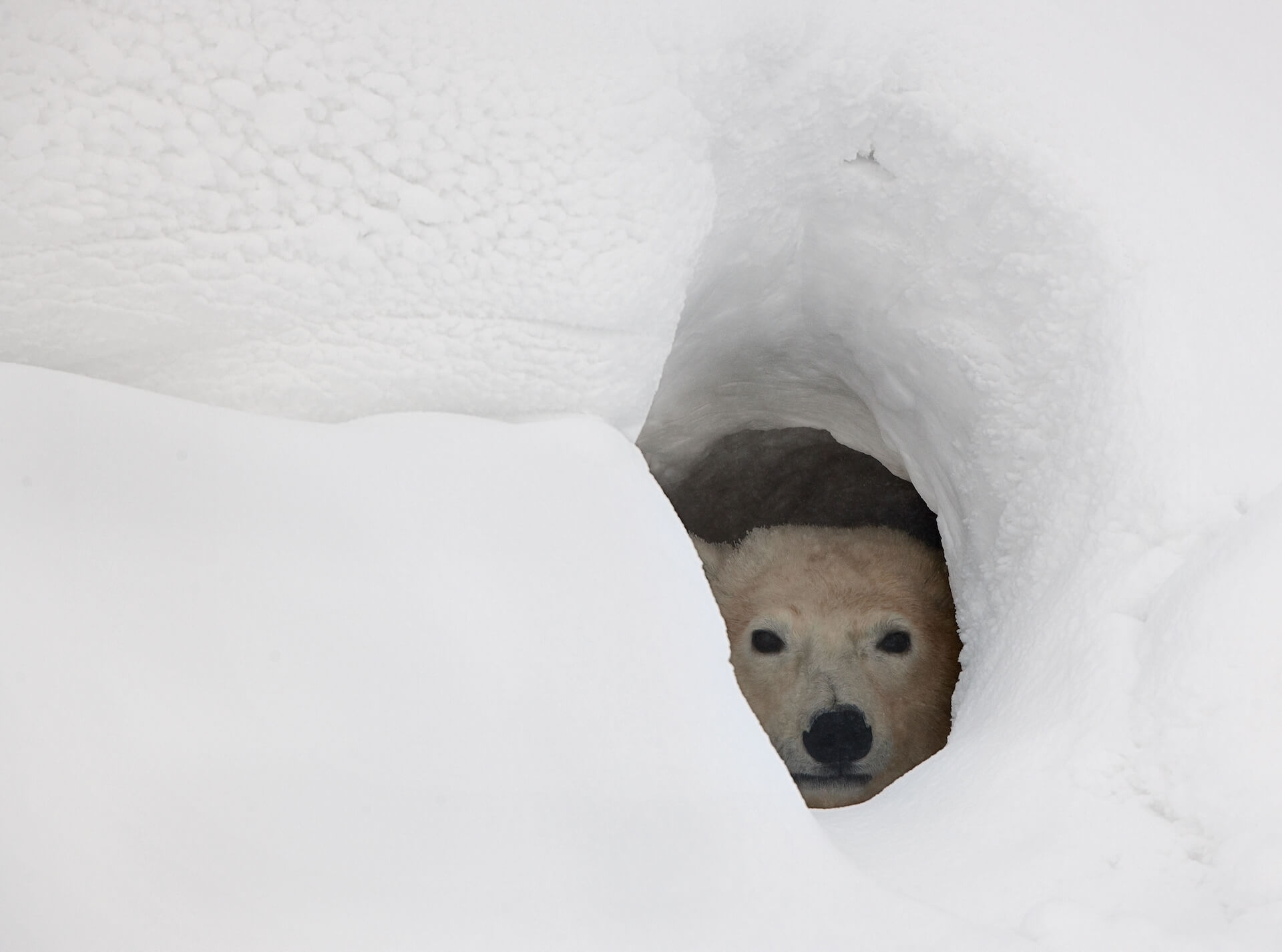
Identificar la ventana ideal para su aventura polar es esencial para ser testigo de los habitantes más emblemáticos del Ártico. Desde la llegada de los cachorros recién nacidos hasta el hielo cambiante del verano, cada mes ofrece una perspectiva única de esta frontera salvaje.
Panorama de las temporadas en el Ártico
Aunque existe una gran variabilidad regional -de la que hablaremos en secciones posteriores-, podemos resumir a grandes rasgos el tiempo, la duración del día y las condiciones del hielo marino que uno puede esperar encontrar en un crucero por el Ártico en tres temporadas de viaje distintas dentro de la principal ventana turística, que cae entre abril y octubre: la temporada alta, la temprana y la tardía.
Principios de temporada (abril-mayo)
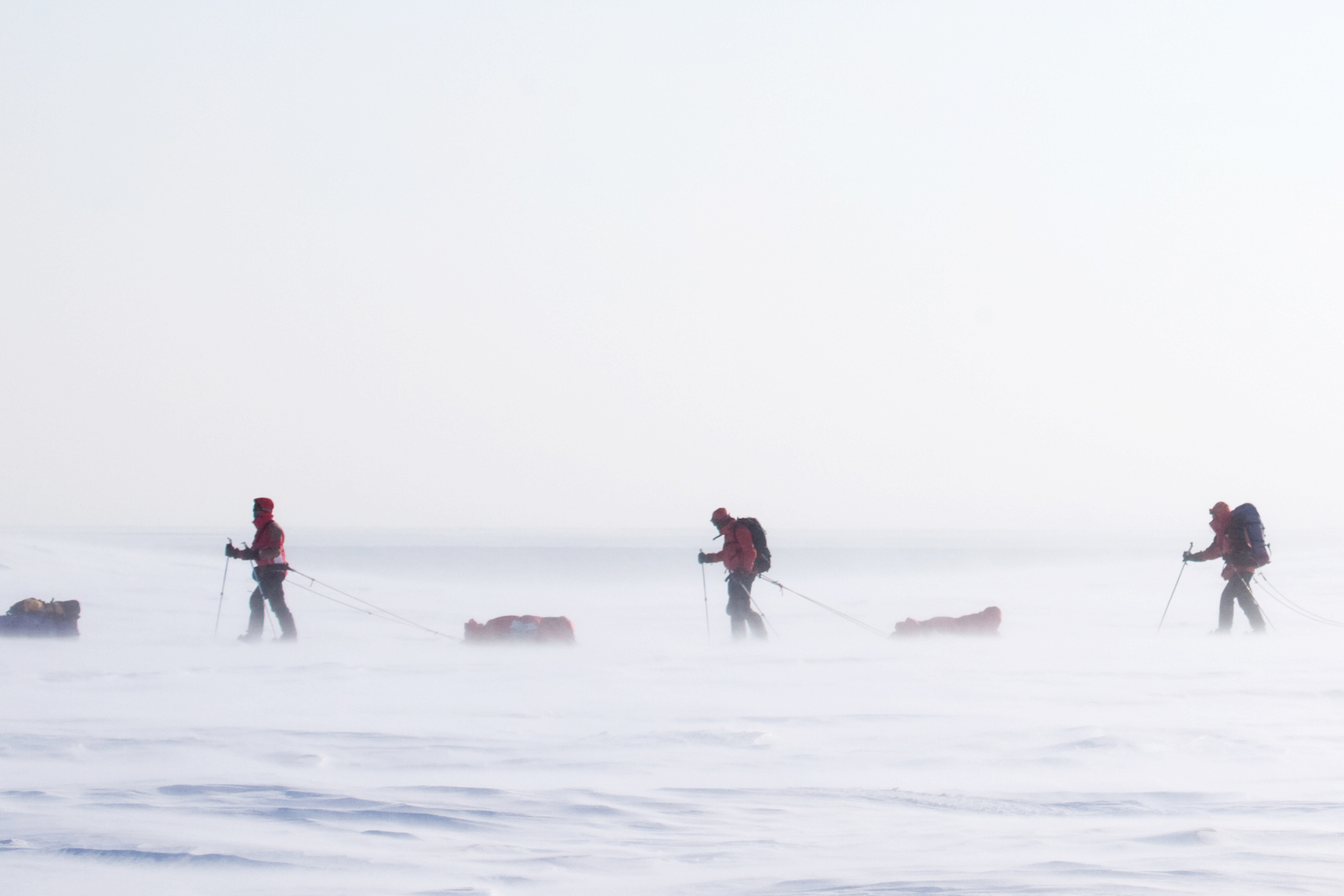
La "primavera" en el Ártico no está tan claramente definida como en otros climas más templados, con cuatro estaciones. Por encima del Círculo Polar Ártico, las dos estaciones dominantes son en realidad el verano y (¡sobre todo!) el invierno, y las condiciones ambientales oscilan bastante bruscamente entre ellas. La primavera y el otoño son breves periodos de transición, ambos imbuidos de la sensación de lo rápido que se acerca la estación sucesiva.
Desde el punto de vista turístico, sin embargo, podemos considerar la primavera y el otoño árticos como las dos "temporadas de hombro" a ambos lados del periodo de cruceros. La primera temporada de cruceros de la primavera comienza en abril con condiciones todavía invernales. Pero el rápido aumento de la luz diurna hacia el solsticio de verano abre las rutas de crucero a medida que el hielo marino -que suele alcanzar su máxima extensión anual en marzo- se retira y las temperaturas empiezan a subir.
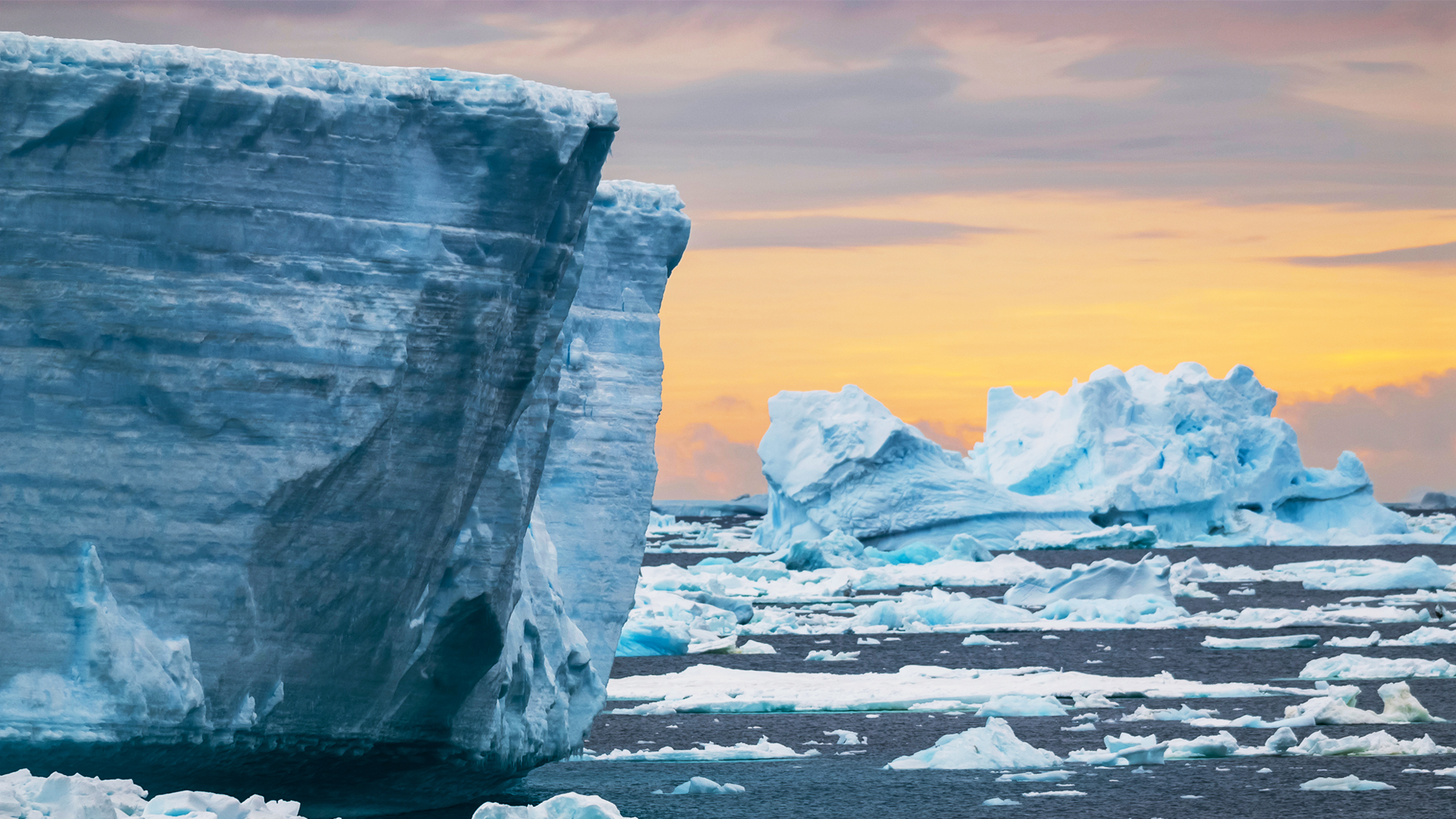
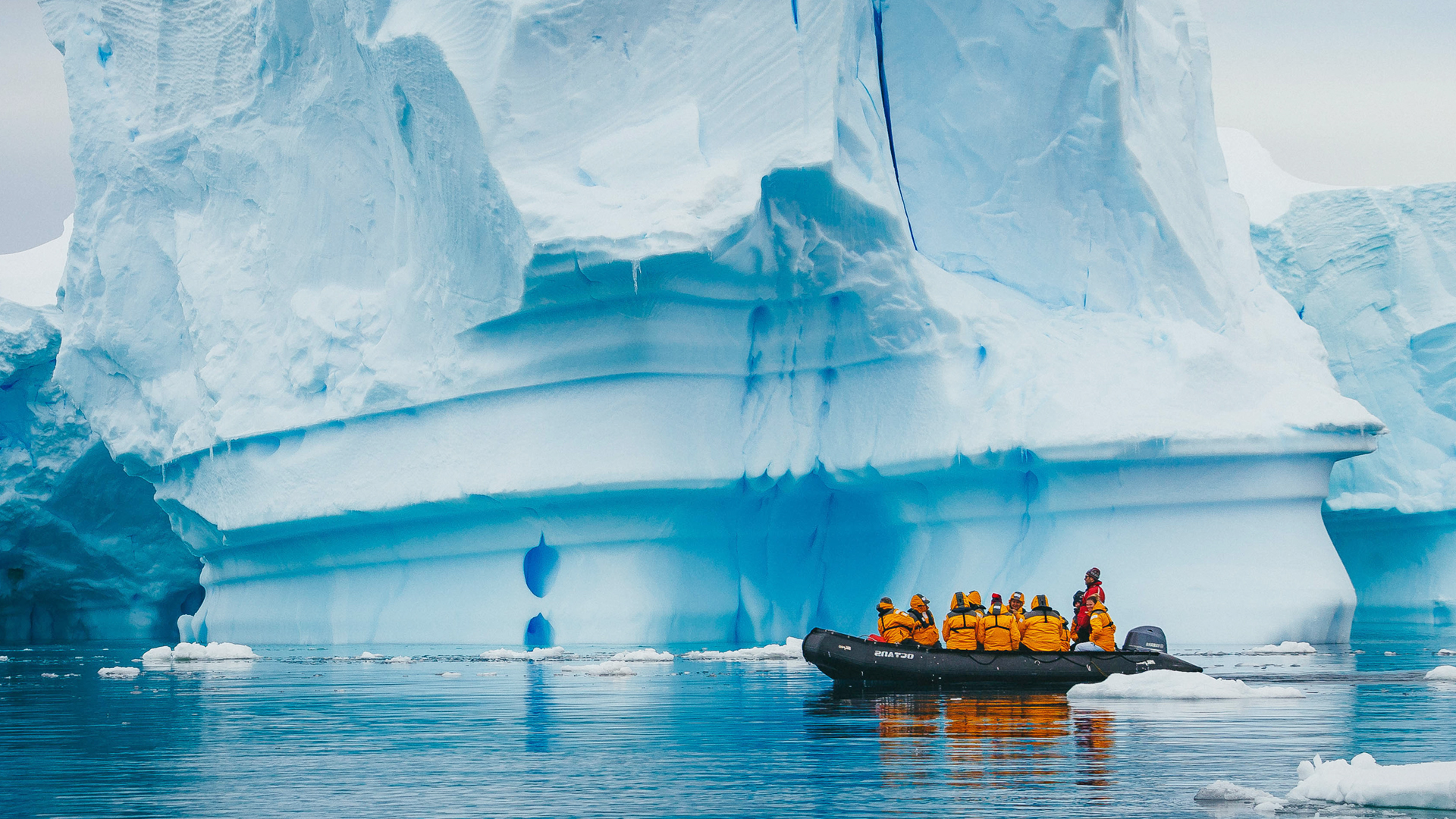
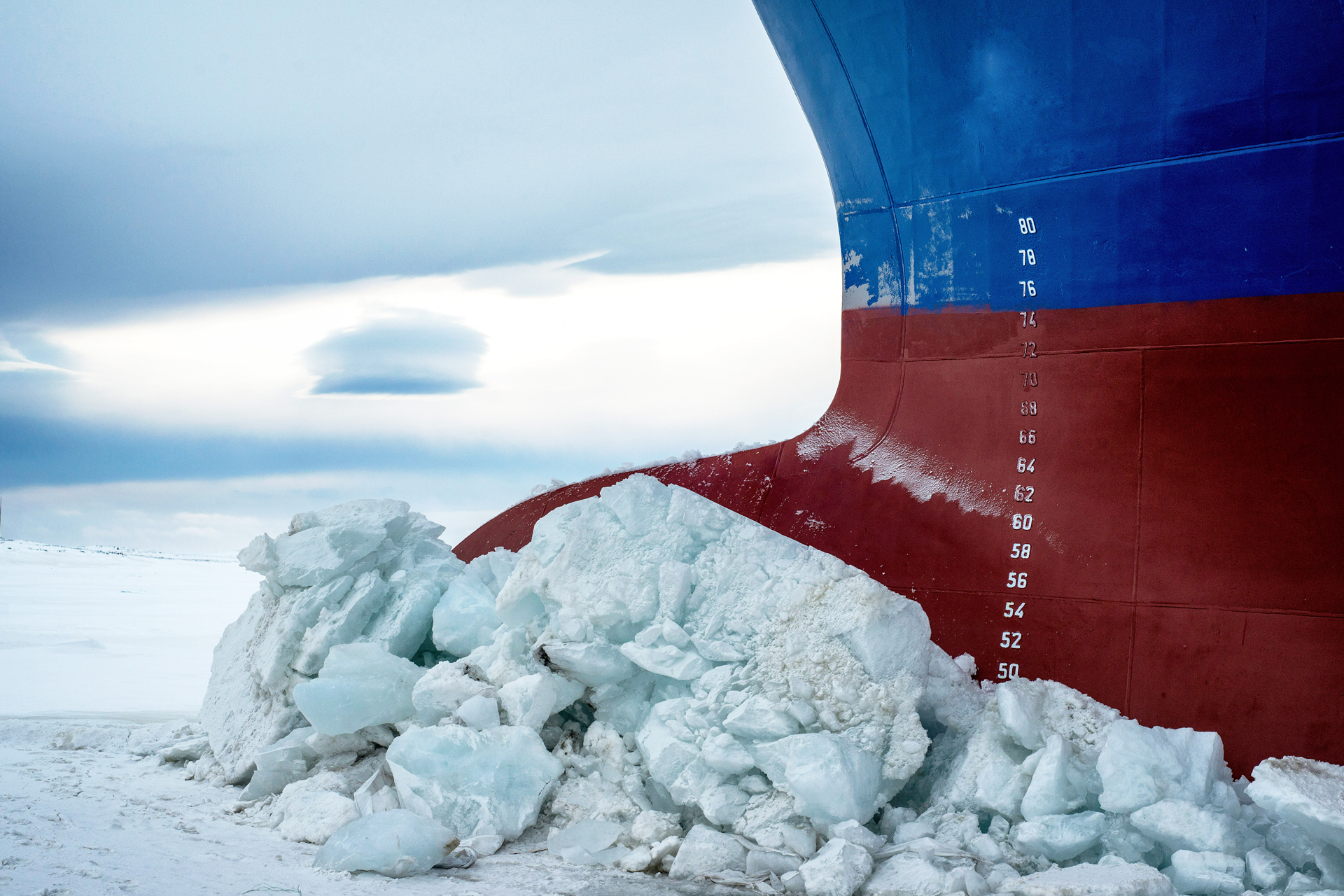
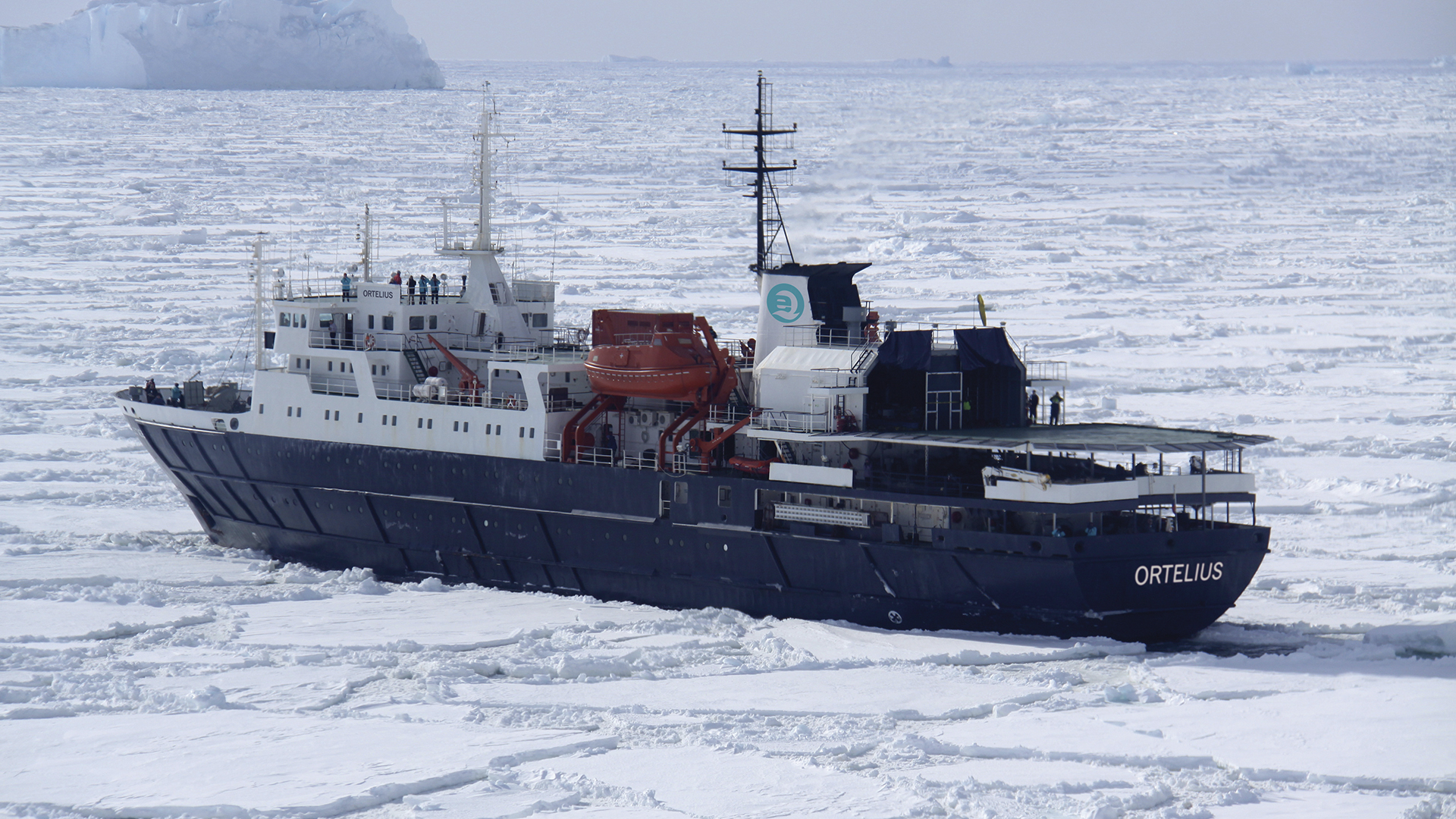
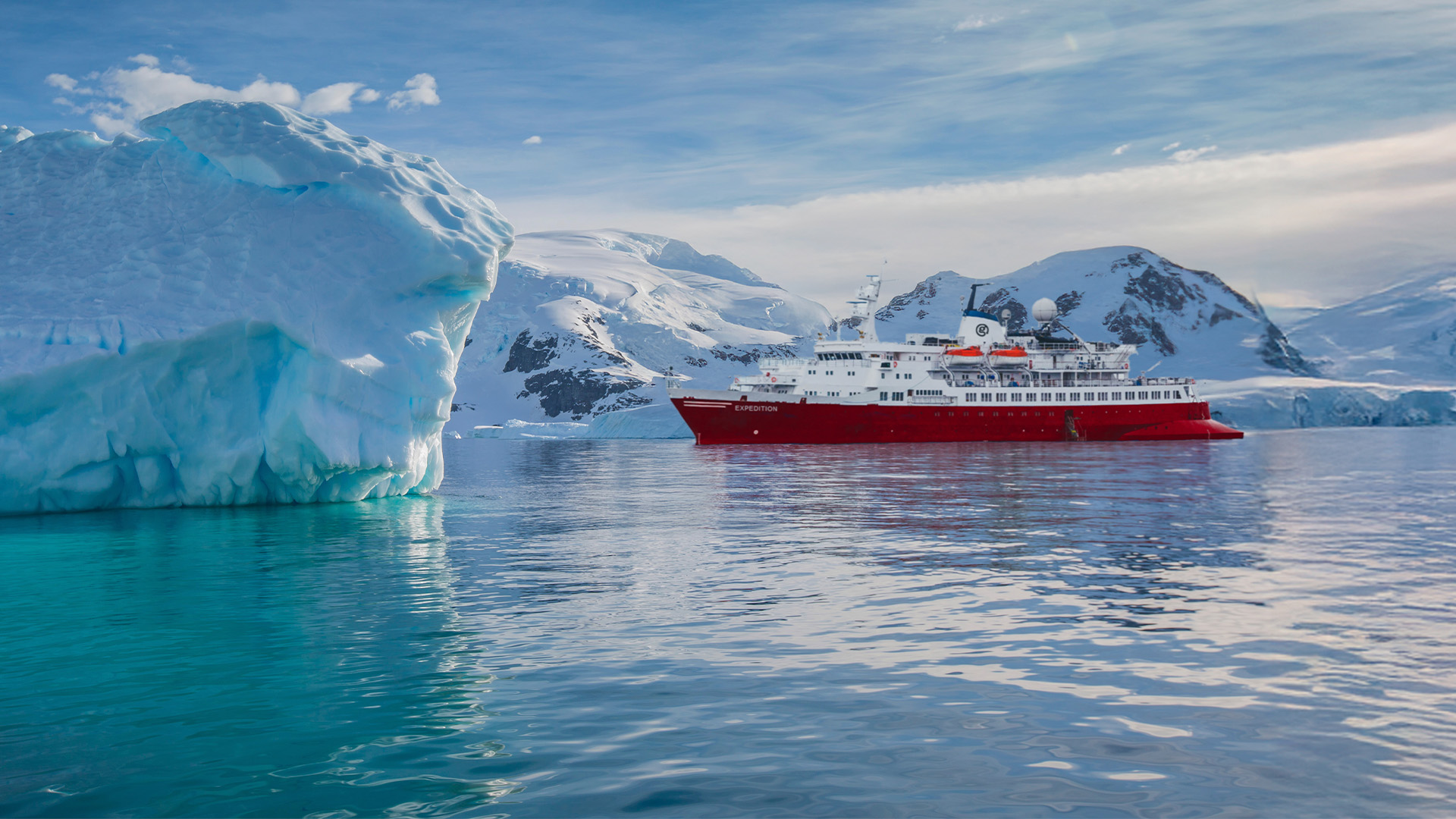
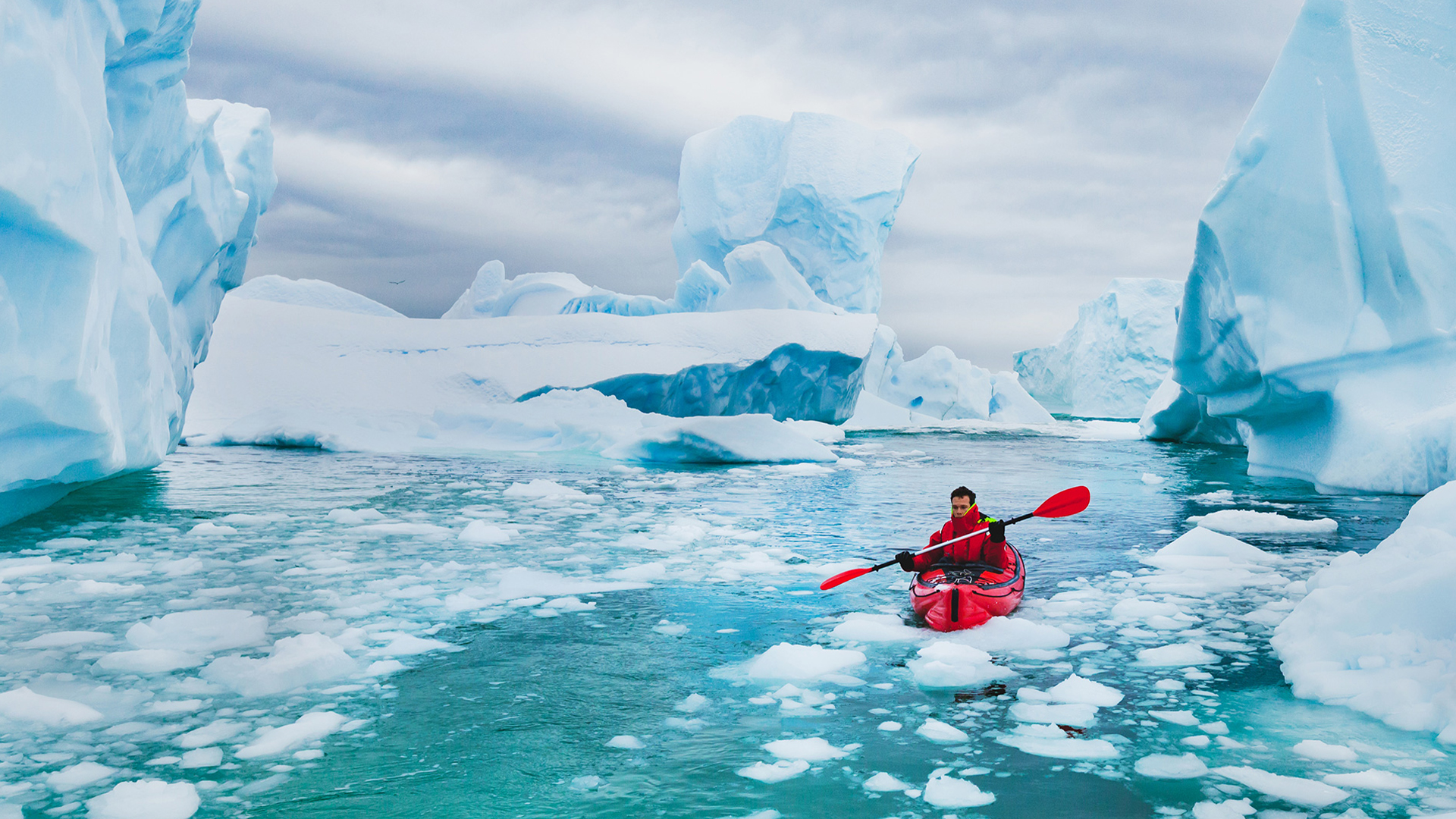
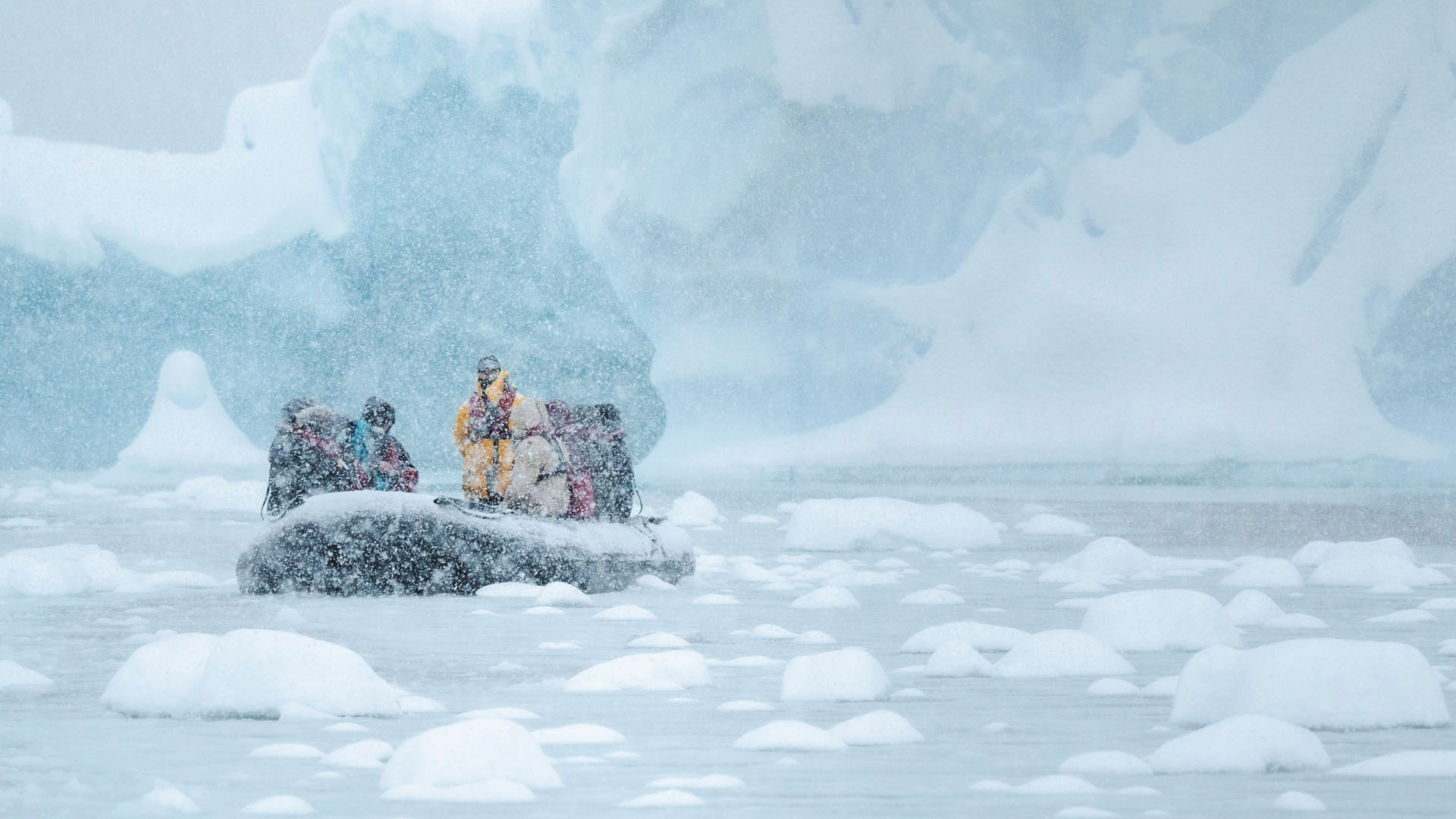
Este puede ser un buen momento para conseguir una oferta en un crucero por el Ártico, ya que hay menos tráfico y las oportunidades de ver icebergs son prolíficas en muchas zonas. Pero tenga en cuenta que el acceso a algunos lugares puede ser limitado o imposible debido al hielo marino y que, sobre todo al principio de la temporada, el tiempo puede ser más frío o tormentoso.
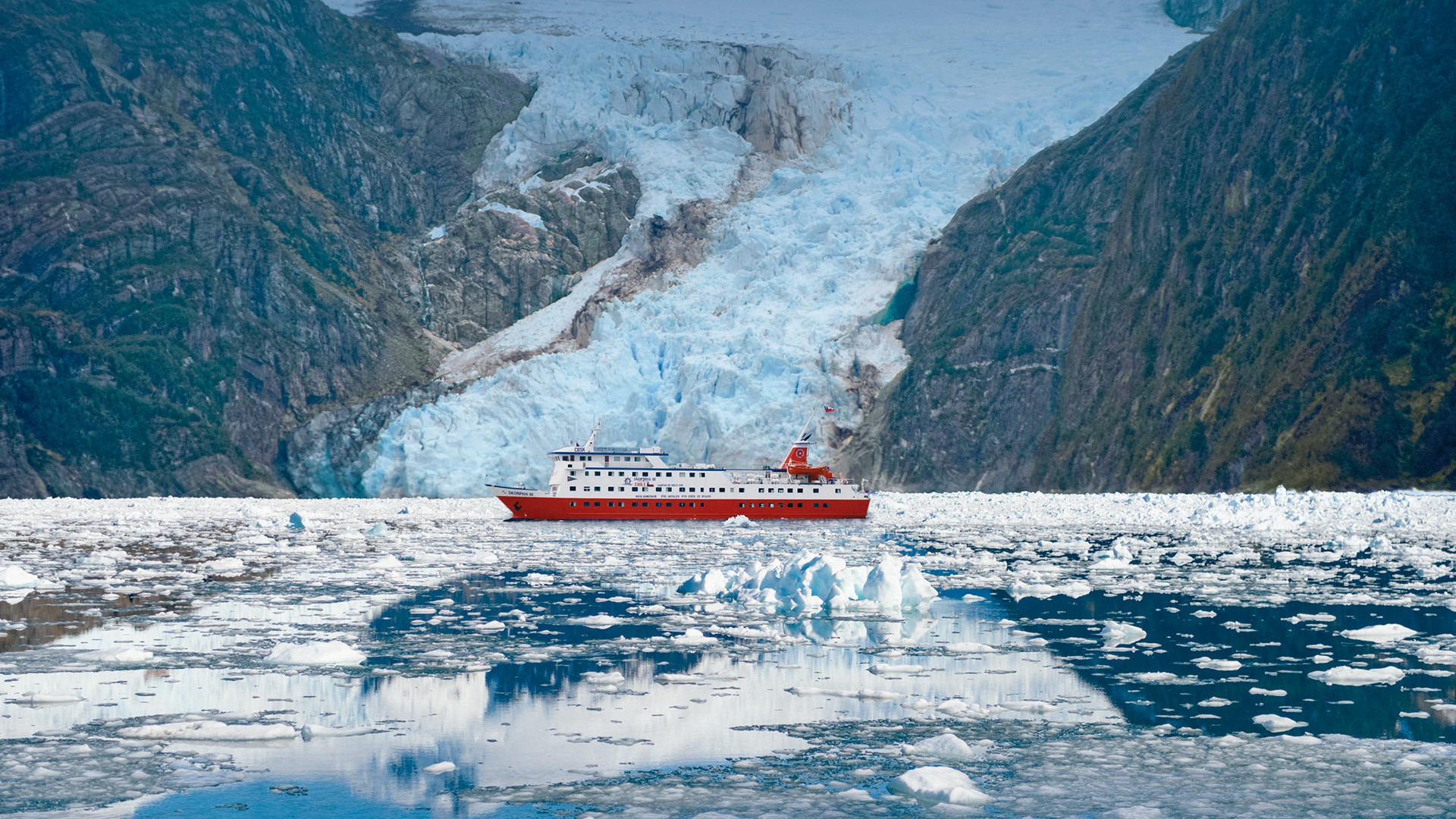
Con el comienzo de la estación, la tundra empieza su vibrante transformación. Ver florecer las primeras flores silvestres con la nieve como telón de fondo es una de las actividades más destacadas de quienes exploran el Ártico en abril y mayo.
Temporada alta (junio-agosto)
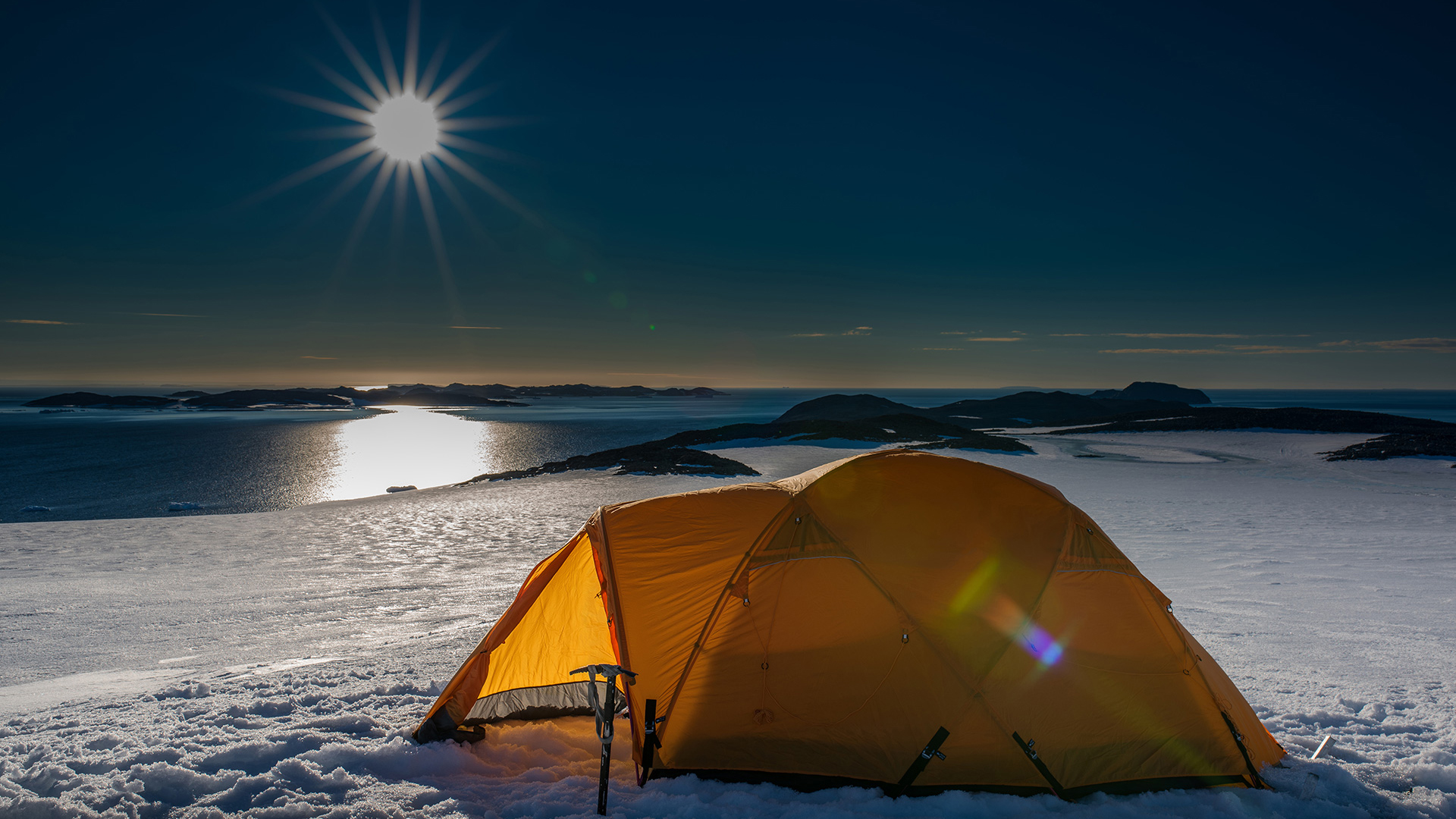
El verano ártico es algo digno de contemplar, inundado de luz diurna las 24 horas del día (o casi) y rebosante de actividad biológica dispuesta a aprovechar al máximo los días largos, las temperaturas suaves y el auge de la productividad primaria. Dependiendo de la zona del Ártico en la que nos encontremos, las temperaturas máximas diurnas en julio pueden alcanzar los 50 F o incluso los 60 F. La duración del día, que alcanza las 24 horas en el solsticio de verano de junio, se prolonga lujosamente durante buena parte del verano: Después de todo, ésta es la estación del Sol de Medianoche.
El hielo marino sigue retrocediendo a medida que avanza el verano, lo que facilita la navegación en aguas polares. Dada la combinación de una excelente observación de la fauna salvaje durante las épocas de mayor anidamiento y alimentación de muchas criaturas en las altas latitudes; el sosiego, las visitas turísticas prolongadas y la emoción experiencial que proporciona el Sol de Medianoche; y el amplio acceso -por no mencionar el calendario de vacaciones escolares-, no es de extrañar que el verano sea, para la mayoría de los viajeros, la mejor época para los cruceros por el Ártico.
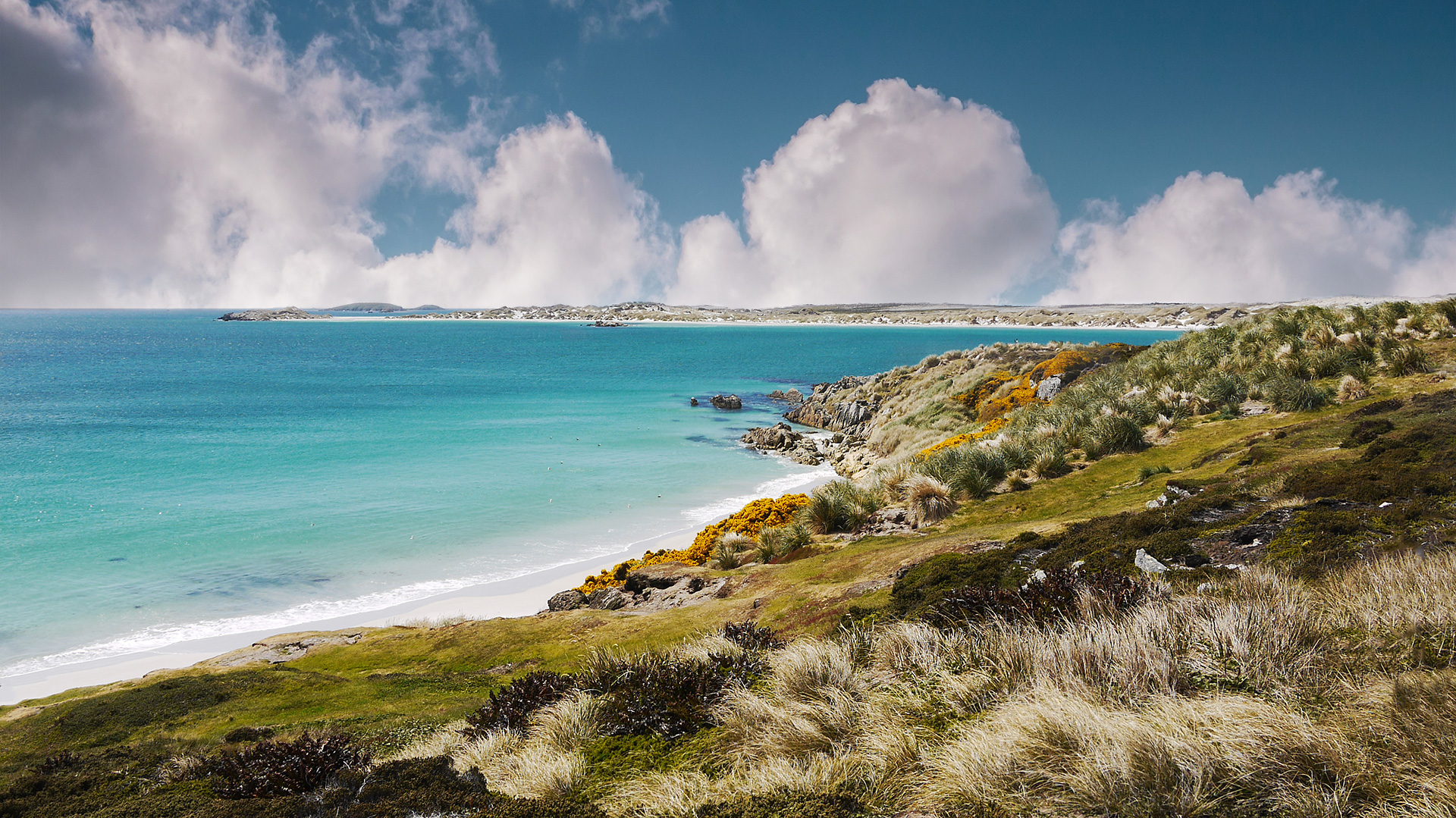
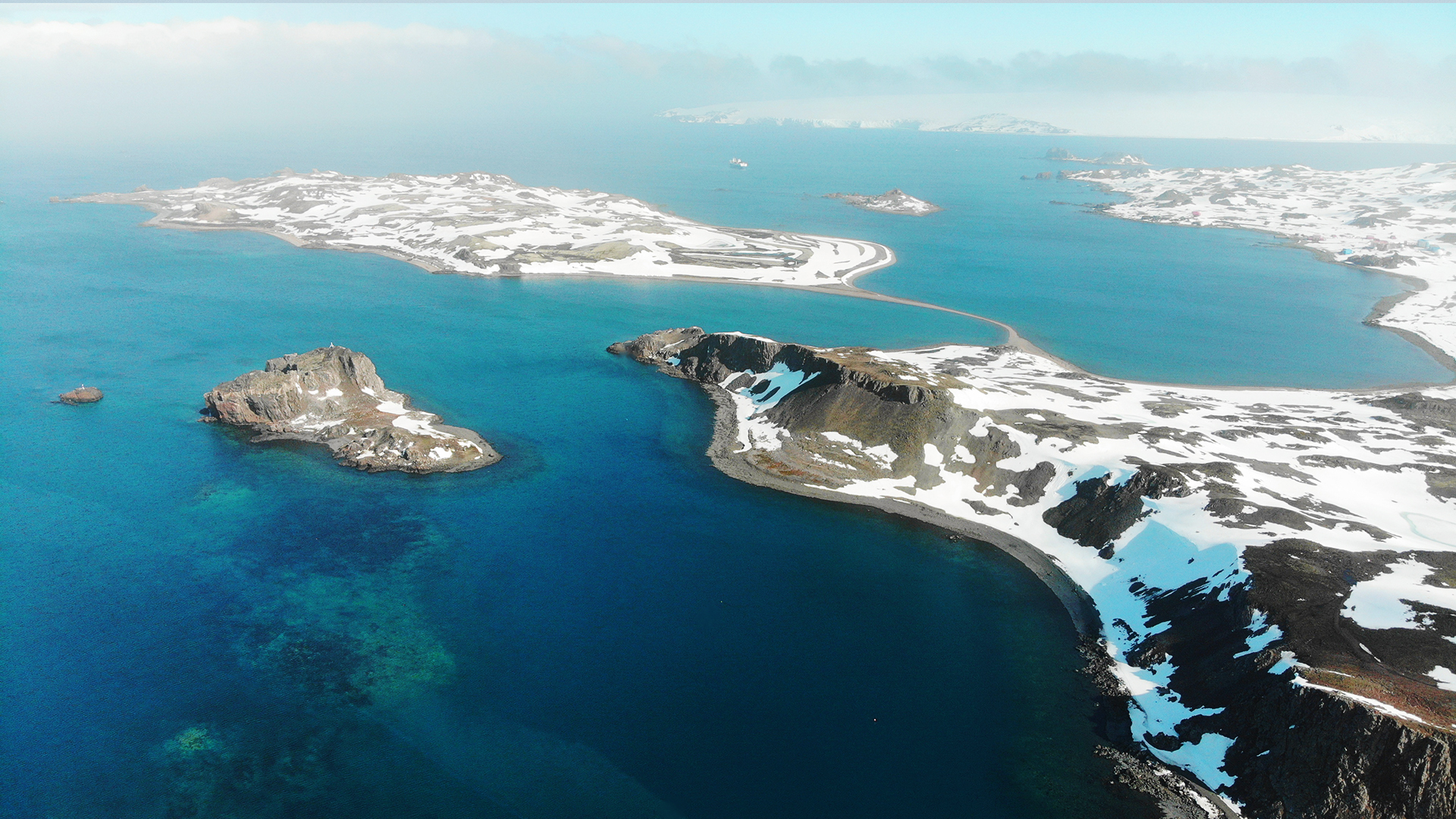
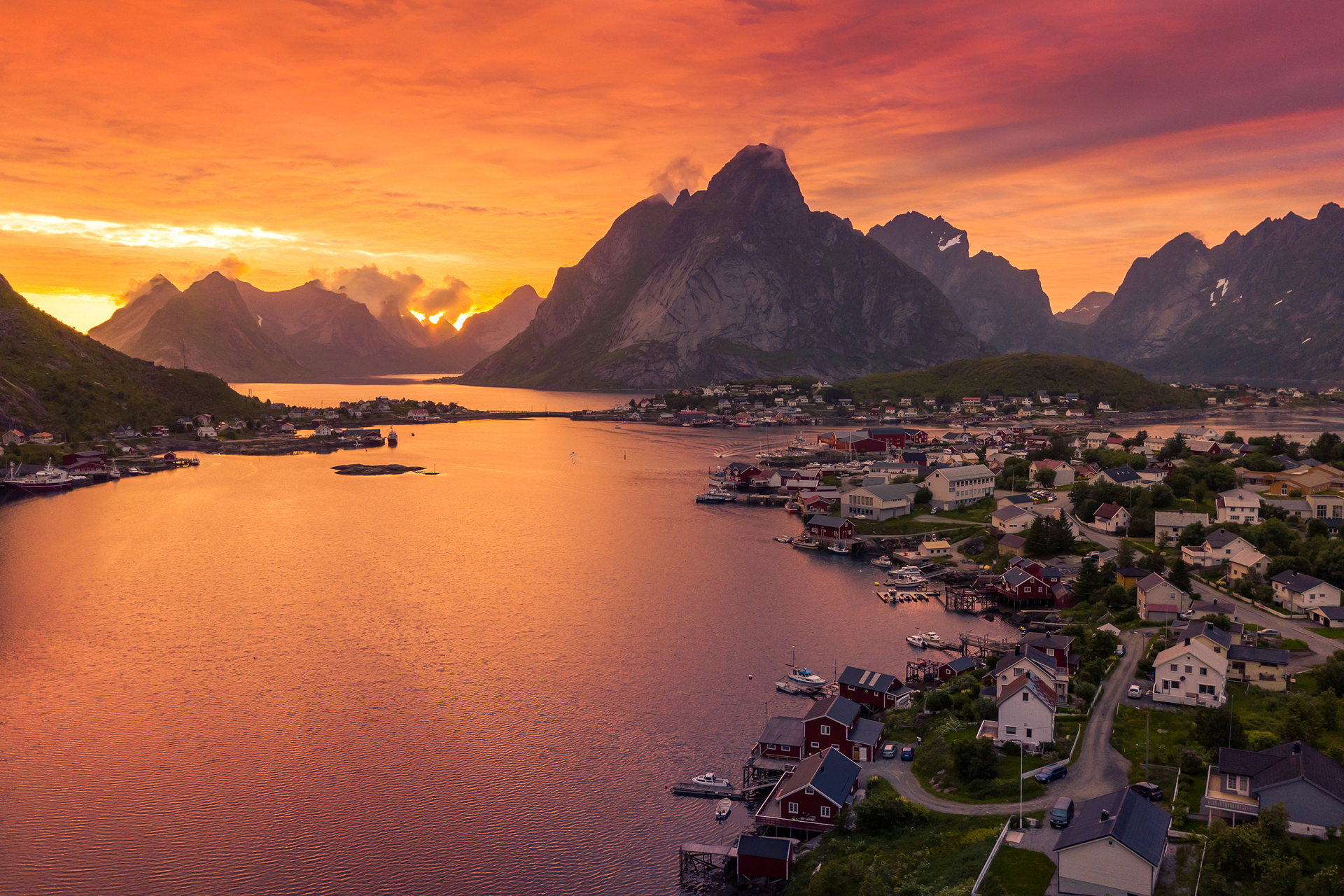
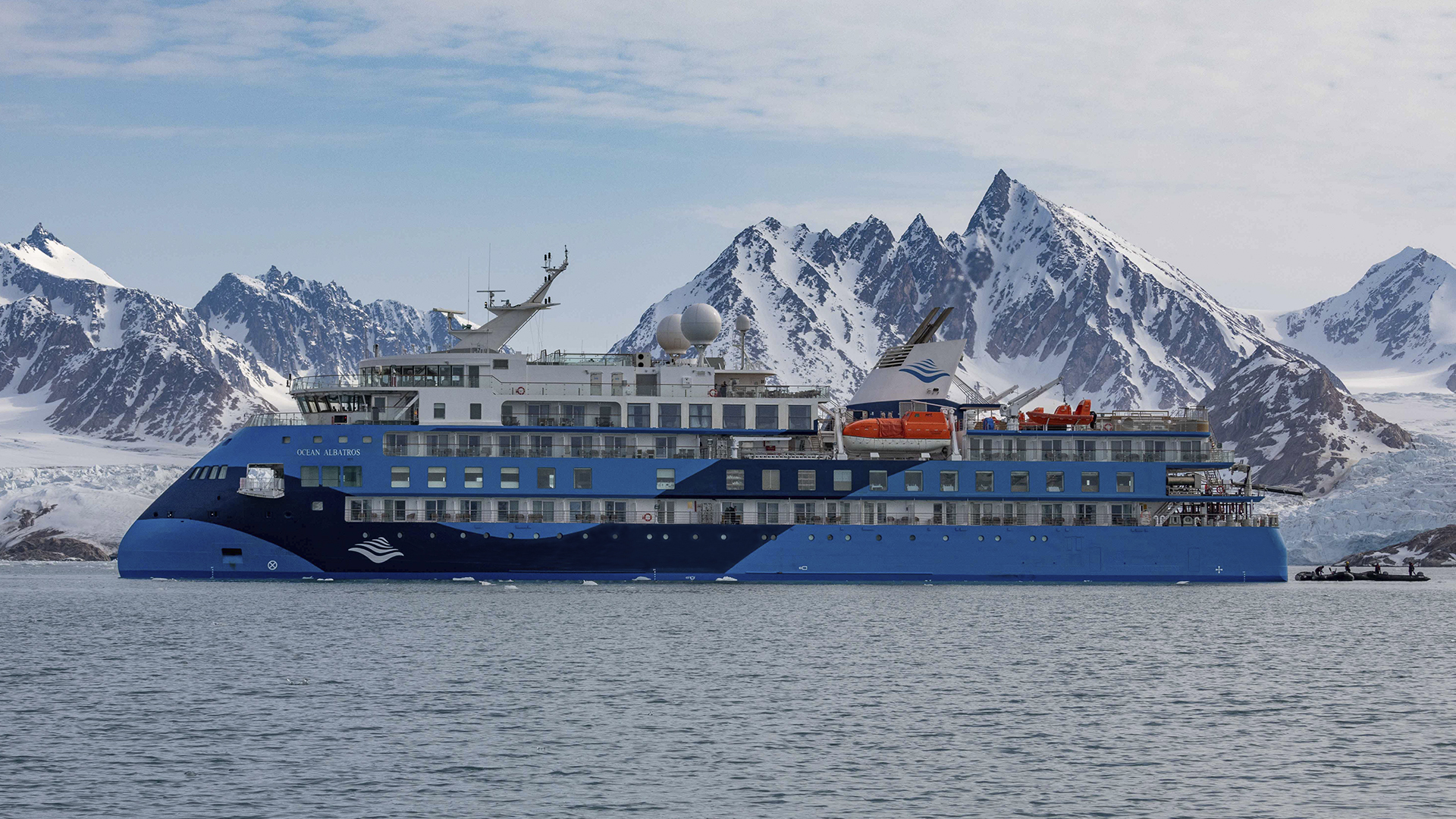
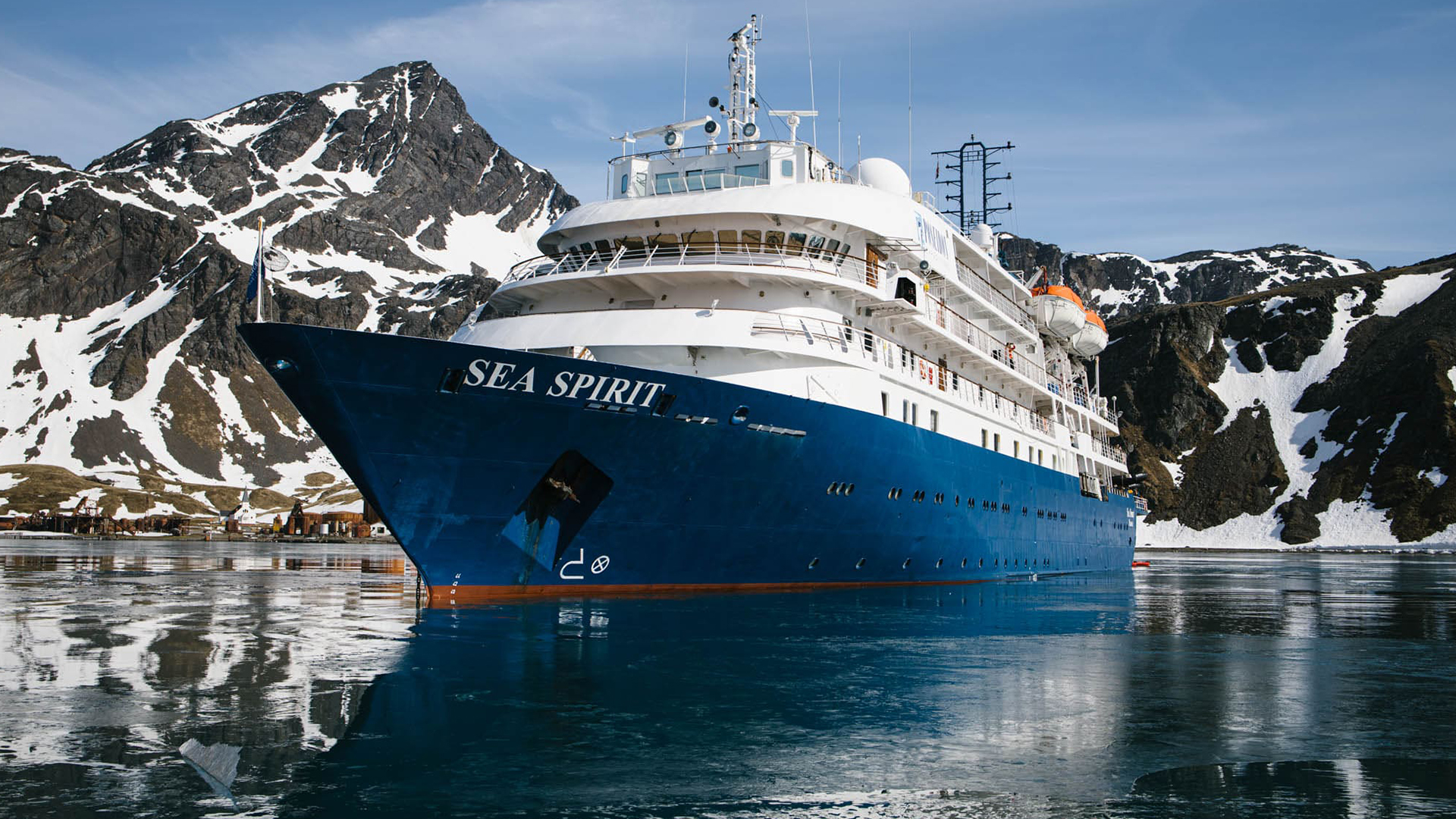
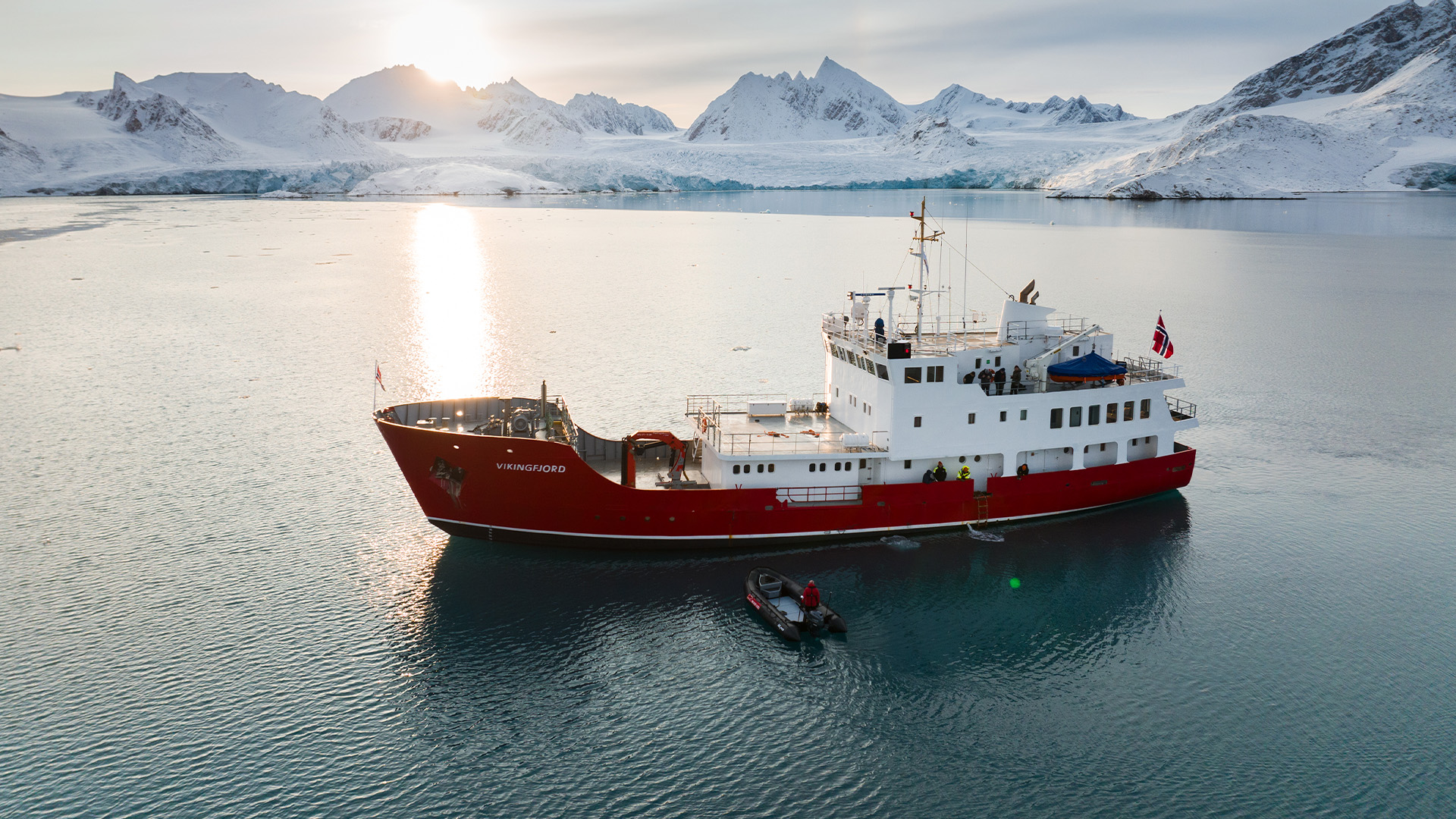
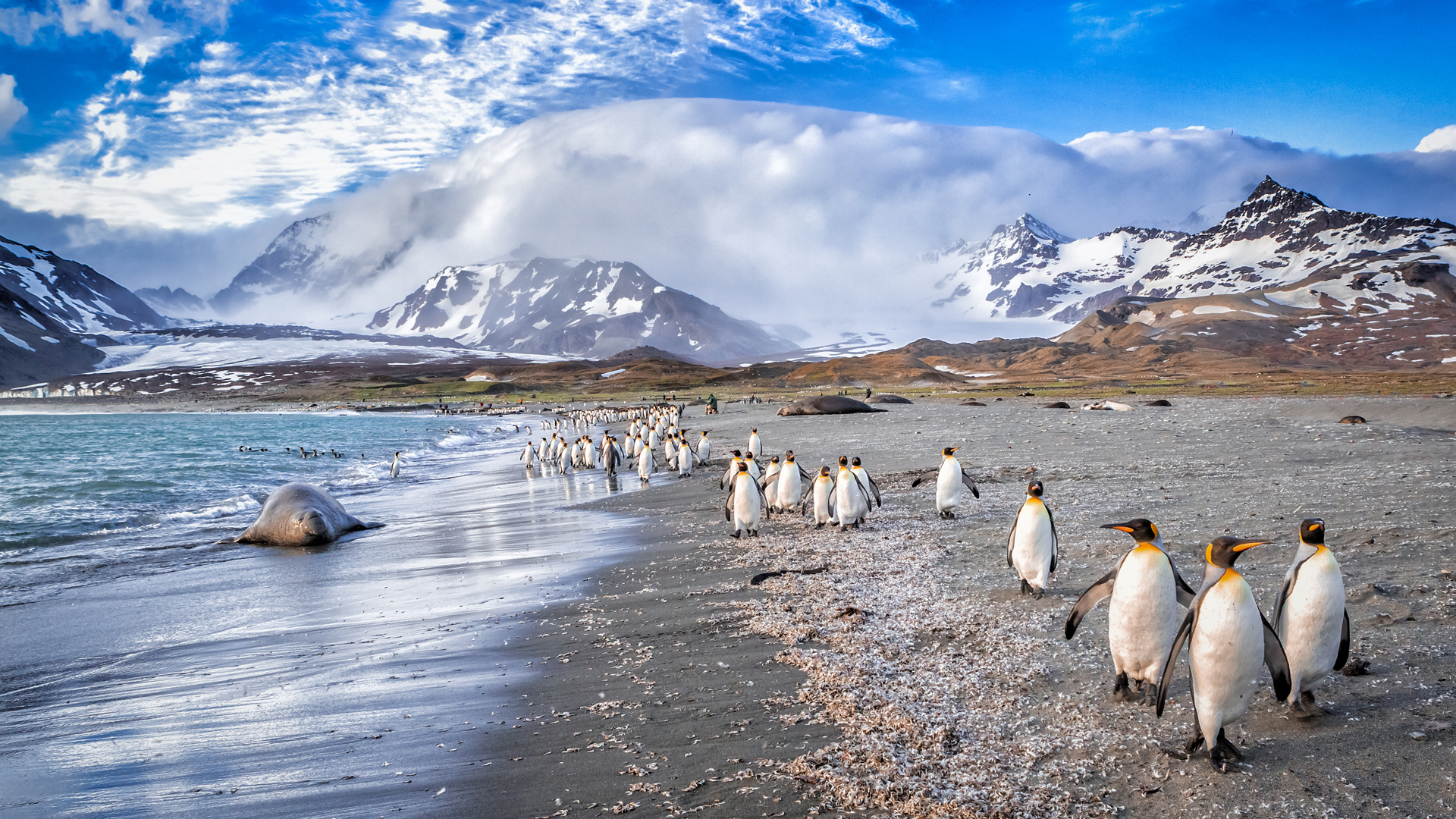
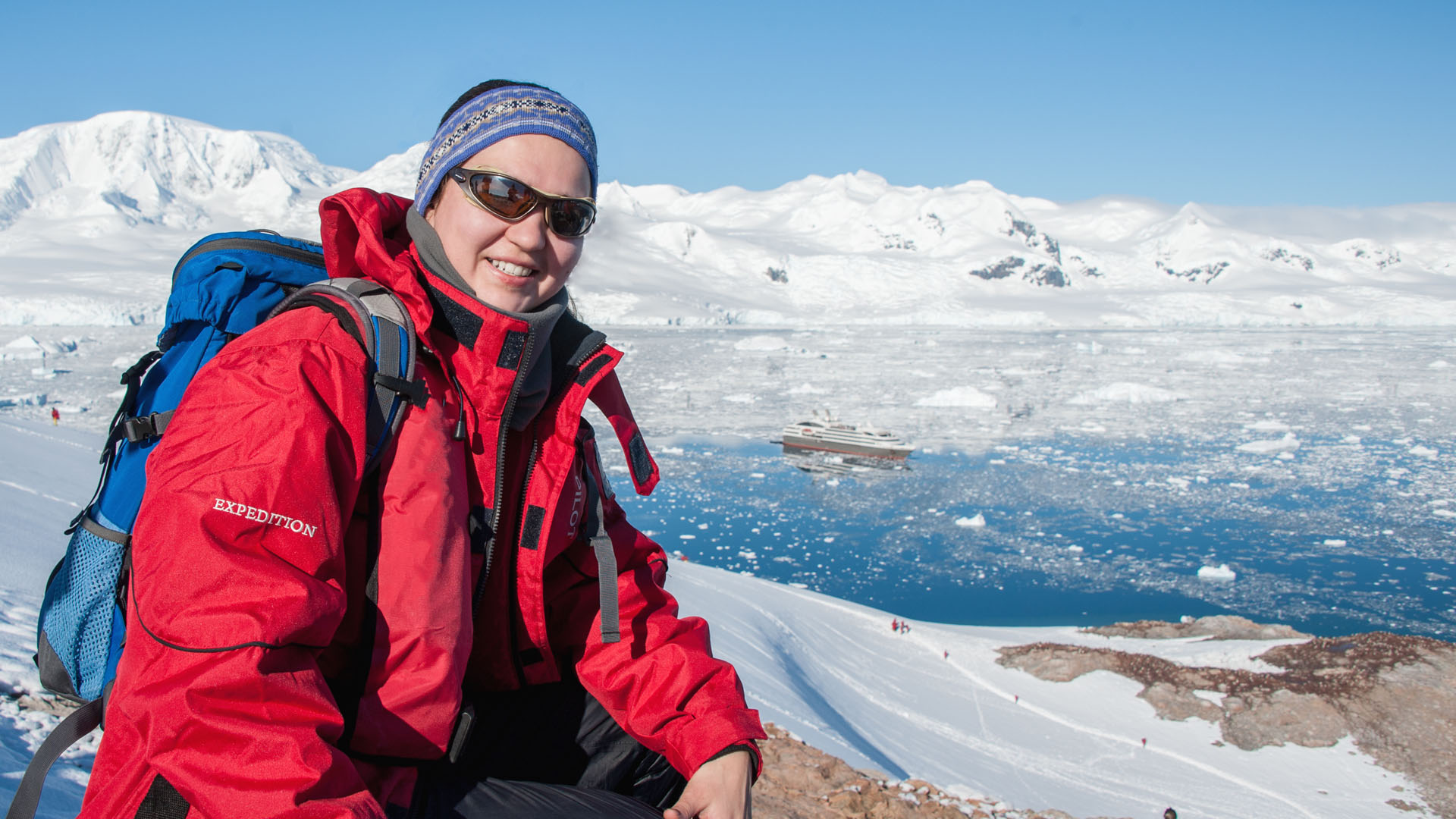
El verano en el Ártico trae consigo un verdor vibrante y largos días bañados por el sol. La temporada alta es el momento perfecto para explorar los pueblos costeros y contemplar el espectacular contraste entre las exuberantes laderas y los escarpados picos de las montañas.
Temporada tardía (septiembre - octubre)
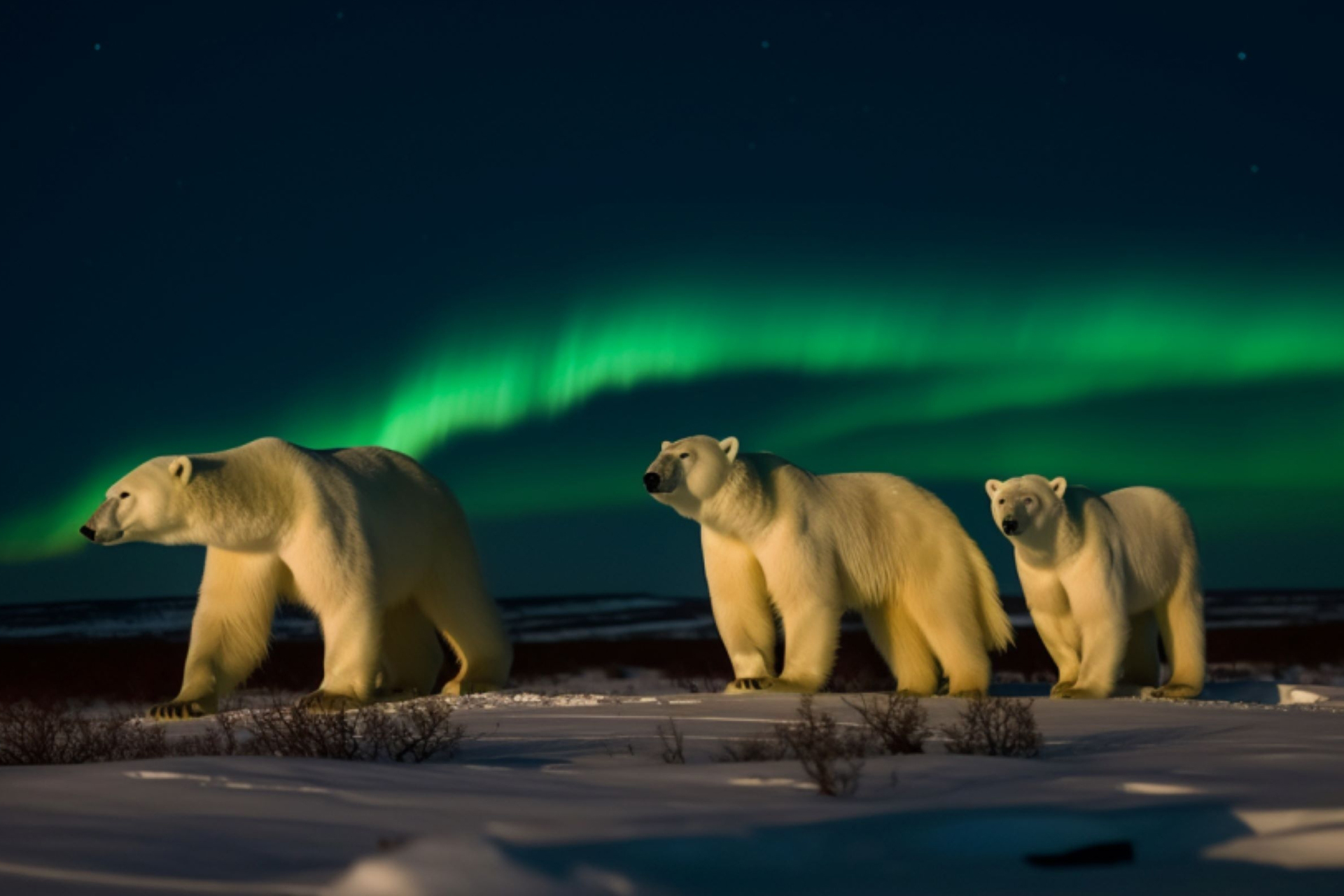
La temporada de otoño puede ser un buen momento para visitar el Círculo Polar Ártico, a pesar del acortamiento de los días, el descenso de las temperaturas medias y (en algunos lugares) el aumento de las tormentas. El hielo marino ártico suele retirarse a su extensión mínima en septiembre, por lo que el acceso a los cruceros sigue siendo excelente a principios de otoño. Algunas oportunidades de observación de la vida salvaje, como los osos polares en la Ecorregión de Hielo Estacional del Ártico, suelen alcanzar su punto álgido al final de la temporada. Y la creciente oscuridad nocturna aumenta las posibilidades de ver auroras boreales, para las que la zona ártica es el principal escenario.
Al igual que en primavera, la temporada baja de otoño puede ser una buena opción para los viajeros con un presupuesto ajustado. Sólo hay que tener en cuenta que los itinerarios de los cruceros disminuyen a medida que avanza la temporada, ya que las condiciones meteorológicas y el hielo marino son menos propicios para el turismo.
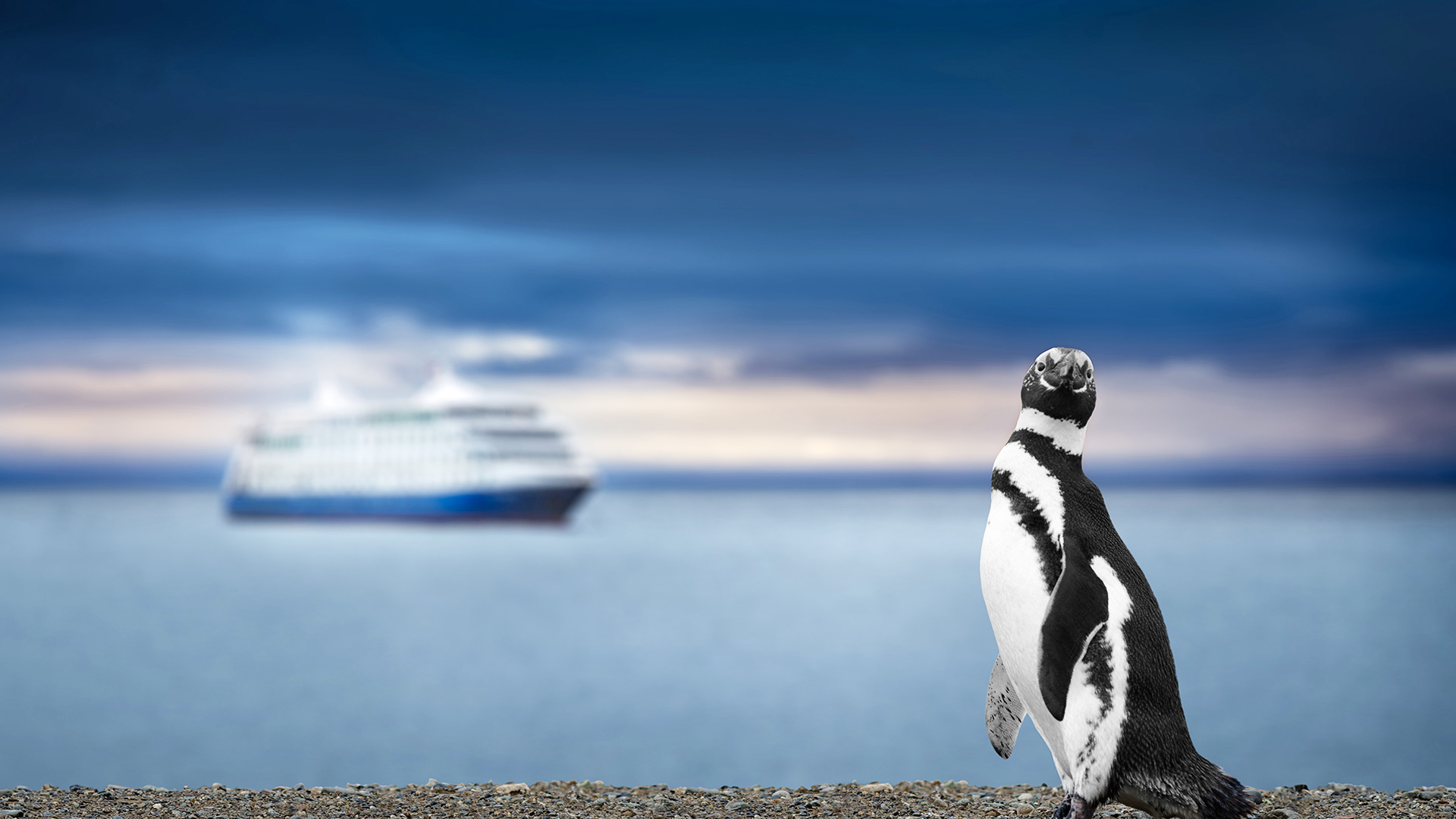
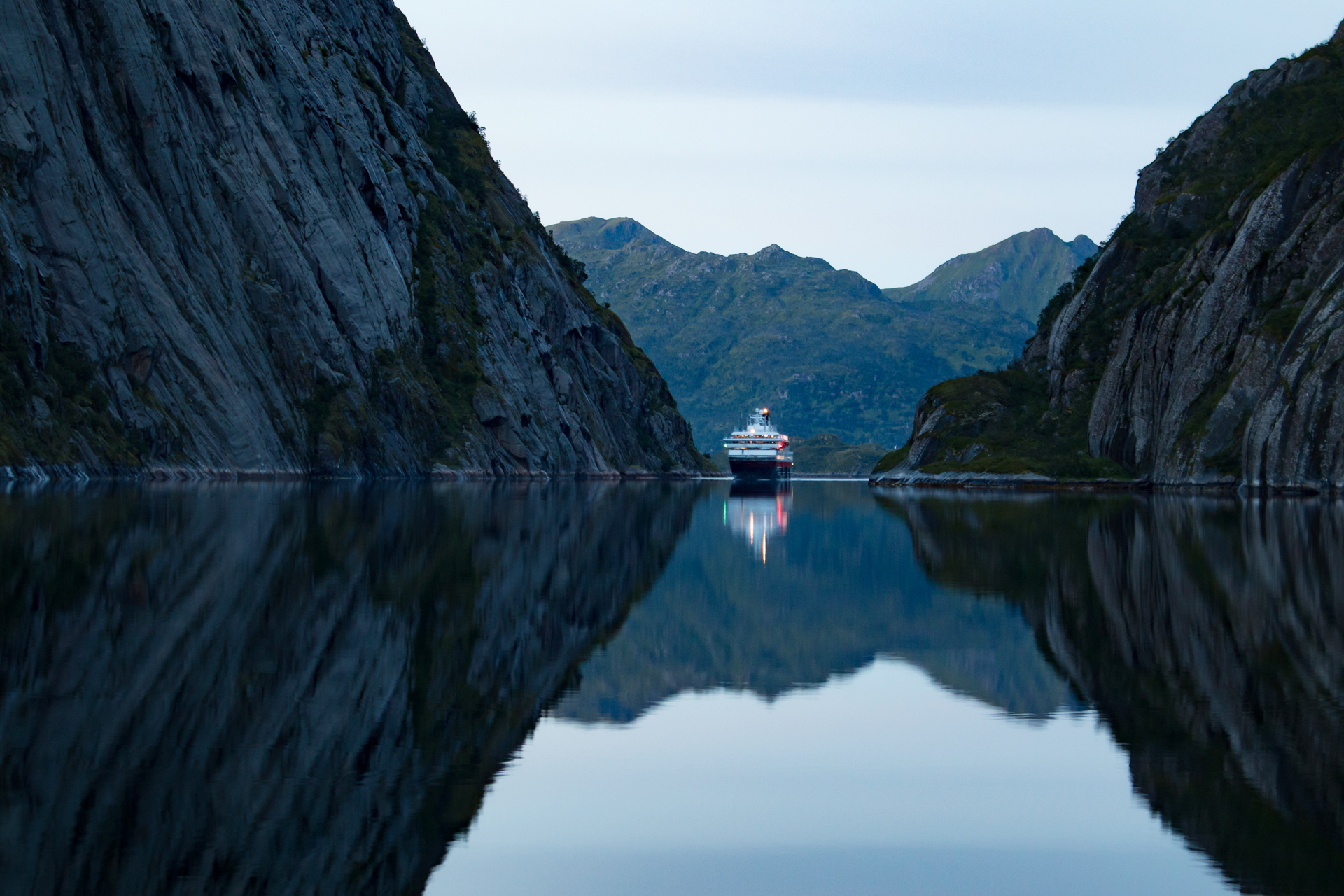
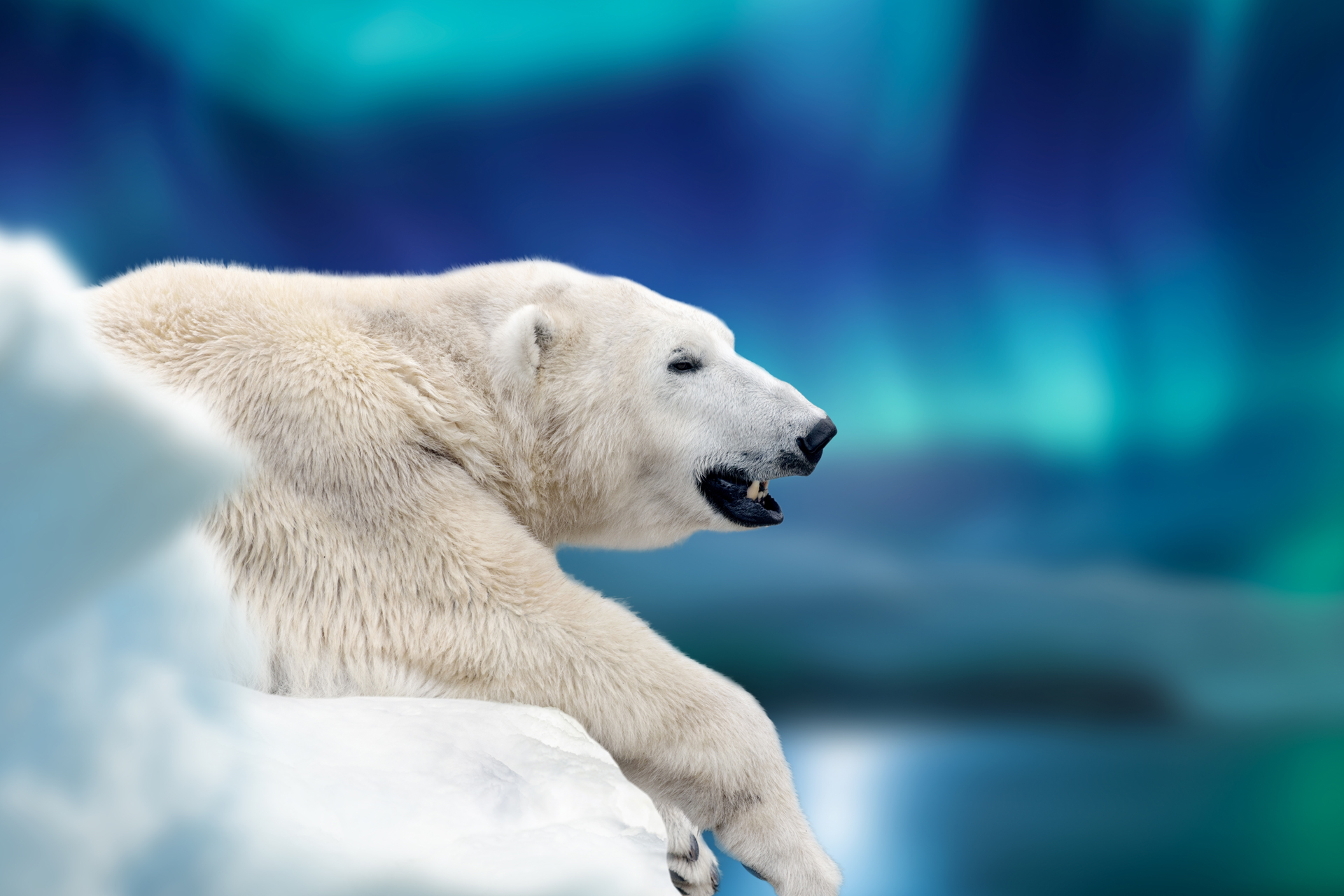
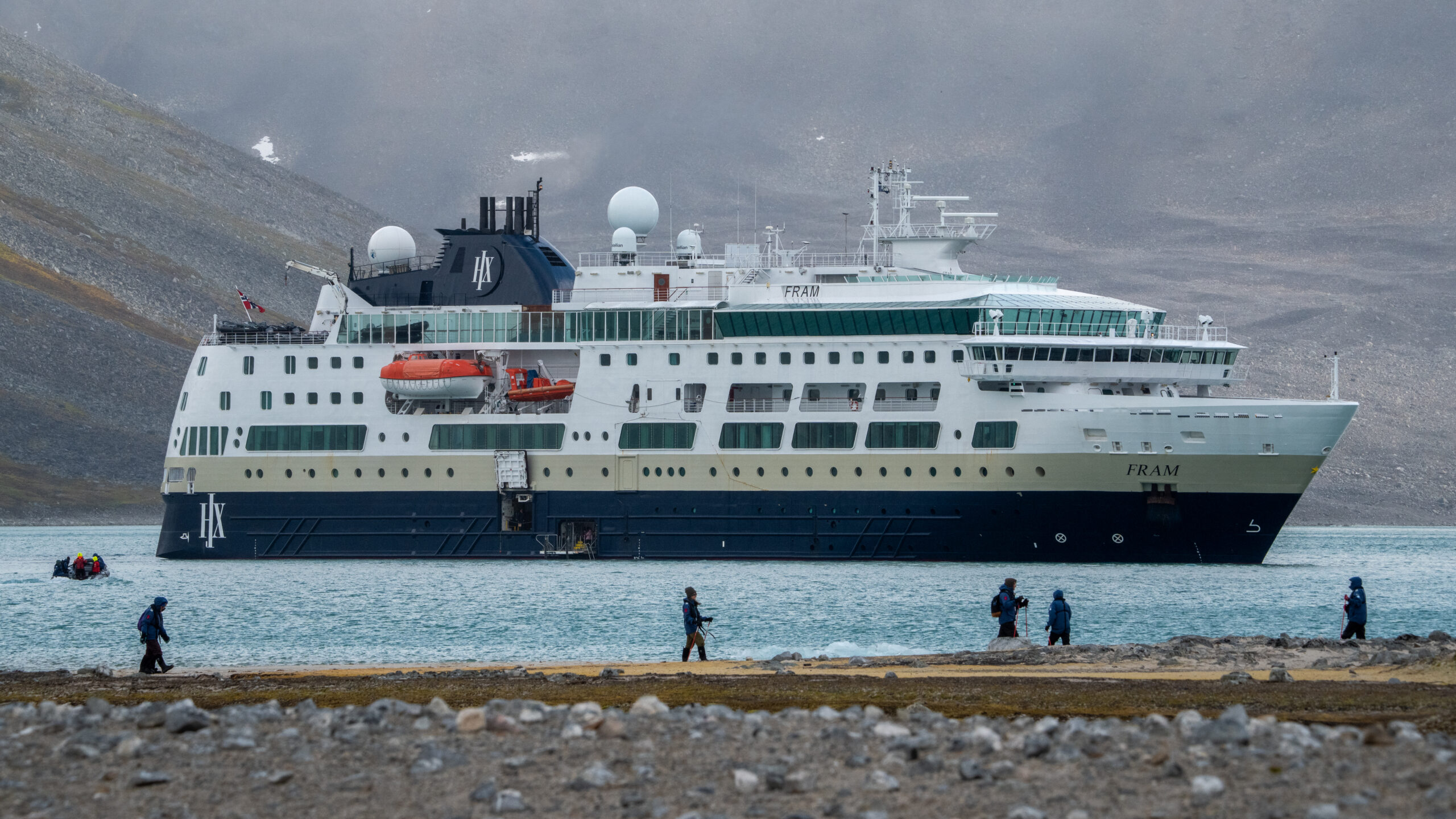
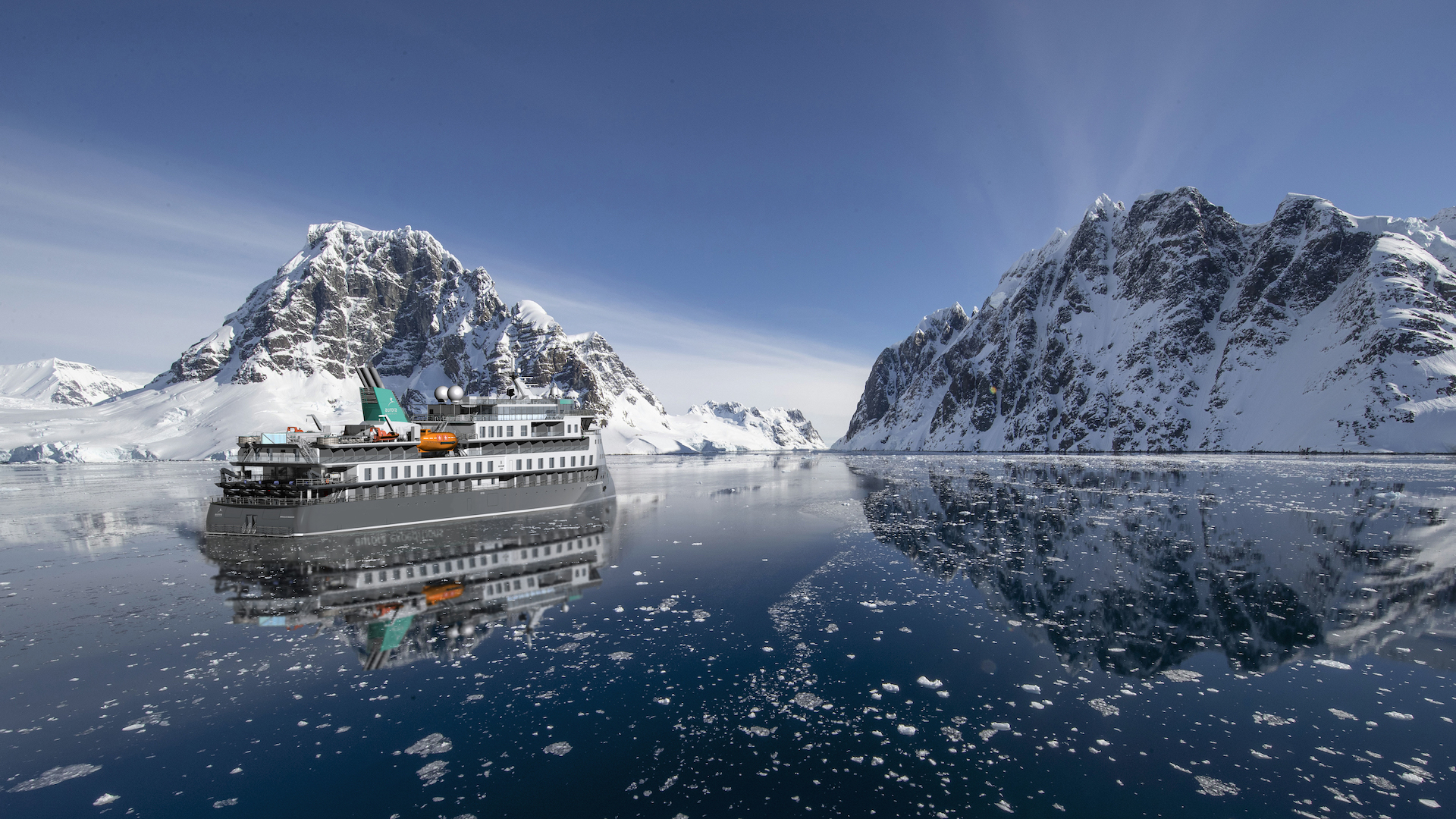
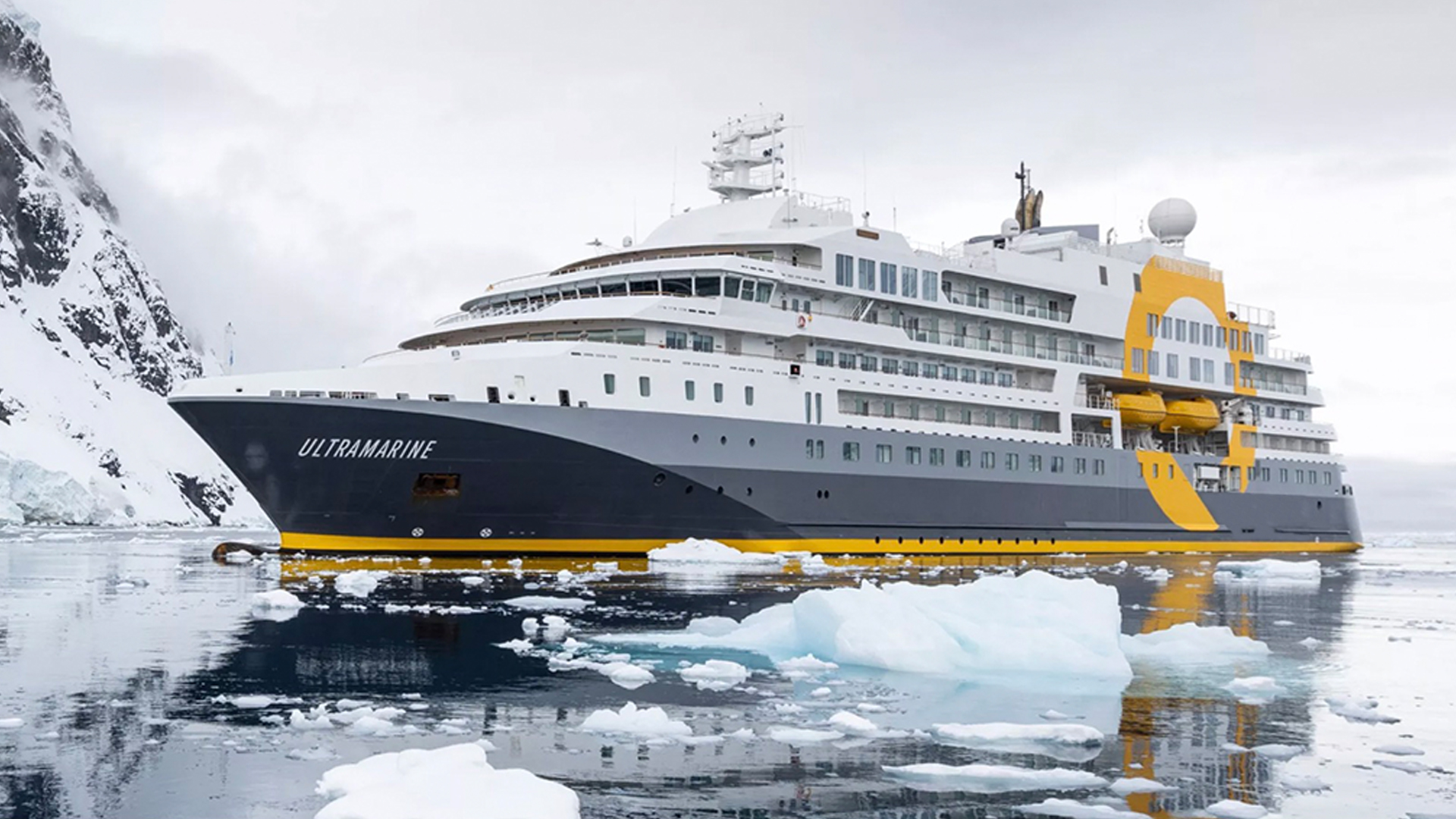
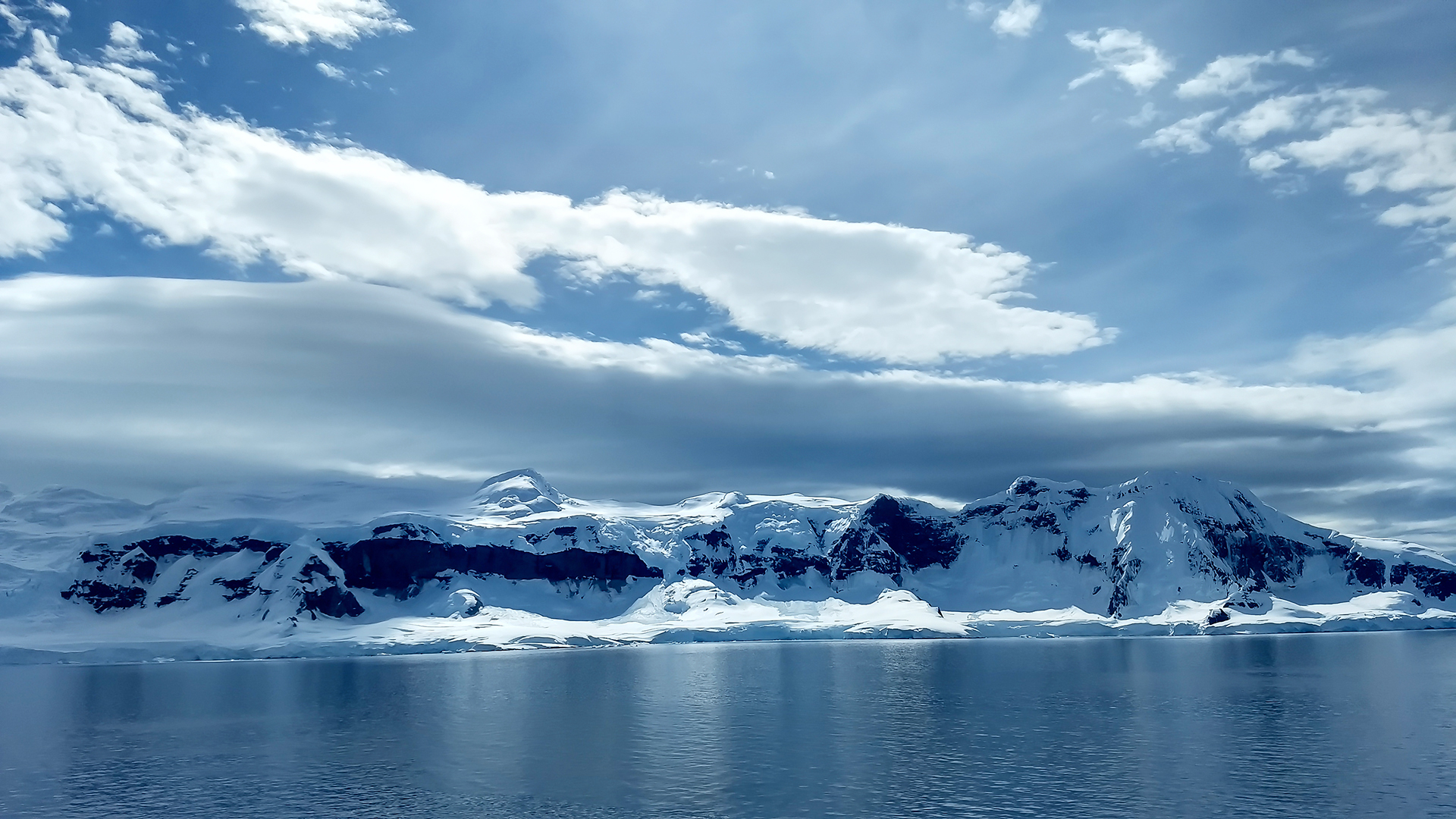
Con la llegada del final de la estación, una serena calma se instala en el paisaje ártico. Explorar las remotas comunidades costeras durante septiembre y octubre ofrece una perspectiva apacible de la dramática transición de la región hacia el invierno.
Mejor época para visitar determinadas regiones árticas
Ahora que ya hemos trazado el panorama a grandes rasgos, vamos a centrarnos en nuestros principales destinos de cruceros por el Ártico y a resumir algunas de sus consideraciones sobre estacionalidad y calendario. Comenzaremos cada subsección con un pequeño resumen del clima regional y el perfil meteorológico, y luego repasaremos algunos aspectos adicionales que podrían influir en el calendario de planificación de su viaje. Pero antes:
Nota sobre la migración de cruceros en el Ártico
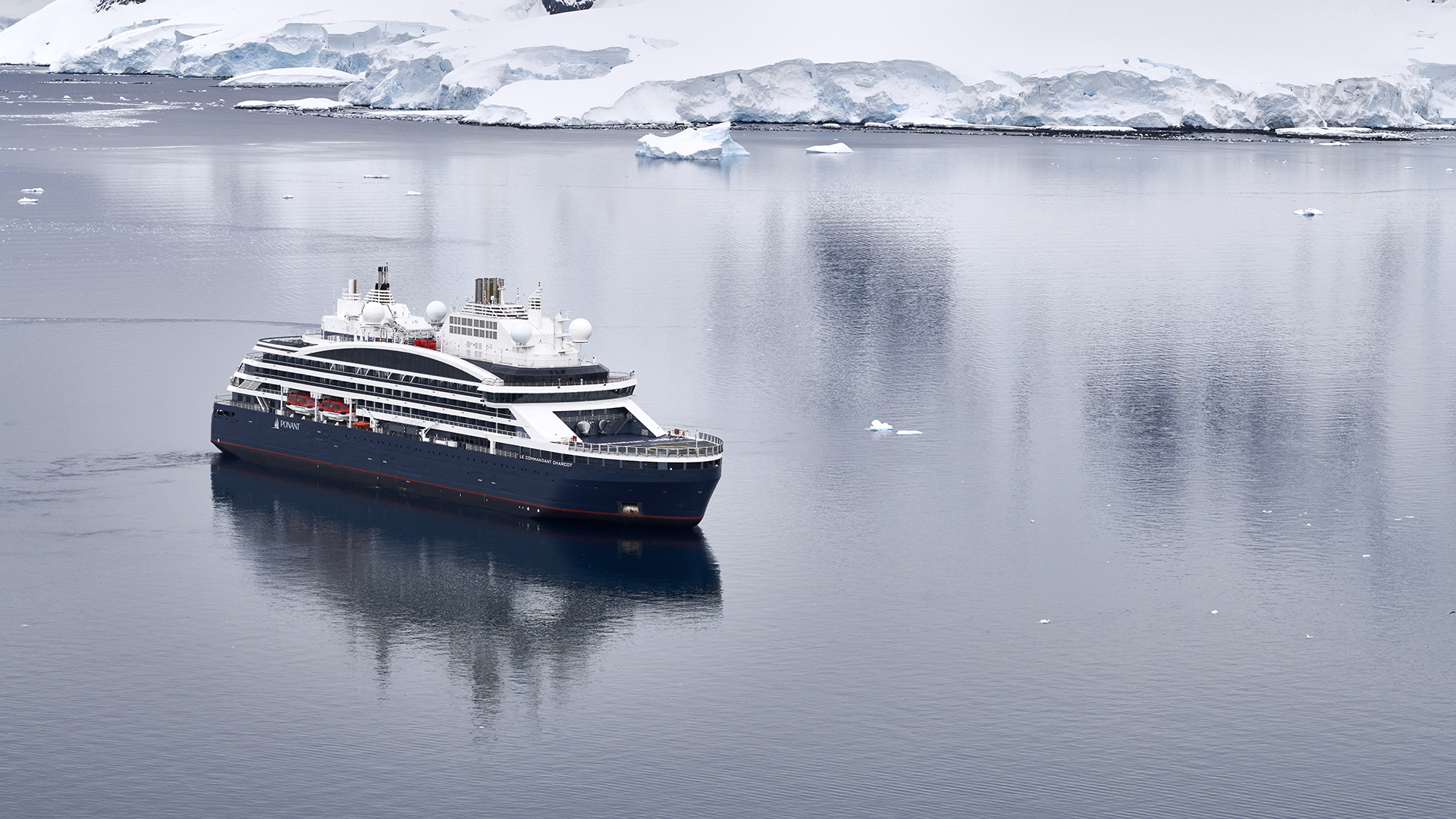
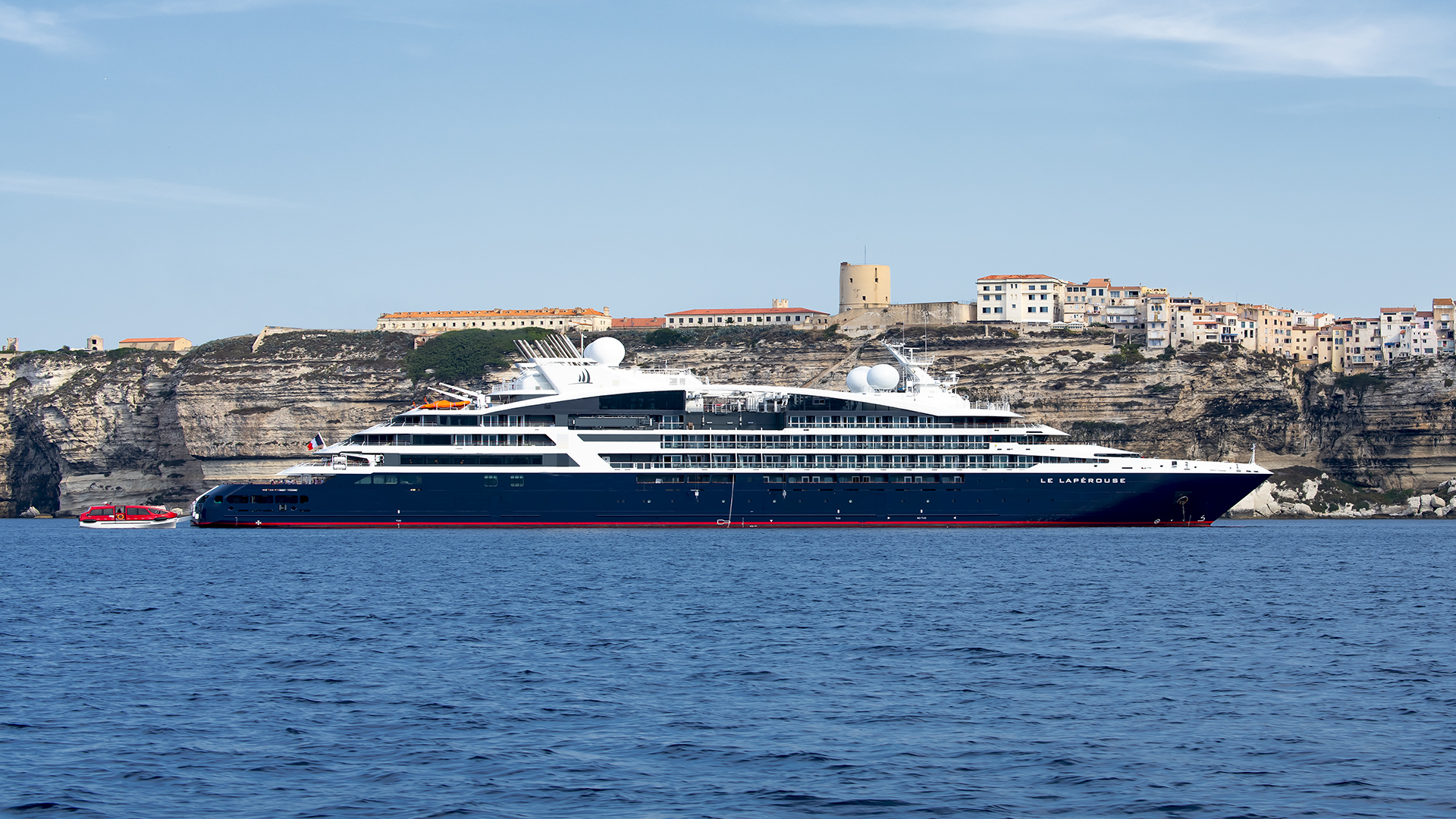
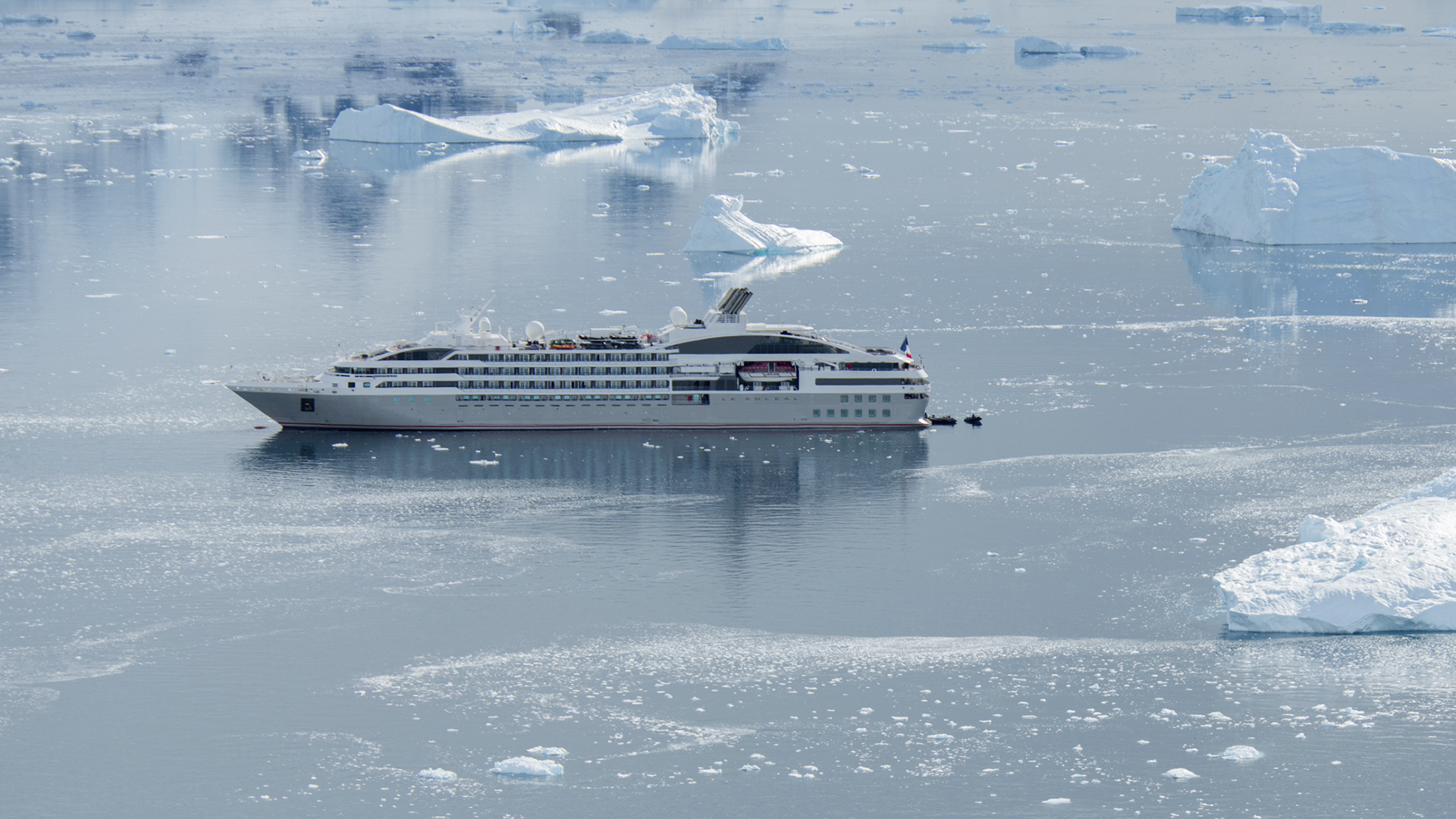
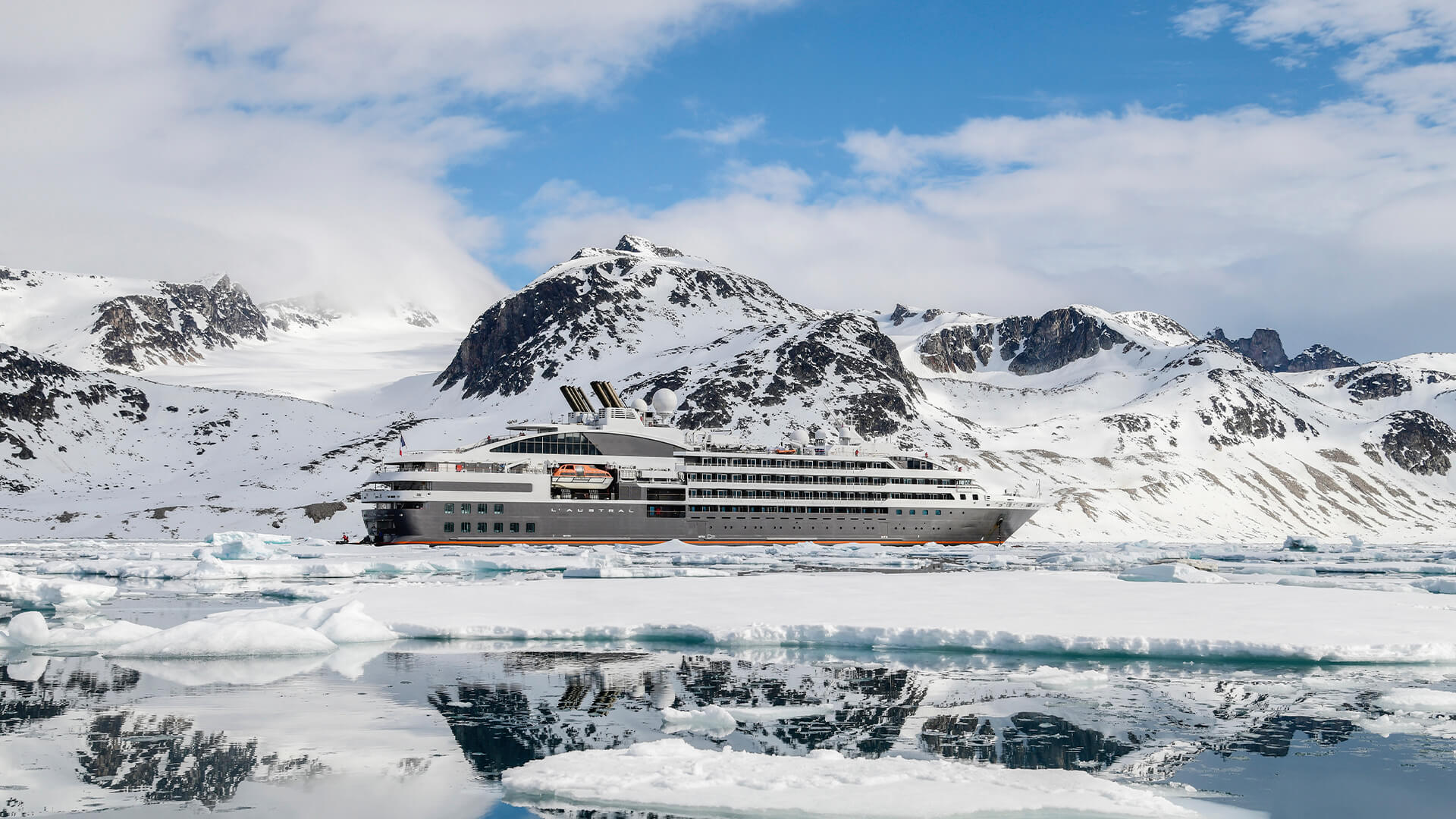
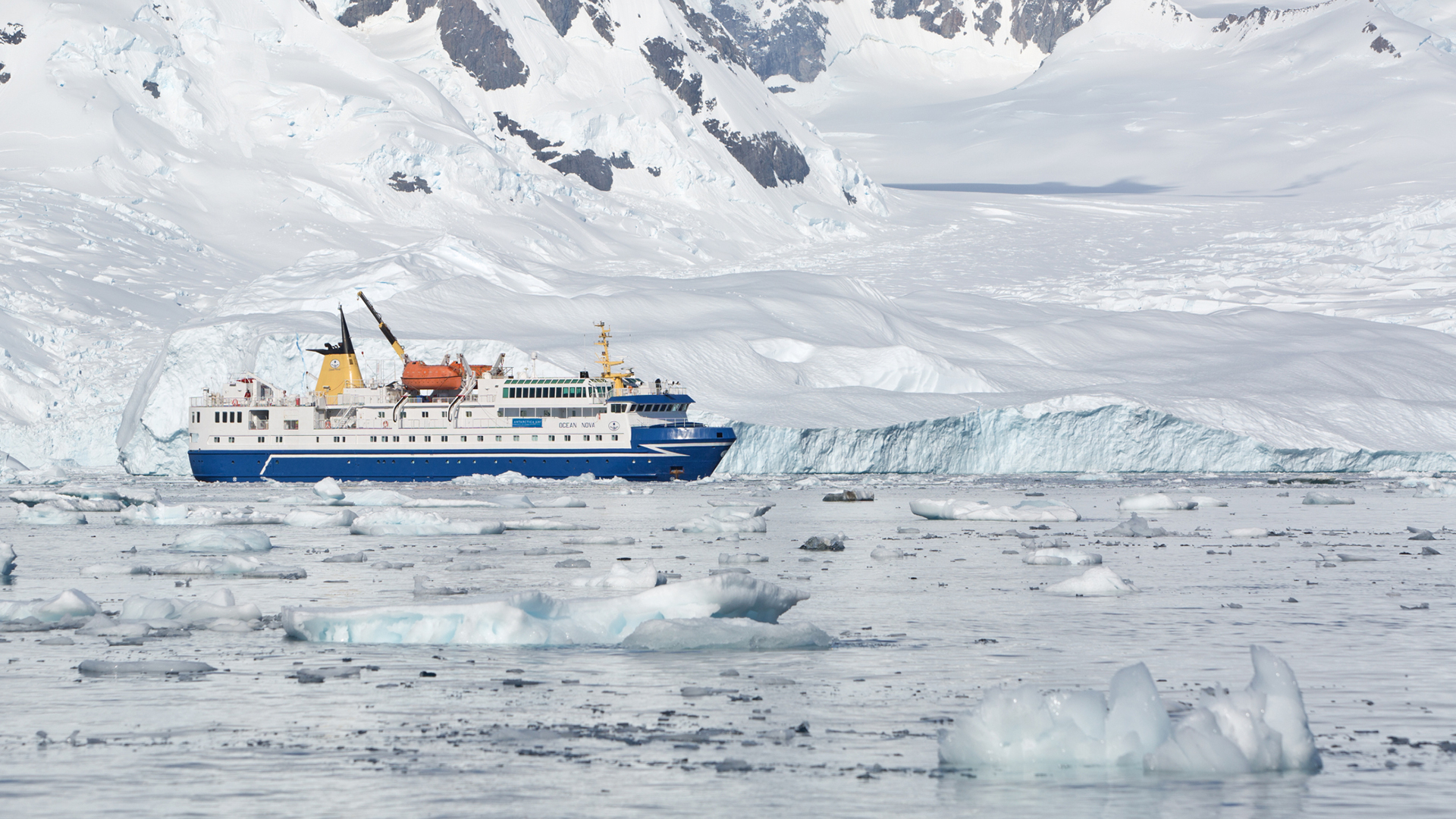
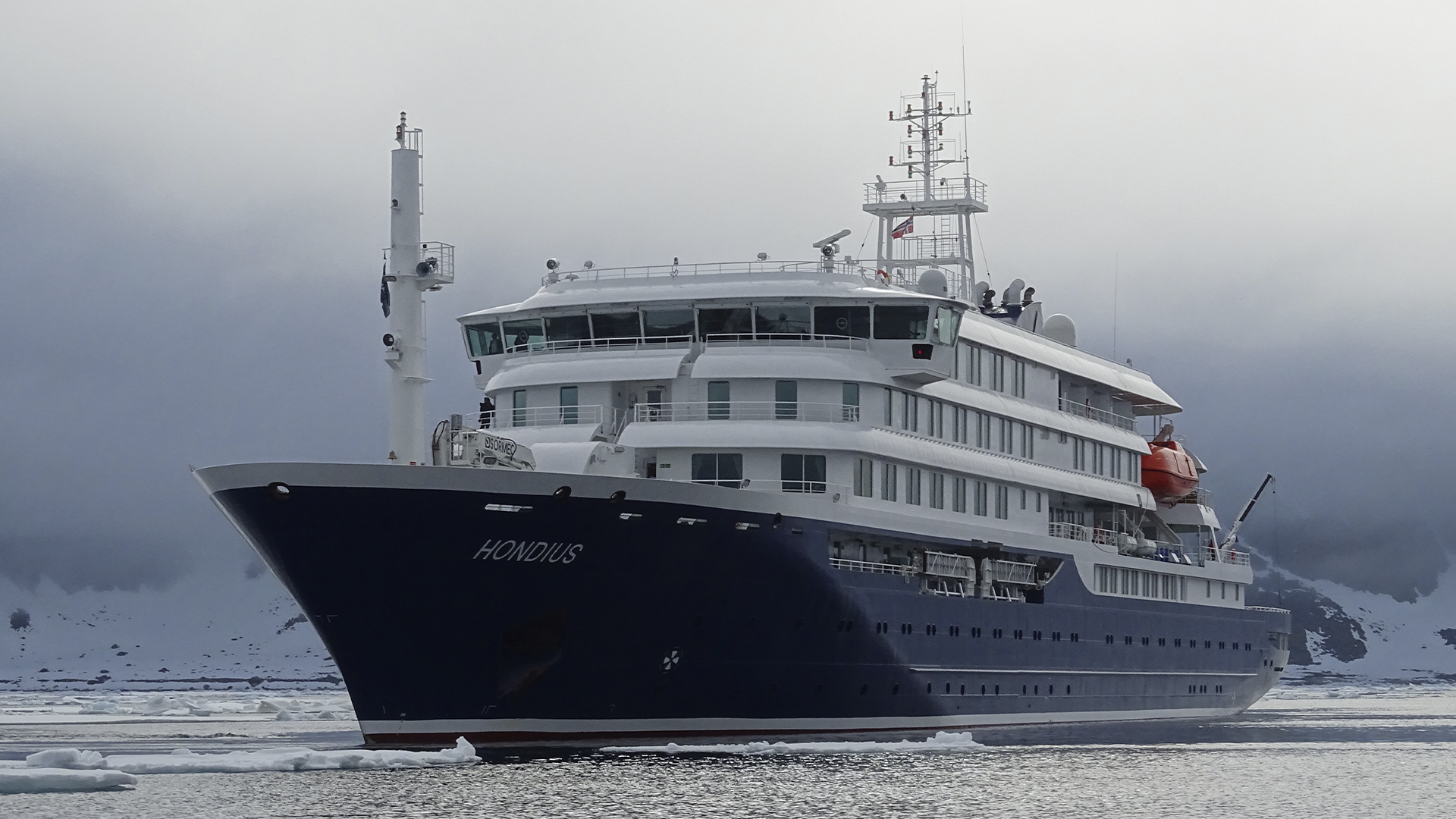
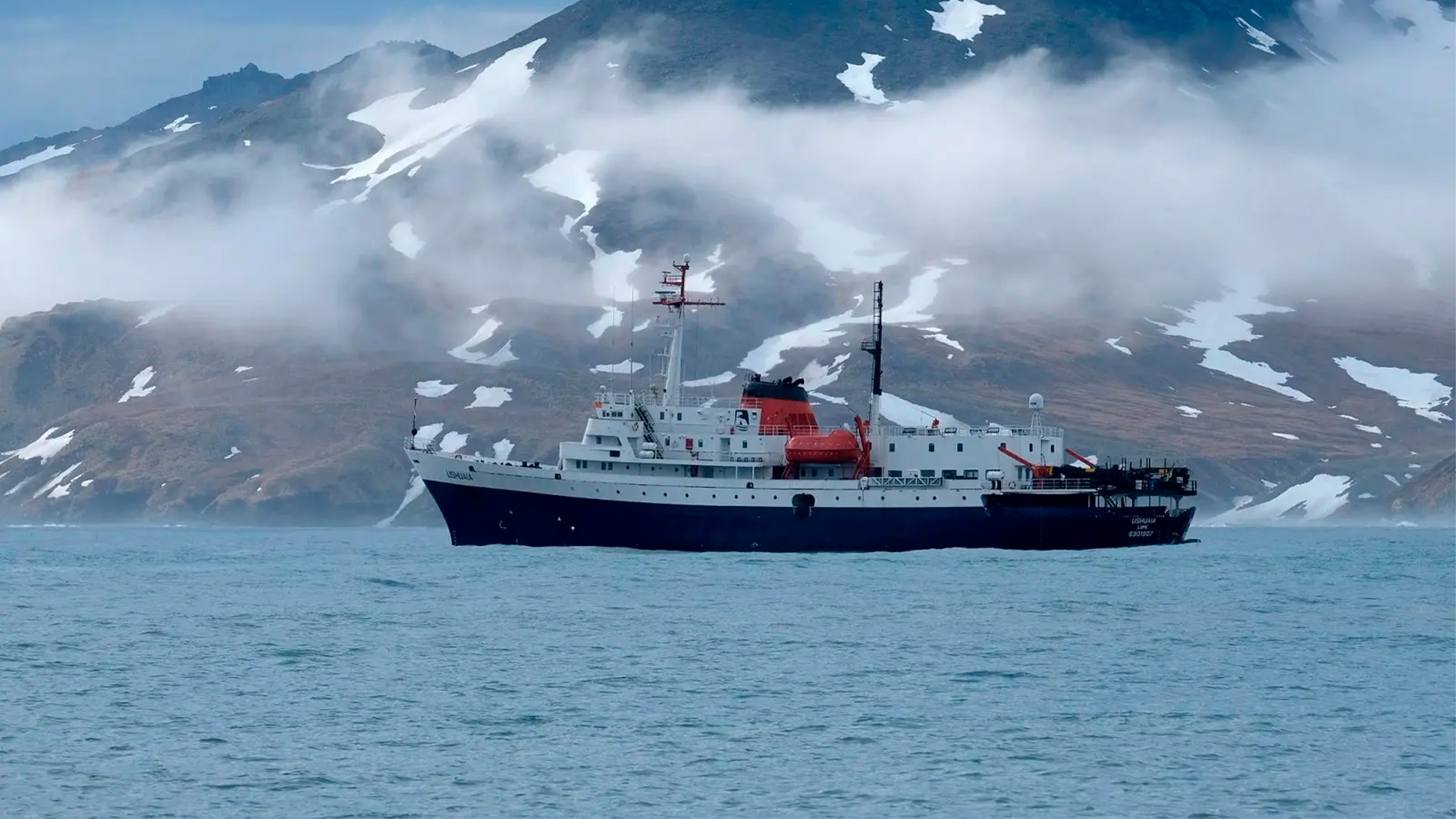
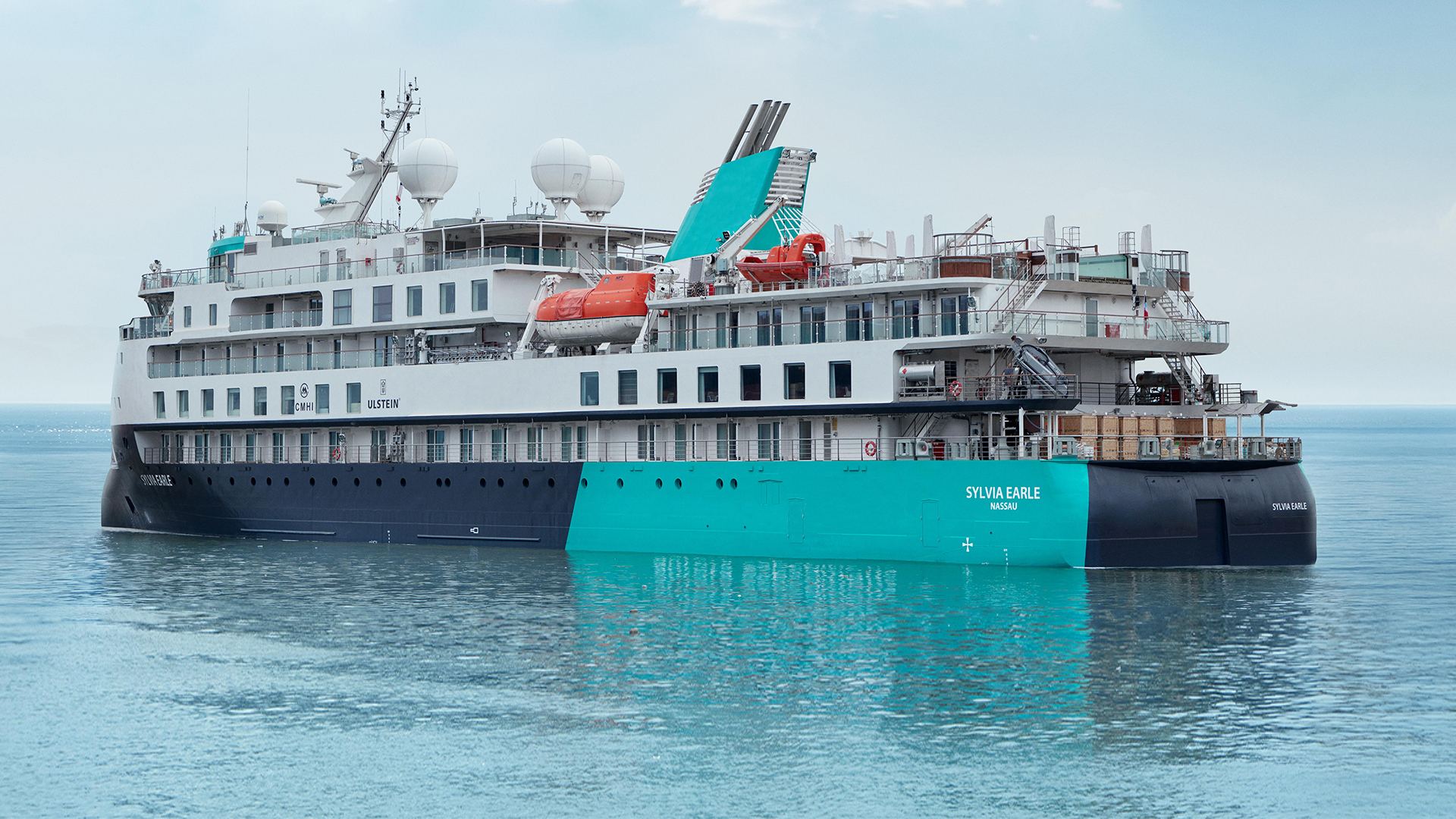
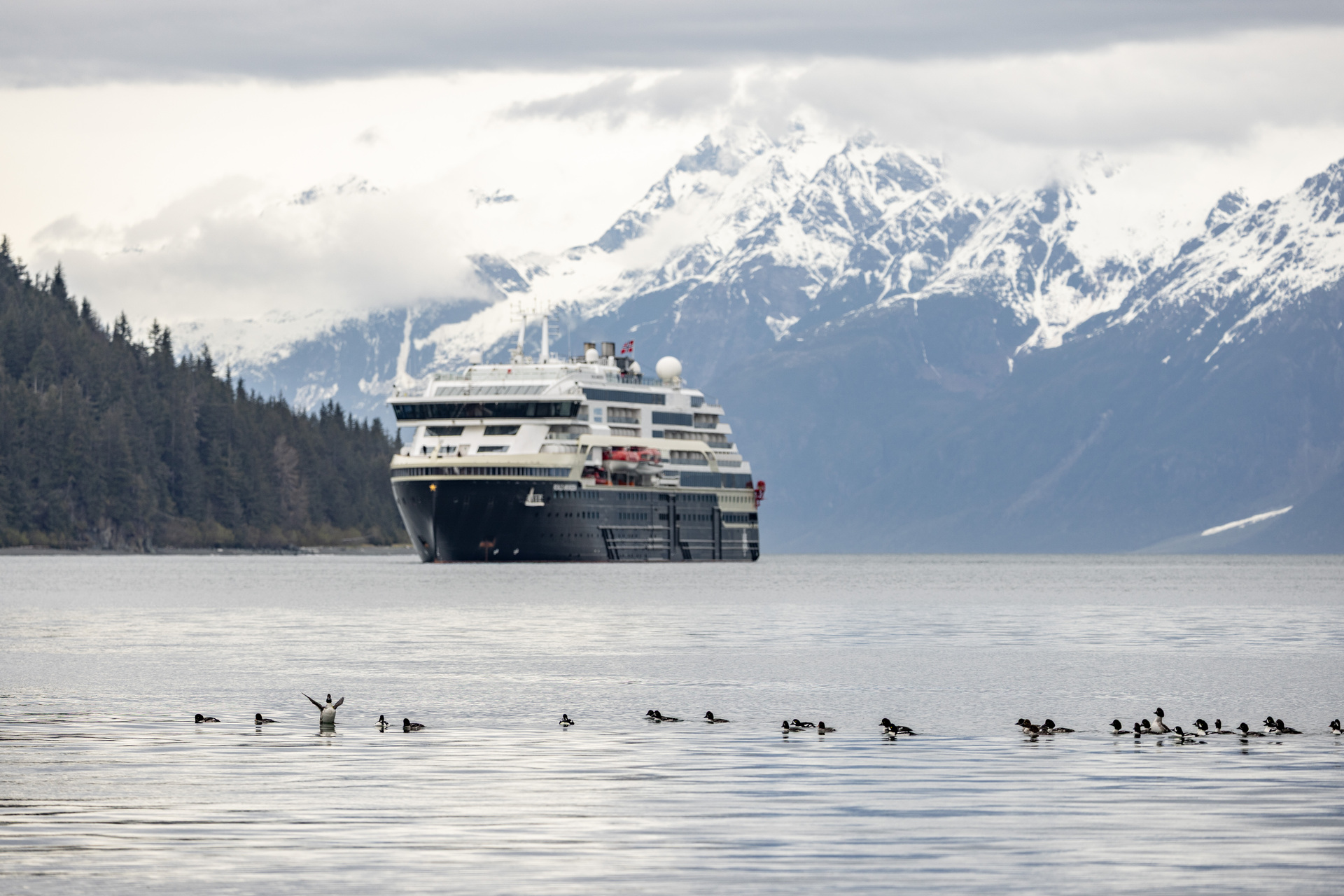
Es importante señalar que quienes tengan en mente destinos específicos en el Ártico quizá deban tener en cuenta la migración estratégica de los buques que emplean muchos operadores de cruceros polares. Aunque algunos buques operan exclusivamente en el Ártico y están estacionados permanentemente en él, la gran mayoría pasa el verano austral en la Antártida antes de dirigirse hacia el Ártico para el verano boreal.
Esto significa que las mencionadas temporadas de transición ofrecen cruceros de "reposicionamiento" únicos, ya que los buques migran entre las regiones polares, explorando las islas atlánticas, las Islas Feroe, Jan Mayen y diversas partes del Ártico europeo al principio y al final de la temporada de cruceros por el Ártico, los huéspedes pueden experimentar itinerarios de ida que conectan paisajes distintos y centros culturales.
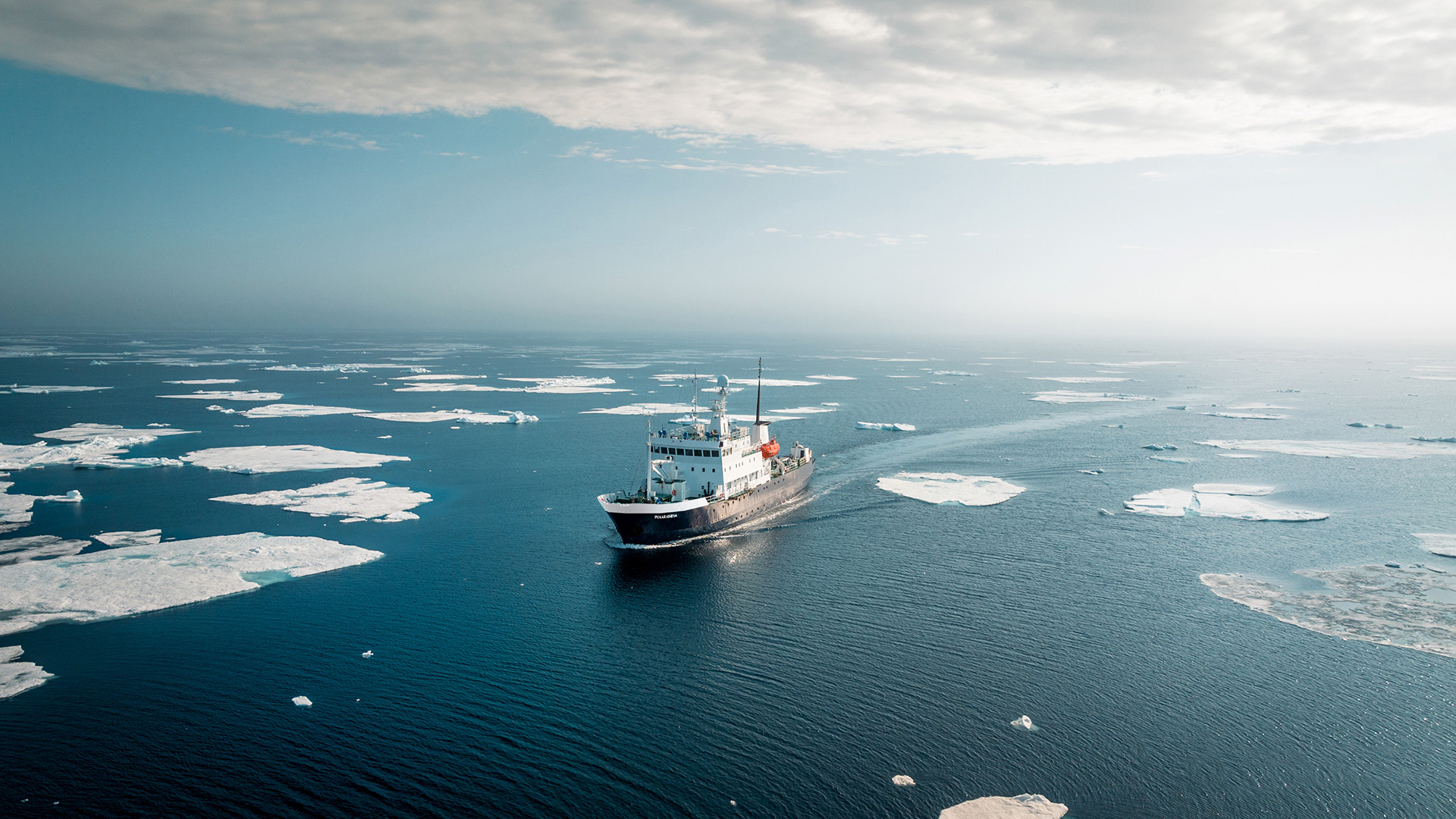
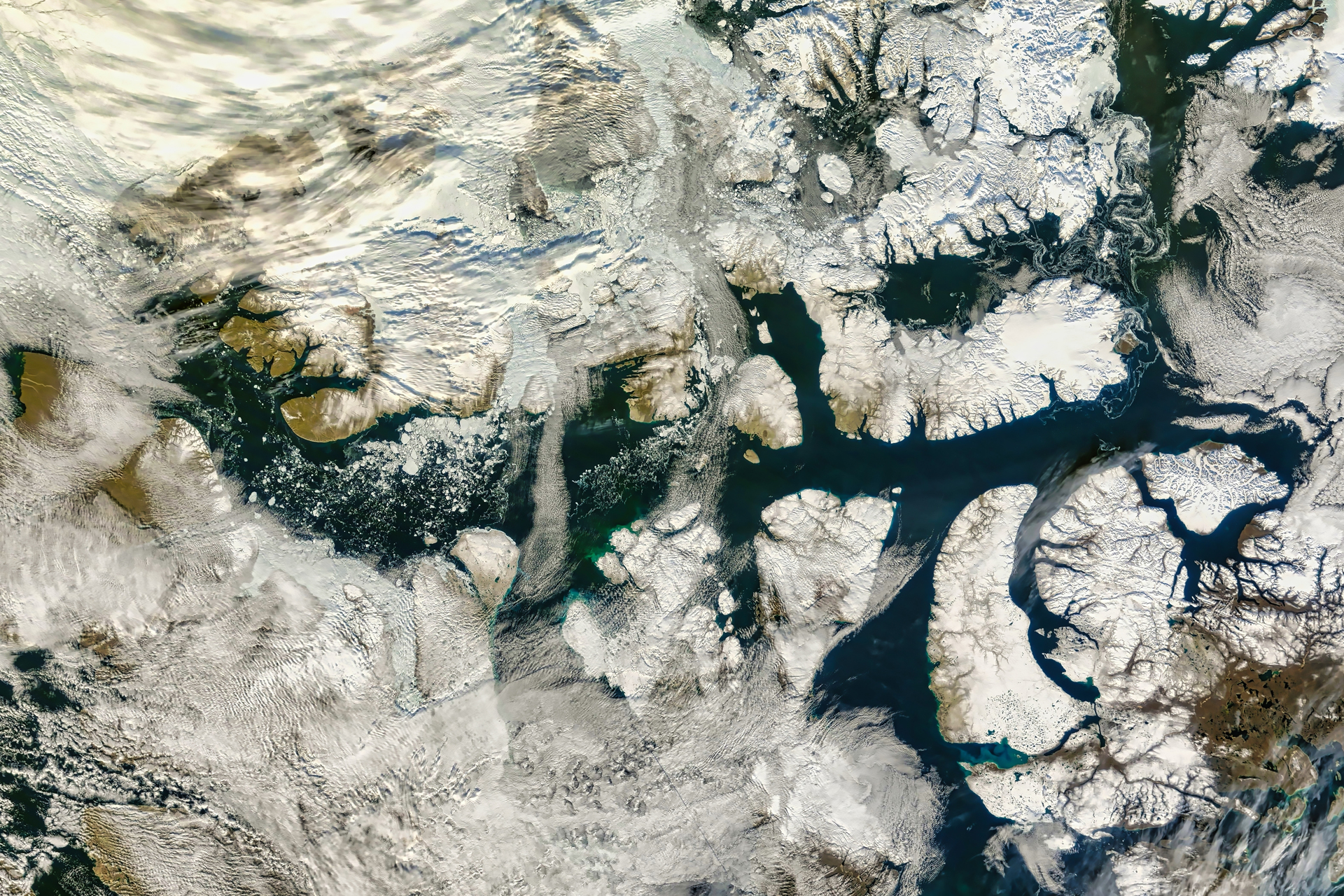
Muchos cruceros de expedición también migran estratégicamente sus buques por el Ártico a medida que avanza la temporada de cruceros, siguiendo la retirada natural del hielo marino y la aparición de la vida salvaje. Los buques suelen centrarse en Svalbard durante la primera mitad de la temporada, cuando el hielo aún protege los pasos más occidentales; después, a medida que el verano se hace más profundo (julio-agosto), los buques suelen "reposicionarse" hacia el oeste, cruzando el Mar de Groenlandia, a veces a través de Jan Mayen, para explorar los fiordos de Groenlandia Oriental e Islandia. Este movimiento culmina a finales del verano (agosto-septiembre), cuando el hielo marino alcanza su mínimo anual, lo que permite a los buques de clase hielo intentar el legendario Paso del Noroeste a través del Alto Ártico canadiense.
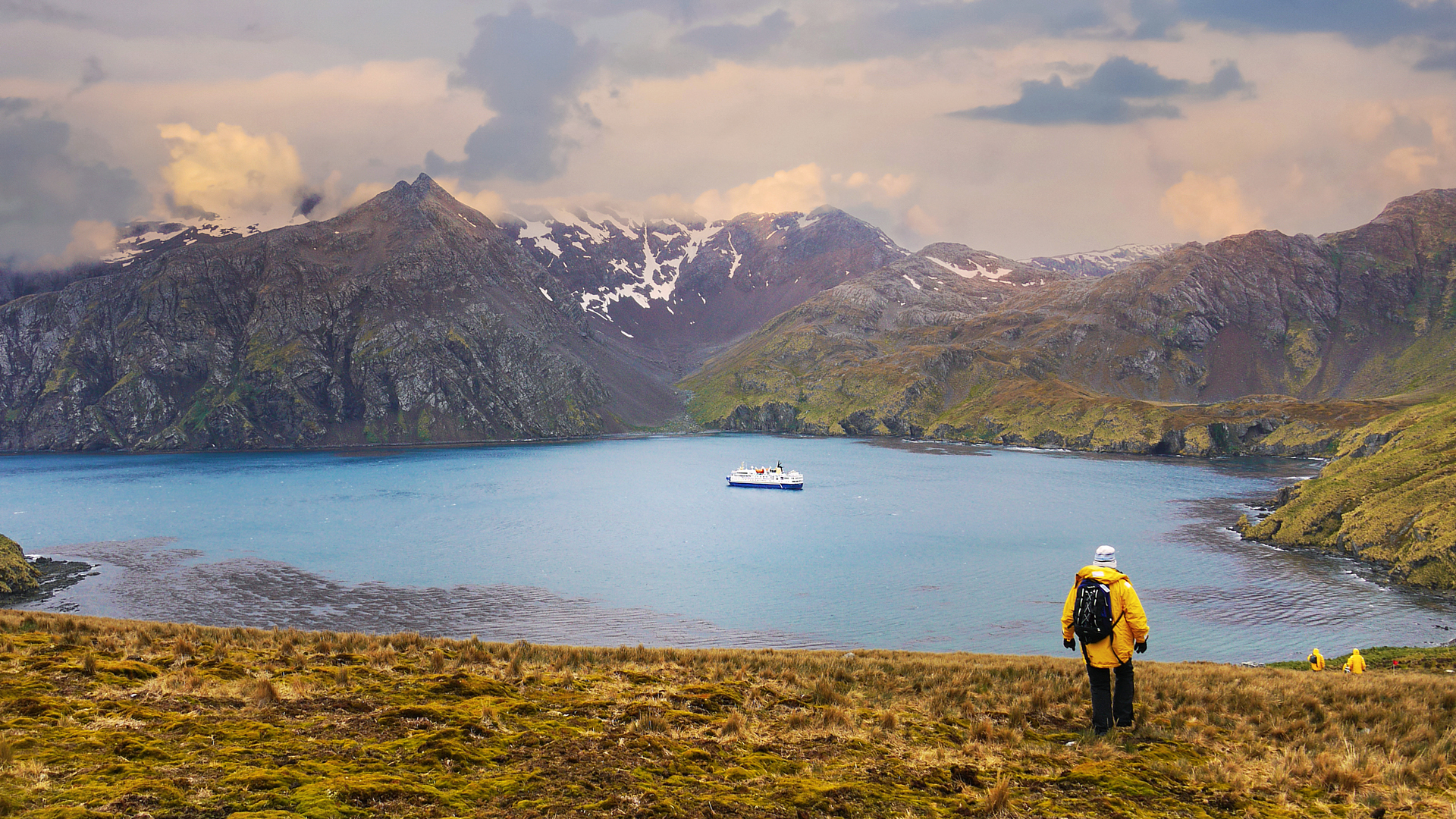
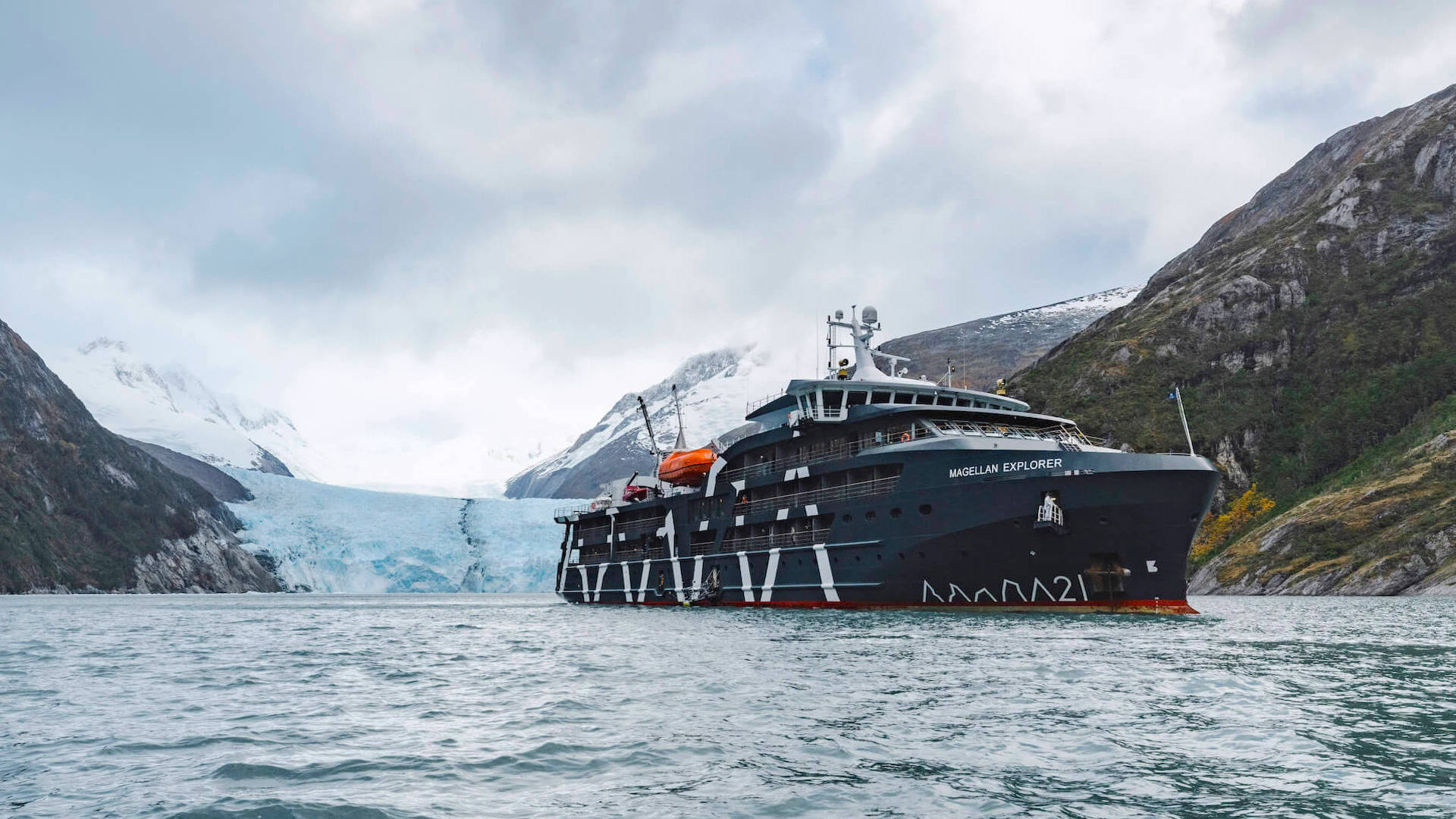
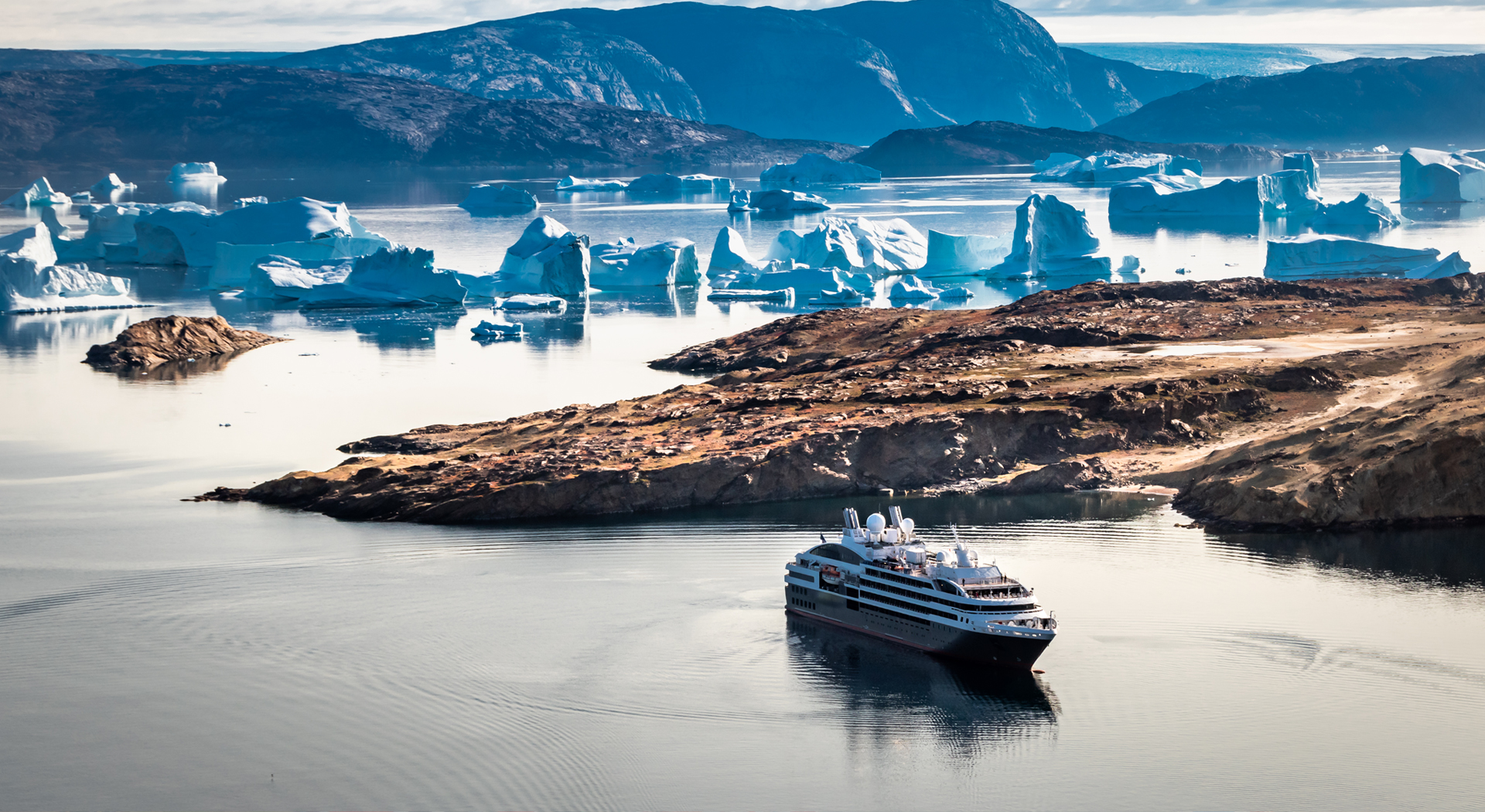
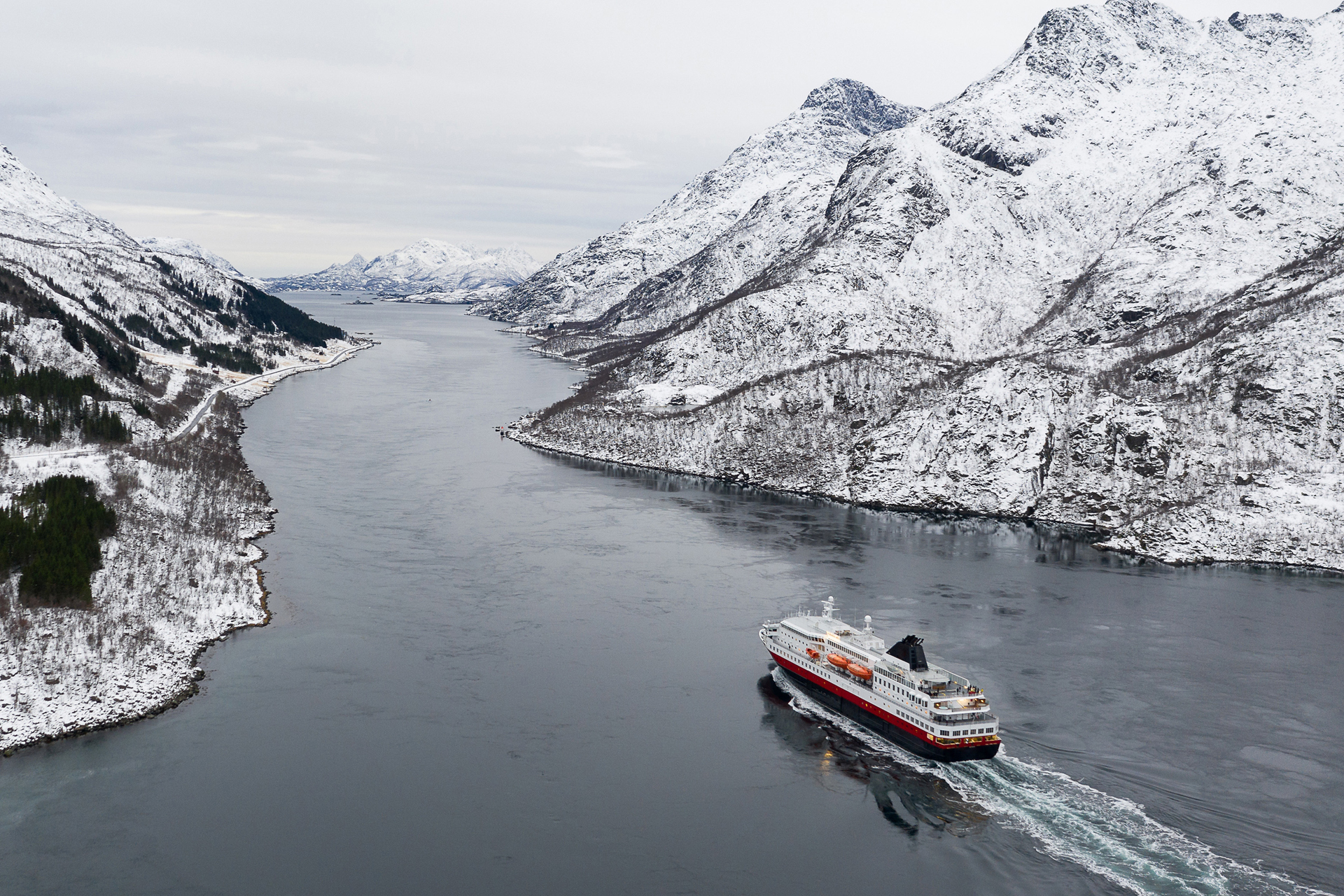
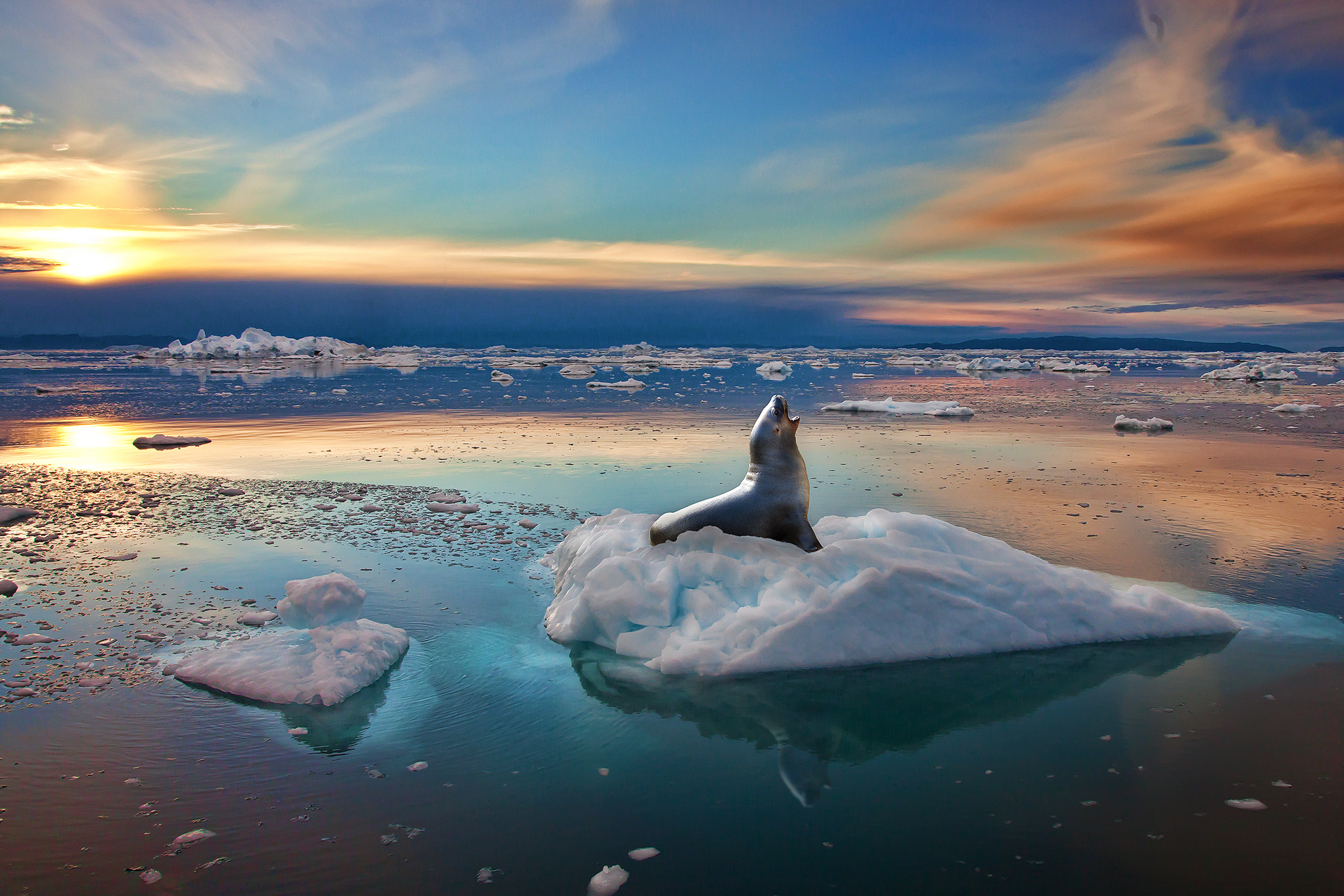
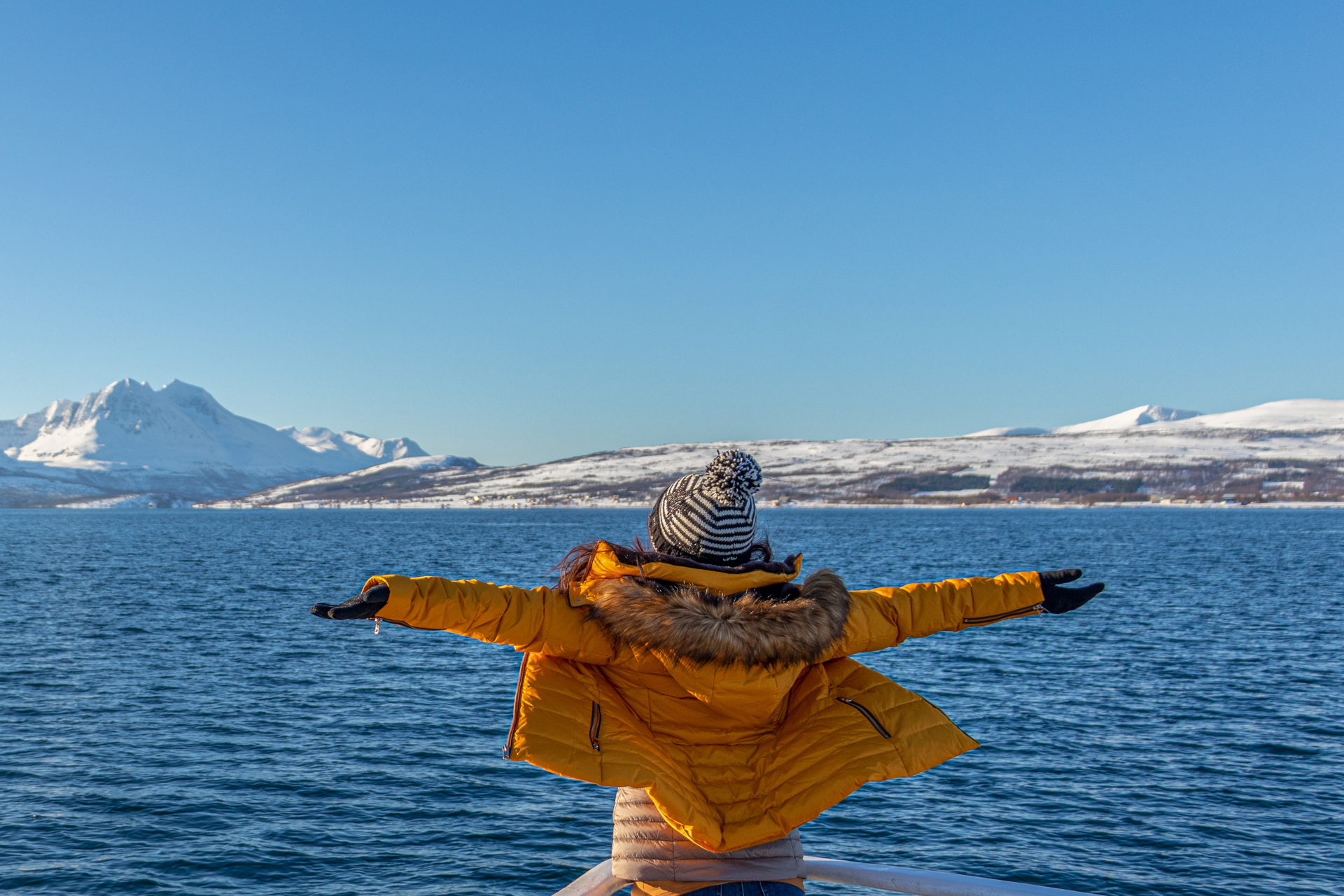
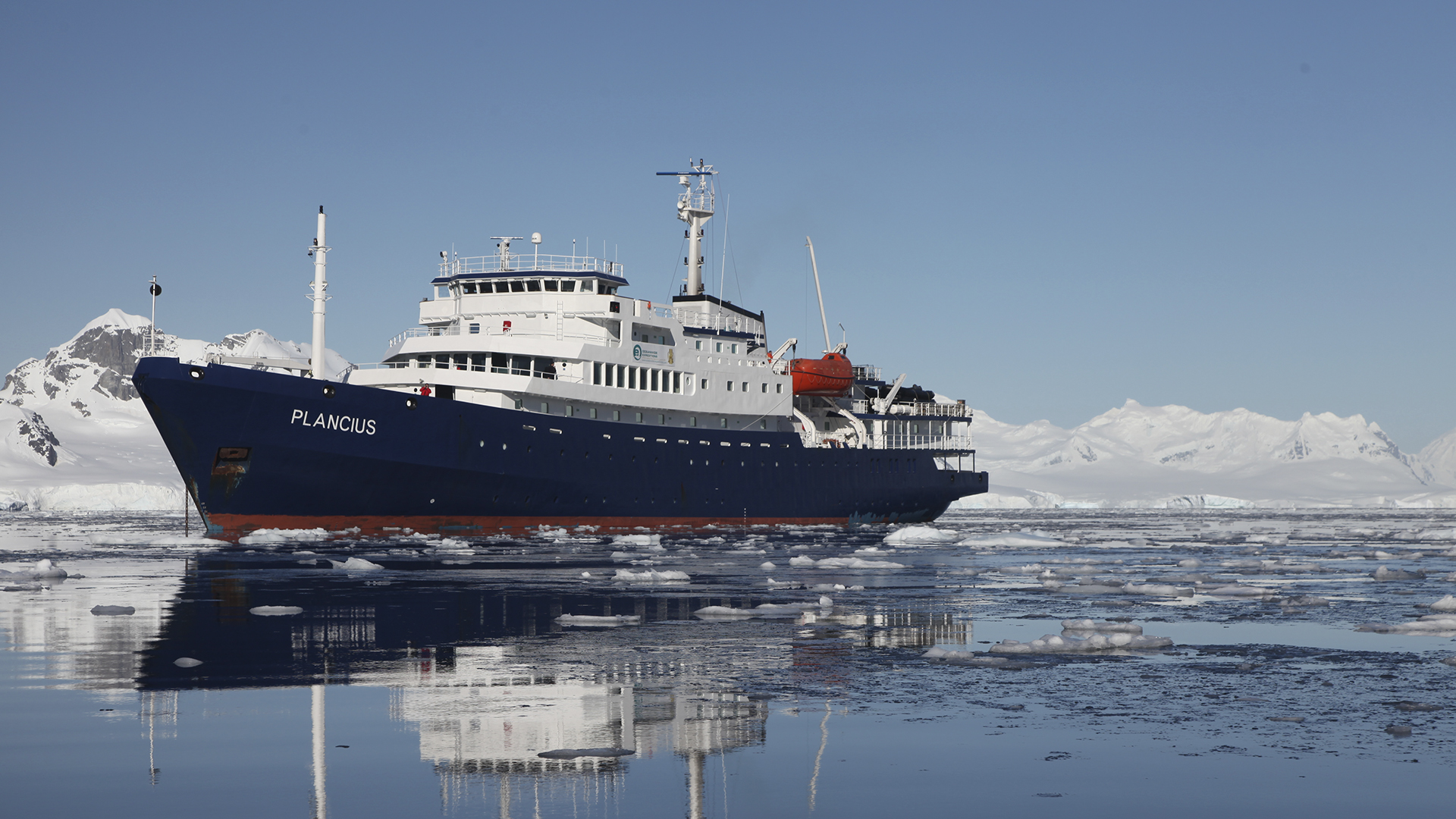
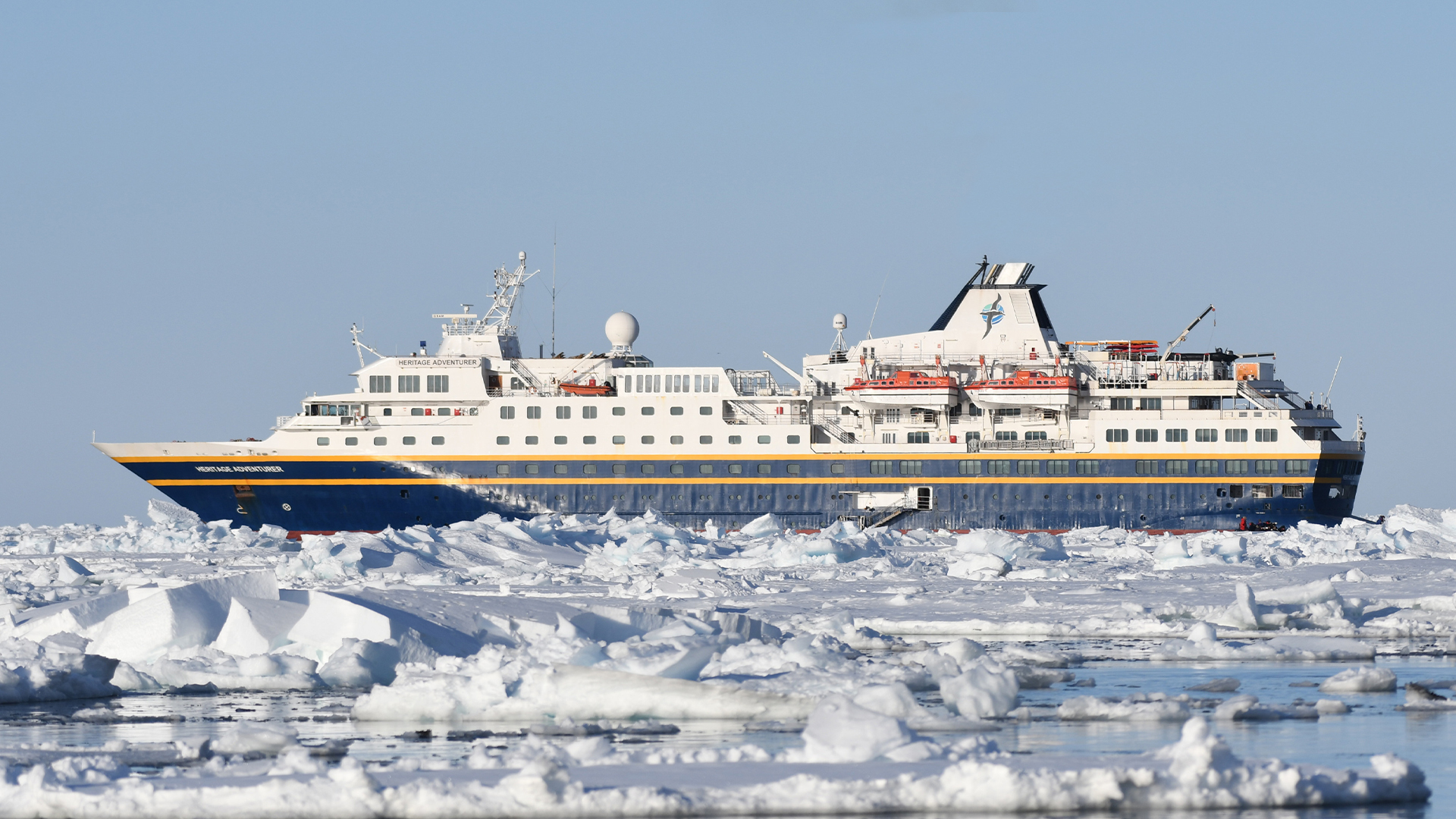
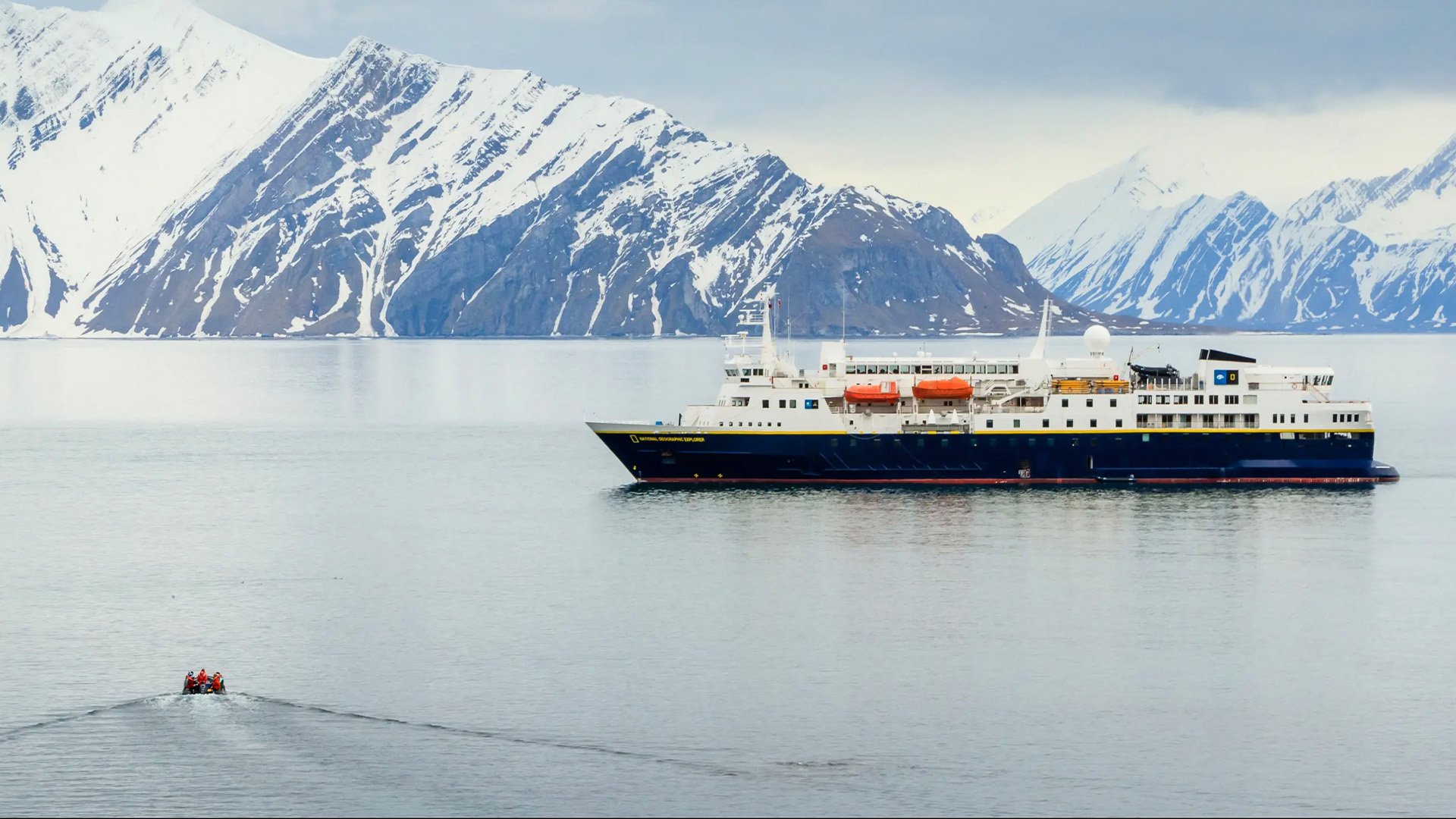
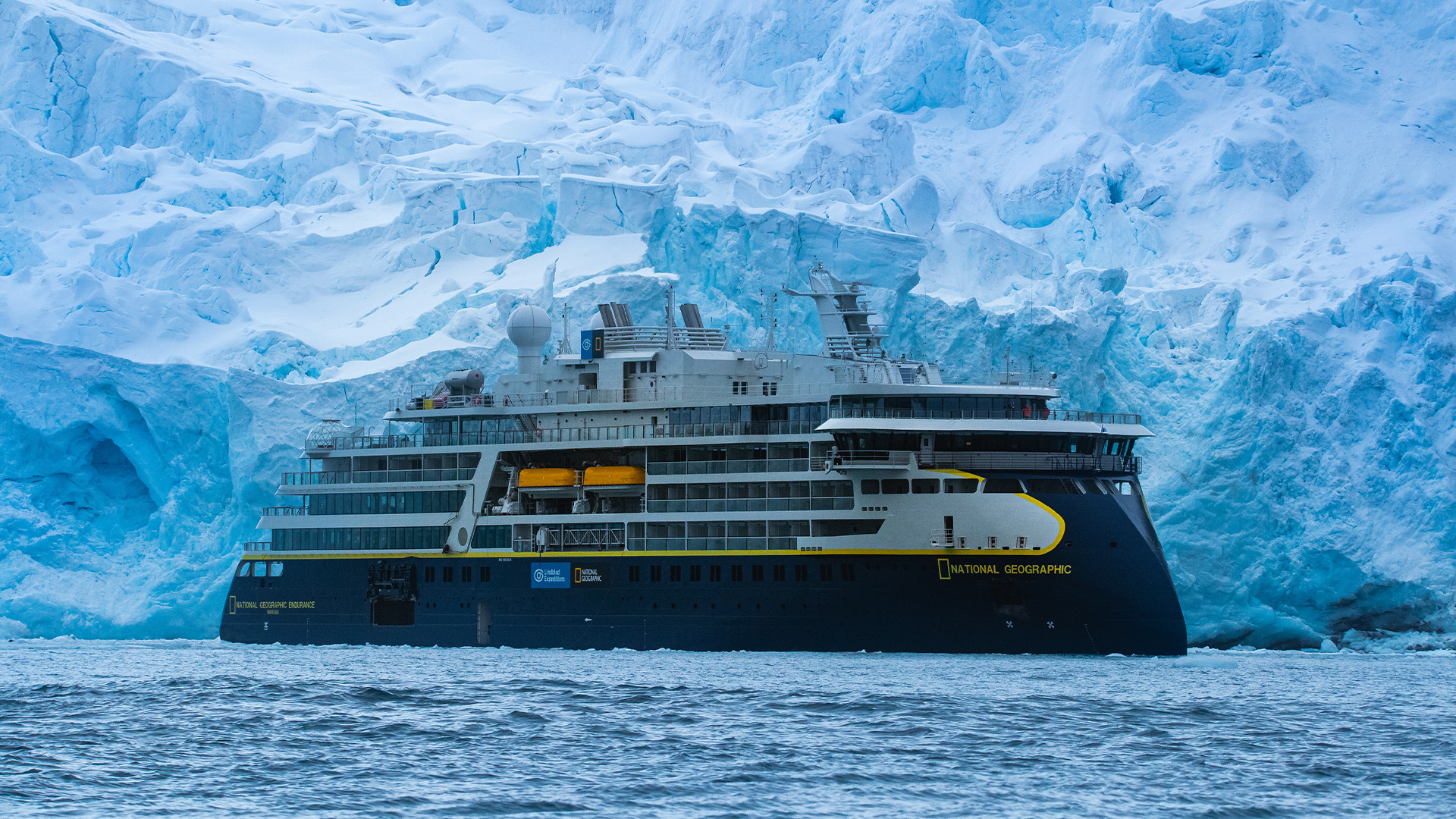
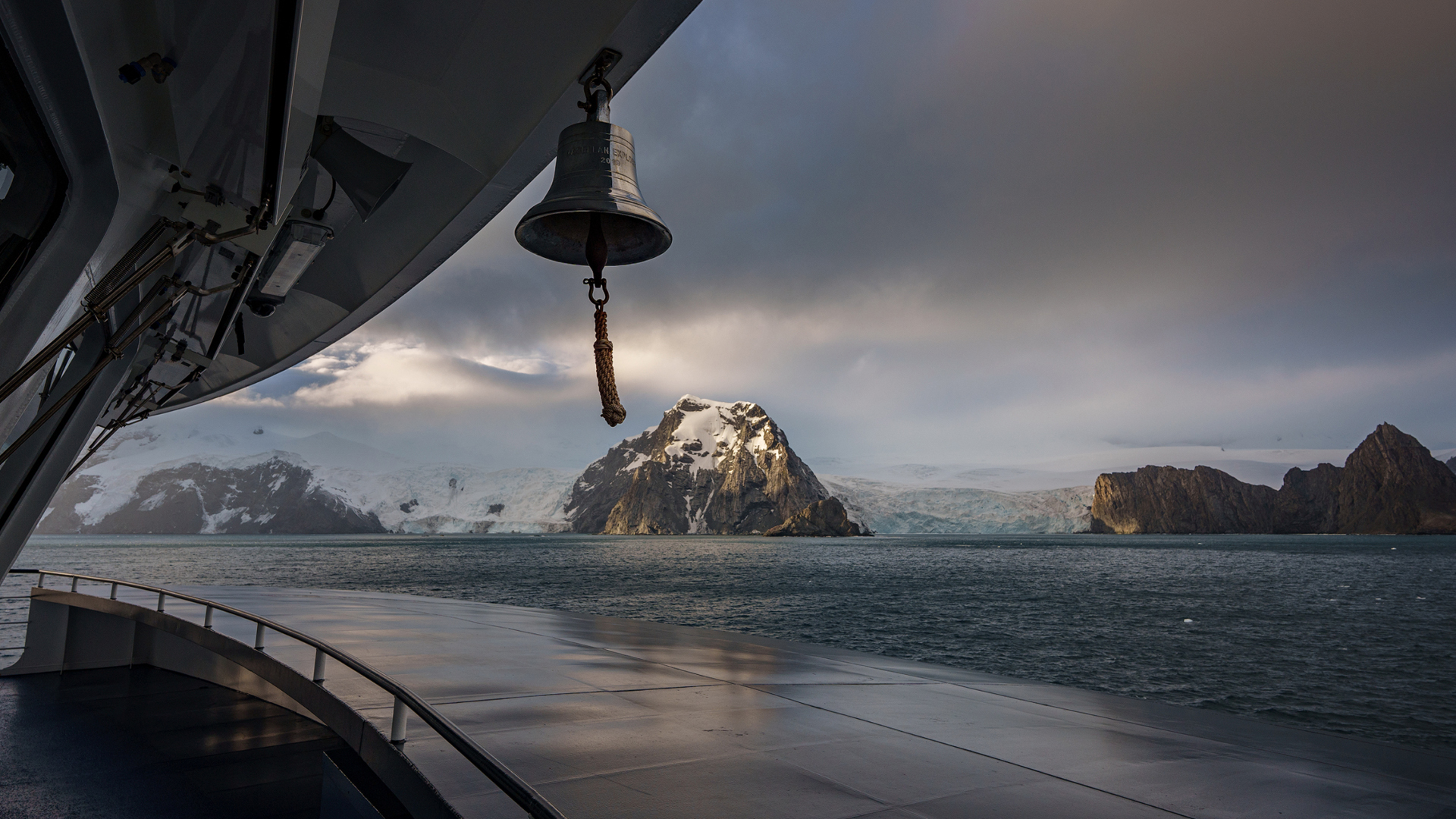
A medida que cambian las estaciones, los buques de expedición migran para seguir las rutas más accesibles y pintorescas. Elegir el momento adecuado le permitirá contemplar estos emblemáticos paisajes costeros mientras se transforman bajo un manto fresco de nieve invernal.
La mejor época para visitar Islandia
Islandia está situada justo debajo del Círculo Polar Ártico, y sus temperaturas se ven moderadas por la capacidad térmica general del océano circundante y, sobre todo, por las corrientes marinas cálidas conectadas al sistema de deriva del Atlántico Norte. Esto significa que el país insular no es tan frío como cabría imaginar por su posición septentrional.
El verano es la temporada alta para visitar Islandia, al igual que el resto de la región ártica. (Aunque, cabe señalar, Islandia es muy accesible en comparación con muchos otros destinos del Lejano Norte, y muchos turistas vienen en invierno). Las temperaturas suelen oscilar entre los 40 y los 50 grados Fahrenheit, y a veces alcanzan los 60 grados. Aunque se pueden esperar lloviznas ocasionales, el verano es también el periodo más seco del calendario en Islandia. Las largas horas de luz, las cálidas temperaturas y el zumbido de las aves hacen que un crucero estival sea absolutamente emocionante.
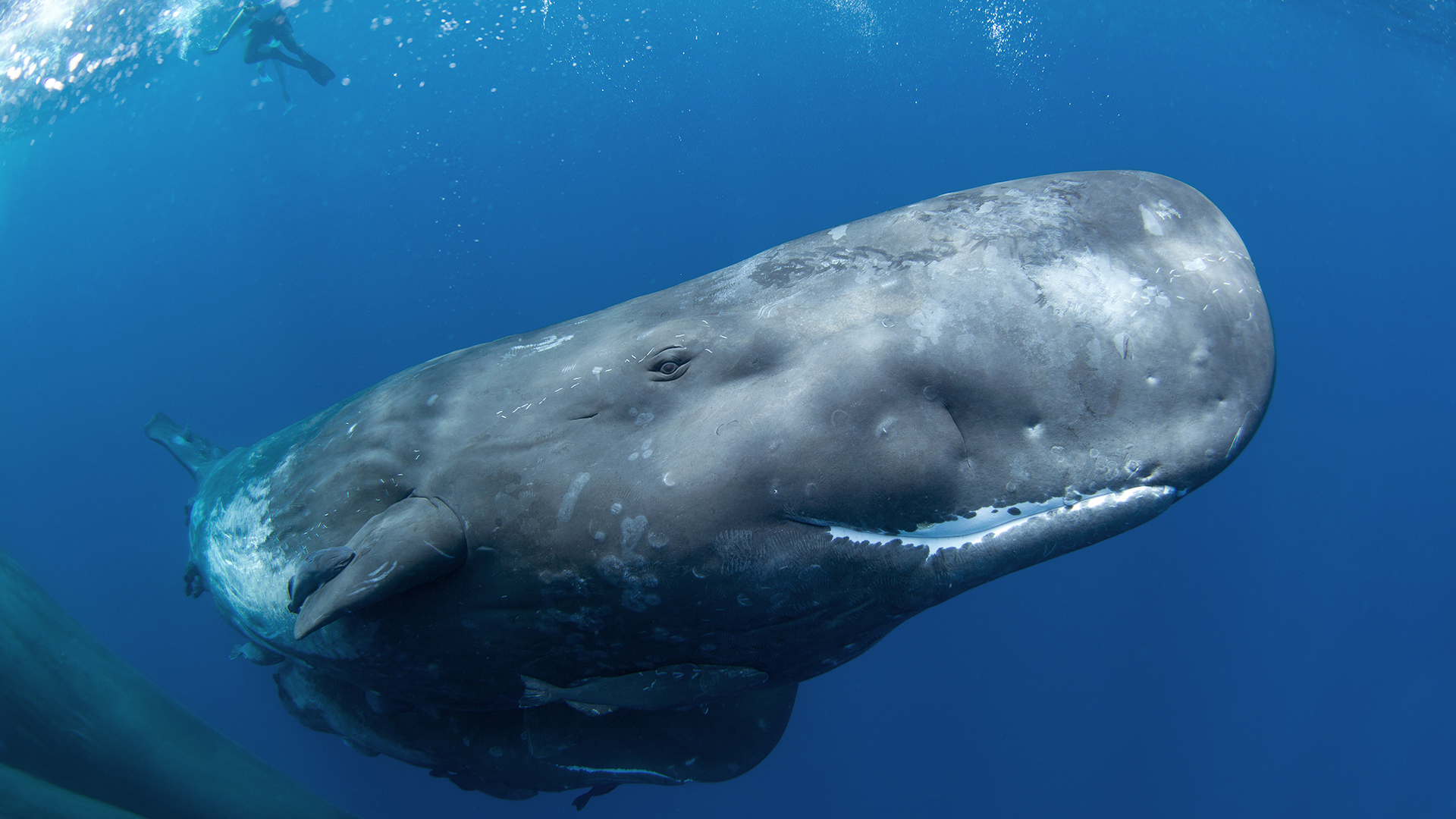
- Vida salvaje: Islandia es un destino excelente para la observación de ballenas, y la temporada alta va de abril a septiembre, con un pico en verano. Este periodo también coincide con la temporada de frailecillos en Islandia, uno de los mejores lugares del mundo para ver estos "loros marinos" y hogar de la mayor colonia de frailecillos atlánticos. La observación de frailecillos suele ser excelente de mayo a principios de septiembre.
- Aurora Boreal: La temporada baja de cruceros, sobre todo a principios de primavera y gran parte del otoño, es la mejor para vislumbrar la aurora boreal en Islandia.
- Ocio al aire libre: Las largas horas de trabajo y las suaves temperaturas del verano crean oportunidades para practicar senderismo en Islandia, desde las glorias del casquete glaciar del Parque Nacional de Vatnajökull hasta la remota península de Hornstrandir, en los fiordos occidentales. Pero las épocas de entretiempo también son ideales para recorrer a pie los sublimes paisajes islandeses.
- Turismo cultural: El animado calendario de eventos de Islandia dura todo el año, y prácticamente todos los meses del año se celebran uno o más acontecimientos culturales importantes. La típica temporada de cruceros de primavera a otoño coincide con muchos de ellos, desde el Festival de Cine de Stockfish en mayo y las celebraciones del Día Nacional el 17 de junio hasta el Festival Fringe de verano y el Festival Internacional de Cine de Reikiavik, el Festival de Blues de Islandia y otros acontecimientos de septiembre.
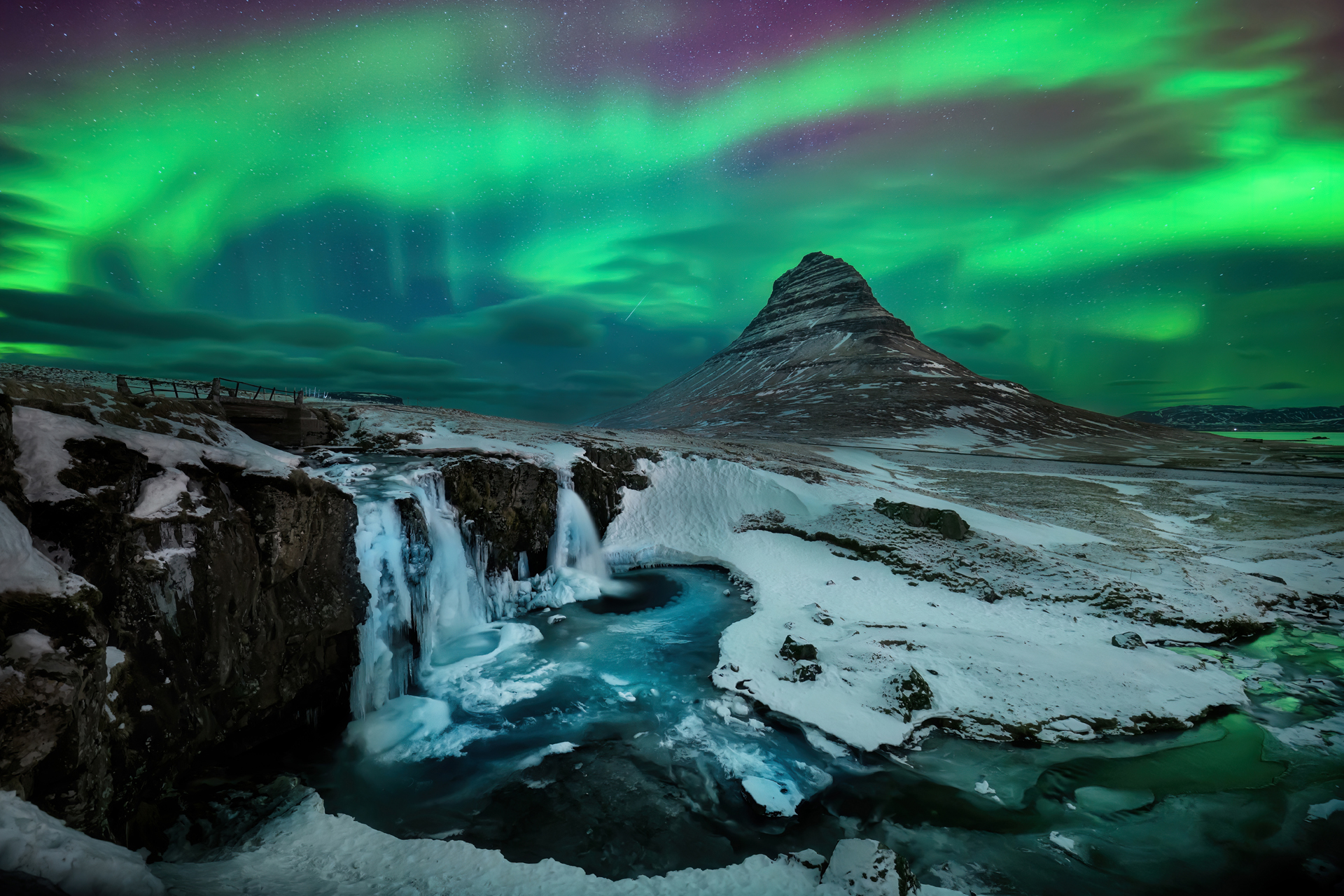
Los espectaculares picos volcánicos y las carreteras costeras de Islandia se transforman con el cambio de las estaciones. Tanto si busca el sol de medianoche como los tonos sombríos del otoño, la belleza de la isla está siempre lista para ser descubierta.
La mejor época para visitar Groenlandia
Groenlandia es una enorme masa de tierra -la isla más grande del mundo- que se extiende espectacularmente en latitud. La combinación de esa importante extensión norte-sur y la presencia de la enorme capa de hielo de Groenlandia en el interior se traduce en una gran variación climática. Las zonas más templadas del país son el sur de Groenlandia y las costas de influencia marítima, incluidos los sublimes fiordos; el sur de Groenlandia también es más húmedo que la parte norte de la isla, gran parte de la cual es un desierto ártico. El verano es el mejor momento, ya que el deshielo abre los fiordos y el Sol de Medianoche brilla las veinticuatro horas del día durante gran parte de junio y julio. En julio, las temperaturas pueden alcanzar los 50 grados Fahrenheit, y en agosto suelen rondar los 40 grados.
- Vida salvaje: El verano es un buen momento para la observación de la fauna, con recorridos por los fiordos y la costa sin hielo de Groenlandia que ofrecen la oportunidad de avistar mamíferos marinos y terrestres, así como aves.
- Icebergs: El calentamiento de la primavera y el verano se traduce en una producción activa de icebergs en algunas zonas de Groenlandia, sobre todo en el mundialmente famoso fiordo de hielo de Ilulissat y la bahía de Disko, en Groenlandia occidental, y en Scoresby Sund, en Groenlandia oriental.
- Ocio al aire libre: El verano ofrece las mejores oportunidades para practicar el senderismo en Groenlandia, e incluso la posibilidad de adentrarse en la poderosa capa de hielo que domina la isla.
- Aurora Boreal: Groenlandia es un lugar excepcional para observar auroras boreales, que se ven mejor durante la principal temporada de viajes, en las noches de primavera y otoño.
- Turismo cultural: Entre los festivales que se celebran durante la temporada de cruceros en Groenlandia destacan el maravilloso Arctic Sounds Music Festival, que tiene lugar en Sisimiuit en abril, y el Día Nacional del país, que se celebra en torno al solsticio de verano, el 21 de junio.
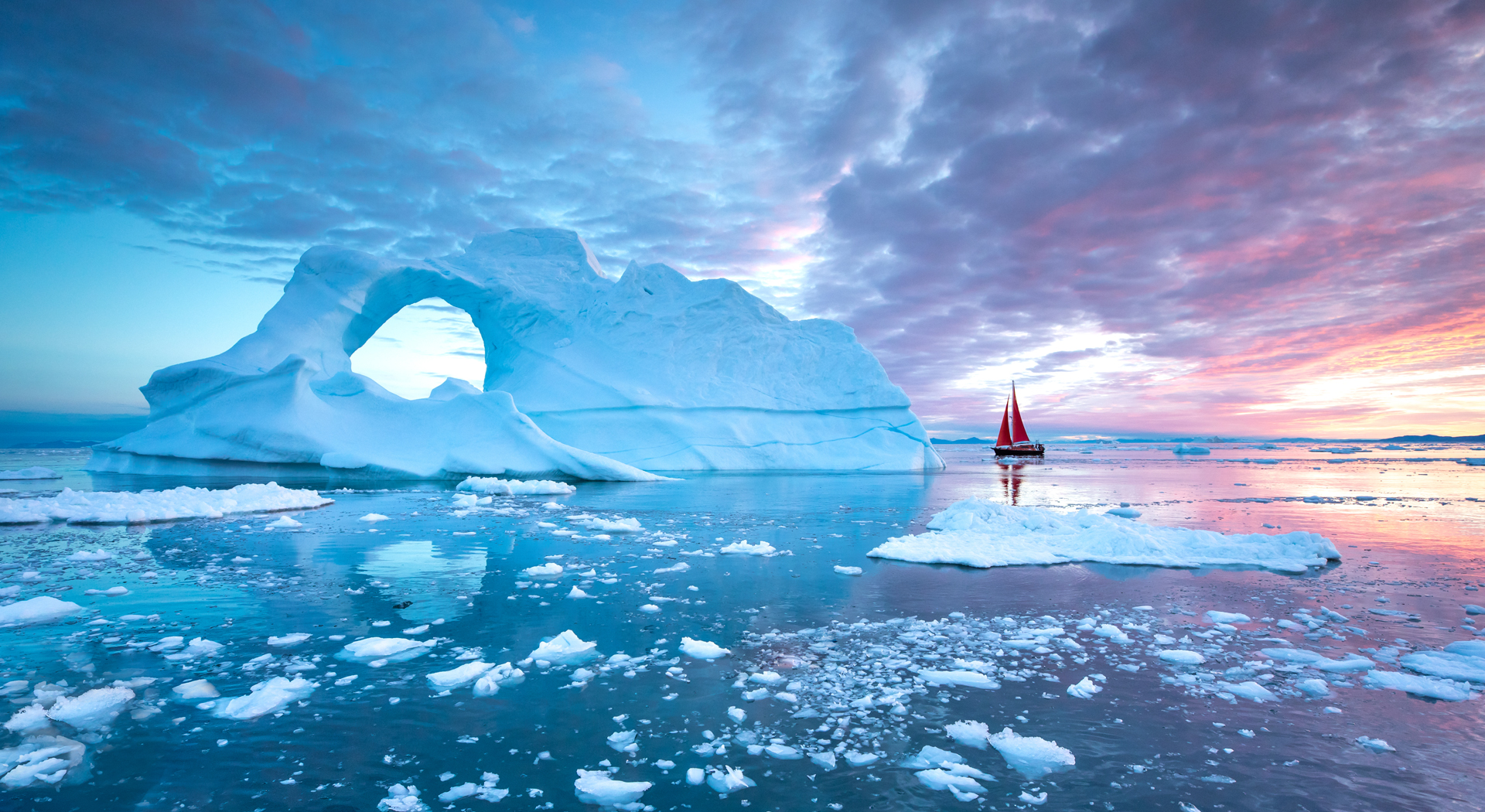
El vibrante contraste de los coloridos pueblos costeros de Groenlandia con el azul profundo del mar cargado de icebergs es un espectáculo digno de contemplar. Planifique su visita para contemplar la belleza pura y cristalina de la isla más grande del mundo.
La mejor época para visitar el Ártico canadiense y el Paso del Noroeste
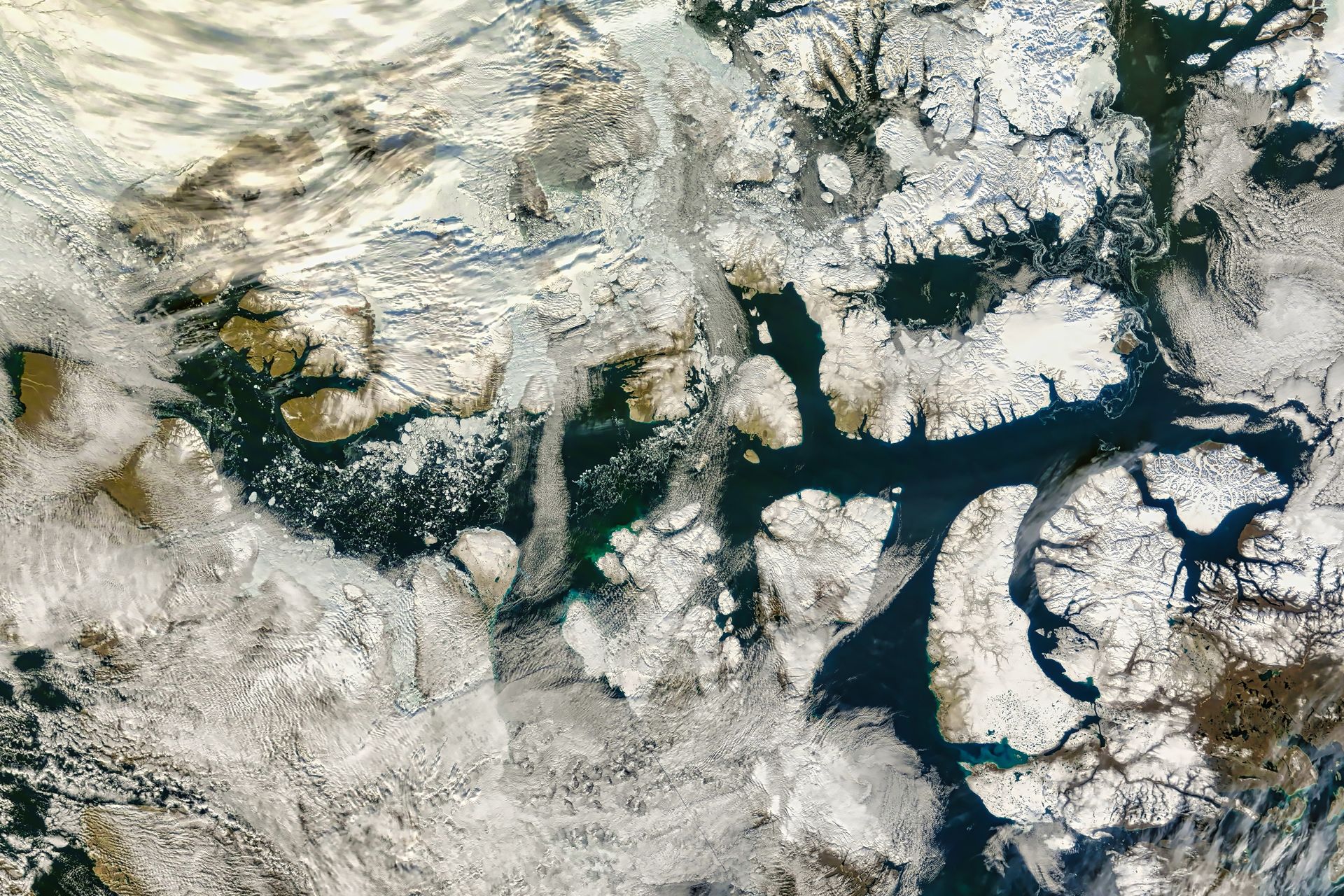
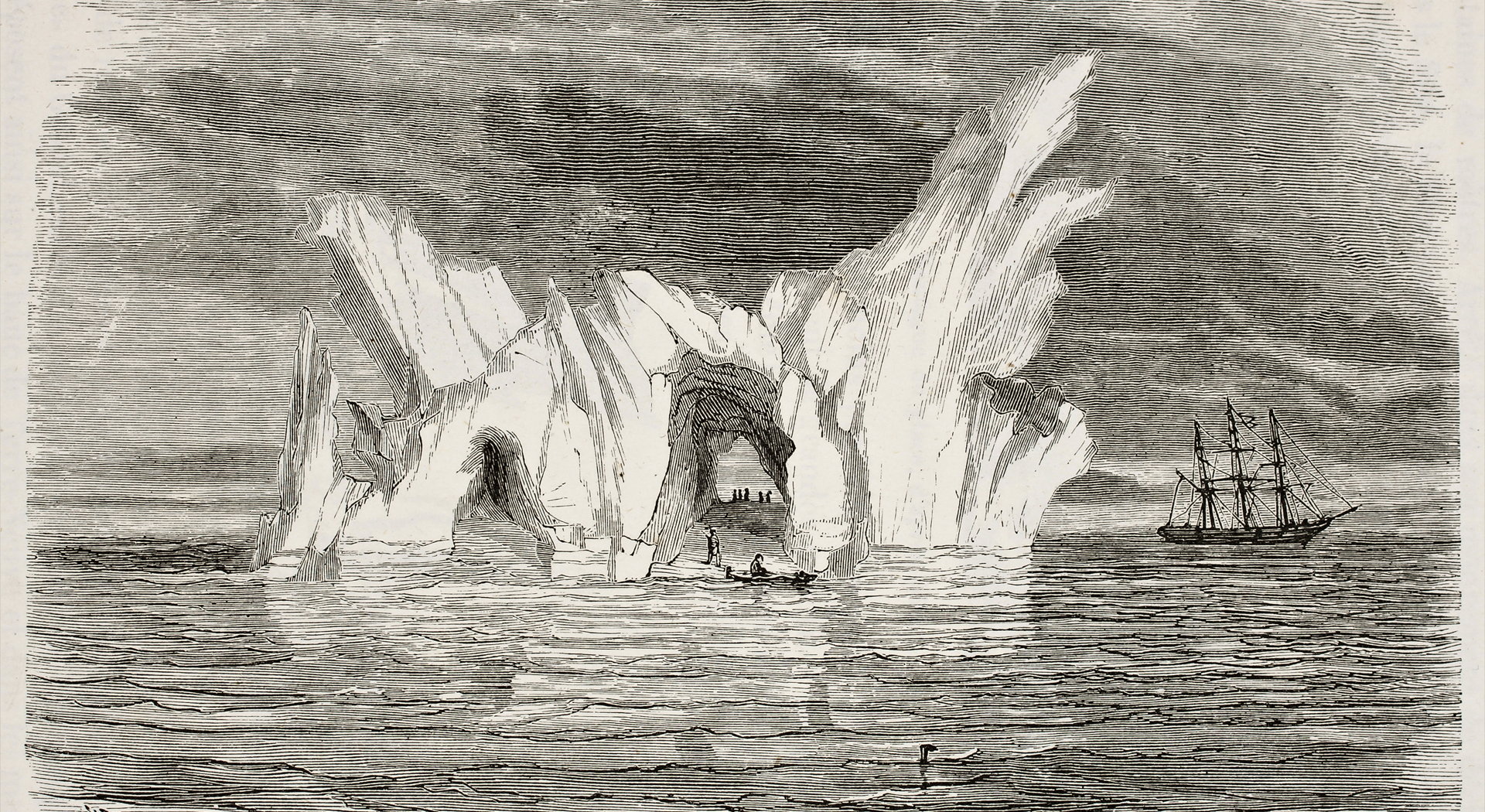
El Archipiélago Ártico canadiense, una de las joyas de la corona del Círculo Polar Ártico, y sus aguas fronterizas constituyen un baluarte mundial del hielo marino. El enrevesado paso, lleno de historia y paisajes, del Pasaje del Noroeste, la tan buscada vía marítima que enhebra el archipiélago ártico entre las cuencas atlántica y pacífica, tarda en "descongelarse", y agosto y septiembre son la principal ventana para los cruceros de expedición.
Es increíble vivir la explosión ecológica estival en los extensos espacios naturales del Ártico canadiense, impulsados por el Sol de Medianoche, con tundrascapes rebosantes de flores silvestres y ricas oportunidades de avistamientos de fauna superlativos.
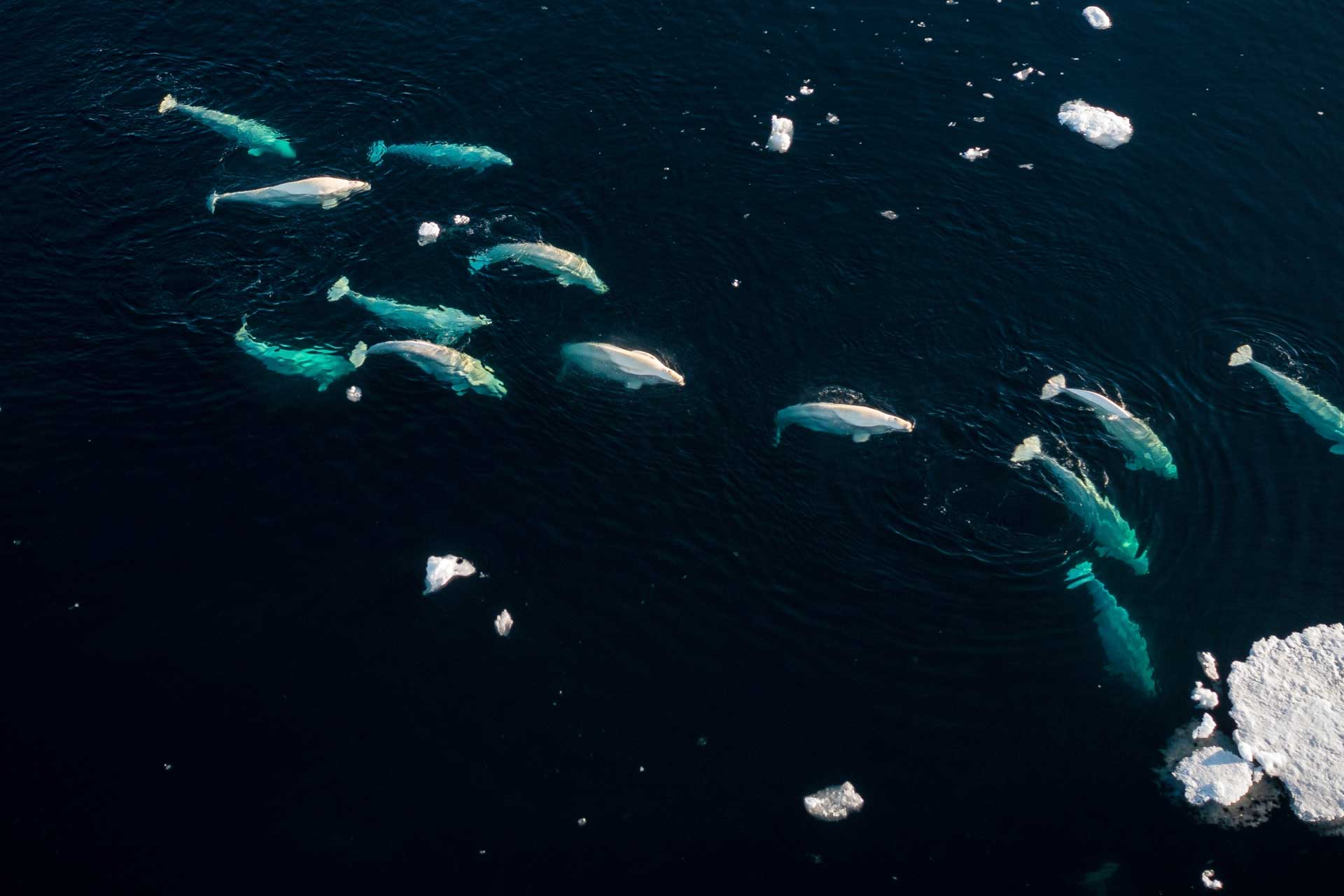
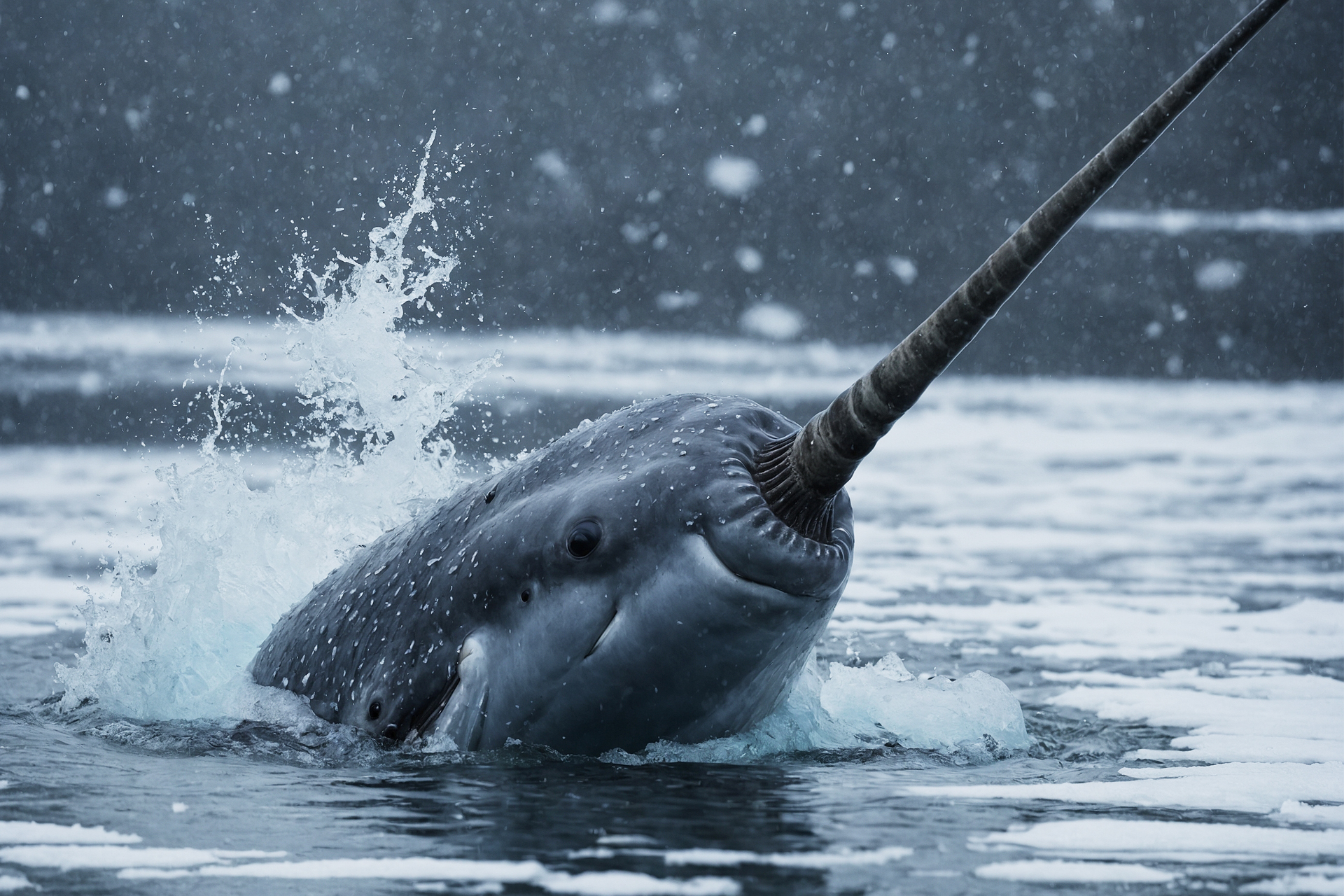
- Vida salvaje: La temporada de cruceros por el Ártico canadiense y el Paso del Noroeste coincide con la época de mayor avistamiento de fauna salvaje de la región: desde aves costeras y marinas que anidan hasta ballenas dentadas y barbadas aprovechan la abundancia polar estacional. Es un buen momento para buscar belugas y narvales en las bahías y estrechos costeros, o zorros árticos dispuestos a robar huevos o polluelos de las colonias de aves.
- Aurora Boreal: Las noches árticas de septiembre, en plena expansión, pueden ofrecer asientos estelares en primera fila para ver la Aurora Boreal.
- Ocio al aire libre: El verano y el principio del otoño suelen ofrecer excelentes condiciones para el senderismo en el Ártico canadiense, donde encontrará algunos de los parajes naturales mejor conservados del Lejano Norte.
- Turismo cultural: Desde visitas a pueblos y aldeas inuit hasta recorridos históricos por la ruta de sagas del Paso del Noroeste como la expedición perdida de Franklin, el verano y el principio del otoño abren las puertas a exploraciones culturales por todo el archipiélago ártico y el Ártico continental canadiense. También hay acontecimientos culturales que apreciar, como el fantástico Festival de Artes Alianait, a finales de junio en Iqaluit, que atrae a inuit y otros pueblos indígenas de cerca y lejos para una muestra de música, danza, narración de cuentos, artes visuales y mucho más en el "escenario circumpolar del mundo".
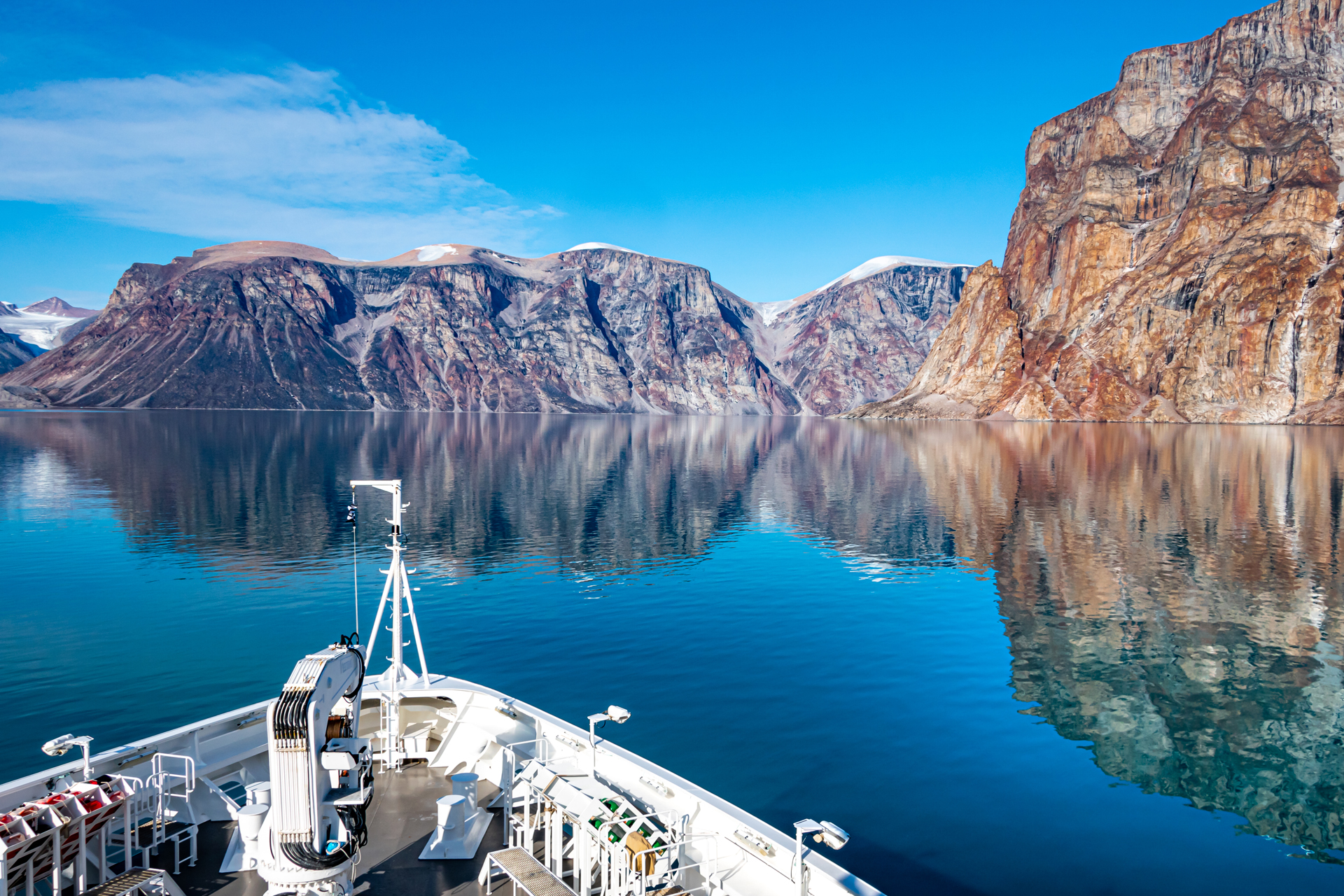
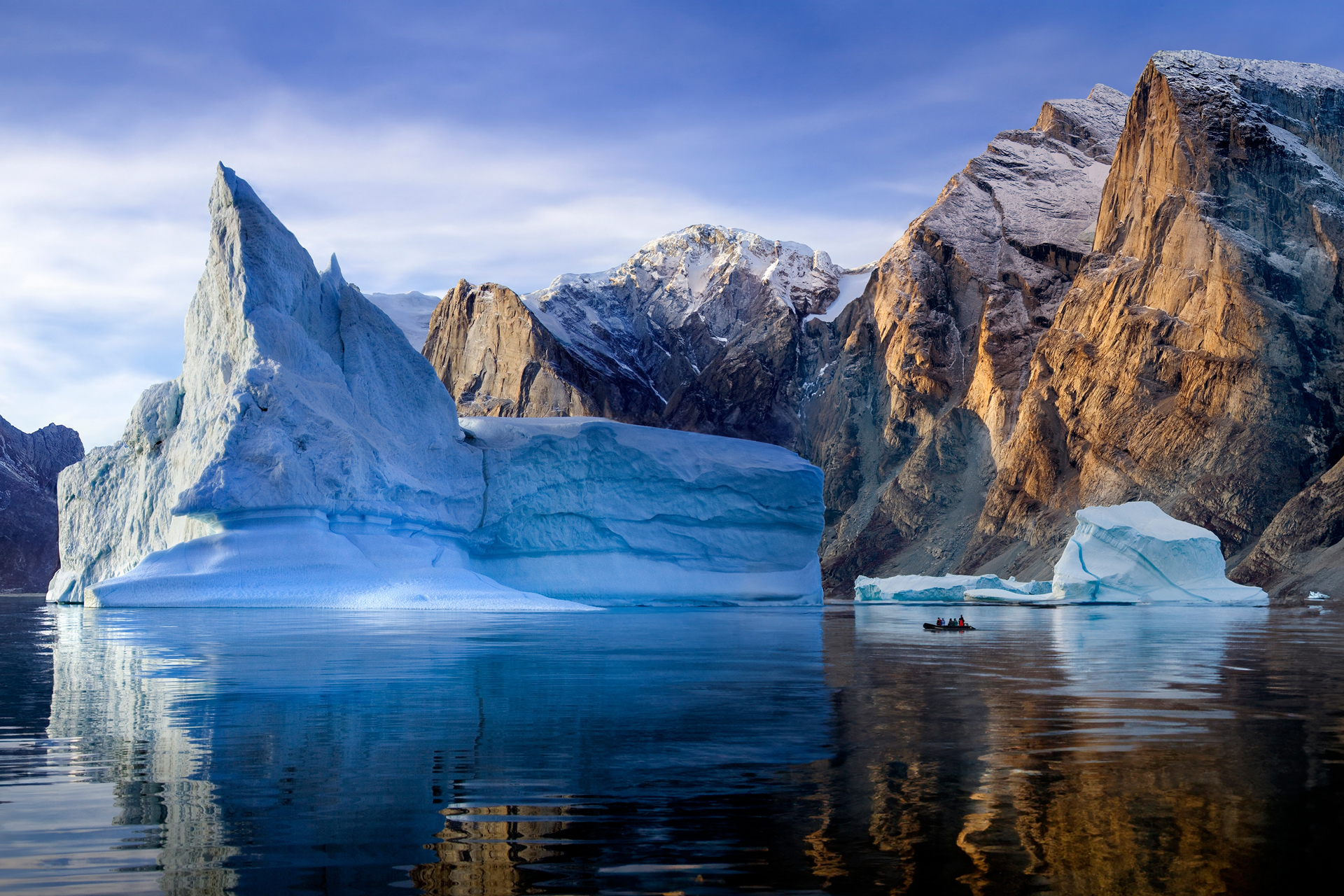
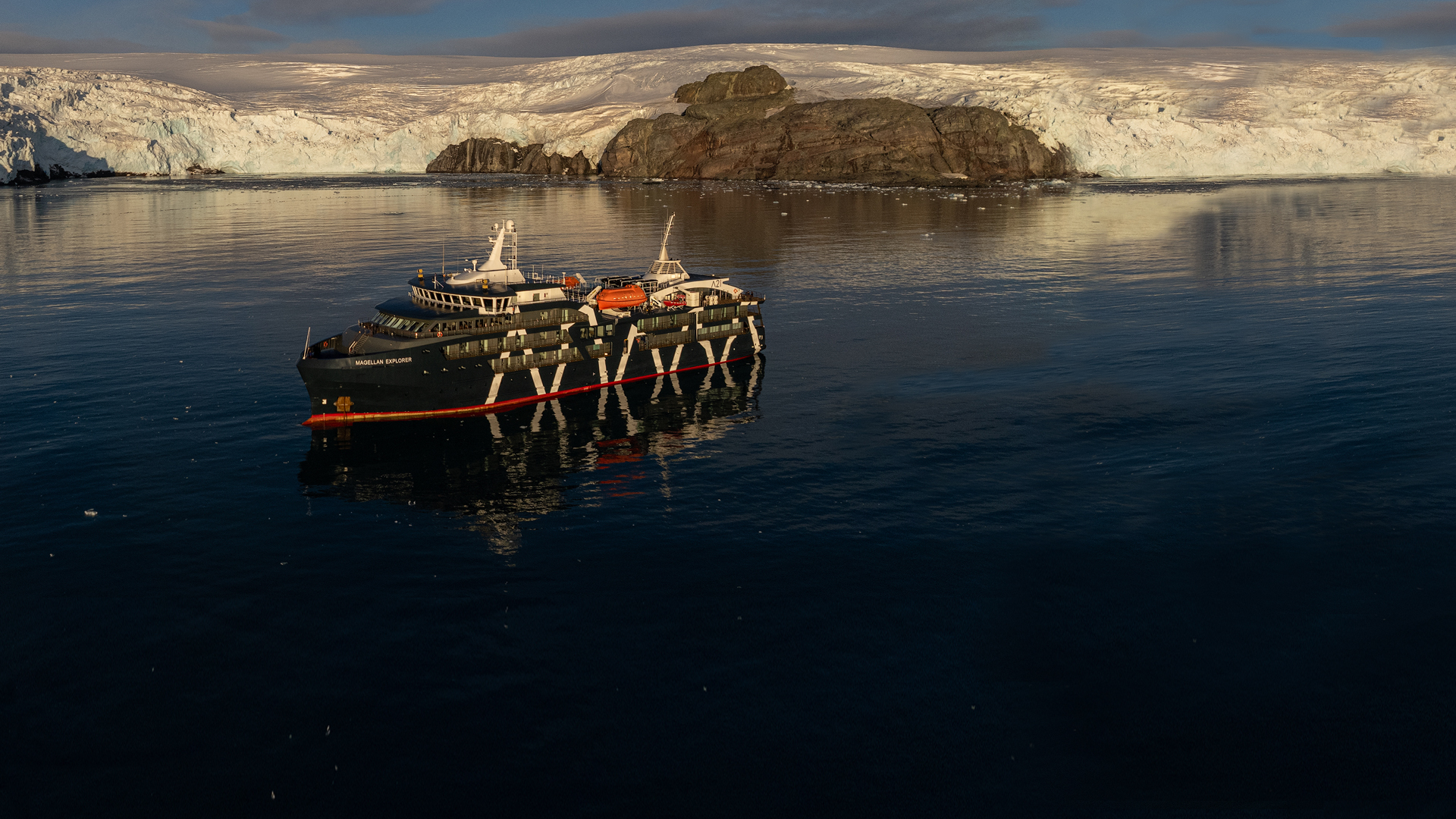
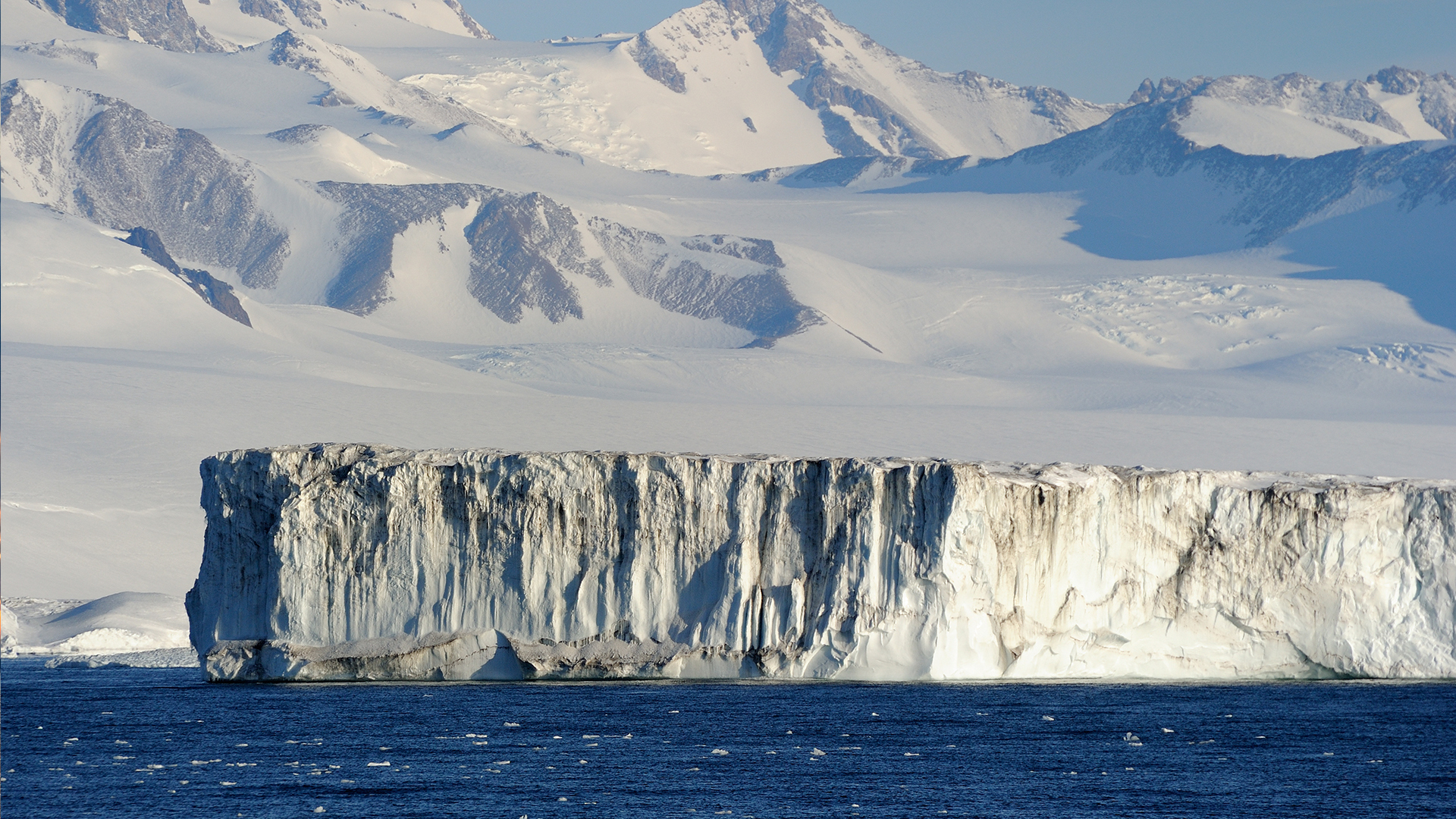
El histórico Paso del Noroeste ofrece un asiento de primera fila ante algunos de los paisajes glaciares más espectaculares de la Tierra. Navegar por estas aguas remotas revela un mundo de hielo monumental y picos silenciosos y ancestrales.
La mejor época para visitar Svalbard
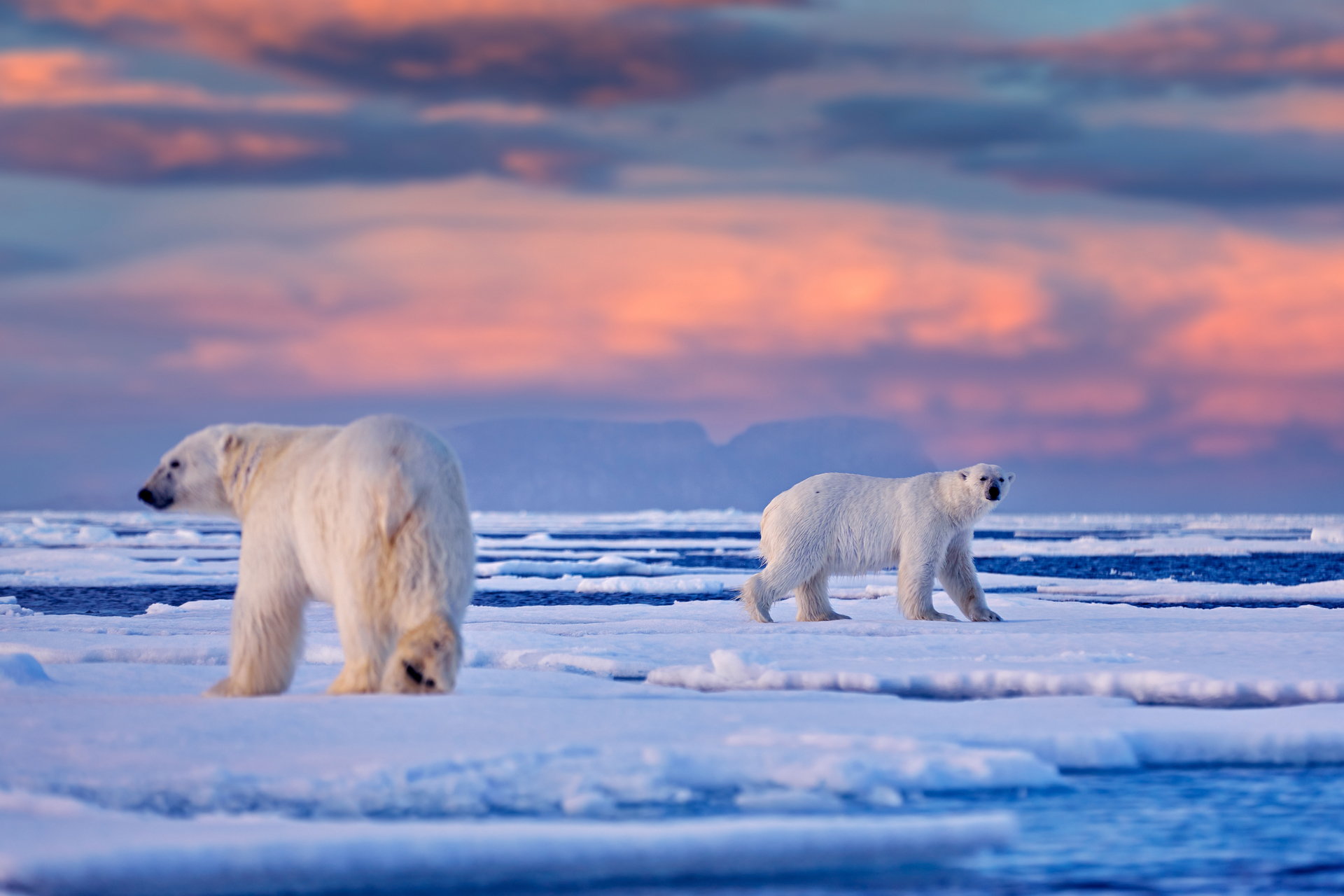
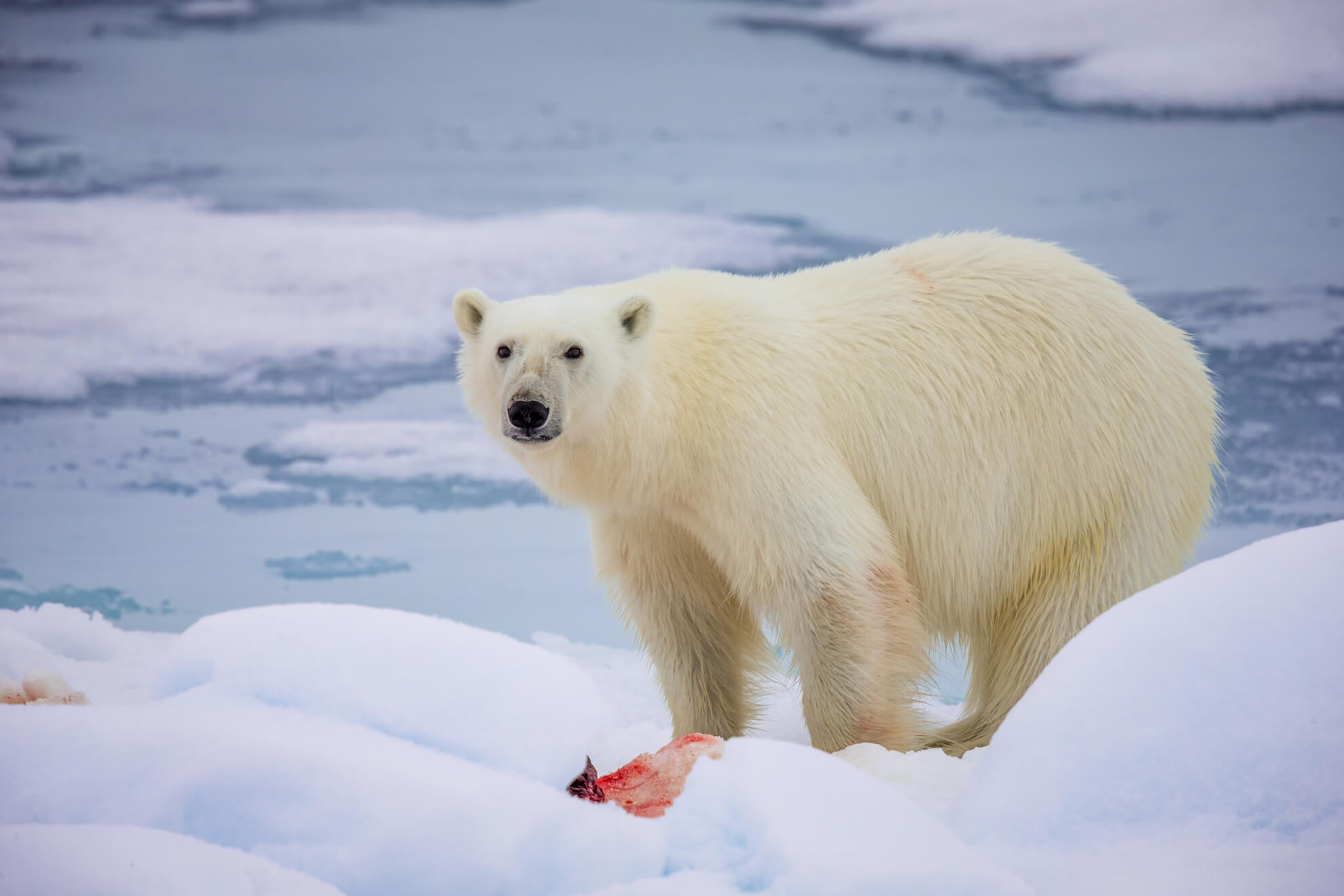
- Vida salvaje: El verano en Svalbard es sinónimo de bulliciosas colonias de aves, atestadas paradas de morsas, lindas crías de zorro ártico y abundantes ballenas barbadas que se abren paso por fiordos y bahías. Una proporción significativa de osos polares de Svalbard no sigue el frente de hielo en retirada hacia el norte en verano y en su lugar caza a lo largo de las costas del archipiélago, por lo que es una de las mejores oportunidades para ver este ursido de manto blanco en cualquier lugar de la Tierra.
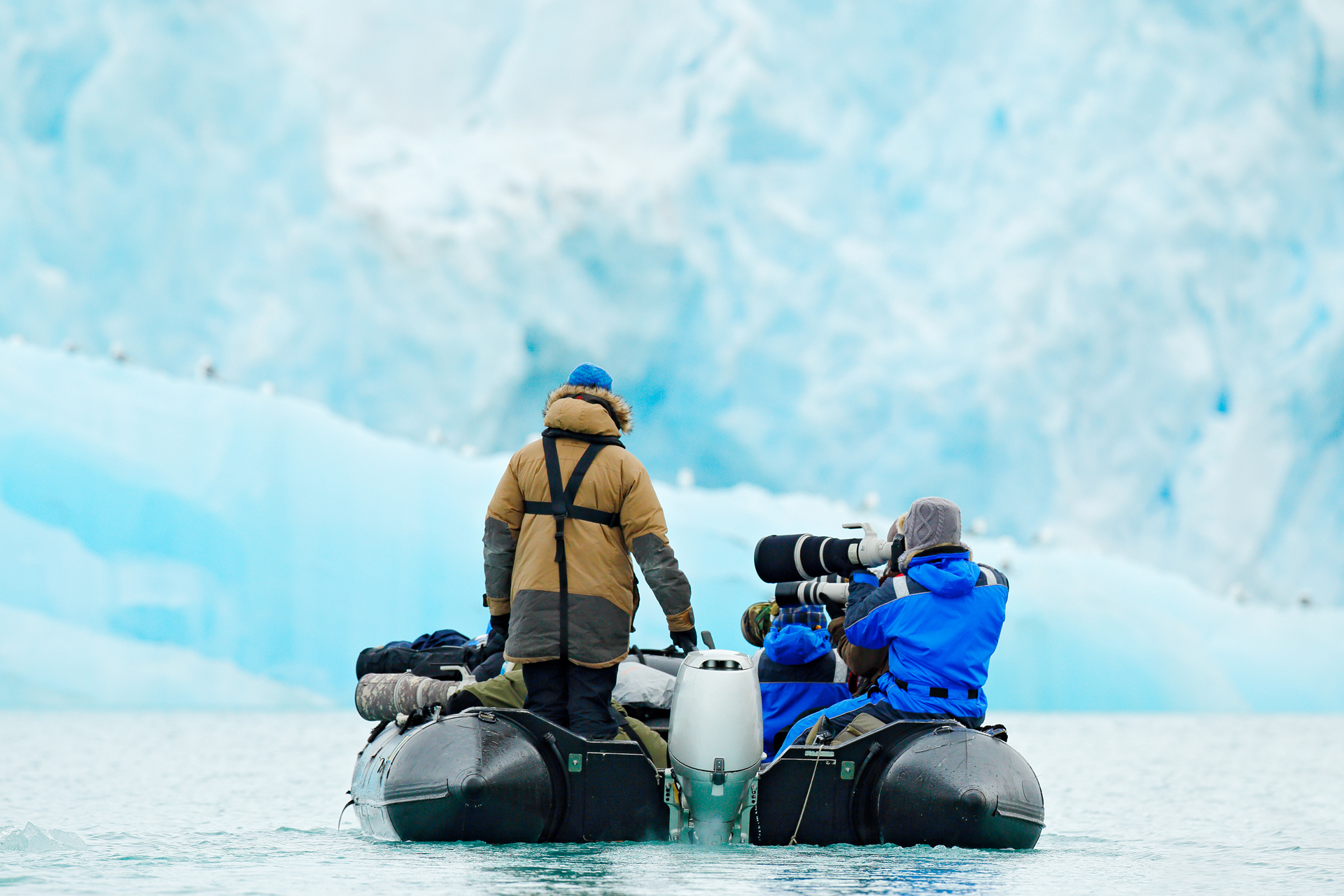
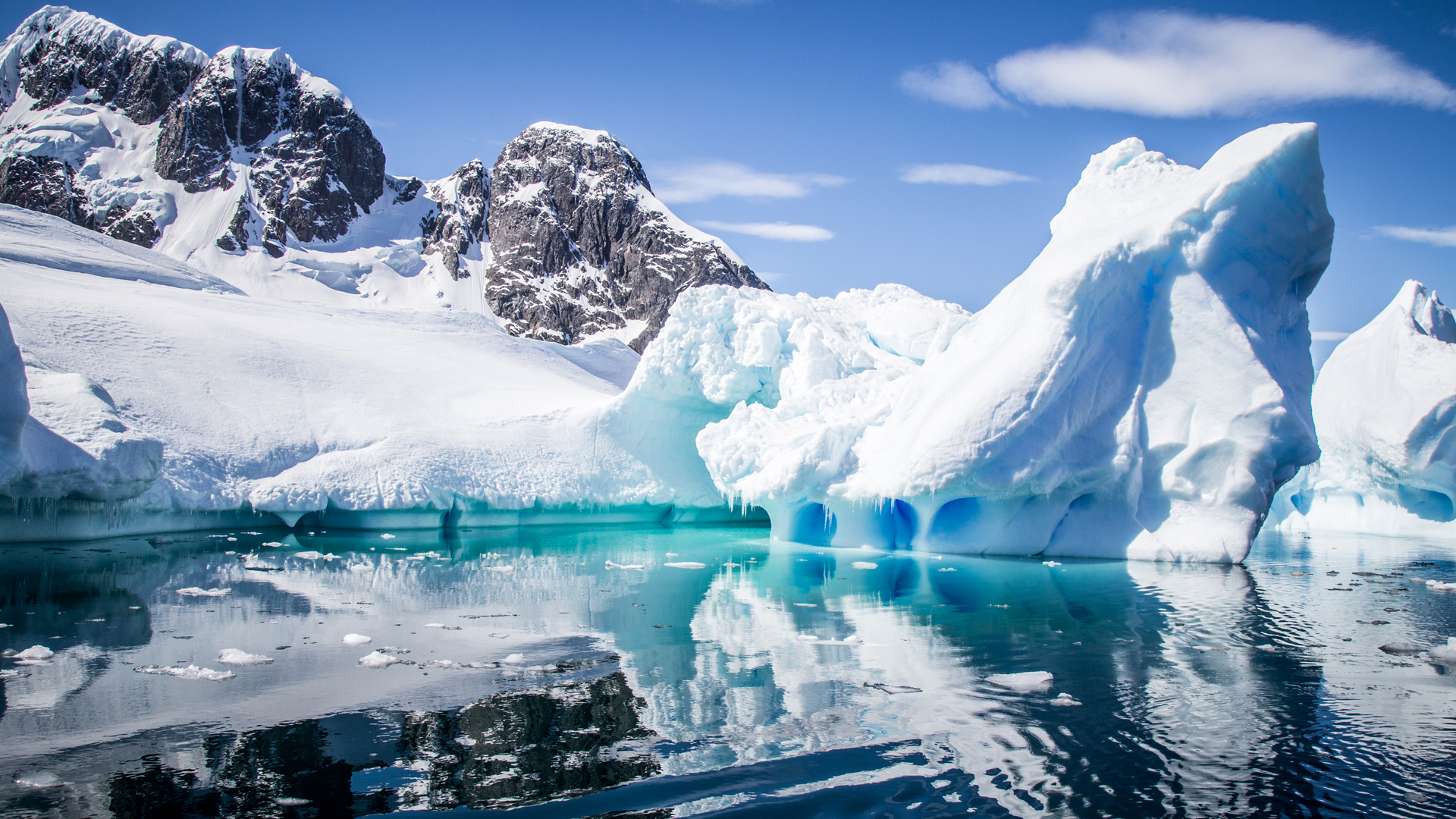
- Icebergs: A finales de primavera y en verano se pueden contemplar icebergs etéreos desprendidos de los glaciares en los fiordos y desprendidos del hielo en retirada.
- Aurora Boreal: El final de la temporada de cruceros en Svalbard, en septiembre, coincide con el aumento de las posibilidades de ver auroras fuera de horario.
- Turismo cultural: La capital más septentrional del mundo, Longyearbyen, en Svalbard, cuenta con un saludable panorama cultural y actividades durante todo el año, como el Festival Literario de Longyearbyen en septiembre.
La breve ventana estival de Svalbard revela un sorprendente estallido de vida, desde las verdes laderas hasta las vibrantes fachadas de Longyearbyen. Esta temporada alta ofrece las mejores condiciones para navegar por los fiordos y avistar la emblemática fauna polar del archipiélago.
La mejor época para visitar el Polo Norte
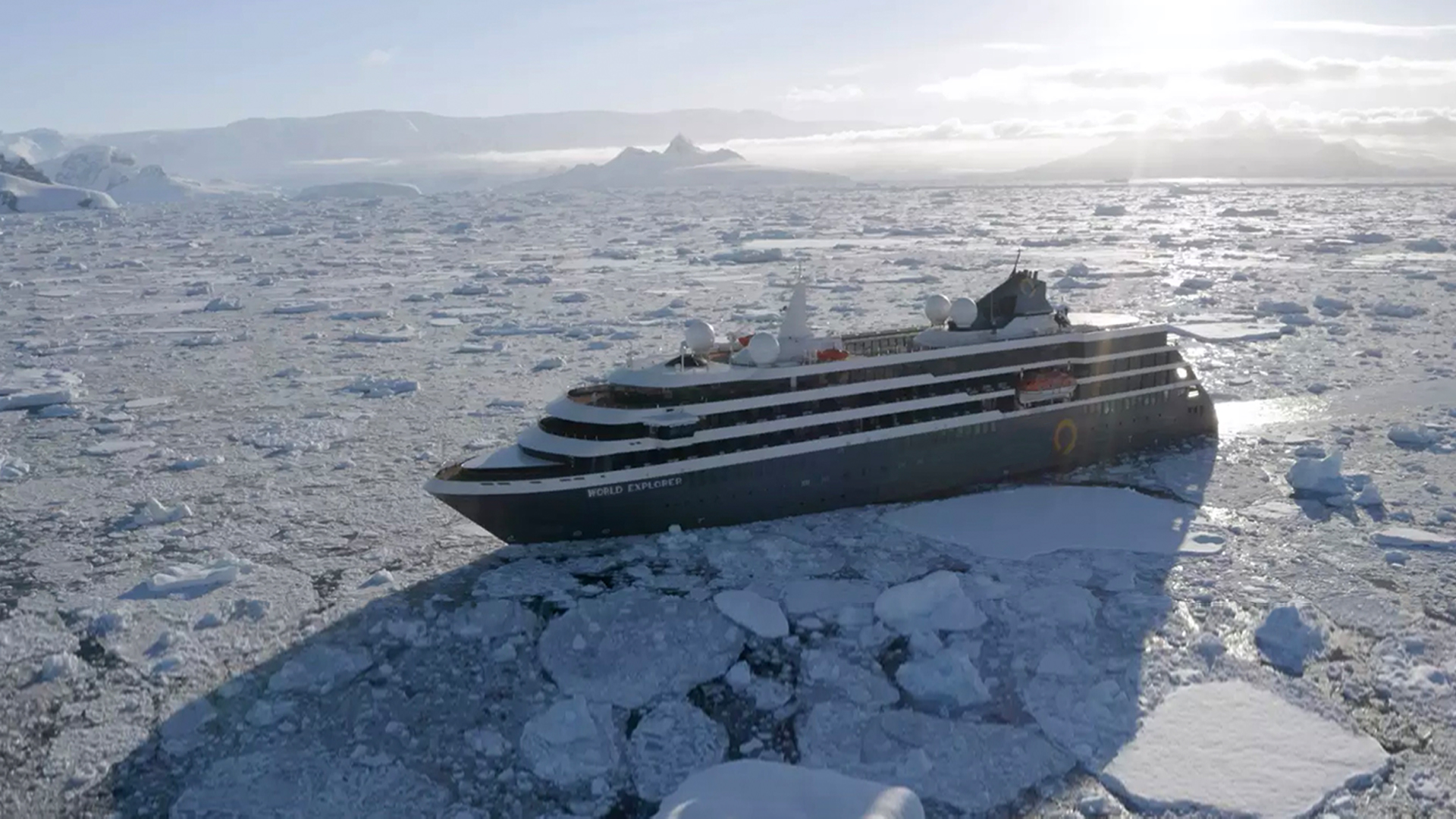
Se podría pensar que no es posible visitar el Polo Norte en un crucero de recreo... ¡pero se equivoca! Cruceros rompehielos de última generación pueden llegar a este lejano e inolvidable punto en la cima del mundo. Pero la ventana de viaje es significativamente más estrecha que la mayoría de los destinos presentados anteriormente, dada la ubicación extrema en el corazón mismo de la capa de hielo del Océano Ártico. Los cruceros al Polo Norte sólo pueden realizarse en julio y agosto, cuando el Sol de Medianoche y las remotas vistas de los paisajes helados le dejarán totalmente fascinado.
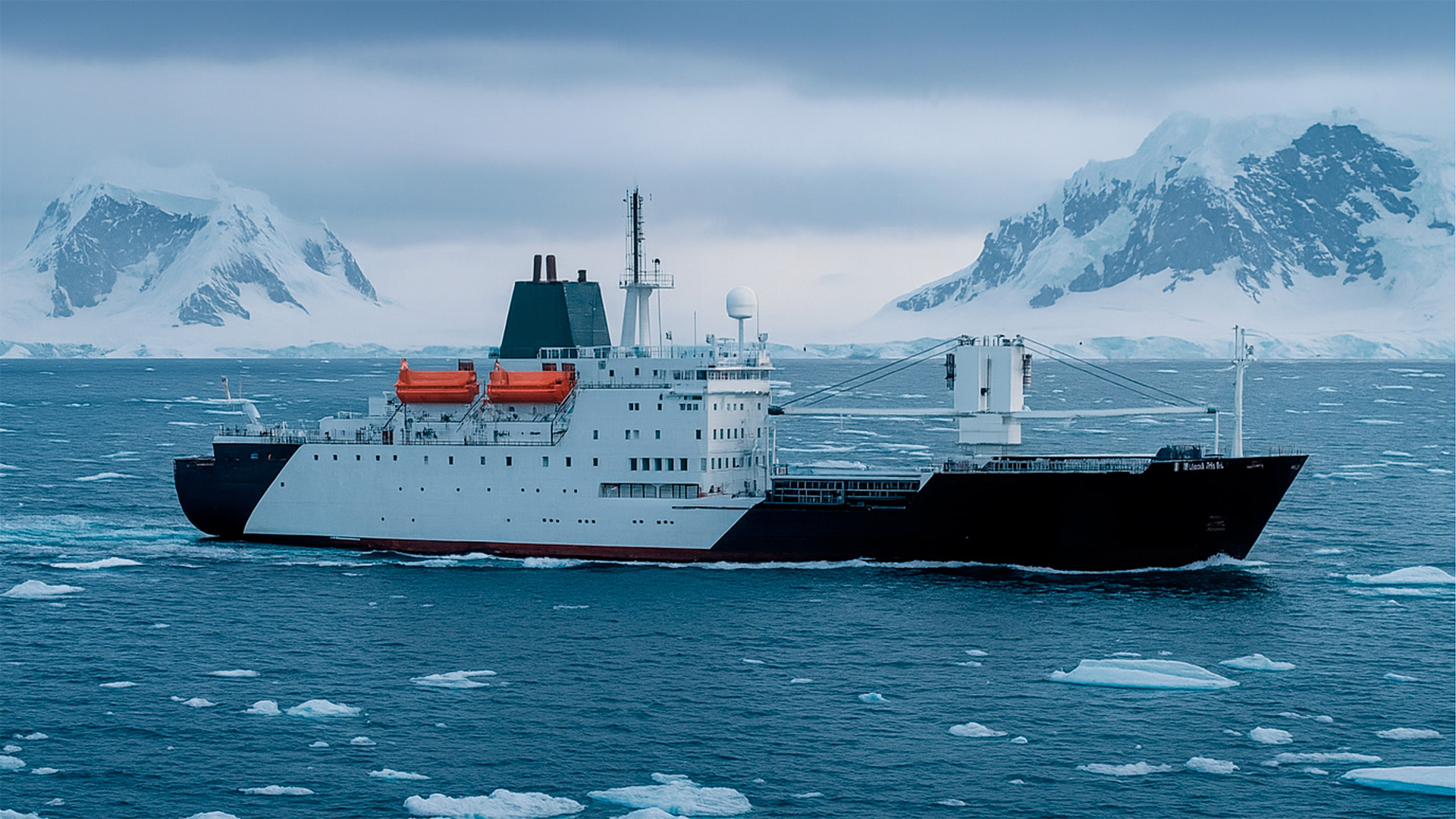
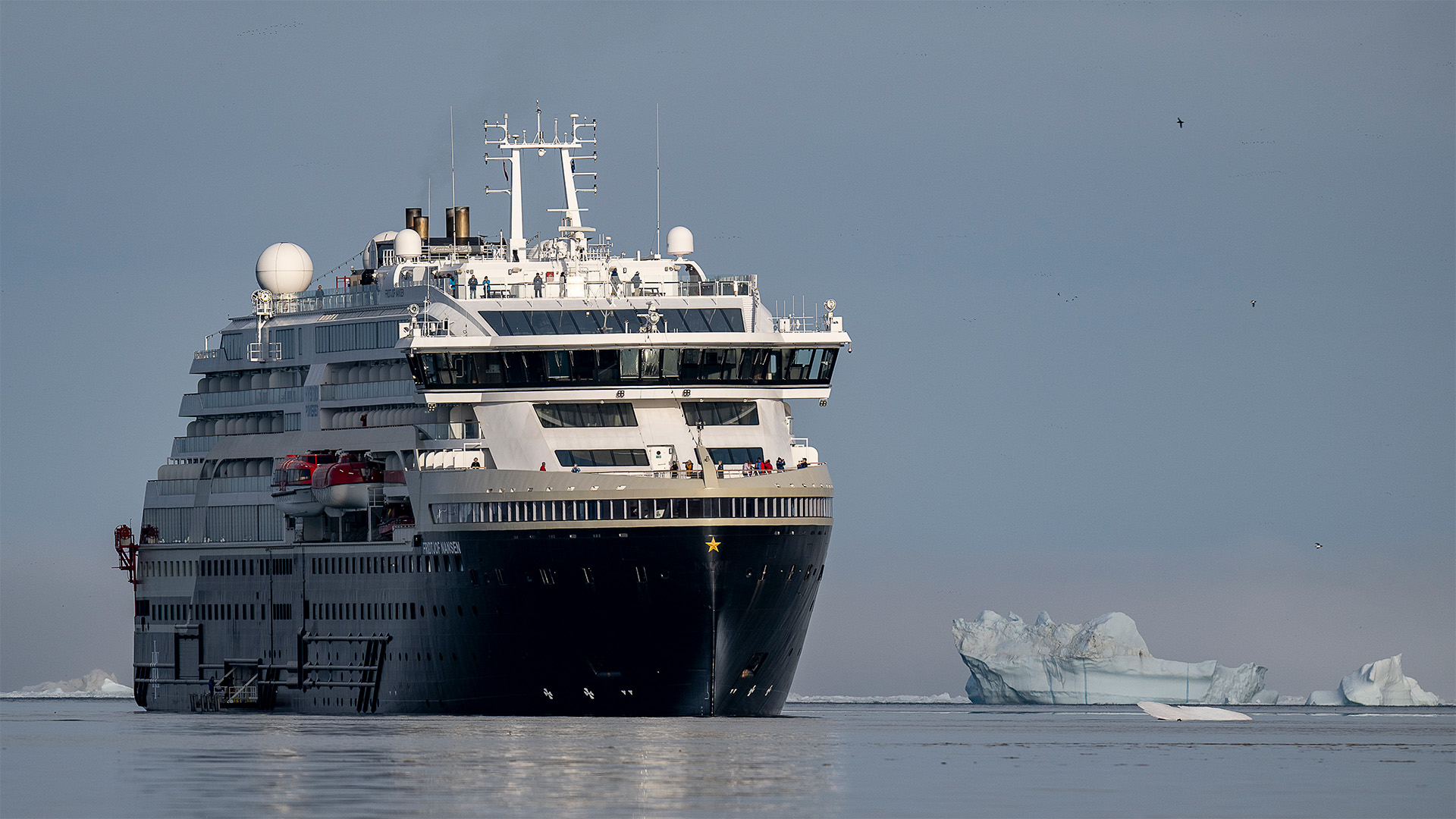
Llegar al Polo Norte es un viaje a un mundo de hielo inmaculado y horizontes infinitos. Si programa su expedición con cuidado, podrá disfrutar de la máxima belleza polar durante el breve periodo estival.
Resumen: El mejor momento para un crucero por el Ártico
El verano es, obviamente, el apogeo de la temporada turística en el Ártico, con la mayor accesibilidad, el clima más agradable, las mayores oportunidades turísticas y recreativas y, en general, la mayor actividad de vida salvaje del año. Sin embargo, si le preocupan los costes, considere un viaje en primavera u otoño para aprovechar las ofertas de temporada baja. La primavera y el principio del verano suelen ofrecer las mejores oportunidades para ver icebergs, mientras que, en general, el otoño es probablemente la mejor época para visitar el país si desea ver la aurora boreal. (A principios de primavera también, pero puede que el hielo siga bloqueado).
A fin de cuentas, el mejor momento para visitar el Ártico es el que más le convenga: en función de su agenda, presupuesto o intereses específicos. Sean cuales sean sus sueños o necesidades en el Ártico, ¡podemos hacerlo realidad! Eche un vistazo a todos nuestros itinerarios de cruceros por el Ártico aquí mismo.
¿La mejor agencia de viajes a la Antártida?
Experiencias árticas: Las 15 mejores actividades en un crucero de expedición

Qué esperar de un crucero de expedición por el Ártico

¿Se puede ir al Ártico y al Polo Norte? ¡Sí! Aquí te contamos cómo

Peligros del Ártico: ¿Qué Tan Seguro Es Un Crucero de Expedición?

Los mejores lugares para visitar en el Ártico según los expertos
Cómo encontrar el mejor seguro de viaje para la Antártida
¿Necesitas pasaporte, visa o permiso para ir a la Antártida?
¿Necesitas que te extraigan el apéndice o las muelas del juicio para ir a la Antártida?
Descargo de responsabilidad
Nuestras guías de viaje tienen únicamente fines informativos. Si bien nuestro objetivo es proporcionar información precisa y actualizada, Antarctica Cruises no hace ninguna representación en cuanto a la exactitud o integridad de cualquier información en nuestras guías o encontrado siguiendo cualquier enlace en este sitio.
Antarctica Cruises no puede y no aceptará responsabilidad por cualquier omisión o inexactitud, o por cualquier consecuencia derivada de ello, incluyendo cualquier pérdida, lesión o daño resultante de la visualización o uso de esta información.