








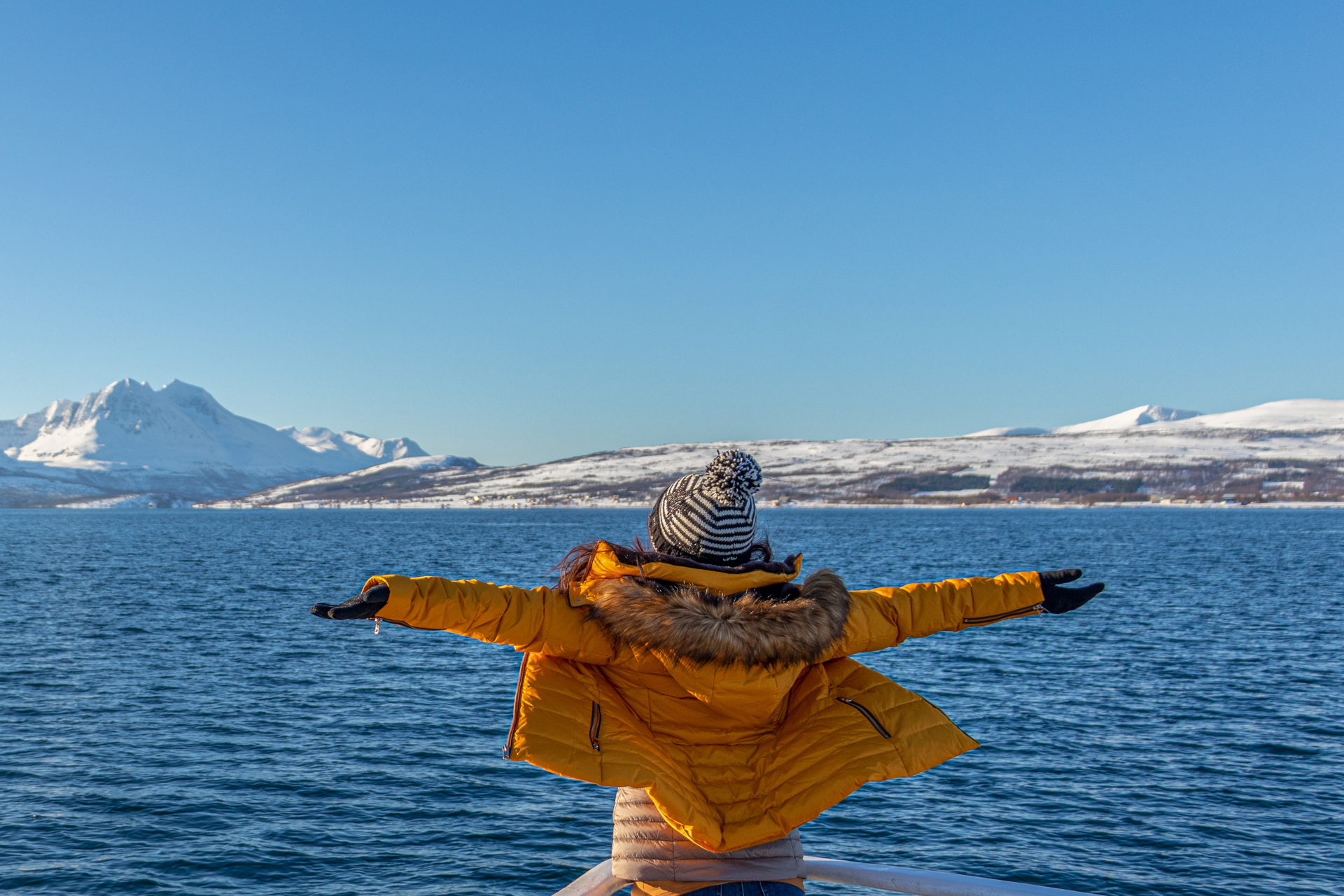







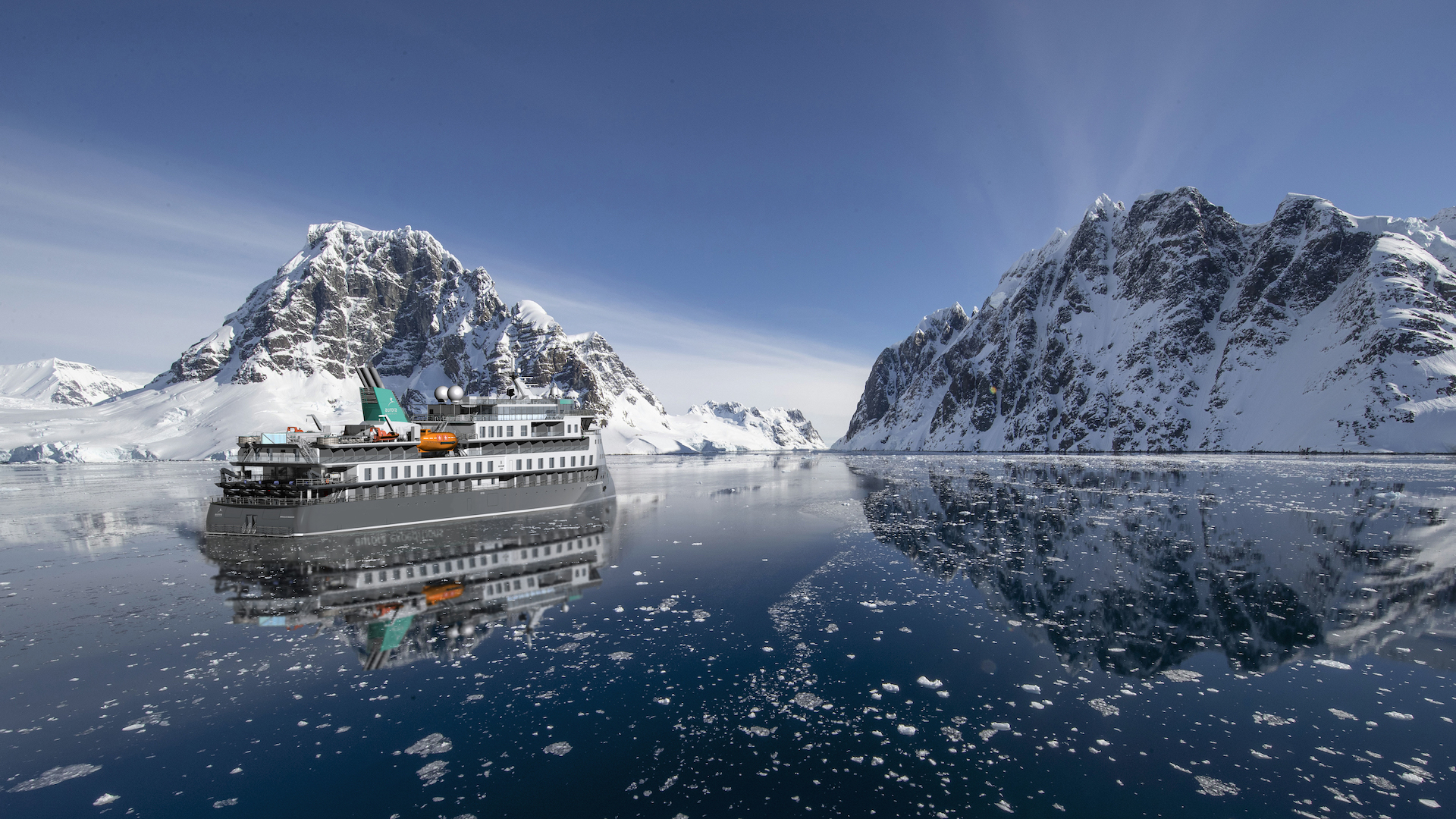

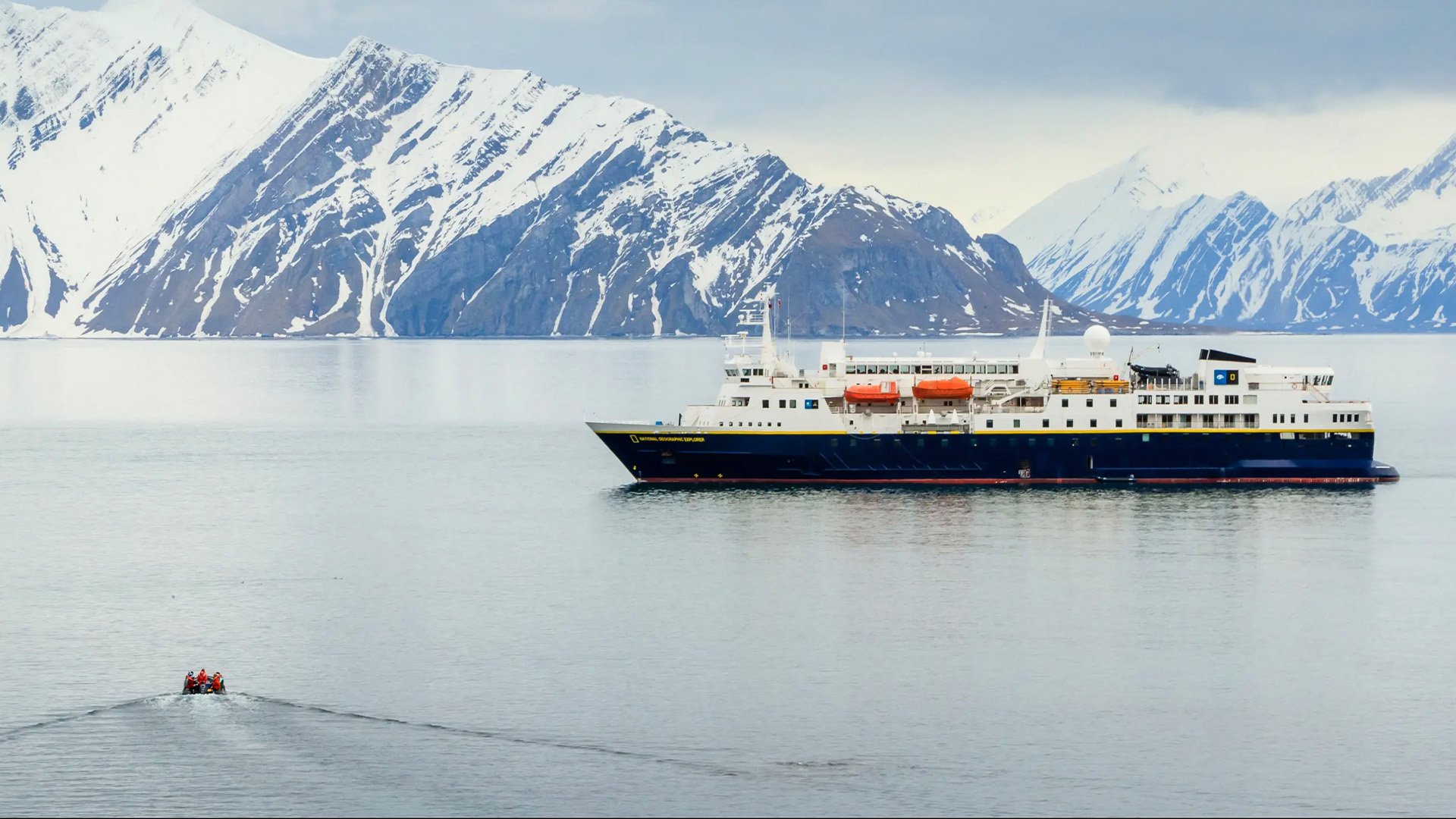

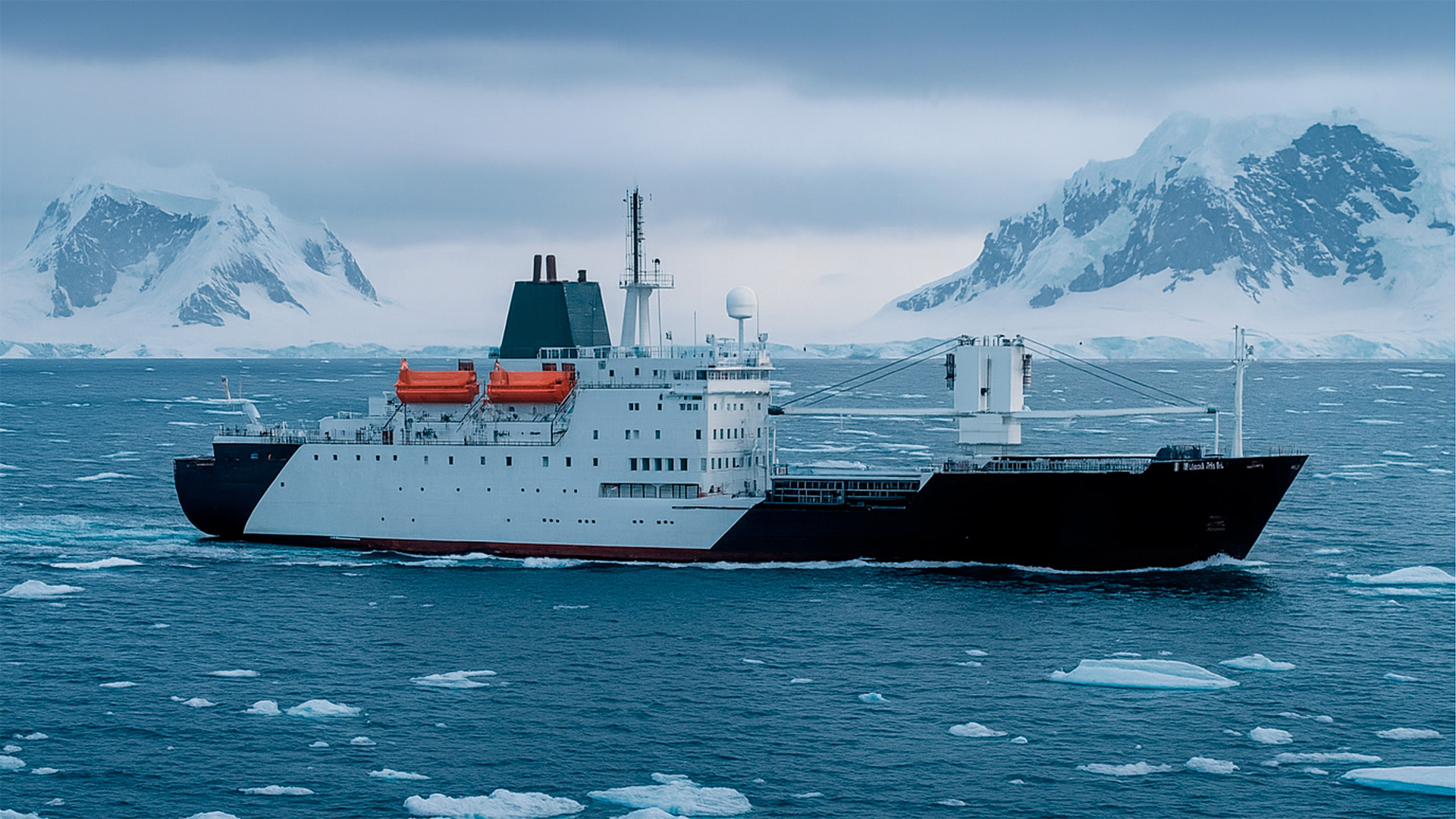


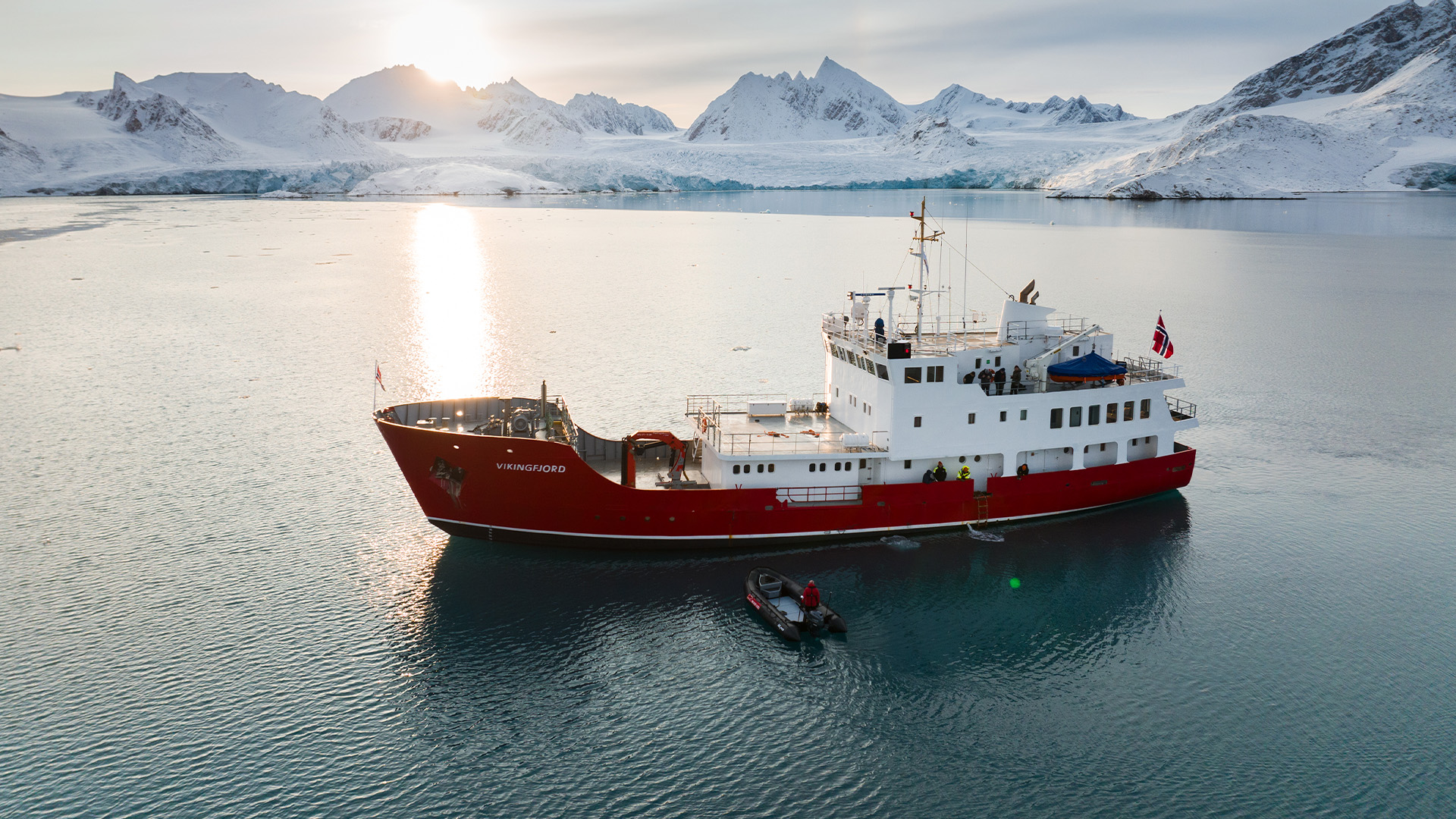









Groenlandia Oriental, Scoresby Sund, incluyendo largas caminatas
Lo más destacado
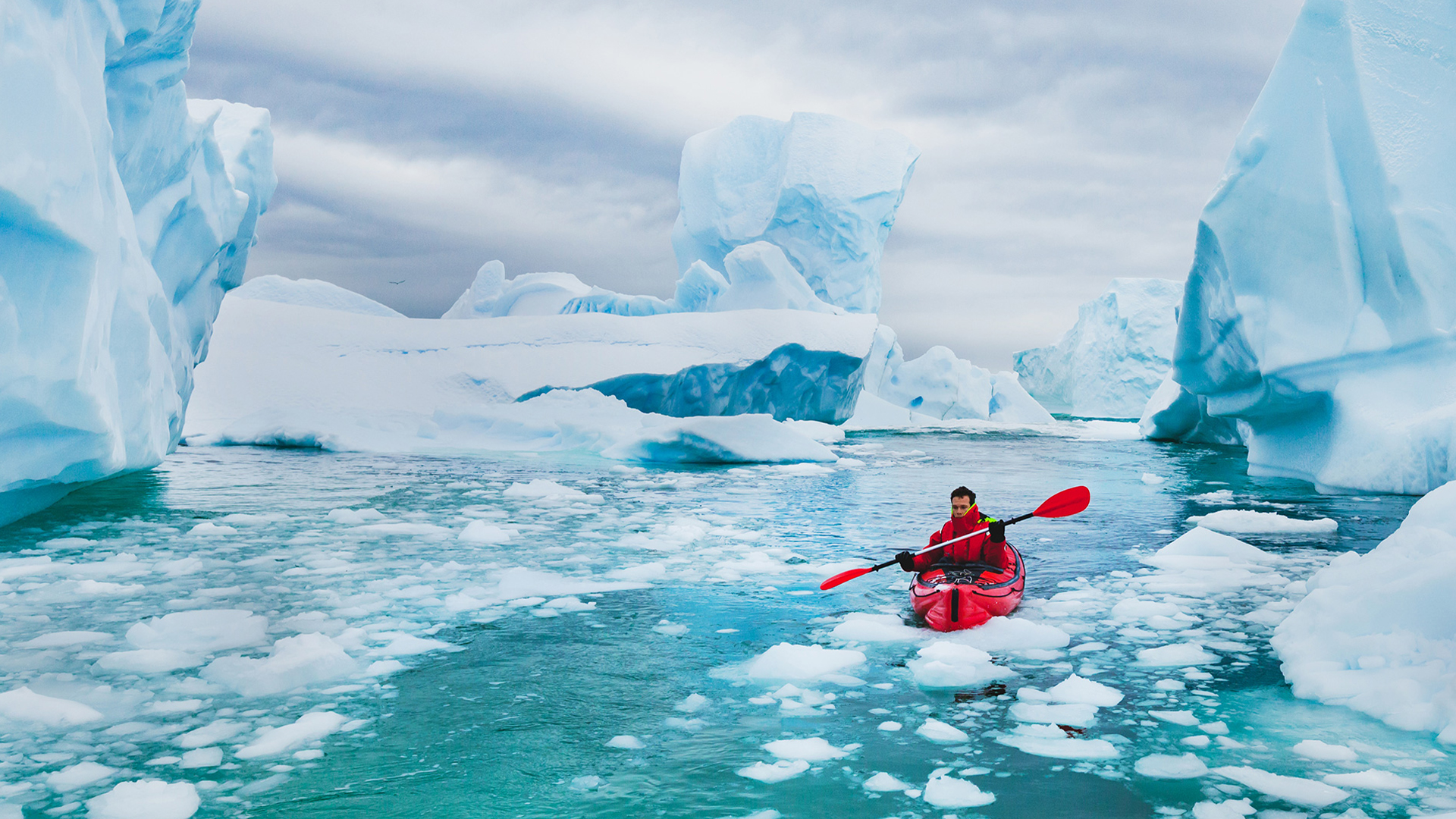
- Cruce el Círculo Polar Ártico de camino a Scoresby Sund, el mayor sistema de fiordos de la Tierra, repleto de icebergs.
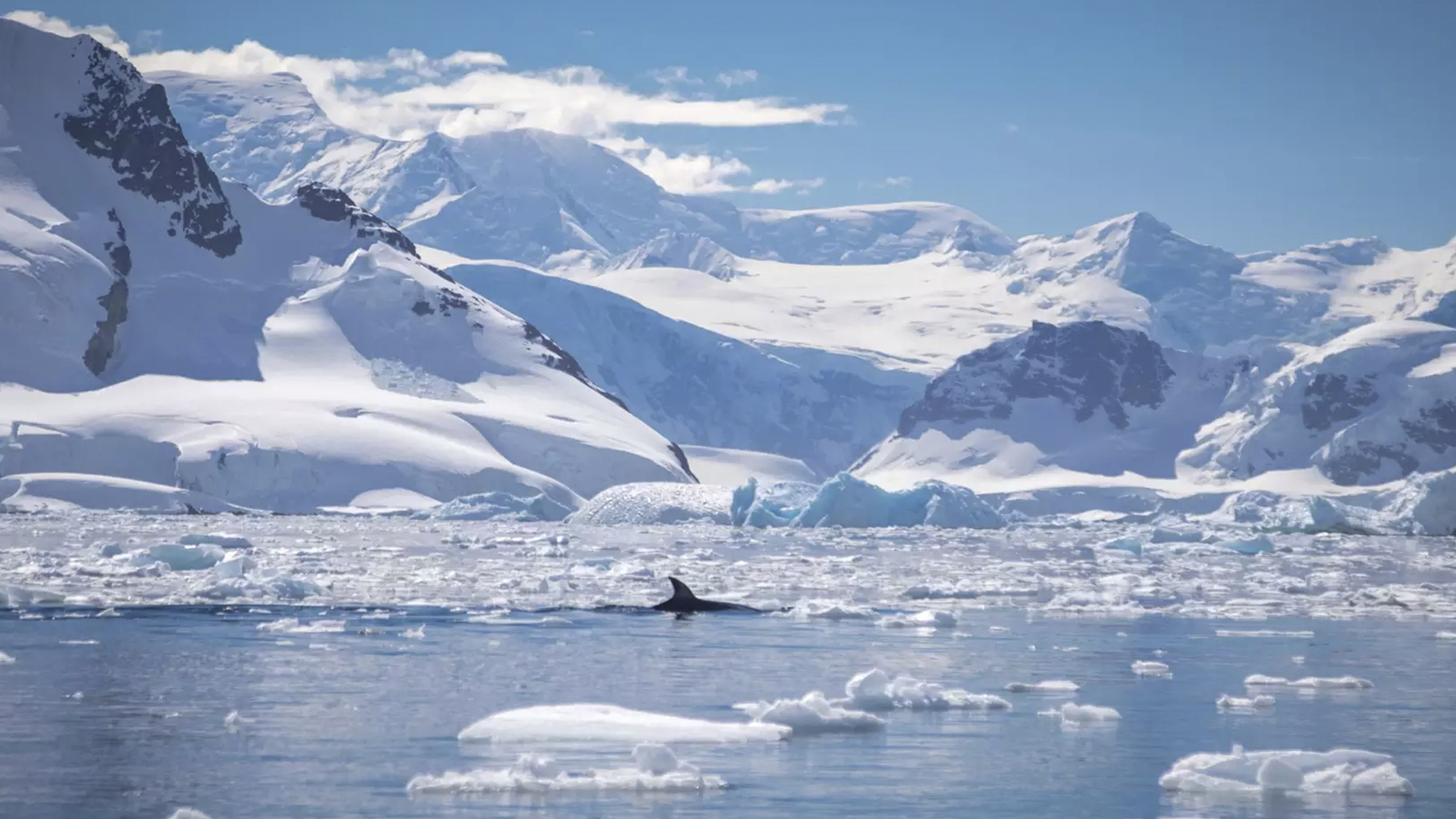
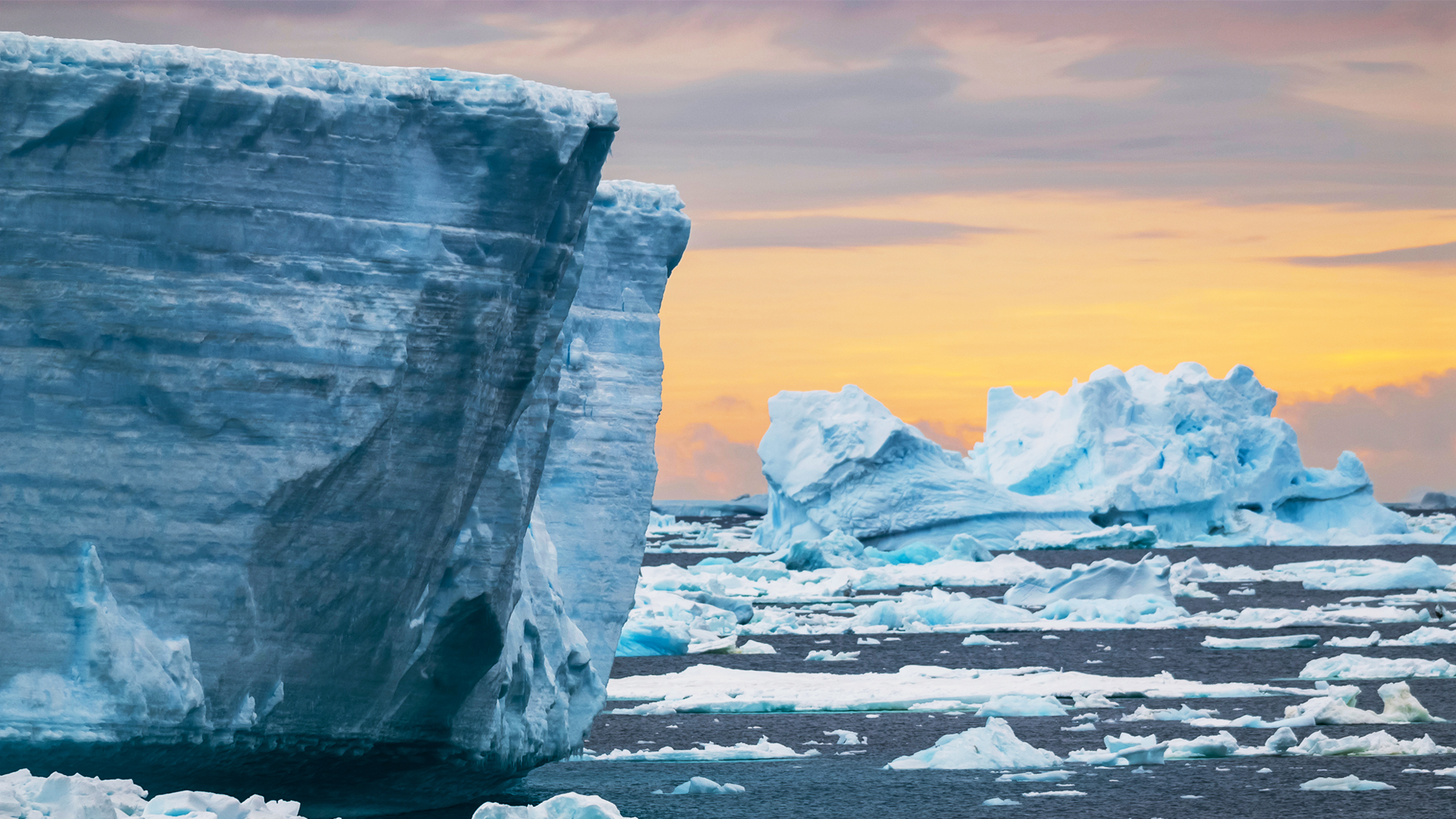
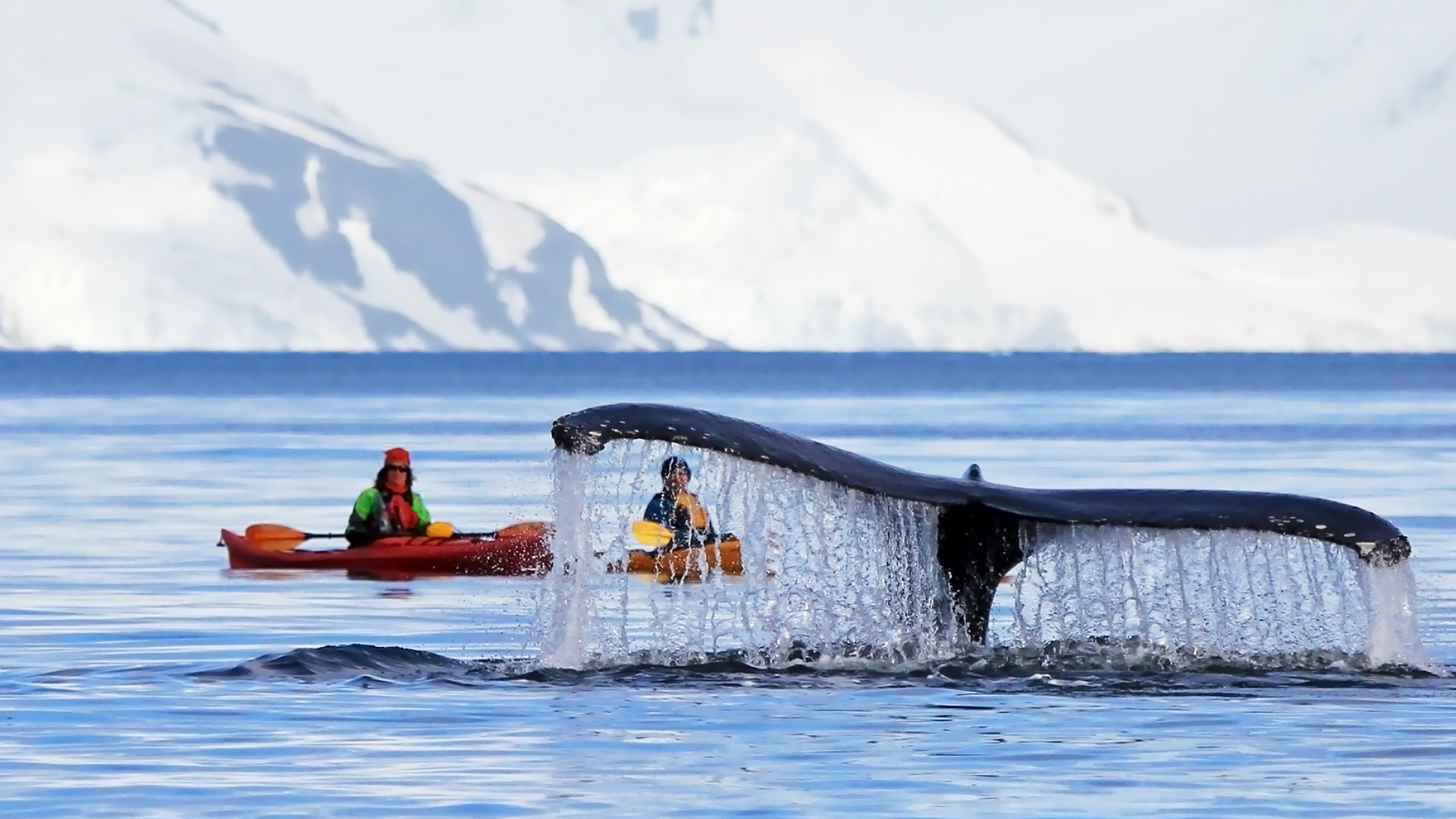
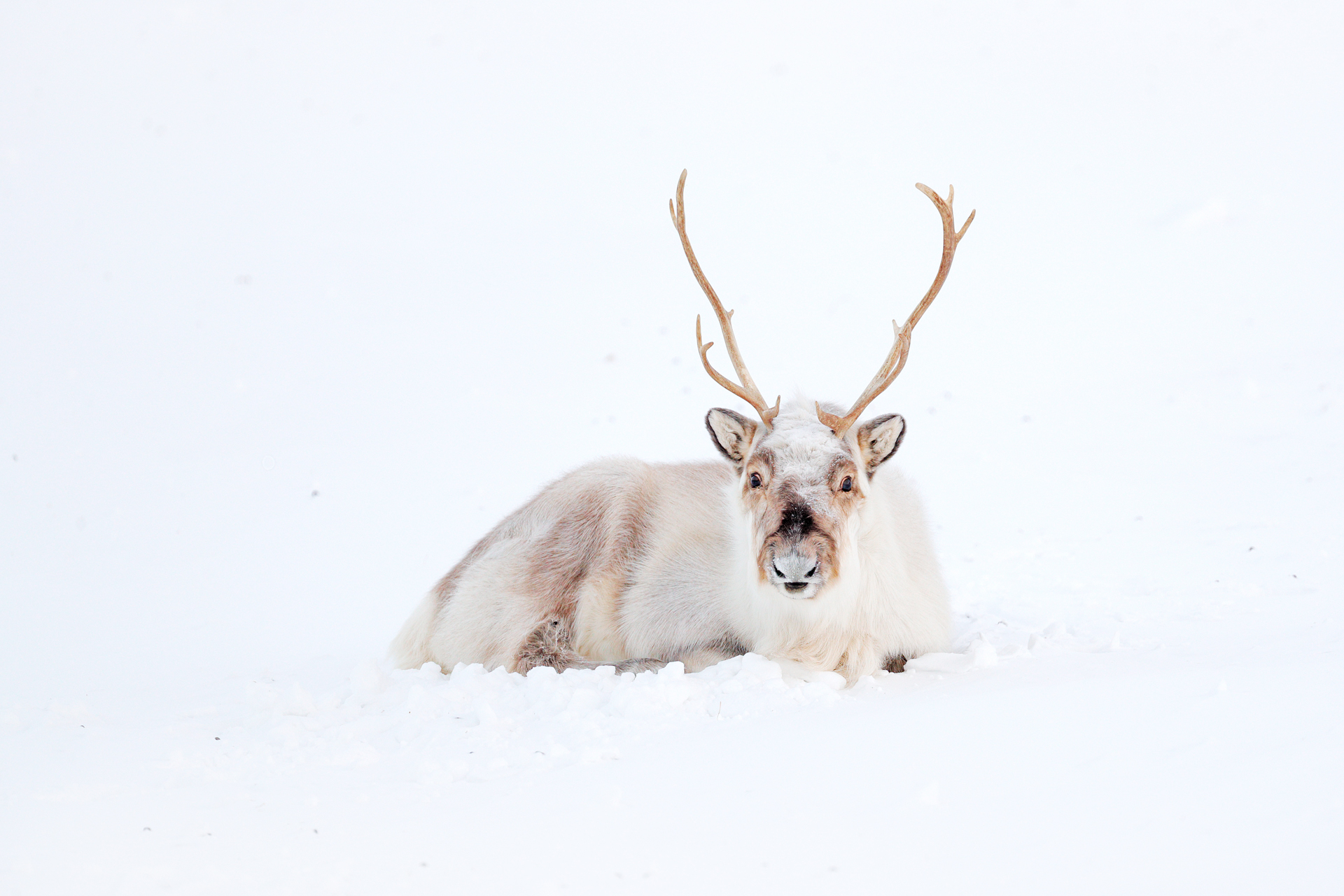
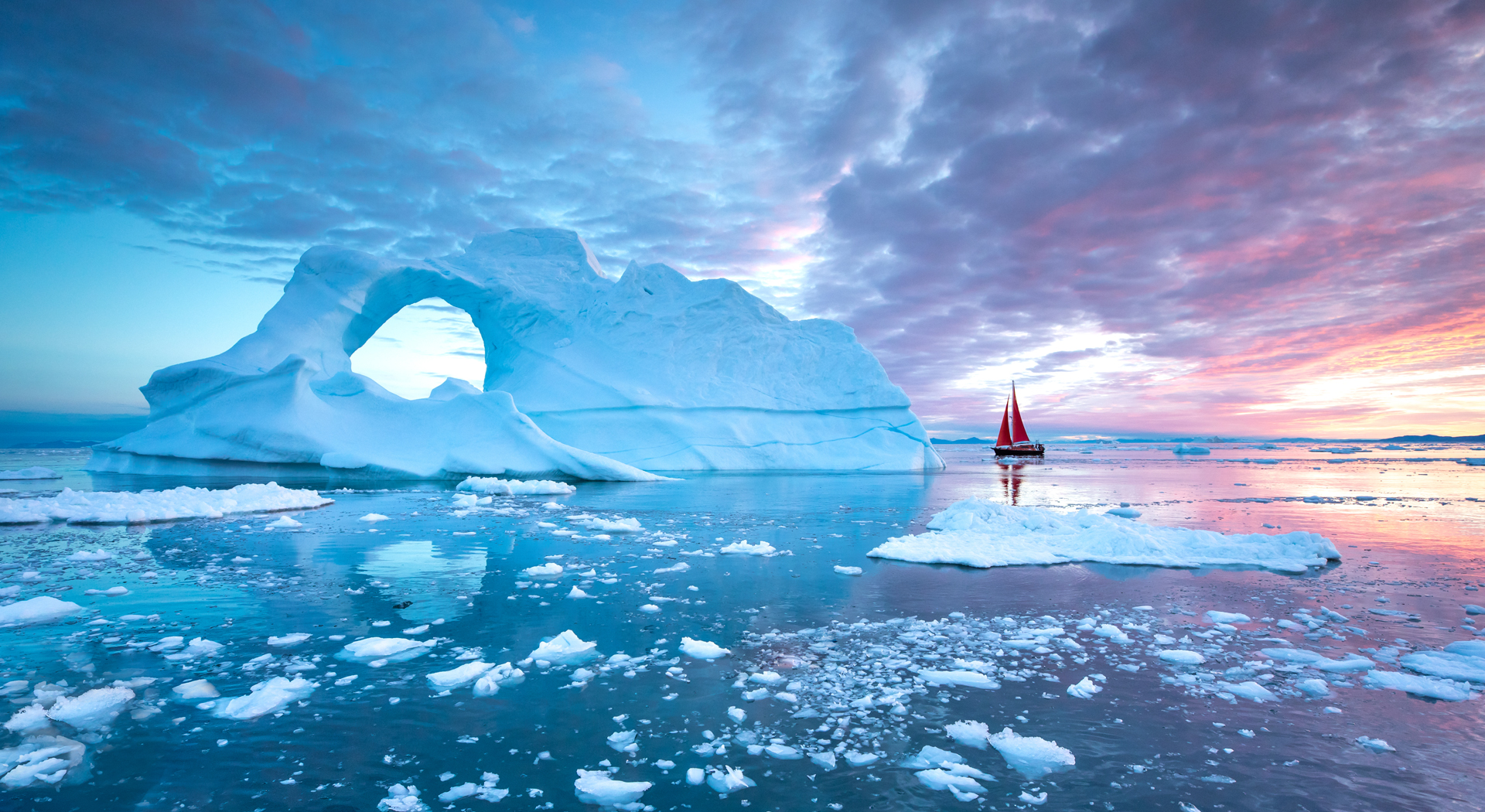
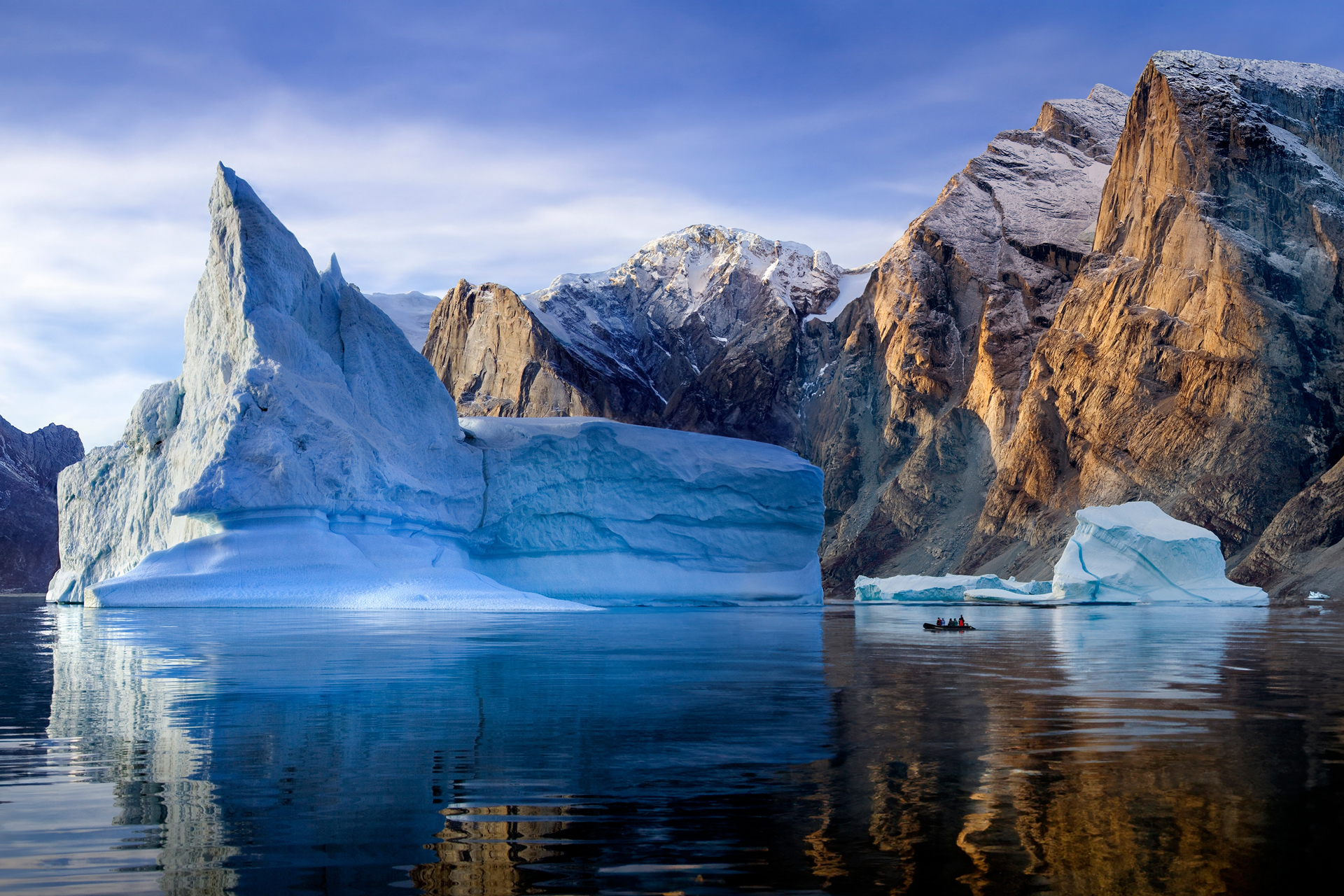
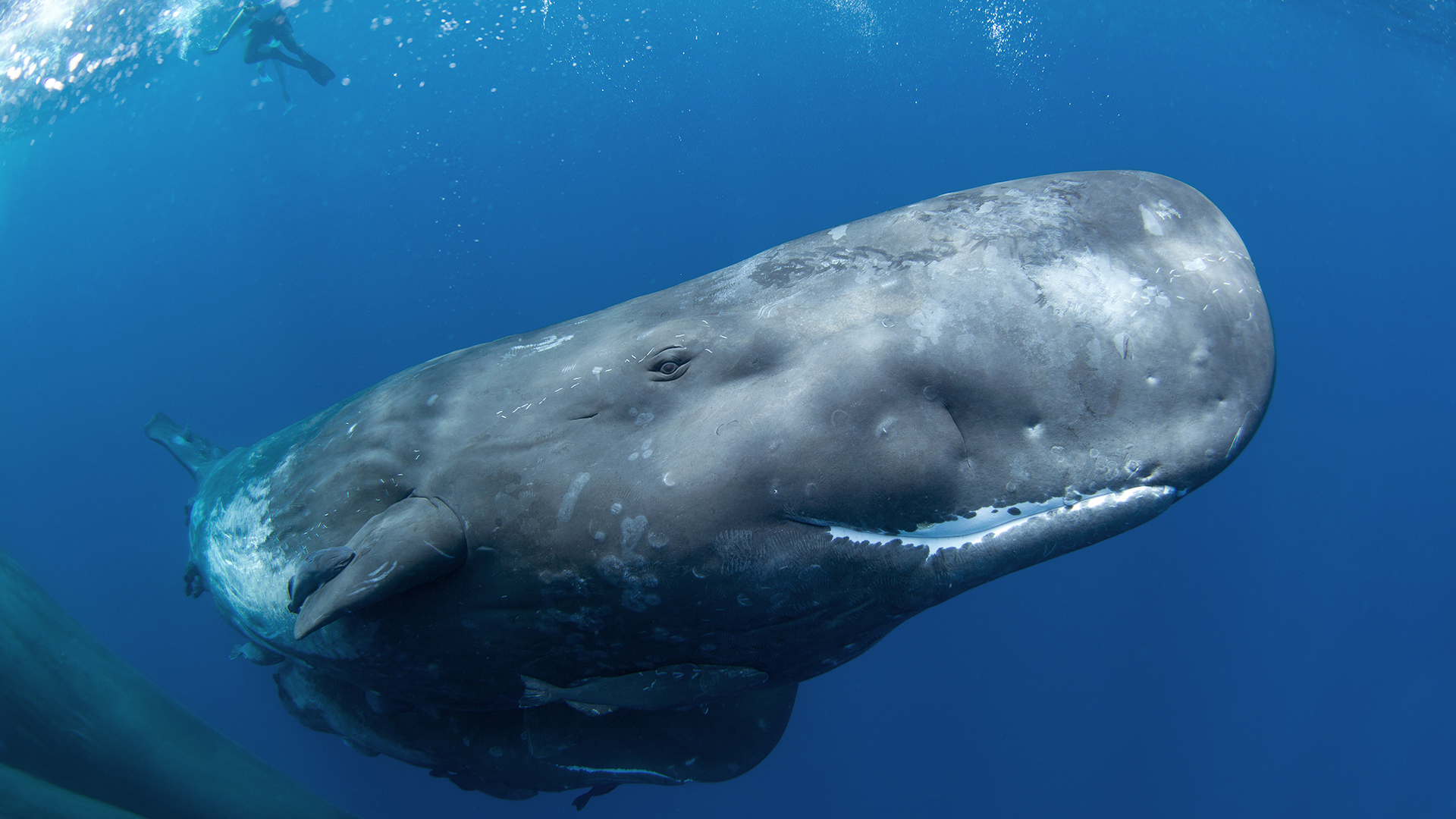
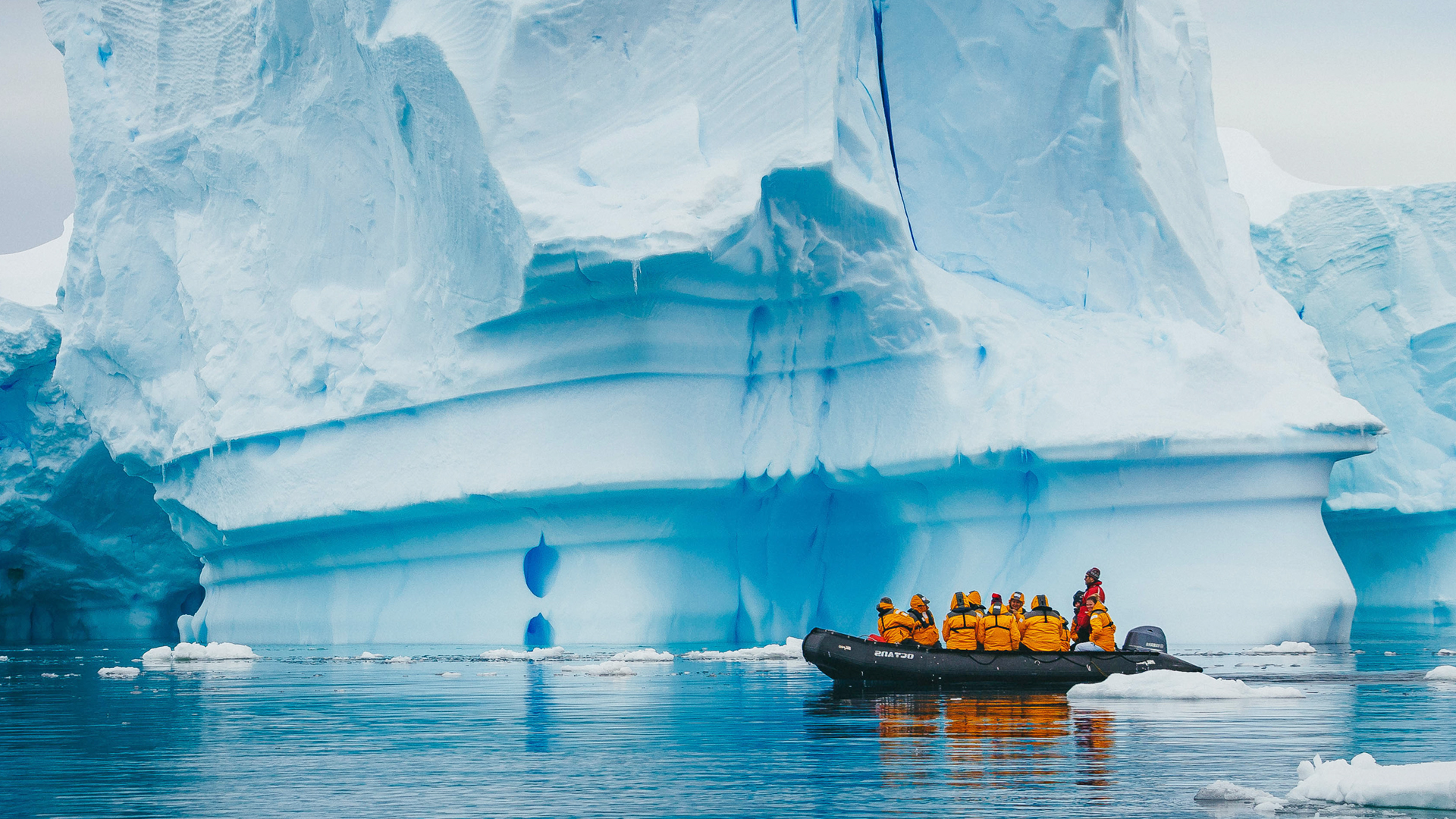
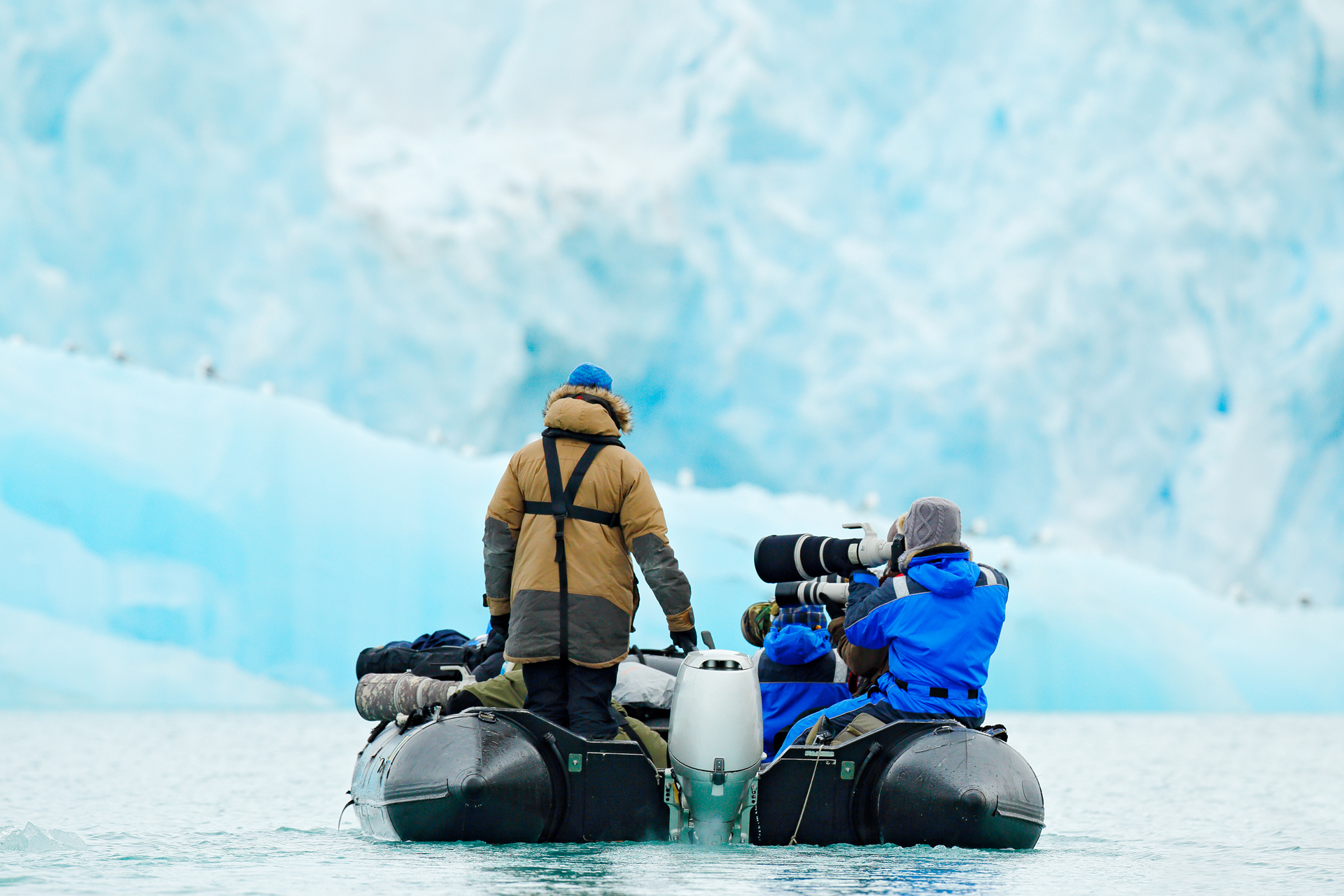
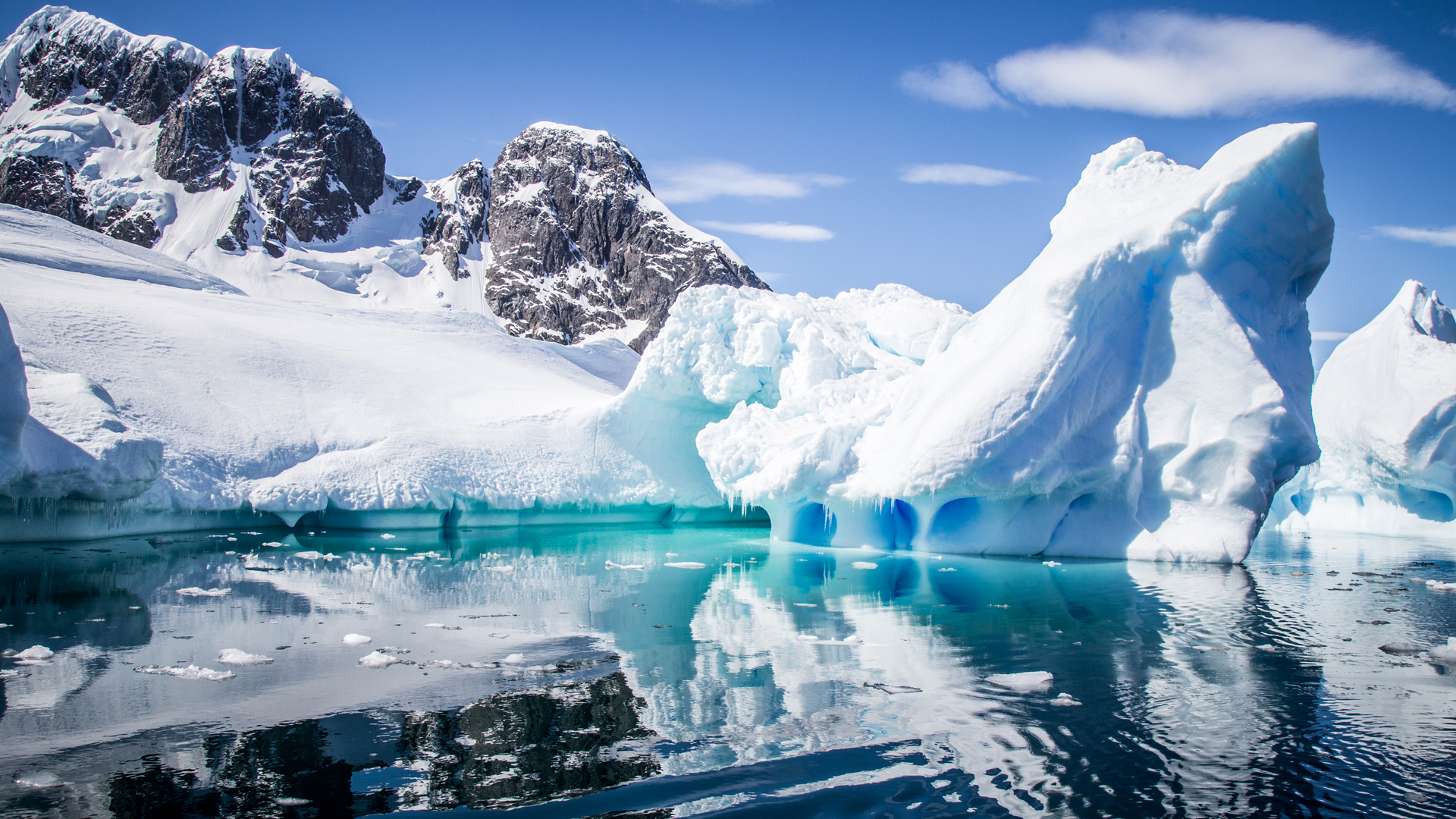
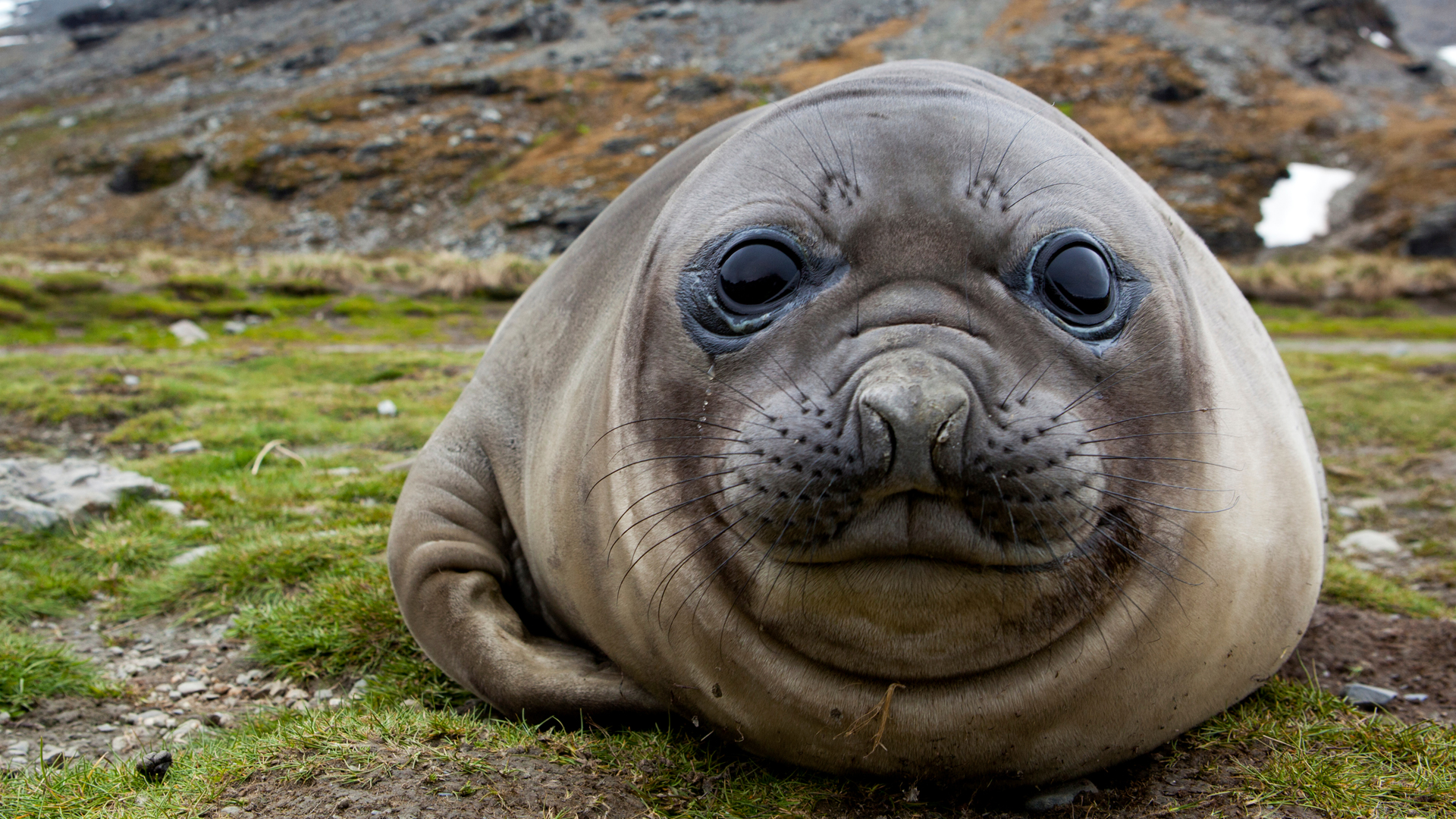
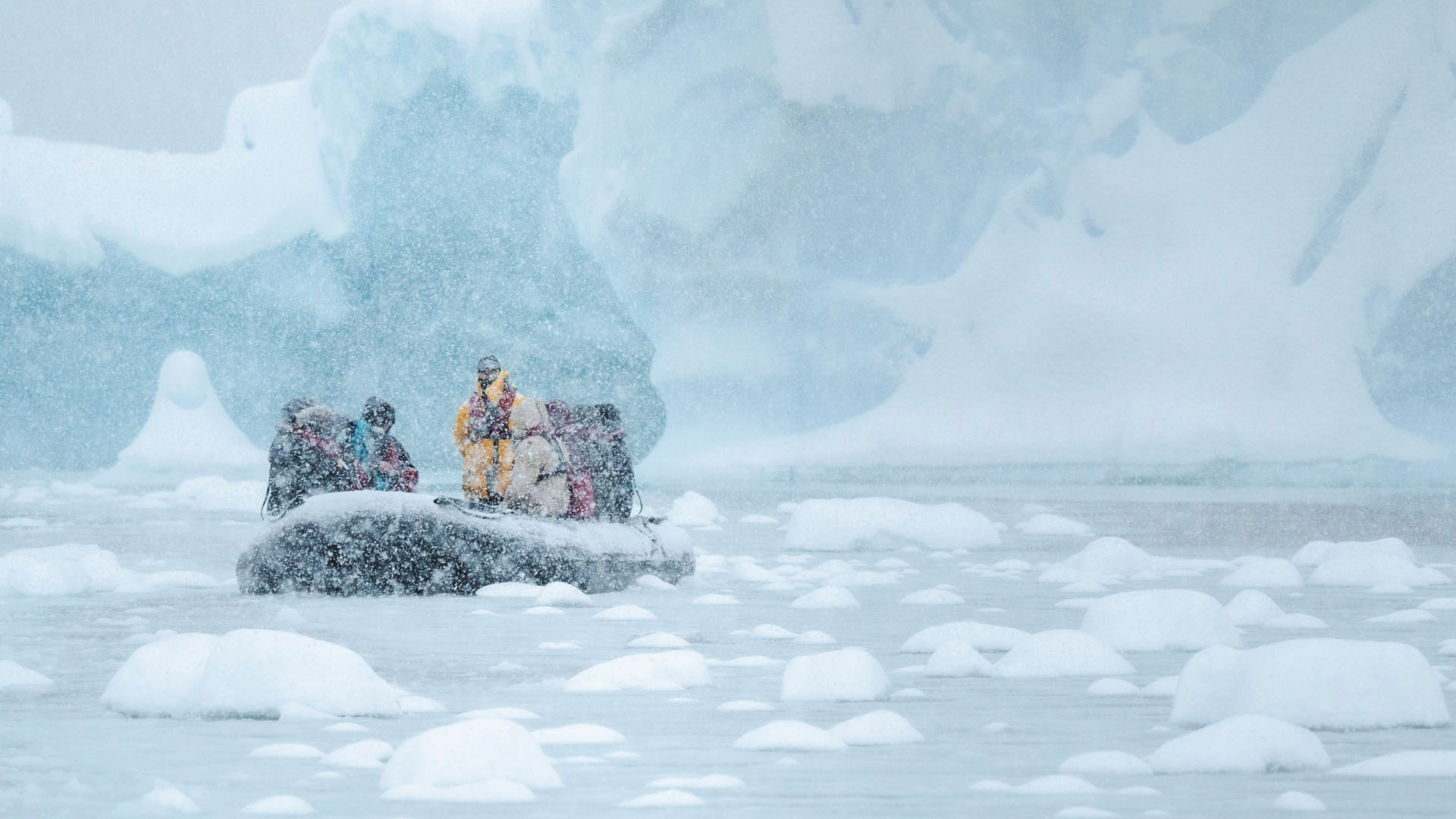
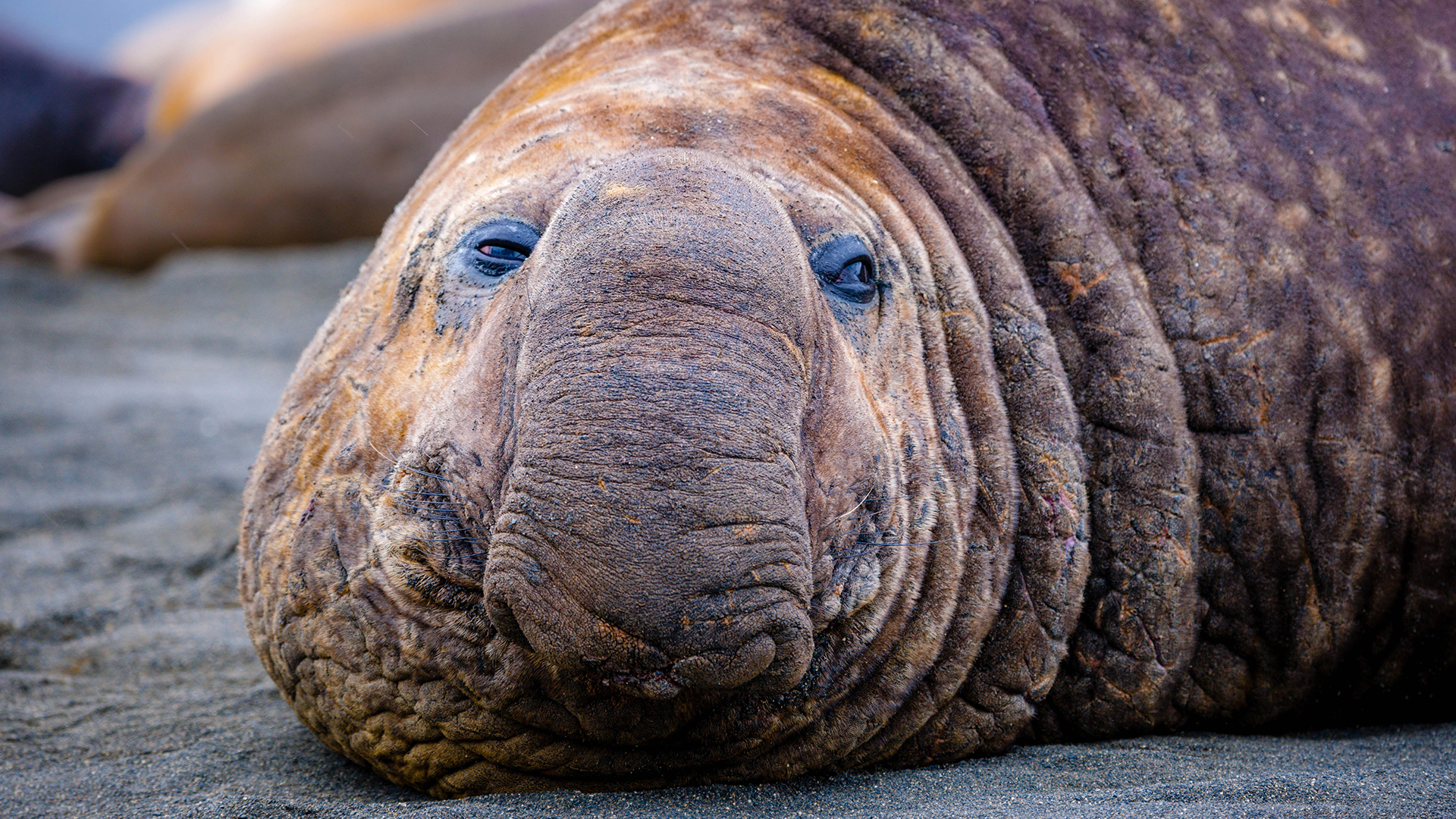
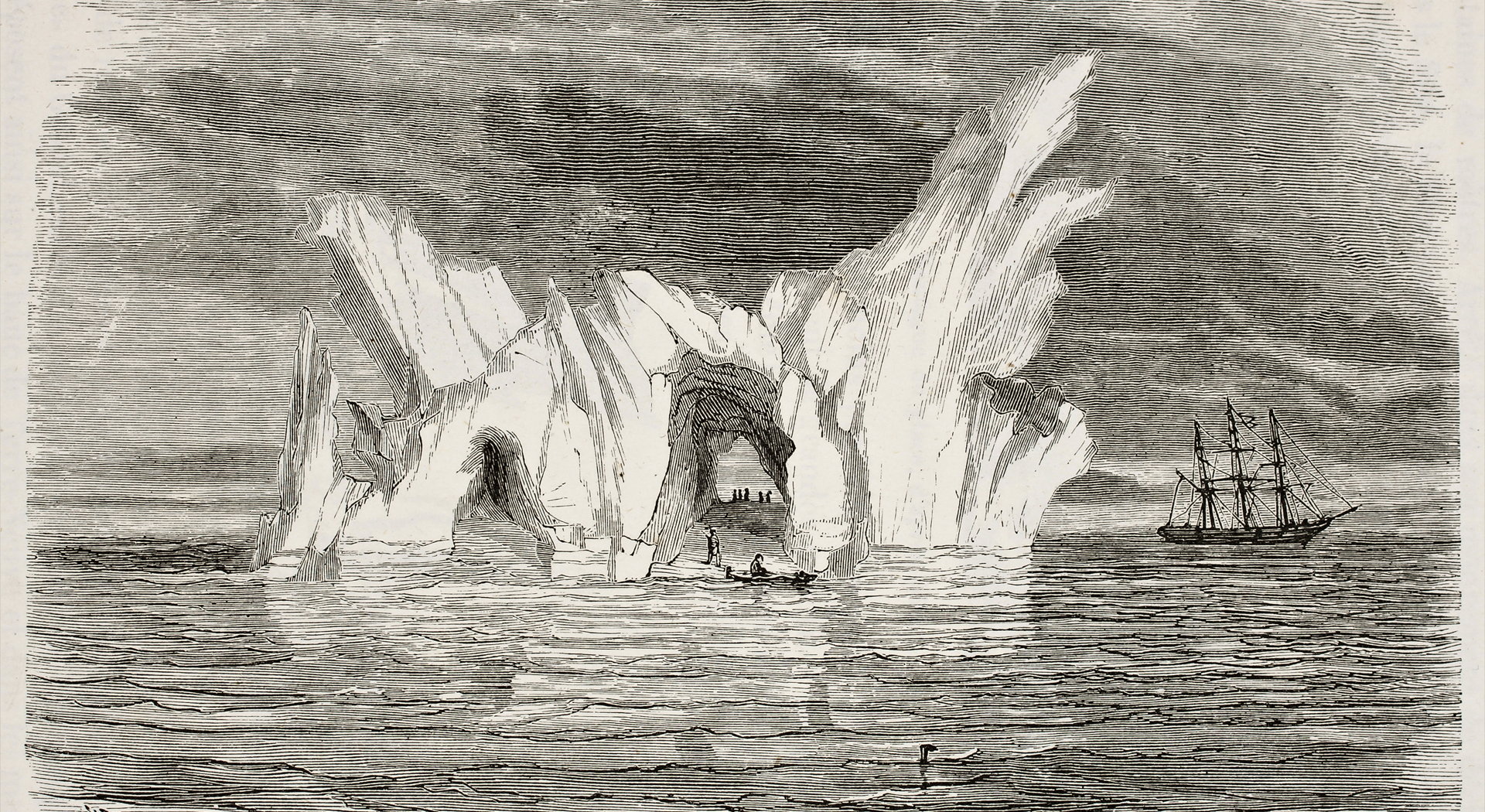
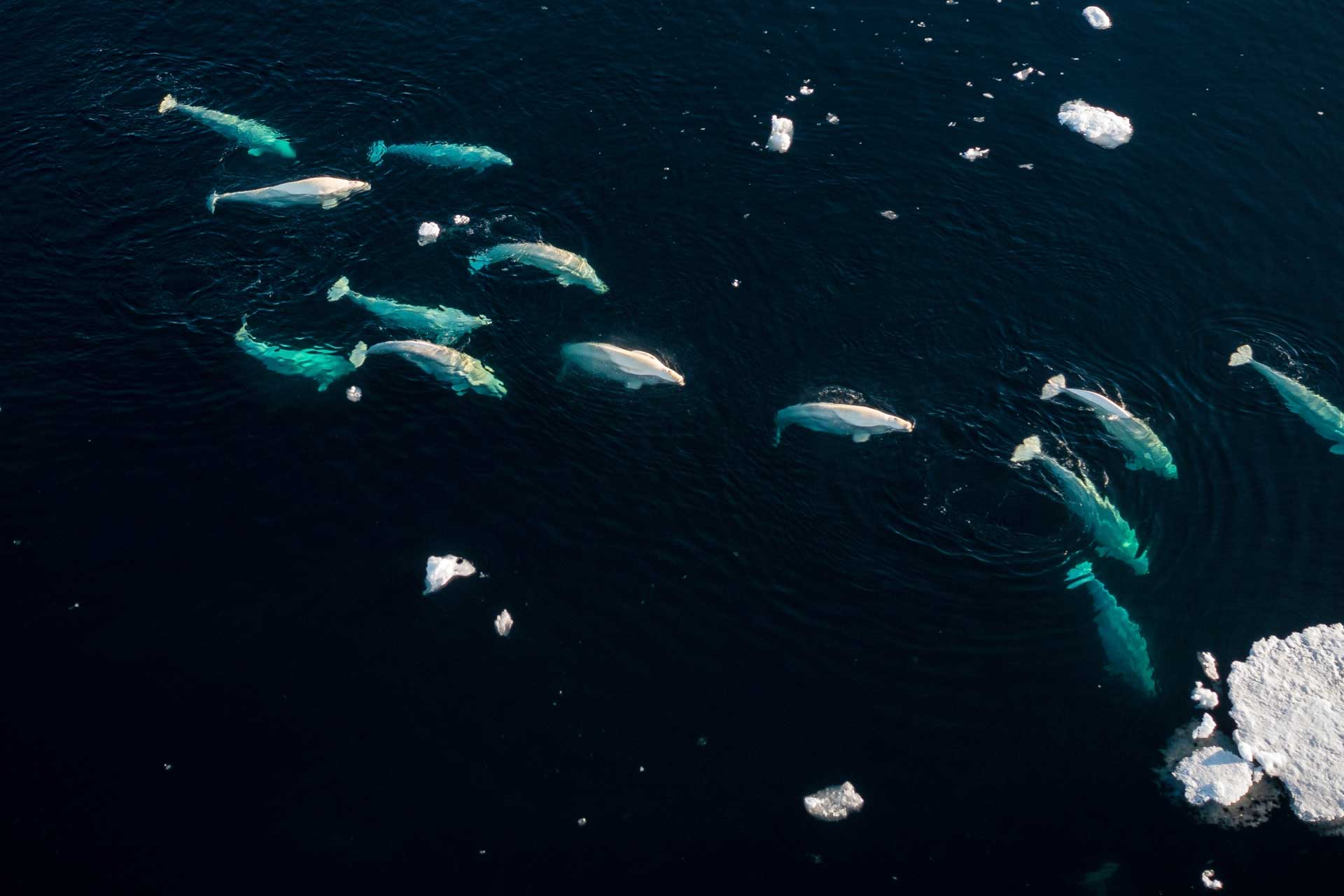
- Navegue en zodiac entre icebergs gigantes, acantilados de basalto y cabos llenos de vida mientras observa bueyes almizcleros, liebres árticas y, si tiene suerte, rorcuales aliblancos.
- Visite la remota Ittoqqortoormiit y pasee por los yacimientos de Thule para conocer mejor la cultura groenlandesa y su profundo pasado polar.
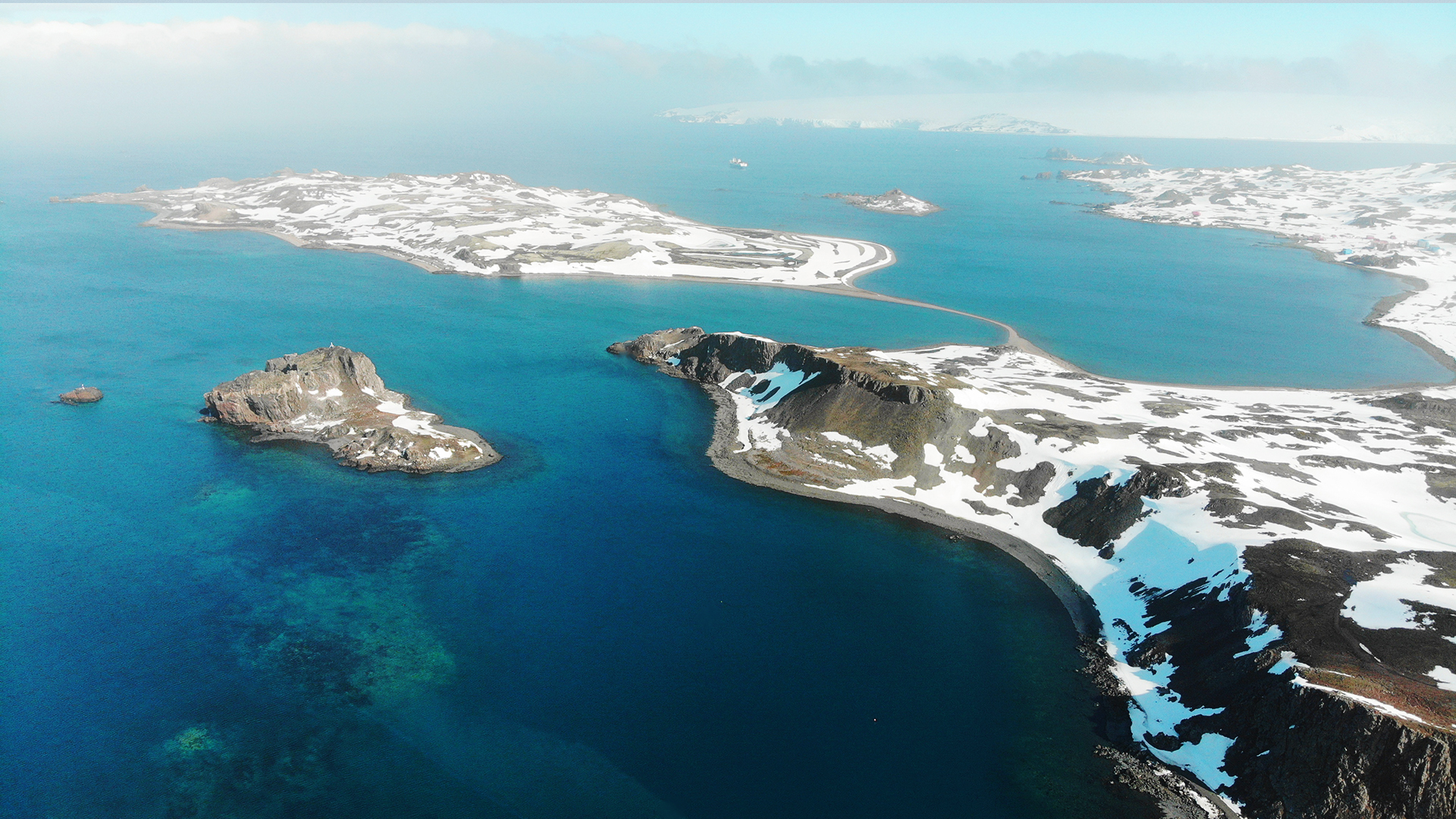
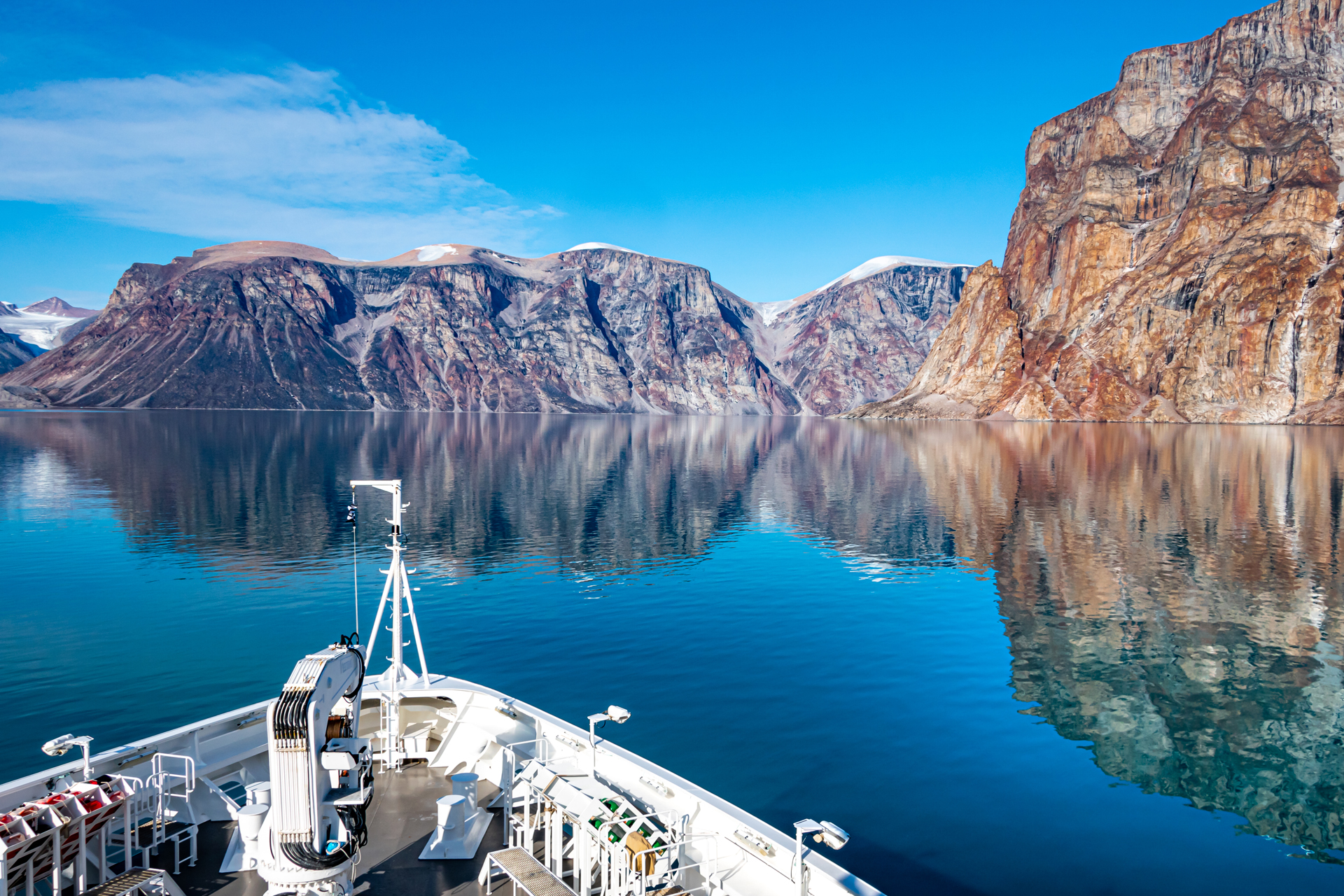
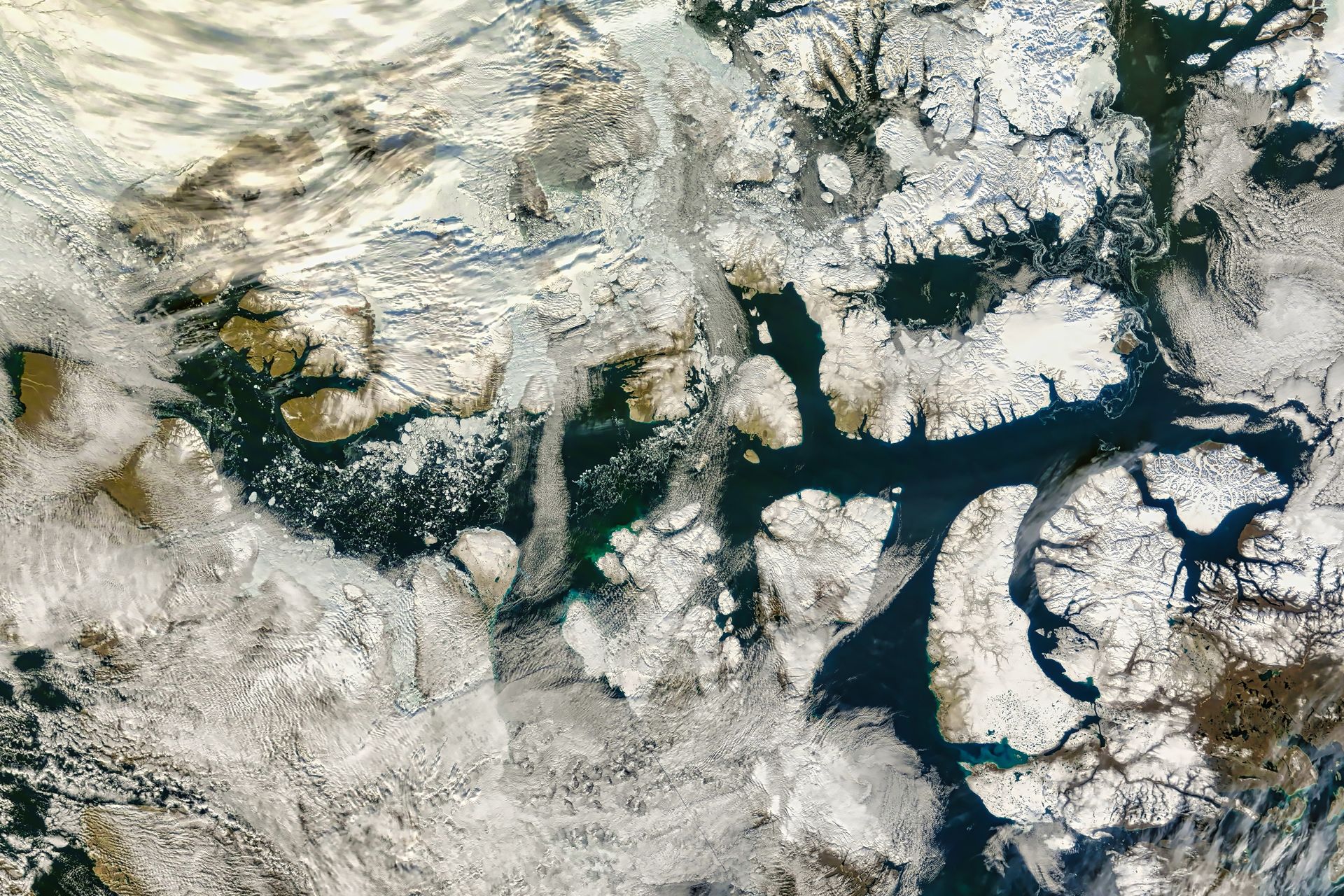
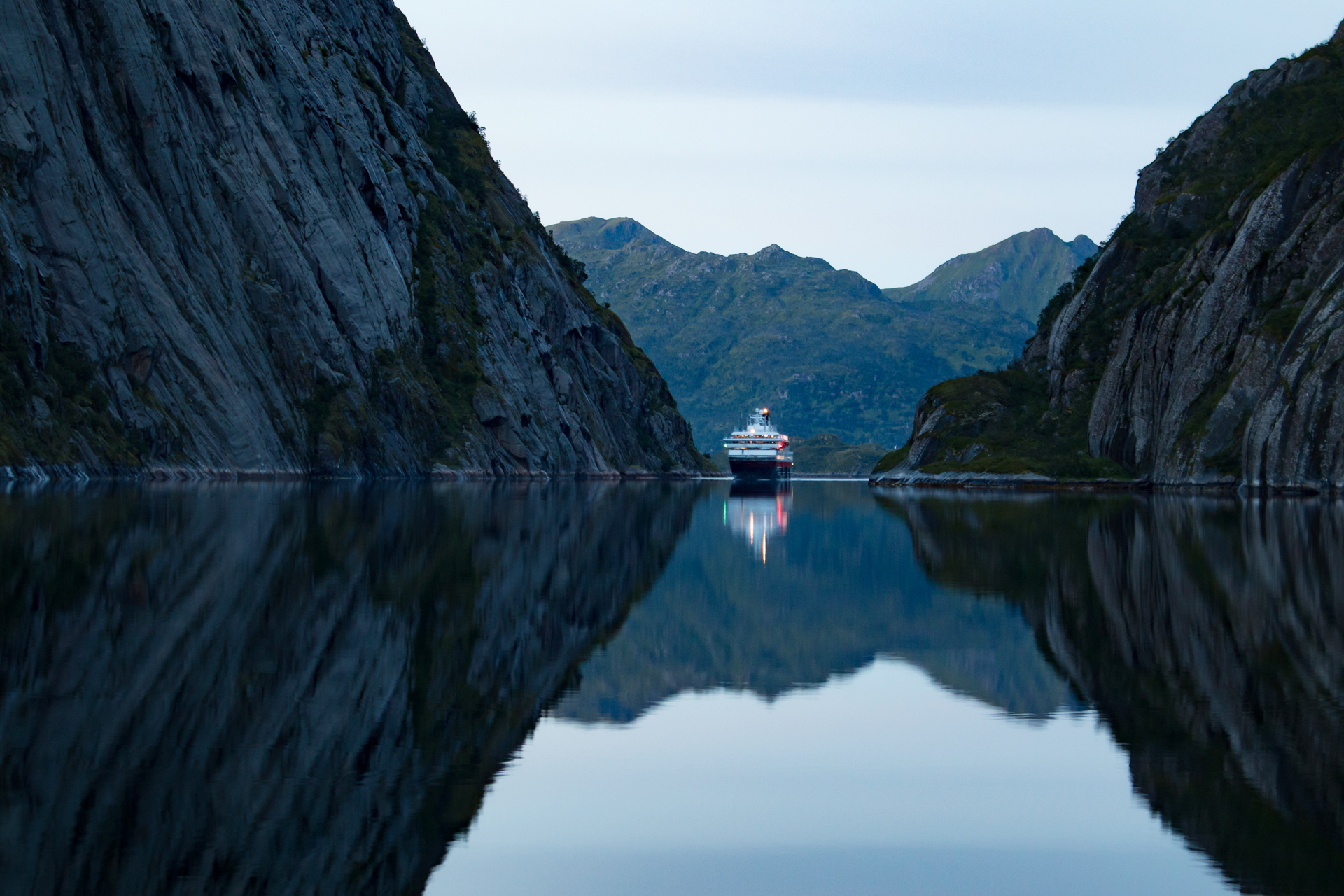
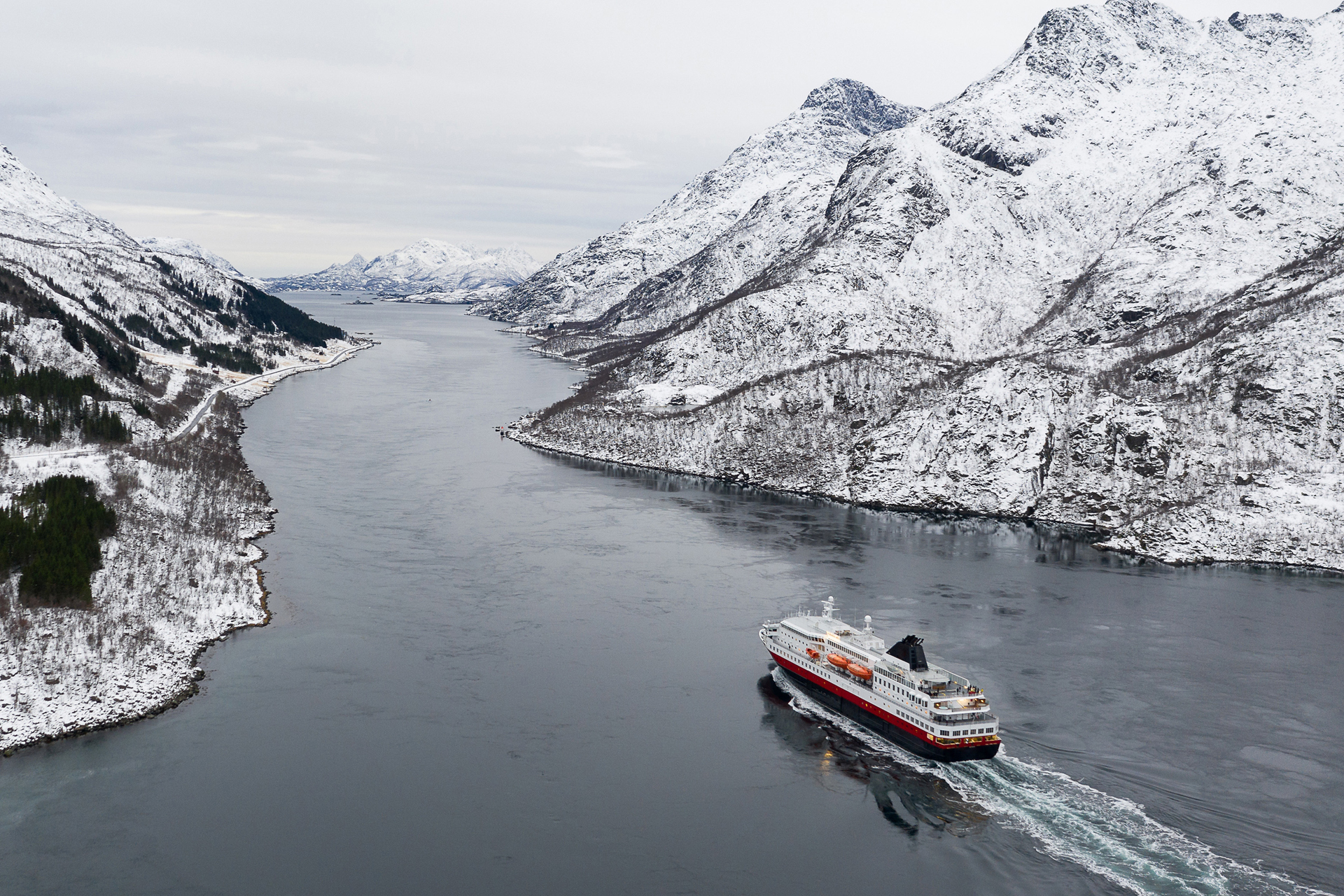
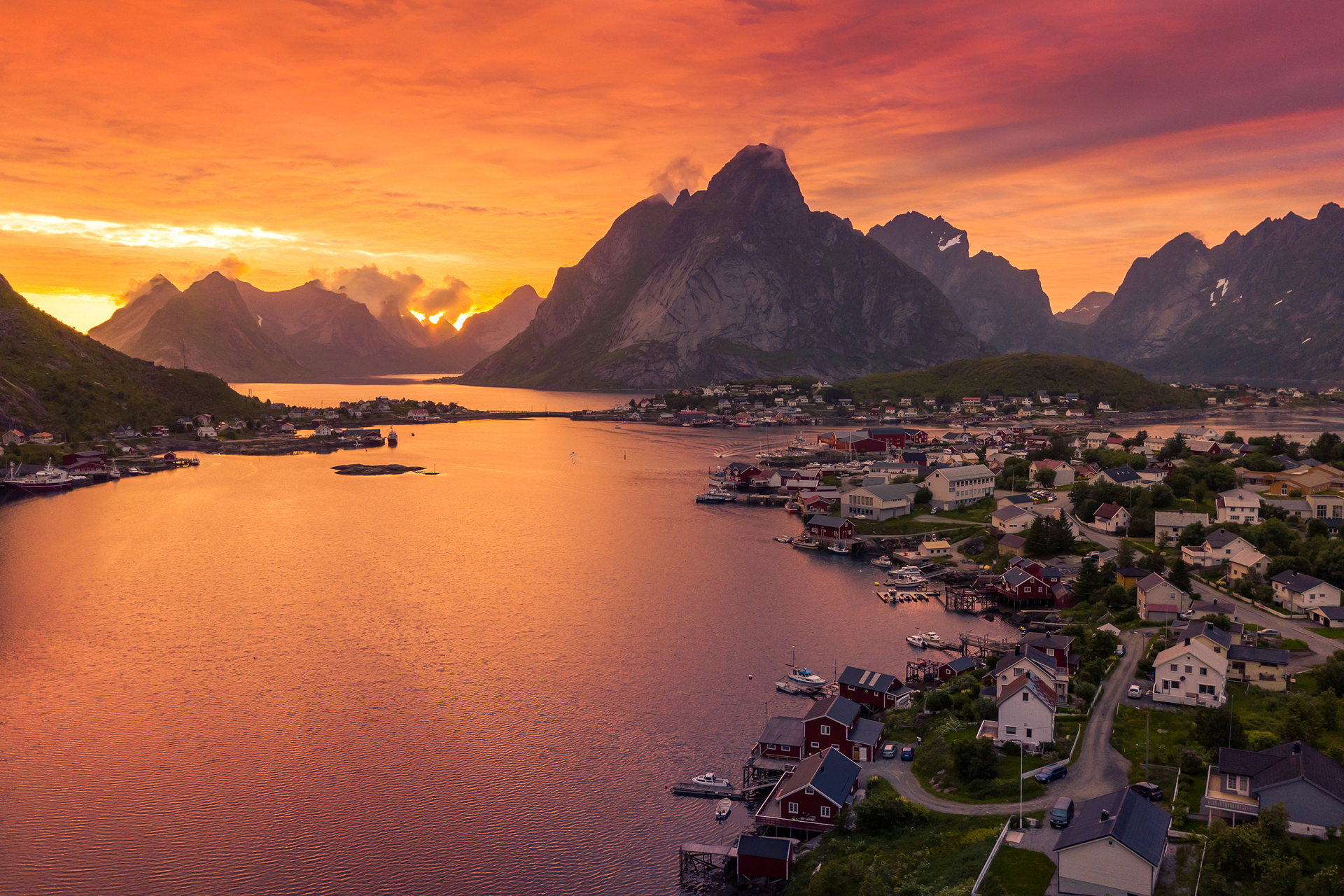
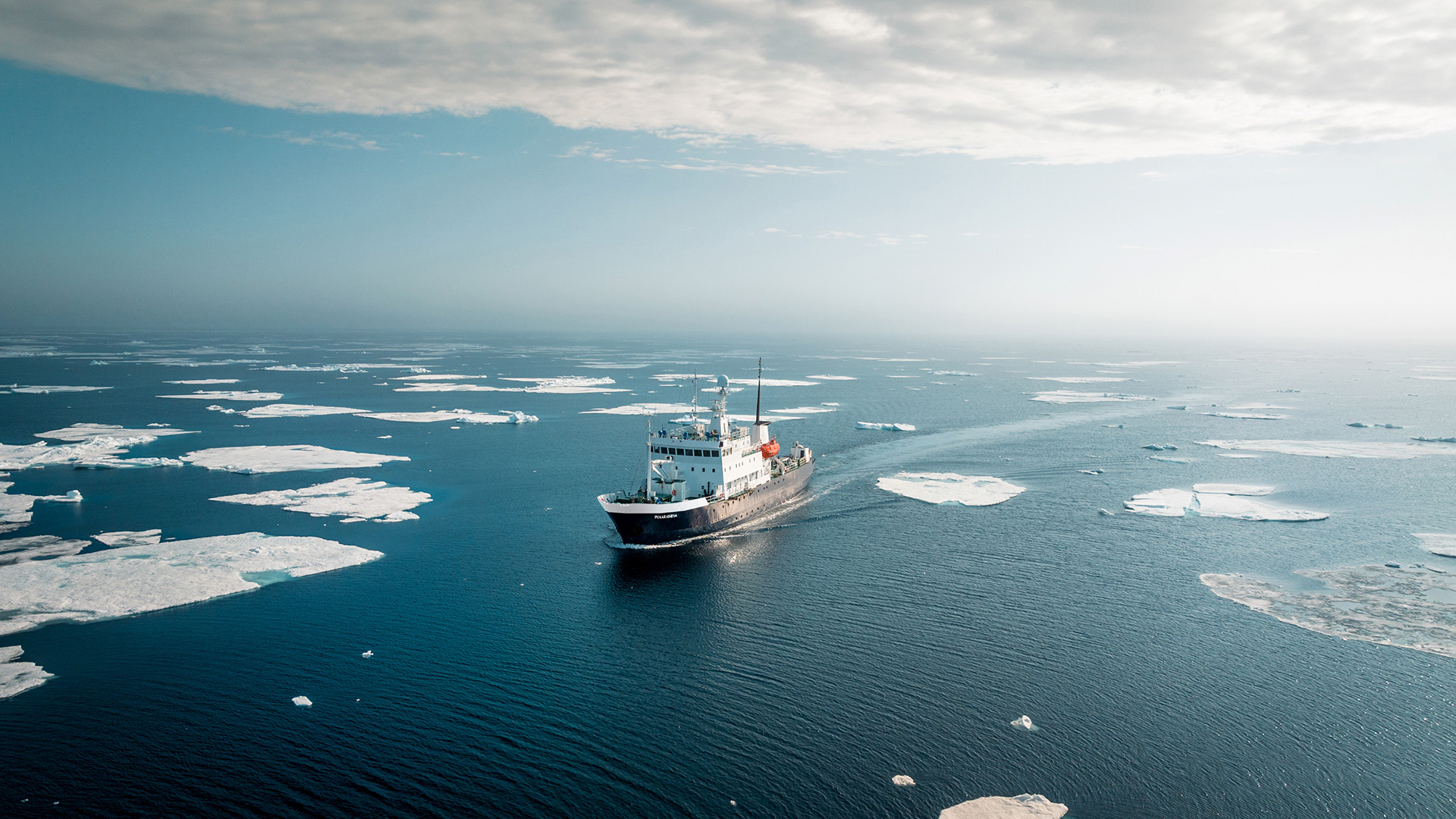
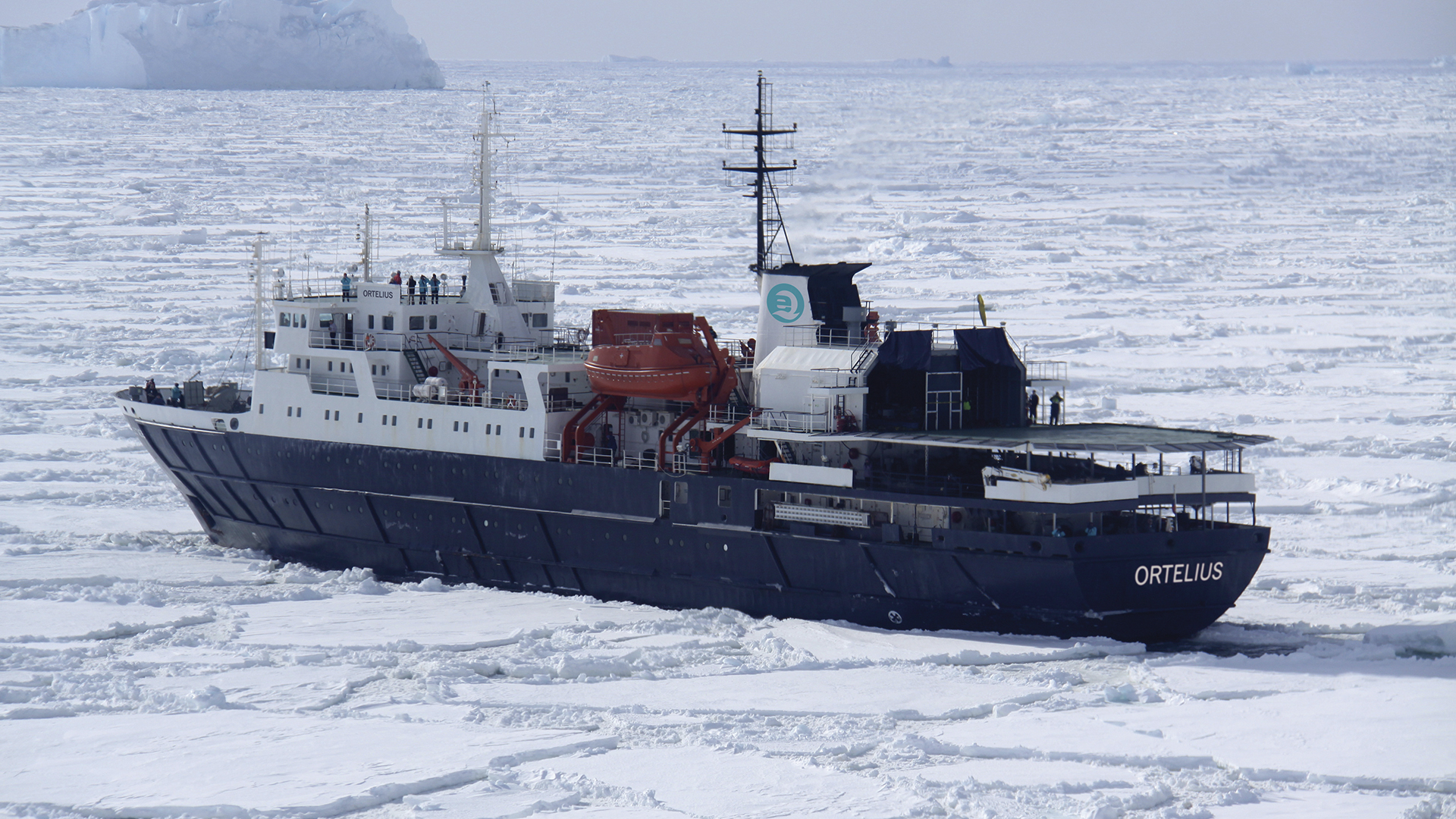
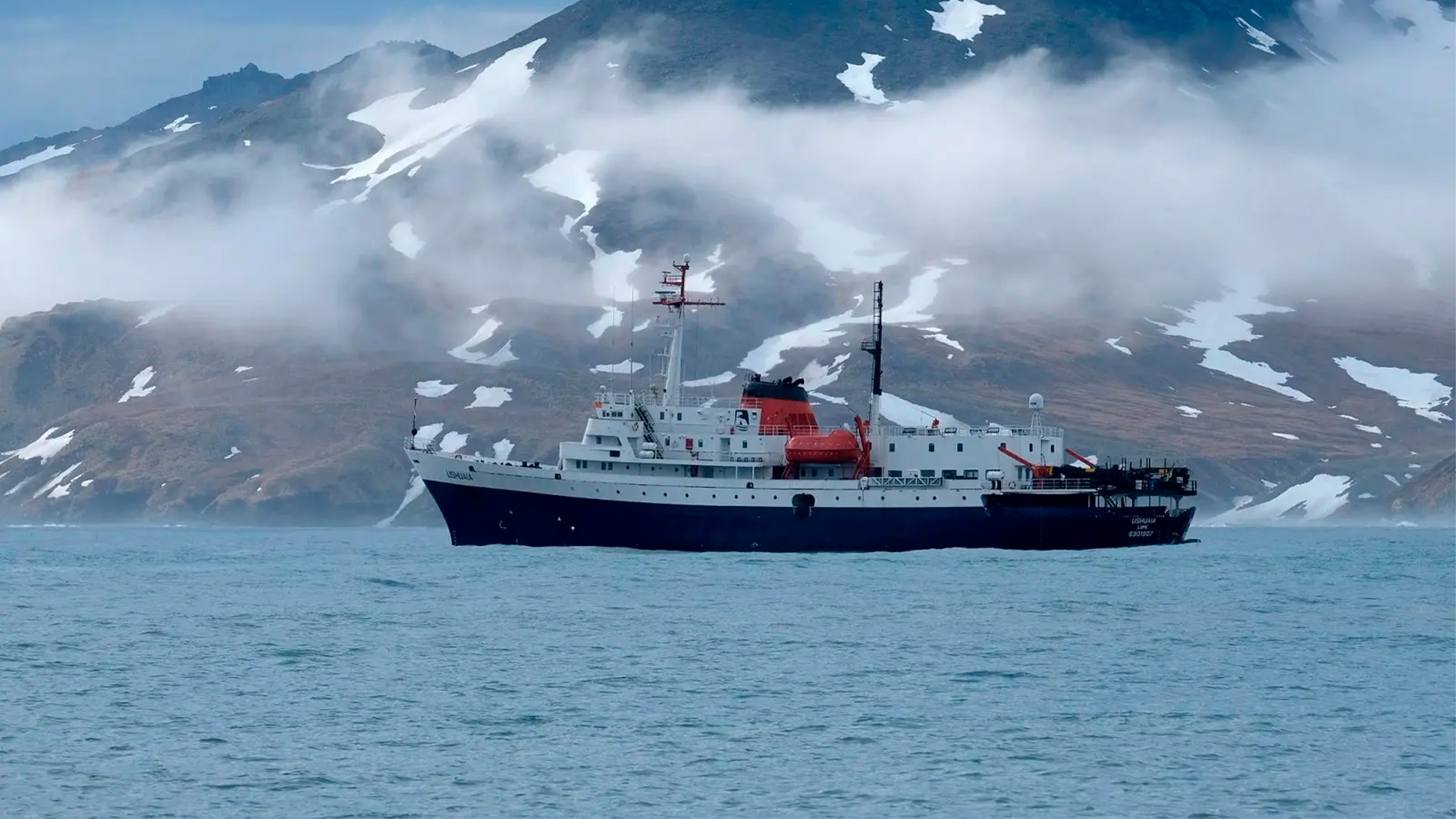
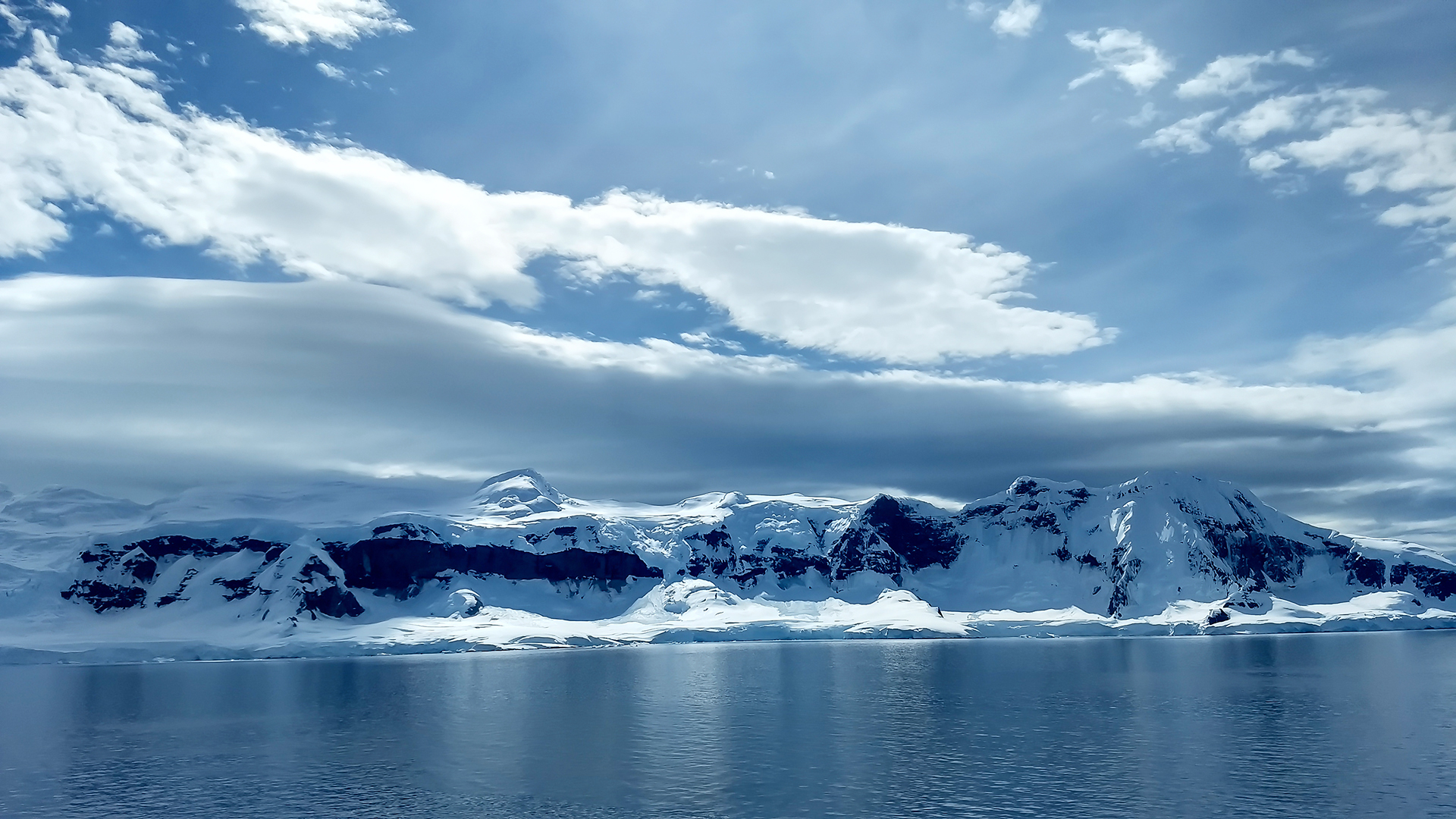
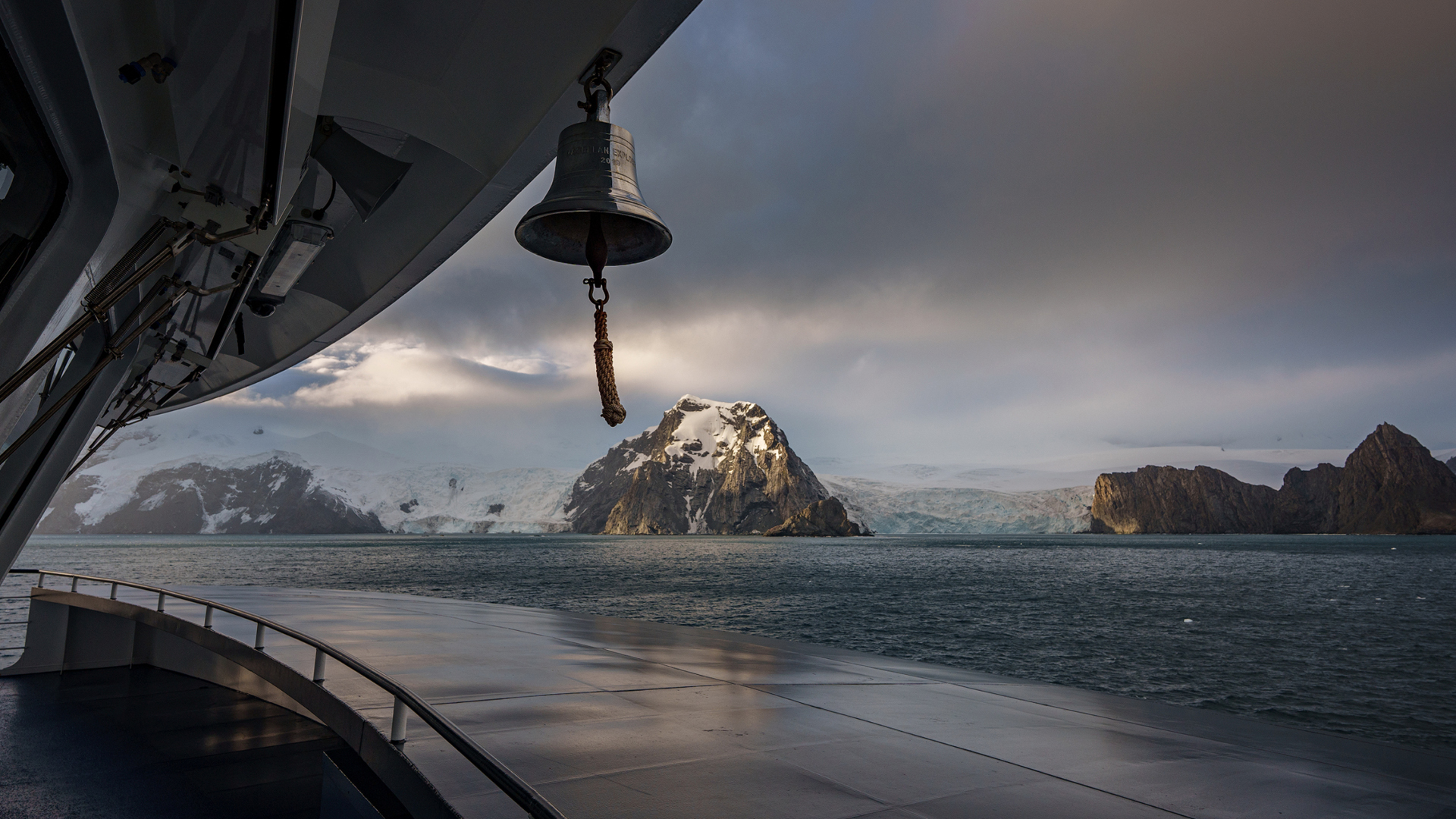
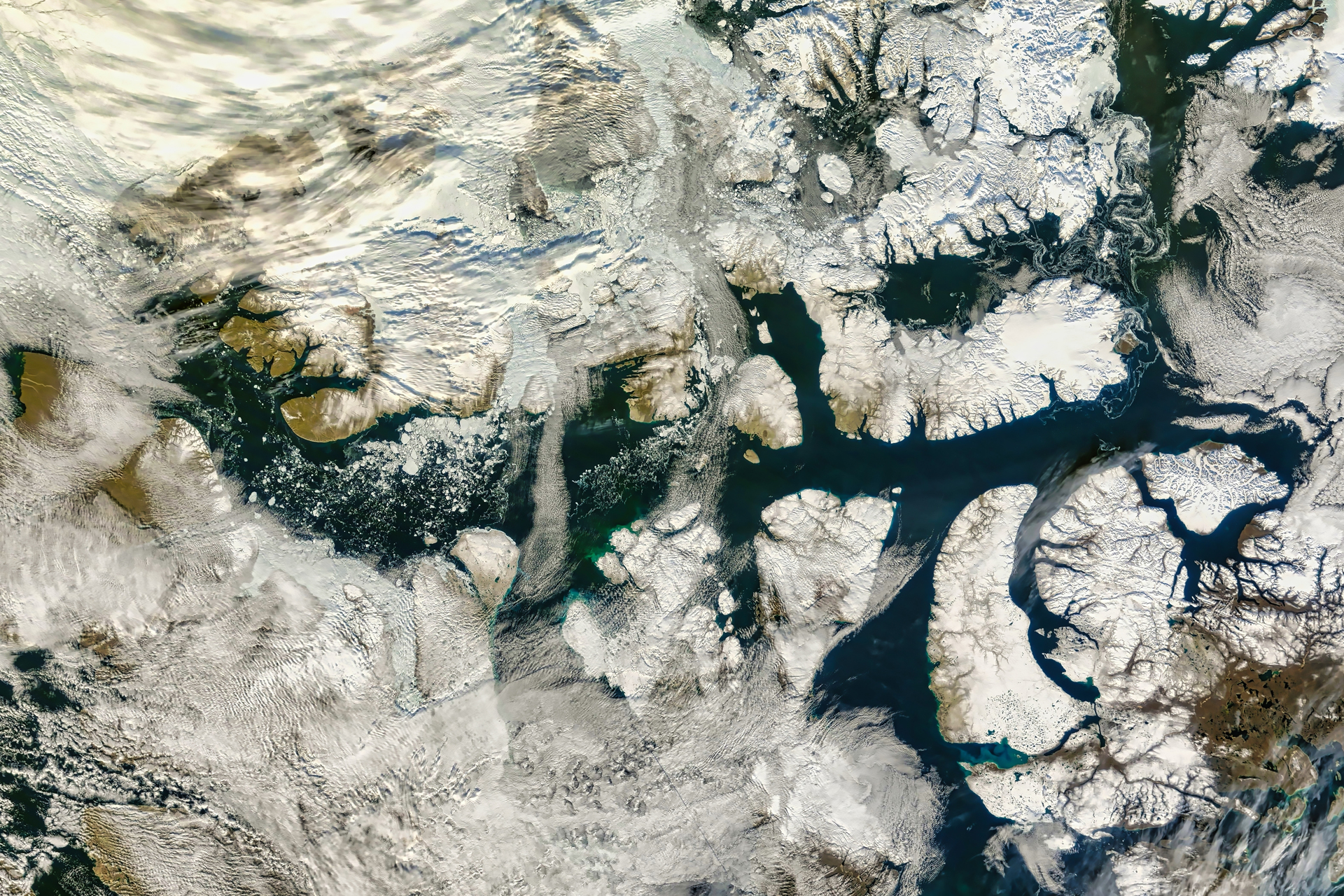
Emprenda esta singular expedición por el este de Groenlandia para trazar el dramático arco del sistema de fiordos más grande del mundo -Scoresby Sund-, un laberinto de otro mundo de escarpadas paredes de basalto, colosales icebergs encallados, tundra teñida de otoño y antiguos yacimientos arqueológicos inuit. Navegando desde el norte de Islandia y cruzando el Círculo Polar Ártico, su viaje le llevará desde aguas ricas en aves marinas a un reino donde los paisajes glaciares de Groenlandia se alzan con un esplendor escultural y la lejanía en sí misma parece casi mítica.
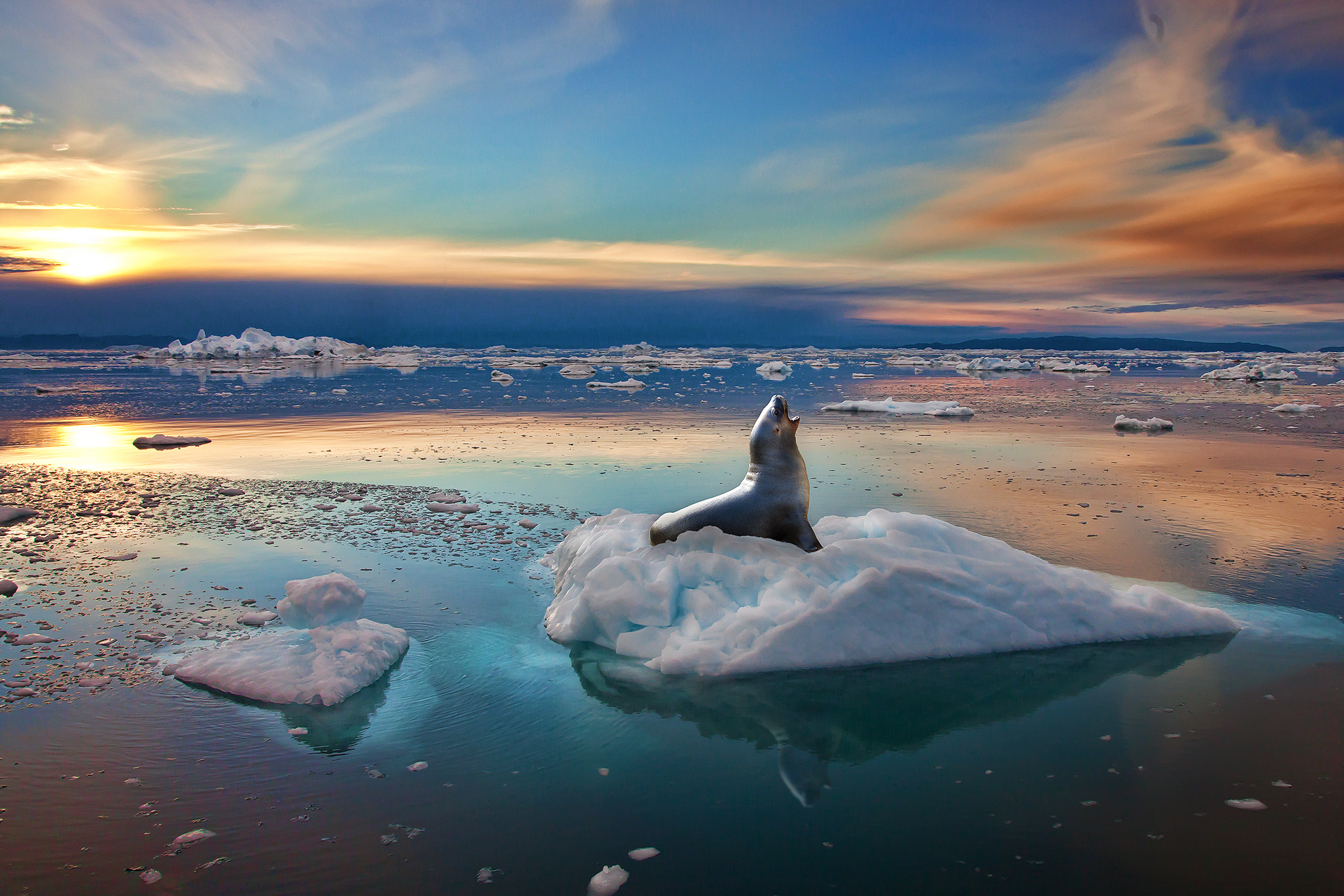
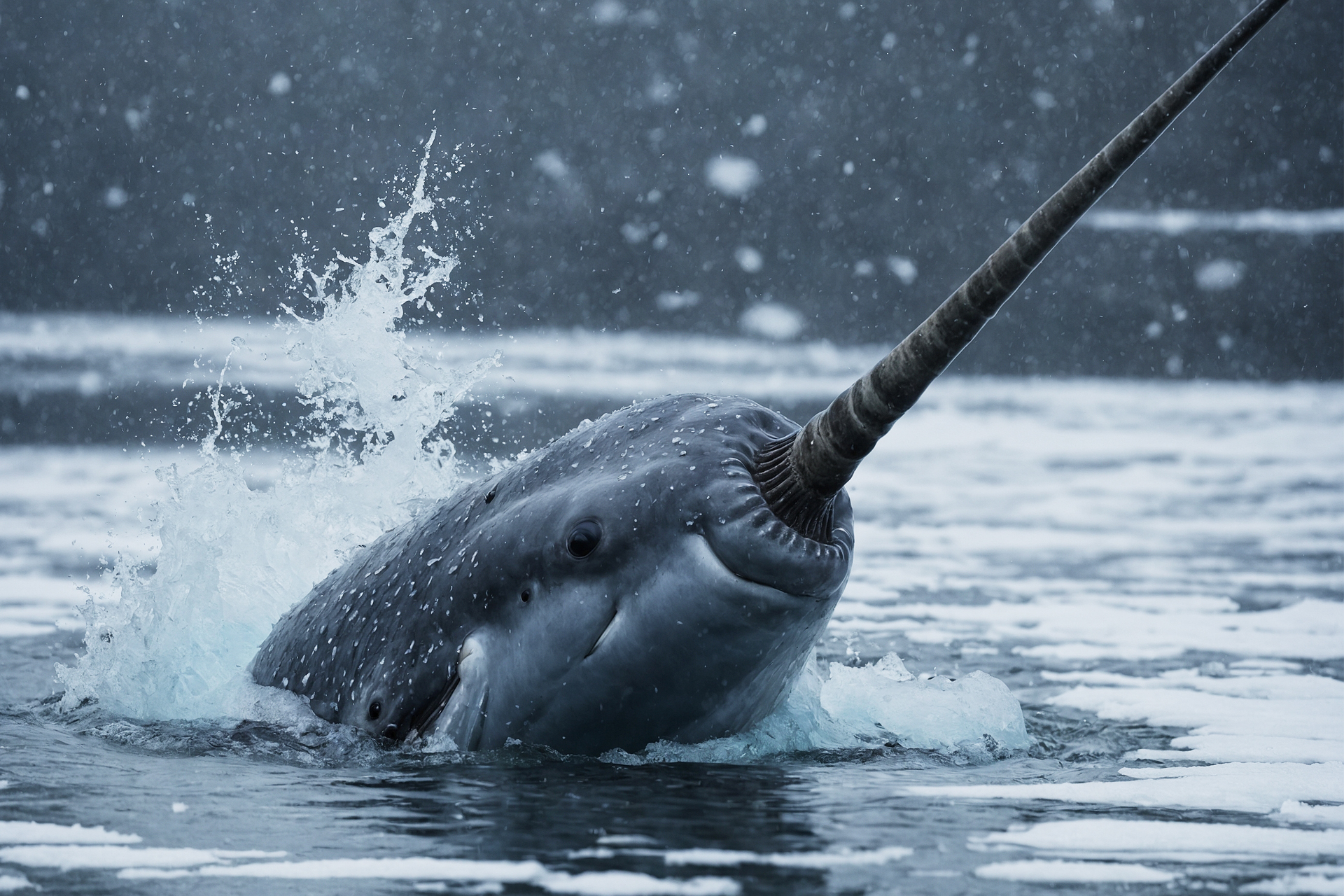
Programado para finales de verano y principios de otoño, este itinerario concede a los viajeros el raro privilegio de explorar Scoresby Sund cuando sus fiordos se abren, la tundra brilla con los cálidos colores de la estación, los bueyes almizcleros son más visibles en las laderas y enormes icebergs se desplazan en tranquila procesión por aguas tranquilas. Las condiciones de esta época del año también favorecen los encuentros con la fauna: ballenas en mar abierto, liebres árticas en Sydkap y la tentadora posibilidad de ver narvales en fiordos sin glaciares.
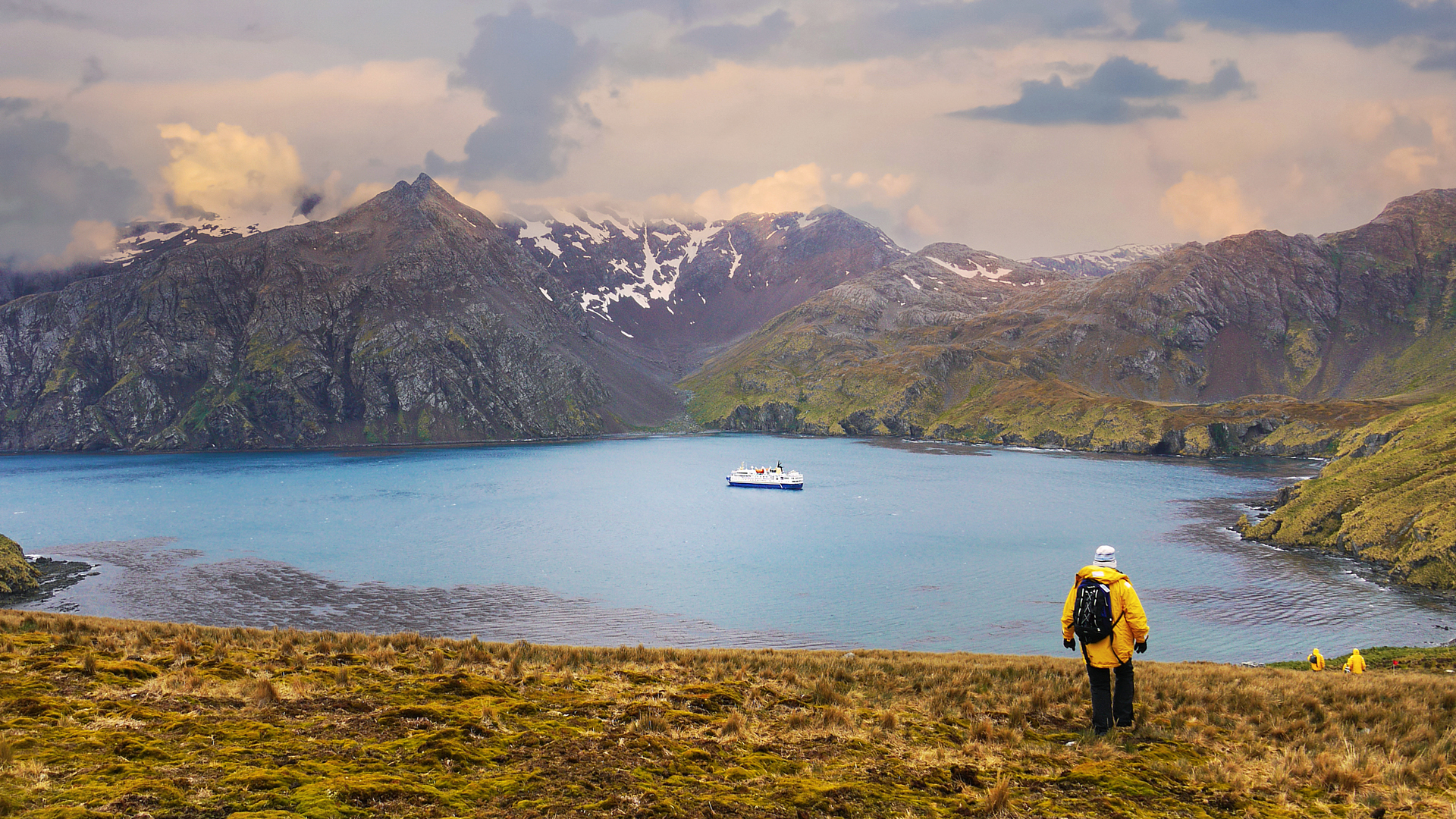
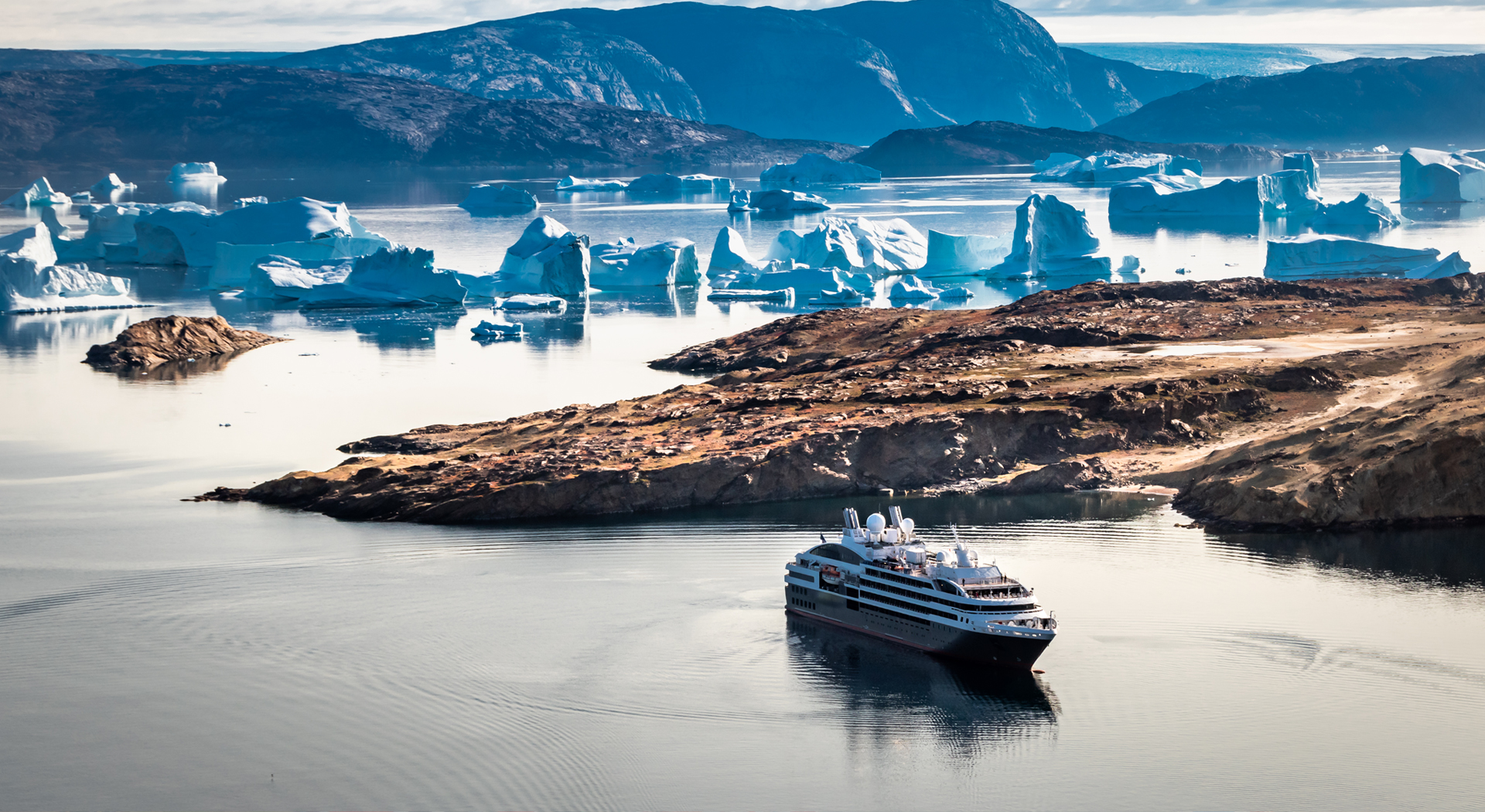
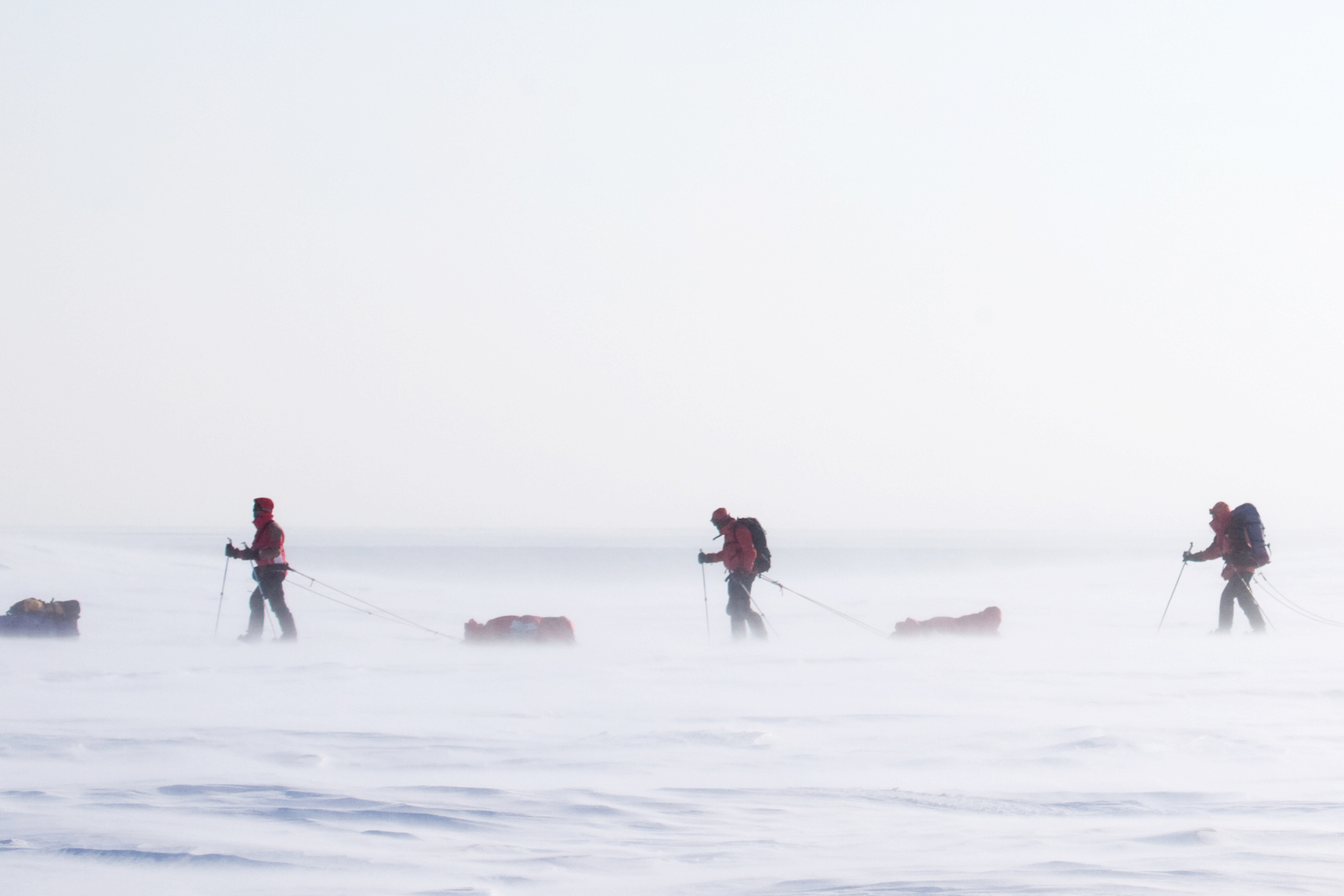
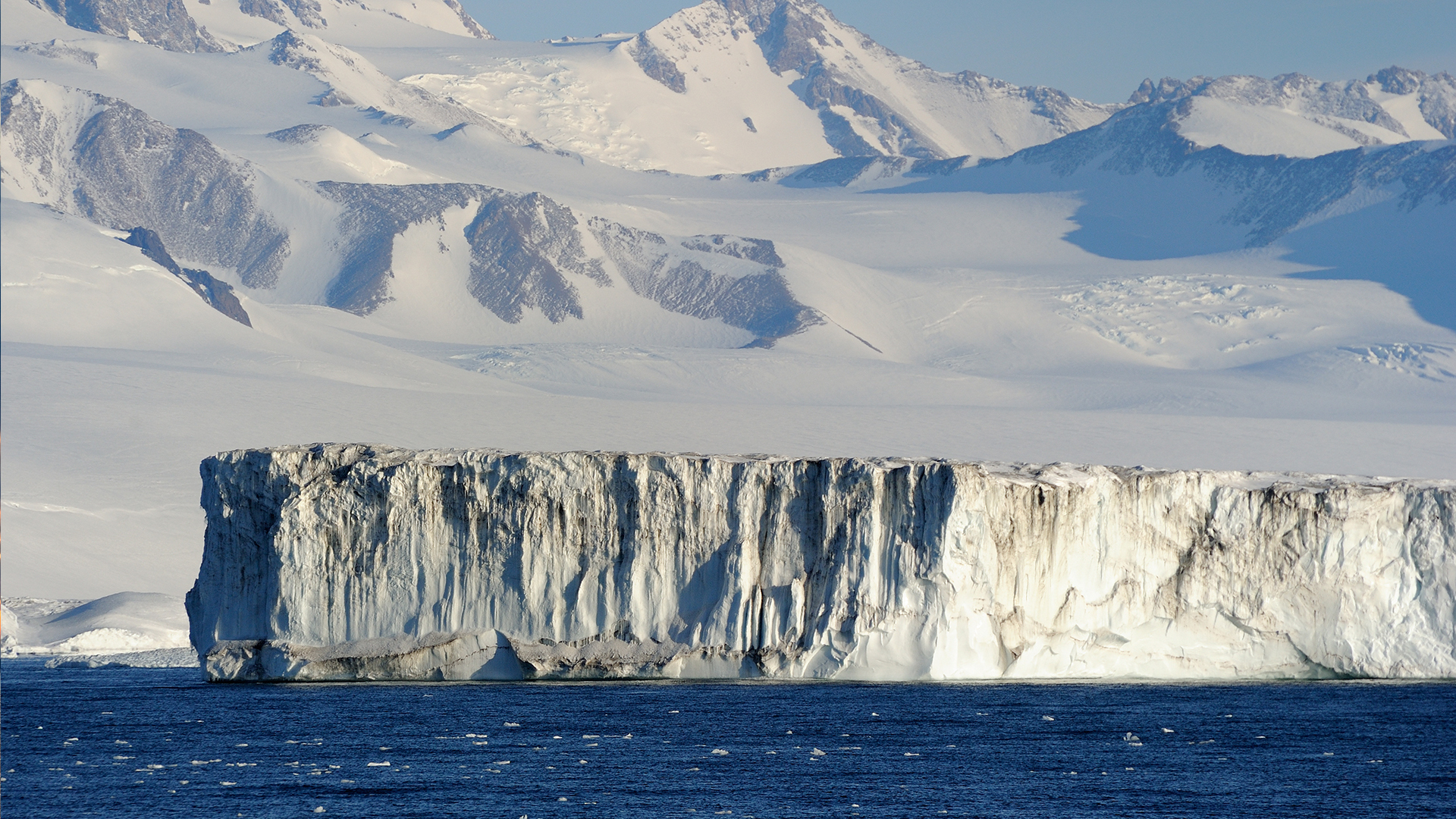
Sus días se desarrollan a través de una dinámica mezcla de exploraciones en zodiac, caminatas guiadas y desembarcos inolvidables. Navegue por los frentes de los glaciares, serpentee entre icebergs del tamaño de rascacielos cerca de Milne Land y pasee por los vestigios culturales de Thule esparcidos por la costa. Entre en Ittoqqortoormiit, uno de los asentamientos más remotos de la Tierra, donde los perros de trineo dormitan en el aire fresco y la vida tradicional groenlandesa continúa con un vasto telón de fondo salvaje. A bordo, el paisaje transcurre en un silencio cautivador mientras expertos naturalistas explican la geología, la fauna y el profundo patrimonio cultural de la región.
Este viaje está diseñado para suscitar algo profundo: una sensación creciente de escala, soledad y asombro que acompaña a la aventura en lugares que pocos llegarán a ver. Cruzar el Círculo Polar Ártico, caminar por la tundra virgen y explorar fiordos libres de la vida moderna deja en los viajeros una poderosa sensación de logro y conexión con el Ártico.
Per...
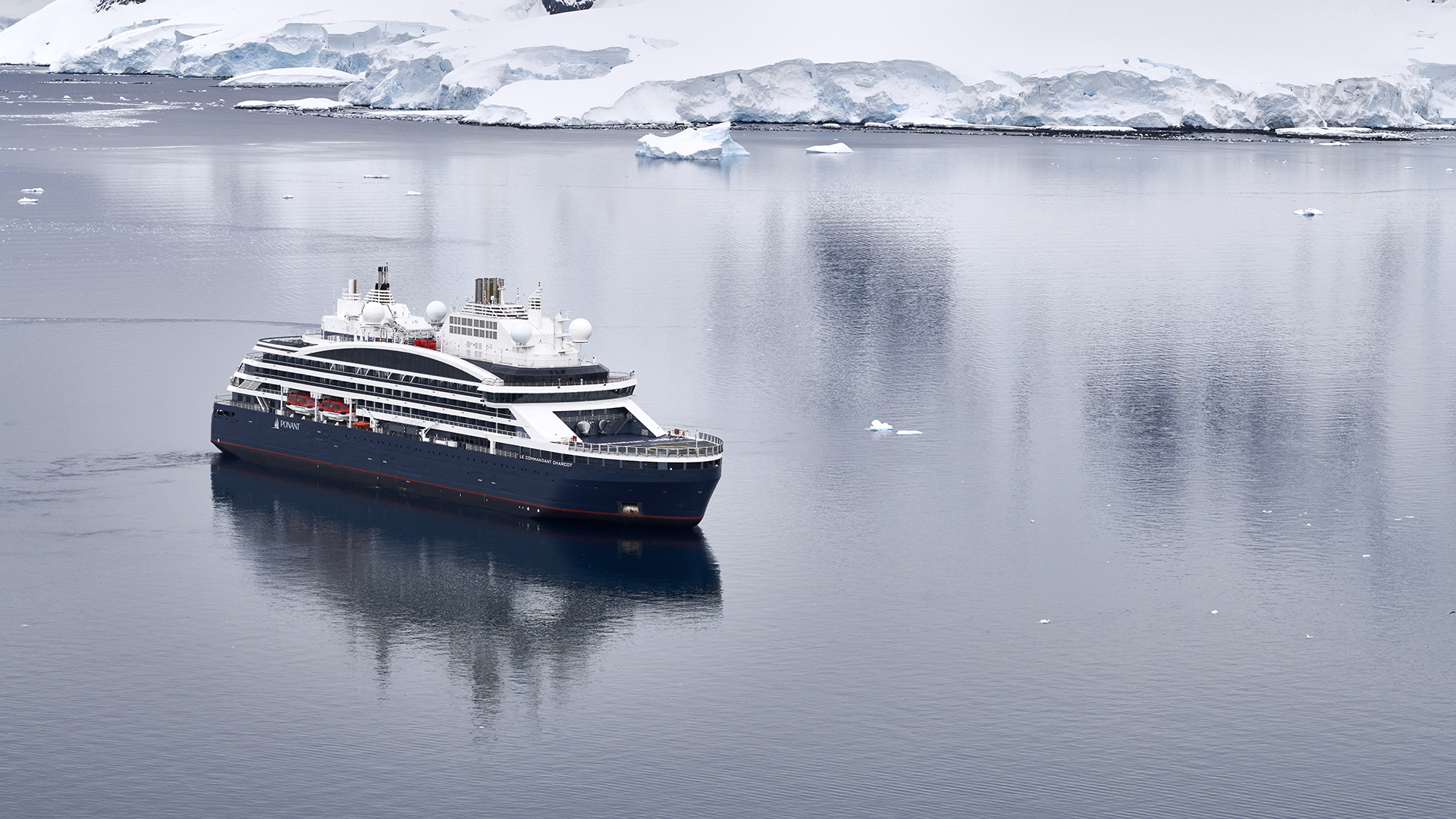
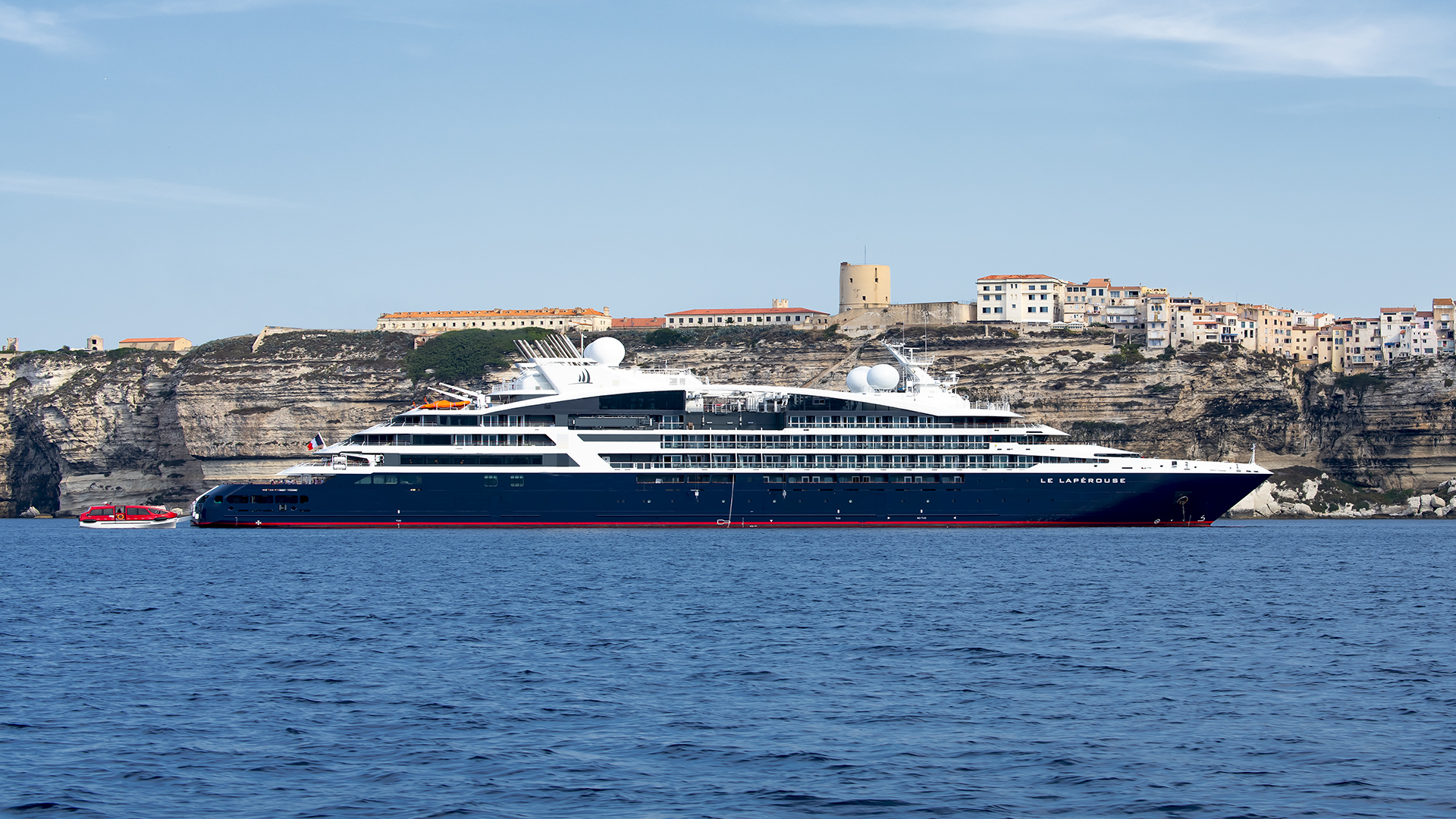
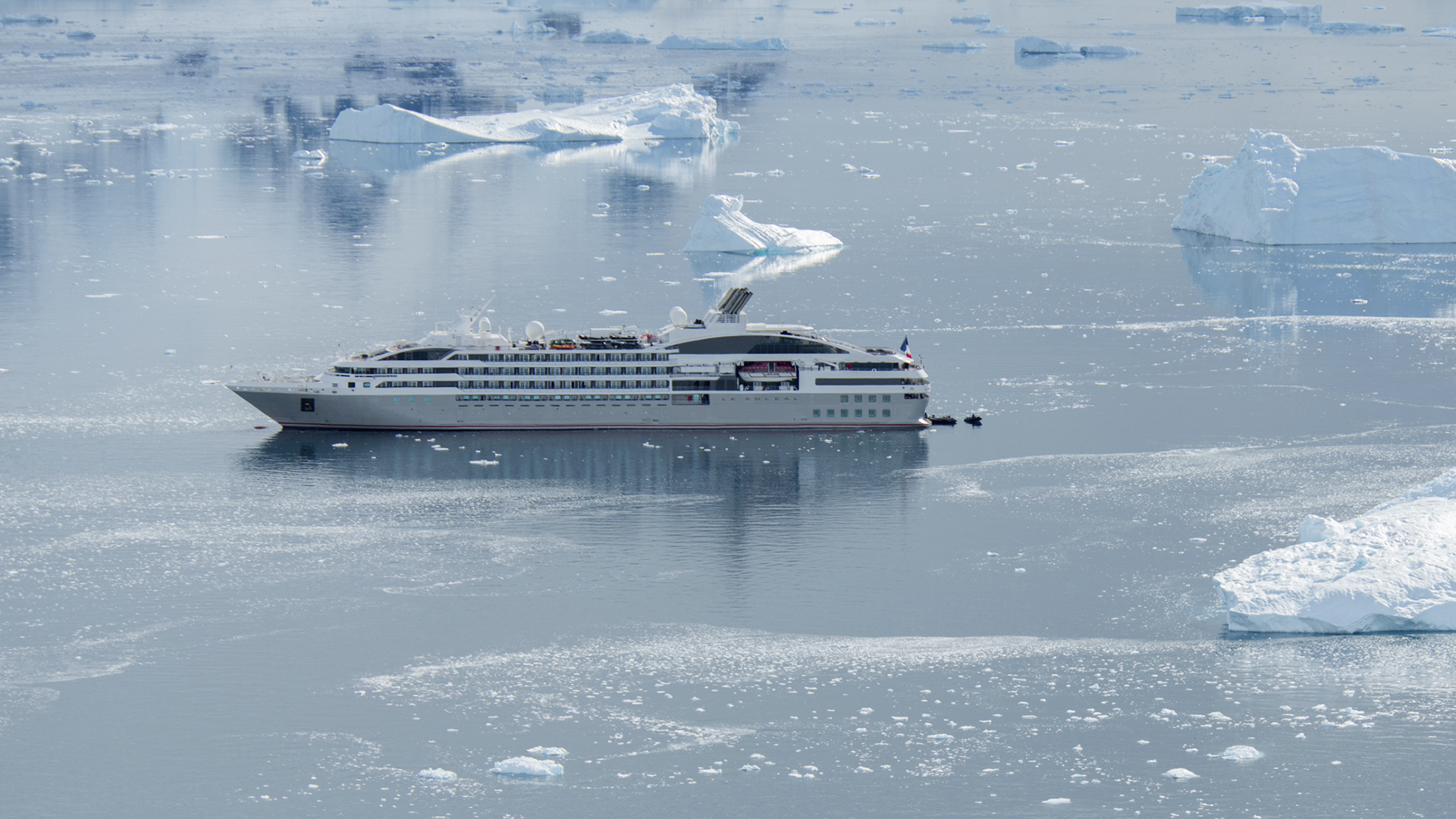
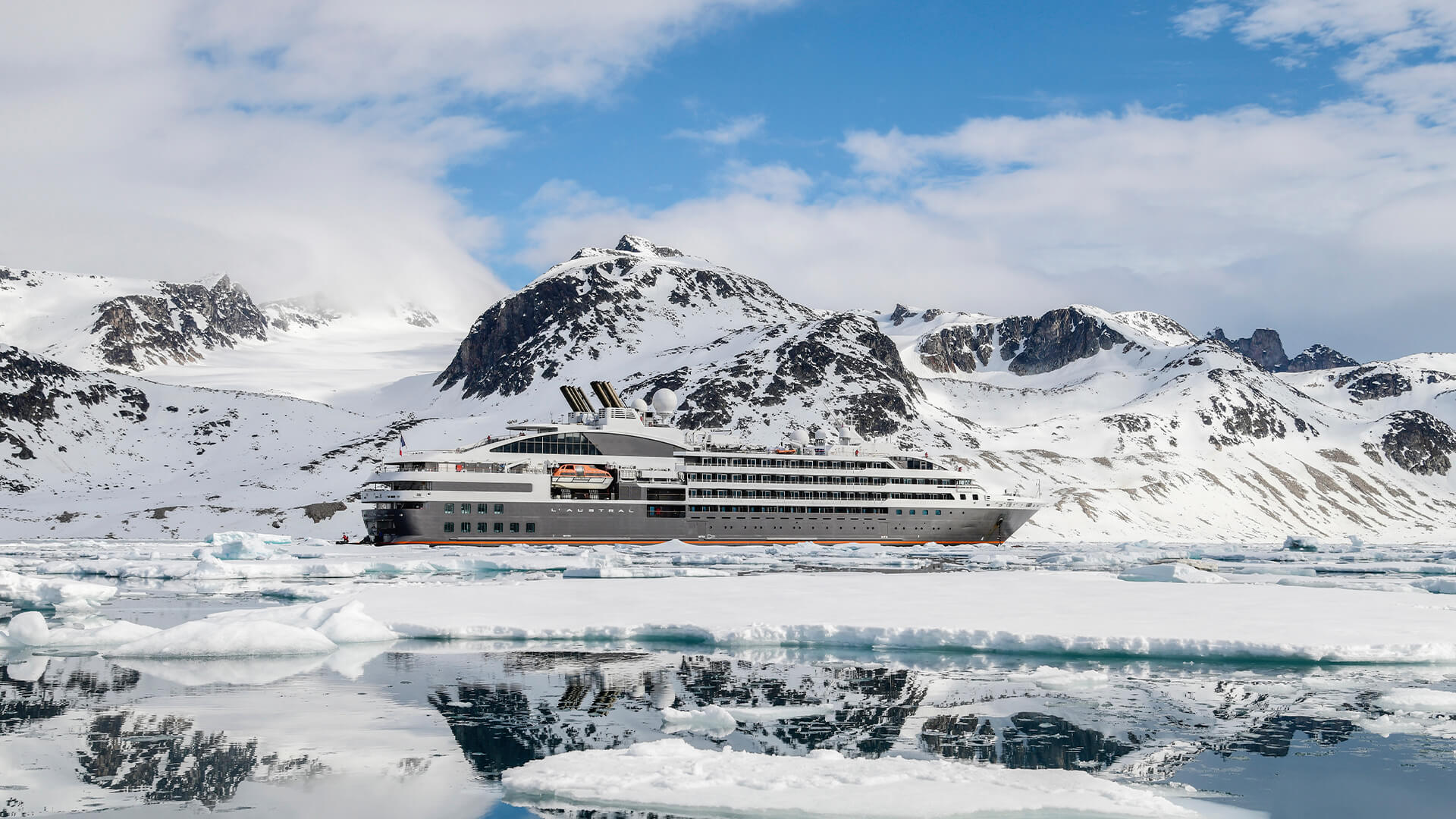
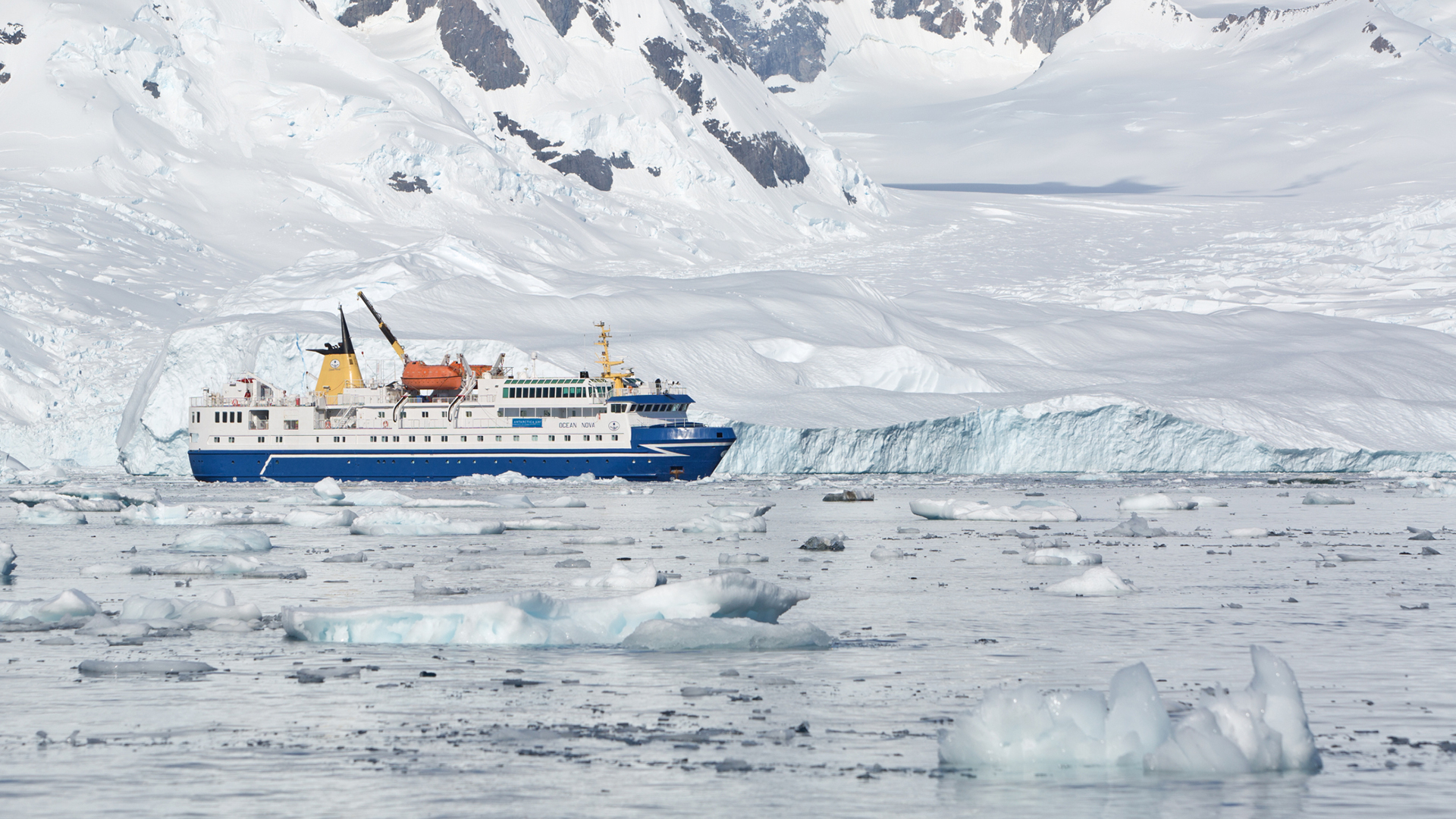
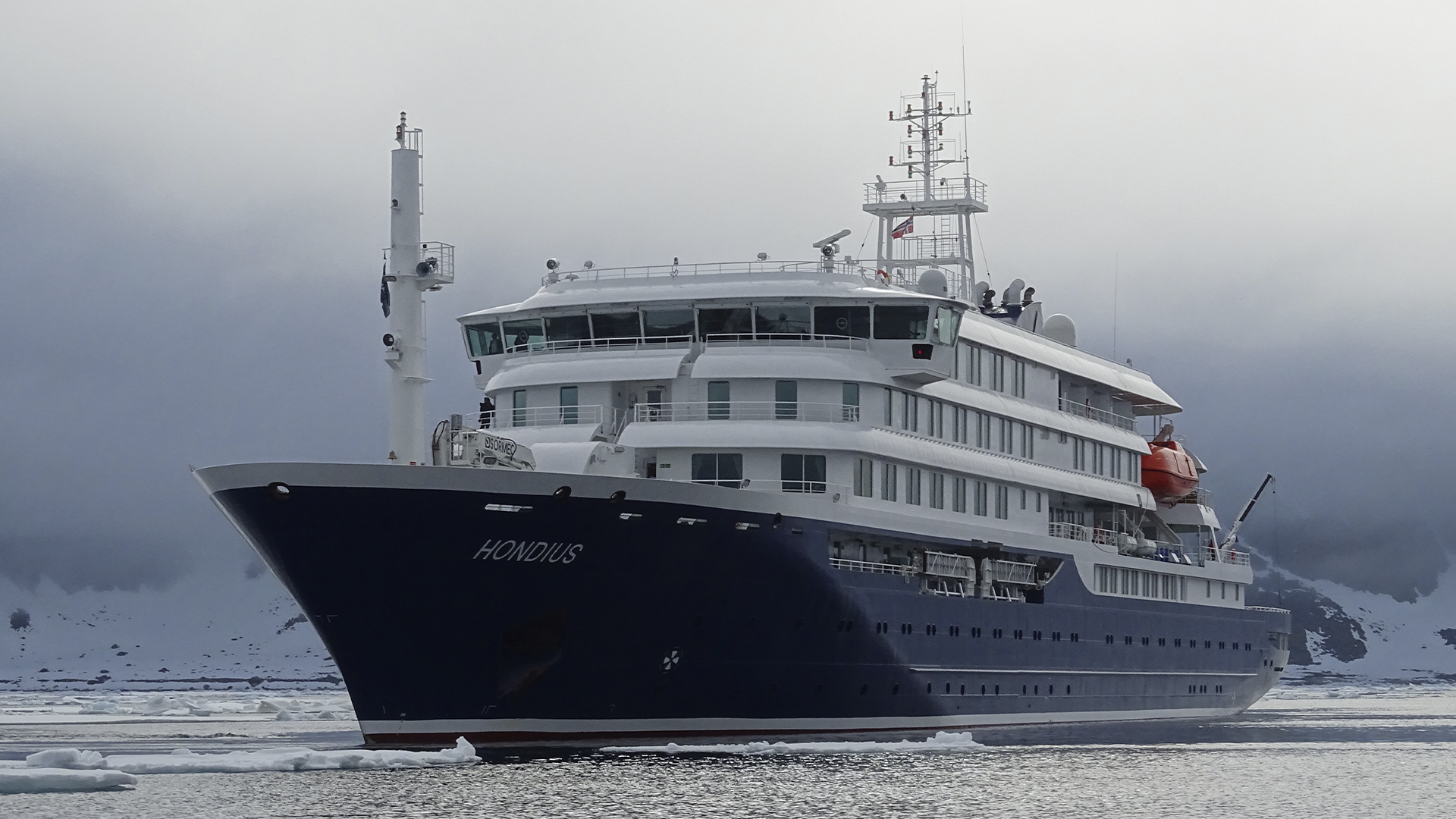
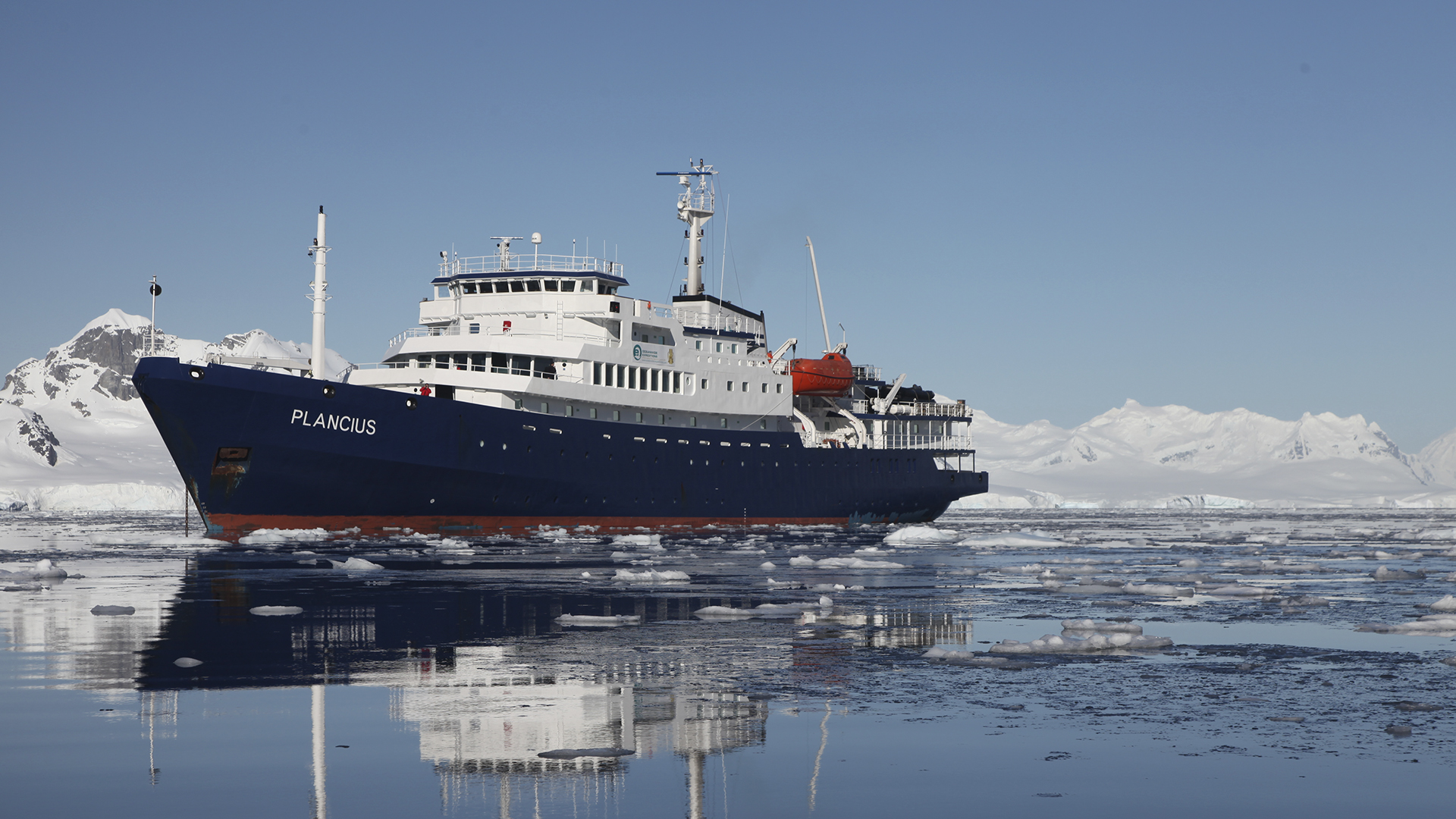
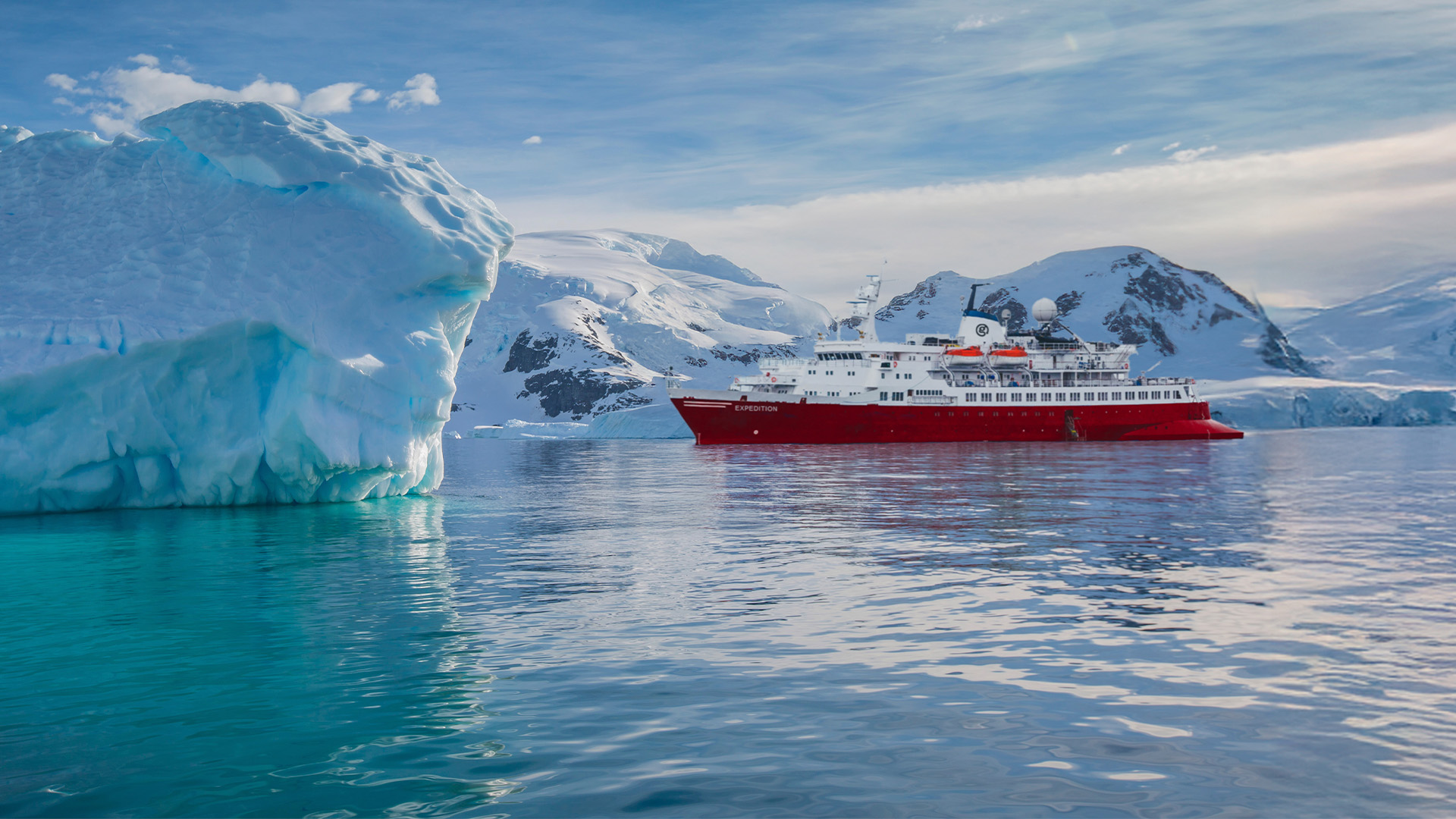
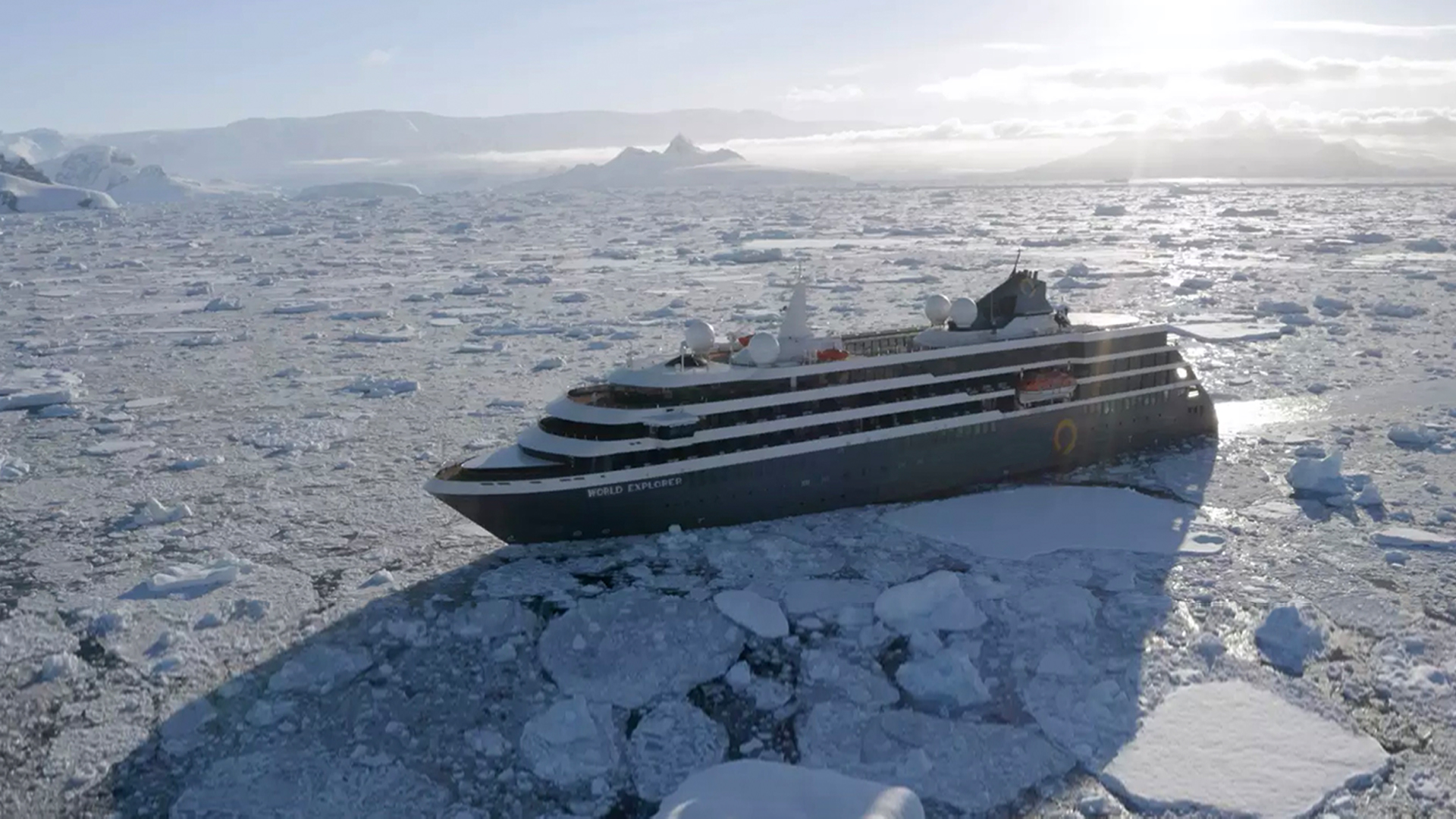
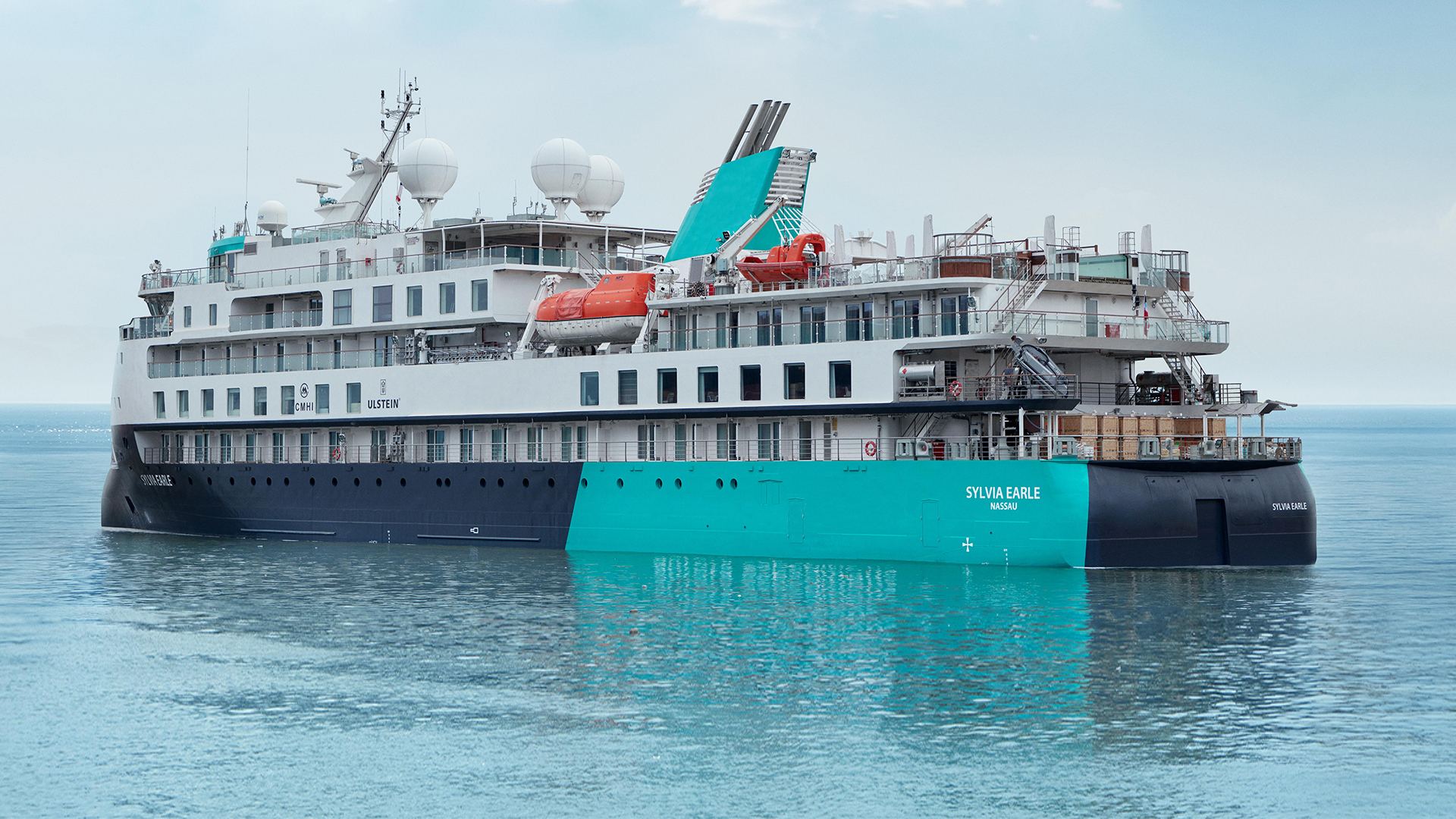
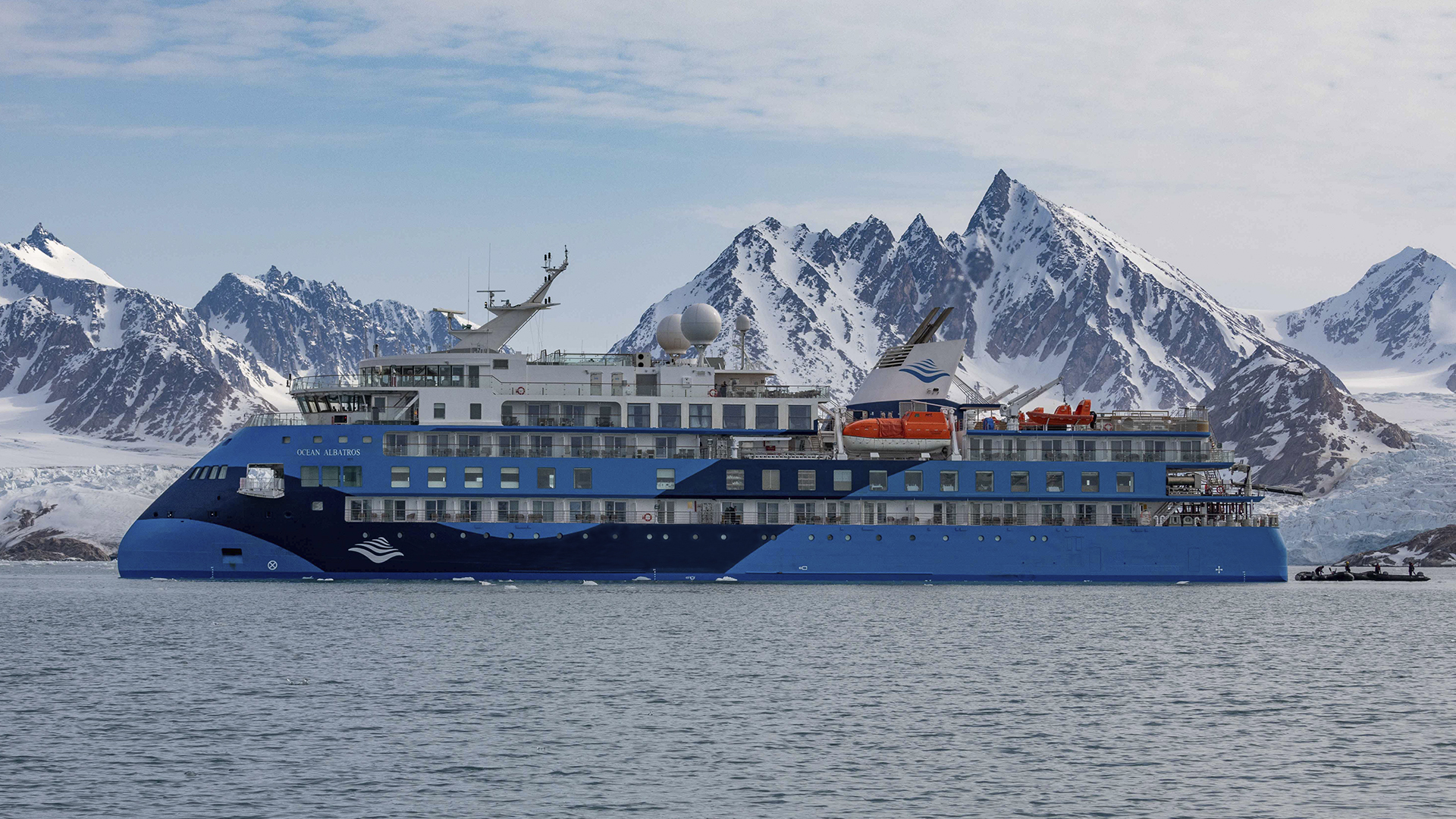
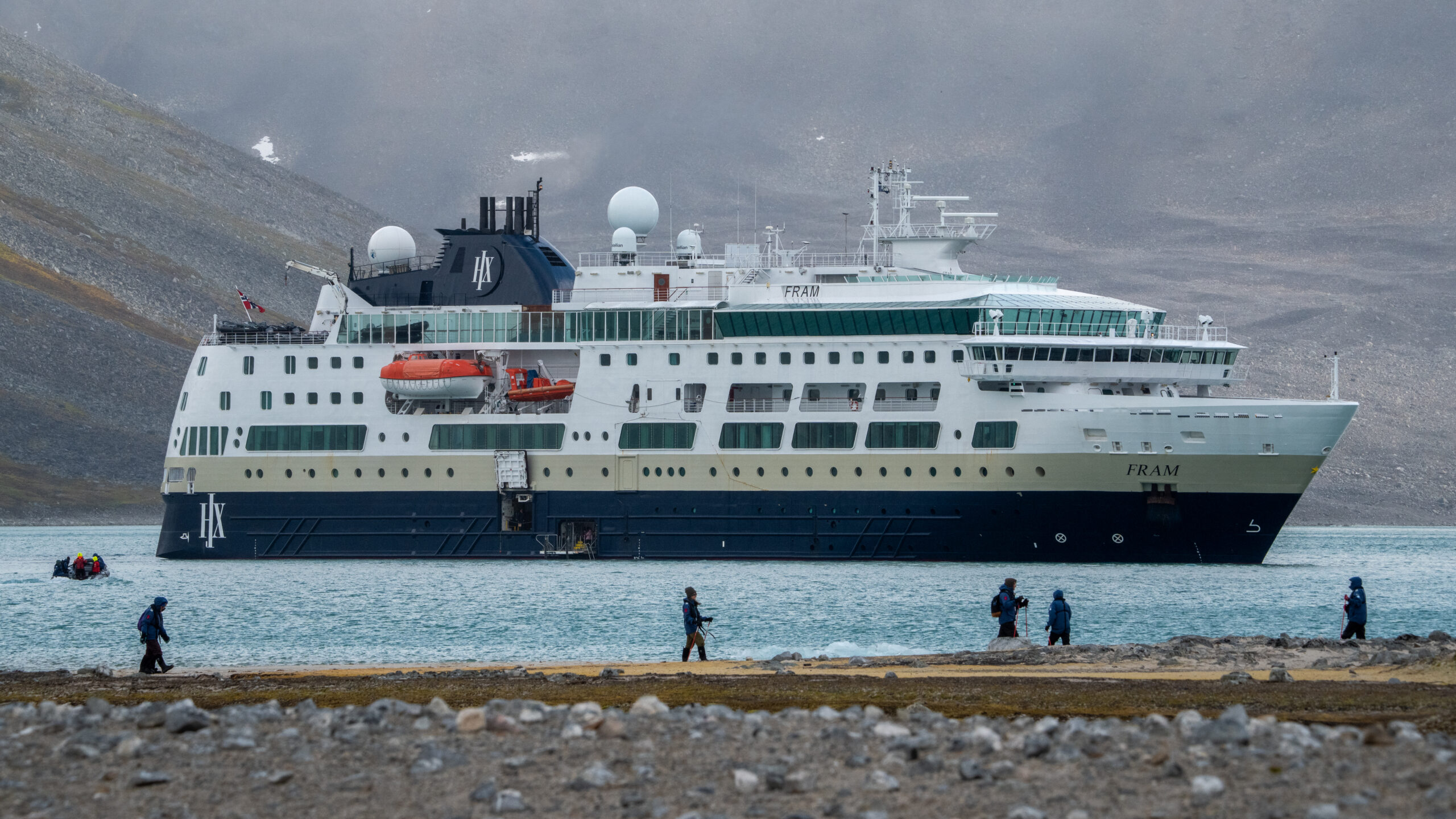
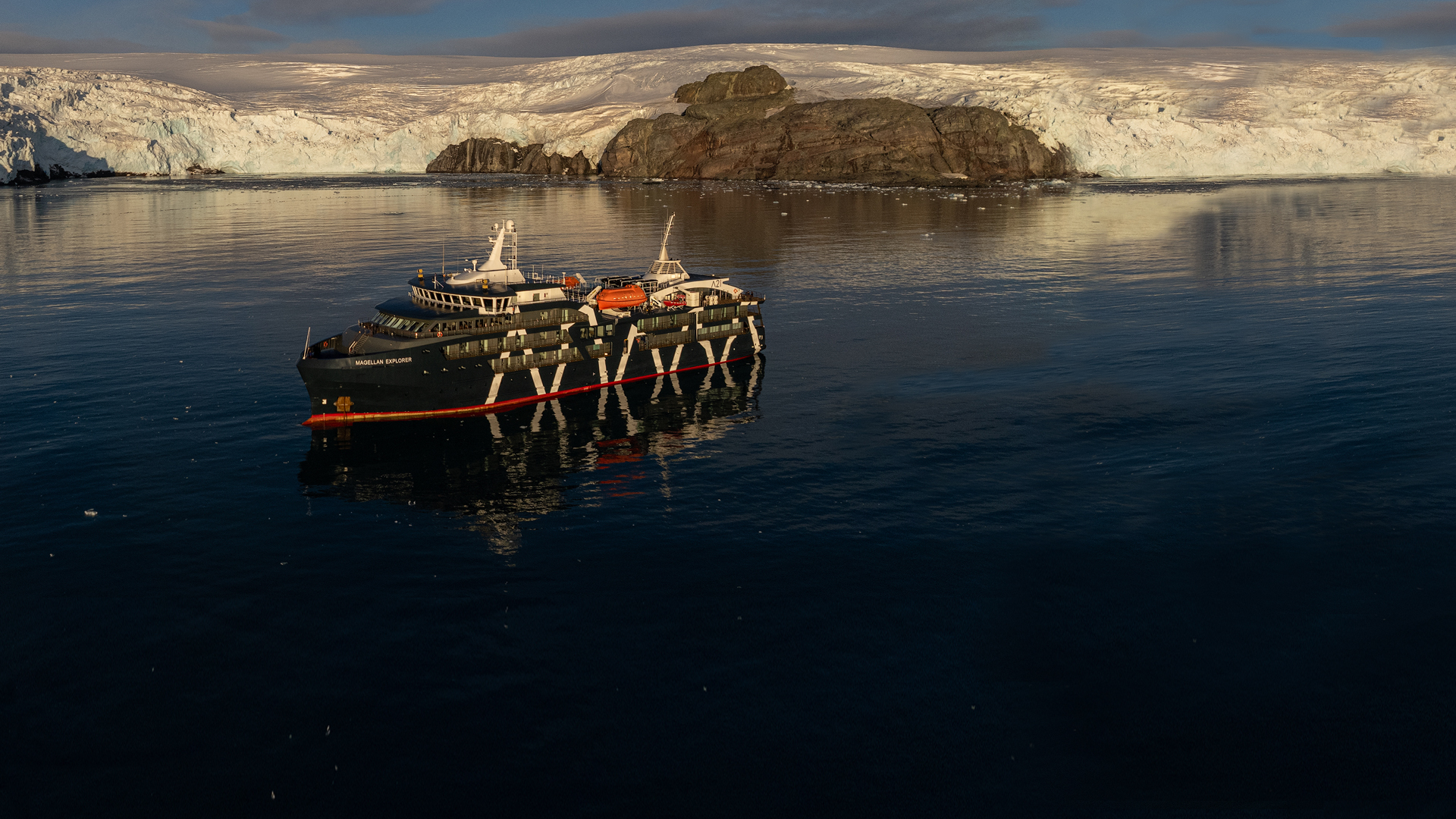
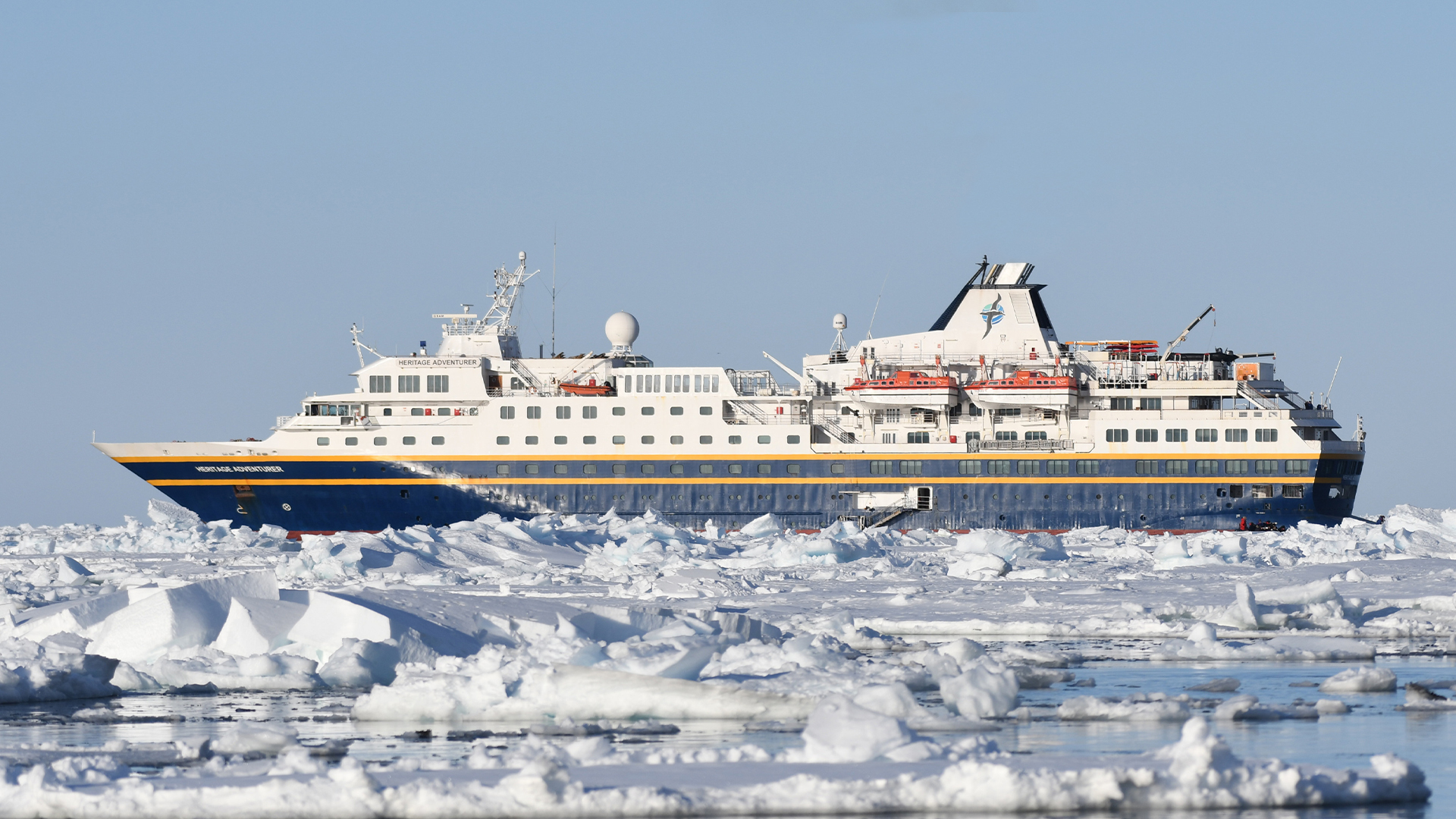
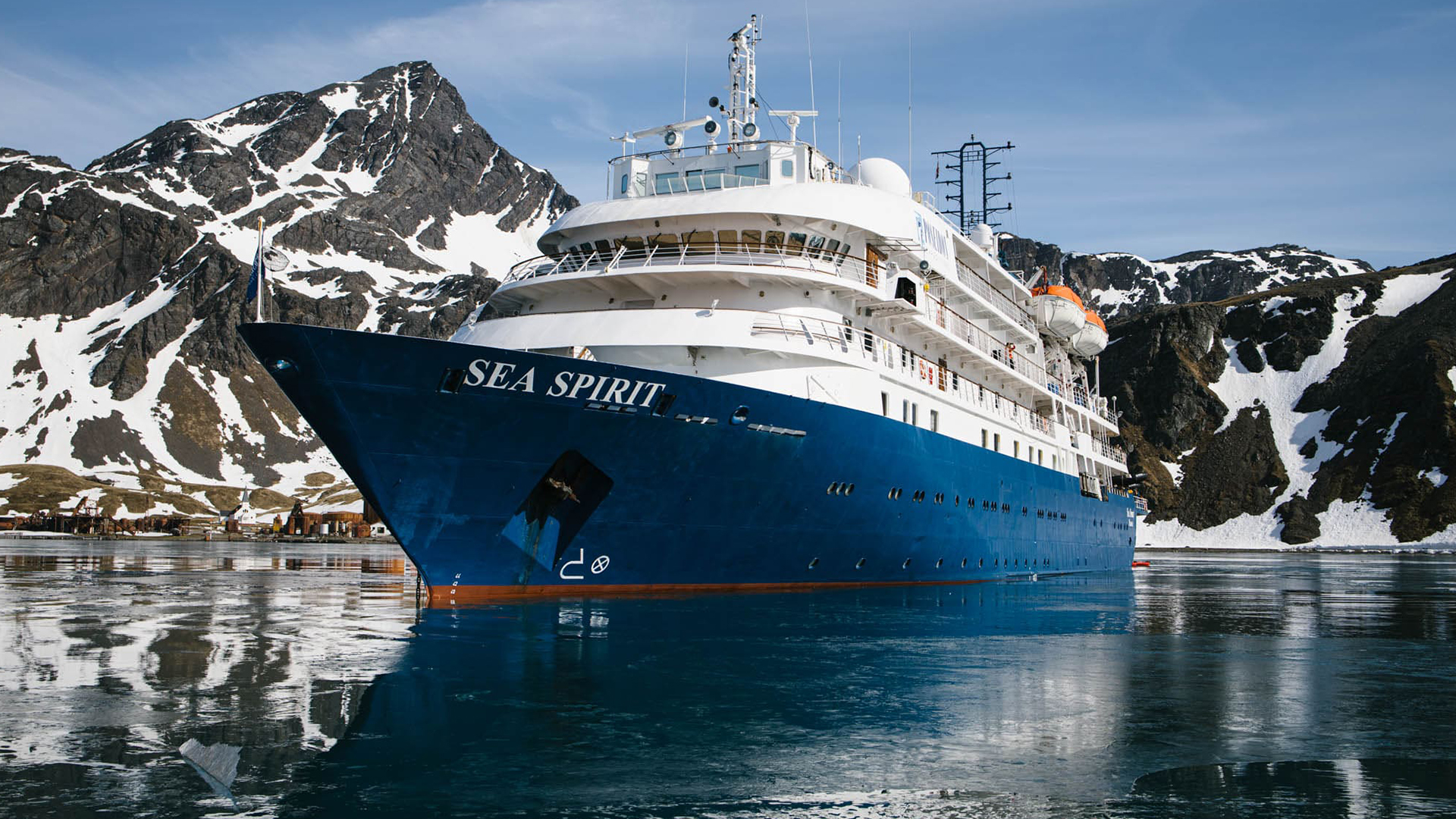
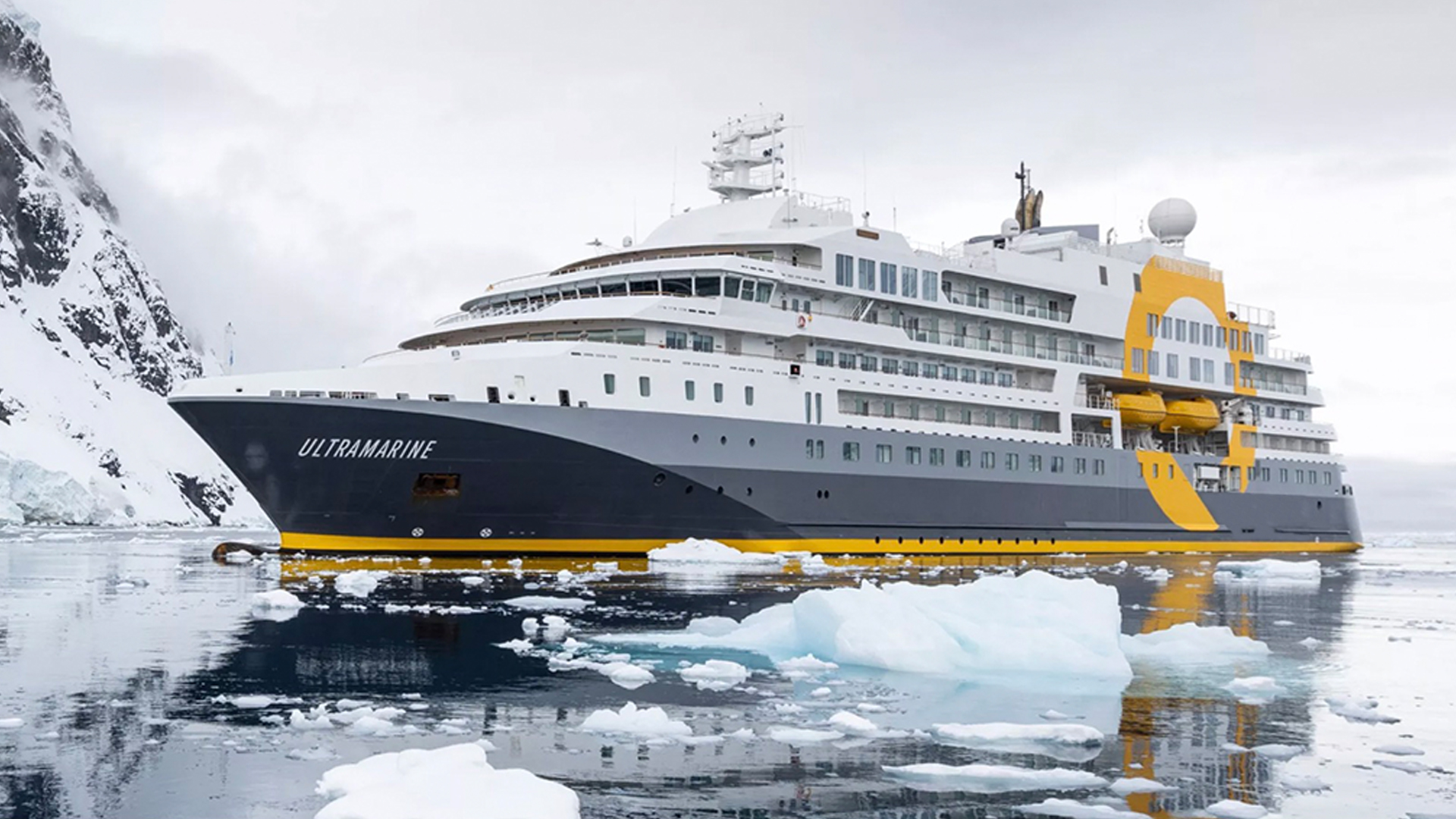
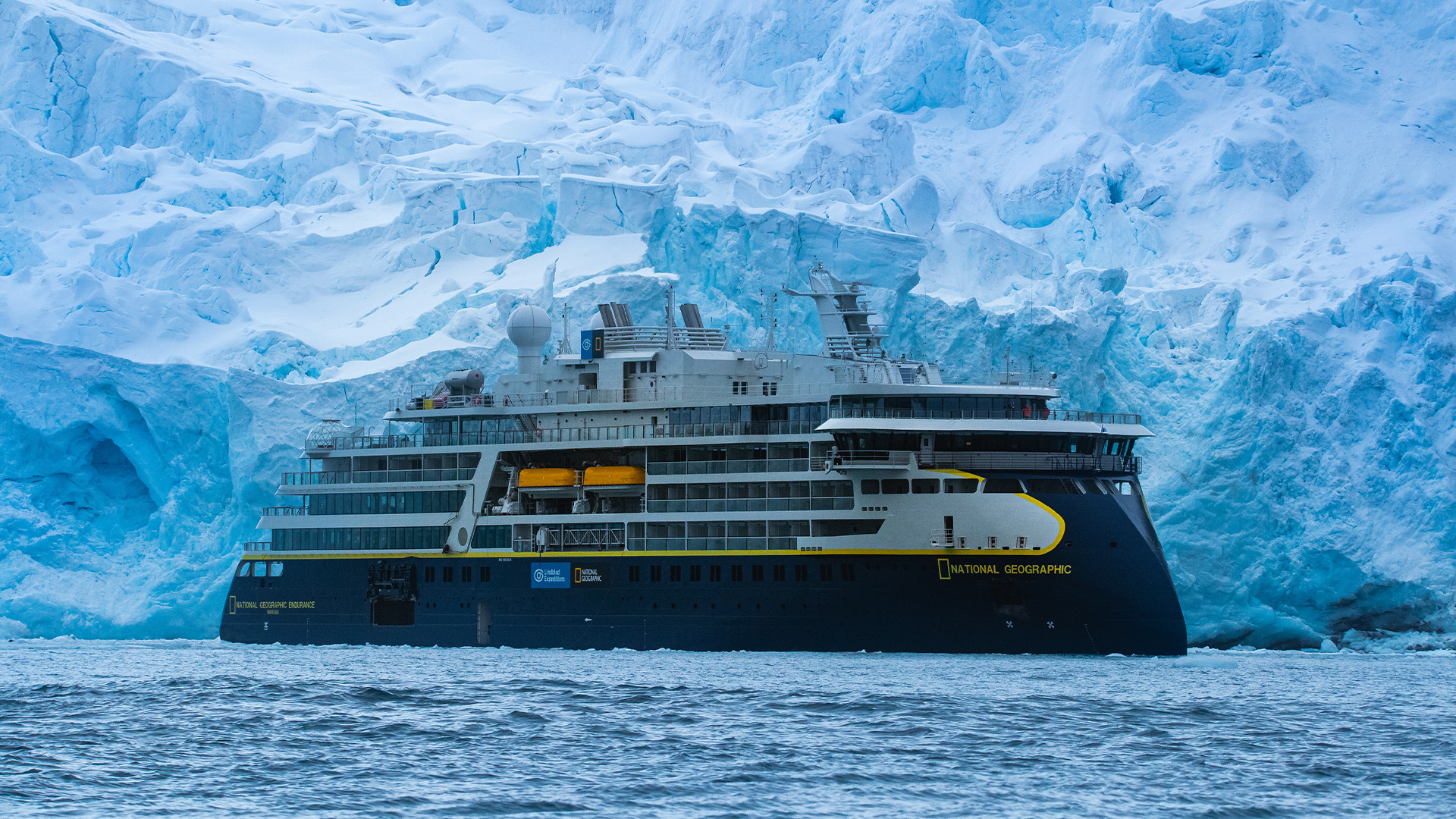
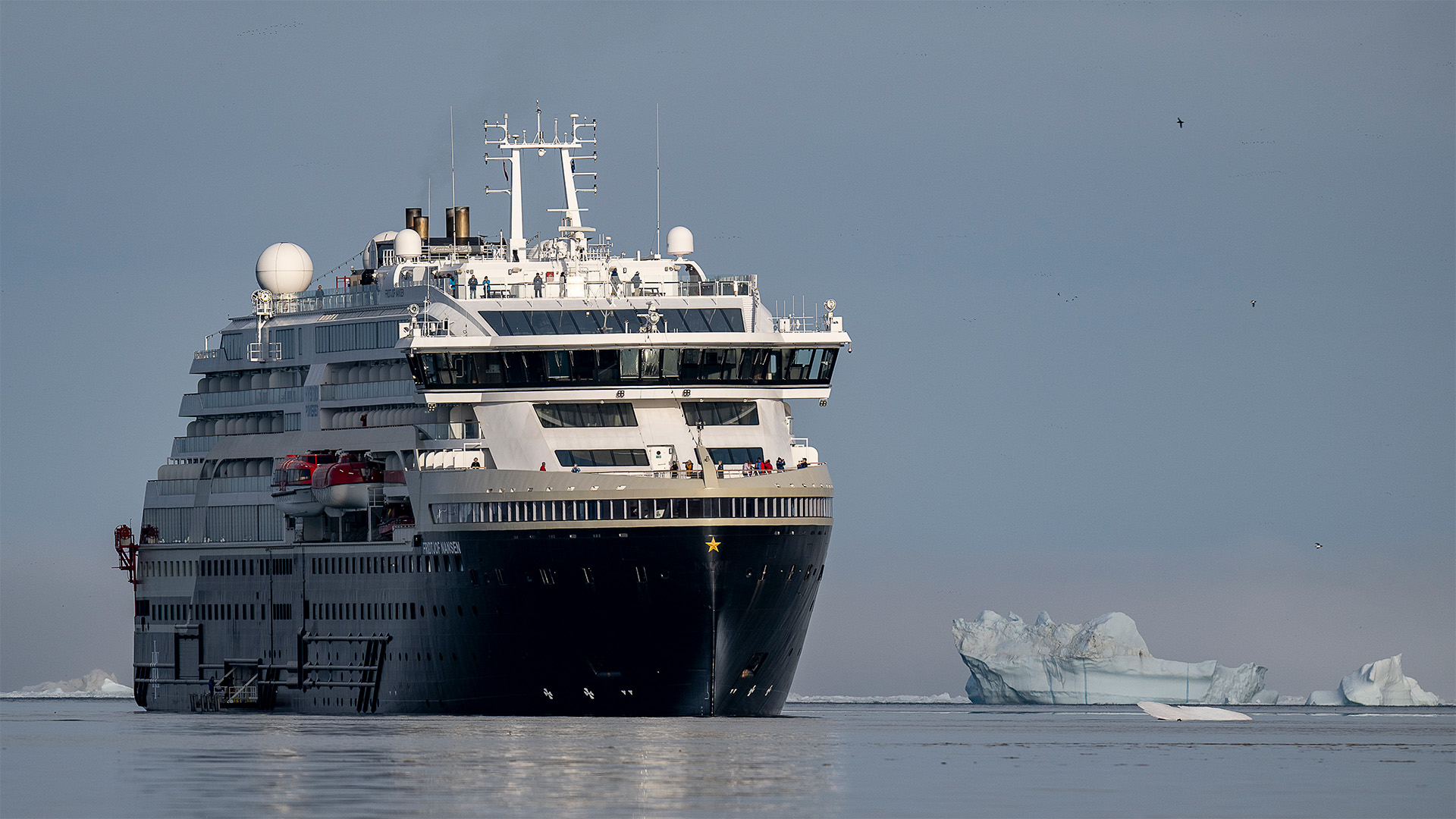
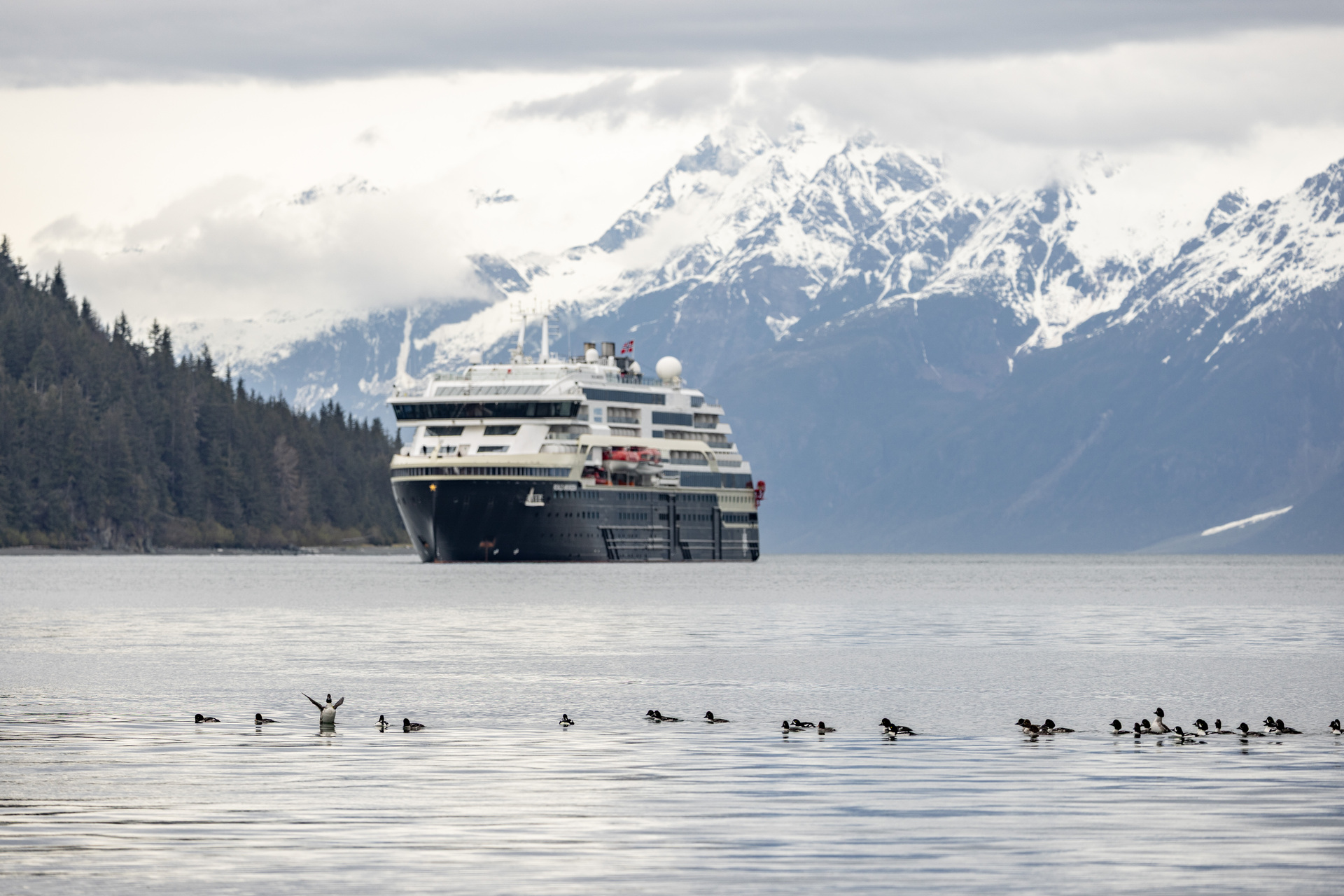
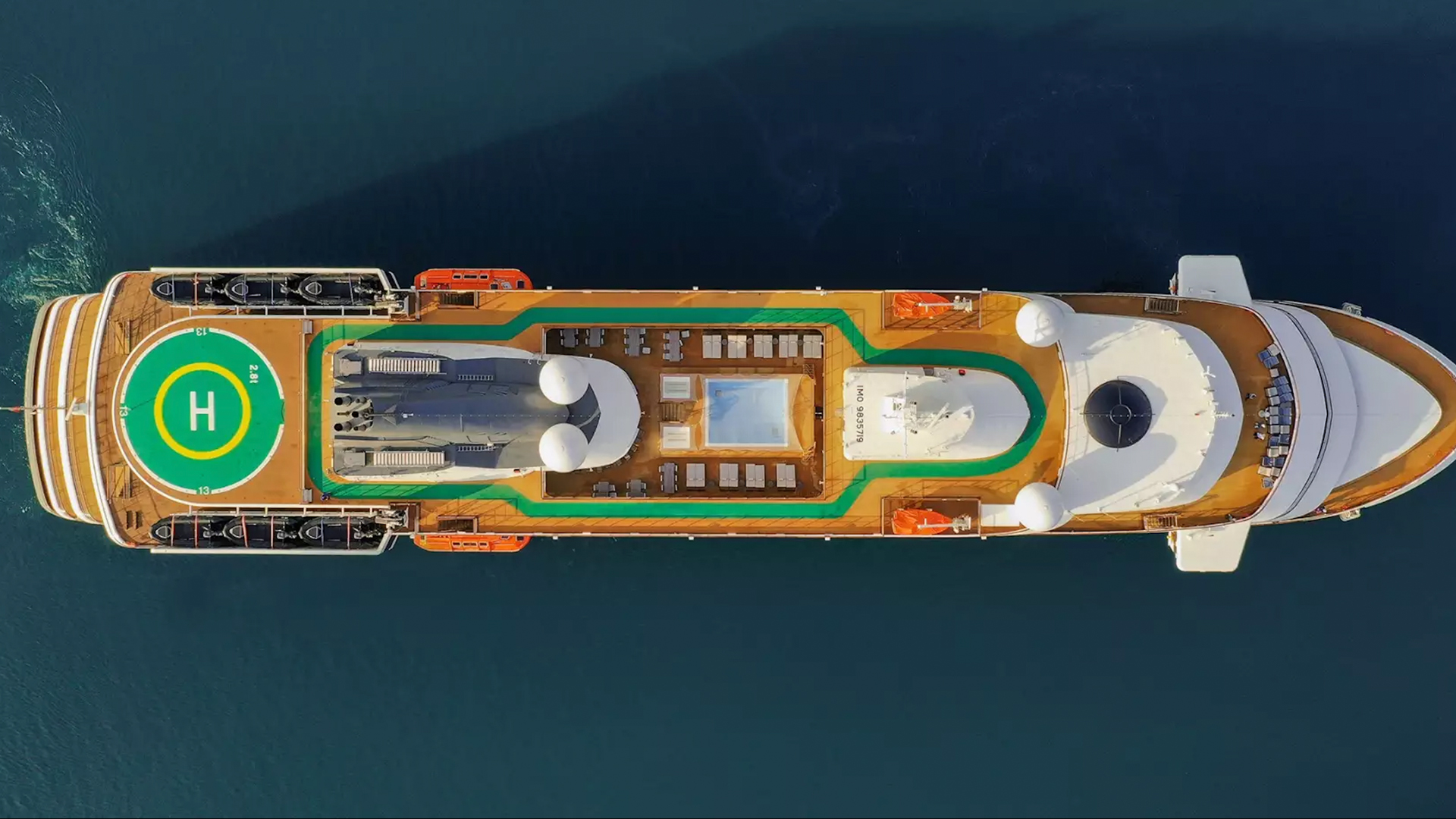
Barcos
Actividades estándar
Acerca de Groenlandia Oriental, Scoresby Sund, incluyendo largas caminatas
Emprenda esta singular expedición por el este de Groenlandia para trazar el dramático arco del sistema de fiordos más grande del mundo -Scoresby Sund-, un laberinto de otro mundo de escarpadas paredes de basalto, colosales icebergs encallados, tundra teñida de otoño y antiguos yacimientos arqueológicos inuit. Navegando desde el norte de Islandia y cruzando el Círculo Polar Ártico, su viaje le llevará desde aguas ricas en aves marinas a un reino donde los paisajes glaciares de Groenlandia se alzan con un esplendor escultural y la lejanía en sí misma parece casi mítica.
Programado para finales de verano y principios de otoño, este itinerario concede a los viajeros el raro privilegio de explorar Scoresby Sund cuando sus fiordos se abren, la tundra brilla con los cálidos colores de la estación, los bueyes almizcleros son más visibles en las laderas y enormes icebergs se desplazan en tranquila procesión por aguas tranquilas. Las condiciones de esta época del año también favorecen los encuentros con la fauna: ballenas en mar abierto, liebres árticas en Sydkap y la tentadora posibilidad de ver narvales en fiordos sin glaciares.
Sus días se desarrollan a través de una dinámica mezcla de exploraciones en zodiac, caminatas guiadas y desembarcos inolvidables. Navegue por los frentes de los glaciares, serpentee entre icebergs del tamaño de rascacielos cerca de Milne Land y pasee por los vestigios culturales de Thule esparcidos por la costa. Entre en Ittoqqortoormiit, uno de los asentamientos más remotos de la Tierra, donde los perros de trineo dormitan en el aire fresco y la vida tradicional groenlandesa continúa con un vasto telón de fondo salvaje. A bordo, el paisaje transcurre en un silencio cautivador mientras expertos naturalistas explican la geología, la fauna y el profundo patrimonio cultural de la región.
Este viaje está diseñado para suscitar algo profundo: una sensación creciente de escala, soledad y asombro que acompaña a la aventura en lugares que pocos llegarán a ver. Cruzar el Círculo Polar Ártico, caminar por la tundra virgen y explorar fiordos libres de la vida moderna deja en los viajeros una poderosa sensación de logro y conexión con el Ártico.
Este viaje, perfecto para entusiastas de la fotografía, amantes de la vida salvaje, viajeros ávidos de cultura y aventureros en busca de una experiencia polar más tranquila y contemplativa, no sólo ofrece paisajes asombrosos, sino también la oportunidad de sentirse realmente transformado por la inmensidad de la última gran tierra salvaje de Groenlandia.
Itinerario
En la carretera de Islandia
Su viaje comienza por la mañana: ¡el aroma de la aventura está en el aire! Si lo desea, puede trasladarse en un autobús fletado (T) desde la parada de autobús de la Sala de Conciertos y Centro de Conferencias Harpa en Austurbakki, Reikiavik (el punto de encuentro), hasta el barco en Akureyri (el punto de embarque). Llegará por la tarde tras un viaje de seis horas por los bellos paisajes del norte de Islandia.
NOTA: Este traslado (T) debe reservarse y pagarse con antelación. A primera hora de la tarde, el barco zarpa del puerto de Akureyri, navegando hacia el norte, hacia el estrecho de Dinamarca.

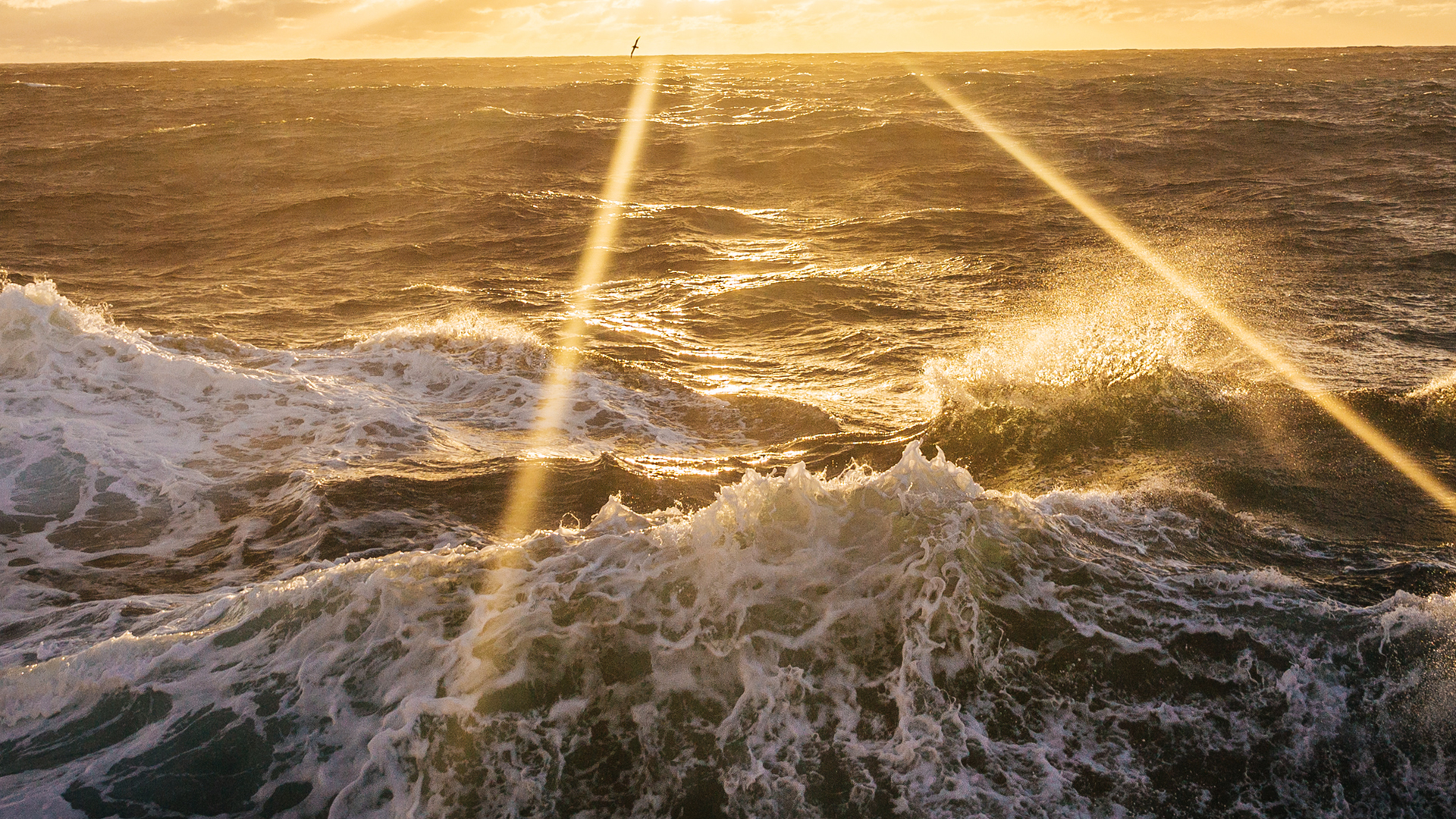
Navegación hacia el este de Groenlandia
Llegada al fiordo más grande de la Tierra
Colores de la capa
Enormes bergs, liebres árticas
Asentamiento en Scoresby Sund
Stewart Ø
Costas remotas
Vida marina
Fin del viaje en Akureyri
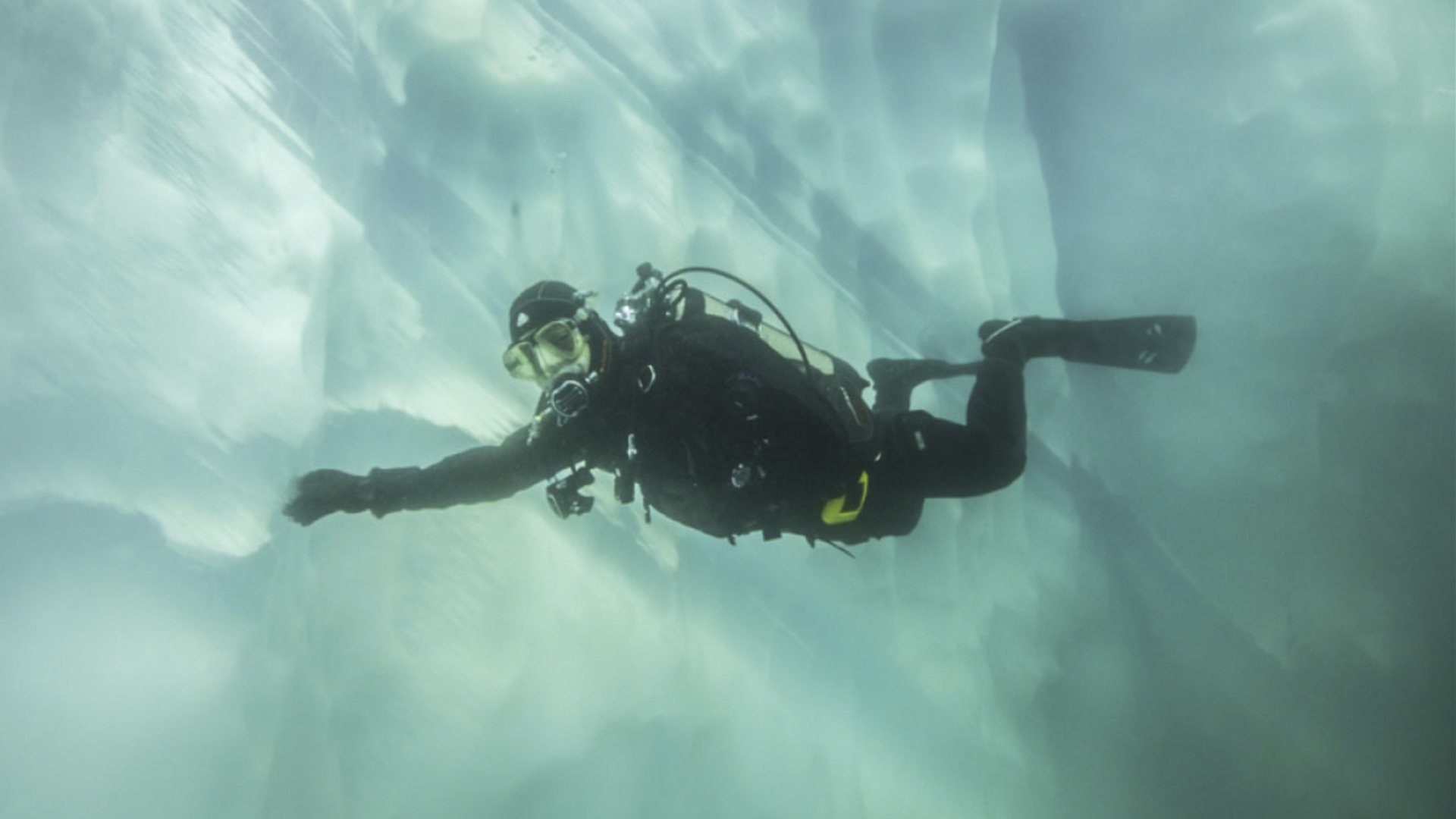
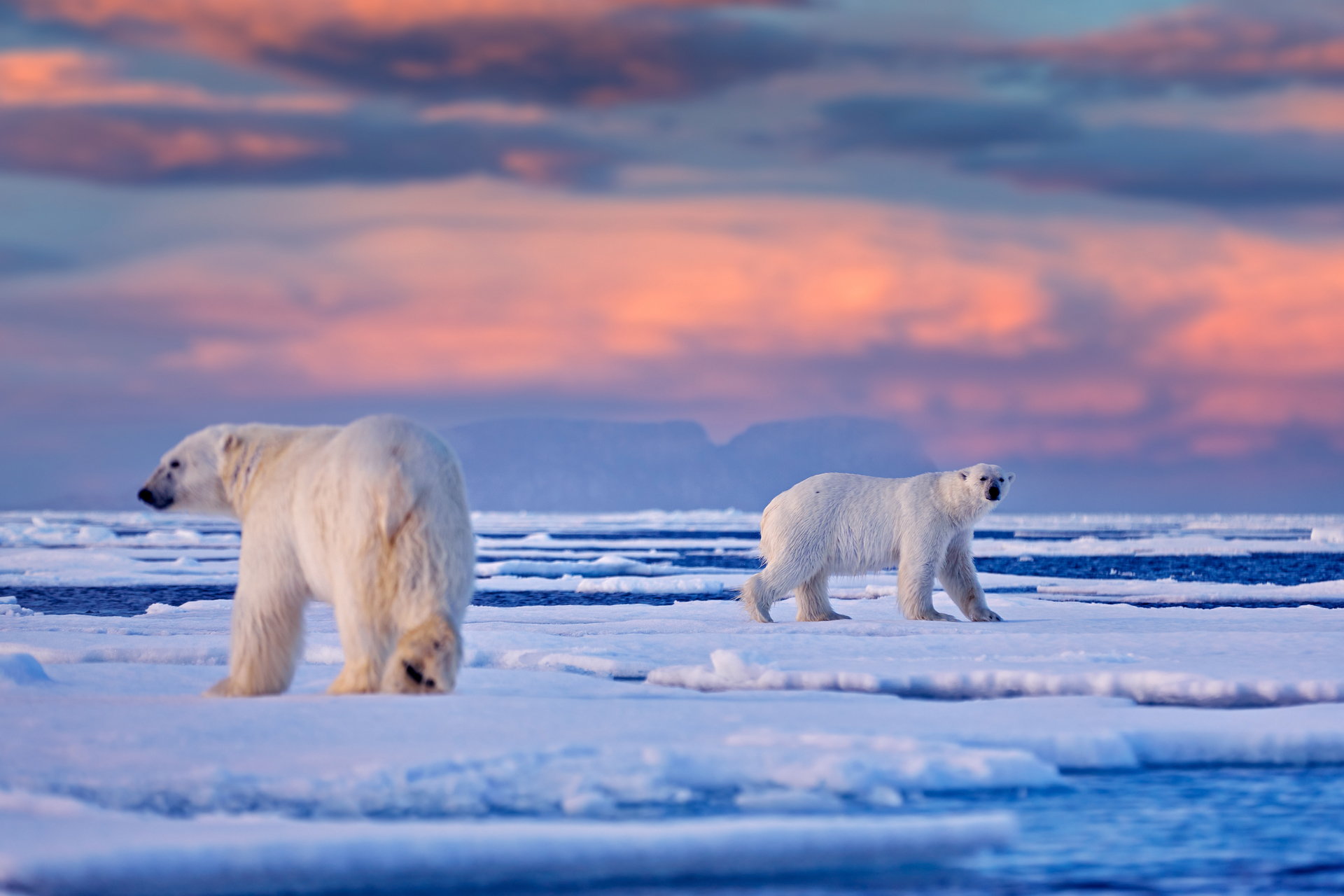
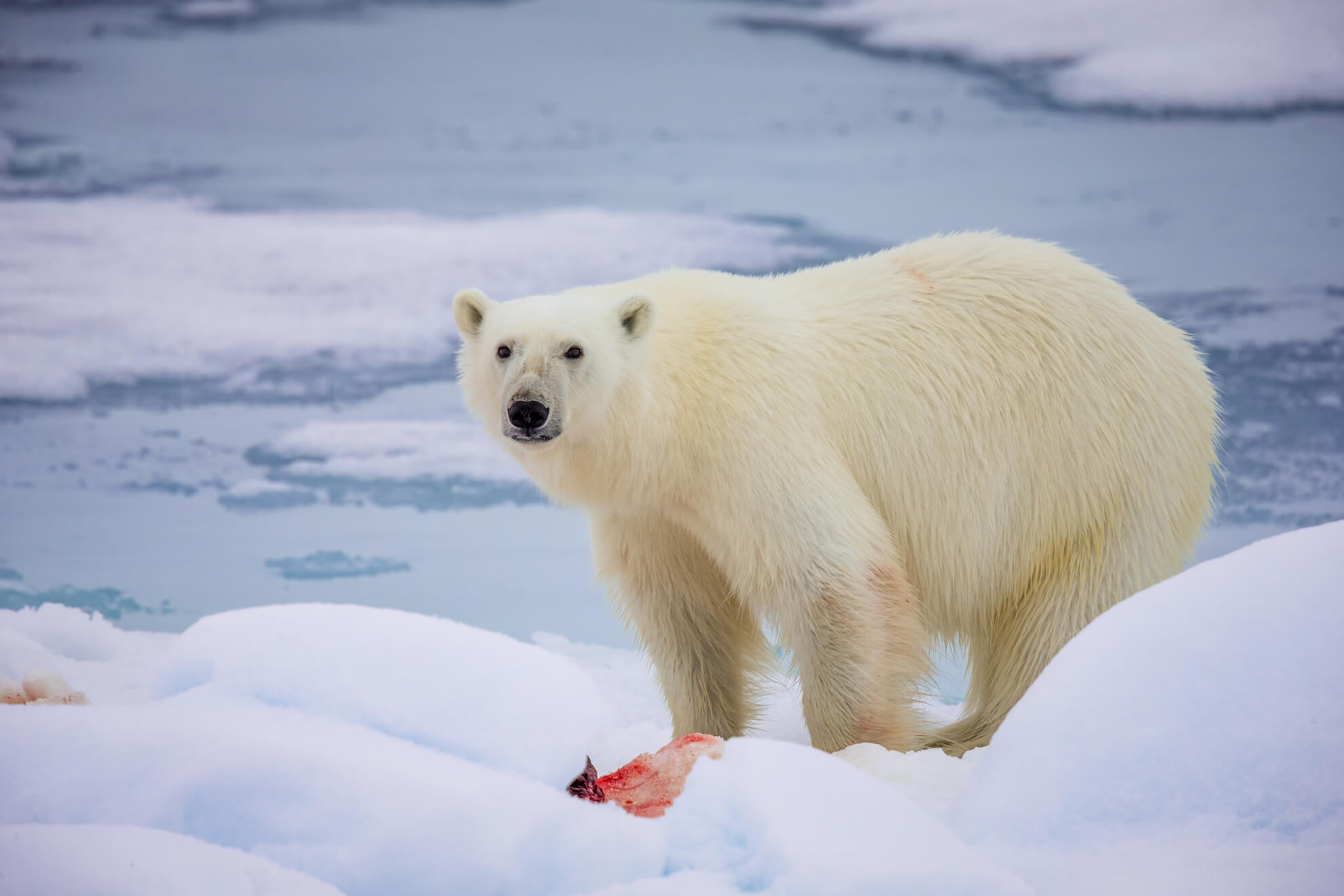
Los confines del extremo norte albergan algunos de los animales más emblemáticos del mundo, de los que los osos polares y los zorros árticos son sólo una parte. En nuestro programa de inmersiones en el Ártico, no sólo encontrará una vida marina maravillosa, sino también hermosas formaciones de hielo que realmente distinguen a esta región de la Antártida. Realizamos inmersiones poco profundas que exploran cerca o debajo de los témpanos de hielo (unos nueve metros, o 30 pies de profundidad), así como inmersiones más profundas en la costa (de nueve a 18 metros, o 30 a 60 pies de profundidad) En el Ártico, también podemos encontrar focas, leones marinos y morsas. Cuando estos queridos animales se acercan a las zodiacs, podemos intentar observarlos bajo el agua utilizando tubos y máscaras. Pero debido al posible peligro, no podemos bucear con morsas.
El tiempo en las regiones polares
Los viajes al Ártico se organizan durante el verano del hemisferio norte (de mayo a septiembre), cuando el tiempo es más suave. Durante este periodo, el sol brilla las 24 horas del día y las temperaturas suelen oscilar entre los 5 y los 15 °C. En el verano del hemisferio sur de la Antártida (de diciembre a febrero), las temperaturas suelen acercarse al punto de congelación, oscilando entre los -5 y los 8 °C. Combinadas con los fuertes vientos catabáticos de esta zona, el frío puede llegar a sentirse incluso más intenso. En combinación con los fuertes vientos catabáticos de esta zona, el frío puede parecer aún más intenso. Para ambas regiones, especialmente la Antártida, se requiere ropa de abrigo e impermeable (y una actitud flexible). Las condiciones meteorológicas adversas pueden obligar a cancelar los desembarcos y las inmersiones, ya que las excursiones sólo pueden realizarse en condiciones seguras.
Cambios en el programa debido al tiempo y al hielo
Conocemos nuestros destinos de buceo con gran detalle y siempre estamos explorando nuevos lugares, pero cada inmersión puede deparar sorpresas. Es importante recordar que la naturaleza manda en las regiones polares. Tenga en cuenta que nuestro itinerario está siempre sujeto a las condiciones locales de seguridad. Siempre es posible que el hielo, el tiempo o la fauna nos obliguen a cambiar nuestro programa de navegación. También es posible que algunas bahías o fiordos estén cerrados a causa del hielo. Pero, de nuevo, estas alternativas no son motivo de reembolso. En caso de cambiar el itinerario, le aseguramos que el capitán, el jefe de expedición y el jefe de buceo harán todo lo posible por ofrecerle un programa de sustitución igual de bueno.
Experiencia y cualificaciones de buceo
Nuestros viajes de buceo polar no son para principiantes. Están pensados para buceadores experimentados que estén familiarizados con el buceo en aguas frías con traje seco. Antes de la salida, presente un certificado de buceo aceptado internacionalmente (al menos Advanced Open Water) y un diario de inmersiones. Asimismo, le rogamos que incluya copias al cumplimentar el formulario de información personal del buceador.
La primera inmersión de nuestro viaje será una "inmersión de comprobación" para probar tu equipo y asegurar a nuestro líder de buceo que tienes suficiente experiencia para participar. Si nuestros líderes de buceo consideran que algún buceador no cumple con la experiencia necesaria, pueden excluirlo del programa de buceo. En este caso, Oceanwide Expeditions no se hace responsable y no concederá ninguna reclamación de reembolso.Todos los buceadores están obligados a seguir las instrucciones de los líderes de buceo y guías en todo momento. Todos los buceadores participan 100% bajo su propio riesgo, lo que también es el caso durante las excursiones en tierra.
Equipo de expedición, excursiones y líderes de buceo
Nuestro equipo de expedición está formado por un jefe de expedición y varios guías-monitores. Todos los miembros del equipo tienen amplia experiencia de trabajo en la naturaleza polar.Todas las mañanas, después del desayuno, se le informará del programa del día (posición del buque, información general sobre la zona, itinerario y fauna prevista durante las excursiones). Las excursiones se evaluarán por la tarde y después de la cena.
Ocasionalmente, el equipo de expedición organizará conferencias, a veces apoyadas con presentaciones de diapositivas, para informar a los pasajeros sobre diversas características del entorno polar.Nuestros líderes de buceo son instructores altamente experimentados asistidos por uno o dos guías de buceo. El idioma principal de todos los guías y de las operaciones de buceo es el inglés, a menos que se indique lo contrario.
Nota especial: la seguridad ante todo
Bucear en las remotas regiones polares no es más peligroso que el submarinismo normal, siempre que se siga una regla importante: la seguridad ante todo.Se ruega a todos los submarinistas que busquen acrobacias peligrosas o inmersiones profundas que se abstengan de esta actividad. No hay cámaras de descompresión en la Antártida ni en el Ártico, la atención médica es casi inexistente y apenas hay infraestructuras. Aunque disponemos de un médico a bordo del buque para asistencia de primeros auxilios, no podemos aceptar aventuras arriesgadas de ningún buceador.
PROCEDIMIENTOS DE INMERSIÓN
Aproximación al punto de inmersiónEn circunstancias normales, el número de buceadores por Zodiac es de seis pasajeros, además de un conductor-guía. Vigile siempre su valioso equipo al embarcar y desembarcar de las Zodiacs. Oceanwide no se hace responsable de la pérdida de equipos individuales.
Comprobar inmersión
El viaje comienza con una inmersión de comprobación para que todos los buceadores puedan acostumbrarse al agua fría, probar su equipo y determinar los lastres que necesitan. Antes de cada inmersión, habrá una sesión informativa sobre el lugar de inmersión, las condiciones meteorológicas y del hielo, y el procedimiento de la inmersión.
Corrientes
Las corrientes de agua pueden estar presentes en cualquier lugar y en cualquier momento. Los guías de buceo seleccionarán un punto de inmersión que sea seguro y también darán información sobre cómo volver a las zodiacs en caso necesario. Normalmente hay muy poca corriente donde buceamos, si es que hay alguna.
Compañero de buceo
Las inmersiones se realizarán utilizando el sistema de compañeros. El guía de buceo no estará en el agua para acompañar y dirigir a los buceadores. Más bien, los guías de buceo permanecen en la superficie para la seguridad de los buceadores. Se espera que los buceadores tengan experiencia suficiente para leer sus brújulas y profundímetros y cuidarse unos a otros. Los equipos de compañeros son importantes, por lo que dejamos que nuestros buceadores se emparejen entre sí en la medida de lo posible. En los casos en que los buceadores no se han emparejado o tienen dudas, los guías de buceo se sientan con los buceadores para hablar de sus expectativas y experiencia. Intentamos emparejar a personas con intereses y experiencia similares. Si hay un número impar de buceadores y los grupos de tres personas no son factibles, los guías de buceo acompañarán a los buceadores.
Proporción de guías de buceo por buceador
Nuestros programas permiten seis buceadores por guía de buceo, con un máximo preferido de 24 pasajeros buceadores por viaje. Los grupos de más de 24 tendrán que dividir las actividades de buceo, y también podemos reducir el número de inmersiones para poder gestionar las actividades de forma segura.
Hielo compacto a la deriva
Se trata de un peligro real. Si se acerca hielo compacto mientras los buceadores están bajo el agua, puede ser difícil ver a las personas si salen a la superficie en medio de él. Por este motivo, es importante bucear sólo alrededor de icebergs que estén encallados o flotando en aguas libres de hielo. Muchos de los puntos de inmersión tienen pendientes o caras que superan los 20 metros (65 pies) de profundidad máxima permitida para nuestras inmersiones. Los buceadores deben actuar con responsabilidad y mostrar autodisciplina.
Equipo
Una vez instalado en su camarote, dispondrá de una zona para guardar y colgar su equipo. Cada buceador debe preparar su propio equipo antes de cada inmersión. Traiga sus propias piezas de repuesto para reguladores y trajes secos en caso de fugas o daños. Los buceadores deben preparar y transportar su propio equipo dentro y fuera de la Zodiac, así como subir y bajar por la pasarela.
Número de inmersiones
Se prevén una o dos inmersiones diarias, pero no se puede dar un número exacto de inmersiones debido a la posibilidad de que el hielo y las condiciones meteorológicas varíen.
Visibilidad
Una capa de hielo abundante suele significar agua plana con visibilidad clara. Poco hielo compacto puede significar floraciones de plancton, porque hay más luz diurna y posibilidad de oleaje. Pero el hielo y las condiciones meteorológicas son diferentes cada año, así que no hay forma de predecirlos.
EQUIPOS DE BUCEO
Por favor, traiga usted mismo el siguiente equipo:
Traje seco con capucha
Dos juegos de prendas subacuáticas de abrigo
Guantes secos o guantes/mitones húmedos adecuados para aguas bajo cero
Dos reguladores protegidos contra la congelación. (Buceamos con botellas especiales que tienen dos salidas separadas, y utilizamos botellas de acero de 12 L equipadas con una configuración de válvulas en Y o H y conexiones adaptables DIN o Yoke (INT)).
Chaqueta estabilizadora o chaleco con capacidad de desenganche rápido y suficiente capacidad de elevación
Manómetro
Reloj con brújula
Cuchillo y soplete
Máscara, aletas y tubo de buceo
Trajes secos
Son la única protección adecuada en las aguas del Ártico y el Antártico, que pueden llegar a temperaturas de hasta -1 °C (30 °F). El tipo de traje seco que utilice no es importante, siempre que se ajuste a usted, sea impermeable y se sienta cómodo utilizándolo. Los trajes de neopreno ofrecen una buena elasticidad y un aislamiento extra. Sólo sirven para mantenerle seco y requieren capas adicionales de ropa bajo el traje. Si es posible, lleve un pequeño kit de reparación de trajes secos.
Accesorios para trajes secos
Si el traje seco no lleva capucha, deberá llevar una. Se recomienda una capucha de neopreno de 7 mm con sellado para la cara y el cuello.Los guantes o manoplas semisecos de neopreno de 7 mm normales también se pueden utilizar con cualquier traje seco y son relativamente fáciles de usar. Las manoplas de tres dedos son más cálidas que los guantes de cinco dedos. También se pueden utilizar guantes secos especiales que se sellan contra los anillos del brazo del traje seco.Para evitar que los guantes aprieten y favorecer el calor, se pueden insertar trozos cortos de tubo quirúrgico o pajitas bajo los sellos de las muñecas para permitir el intercambio de aire entre el traje y los guantes. Este tipo de guantes requiere más práctica, ya que pueden caerse si no se utilizan correctamente.
Mascarillas
Recomendamos una máscara estándar, pero el tipo de máscara que utilice no es crítico. Puede utilizar una máscara completa si tiene experiencia con ellas. Los desempañadores comerciales funcionan bien para el buceo polar.
Tenga a mano una mascarilla de repuesto por si el regulador no funciona. Las correas también pueden volverse quebradizas con el frío, por lo que recomendamos encarecidamente llevar una correa y una máscara de repuesto.
Ropa interior aislante
Cuanto más fría esté el agua, más capas (y más gruesas) de ropa interior serán necesarias. Le recomendamos que lleve dos o tres capas, en función de su traje.Como primera capa, debe llevar un juego de forros de polipropileno. Este material ayuda a absorber la humedad del cuerpo. Como segunda capa, lleve un material aislante grueso, como vellón, pelo sintético, Thinsulate o similar. Como última capa exterior, sugerimos una coraza cortaviento.El estilo mono de una pieza es la configuración más común y cómoda de la ropa de buceo. Está disponible en varios grosores, en función del traje seco y de la temperatura del agua.
Ropa para después de bucear
Es importante llevar un gorro de abrigo y guantes impermeables calientes para usar antes y, sobre todo, después de las inmersiones.
Reguladores
Los reguladores normales no funcionarán donde buceamos, ya que tanto la primera como la segunda etapa podrían congelarse. Por lo tanto, es necesario traer dos juegos de reguladores (primera y segunda etapa) adecuados para bucear en aguas frías.
Algunos reguladores pueden equiparse con un kit de sellado ambiental, mientras que otros vienen sellados ambientalmente de fábrica. Para evitar el mal funcionamiento de los reguladores, éstos deben cuidarse adecuadamente antes, durante y después de las inmersiones.Evite respirar del regulador antes de la inmersión, excepto para asegurarse brevemente de que funciona. Si el regulador principal se congela y provoca un flujo libre, cambie al regulador de reserva y cierre la válvula del regulador principal. Evitamos enjuagar los reguladores con agua dulce entre inmersiones para minimizar el riesgo de congelación. Necesitará los dos juegos de reguladores que se describen a continuación:
Primer set, incluyendo:
Primera y segunda etapas protegidas contra la congelación (incluida la manguera)
Manguera para BC
Manómetro sumergible (SPG)
Segundo set, incluyendo:
Primera y segunda etapas protegidas contra la congelación (incluida la manguera)
Manguera para traje seco
Consejos para mantener los reguladores libres de agua
Abra siempre brevemente la válvula de la botella para expulsar la humedad antes de montar el regulador del orificio.
Al purgar el regulador para desmontarlo, mantenga la segunda etapa más baja que la primera para que el agua no pueda volver a gotear a la primera etapa después de que haya bajado la presión.
Retire el regulador con cuidado para evitar que el hielo y el agua caigan en el filtro.
Seque bien el guardapolvo antes de fijarlo al regulador.
Coloque bien el tapón guardapolvo antes de enjuagar el regulador.
No pulse el botón de purga mientras enjuaga el regulador.
Sacuda el exceso de agua de la segunda etapa antes de colgar el regulador para que se seque.
Equipo que proporcionamos a bordo
Tanques
En todos los buques de buceo disponemos de un compresor y 35 depósitos de acero de 12 litros cada uno (200 bar), con conexiones adaptables DIN y Yoke y dos salidas independientes.
Pesas
Se le proporcionarán pesas duras de plomo y un cinturón, pero no hay pesas disponibles para los tobillos. Puede traer y utilizar su propio arnés de pesas.
Su viaje aparte del buceo
Bucear en la Antártida y el Ártico es una aventura fantástica, pero nuestras salidas terrestres habituales también son increíbles. Con la aprobación previa de su líder de expedición, puede optar por participar en nuestras emocionantes excursiones en tierra y cruceros en zodiac en lugar de bucear. Esta combinación caracteriza la singularidad de nuestros viajes, que le proporcionarán la experiencia polar definitiva. Normalmente organizamos una excursión por la mañana y otra después de comer. La duración de las excursiones puede variar, pero normalmente duran entre tres y cuatro horas.
Mientras esté en tierra, es importante que siga las instrucciones de nuestros guías. No está permitido abandonar el grupo. En el Ártico, por ejemplo, debemos tomarnos en serio el peligro de los osos polares. Los osos polares se camuflan de forma natural, por lo que pueden aparecer en cualquier parte y atacar sin previo aviso.Tampoco podemos tocar, quitar ni coger nada del entorno ni de sus monumentos. También está prohibido molestar a los animales. Algunas aves anidan en el suelo, así que tenga cuidado por donde camina y no se acerque a los nidos. Cuando se perturba el nido de un ave, ésta es extremadamente vulnerable a los depredadores que buscan huevos y polluelos.
Preguntas frecuentes y notas finales
¿Hasta dónde nos sumergimos?
Nuestra profundidad máxima es de 20 metros. Muchos sitios de buceo tienen pendientes o caras que van más profundo que esto, por lo que los buceadores deben actuar con responsabilidad y mostrar autodisciplina.
¿Cuál es la visibilidad media?
Mucho hielo suele significar aguas tranquilas y visibilidad clara, mientras que poco hielo puede significar floraciones de plancton debido a la luz diurna adicional y al oleaje. Pero el hielo y las condiciones meteorológicas varían cada año, por lo que la visibilidad es impredecible.
¿Qué pasa con las corrientes y las inmersiones a la deriva?
Las corrientes se mencionan específicamente en algunos de los lugares donde pueden plantear problemas. Las corrientes pueden estar presentes en cualquier lugar y en cualquier momento. Siempre comprobamos la corriente antes de bucear. No realizamos inmersiones a la deriva. El hielo a la deriva lo hace demasiado peligroso. Si el hielo llega mientras los buceadores están bajo el agua, puede ser difícil verlos si salen a la superficie entre él. Sólo buceamos cerca de icebergs encallados o flotando en aguas libres de hielo.
¿Necesito una mascarilla completa?
Esto depende de usted y de si está acostumbrado a bucear con una máscara completa.
¿Qué tipo de guantes debo llevar?
Utilice guantes de neopreno de 7 mm como mínimo; de lo contrario, recomendamos guantes de traje seco.
¿Por qué necesito dos reguladores?
Nosotros buceamos con dos salidas separadas (conexión DIN y Yoke), así que en caso de flujo libre (congelación) de uno de tus reguladores, tienes el segundo regulador como reserva.
¿Puedo tener un regulador con válvulas DIN y el otro con ISO?
Sí, tenemos adaptadores a bordo que podemos poner en la válvula para conectar con un regulador ISO. La conexión DIN encajará sin el adaptador.
¿Necesito una bolsa impermeable para llevar mis objetos más pequeños?
Es conveniente llevar una bolsa impermeable para preparar el equipo de buceo en cubierta. En la Zodiac, es mejor no llevar más que el equipo de buceo necesario.
¿Cuál es la temperatura del agua en las regiones polares?
Alrededor del punto de congelación o ligeramente por debajo.
Notas finales
El submarinismo polar es una actividad que requiere mucho equipo, y el submarinismo en hielo en particular requiere un equipo extenso debido al frío y a las ubicaciones remotas. Los buceadores en aguas frías pueden tener un mayor consumo de aire, gastar más energía y fatigarse más fácilmente. El agua fría también disminuye su capacidad para realizar tareas manuales complejas.
El tubo es una parte vital de su equipo de seguridad y se utilizará a menudo cuando bucee con focas y otros animales salvajes.
No lleve ningún equipo nuevo que no haya probado en el agua. Las regiones polares no son el lugar adecuado para probar equipos nuevos. Asegúrese de haber realizado al menos cuatro o cinco inmersiones con su equipo. Esto le permitirá afinar la flotabilidad, las características de trimado y tomar nota de cuánto peso necesita para bucear.
Póngase en contacto con su compañía aérea sobre las restricciones de equipaje y solicite una franquicia especial para su equipo de buceo antes de la salida. El exceso de equipaje corre por su cuenta.
Los buceadores deben preparar su propio equipo antes de cada inmersión y cuidarlo después. Lleve repuestos para los reguladores y el traje seco en caso de fugas o daños.
No disponemos de alquileres a bordo. Por favor, asegúrese de revisar todo su equipo de buceo antes de salir. Hay contenedores disponibles para su almacenamiento.
Tenga en cuenta al empacar el equipo de buceo que tendrá que llevar su propio equipo dentro y fuera de la Zodiac para el llenado y los cambios logísticos.
Contrate un seguro de viaje. La participación en un crucero de expedición es 100% bajo su propio riesgo. En nuestra documentación de viaje (concretamente en nuestro formulario de información personal para el buceo), todos los pasajeros deben firmar una declaración de responsabilidad en la que aceptan que Oceanwide Expeditions y el personal de buceo están exentos de responsabilidad por daños personales y materiales, incluida la pérdida de objetos. Oceanwide no puede aceptar ninguna reclamación de responsabilidad.
Qué está incluido
-
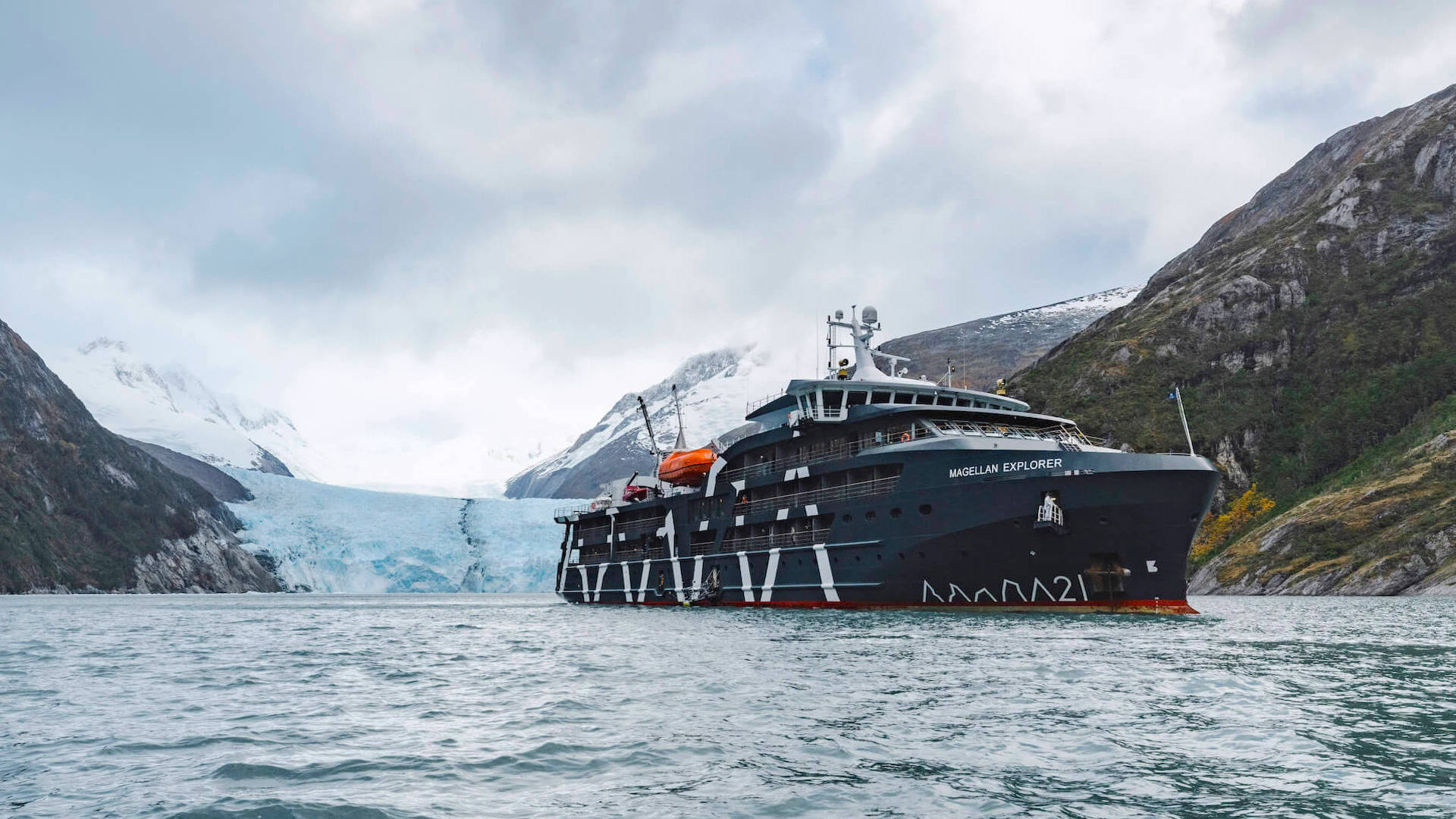
Viaje a bordo del buque indicado en el itinerario.
-
Todas las comidas durante el viaje a bordo del barco, incluidos aperitivos, café y té.
-
Todas las excursiones y actividades en tierra durante el viaje en Zodiac.
-
Programa de conferencias a cargo de destacados naturalistas y dirección por parte de personal experimentado de la expedición.
-
Uso gratuito de botas de neopreno impermeables.
-
Todas las tasas de servicio y gastos portuarios varios a lo largo del programa.
-
Tasas AECO e impuestos gubernamentales.
-
Amplio material previo a la salida enviado por correo electrónico.
Qué está excluido
-
Cualquier tarifa aérea, ya sea en vuelos regulares o chárter.
-
Acuerdos previos y posteriores al desembarco.
-
Gastos de pasaporte y visado.
-
Tasas gubernamentales de llegada y salida.
-
Comidas en tierra.
-
Seguro de equipaje, de anulación y personal (muy recomendable).
-
Gastos de exceso de equipaje y todos los artículos de carácter personal, como lavandería, bar, bebidas y telecomunicaciones.
-
Suplemento por traslado en autobús entre la parada de la Sala de Conciertos Harpa y el Centro de Conferencias en Austurbakki, Reikiavik y Akureyri (barco) (6 horas).
-
La propina habitual al final de los viajes para los camareros y demás personal de servicio a bordo (se facilitarán directrices al respecto).