


























Living North: The Indigenous Peoples of the Arctic
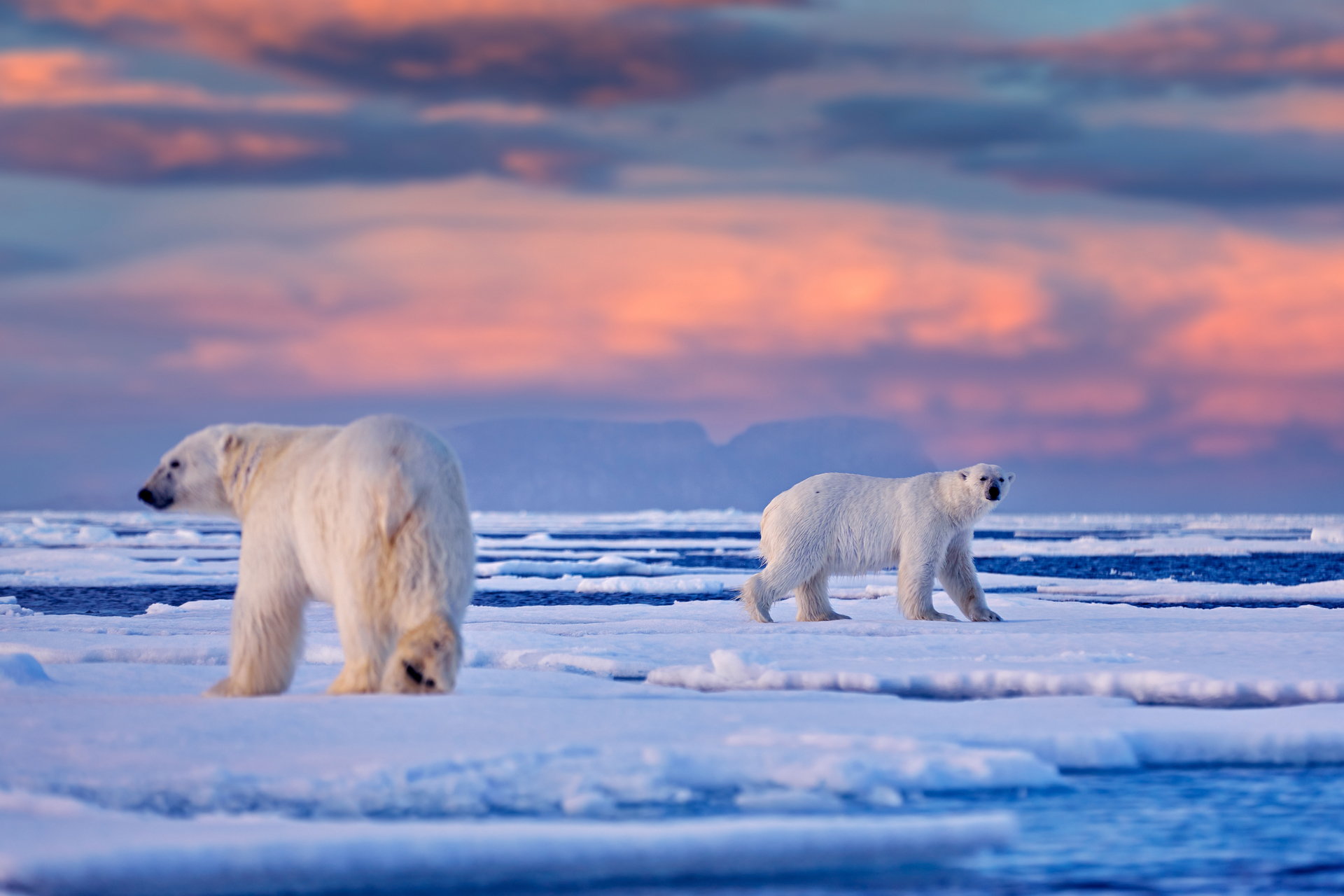
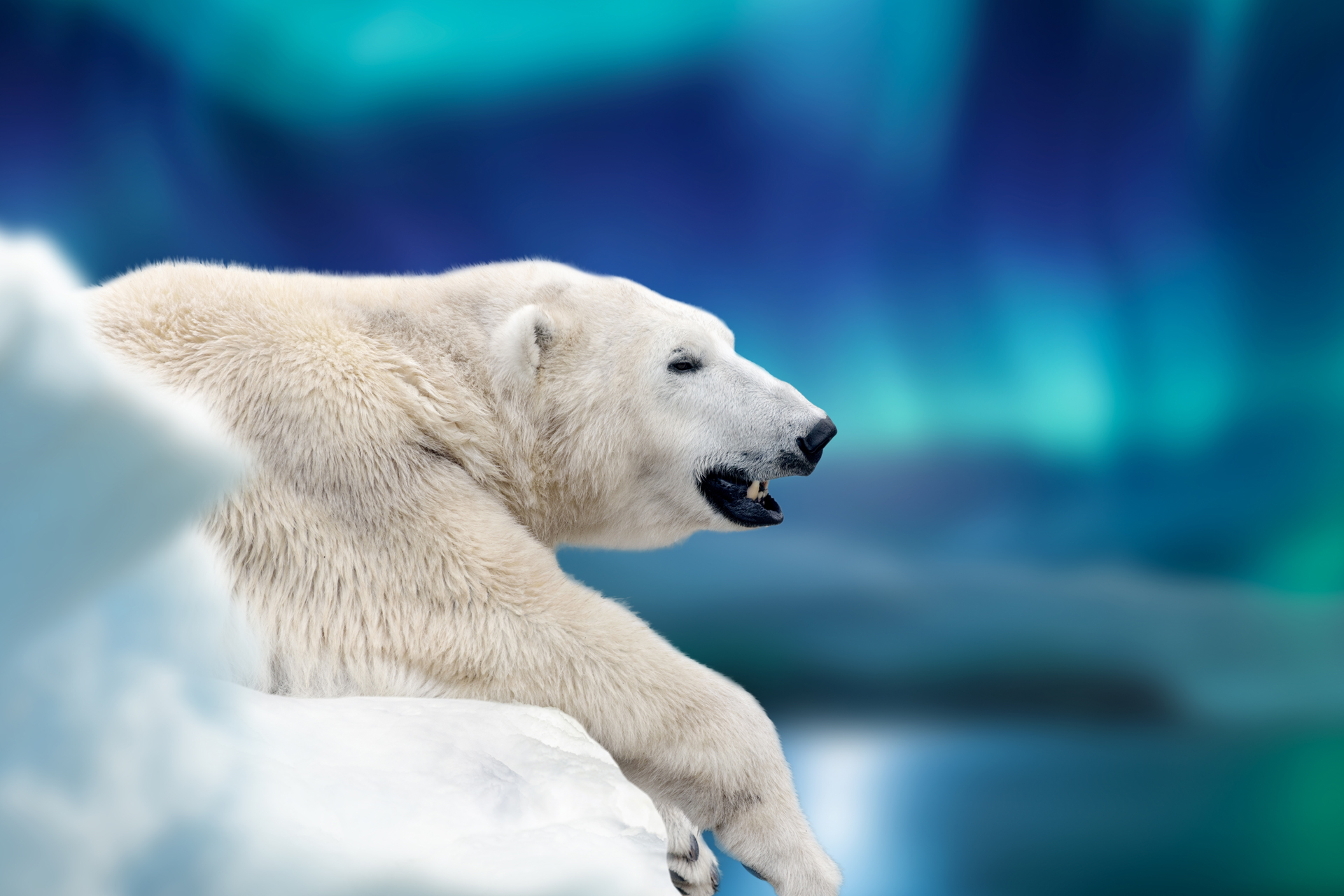
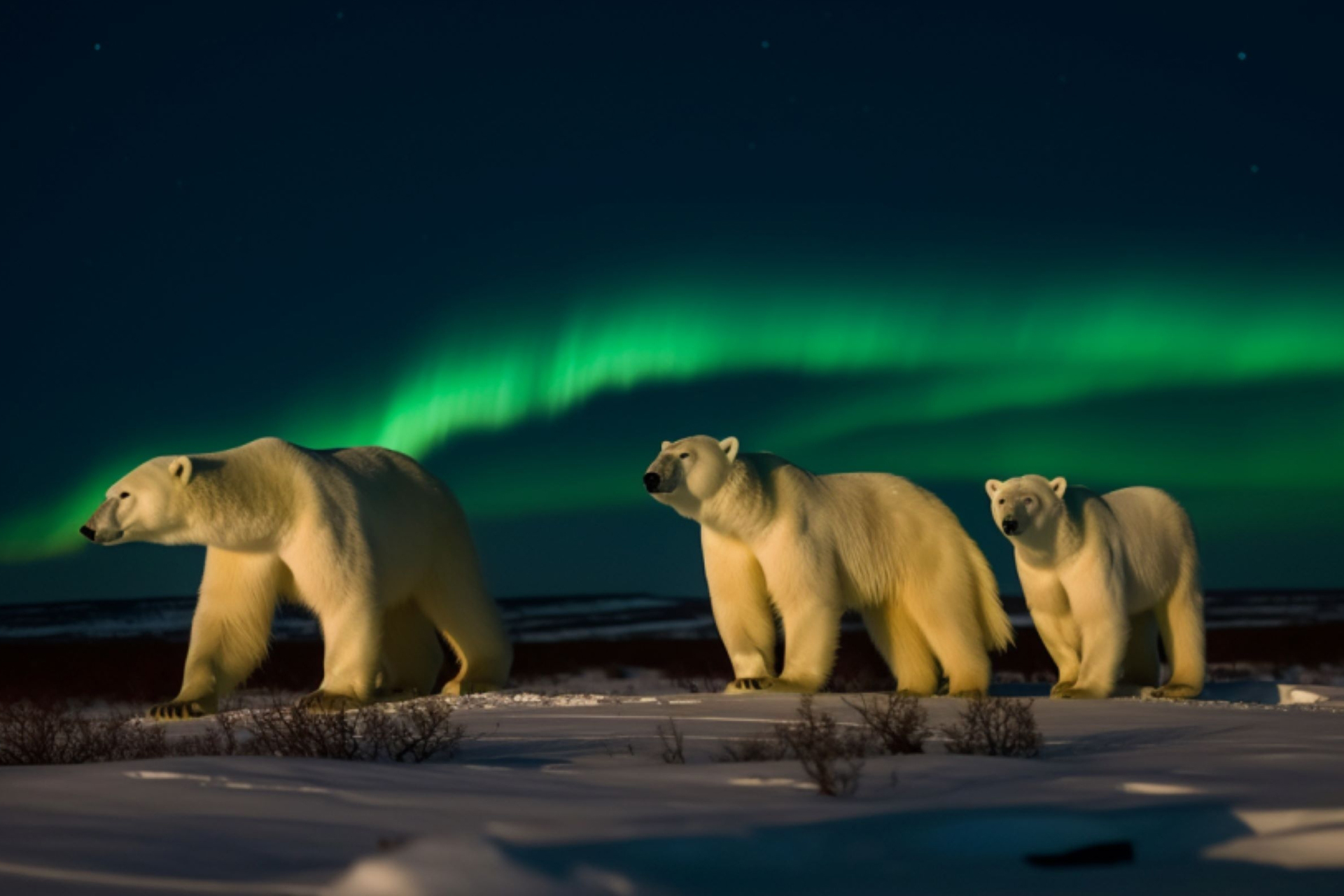
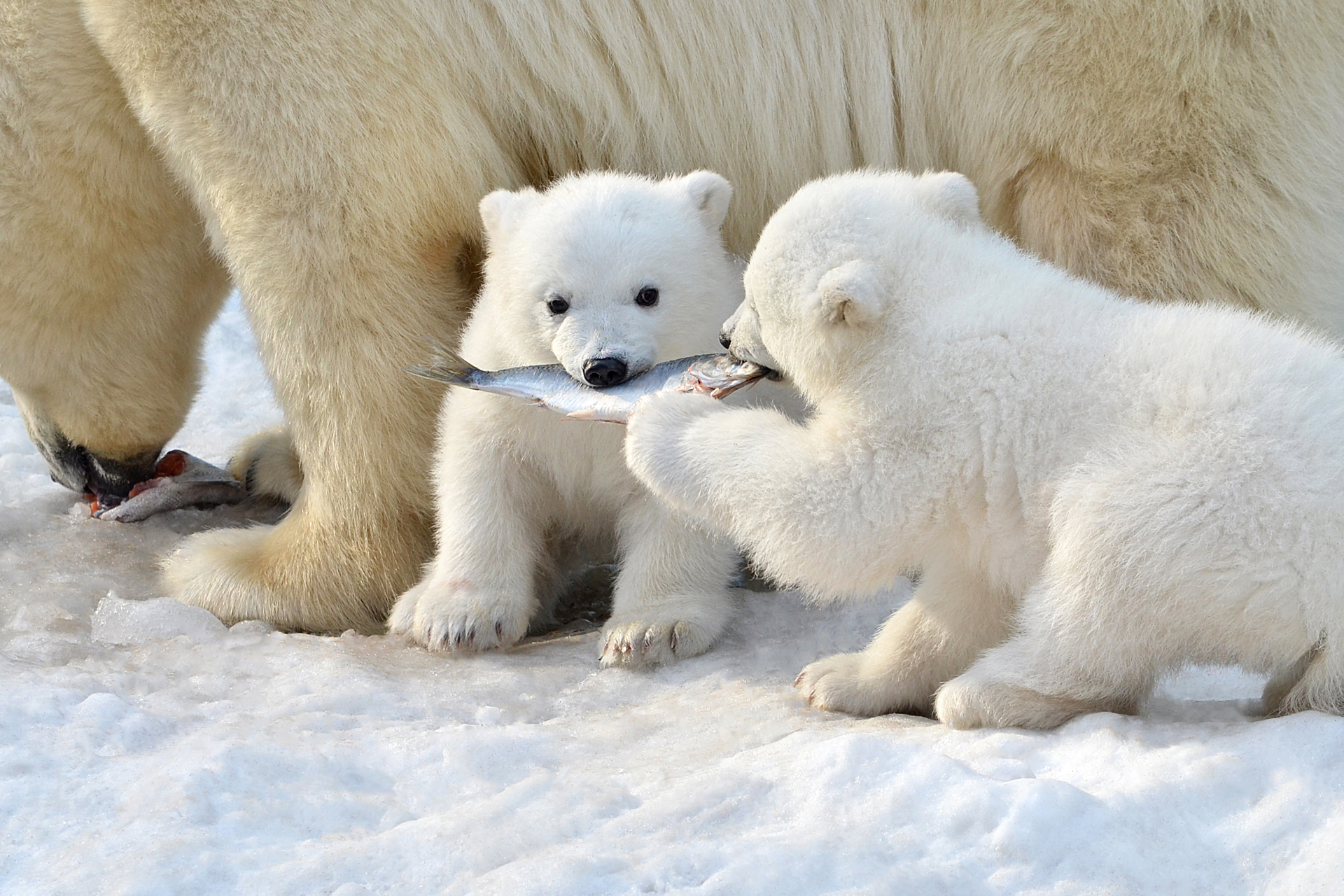
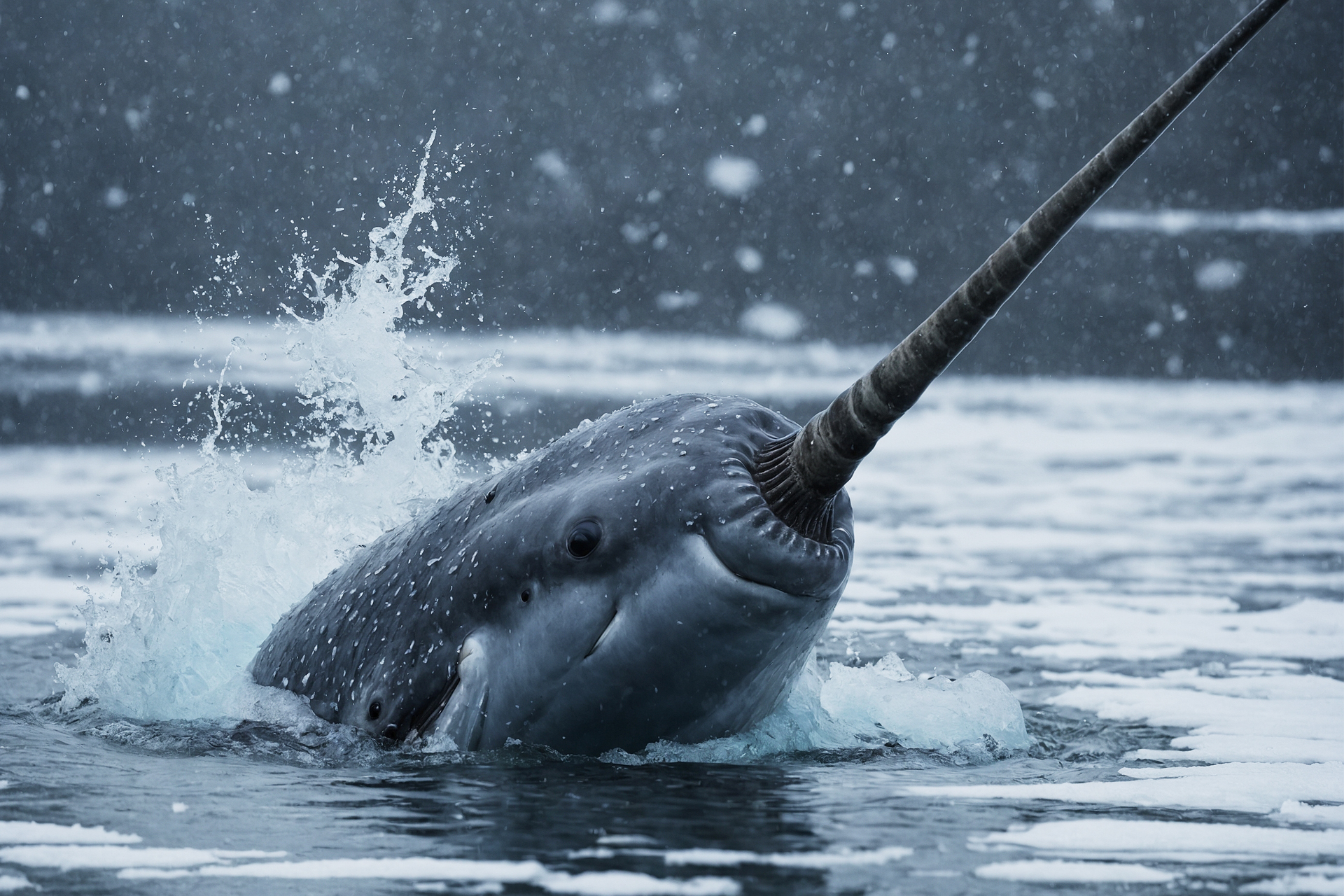
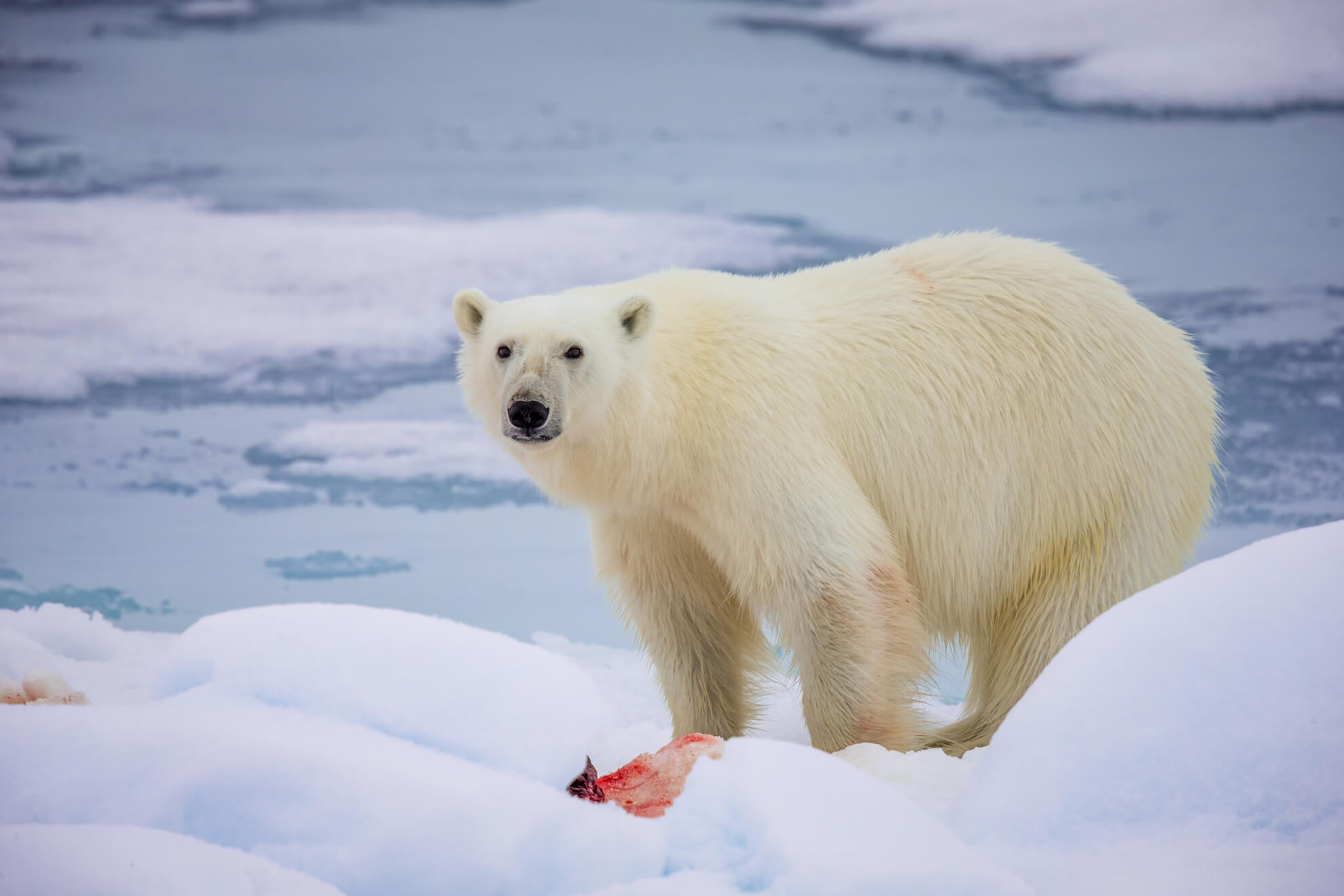
Envisioning the Arctic as a blank polar wasteland is an all-too-common mistake. The Far North has a severe climate, to be sure, but it is also a place of great seasonal ecological productivity. It is the home of the polar bear, the Arctic fox, the snowy owl, the narwhal; it is also the venerable home of human beings, for whom this top-of-the-world environment has long been a source of sustenance and sacredness.
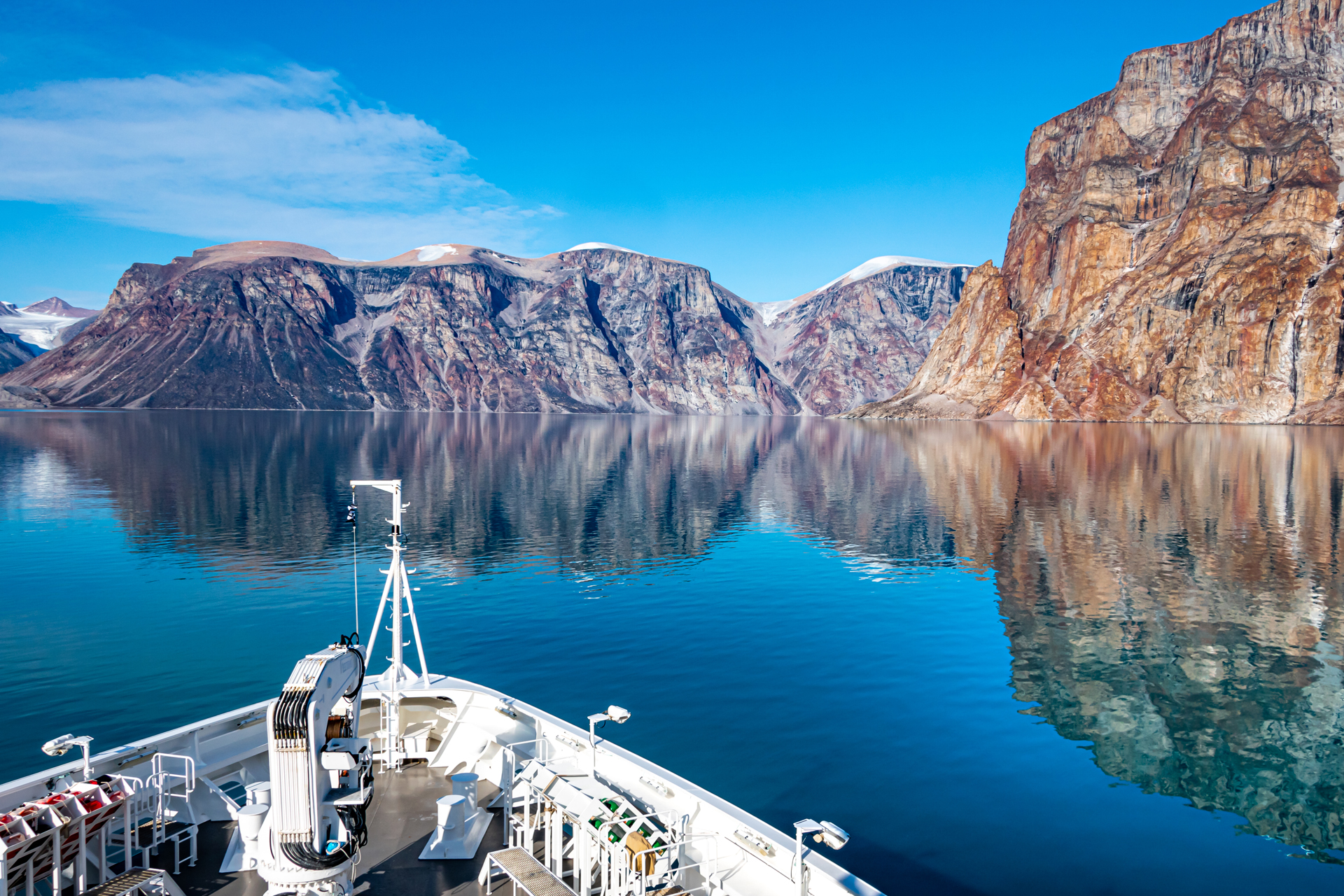
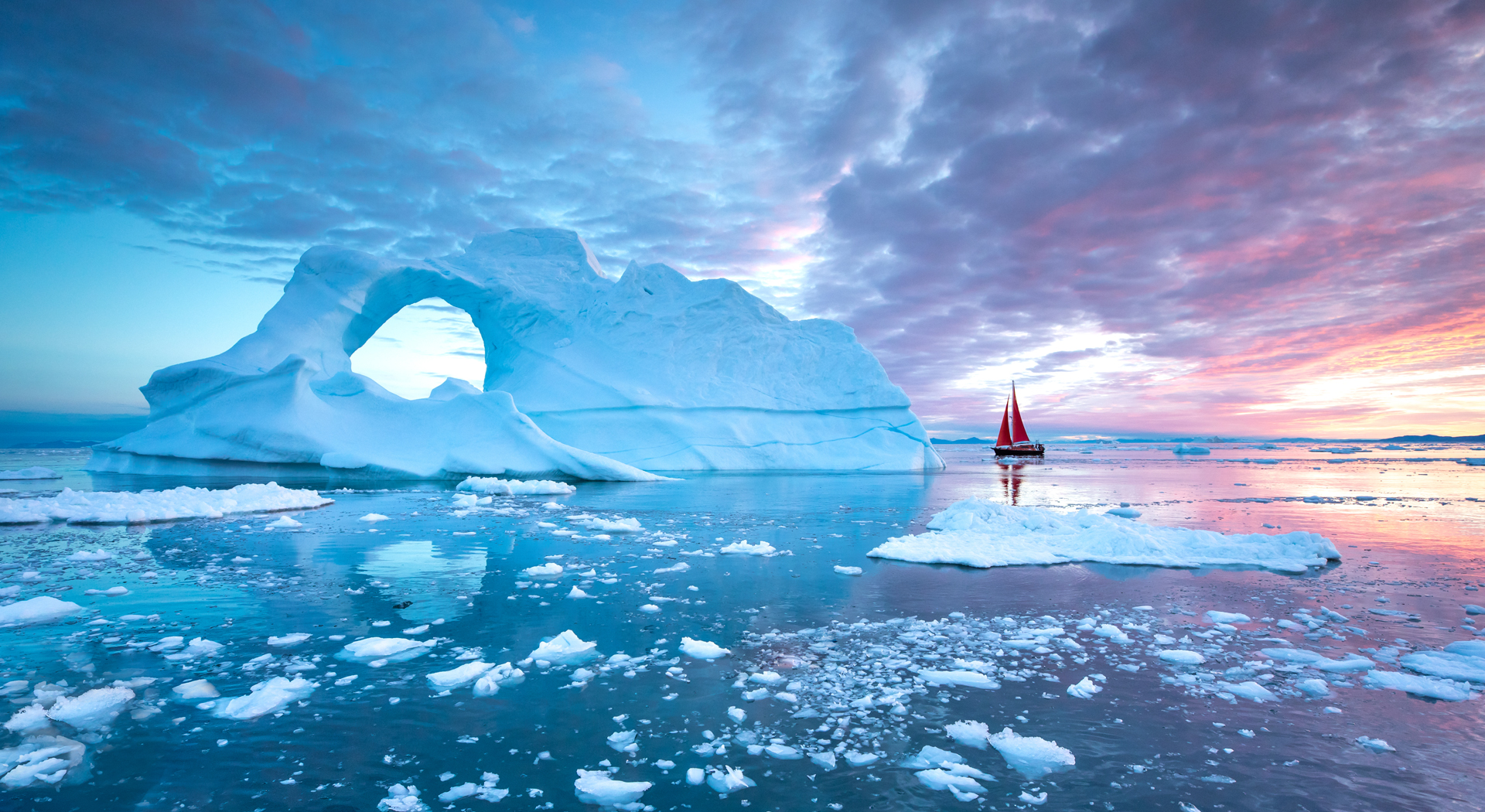
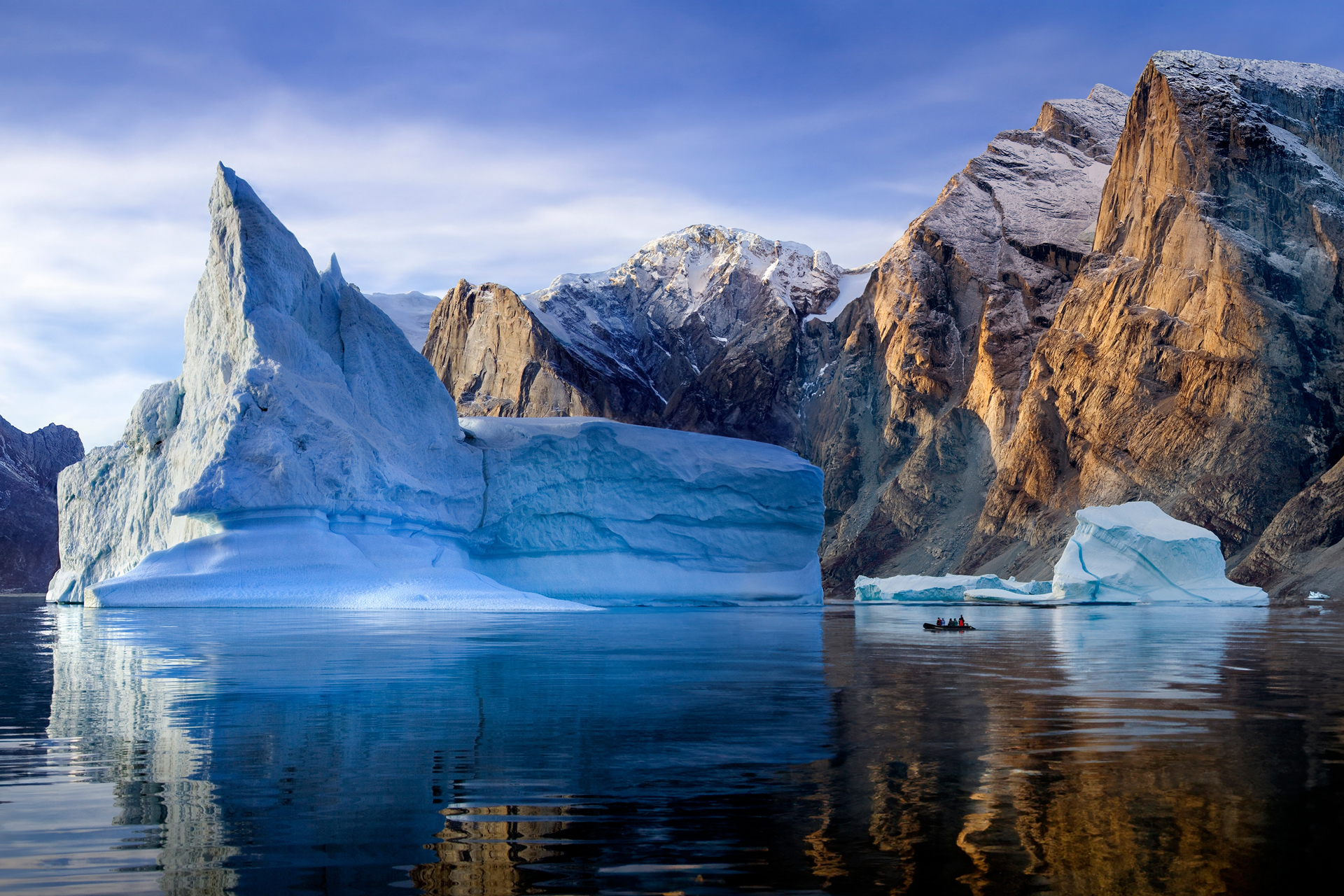
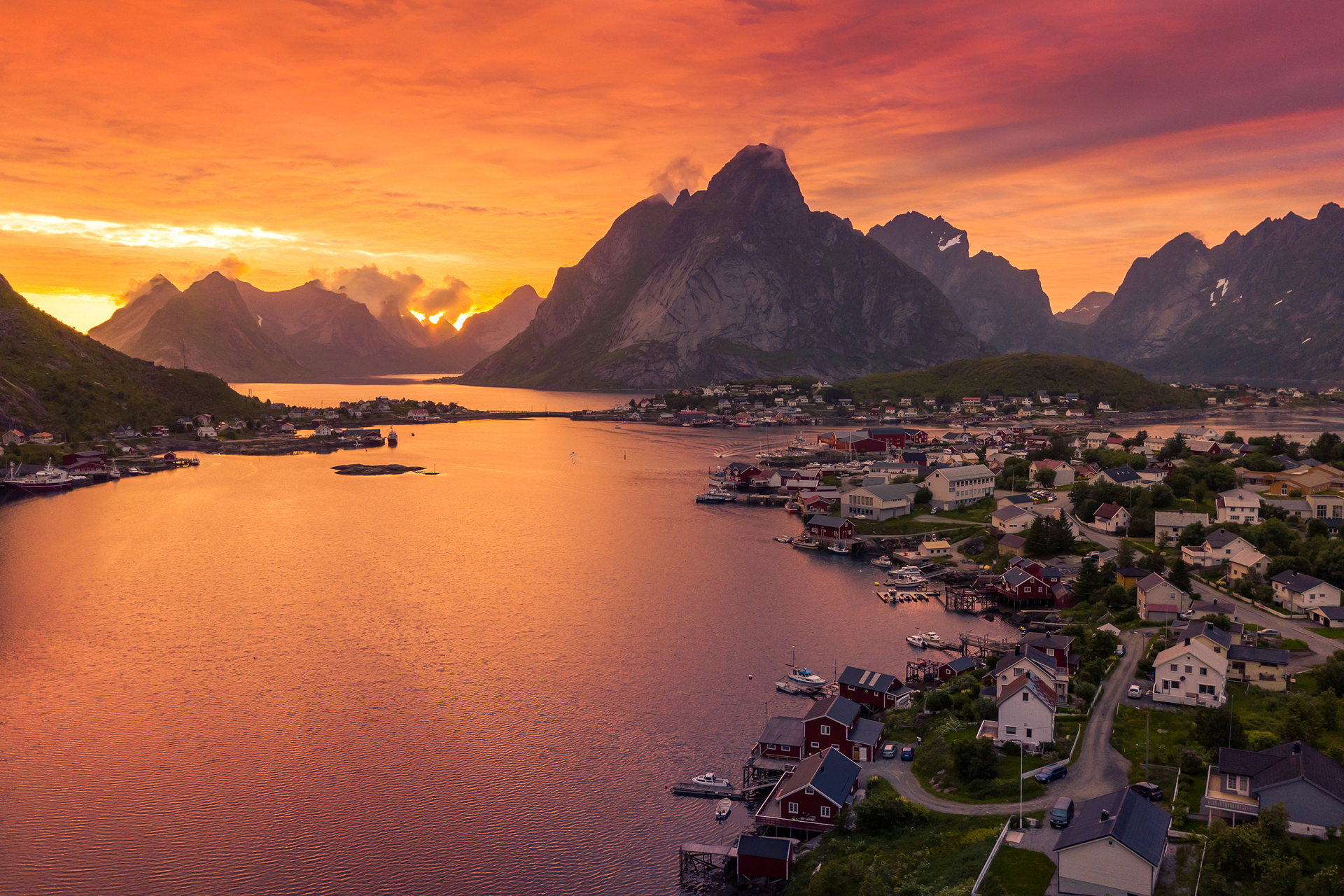
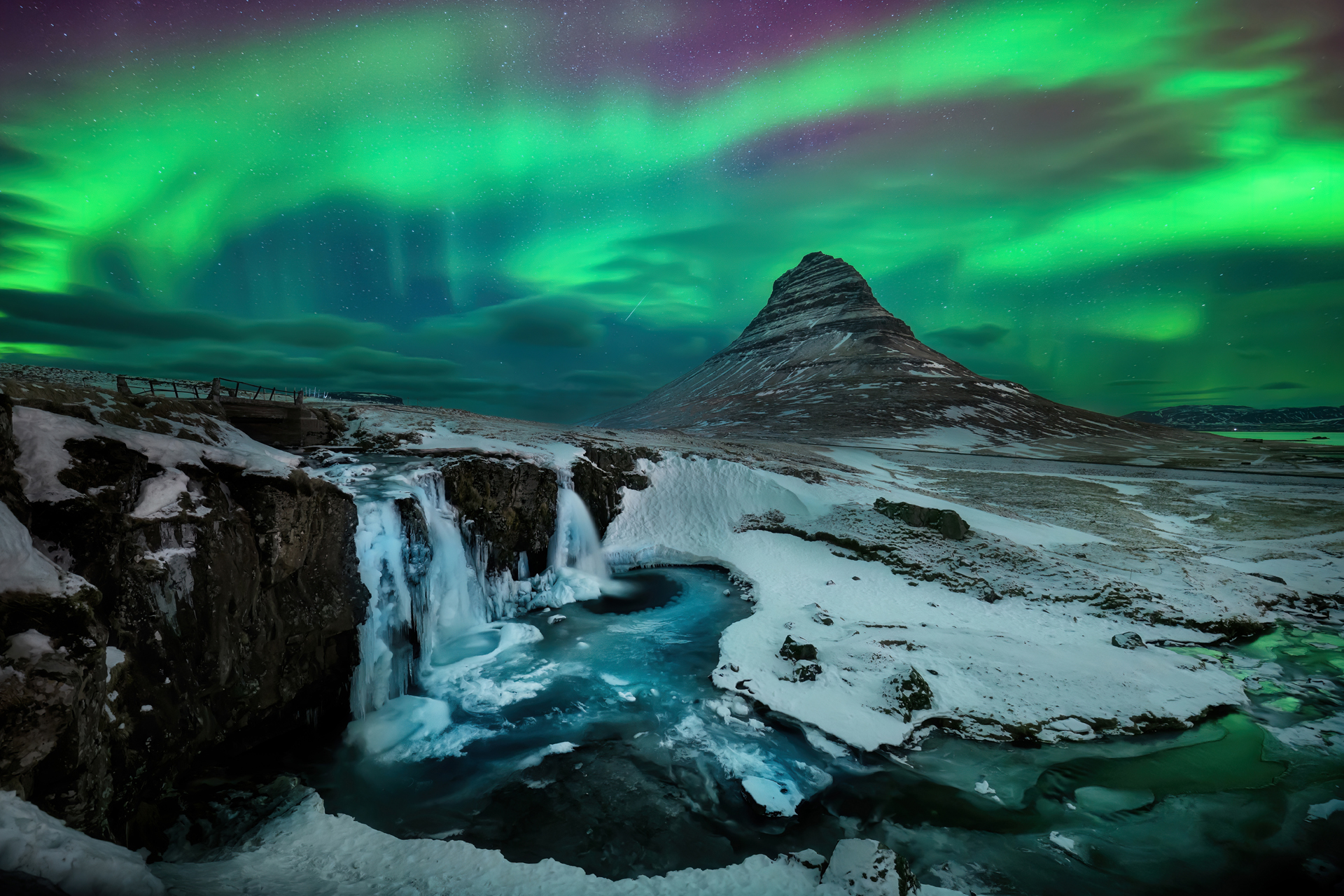
The Indigenous peoples of the Arctic, a place of remarkable ethnic and cultural diversity, are an intrinsic part of its fabric. They have been for millennia, and continue to be so. When you sightsee up here amid soaring cliffs and peaks, tundra vastnesses, and iceberg-littered fjords and straits, you are, nearly everywhere, traveling in spaces with deep Indigenous roots and continued Indigenous significance.
Of course, today there are many Arctic Circle inhabitants with backgrounds from all over the world, including in large cities such as Murmansk and Tromsø. But in this article, we’ll be focusing on the Indigenous cultures who can lay claim to the deepest and firmest roots in the polar and subpolar realms.
The Indigenous Heritage of the Arctic & Subarctic
Roughly speaking, there are 40-odd ethnic groups found in the Arctic: a reminder, again, that what may seem to be a homogenous and harsh realm actually supports significant ecological diversity and accordant ways of being.
These Indigenous peoples range from the Enets and Selkup of northwestern Siberia to the Yupik of the Russian Far East and Alaska and the Inuit of the North American Arctic. The ethnic palette expands all the more when one considers the Subarctic cultural zone that borders and overlaps somewhat with the Arctic Circle proper. In North America, for instance, numerous Alaska Native and First Nations groups—the Gwich’in, the Tlicho, the Cree, the Innut, and others—call home the taiga south of the Arctic timberline and, in some cases, range into the forest-tundra and tundra realms to the north.
Human occupation of the Arctic goes back many thousands of years. People have inhabited the Eurasian Arctic since the Upper Paleolithic. The timetable for the colonization of North America by northeastern Siberian peoples—ancestors of the so-called Paleo-Indians of the New World—keeps getting pushed back with new archaeological finds and greater appreciation for traditional knowledge, but is now reckoned on the order of tens of thousands of years ago. Later waves of human dispersal saw the heart of the North American Arctic colonized some 5,000 to 6,000 years ago, with the ancestors of today’s Yupi and Inuit peoples, the Thule, spreading from Alaska across the Canadian Arctic into Greenland beginning around perhaps 1000 C.E.
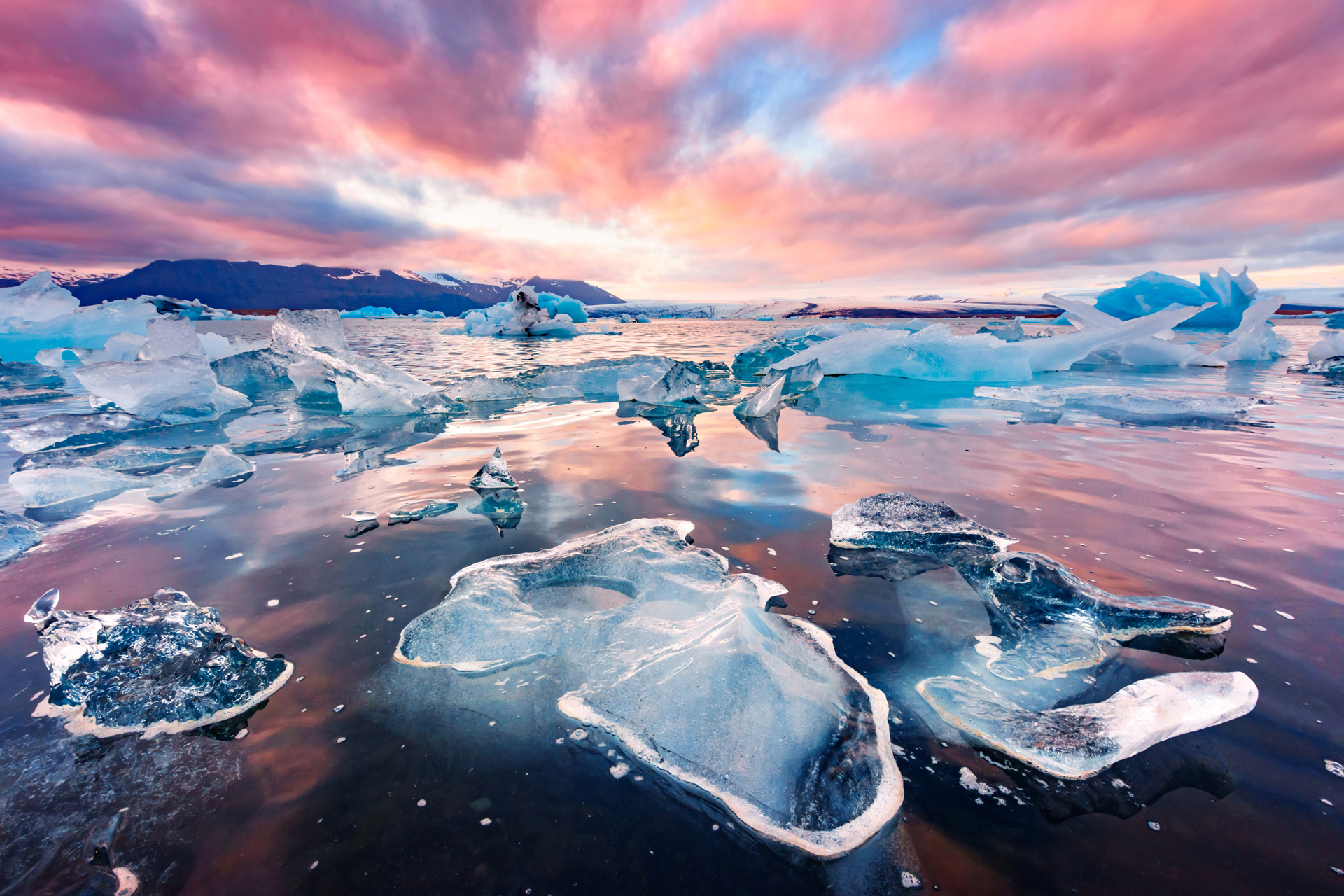
It’s worth noting that a few corners of the Arctic that we explore on our cruises are not thought to have ever supported a permanent Indigenous population. These include Iceland, for example, as well as the remote Norwegian Arctic archipelago of Svalbard.
Patterns of Subsistence: Living Off the Land and Sea
Traditional lifeways of the Arctic and Subarctic realms reflect the ecological diversity and seasonal ecosystem processes of this vast northern land-and-seascape. Some cultures were primarily terrestrial-oriented in their subsistence, relying on hunting-and-gathering or pastoralism in taiga and forest-tundra reaches, while others with access to the coast (or to salmon-bearing rivers) incorporated more marine resources into their livelihood.
Domesticated Herding in Eurasia
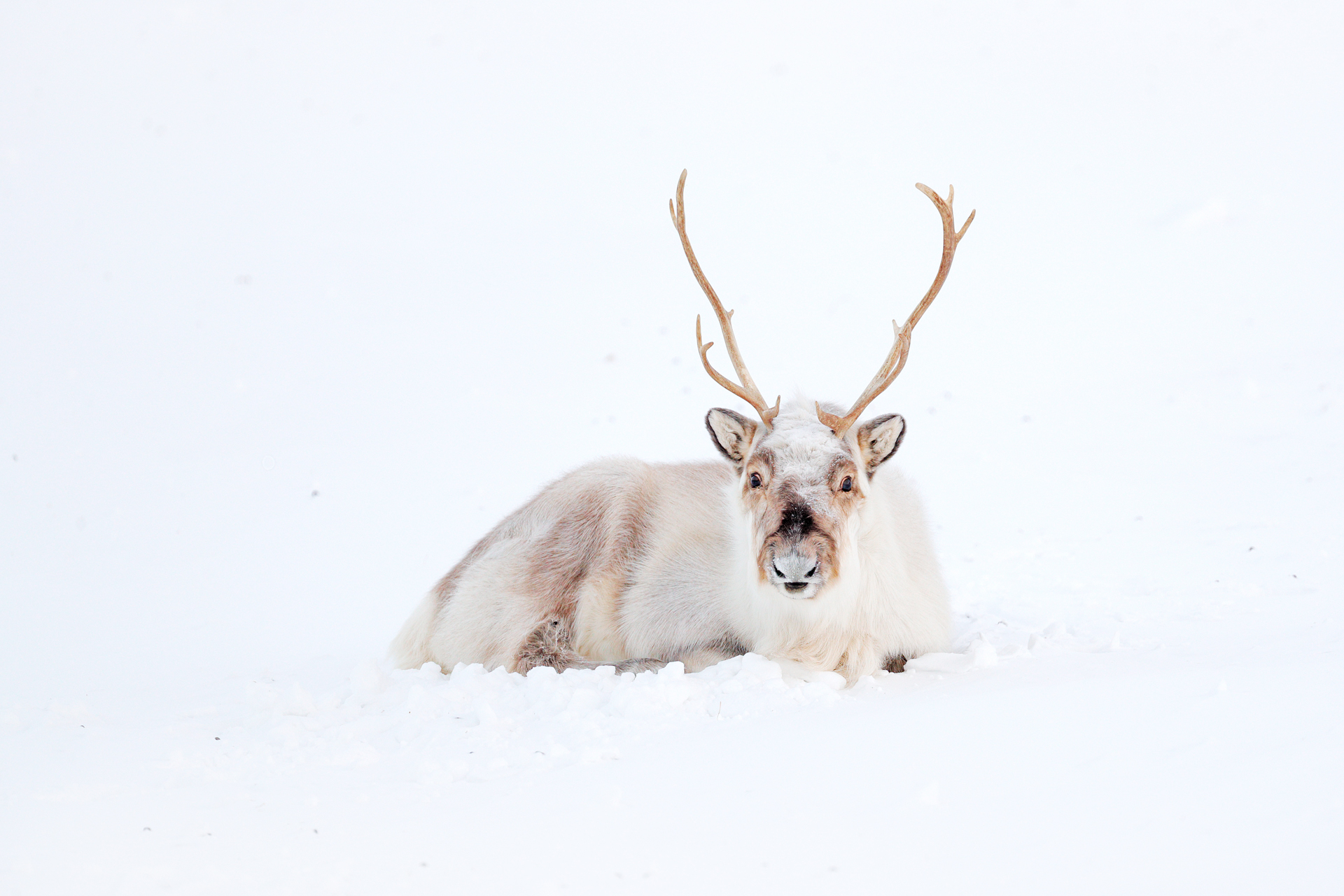
A fundamental distinction between the Eurasian and North American Arctic/Subarctic concerns one of the largest native land mammals of this circumpolar realm: the caribou or reindeer. In Eurasia, where this palmate-antlered member of the deer family is generally called reindeer, the species was widely domesticated or semi-domesticated, and many peoples from Fennoscandia to Siberia (and well south into the taiga-steppe transitional country of Asia) adopted reindeer husbandry. This was an evolution from lifeways based around reindeer-hunting that were themselves a legacy of Pleistocene peoples as big-game specialists amid that period’s outstanding megafaunal biomass (mammoths, woolly rhinos, etc.).
Eurasian Arctic and Subarctic peoples utilized reindeer in different ways. In tundra zones especially, nomadic reindeer-herding based around the use of the ungulates for food, fat, and hides was widespread. Taiga-dwellers more commonly employed reindeer as pack animals and mounts to support semi-nomadic hunting-and-gathering lifestyles. Because many northern cultures in Eurasia straddle tundra and taiga zones, both forms of reindeer husbandry are often found within the same ethnic group.
Hunting in the North American Wild
In North America, neither woodland/mountain caribou nor tundra caribou were domesticated by Arctic Indigenous peoples, who traditionally have been hunters, fishers, and gatherers and not pastoralists. Where found, caribou were important food sources in the North American Arctic, and the extensive migrations of tundra caribou between barrens and taiga helped shape many cultures’ seasonal rounds.
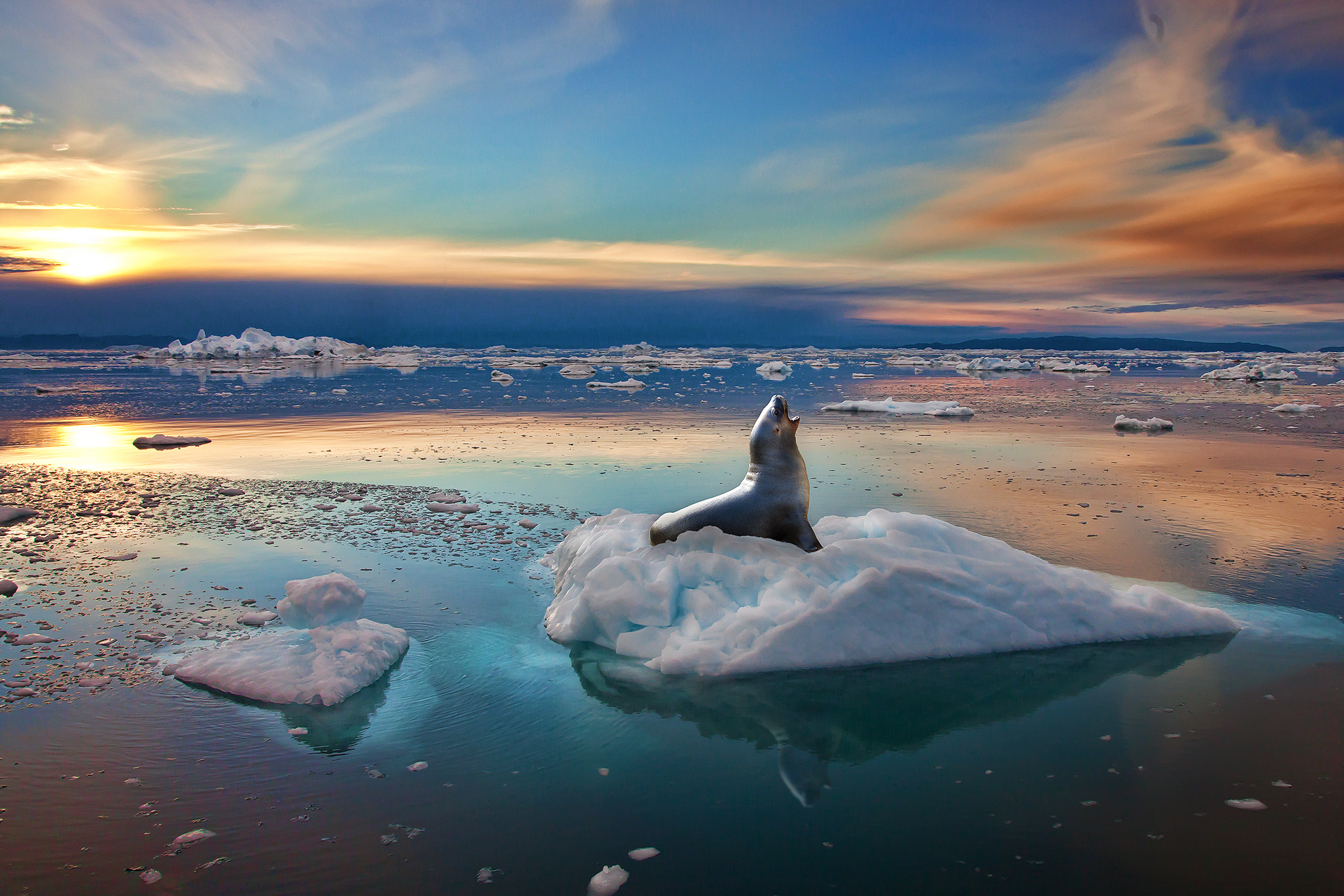
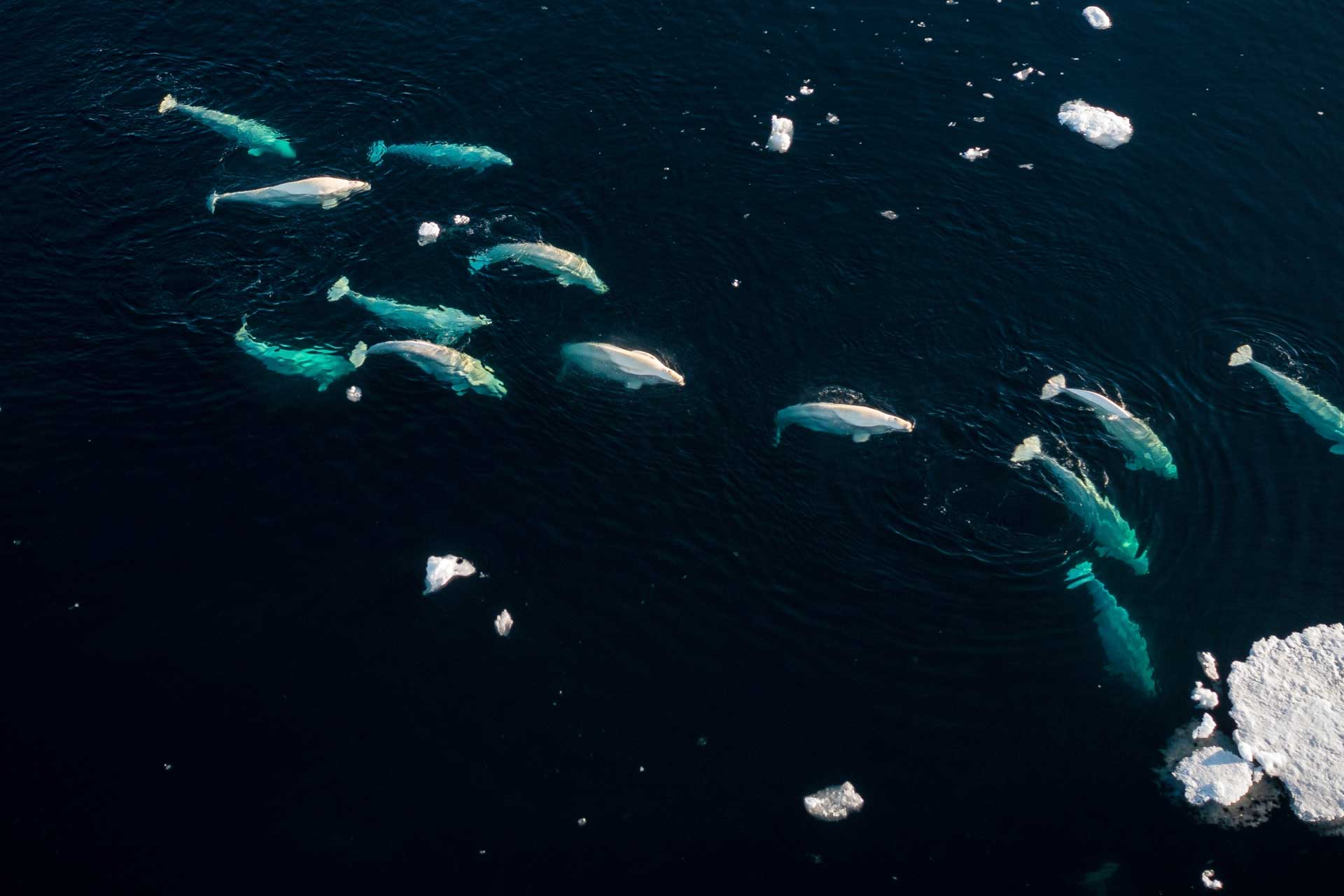
For Arctic peoples whose homeland included the seacoast, marine resources such as fish, seals, walruses, and whales were and are fundamental to subsistence. Many groups tap both land and sea resources, with, for example, certain Inuit cultures hunting both caribou and muskoxen as well as baleen whales and pinnipeds (seals and walruses).
Modern Tools Meet Ancestral Rhythms
Bear in mind that many Arctic Indigenous peoples today lead lives far removed from those of their ancestors, including urban-based existences that may or may not be anywhere close to their traditional homelands. But these cultures have also readily and thoughtfully incorporated imported technologies into daily and seasonal rhythms that still evoke traditional lifeways.
From herding reindeer with snowmobiles to using the Internet to teach Native languages at risk of fading away, these Indigenous communities are neither stuck in the past nor abandoning the old ways: They are maintaining their living culture in a globalized world. And they’re attempting to do so even in the shadow of climate change, which is impacting the Arctic as acutely as anyplace on Earth.
Sampling the Far North’s Ethnic Diversity
A post such as this can’t possibly do justice to the Indigenous cultural richness of the Arctic—not even close! But we can highlight just how much of the circumpolar belt comes imprinted with millennia of human stories and lifeways.
The Sámi
Take, for example, the Sámi (or Saami) of northern Fennoscandia. Their homeland, called Sápmi, comprises northern Scandinavia, Finland, and Russia’s Kola Peninsula, a geographic region roughly corresponding to what historically has been called Lapland. In the deeper past, the Sámi likely ranged farther south in Fennoscandia, including the bulk of Finland, before retreating to the northern Subarctic and Arctic reaches as colonizer settlements and agriculture encroached upon them.
The Sámi have always exhibited a range of lifestyles, from coastal fishers and farmers to taiga hunters and trappers. For the latter, reindeer were often employed as beasts of burden, but the best-known (to the outside world) form of animal husbandry associated with the Sámi is the reindeer pastoralism practiced by nomadic groups in mountain, highland, and tundra environs. While much-diminished, such herding continues in at least some form today.
Demographers estimate the current Sámi population as anywhere from about 70,000 to more than 100,000, with the majority residing in Norway.
The Nenets
Farther eastward in the Eurasian Arctic, the Nenets of Russia also traditionally carried out reindeer husbandry. In keeping with similar patterns seen in other northern Indigenous peoples on the continent, Tundra Nenets—whose homeland stretches between the Kola and Taymyr peninsulas—herded reindeer in nomadic transhumance, while the more southerly, taiga-associated Forest Nenets used reindeer as draft animals. Another working beast among the Nenets was and is the famous Samoyed dog, bred for herding reindeer and hauling sleds; Samoyeds came to be highly prized among polar explorers in both the Arctic and Antarctic.
Some 50,000 Nenets are thought to call Russia home today.
The Inuit
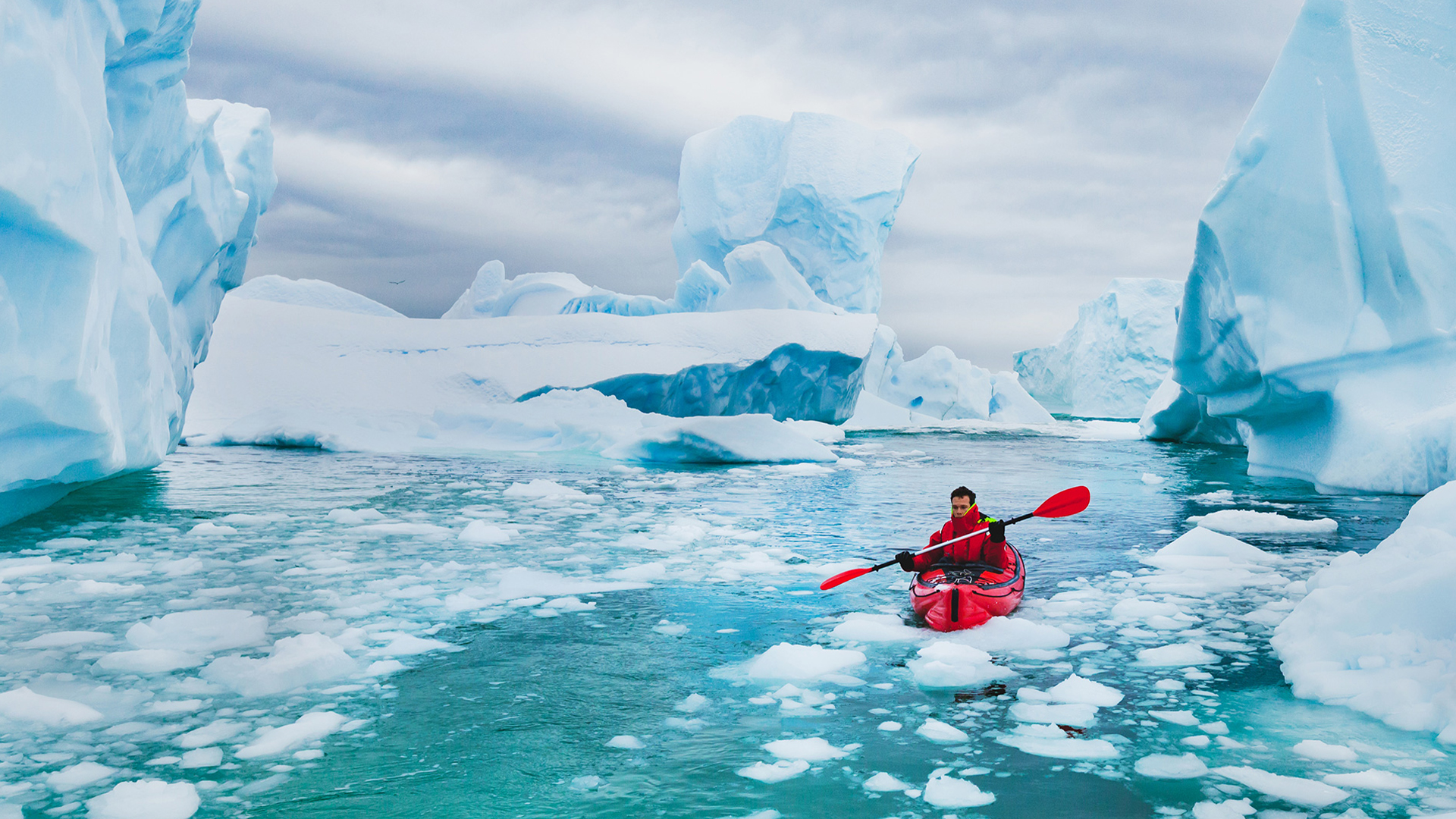
Among the Arctic Indigenous peoples laying claim to the largest homeland are the Inuit, whose geography stretches from Greenland (Kalaallit Nunaat) across Arctic Canada into northern and western Alaska to the far eastern periphery of Russia (the Chukotka Peninsula). Different Inuit subgroups, distinguishing themselves partly by dialect, include Alaska’s Iñupiat (Alaskan Inuit), the Inuvialuit (Western Canadian Inuit), and the Kalaallit (Western Greenlandic Inuit). The Inuit inhabit some of the most northerly landmasses on Earth, and have historically reaped much of their livelihood from polar and subpolar seas, hunting seals, walruses, bowhead whales, and other marine life from masterfully crafted boats (kayaks and umiaks). Caribou and other terrestrial game are also hugely important traditional foods.
The current Inuit population is reckoned at more than 150,000. The Canadian homeland of the Inuit is called Inuit Nunangat, which encompasses the Inuuialuit Settlement Region, Nunavut, Nunavik, and Nunatsiavut. As the Indigenous Peoples Atlas of Canada notes, the Inuit may be considered “the largest Indigenous landowners in the world,” given they “own or have jurisdiction over half the Arctic.”
(It’s worth noting that the numerous subgroups of Inuit as well as the related Yupik of western Alaska and the Russian Far East have often been lumped together by outsiders, including their colonizing nations, under the term “Eskimo.” Many consider this label—less widely heard today but still encountered—pejorative and offensive, and furthermore it broad-brushes a very diverse array of Indigenous peoples.)
Indigenous Peoples in Today’s Arctic
It’s estimated that about 500,000 of the four or so million inhabitants of the Arctic are Indigenous peoples. In other words, non-Indigenous residents greatly outnumber Indigenous residents. Yet the Arctic’s native cultures remain at the very center of this realm’s human story. Many challenges remain: the lingering effects of persecution, racism, and disenfranchisement; continuing struggles for political recognition and sway; economic and societal upheaval stemming from lost or dying traditions and the world-shaking impacts of climate change; etc. Yet Indigenous Arctic peoples continue to take pride in their heritage, to maintain, revitalize, and adapt defining cultural practices in the 21st century, and to increasingly make their voices heard within the modern political entities whose boundaries now include their homelands.
The political status of Arctic Indigenous peoples varies widely, but many have some degree of autonomy within the nation states that now include their homelands. The imposition of those nation-state boundaries in modern historical times upon Indigenous Arctic lands has many parallels throughout the world, of course. As then-chair of the Inuit Circumpolar Council Okalik Eegeesiak put it in a 2017 article in the UN Chronicle, “We [the Inuit] are 165,000 people living in Canada, Greenland, the Russian Federation, and in the State of Alaska in the United States of America. Inuit are one people divided by what we consider to be artificial boundaries created by the old European colonial system.”
A Voice at the Table: The Arctic Council
In addition to protecting their own cultural identities, many Arctic peoples have also recognized solidarity across ethnic boundaries as proud representatives of the circumpolar region’s Indigenous heritage.
Six Indigenous organizations sit on the Arctic Council, the intergovernmental forum focused on cooperation and collaboration between Arctic States and peoples, particularly with regard to sustainability and the environment. Classified as “Permanent Participants” on the Arctic Council, these organizations are the:
- Aleut International Association
- Arctic Athabaskan Council
- Gwich’in Council International
- Inuit Circumpolar Council
- Russian Association of Indigenous Peoples of the North
- Saami Council
Visiting Arctic Landscapes of Deep Indigenous Meaning & Tradition
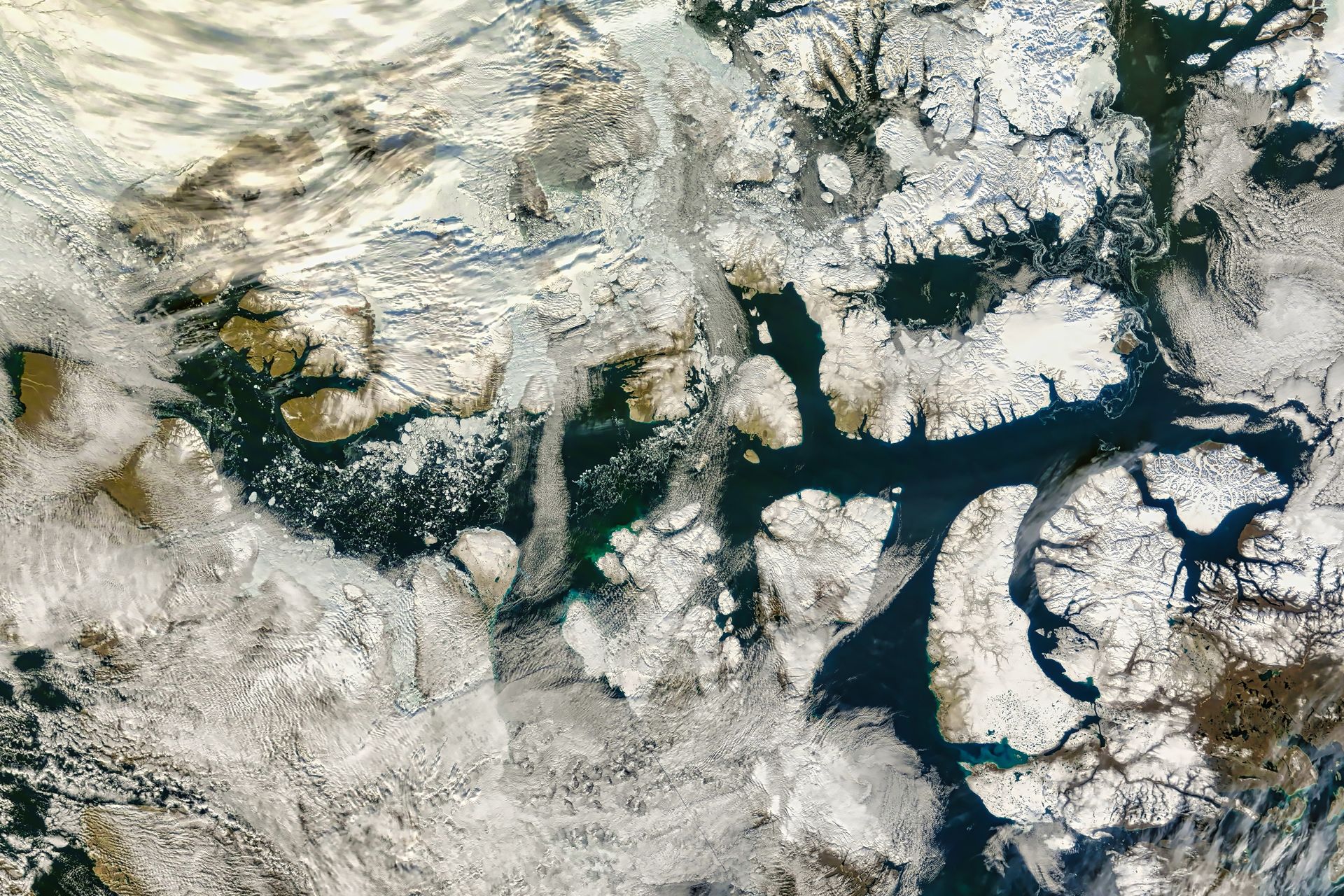
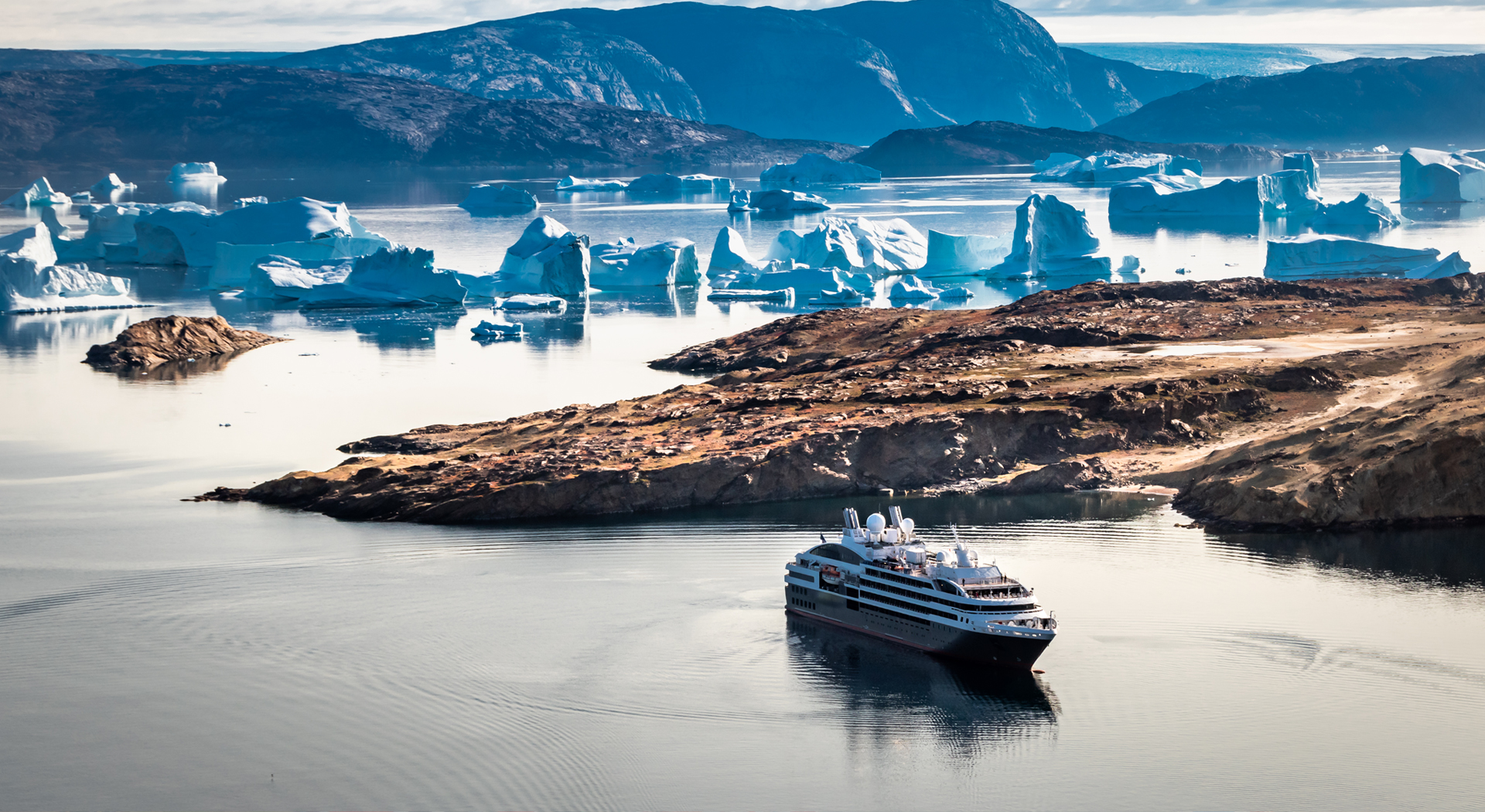
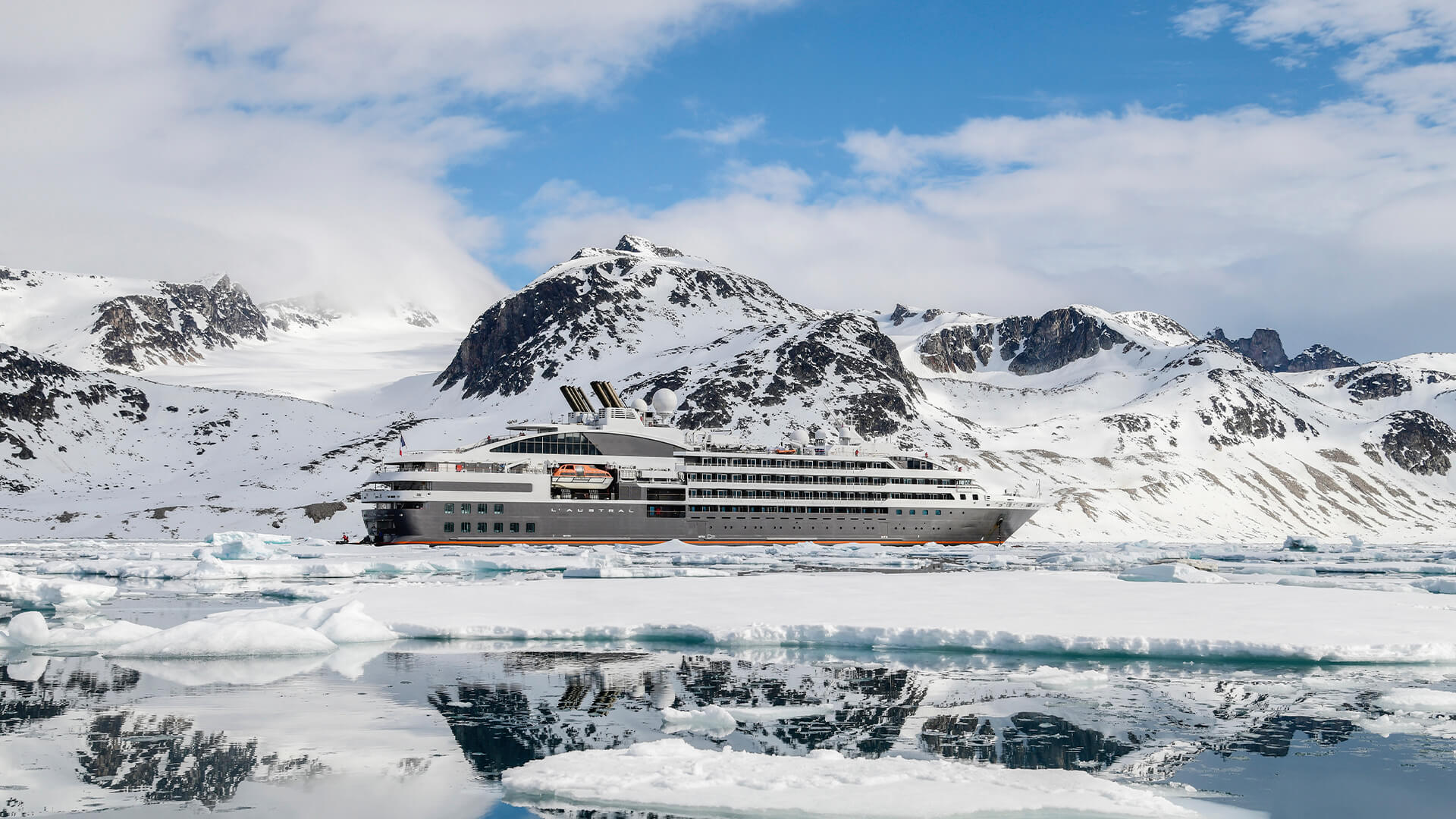
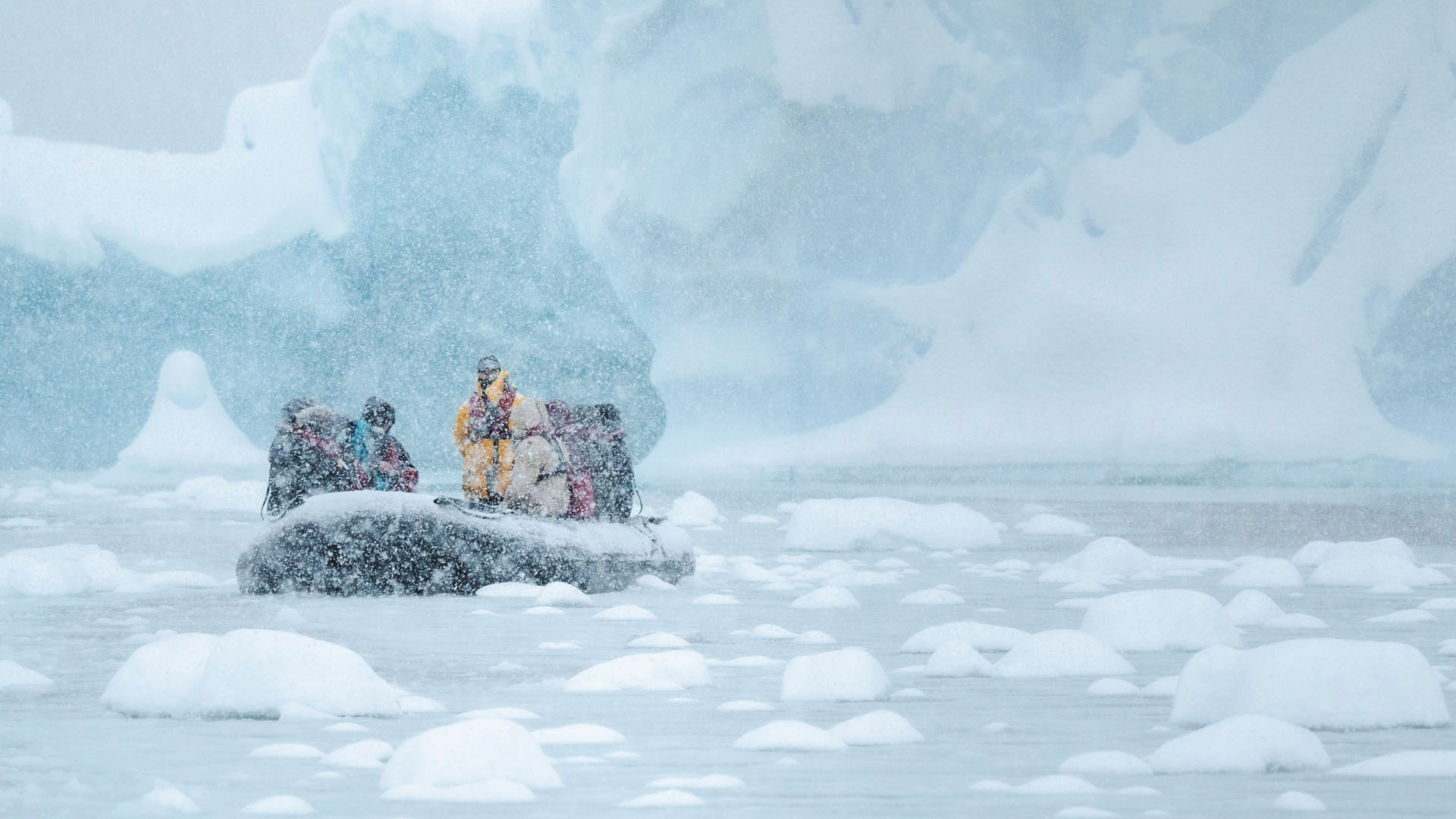
When you cruise with us through the fjords of Greenland and the Northwest Passage channels of the Canadian Arctic Archipelago, savor the privilege of seeing not only wonders of physical geography and wildlife, but also spectacular spaces infused with Indigenous history, tradition, and lore. Much of this breathtaking realm remains home for Native peoples, and the opportunity on some itineraries to visit Inuit communities is an unforgettable and meaningful one.
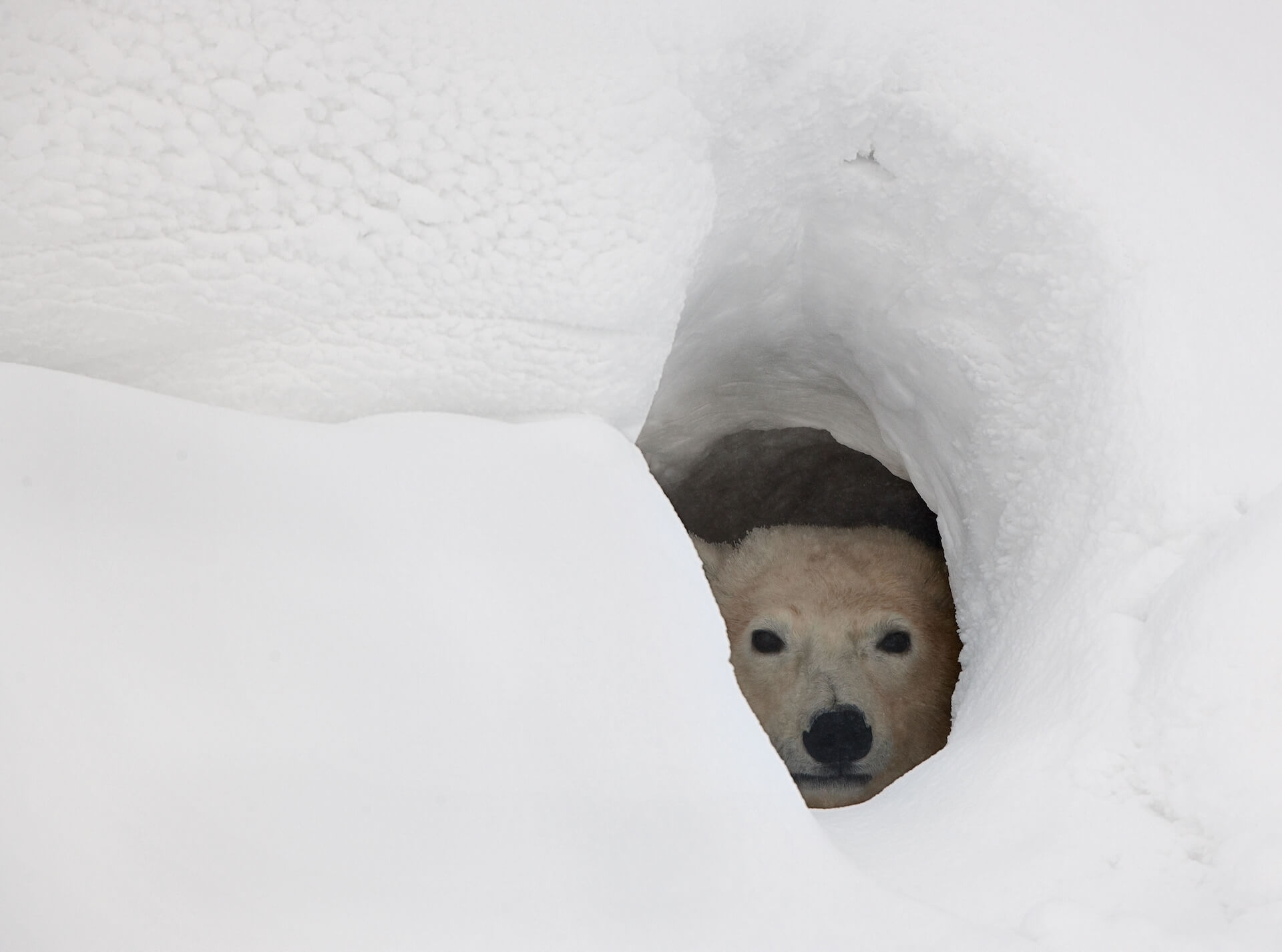
Clima y tiempo en el Ártico: ¿Cuánto frío hace realmente en el Ártico?
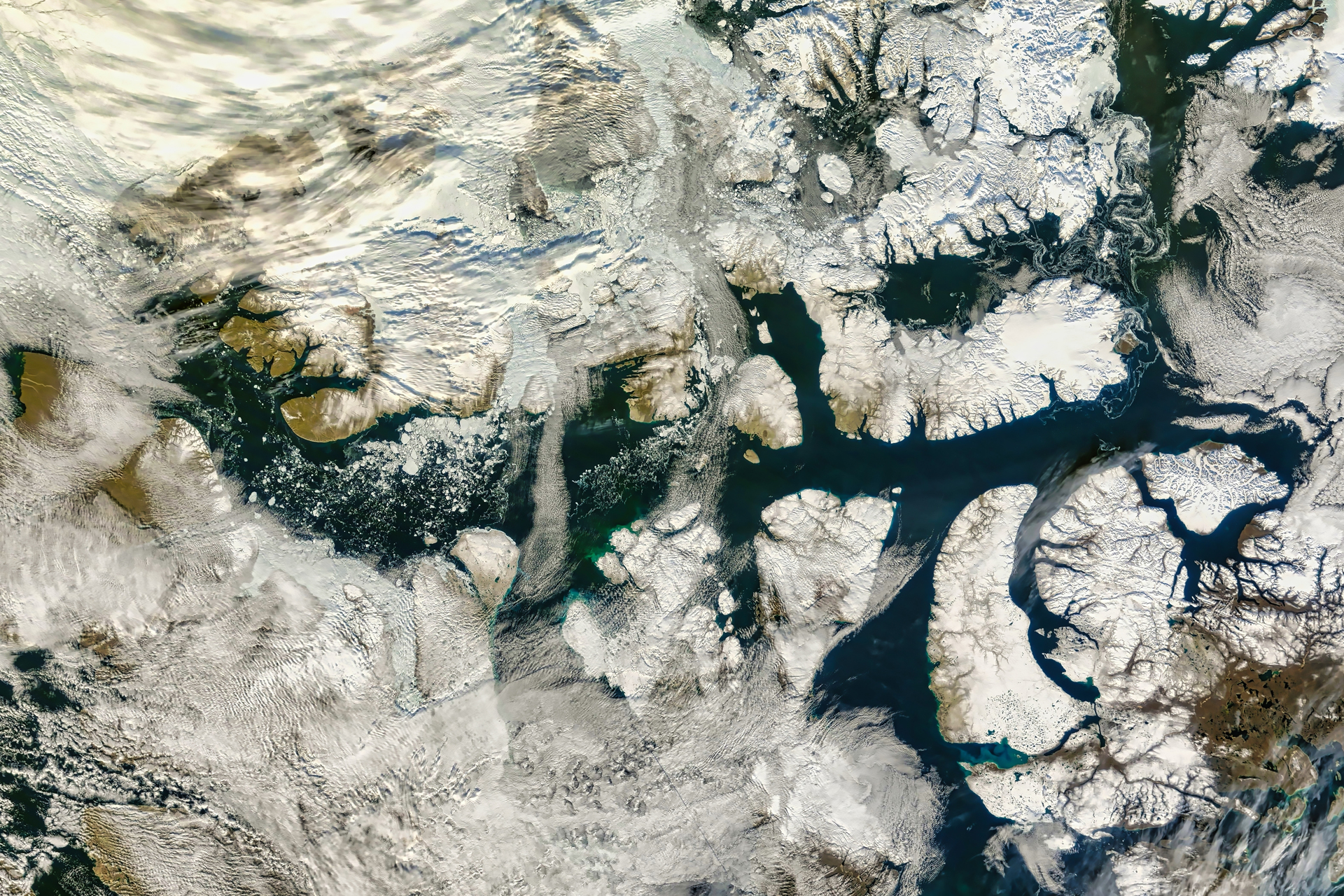
¿Qué es y dónde está el Paso del Noroeste? Definición y ubicación
¿Dónde está el Polo Sur? En la Antártida. Pero hay 7.
Aurora Australis: Las Auroras Australes
Día y noche, horas de luz y sol de medianoche en la Antártida
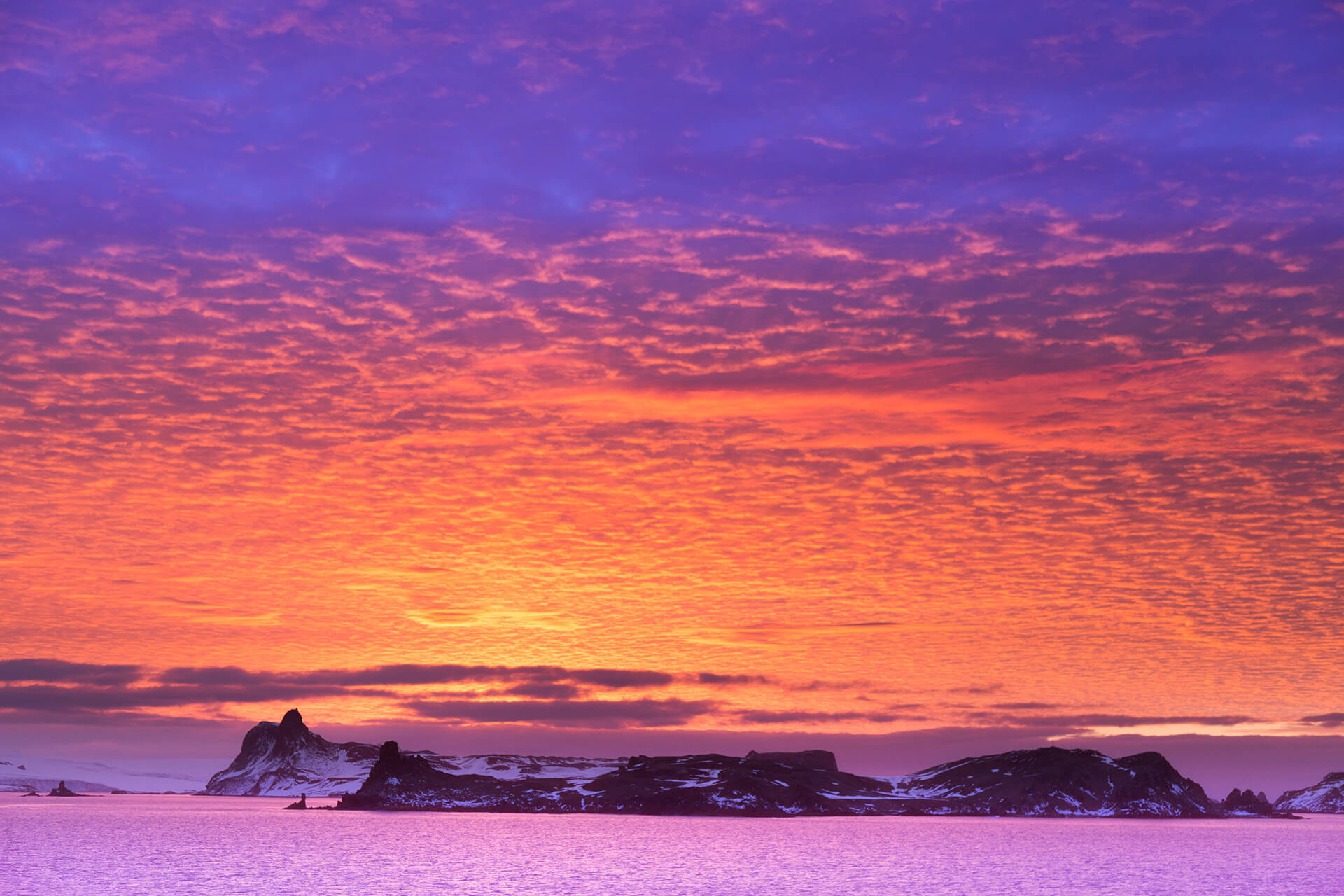
El amanecer, el atardecer y el fenómeno del destello verde en la Antártida
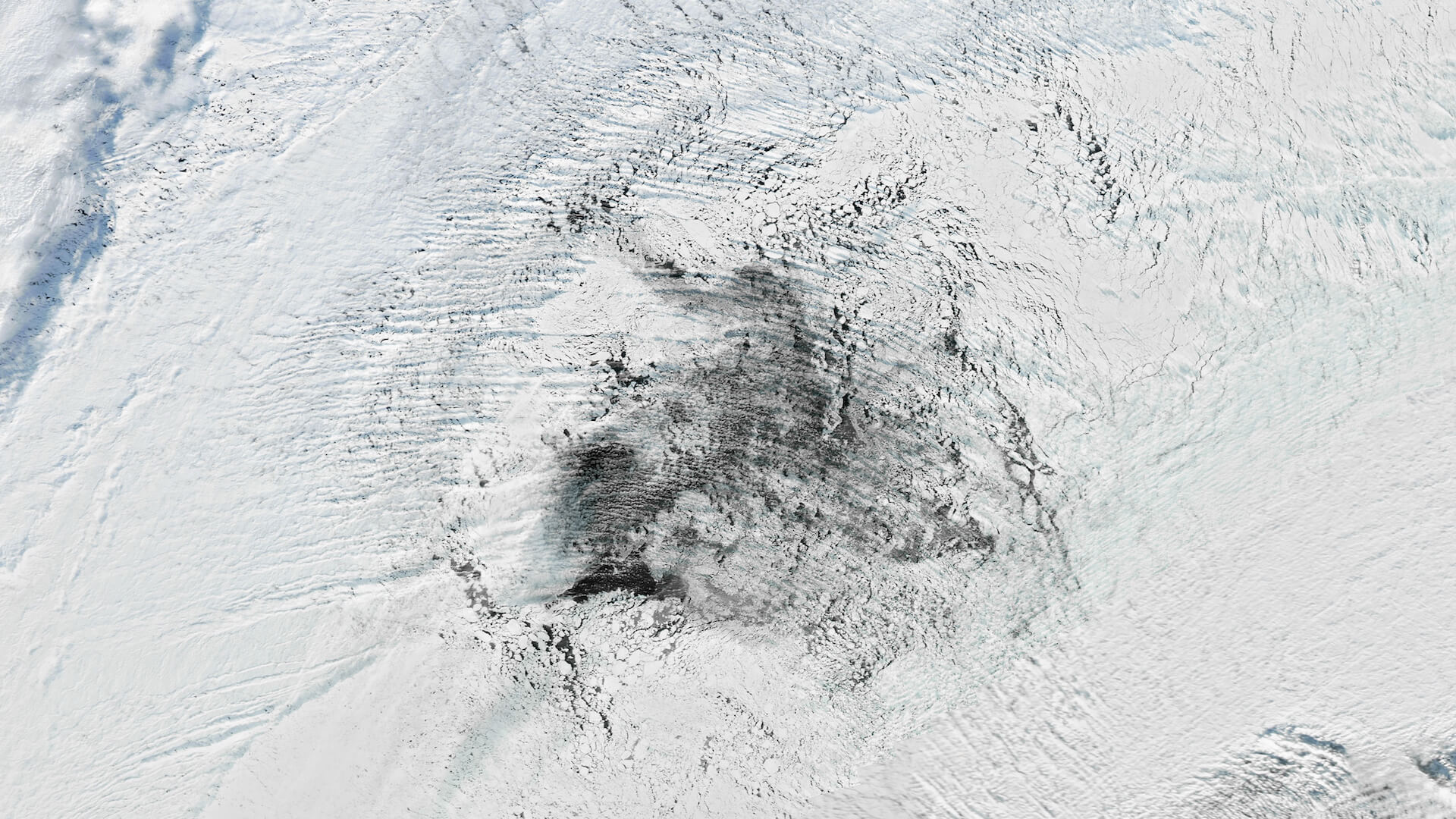
¿Un agujero gigante en la Antártida? Eso será una polinia
Cordilleras y montañas de la Antártida
La capa de hielo de la Antártida, sus plataformas de hielo y el impacto del deshielo
Descargo de responsabilidad
Nuestras guías de viaje tienen únicamente fines informativos. Si bien nuestro objetivo es proporcionar información precisa y actualizada, Antarctica Cruises no hace ninguna representación en cuanto a la exactitud o integridad de cualquier información en nuestras guías o encontrado siguiendo cualquier enlace en este sitio.
Antarctica Cruises no puede y no aceptará responsabilidad por cualquier omisión o inexactitud, o por cualquier consecuencia derivada de ello, incluyendo cualquier pérdida, lesión o daño resultante de la visualización o uso de esta información.