





































From Parkas to High Fashion: The Inuit Clothing Legacy
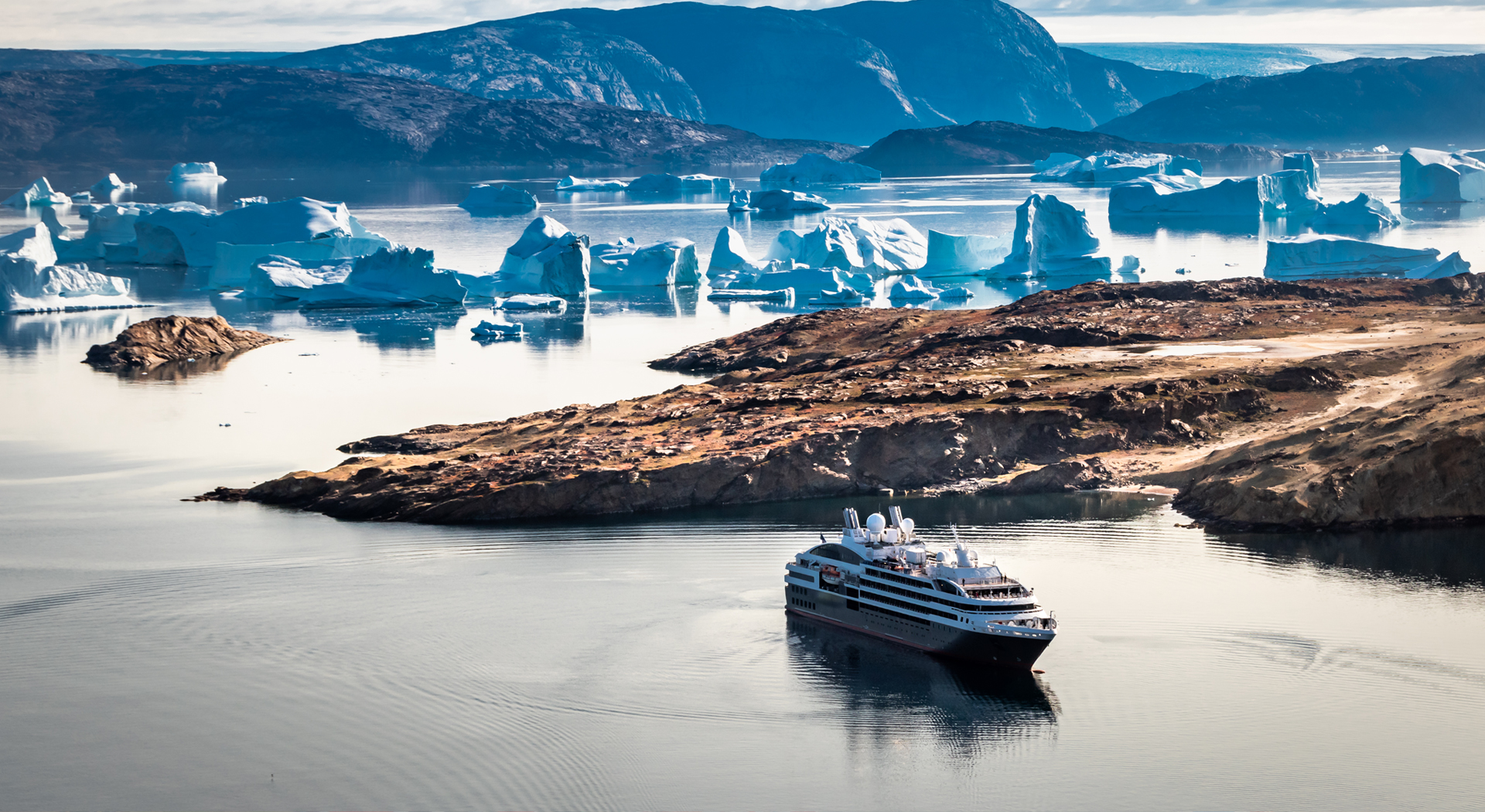
Cruceros por el Ártico play out during the summer and early fall, when the polar weather in these destinations is at its most clement and mild. But, of course, this top-of-the-world zone generally experiences much harsher conditions, including subfreezing temperatures for a good portion of the year.
The clothing of the Inuit and other Indigenous circumpolar peoples need to protect them against the kind of biting cold and wind that can quickly damage exposed skin and threaten human life, and strike a delicate balance between insulation and breathability for rigorous outdoor activity out in the elements, from hunting expeditions to wayfinding on seasonal journeys.
After all, out hunting and traveling in Arctic conditions, you obviously want a warm-enough outfit, but also one that doesn’t become clammy from sweat—a good way to get quickly (and dangerously, given cold temperatures) soaked.
Quite a bit of the clothing worn by today’s Arctic travelers, Indigenous and non-Indigenous alike, owe much to the customs and designs of the Inuit and other Far North Native peoples. It’s therefore worth spending some time considering the traditional roots behind these Arctic-ready ensembles!
Traditional Inuit Clothing: Superbly Designed for the Far North
Traditional Inuit garments manifest many generations of cultural knowledge and empirical experience surviving in one of Earth’s most rigorous climate zones. They’re marvels of human resourcefulness and technical prowess, reflecting keen awareness of the different applications and benefits offered by naturally sourced materials and all-around superlative craft: everything from hide-preparation to sewing and stitching.
Commonly Used Traditional Clothing Materials
Animal skin and other body parts provided the foundational material for traditional Inuit clothing, from socks and other inner linings to weather-resistant outerwear.
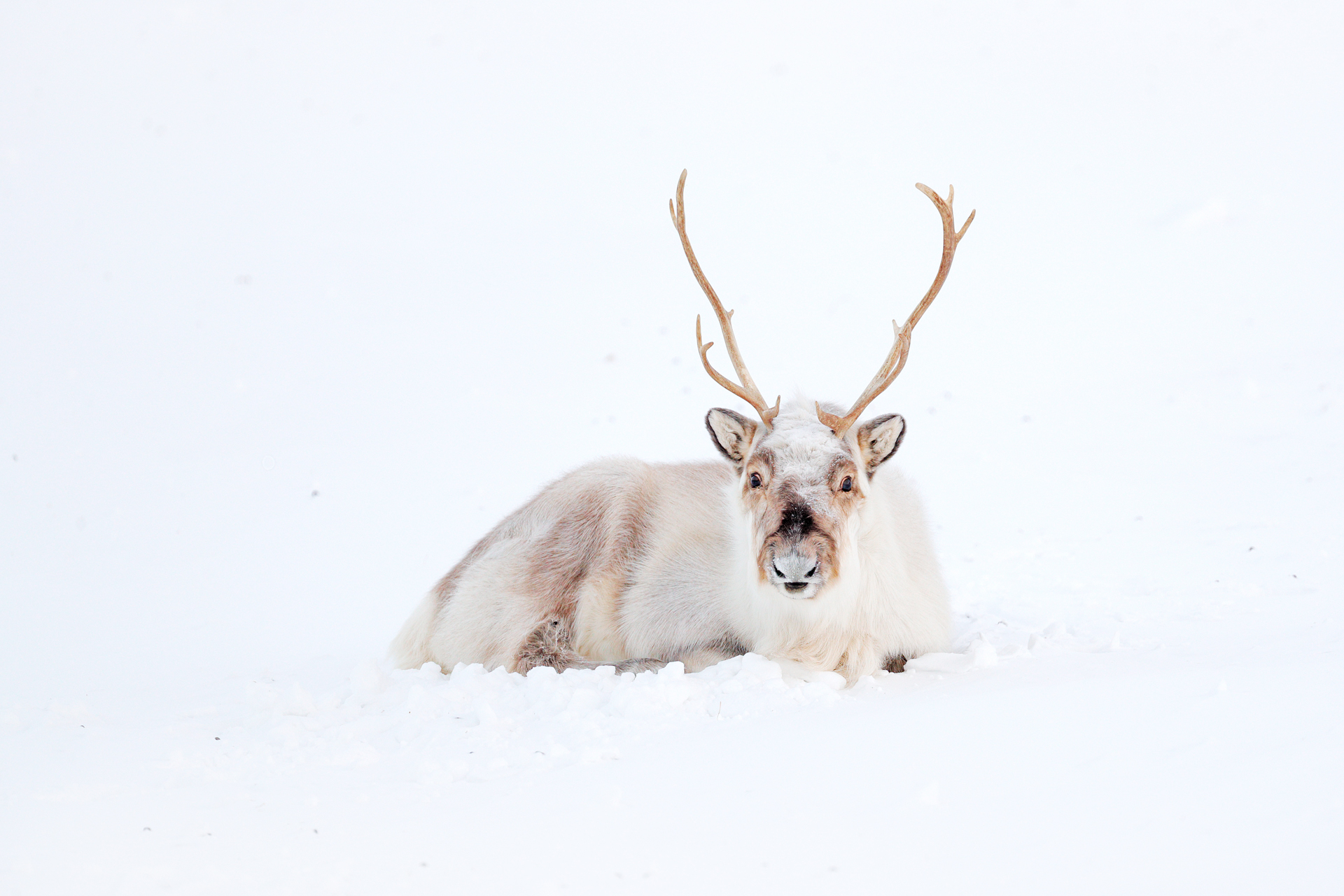
Among the most widespread sources for Inuit skin-clothing were caribou hide and sealskin. The hollow hairs of a caribou’s pelt trap air and help keep this Arctic cervid warm as well as buoyant when fording rivers or seaways; those characteristics give caribou-hide clothing excellent insulation. An Inuit person would often wear a double layer of skin-clothing: the inner garment worn with the fur facing inwards, the outer one with the fur facing outwards. The pocket of air between these layers further boosted insulation.
Sealskin offers less inherent insulation as compared with caribou hide—seals and other pinnipeds rely on their blubber layers for keeping warm, not so much their exterior hair—but the density and smoothness of its hair covering make for exceptional water-repellency. (Depending on the application and the season, some sealskin used for garments was de-haired.)
Also prized for its waterproofing qualities and flexibility was animal intestine. “Gut parkas,” also known as kamleikas after a Russian word historically used for Indigenous pullovers in Alaska, were widespread in the North American Arctic. These lightweight garments could be made from a variety of types of mammals, including pinnipeds—seals, walruses, and (in the Bering Sea and North Pacific) sea lions—as well as polar and brown bears, and their sewn design allowed them to expand when wet, ideal for wear while kayaking or out in rainy weather. Gut parkas were widely used by the Unangax̂ (or Aleut) peoples of southwestern Alaska, including as ornately decorated ceremonial dress, but other cultures, including the Inuit, used versions of them as well.
Other parkas were made from birdskin or fishskin, benefitting from the unique protective characteristics of each. To make birdskin parkas as well as birdskin shirts, belts, caps, socks, amulets, and other clothing and accessories, the Inuit and other North American Arctic and Subarctic peoples used a variety of avifaunal species: from seabirds such as eiders, dovekies, murres, auklets, and guillemots to loons, ptarmigan, and snowy owls. According to Arctic Clothing of North America: Alaska, Canada, Greenland, birdskin garments were historically most commonly worn in the western and eastern North American Arctic, but some central Arctic groups, including the Copper Inuit, also used this material.
Types of Garments
Two Arctic/Subarctic names for Indigenous clothing have entered English in widespread use as loanwords: parka, a Unangax̂/Aleut word with Russian roots, and anorak, which comes from Greenlandic. Both refer to the skin or gut pullovers, often but not always possessing a hood, which were widely used among Inuit and other Native Arctic peoples.
Parka and anorak styles varied significantly across different reaches of the Arctic, including the enormous homeland of the Inuit peoples that stretches from far northeastern Russia across northern Alaska and Canada into Greenland. According to Betty Kobayashi Issenman’s exhaustive Sinews of Survival: The Living Legacy of Inuit Clothing, Inuktitut names for different Inuit parkas included the hooded men’s parkas called qulittuq (outer) and atigi (inner) as well as the women’s parka, or amauti. The latter includes a special back pouch in which an infant can ride in snug coziness.
Parka/anorak hoods were often trimmed with animal fur for added warmth and wind-buffering. The protective guard hairs of canids—Zorros árticos, wolves, domestic dogs—or the luxuriantly warm pelt of the wolverine made prized fur for this trim.
Other Inuktitut clothing names include qarliik (pants/trousers), kamiit (boots) and tuqtuqutiq (overshoes), and pualuuk (mittens). As with upper-body garments, trousers and footwear could include multiple layers with animal fur oriented alternatingly for maximal insulation and breathability.
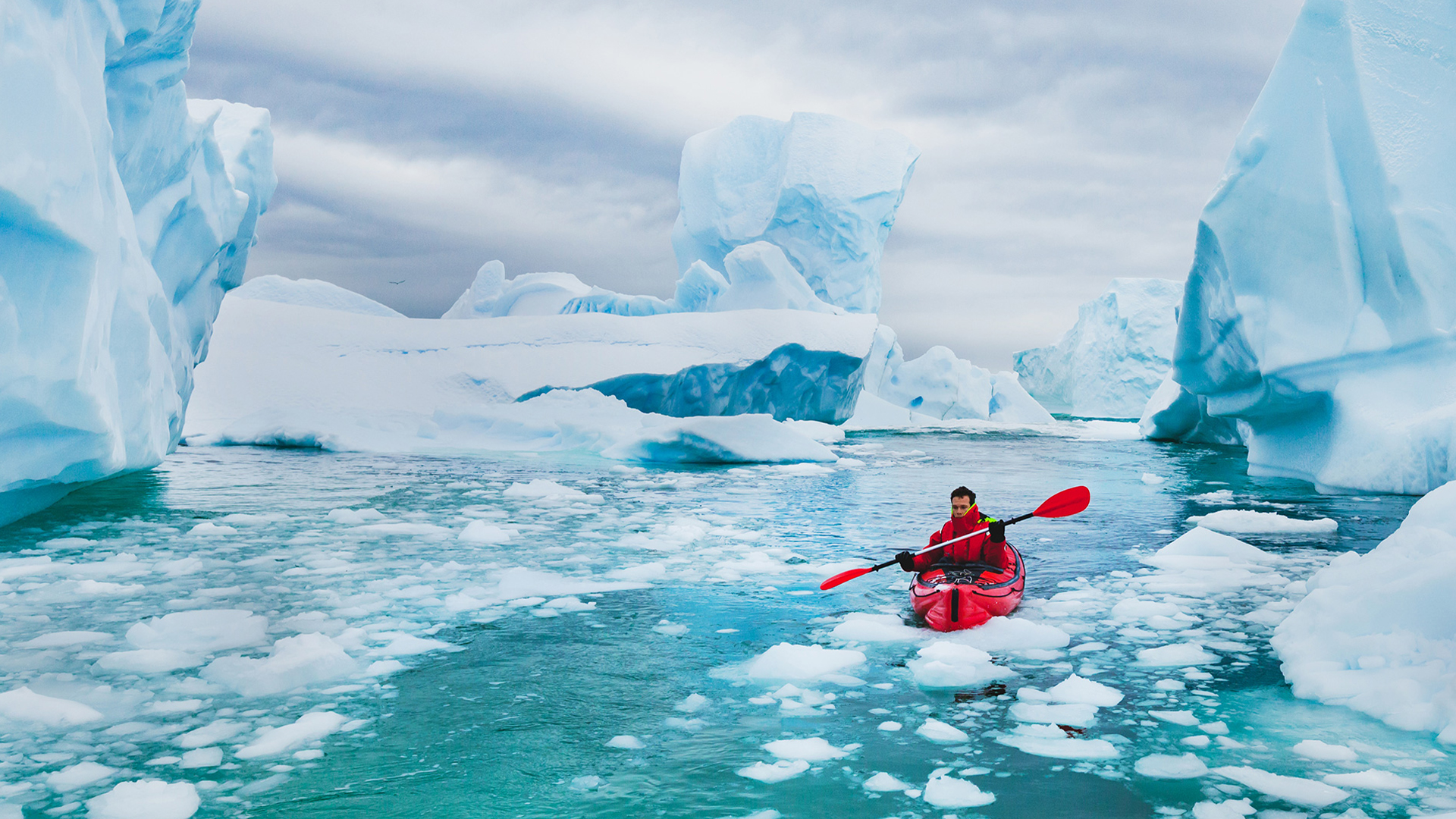
As you can read more about in our article on kayaks, Inuit paddlers might, depending on the season and conditions, wear a full anorak that could be affixed to the boat’s cockpit coaming to keep out water, or a lighter kamleika-style frock or smock, which could serve the same function as the spray-skirts today’s kayakers use.
Careful craftsmanship and regular maintenance were key to the utility of these garments. It might take a month or two to make a pinniped-gut kamleika.
Inuit clothing was super-practical, no question, but it went beyond that to encompass decorative stylistic expression, regional identity, and cultural, even mythological, associations.
Global Influence of Inuit & Other Indigenous Arctic Clothing
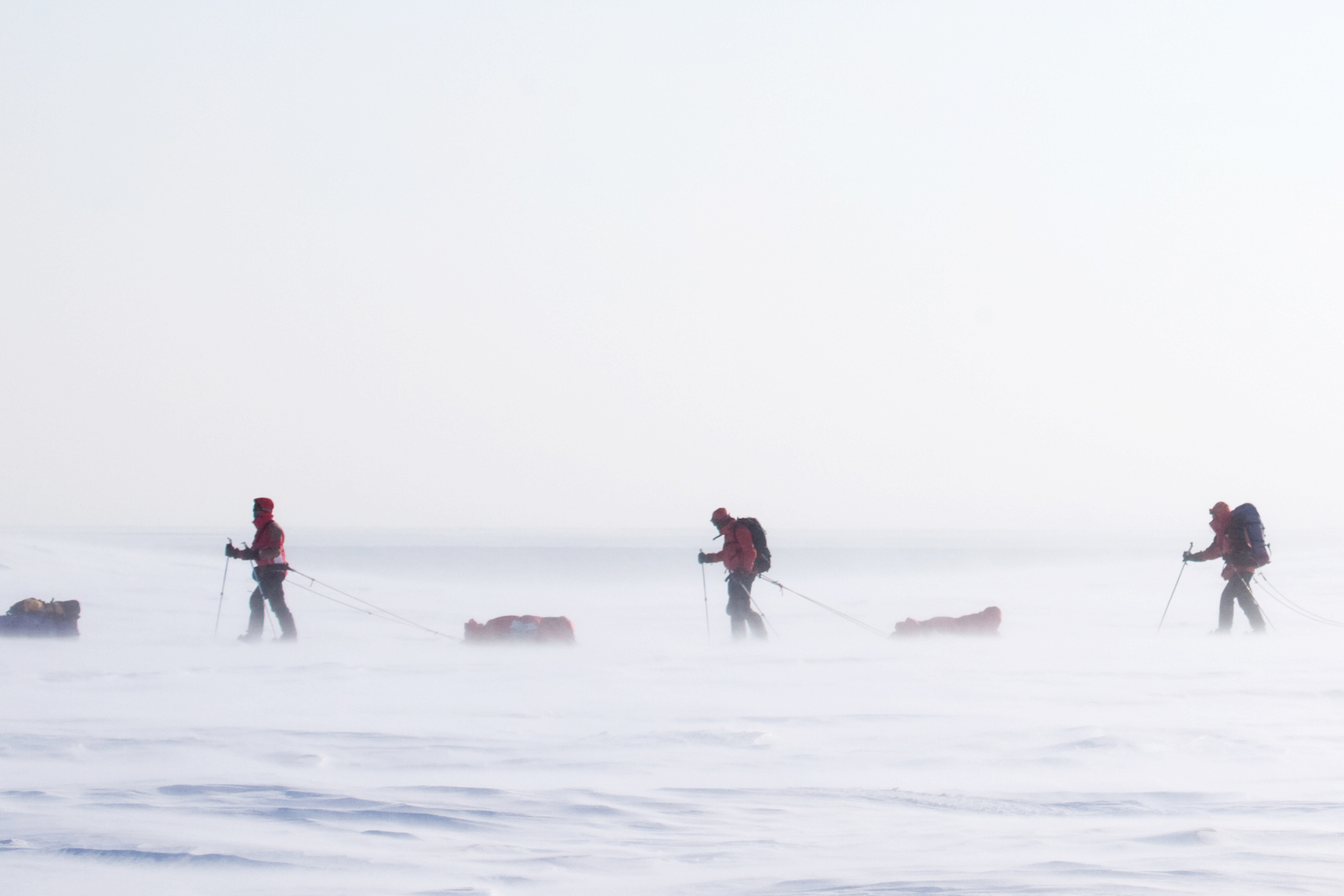
Ever since the Inuit first made contact with Europeans and Russians, outsiders have taken note of the efficiency and performance of their traditional Arctic clothing. The far-traveling James Cook of the British Royal Navy, who visited Alaska in 1778 on the last of his famous transoceanic voyages, marveled at the superiority of Indigenous gut parkas there as compared to Western waterproof clothing of the age. Many expeditions during the “heroic age” of polar exploration, including Roald Amundsen’s successful trek to the South Pole in 1911-1912, adopted Inuit-style parkas and other outerwear to contend with sometimes-brutal conditions.
Indeed, Inuit garments, such as caribou-skin outfits, have been shown to outperform even modern-day thermal apparel designed for intensive military and expedition performance in cold climates.
Today’s clothing manufacturers lean heavily on variations on the hooded Inuit parka for winterwear. It’s not just about utilitarian outdoor clothing, either: There’s a long modern tradition of global designers and brands drawing on Inuit style for high-end fashionwear, whether it’s parkas and anoraks or kamiit-style boots. Unfortunately, this all too often borders on—or outright represents—cultural appropriation, with little or no acknowledgement of the Indigenous makers who inspired the runway getups or the appropriateness of using certain styles or patterns outside of their cultural context.
While many modern Inuit wear Western-style clothing, including synthetic materials, traditional dress not only remains widespread given its many benefits—from the continued outstanding weatherproofing it offers to its sustainable production—but has only seen a resurgence in recent years as a cultural touchstone and symbol of Indigenous Arctic pride and resilience.
Appreciating Inuit Ingenuity on an Arctic Cruise
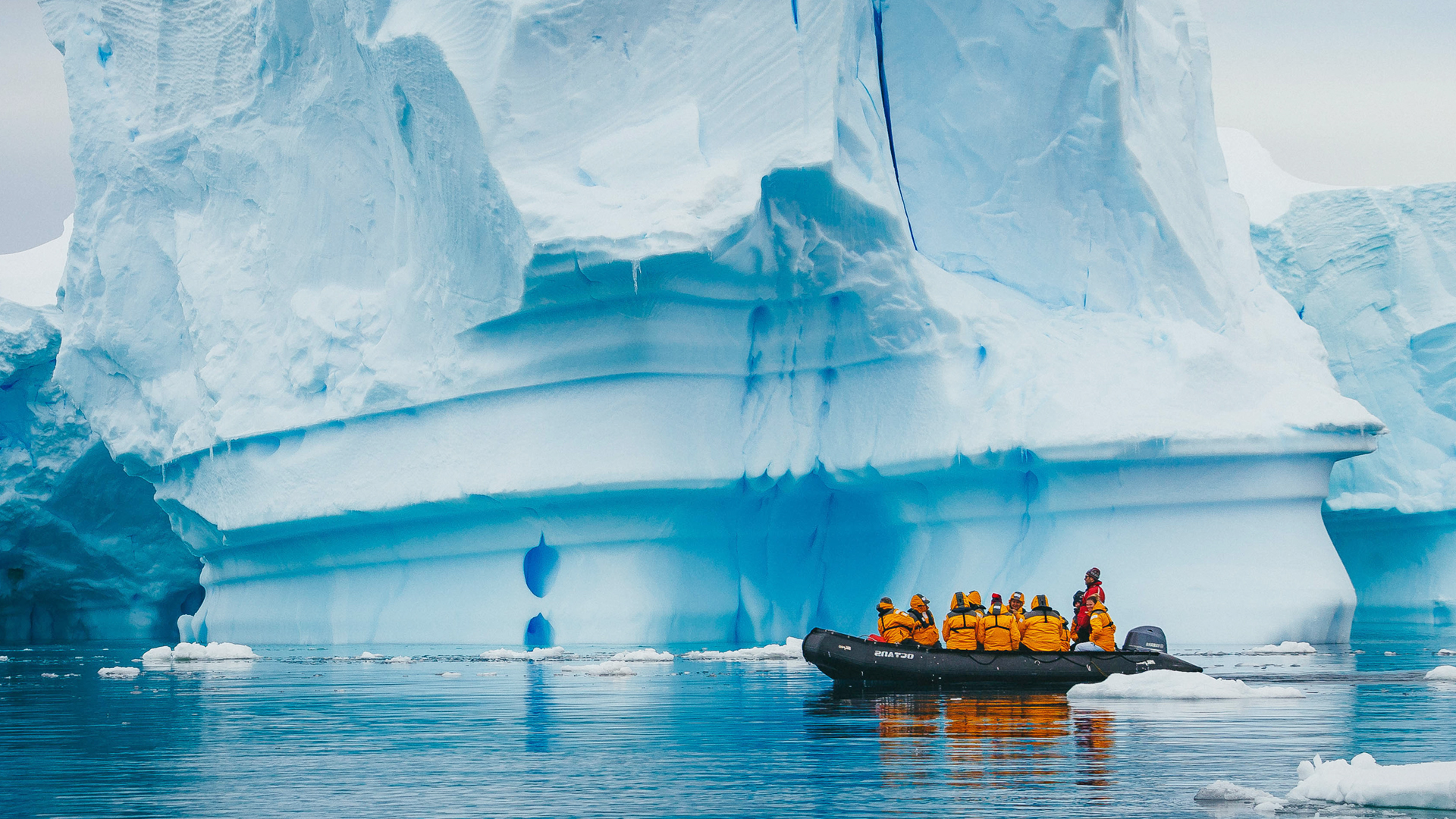
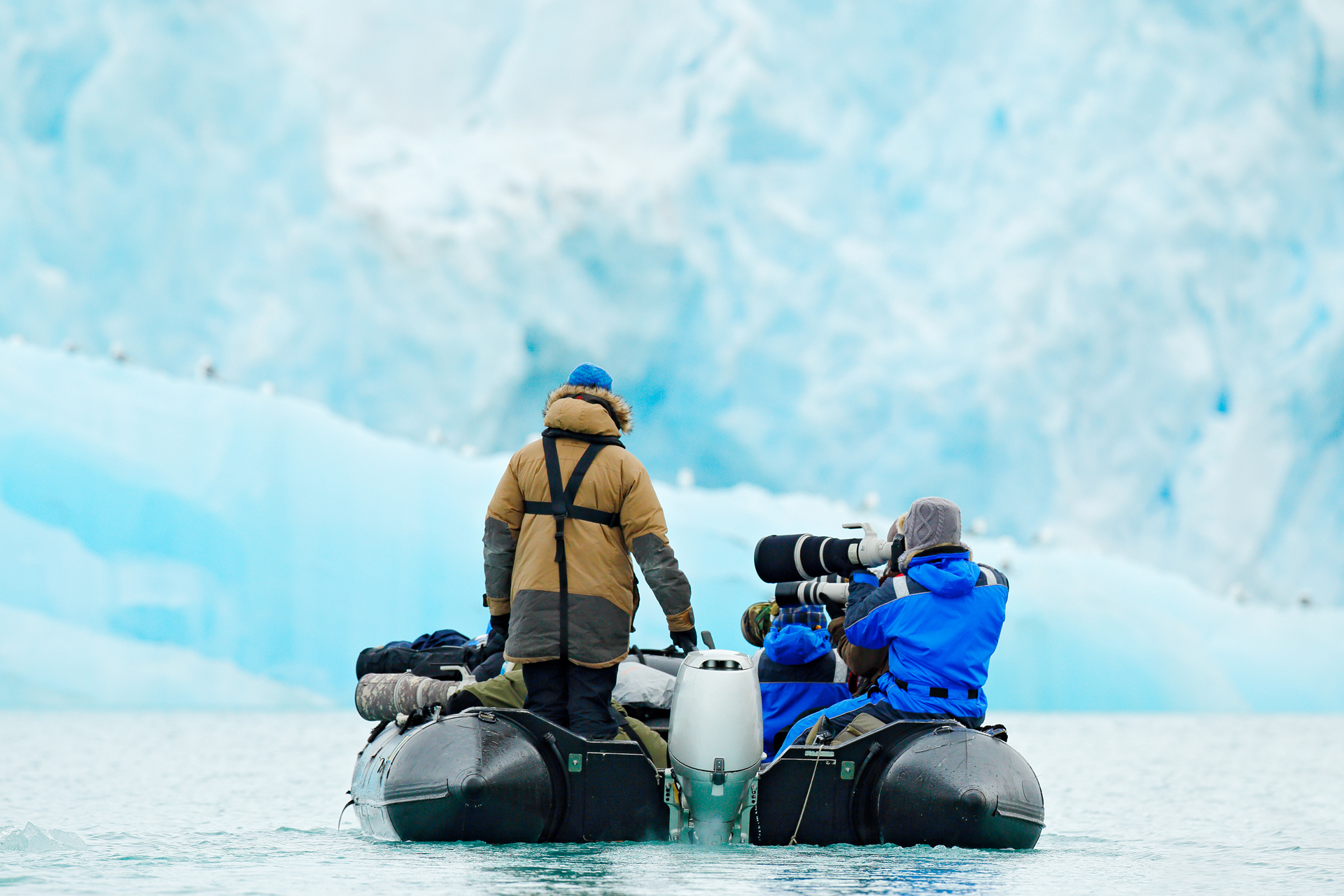
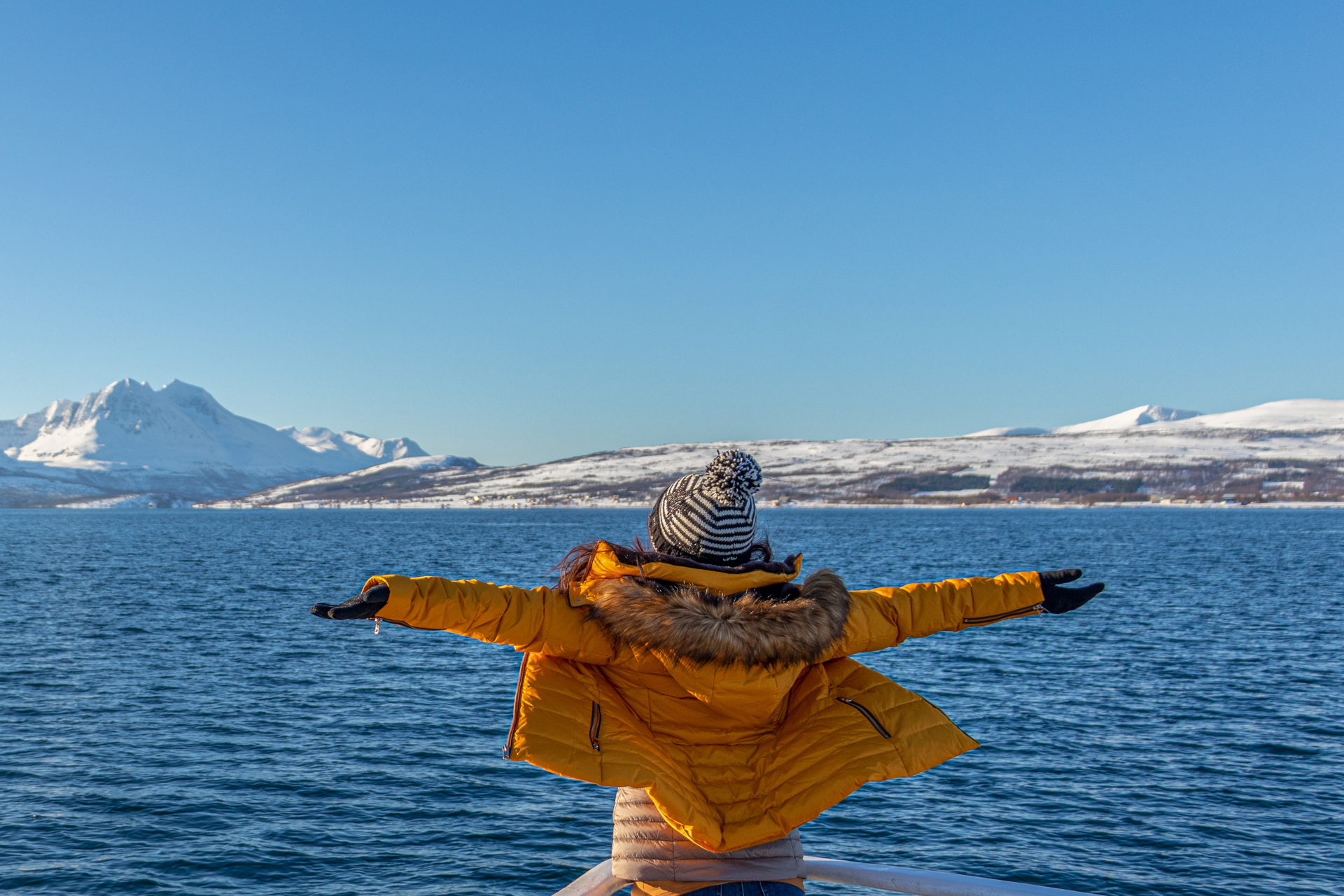
The complimentary parkas offered on Arctic expedition cruises certainly offer practical comfort and insulation. When you don one, though, take a moment to reflect on the deep Indigenous heritage this garment embodies—in the very environment you’re exploring with us!
Mastering the Ice: Inventions of the Arctic Peoples
Ice & Earth: The Architectural Genius of the Arctic Peoples
Kayak Origins: The Arctic Invention That Changed the World
Inuit Words For Snow & The Arctic’s Linguistic Diversity
Los mayores misterios y secretos ocultos de la Antártida al descubierto
La verdad sobre la Antártida: Mitos y leyendas desmentidos
Estaciones de Investigación en la Antártida: Las 8 Mejores Bases Antárticas
Amundsen y Scott: la carrera hacia el Polo Sur y su descubrimiento
El sistema del Tratado Antártico, sus signatarios y su importancia
Descargo de responsabilidad
Nuestras guías de viaje tienen únicamente fines informativos. Si bien nuestro objetivo es proporcionar información precisa y actualizada, Antarctica Cruises no hace ninguna representación en cuanto a la exactitud o integridad de cualquier información en nuestras guías o encontrado siguiendo cualquier enlace en este sitio.
Antarctica Cruises no puede y no aceptará responsabilidad por cualquier omisión o inexactitud, o por cualquier consecuencia derivada de ello, incluyendo cualquier pérdida, lesión o daño resultante de la visualización o uso de esta información.