































Mastering the Ice: Inventions of the Arctic Peoples
Surviving as they have done in the demanding environment of the Arctic for millennia, Indigenous peoples such as the Inuit, the Yupik, the Sámi, and the Nenets have innovated a wide variety of technologies and tools. More than a few of these are not only still used in one form or another in their ancestral regions, but have also inspired “knockoffs” and other imitation versions you can see in use all over the world.
Let’s explore just some of this Indigenous Arctic ingenuity and know-how!
Examples of Indigenous Arctic Inventions & Tools
We don’t have the space to do justice to anywhere near the full breadth of Arctic Indigenous inventions and technologies, but the following examples—from weatherproof outer garments to an ancient (and still very viable) version of sunglasses—at least gesture at it!
The Anorak & Parka
Indigenous Arctic outerwear has certainly had an influence on winter clothing all over the world. Variations of a hooded pullover developed by the Inuit and other Arctic peoples include the closely related (indeed, sometimes considered basically interchangeable) anorak, a word derived from Greenlandic, and the parka, a Russian-influenced Aleut term with roots in the Nenets language of the Eurasian Arctic and Subarctic. Sewn from cured animal skin—often caribou or seal hide—these hip- to knee-length jackets provided excellent insulation, the hoods frequently trimmed with the warm fur of wolf, wolverine, Arctic fox, or domestic dog and, in some cases, able to be cinched tight using drawstrings. Infants and young children could ride along within their mothers’ parkas, including tucked inside the hood.
Inuit hunters commonly wore anoraks in their kayaks; the hem of the coat could be secured with thong to the coaming of the cockpit, helping to keep water out of the inside of the boat.
Anorak and parka design rooted in hundreds to thousands of years of Indigenous Arctic craftmanship is plainly seen in many modern hooded winter coats—and on the runways of the high-fashion world!
The parka is a masterclass in thermal insulation, originally crafted from caribou or seal skin to create a breathable yet windproof barrier essential for survival in the deep Arctic freeze. Source: Daderot, CC0, via Wikimedia Commons
The Kayak
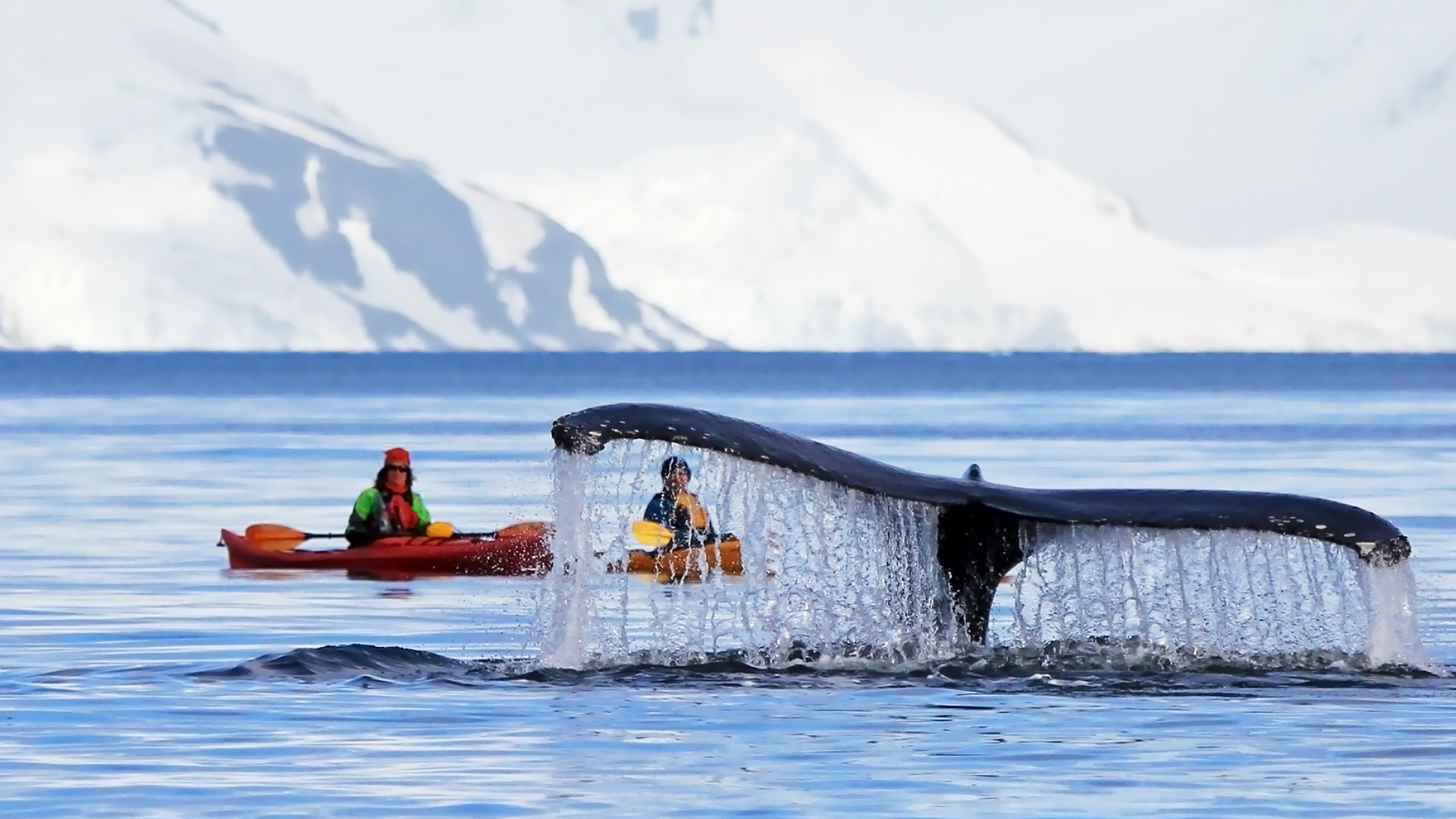
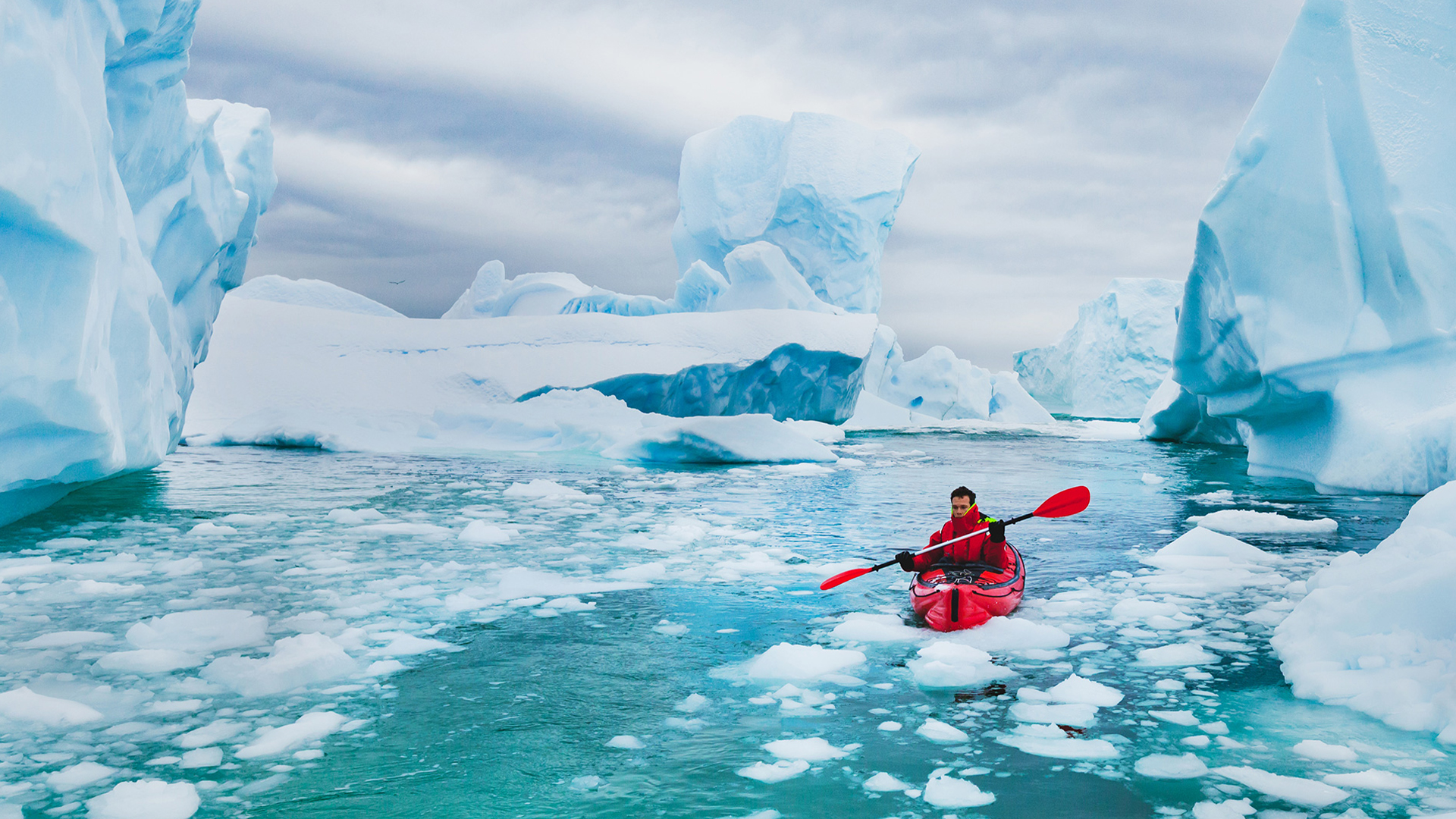
Indigenous Arctic peoples across the Circumpolar North employed a variety of boat designs to navigate big rivers, coastal waterways, and open polar and subpolar seas. None, perhaps, is so celebrated as the kayak: the closed-deck paddlecraft developed by such North American and northeastern Asian Far North cultures as the Inuit, the Yupik, the Unangax̂ (Aleut), and the Koryak. A magnificently streamlined and hydrodynamic vessel usually propelled by a solo paddler but sometimes (as in the two- or even three-cockpit baidarkas of the Unangax̂) by more than one person, the kayak helped these Native peoples hunt marine and even terrestrial (as in the case of river- or strait-crossing caribou) prey, including such dangerous quarry as walruses and baleen whales.
Kayaks—which we use on our Arctic cruises for paddling and landfalling excursions, mind you—are such a significant and influential Arctic invention that we’ve got an entire article devoted to them.

A masterpiece of naval engineering, the kayak allowed Arctic hunters to navigate icy waters with unmatched stealth and speed. This ancient design remains the blueprint for modern recreational vessels used worldwide today.
The Dogsled
Archaeological study proves dog-sledding is a mighty venerable tradition in the Arctic, with sled-dog and equipment remains dated to better than 9,000 years old in the New Siberian Islands of the northeastern Eurasian Arctic. Dogsled technology spread with—and, indeed, must have helped facilitate—the radiation of Indigenous peoples across the circumpolar realm, including the ancestors of today’s Inuit, the Thule. (It’s worth noting that Native Arctic and Subarctic groups in Eurasia also used reindeer to haul sleds, and humans themselves have long pulled sleds under their own power. Also, as in many parts of the word, Arctic peoples also used dogs as pack animals, not just in sled teams.)
Indigenous dogsleds such as the Inuit qamutiik could be made from wood (including driftwood) or, when that wasn’t available, the bones of whale, walrus, and other animals. The lashed-together design yielded structural flexibility: very handy when “mushing” over hard-packed, drifted snow or up-and-down sea ice. Runners were often coated with ice (commonly with a mud-based paste as a base) to enhance the smoothness of the sled’s ride; even fish could be applied for this purpose. Native peoples were quick to adopt new building materials such as iron and other metal for dogsleds, which—while widely replaced for day-to-day purposes by snowmobiles—continue to be used on a regular basis in places, as in parts of Greenland.
The dogsled is an enduring icon of Arctic travel, representing a deep partnership between human and animal that allowed for the exploration and settlement of the world’s most remote icy reaches.
Source: Adolphus Greely, Carlheim-Gyllenskiöld, Public domain, via Wikimedia Commons
Snow Goggles
Among the more insidious dangers posed by snowcover is that excruciating optical condition known as “snow-blindness”: a searing, burning, and vision-obscuring pain that, while temporary, can make your eyeballs an agony and very much hamper travel over snowscapes. The cause is the intense sunlight reflected off the snowpack, which has a notably high albedo: that is, it reflects most of the incoming sunrays. More than a few polar and alpine explorers have found themselves waylaid (and miserable) by snow-blindness, which sneaks up on you with a vengeance.
Inuit and Yupik peoples warded against snow-blindness with highly effective kind of proto-sunglasses: snow goggles. They carved them from a wide variety of different objects: everything from whalebone, walrus ivory, musk-ox horns, caribou antlers, and ungulate hooves to wood and birchbark. Snow goggles feature eye-slits—arranged in a variety of ways, from one single slit to dedicated slits for each eye or even stacked, parallel-oriented openings—that allow for sight while minimizing the effects of harsh snowscape glare.
An elegant solution to a harsh environment, these traditional snow goggles protect the wearer from snow blindness by narrowing the field of vision and significantly reducing UV exposure. Source: Jaredzimmerman (WMF), CC BY-SA 4.0 <https://creativecommons.org/licenses/by-sa/4.0>, via Wikimedia Commons
The Igloo
The Indigenous peoples of the Arctic survived, in part, by devising warm, weatherproof shelters that protected them from the hardcore elements, especially during the long, frigid, blustery winters that characterize the top of the world. Probably none is so widely known today than the igloo (iglu), which in fact had a fairly restricted original distribution among the Inuit peoples of the Canadian Arctic and Greenland. The Inuit in this region crafted these snowhouses out of blocks of carefully selected, wind-hardened snow, and the time-tested basic design—at least hundreds and perhaps thousands of years old—continues to inspire modern snow-shelters.
You can learn more about not only igloos but also subterranean sod longhouses, winter whalebone-roofed homes, and other historical Indigenous architecture of the Arctic right here.
The igloo is a marvel of thermal engineering, turning simple snow blocks into a life-saving sanctuary. Its dome design uses the insulating properties of air to trap warmth in one of Earth’s coldest climates. Source: Drawn by unknown artist based on sketches by C.F. Hall and photographed from the book by User:Finetooth, Public domain, via Wikimedia Commons
The Inuksuk
Inuit peoples from Greenland to northern Alaska (and their ancestors) have long erected structures of stacked stone that stand out strikingly against the open sprawl of the Arctic tundra. They’re known as inuksuit, the singular form being inuksuk, which can be translated as “that which acts in the capacity of a human” (inuk = person, suk = substitute). And, indeed, these vertical pillars, sometimes featuring elevated horizontal extensions that suggest shoulders or arms, do have a vaguely human-esque profile as seen against the vastness of the tundra barrens.
Inuksuit served a variety of purposes, including as prominent directional markers for wayfinding and as protective shelters for food caches. They were also used by Inuit pursuing caribou, as the humanlike stone stacks could help hunters drive fleeing herds into natural topographic traps or into water, where they might be easier to dispatch.
Historical inuksuit are still visible in many regions of the Arctic, and meanwhile the stacks continue to be built—including as symbols of cultural pride and distinctiveness. An inuksuk forms the bold centerpiece of the flag of Nunavut, Canada’s northernmost—and Inuit-majority—province.
More than just landmarks, inuksuit serve as vital communication tools across the pathless tundra, acting as navigational aids, hunting markers, or messages for those who follow.
The Incalculable Indigenous Contributions to Polar Exploration
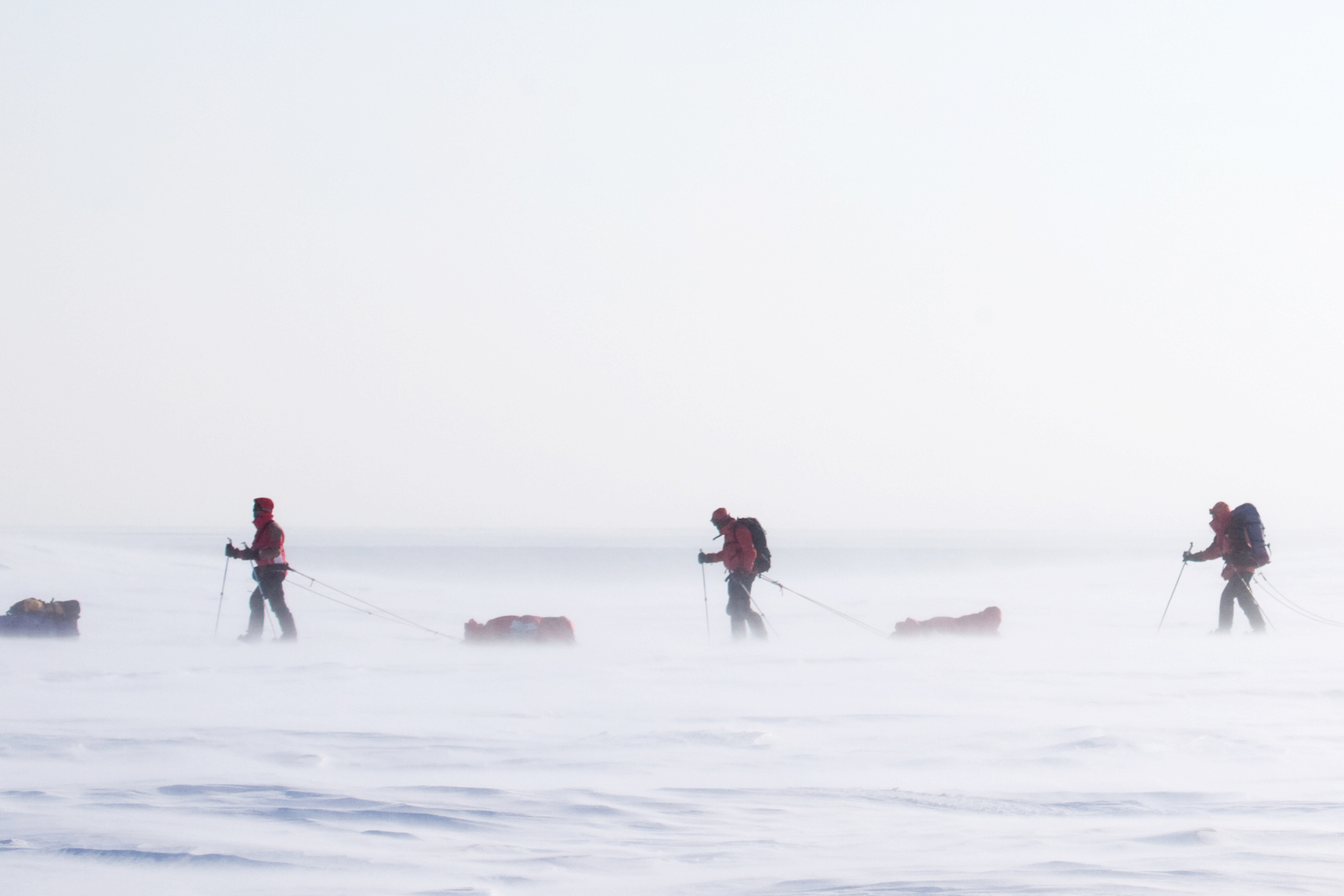
Modern exploration of Earth’s remote and rigorous polar regions by outsiders relied heavily on the traditional knowledge and savvy of Indigenous peoples. That Indigenous know-how—from hide-and-fur parkas to snowhouses and dogsleds—not only aided expeditions in the Arctic, home to dozens of Native cultures, but also in Antarctica: the bottom-of-the-world realm that never supported an Indigenous population.
Indeed, a major ingredient in the success of Roald Amundsen and his South Pole party of 1911-1912 as compared with the doomed competing expedition led by Sir Robert Falcon Scott was its ready adoption of efficient Inuit technology. Amundsen, who’d done extensive travels in the Arctic (including leading the first successful traverse of the Northwest Passage), clothed his men in warm, breathable furs, while Scott’s party suffered in clammy wool undergarments. Both the Amundsen and Scott parties used dog teams, but Amundsen’s benefitted from using more, while Scott leaned as much on motor sledges and ponies, both of which proved of limited value in Antarctica.
It also must be emphasized how invaluable Indigenous guides and instructors were to Arctic explorers, from Charles Francis Hall tracking the lost Franklin Expedition in the mid-1800s to the Inuit team members assisting Frederick A. Cook and Robert Peary on their dueling quests for the North Pole at the dawn of the 20th century.

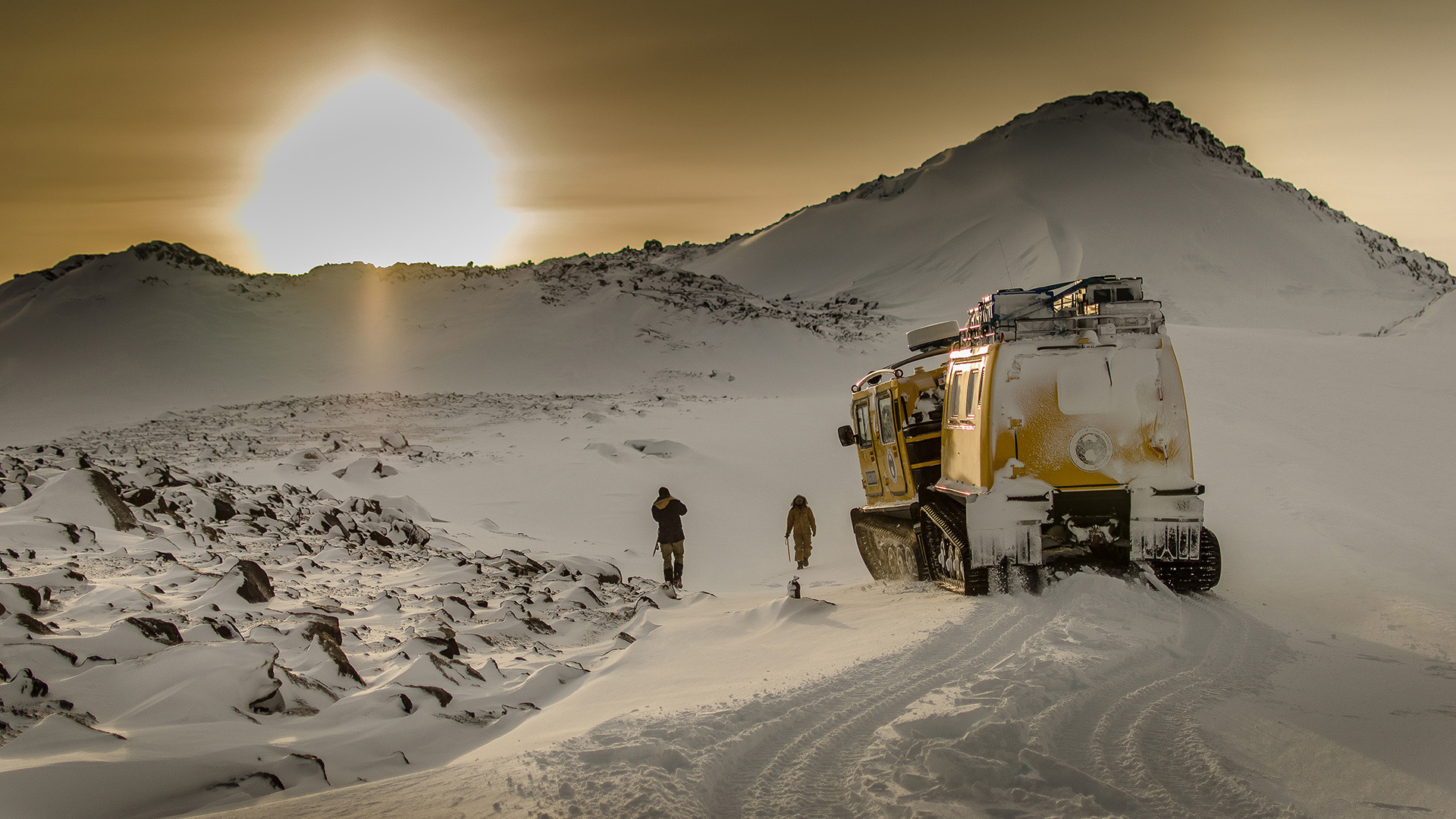
The success of many polar expeditions relied heavily on Indigenous technologies; from furs to sledging techniques, these local innovations were the silent partners in global discovery.
Source: University of Washington, Public domain, via Wikimedia Commons
Journeying Through the Indigenous Homelands of the Arctic
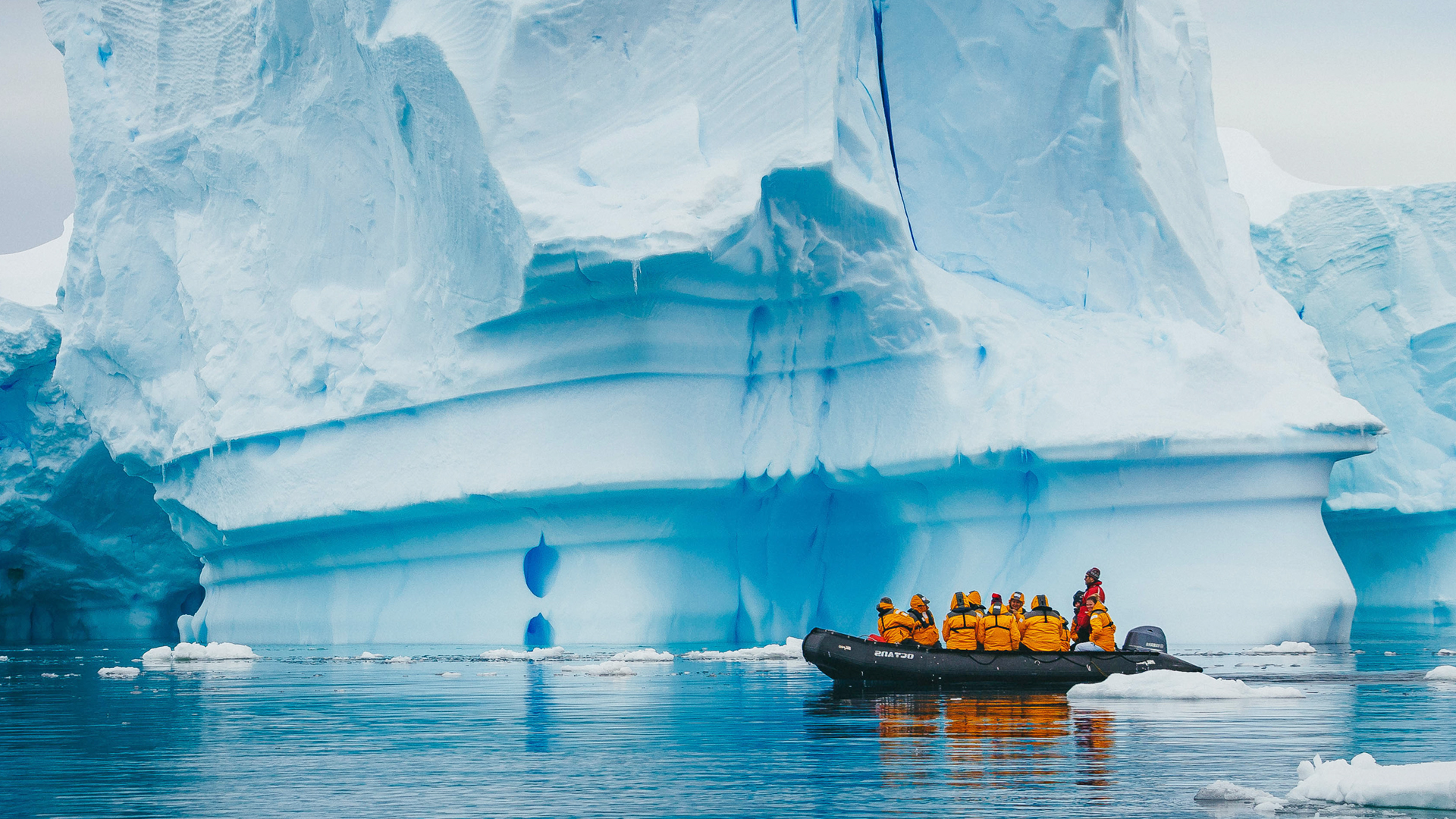
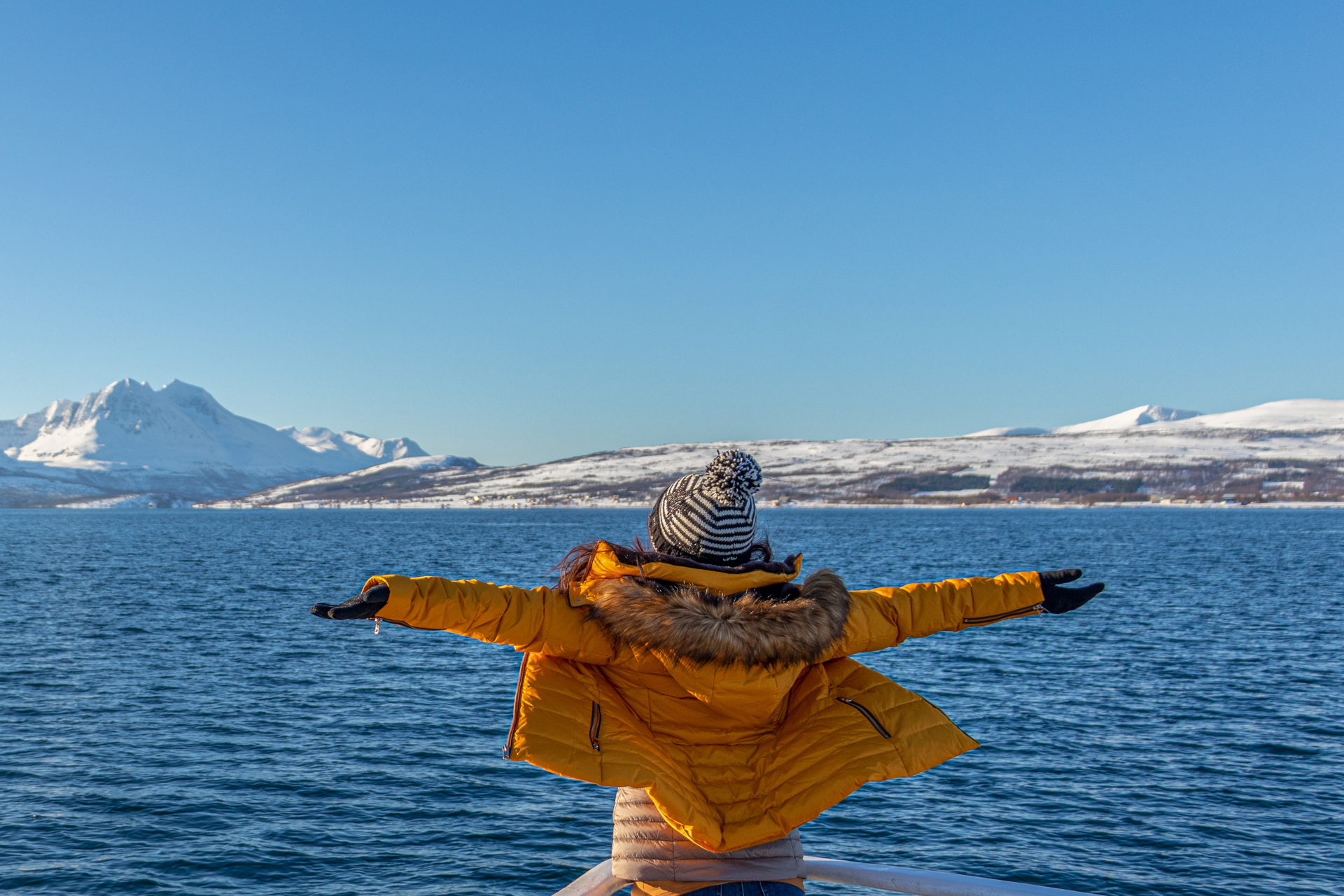
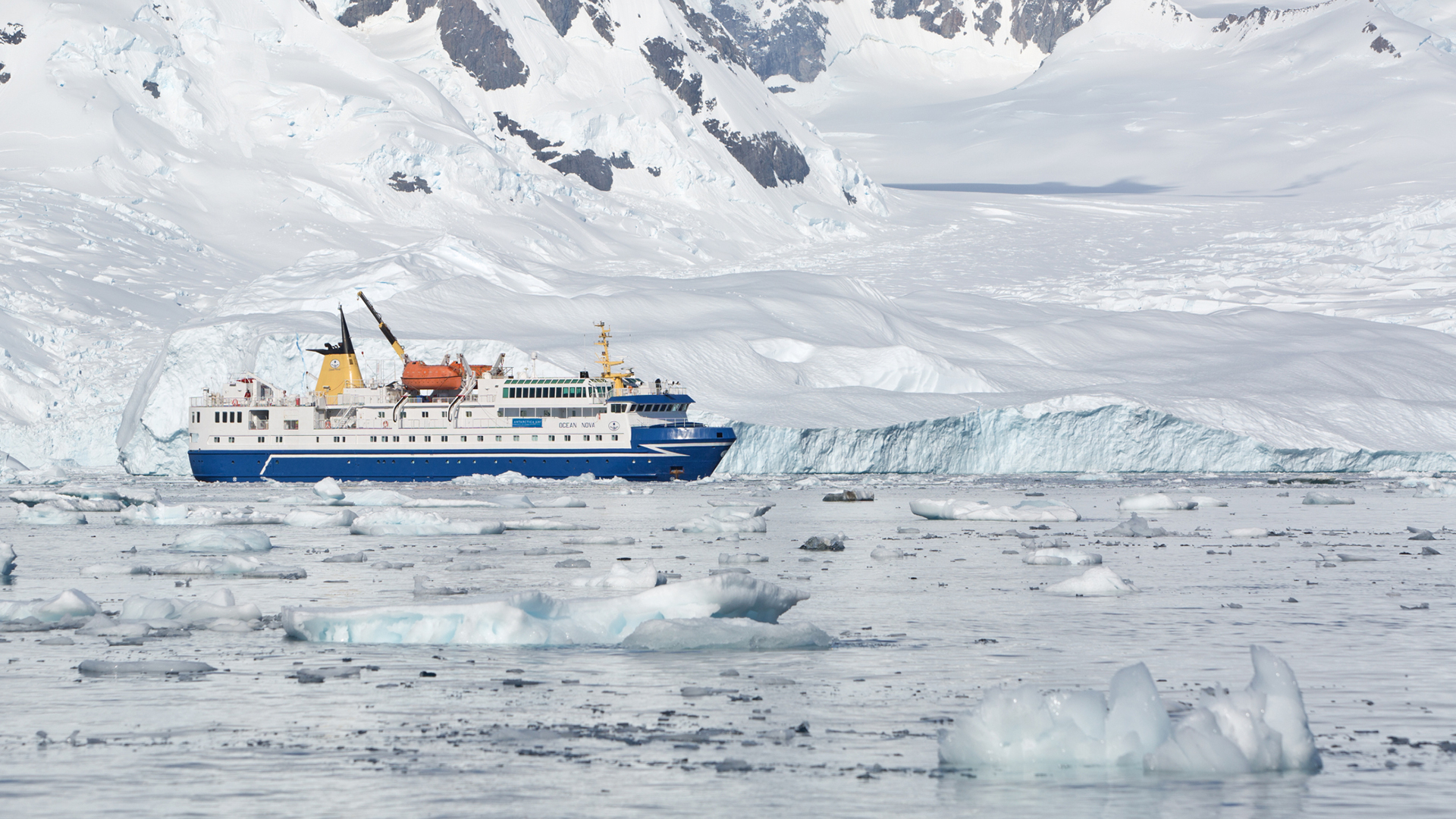
Many of our cruises to the top of the world take you to spectacular Arctic reaches that have long nourished Indigenous survival—including by yielding the resources and raw materials used to craft tools, clothing, shelters, modes of transport, and more. And if you don a parka to shield yourself from the chill morning wind, or join one of our kayak excursions into iceberg-littered fjords or bays, you can tip your hat at the Native innovators who devised these elegantly utilitarian inventions!
From Parkas to High Fashion: The Inuit Clothing Legacy
Ice & Earth: The Architectural Genius of the Arctic Peoples
Kayak Origins: The Arctic Invention That Changed the World
Inuit Words For Snow & The Arctic’s Linguistic Diversity
Los mayores misterios y secretos ocultos de la Antártida al descubierto
La verdad sobre la Antártida: Mitos y leyendas desmentidos
Estaciones de Investigación en la Antártida: Las 8 Mejores Bases Antárticas
Amundsen y Scott: la carrera hacia el Polo Sur y su descubrimiento
El sistema del Tratado Antártico, sus signatarios y su importancia
Descargo de responsabilidad
Nuestras guías de viaje tienen únicamente fines informativos. Si bien nuestro objetivo es proporcionar información precisa y actualizada, Antarctica Cruises no hace ninguna representación en cuanto a la exactitud o integridad de cualquier información en nuestras guías o encontrado siguiendo cualquier enlace en este sitio.
Antarctica Cruises no puede y no aceptará responsabilidad por cualquier omisión o inexactitud, o por cualquier consecuencia derivada de ello, incluyendo cualquier pérdida, lesión o daño resultante de la visualización o uso de esta información.