






























Kayak Origins: The Arctic Invention That Changed the World
Contending with a harsh climate and an environment laced through with waterways—from big taiga and tundra rivers to stormy seas and pack-ice leads—Indigenous Arctic peoples developed many innovations to aid survival. Some of these have ended up having a profound global reach, and a prime example is the kayak.
Among the pinnacles of boatbuilding craft, the kayak is an Arctic (and Subarctic) invention now used recreationally all around the world. It remains a critical tool for Arctic peoples carrying on some version of traditional lifeways, and a vessel for sightseeing and adventuring that we’re proud to offer on our cruises in this special realm atop the globe.
The kayak is an exemplar of human craftsmanship. As sea-kayaking guru Derek C. Hutchinson writes in The Complete Book of Sea Kayaking, “For elegance, grace, and austere beauty, it has never been surpassed by any other type of solo craft.”
Let’s dig a little into the history and design of this remarkable boat!
From ancient skin-on-frame vessels to modern designs, the kayak remains a masterpiece of Arctic engineering, born from a necessity to navigate the world’s most unforgiving waters.
Origins & Geography of the Kayak
It’s not entirely clear how long ago Indigenous peoples developed the kayak, though the boat is at least on the order of 4,000 to 5,000 years old. Exactly where the first model was developed and the timeline and manner of the design’s spread aren’t known for certain, but a number of Indigenous groups in the Far North of North America and northeastern Russia used some version of the kayak, including the Inuit, the Yupik, the Aleut, and the Koryak. Its original geography thus stretches from the Russian Far East, through the Aleutian Islands and southern Alaska, and across the North American Arctic to Greenland.
“Kayak”, an Anglicization of the Inuktitut word qajaq, means “hunter’s boat” (or “man’s boat”), and indeed it is a superbly crafted vessel for nimble and daring pursuit of marine mammals (and more) in icy, often treacherous waters. But it’s worth noting that kayaks were only one specialized kind of skin-on-frame or “skin-boat” widely used in the Arctic. The Inuit, for example, also used a larger, open skin-boat called the umiak—rather like a broad, oversized canoe—to hunt whales.

The origins of the kayak are rooted in the survival and ingenuity of Arctic communities, where these “hunter’s boats” were meticulously crafted to navigate treacherous ice floes.
Kayak Design & Variations
Materials of the Earth: Bone, Wood, and Skin
Kayak design varied widely across cultures and environments. Indigenous peoples crafted kayak frames originally from either wood—depending on the location, often sourced as driftwood—or whalebone. Over this lightweight wooden or bone frame they stretched carefully prepared, stitched animal hides: commonly dehaired sealskin, but also sometimes caribou hide. The Aleuts would use sea-lion skin as well, a material (sourced from the huge Steller sea lion of the North Pacific basin) unavailable to the Arctic Inuit.
Kayak ribs were often made from flexible wood such as willow. Seal oil or an analogous grease was applied to the kayak’s skin covering for waterproofing purposes, with regular reapplications required.
A Vessel Tailored to the Hunter
One of the secrets to the kayak’s success was its customized build: A hunter usually constructed his boat exactly to his own body shape and size, using measures such as his armspan, hip diameter, and fist width to create a craft that essentially functions as an extension of the human body. Besides adept use of the paddle, the kayaker can control the boat through braced feet and shifts of the hip and torso. The end result is a marvelously responsive watercraft well-suited to navigating icy straits and rough seas, and to maneuvering around large and potentially dangerous sea-beasts.
Inuit kayakers often wore a sealskin anorak that could be secured to the cockpit-coaming, helping keep water out. This setup, and the generally snug seating of the traditional kayak, meant that Indigenous paddlers had to be practiced at rolling to right the boat in an event of a capsizing. (This is the so-called “Eskimo roll” taught today as a fundamental skill in sit-in kayaking.) A number of cultures also used sealskin, seal-gut, or walrus-gut frocks or skirts that served the same purpose as modern paddling spray-skirts.
As mentioned, Indigenous kayaks from across the North American Arctic and Subarctic and far eastern Siberia exhibit impressive diversity in shape and size. From long and narrow Greenland kayaks—probably the most influential on modern sea-kayak design—to the squat Koryak kayak with paddles leashed to the coaming, different forms served different purposes on different types of water. Indeed, a number of Indigenous cultures had multiple kayak designs they used for distinct applications. For example, the Aivilingmiut, a subgroup of the Inuit, employed a heavier, more robust kayak to hunt walruses and seals in seawater and a lighter boat for hunting swimming caribou on lakes and rivers.

The sleek, low-profile design of the traditional kayak was no accident; it allowed for a silent, steady approach, turning the vessel into a true extension of the hunter on the open water.
The Aleutian Baidarka: Speed and Stability
One of the downright legendary kinds of Indigenous kayak is the Aleutian kayak, made by the Unangax̂ (Aleuts) who inhabited southwestern Alaska’s Aleutian Islands. The Bering Sea and North Pacific waters off that archipelago are some of the roughest and stormiest in the world, and the Unangax̂ were (and are) famously proficient open-water paddlers and expert boat-builders.
While they used an umiak-style open boat—which the Russians (who controlled the Aleutians for a good chunk of the 18th and 19th centuries) called a baydara—the Unangax̂ also specialized in an exceptionally hydrodynamic kayak known as the baidarka (alternatively: bidarky or iqyax). These skin-on-frame crafts, generally built from wood (usually black spruce for the frame, with yellow-cedar ribs and coaming) or bone with a covering of sea-lion or sealskin, boasted a unique lashed-together design that made for an impressively flexible hull and a bifurcated bow that upped the baidarka‘s speed. Unlike the sharply V-shaped (or hard chine) hull of many Inuit kayaks, well-designed for more sheltered Arctic waters, the Aleutian kayak had a rounder hull that translated to a faster boat with greater stability in big waves and surf.

The Aleutian baidarka, with its unique bifurcated bow and flexible frame, was a marvel of speed and stability, allowing hunters to traverse long distances across the open sea.
The Ultimate Test: Hunting Giants
Remarkably, the Unangax̂ used these kayaks not only to hunt sea otters, seals, and sea lions but also great whales: an undertaking that, needless to say, demanded not only top-level paddling skills but also no small amount of grit. Often a two-cockpit version of the baidarak was used for whaling as well as hunting agile and elusive sea otters, with the forward hunter wielding a harpoon or spear and the rear one paddling. As the Russians took advantage of Unangax̂ boatmanship and hunting prowess for the commercial sea-otter trade, a longer, three-cockpit baidarka came about to haul more people and/or goods.
Whales weren’t the only large game targeted by Indigenous kayakers in the Arctic and Subarctic. The Unangax̂s as well as Inuit kayakers also hunted walruses from their boats, another dicey operation with no small risk to the hunter. Some kayaks used for walrus-hunting, such as the unique North Greenland model, had larger, unsealed cockpits that offered quicker egress if the enormous tusked pinniped went on the counterattack.
Inuit and Yupik peoples used sealskin or seal-stomach floats when hunting seals, the floats—secured to harpoon heads—acting as a drag as well as insurance that a killed animal wouldn’t sink. Stored inside a kayak, these floats also served an additional purpose: enhancing the boat’s buoyancy, not least should a mishap occur.
The ultimate test of skill: Unangax̂ hunters navigated the churning Aleutian waters in specialized kayaks, using precision-crafted spears to pursue some of the ocean’s most powerful inhabitants.
Source: Library of Congress Photo / Control Number 2018689466
The Kayak Today: A Beloved Boat Worldwide & a Vessel for Adventure on an Arctic Cruise
The kayaks perfected by the Inuit, the Yupik, the Unangax̂, and other Arctic and Subarctic peoples are the root of today’s recreational and sport kayaking industry, which sees versions of these impeccable paddlecrafts carrying anglers, campers, adventurers, racers, and sundry other outdoor types all over the world, from swampy backwaters to the coastal ocean.
Whether it’s a plastic sit-on-top kayak rentable at the local lake to a refined long-distance touring sea kayak, all of these boats summon the spirit of skillful Indigenous boat-builders and paddlers from the top of the world—even as those same inventors continue to use the boats today, including for traditional hunting much like countless generations of their forebears.
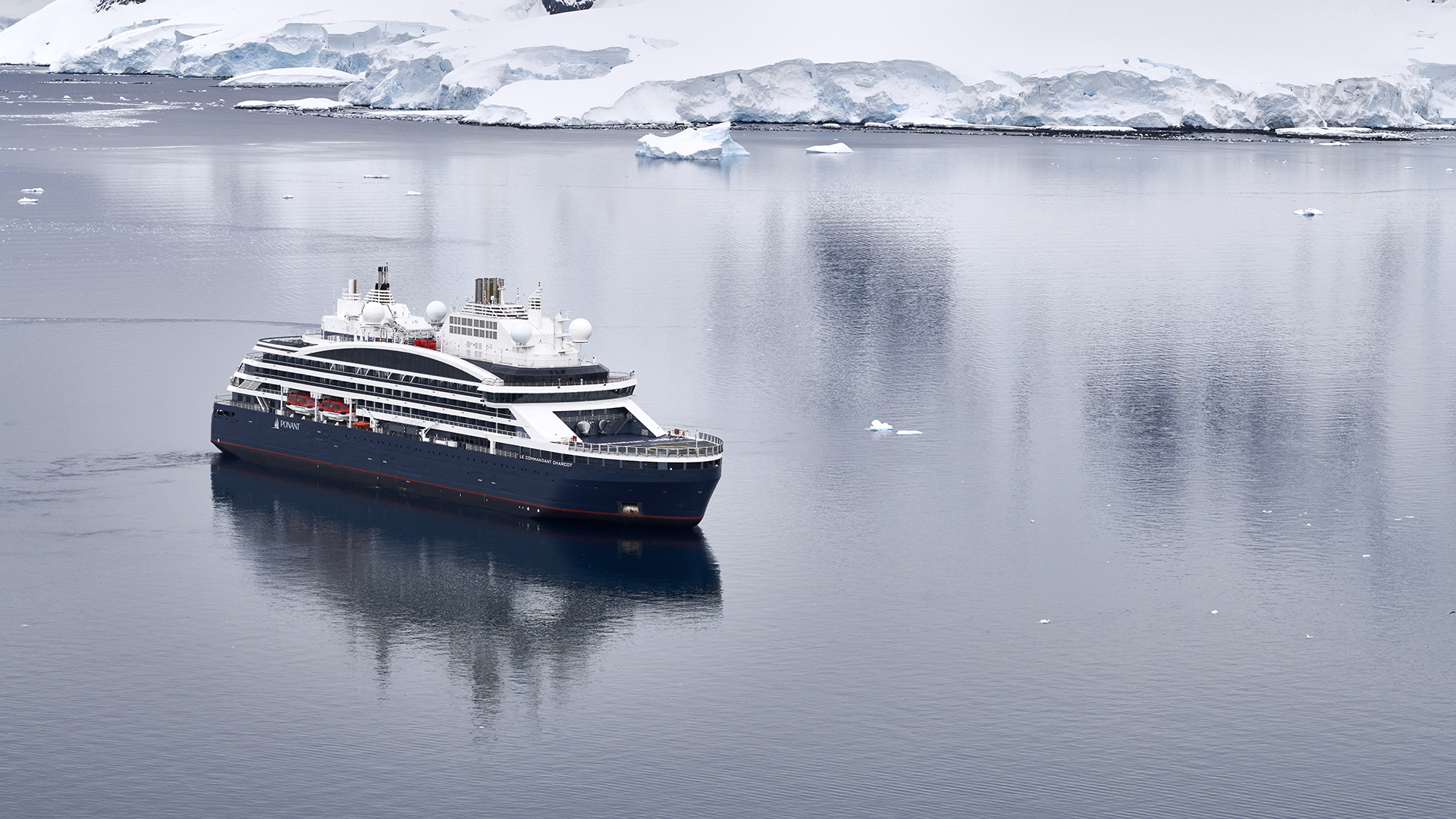
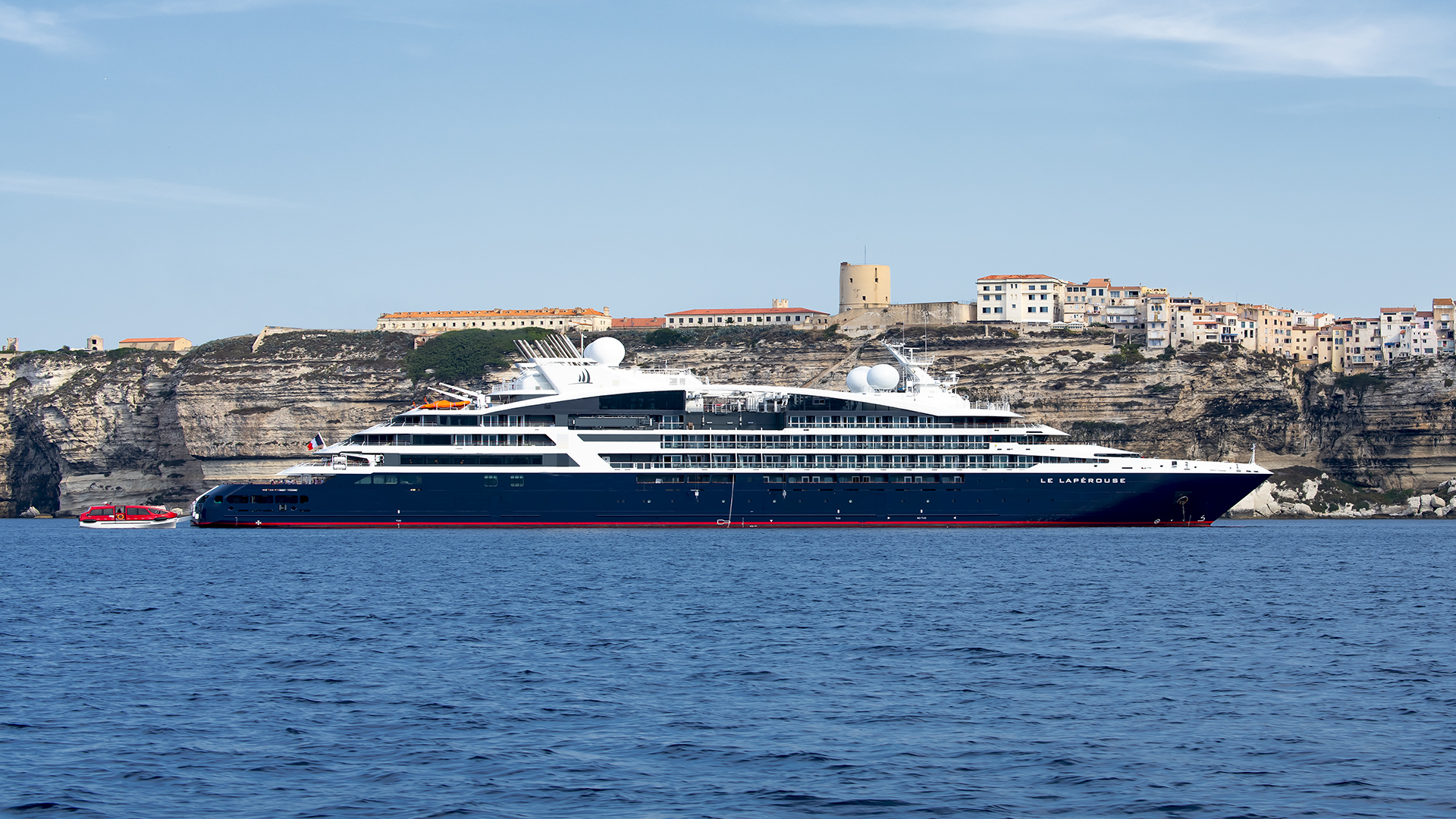
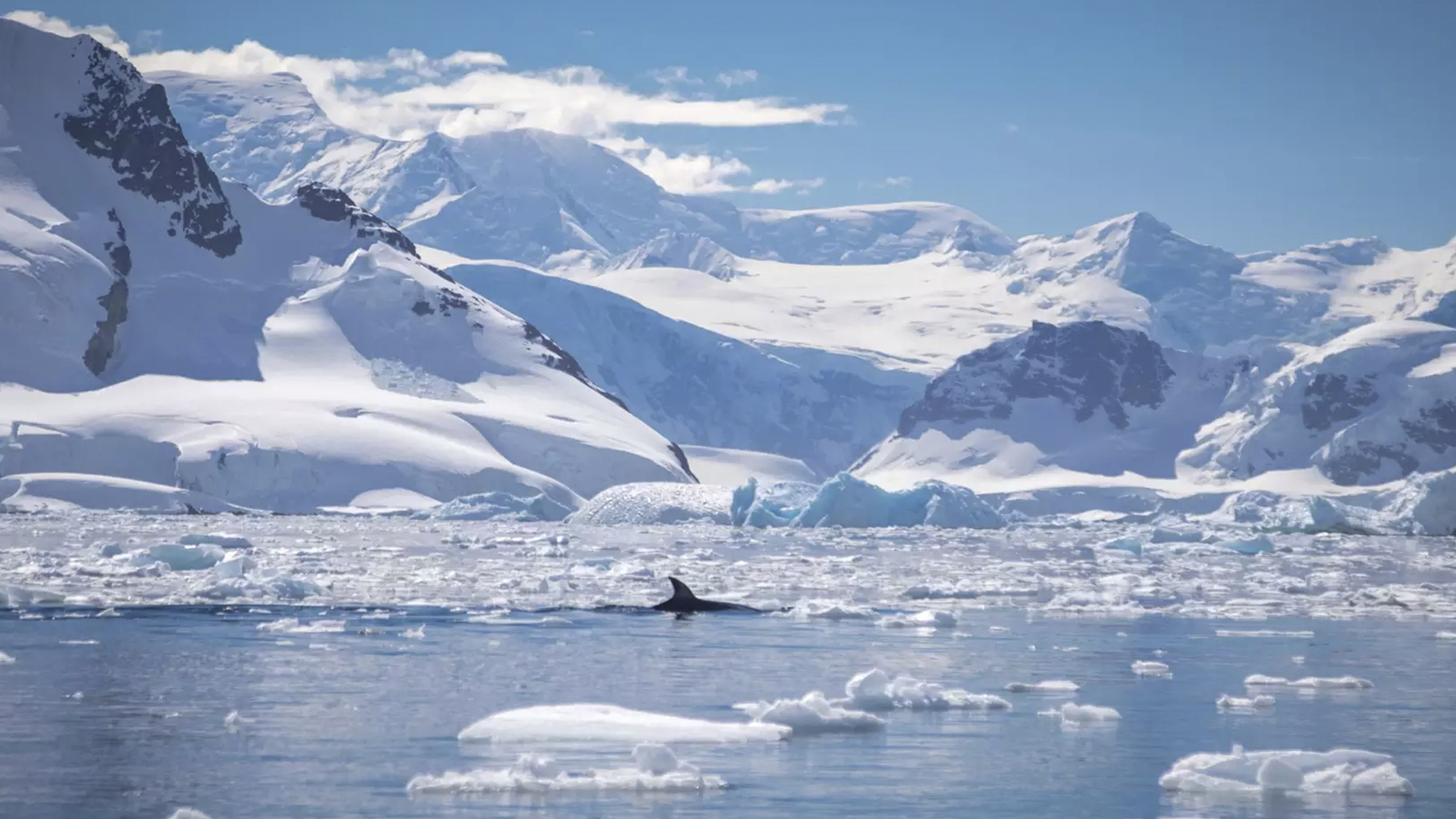
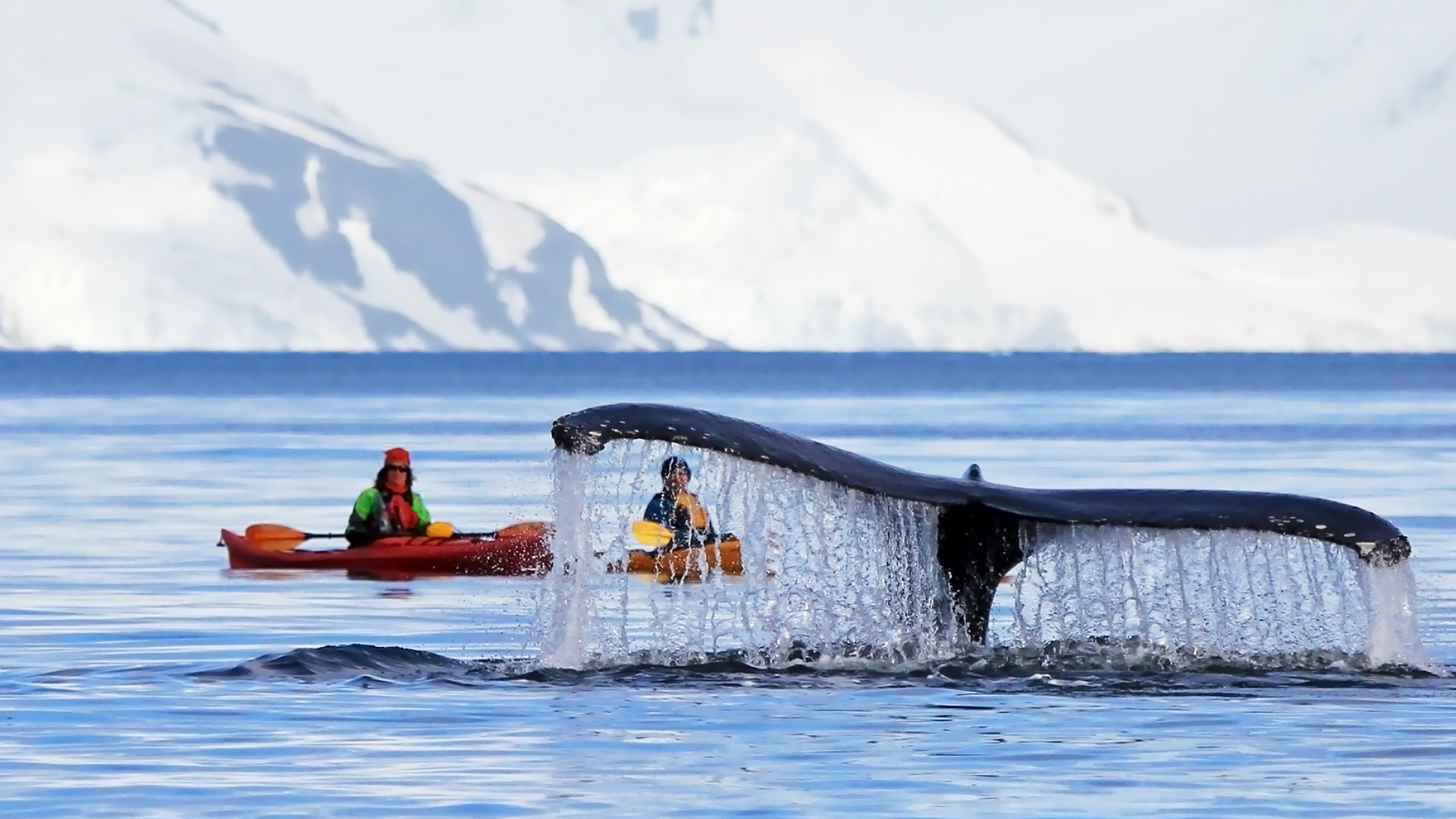
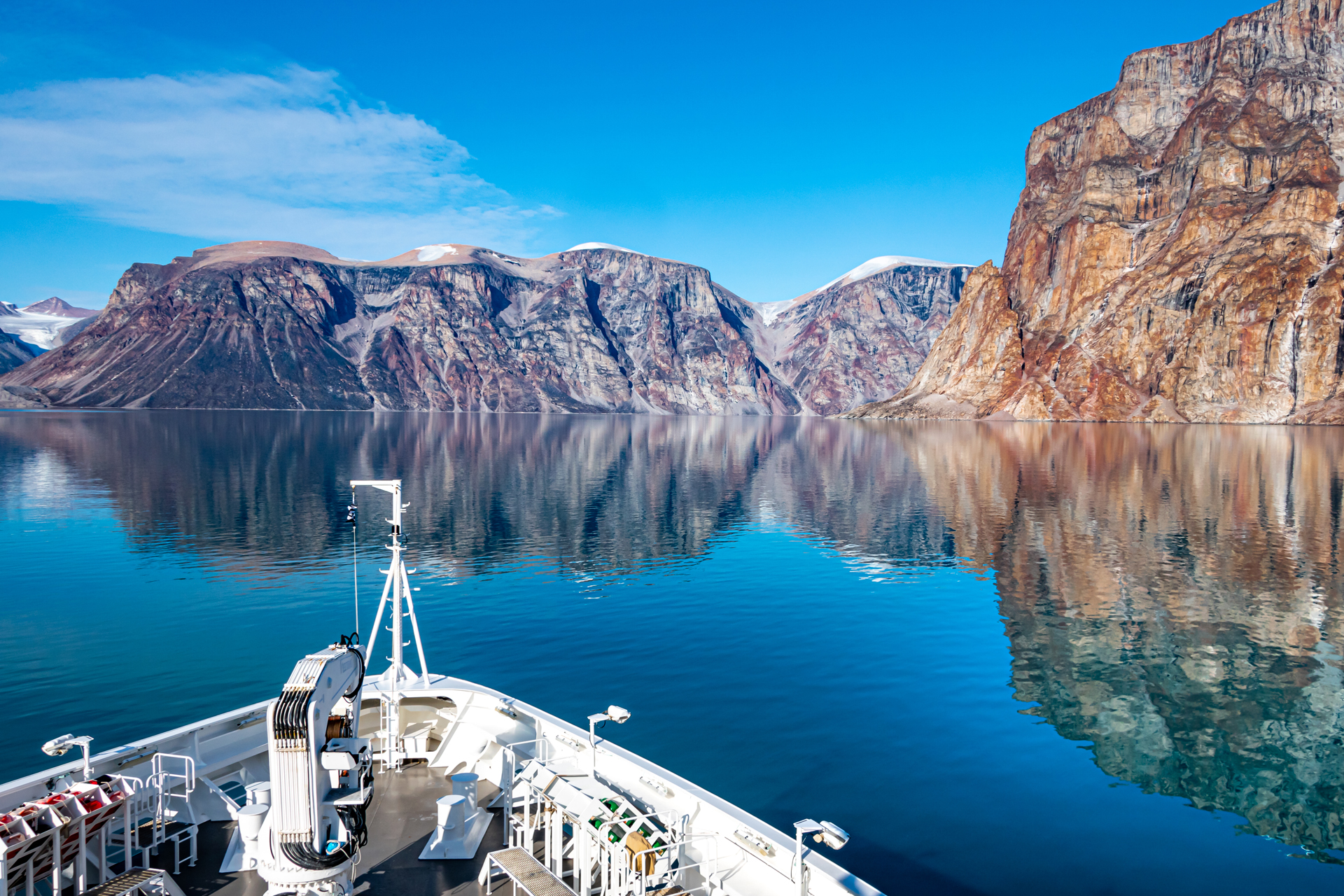
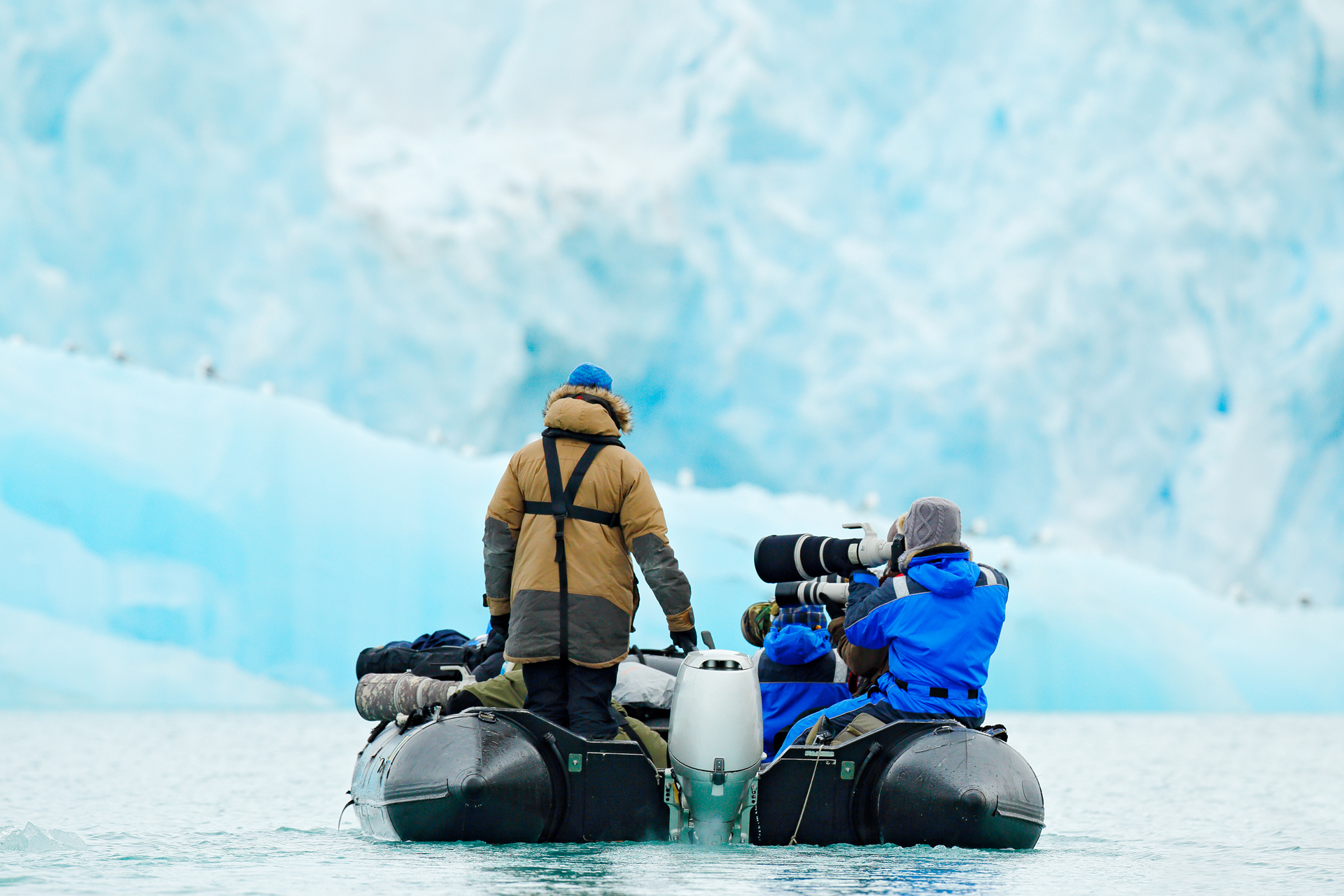
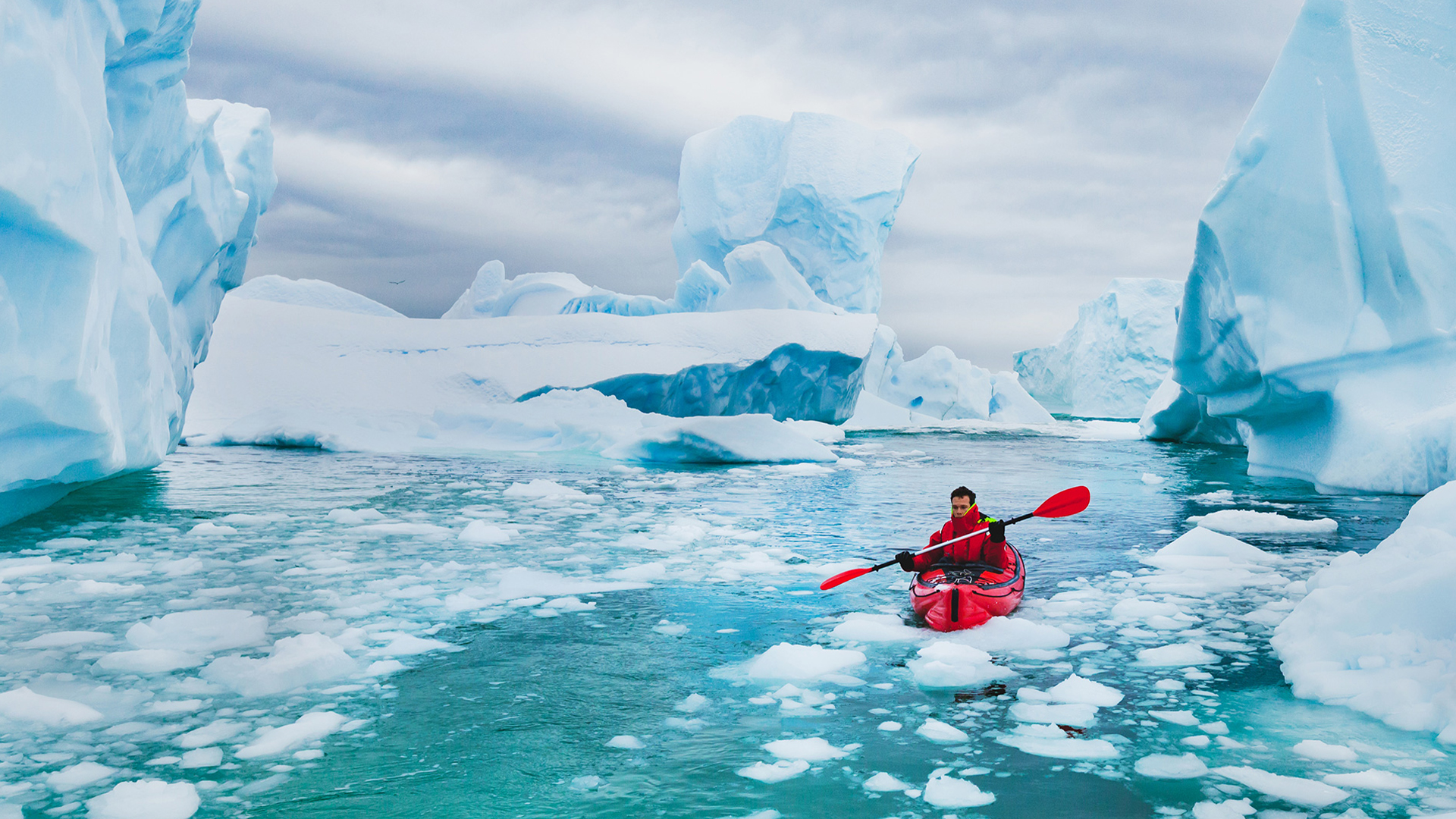
During our cruises to the Arctic, from Svalbard to the Northwest Passage threading through the Canadian Arctic Archipelago, kayak excursions offer amazing opportunities to slice smoothly through mirrored waters and explore spectacular fjordlands and seascapes on a more intimate basis. Each and every time we launch ‘yaks from an expedition ship, we feel a reverence for these flawless creations and the history and culture they embody.
From Parkas to High Fashion: The Inuit Clothing Legacy
Mastering the Ice: Inventions of the Arctic Peoples
Ice & Earth: The Architectural Genius of the Arctic Peoples
Inuit Words For Snow & The Arctic’s Linguistic Diversity
Los mayores misterios y secretos ocultos de la Antártida al descubierto
La verdad sobre la Antártida: Mitos y leyendas desmentidos
Estaciones de Investigación en la Antártida: Las 8 Mejores Bases Antárticas
Amundsen y Scott: la carrera hacia el Polo Sur y su descubrimiento
El sistema del Tratado Antártico, sus signatarios y su importancia
Descargo de responsabilidad
Nuestras guías de viaje tienen únicamente fines informativos. Si bien nuestro objetivo es proporcionar información precisa y actualizada, Antarctica Cruises no hace ninguna representación en cuanto a la exactitud o integridad de cualquier información en nuestras guías o encontrado siguiendo cualquier enlace en este sitio.
Antarctica Cruises no puede y no aceptará responsabilidad por cualquier omisión o inexactitud, o por cualquier consecuencia derivada de ello, incluyendo cualquier pérdida, lesión o daño resultante de la visualización o uso de esta información.