























































A Taste of the North: From Ancestral Inuit Diet to Gourmet
Many of us envision the Arctic as a spare, lean place of frozen blankness and barren tundra. Yet this Far North reach of land, sea, and ice has long offered its Indigenous inhabitants a bountiful larder of food resources, enabling survival—and helping knit together cultural and family traditions—across thousands of years.
The culinary dimension of today’s Arctic is very much an internationally inflected one, with no shortage of imported ingredients and modern processed foods part of the everyday diet in many places. Yet traditional foods and foodways remain not only widespread, but are, encouragingly, on the resurgence: reflecting the amazing power that the acts of food-getting, cooking, and eating—not least communally—wield in terms of maintaining cultural identity and connection to the environment, and also suggesting a more sustainable way to live in the modern Arctic , one very much taking cues from the deep past.
Traditional Arctic Subsistence Patterns & Foods
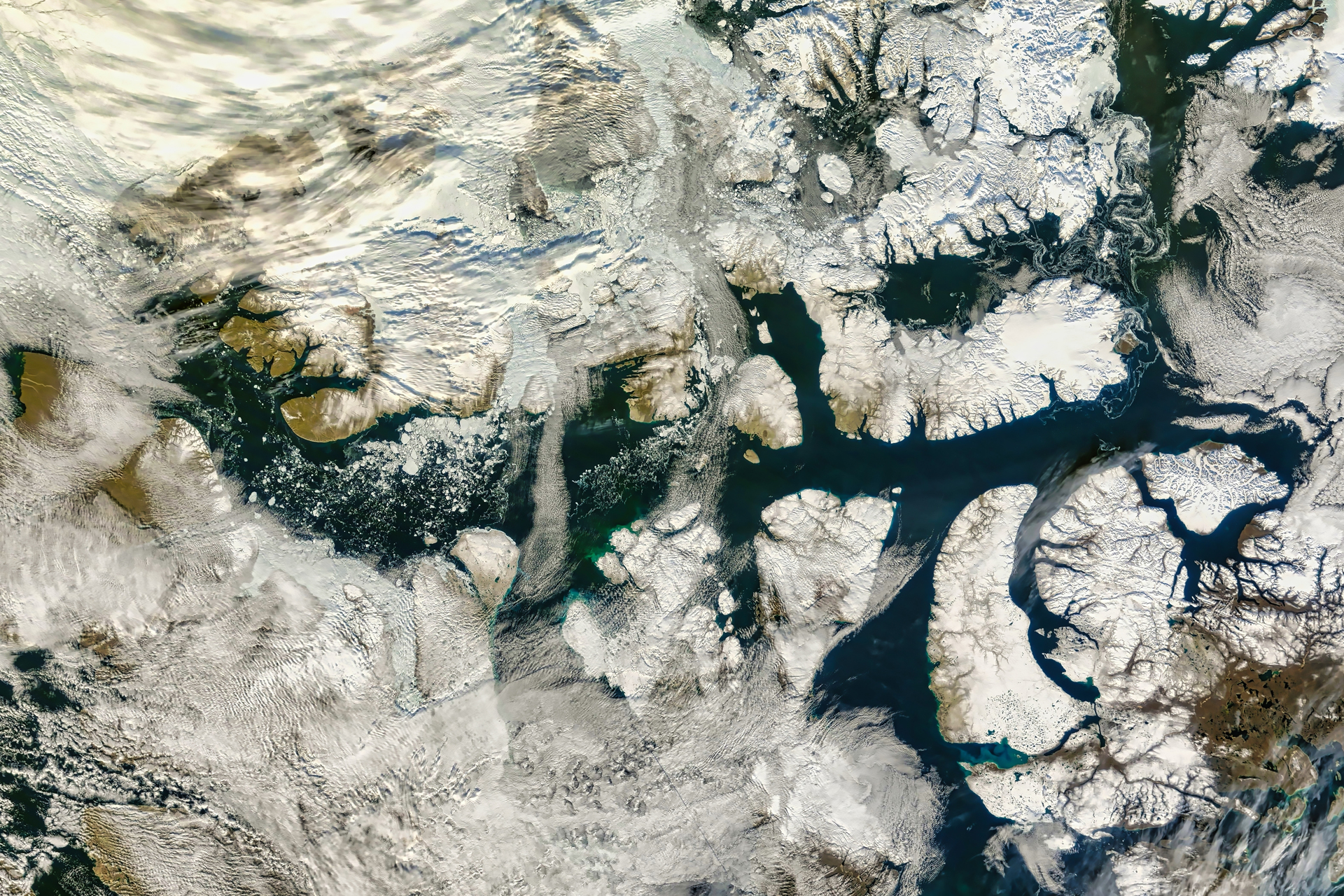
The Arctic and the northern-circumboreal belt of the Subarctic to its immediate south constitute a vast and varied land- and seascape: varied, yes, but also with great general commonalities of ecoregion and climate pattern across its enormous breadth. The Far North produced a wide range of human subsistence patterns, with many parallels—and some interesting differences as well—among the many dozens of ethnic groups who made (and make) this place home.
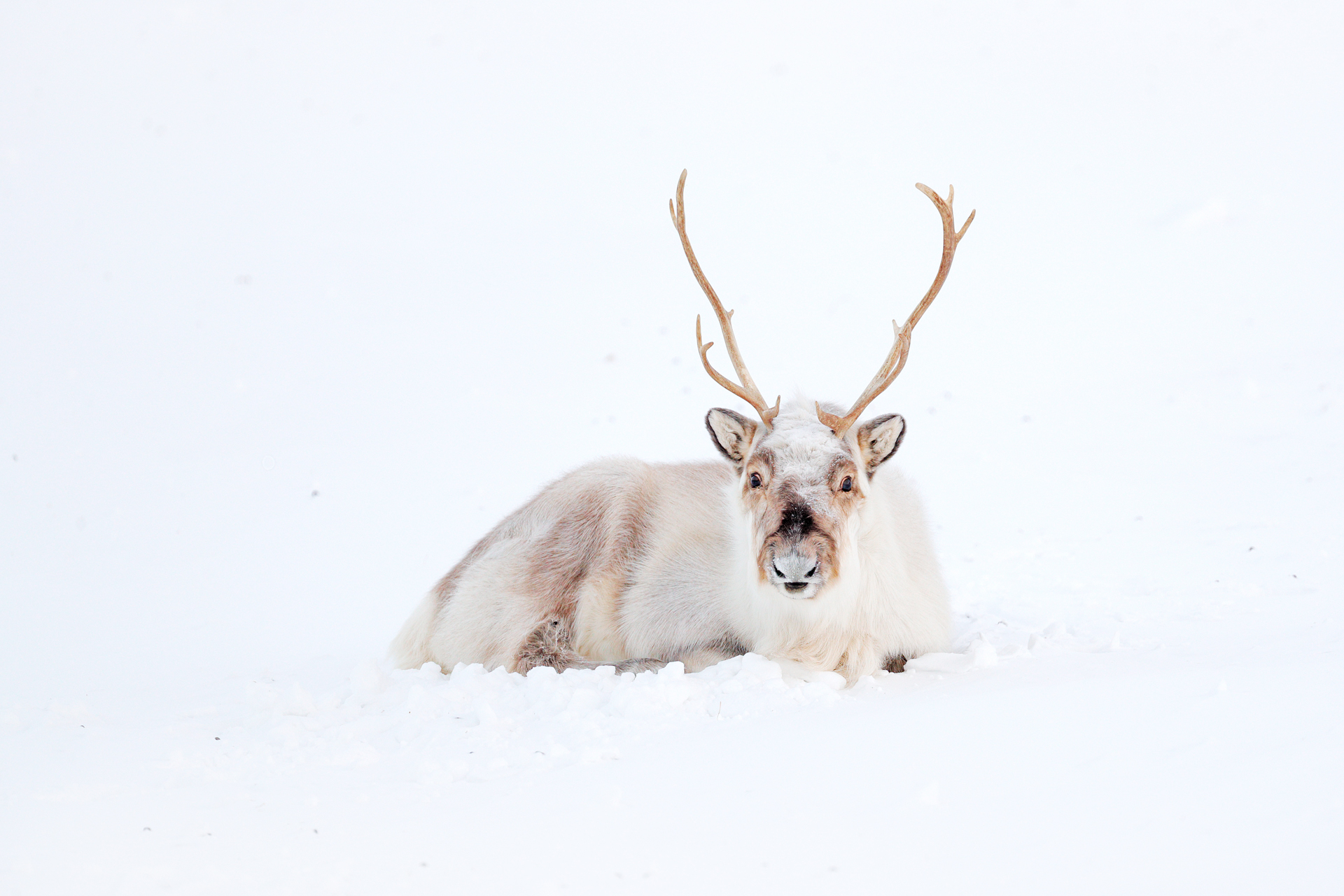
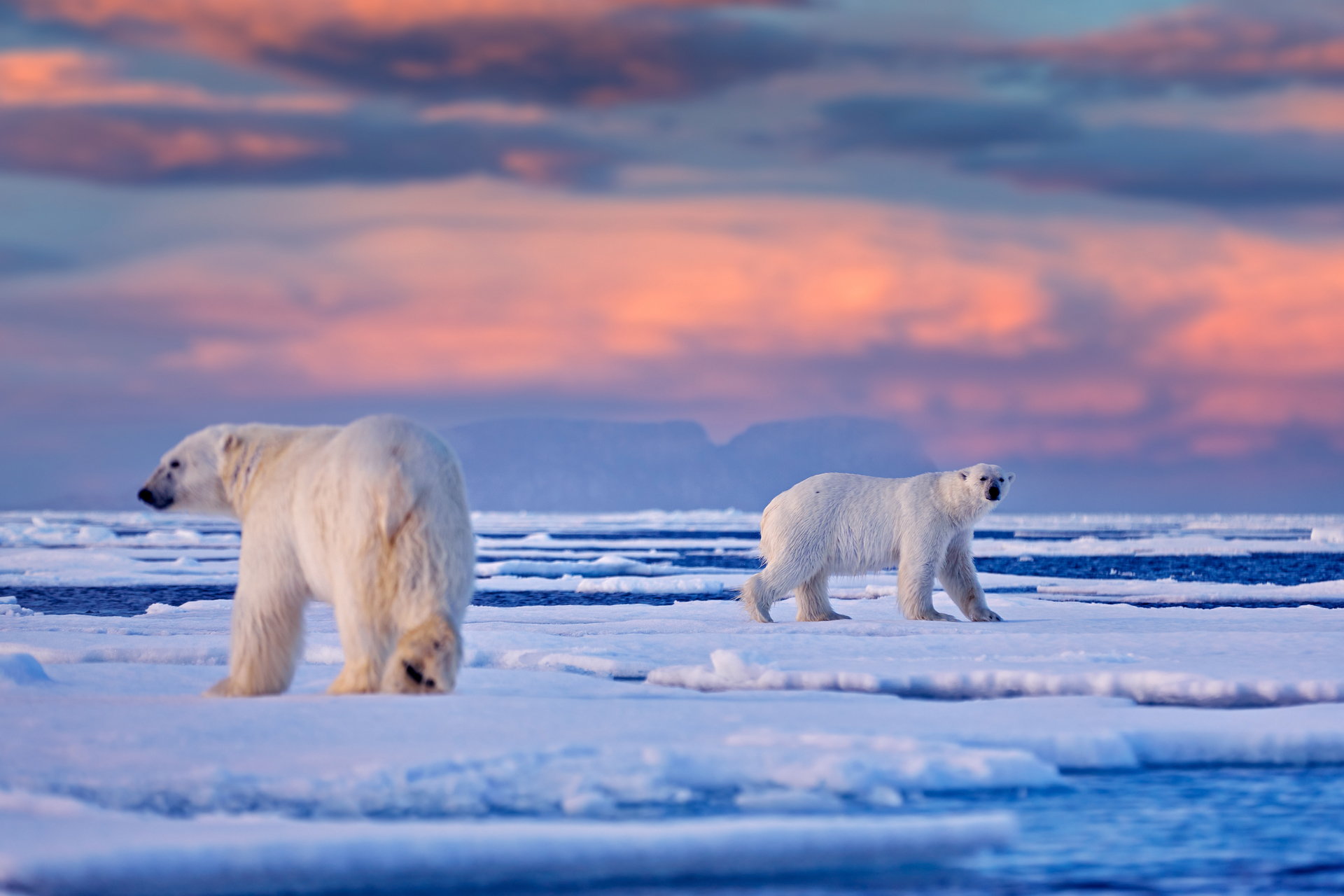
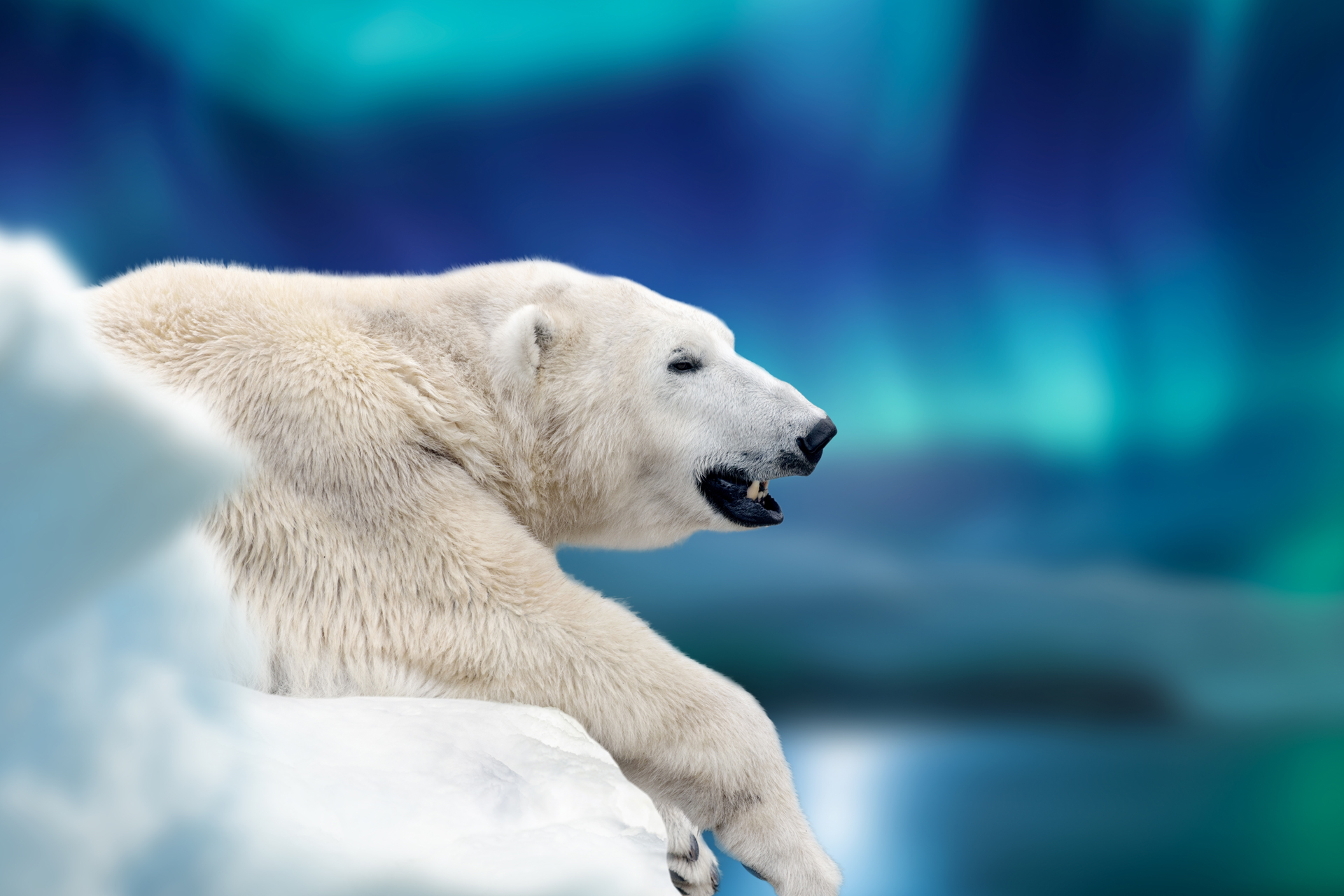
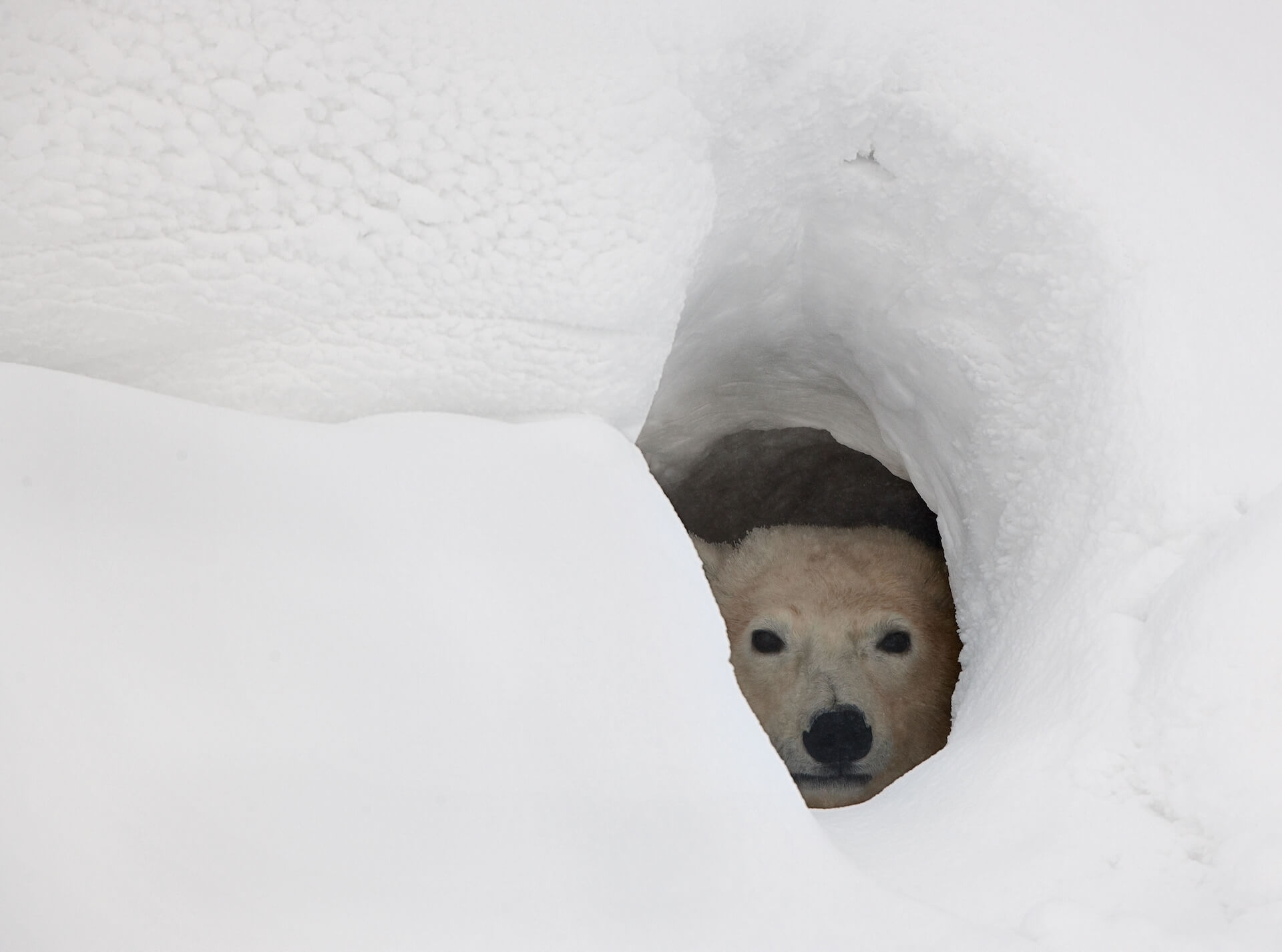
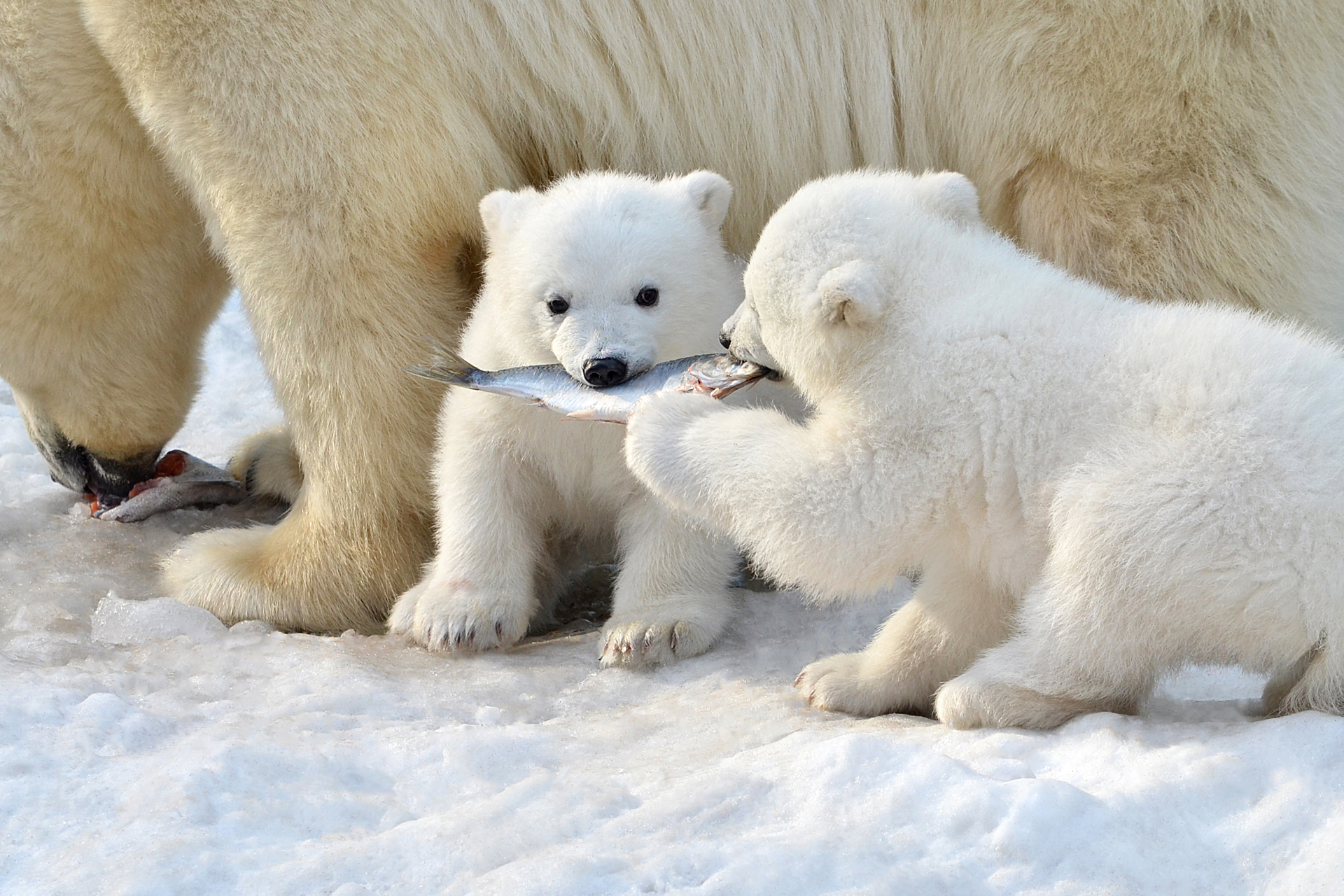
Meat was and is a mainstay of the Indigenous Arctic and Subarctic diet: not a surprise, given the relative abundance of terrestrial and marine animals and the limited vegetal variety and productivity up here. Animal products Indigenous Far North peoples consumed covered a broad gamut, from small fare such as clams, eggs, waterfowl, and hares to large mammals: reindeer/caribou, muskoxen, polar bears, pinnipeds, and both toothed and baleen whales.
Arctic/Subarctic peoples made use of as much of an animal as possible, from bone marrow to organs and pinniped/cetacean blubber, to extract maximum nutrition and bang-for-your-buck energetic return on the hunting effort. As with, say, identifying a poisonous plant, passed-along traditional knowledge would steer eaters away from unhealthy parts of a carcass. While the Inuit prize the livers of, for example, seals and caribou, polar-bear liver is avoided given its dangerously high amounts of Vitamin A. (And, of course, uneaten remains of an animal typically went toward other uses, such as the production of clothing, tools, shelter, sleds, or boats.)
Both marine and freshwater fish—and the anadromous salmonids, such as Arctic char, which tie together rivers and sea through their life cycle—were important foods where available. Arctic char—the northernmost freshwater fish species in the world, though some populations are sea-running—are a real powerhouse food, packed with healthy omega-3 fatty acids, calcium, and Vitamin D. In its guide to the nutrition of traditional Inuit foods, the Government of Nunavut records the following, elegantly simple “Inuit Recipe for Good Health”:
“Walk a mile to the good fishing spot
Catch some char
Walk home
Bake the fish, make some fish head soup
Enjoy your feast.”
Plants and plantlike organisms also made important contributions in many traditional cultures. Arctic peoples ate a variety of berries—cloudberries (“Arctic gold”), blueberries, crowberries, and others, eaten raw or mixed with animal fat—as well as seaweed—dipped by the Inuit in seal-meat broth, for example—and lichen, which was used by some Alaska Natives as a soup-flavoring.
While caribou meat was widely consumed across the Circumpolar North, this maned member of the deer family also contributed other food products in the Eurasian Arctic/Subarctic, where (unlike in North America) reindeer husbandry was widespread and produced dairy products such as milk and butter.
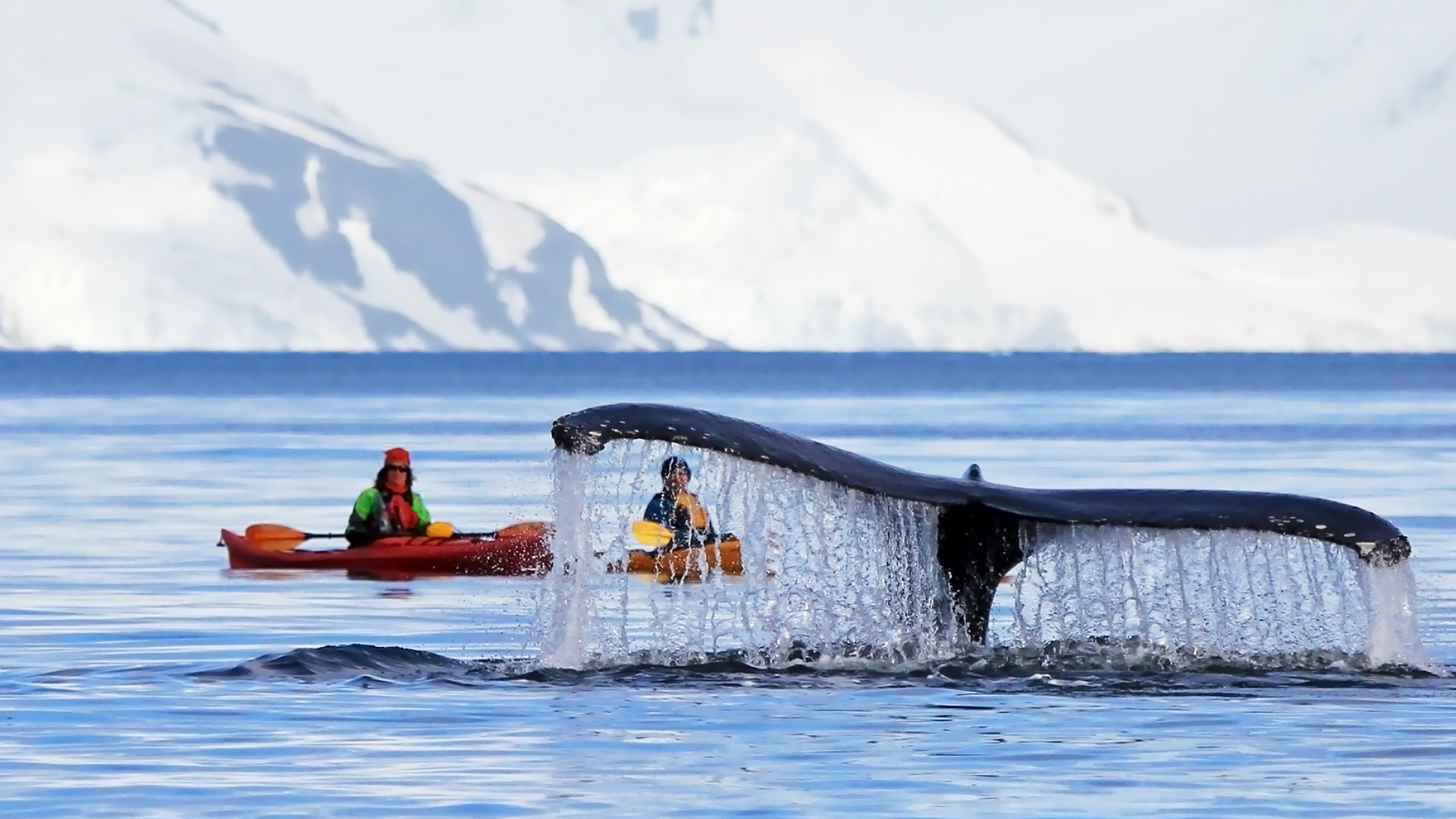
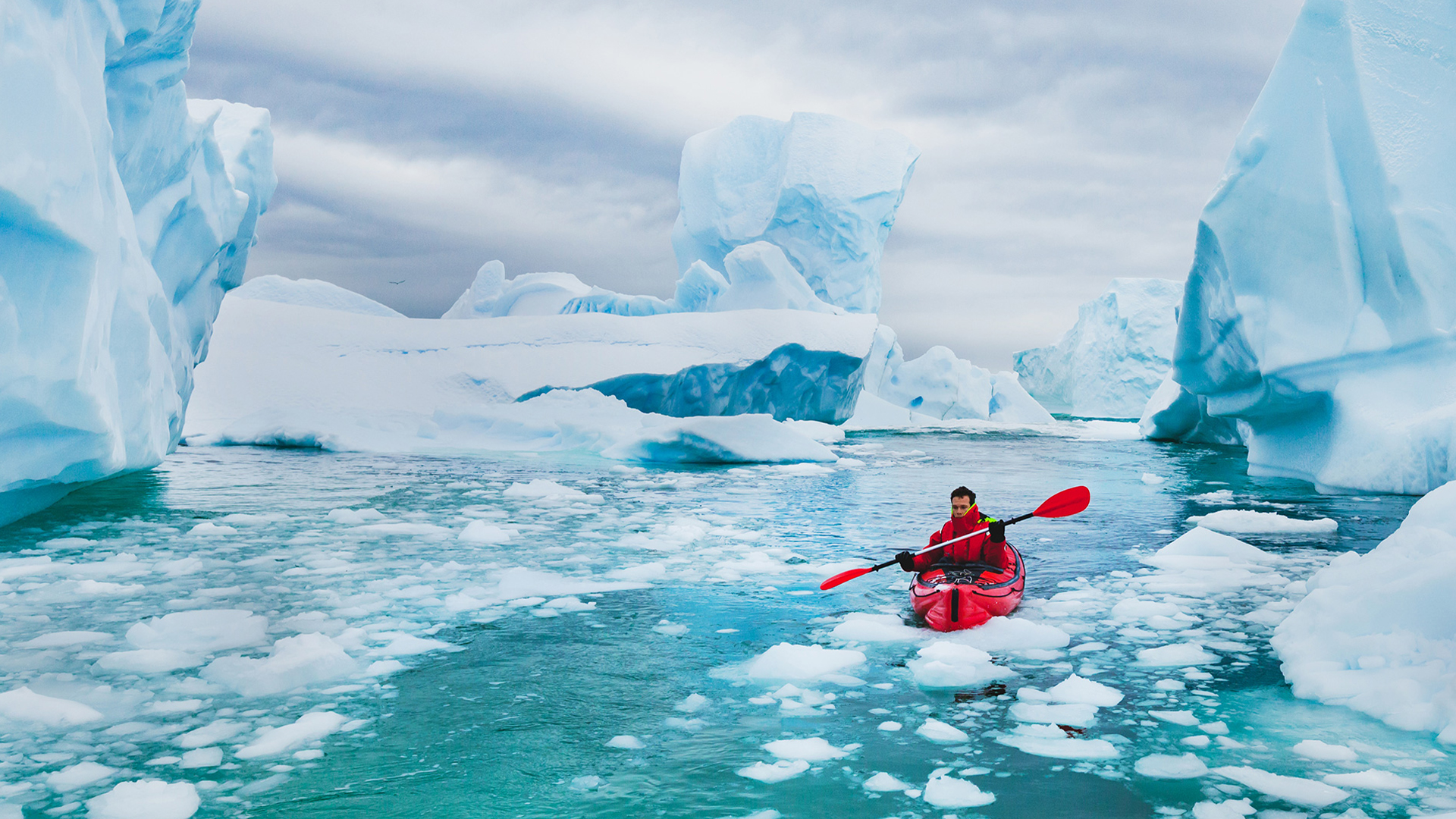
Traditional Indigenous Arctic diet varied across the seasons in accord with animal migrations and other movements, the phenology (seasonal growth phenomena) of vegetation, and shifting means of access to different environments. From caribou migrations (and reindeer-herding transhumance between pastures) to the ripening schedules of wild berries and the spawning runs of fish (whether from ocean to river or lake to river), these temporal and geographic subsistence patterns helped shape the seasonal rounds of people in intimate relationship with the natural environment and its ecological rhythms. Many Arctic foods were available year-round, but the manner by which people obtained them varied: An Inuit hunter could pursue seals by kayak in the open-water summer, and stake out by their sea-ice breathing holes to harvest them in winter.
The Complicated & Controversial Etymology of “Eskimo”
It’s relevant here to address a historical term now laden with pejorative connotations but still used in some contexts: “Eskimo.” Once broadly applied to some Indigenous Arctic groups of North America and Siberia, including the Inuit and Yupik, the term is considered offensive to many of these peoples. The term Eskimo is commonly interpreted as a corrupted English descendant of words stemming from the Algonquin language family (perhaps specifically Cree) and meaning something along the lines of “eaters of raw meat.” Alternatively, it may derive from the Cree word askimew, “he laces snowshoes.”
If the ultimate origin is indeed an Indigenous North American term referencing Inuit consumption of raw meat, it’s important to note this may not have originally been intended to be pejorative, but simply descriptive (raw meat in certain preparations being widely eaten not only by the Inuit but many other Arctic cultures). But it’s all the more important to stress, again, that many Inuit and other Indigenous Arctic peoples today find “Eskimo” a disrespectful, insulting, and even racist label—or at the very least one that’s used ignorantly by non-Indigenous speakers.
Modern Arctic Cuisine: Celebration of Traditional Foodways & Ingredients
Although the typical Arctic diet might look quite different today in places than it did only a couple hundred years ago, traditional foods never died away. For example, “country food,” as it’s sometimes called in Arctic Canada, remains an integral part of the Inuit diet in many places. Indeed, traditional foods are in many respects on the rebound across the Far North. Many regions and cultures have maintained some continuity of hunting, gathering, and herding practices even as the outside world and colonization encroached upon the Arctic, though the methods of carrying them out have in many cases changed: driving reindeer by snowmobile, for example, or hunting seals and whales with rifles instead of harpoons. Different rules for subsistence hunting in many Arctic countries allows for Indigenous take of such otherwise protected or restricted species such as the bowhead whale.
Traditional Arctic foodways offer enormous benefits in the 21st century. That includes in terms of reducing the health and environmental negatives of imported processed foods, prevalent on Far North grocery shelves. Studies have shown that the traditional Inuit diet rich in omega-3s, as gleaned from the Arctic char, likely explains the historically low incidence of heart disease among these peoples. It’s worth emphasizing (as The Canadian Encyclopedia notes) how frequent scurvy and other malnutrition and dietary problems were among European explorers in the North American Arctic, in striking contrast to the low incidence of such maladies among the native Inuit whom they traveled among.
And, of course, traditional ingredients, preparations, and subsistence techniques provide a centering foundation and cross-generational dialogue for the nourishment of Indigenous Arctic cultures. These time-tested customs are also in active and stimulating dialogue with the global culinary world and the foundation of some truly gourmet dishes appealing to all manner of foodies. Initiatives such as the New Arctic Kitchen—”a movement of food professionals throughout the Arctic and Subarctic region,” as its website explains, one which “combines preservation of food traditions, with development and inspiration”—foreground the region’s local and regional foodsheds and venerable cookery while acknowledging modern tastes and preferences.
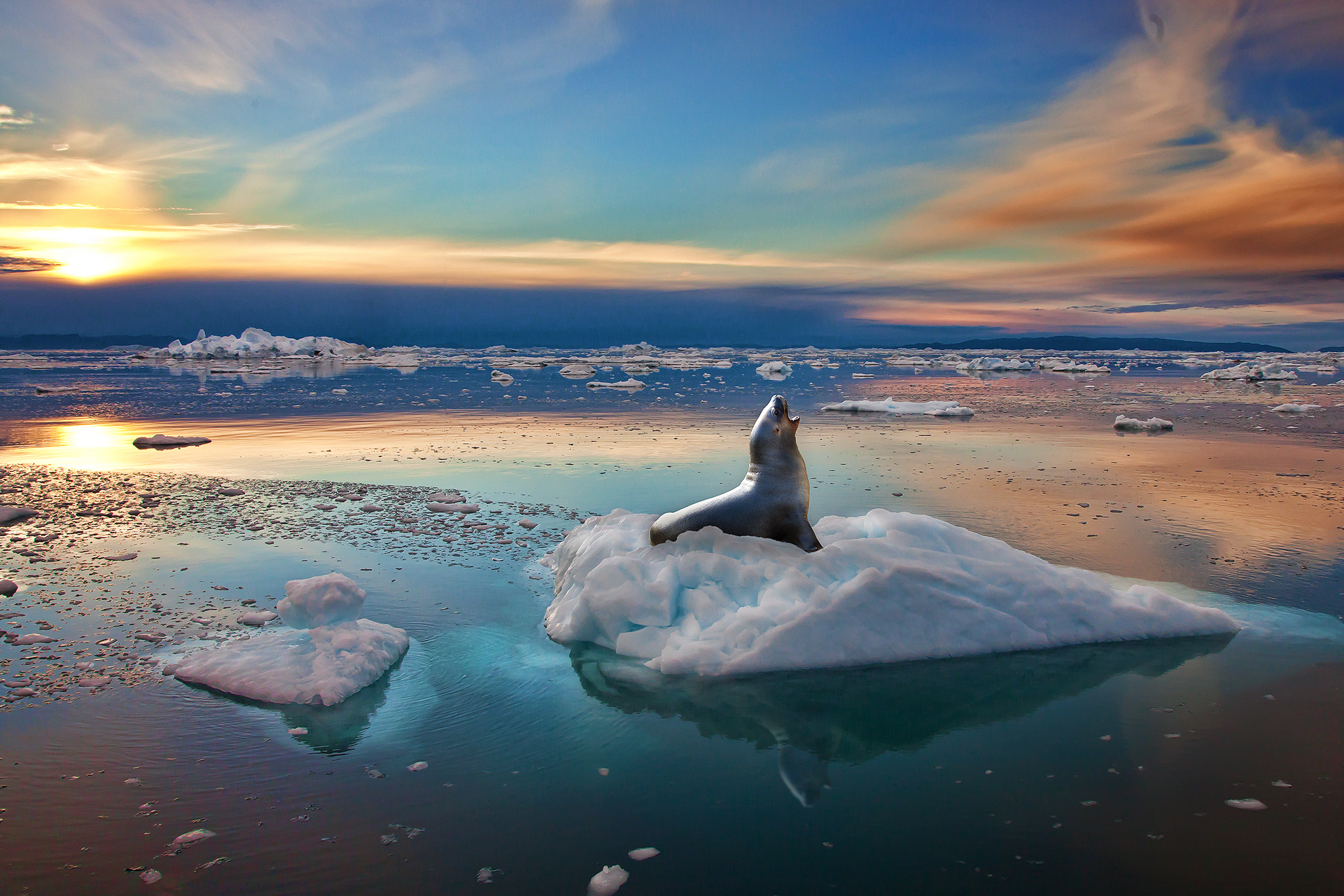
For example, modern Arctic chefs might play around with different cuts and preparation of seal, such a staple food of many coastal Circumpolar cultures. “Local people want to have variety in their diets, and they don’t want to eat the same thing every day,” the celebrated Greenlandic chef Innunguaq Hegelund, involved with the New Arctic Kitchen drive, told the BBC in 2023. “So, it’s about creating something different with the same meat.”
These chefs are also expanding what roughage can be produced locally in Arctic latitudes via greenhouses, with climate change (despite its many devastating implications for Arctic ecosystems and traditions) perhaps affording additional opportunities to cultivate vegetables so far north.
A Few Examples of Defining Arctic & Subarctic Dishes
Among the staples of Yakutian cuisine in the Russian Arctic—developed in one of the all-around coldest inhabited regions on Earth—are stroganina, long and slender strips of frozen fish, as well as the frozen raw foal meat and liver of the native-bred Yakutian horse.
The well-cured and dried meat of the big Greenland shark—the flesh of which is poisonous raw—becomes the downright iconic Icelandic delicacy of fermented shark, or hákarl.
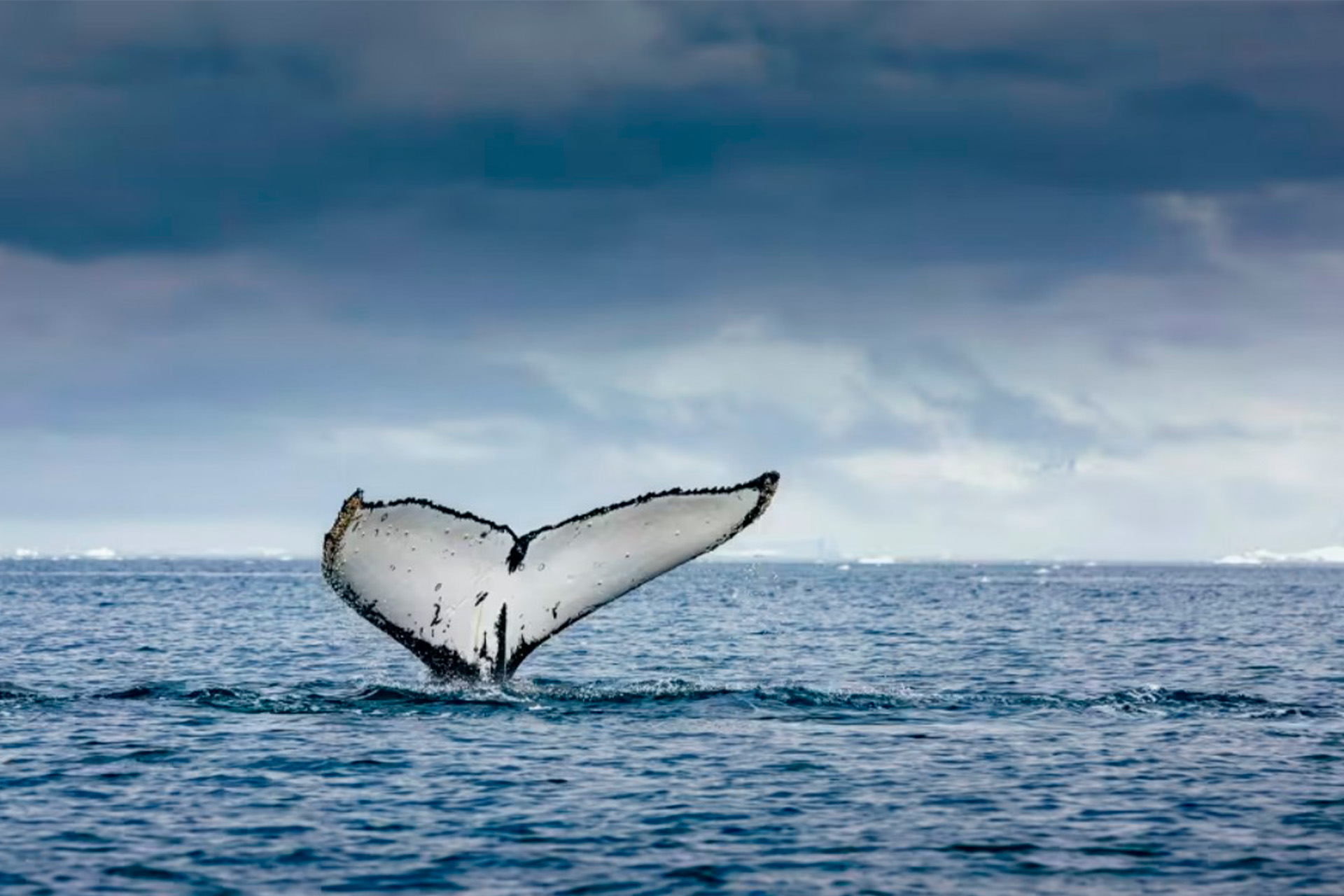
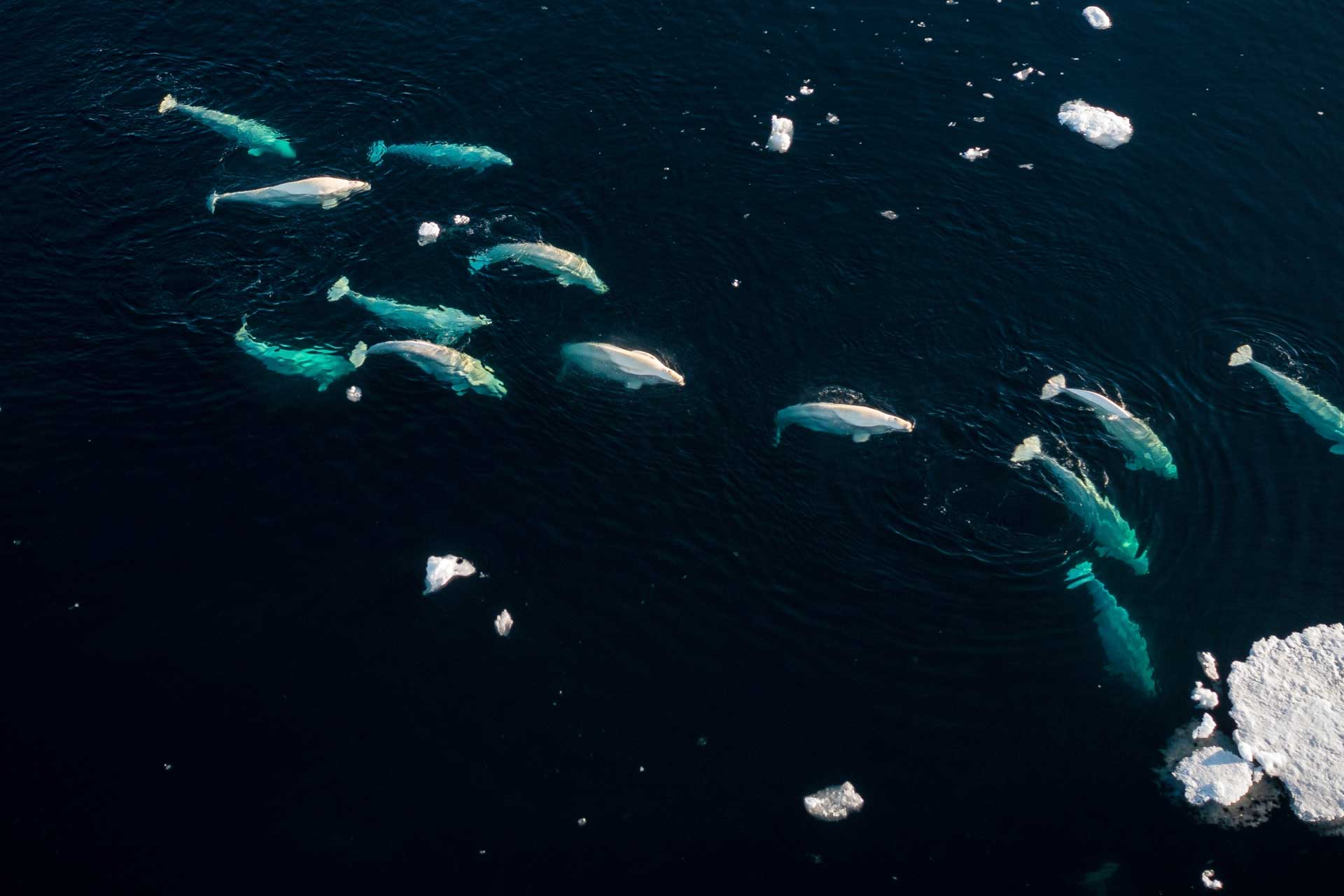
Meanwhile, a well-known, widely consumed component of Inuit cuisine is the snack or meal called muktuk: chunks of whaleskin and blubber, often enjoyed raw. The three most specialized Arctic cetaceans—the bowhead whale, a baleen species, and the two toothed whales, the beluga and narwhal—are chief sources of muktuk, a defining flavor of the North American Arctic.
The aforementioned Greenlandic chef Innunguaq Hegelund also pointed out the ubiquity and variety of dried-fish preparations in Inuit cuisine, comparing it in a 2025 National Public Radio profile to the myriad household spins on curry in India.
Sample Arctic Flavors With Gourmet Dining on an Expedition Cruise
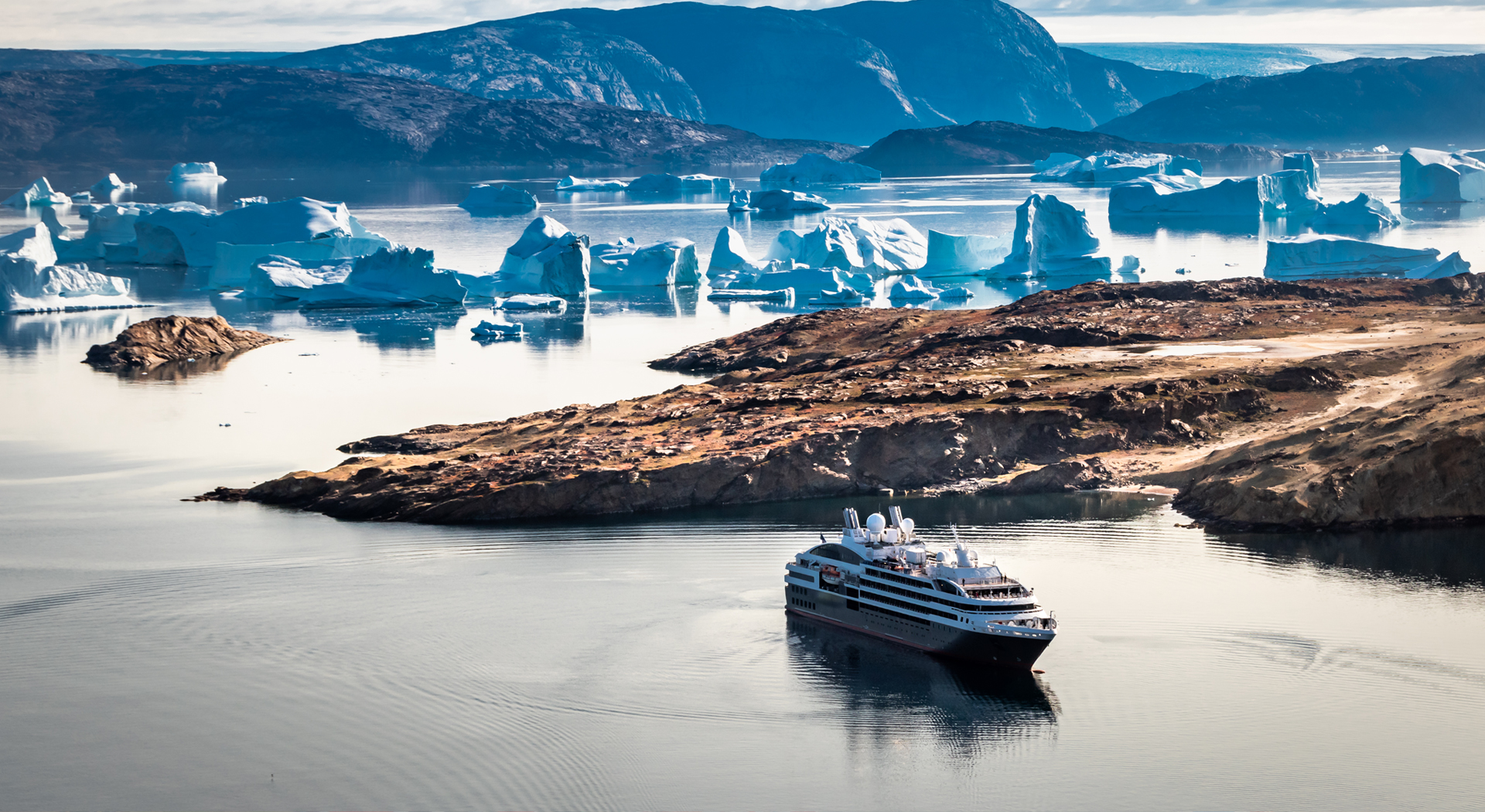
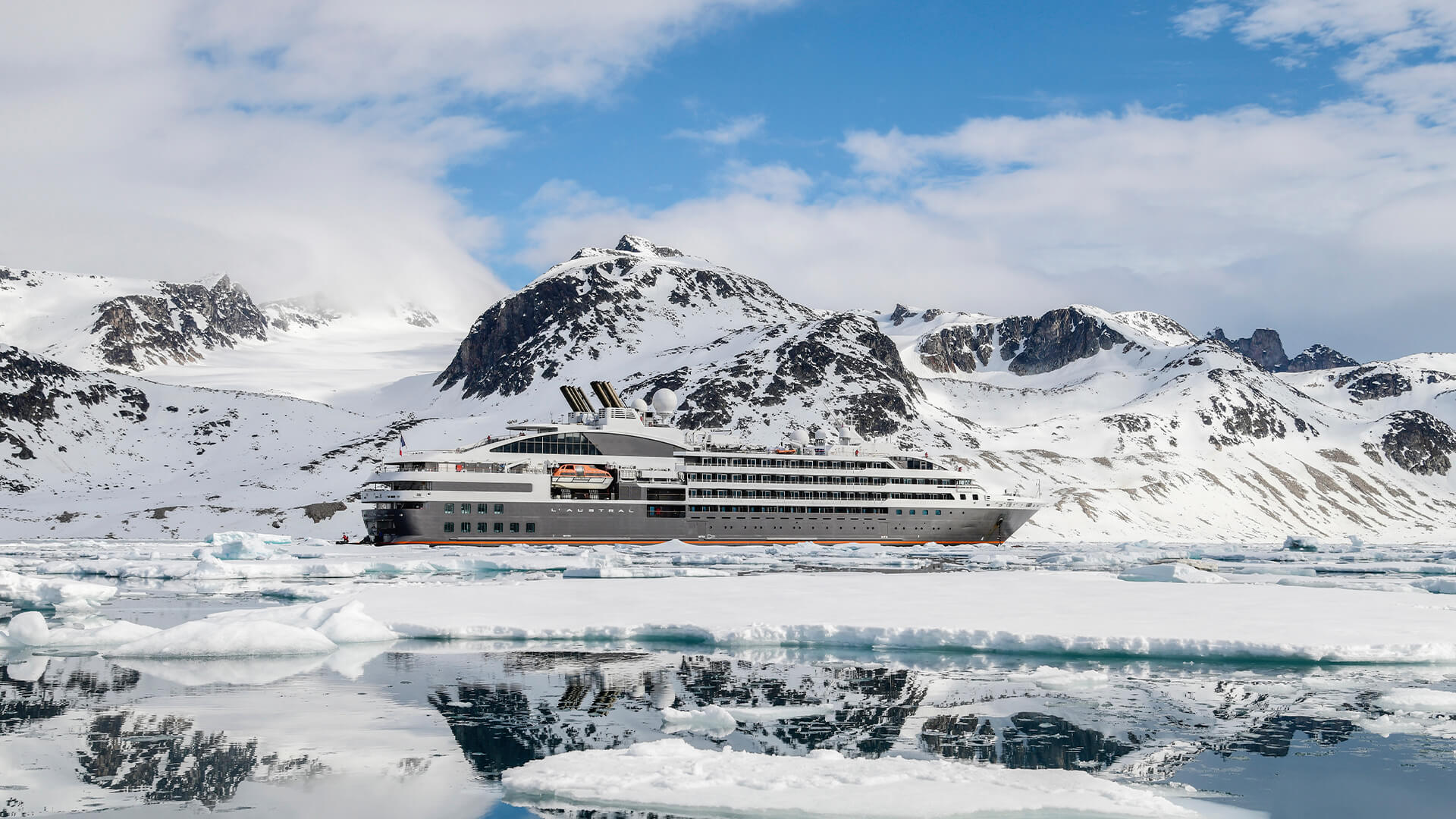
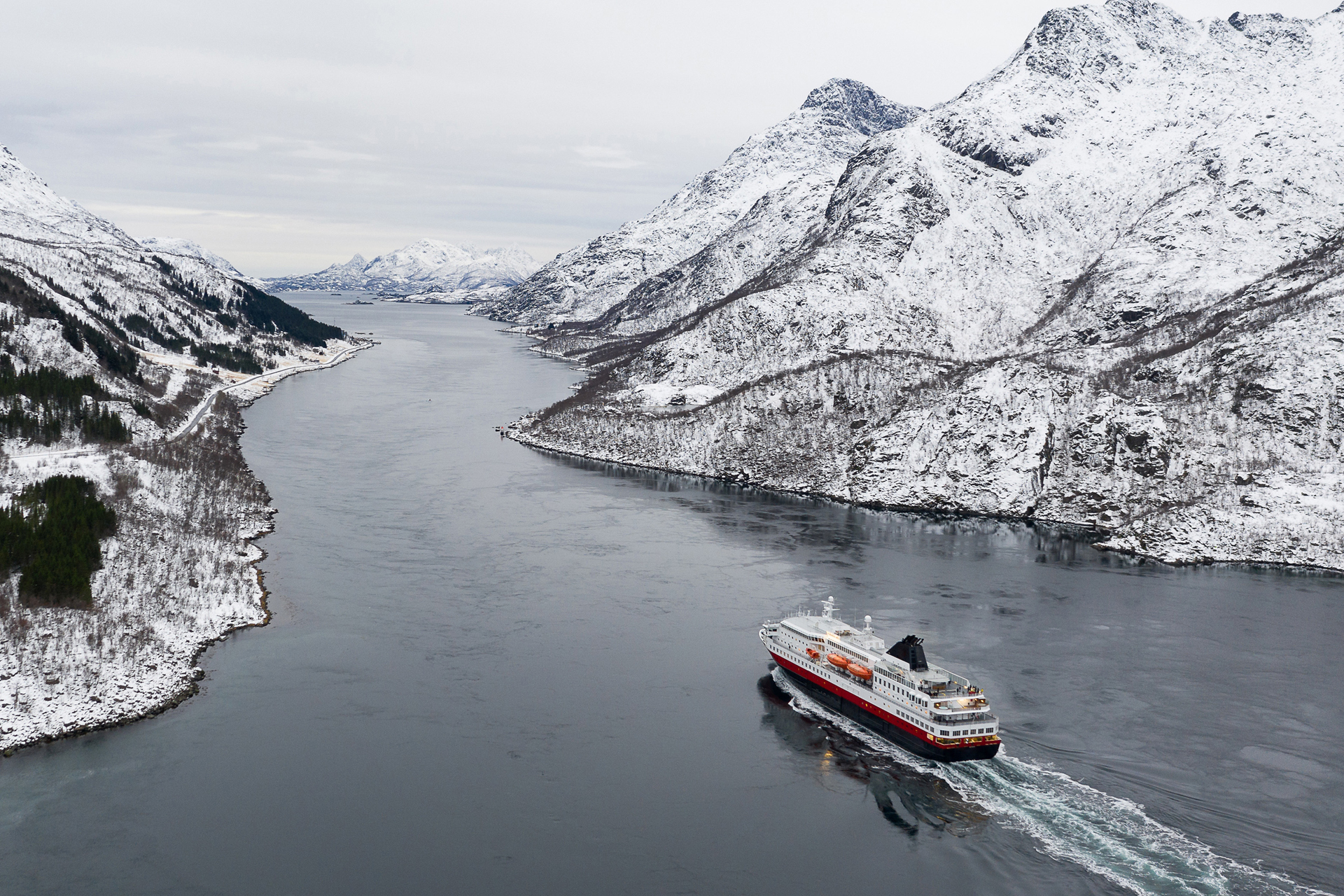
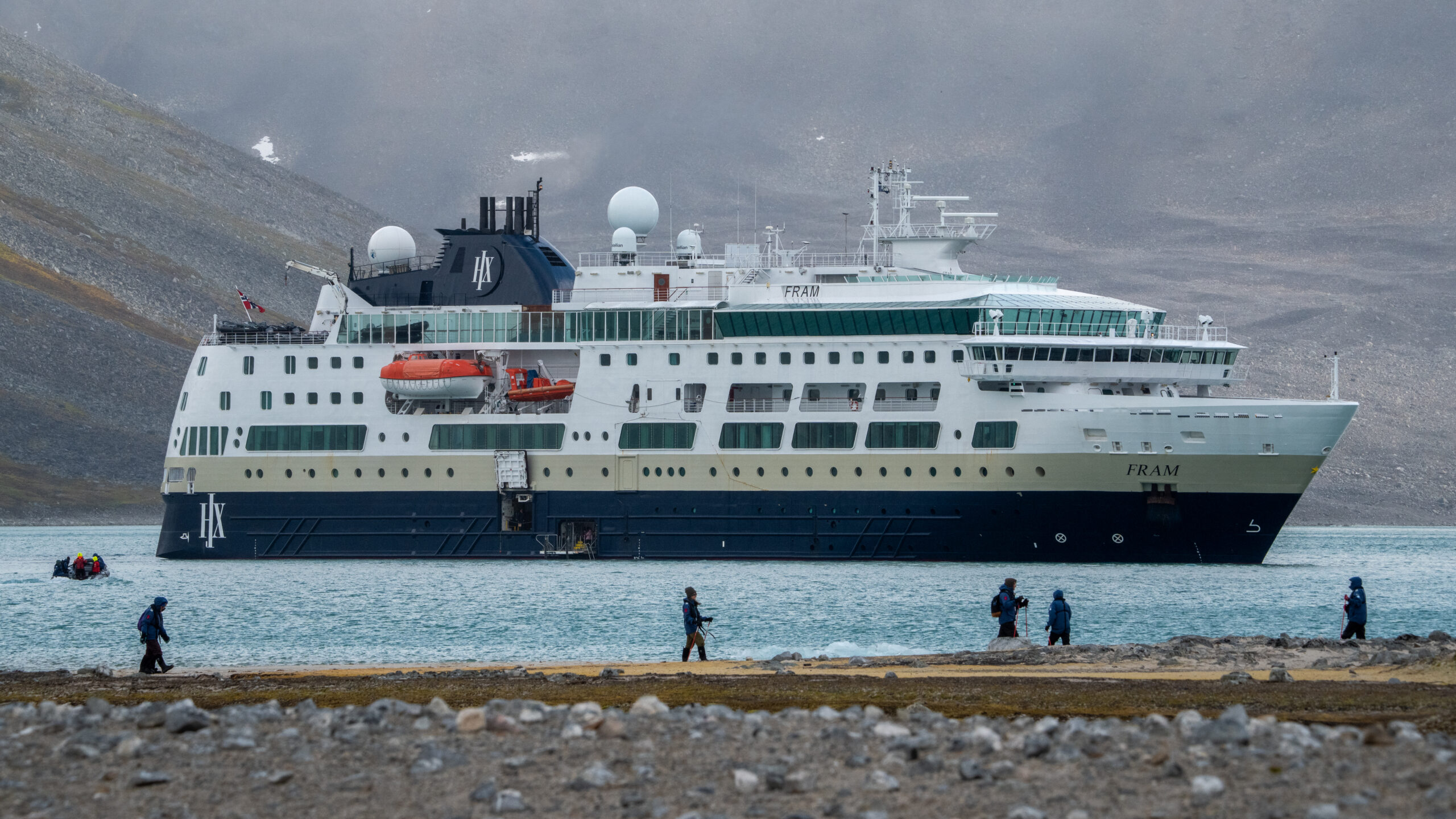
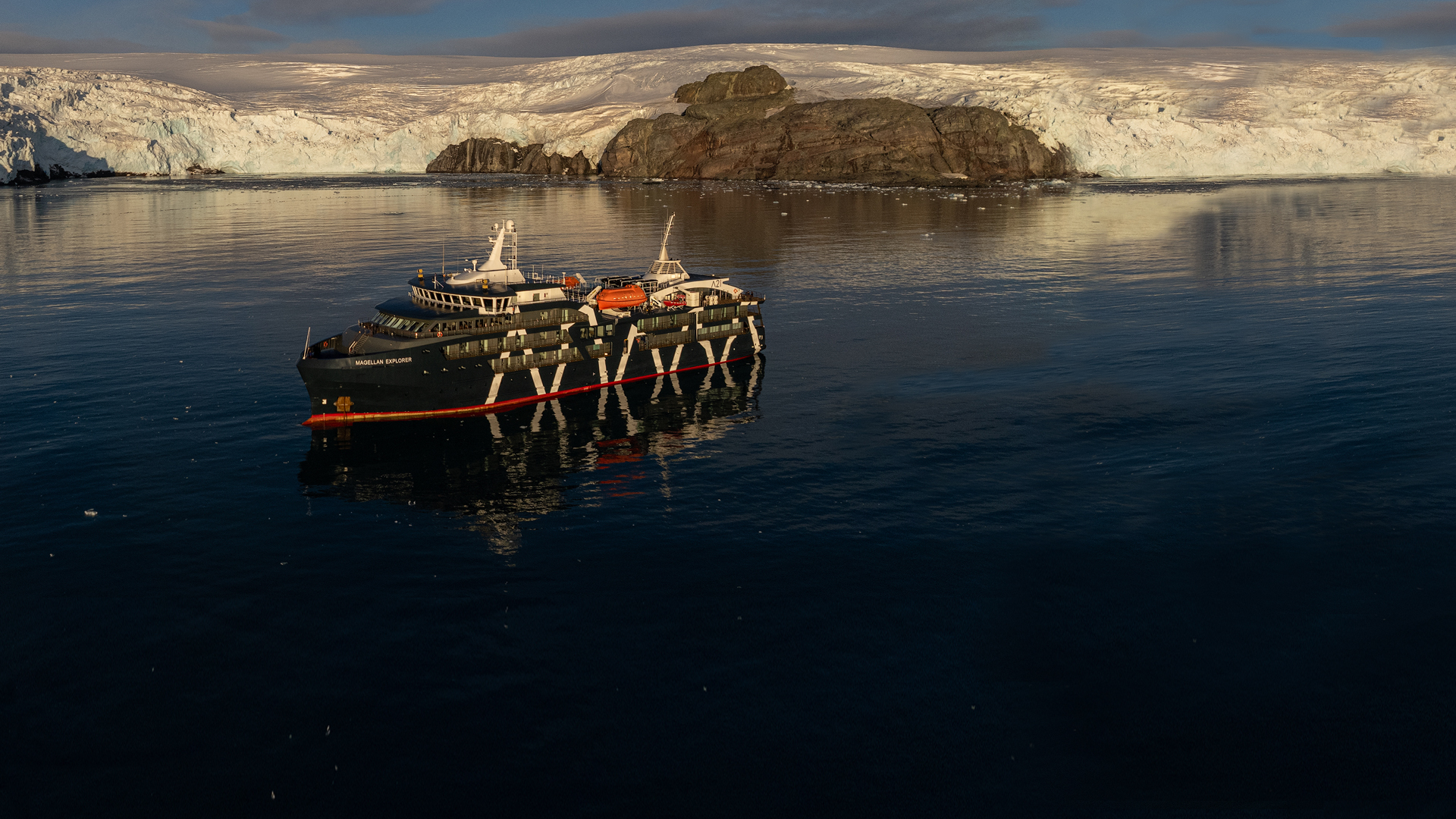
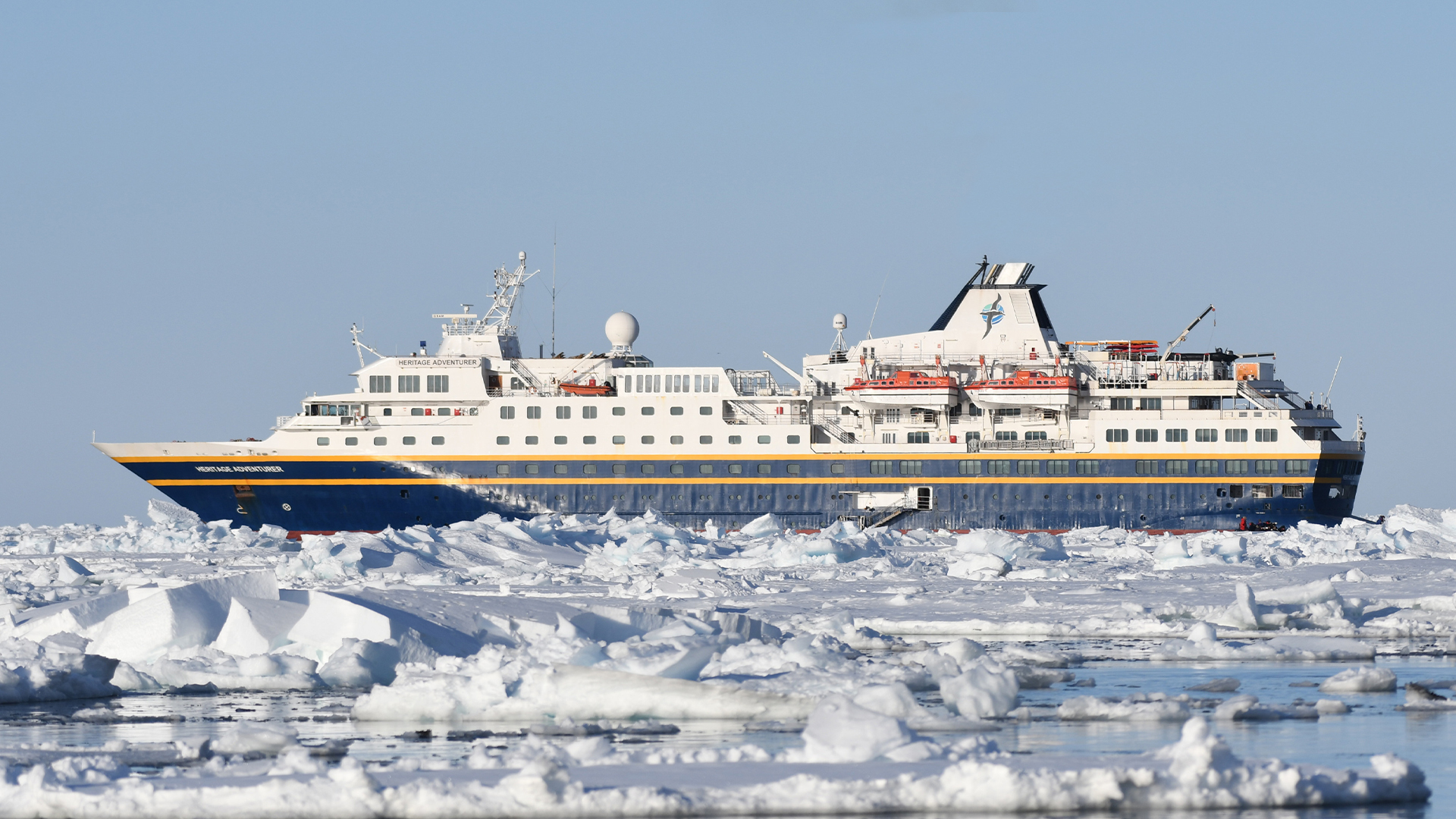
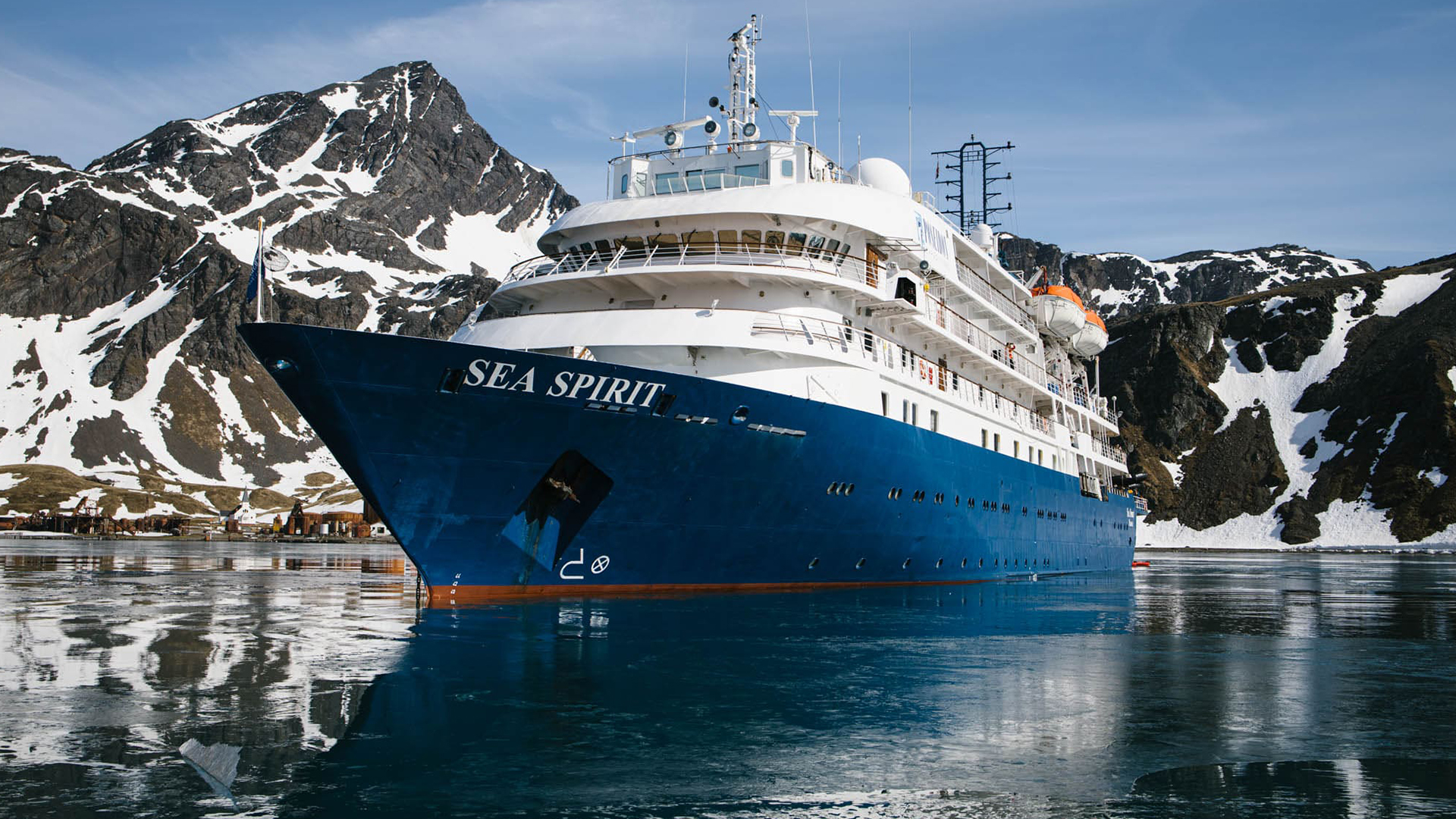
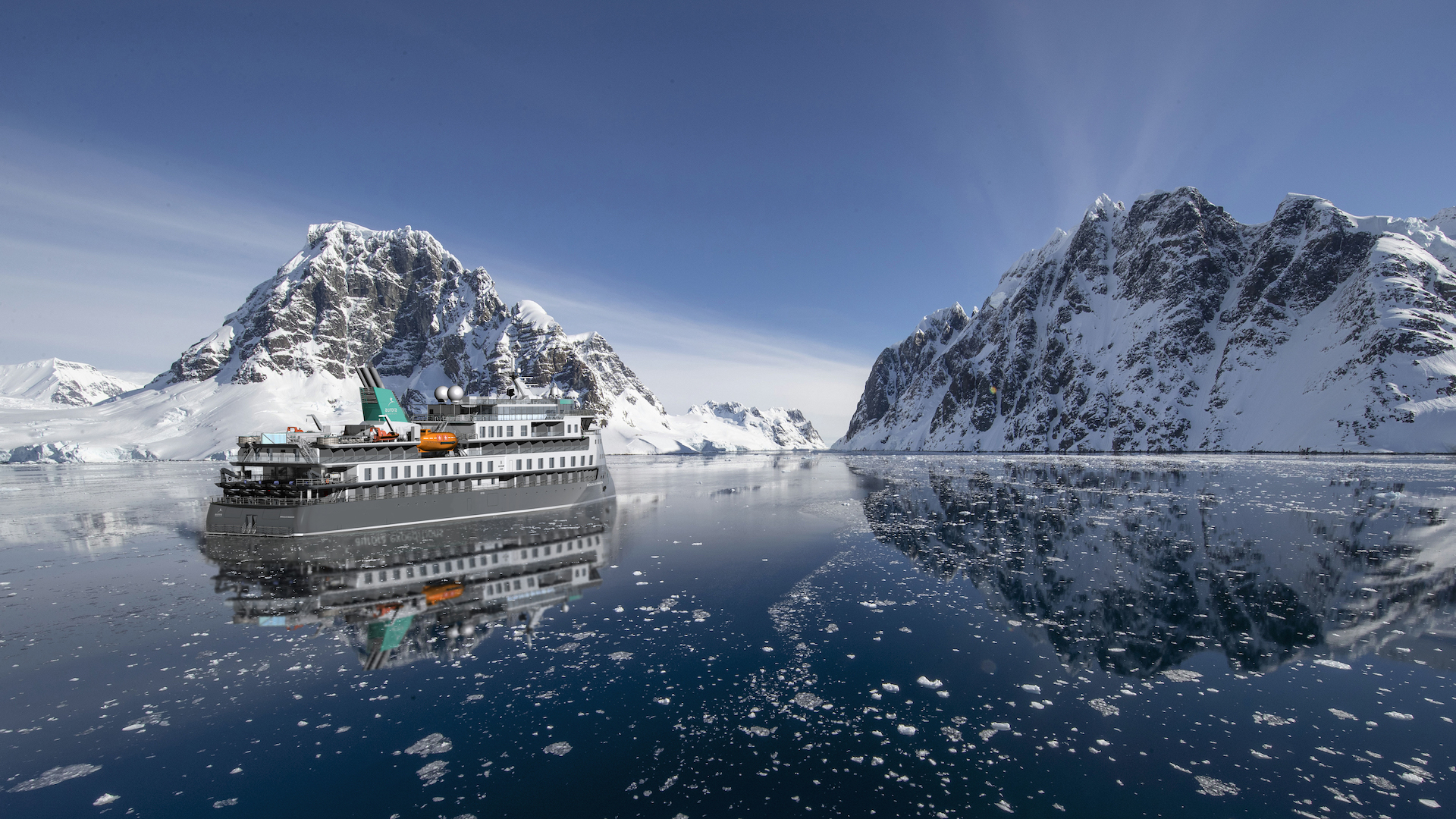
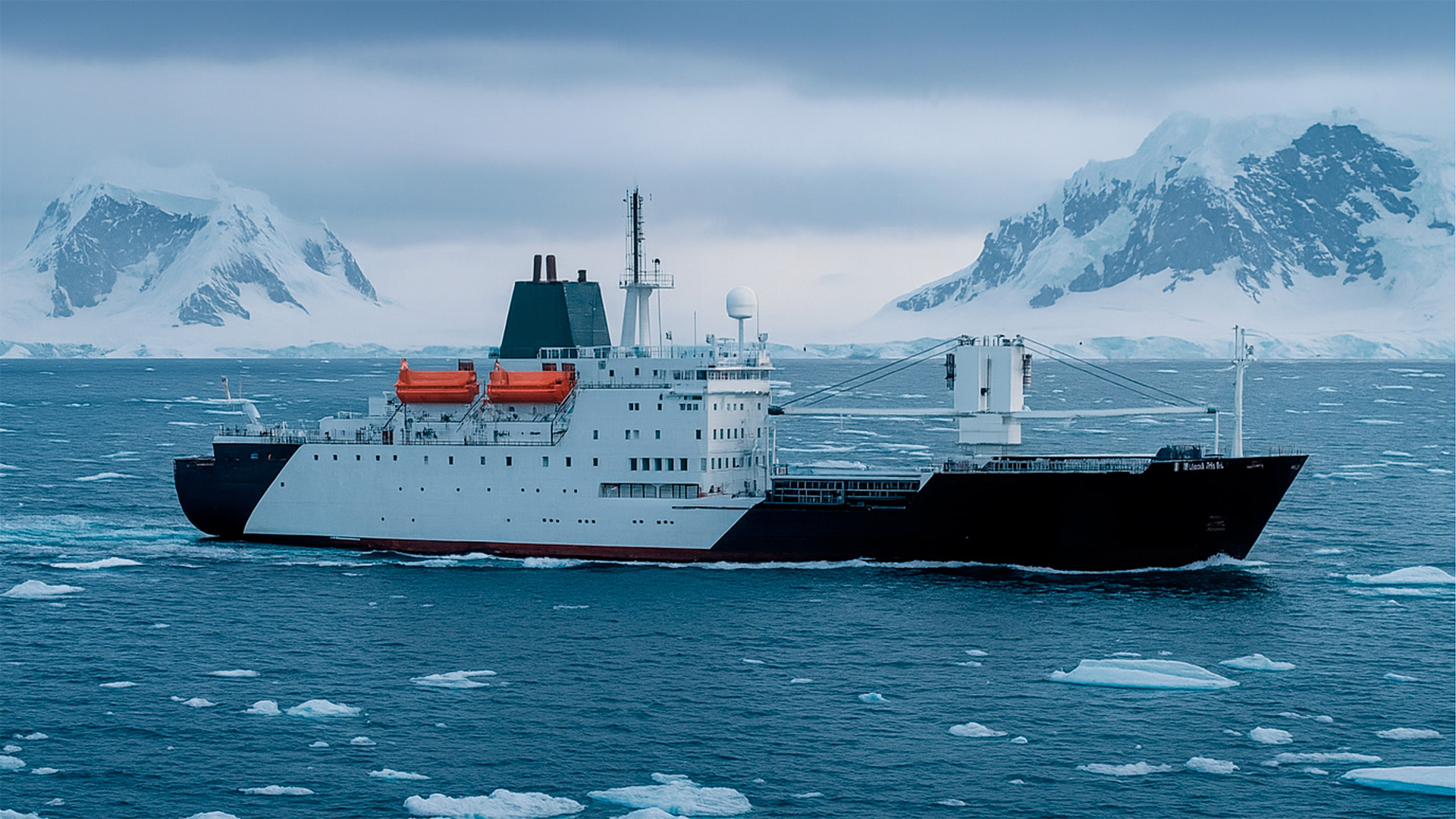
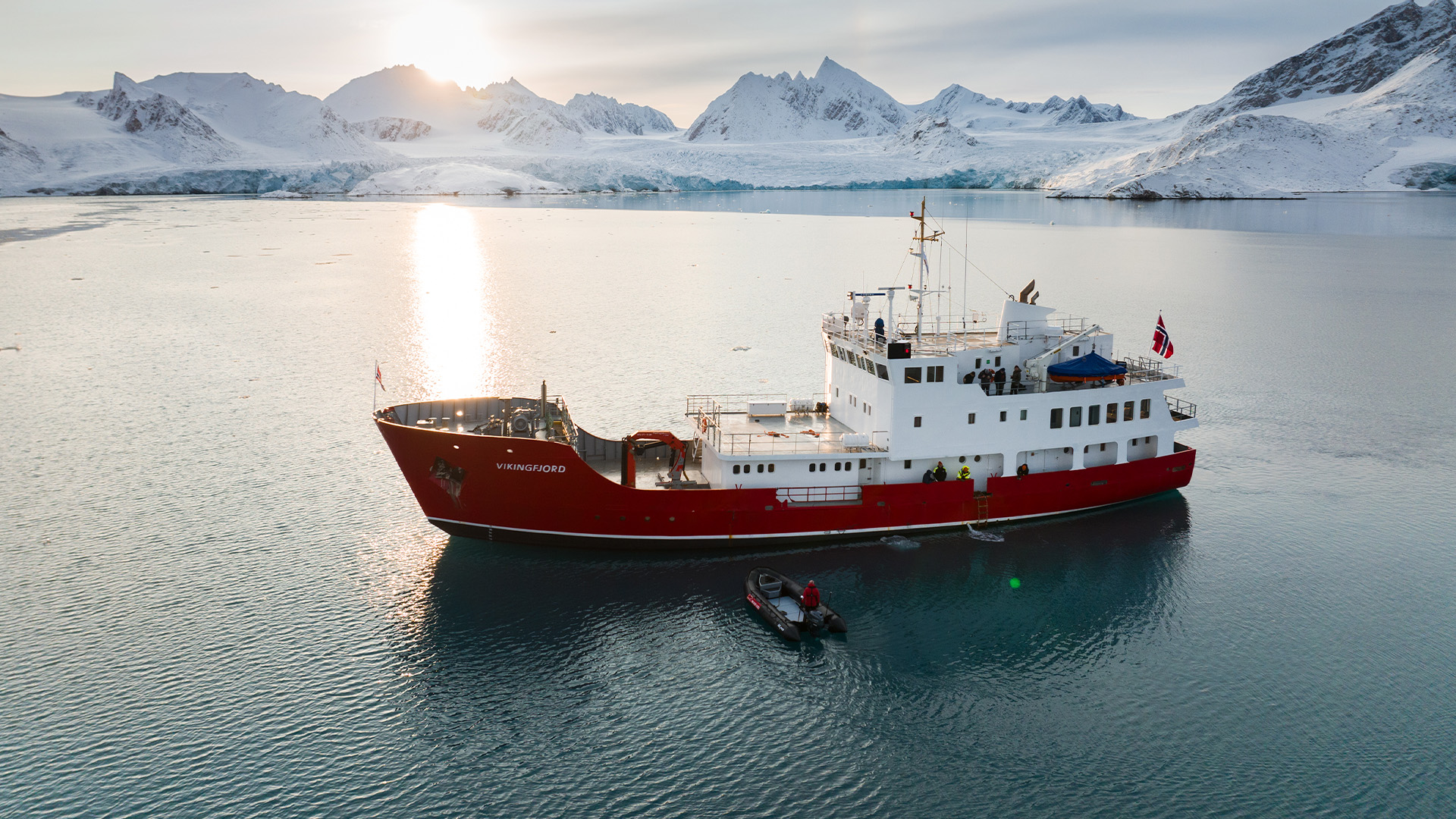
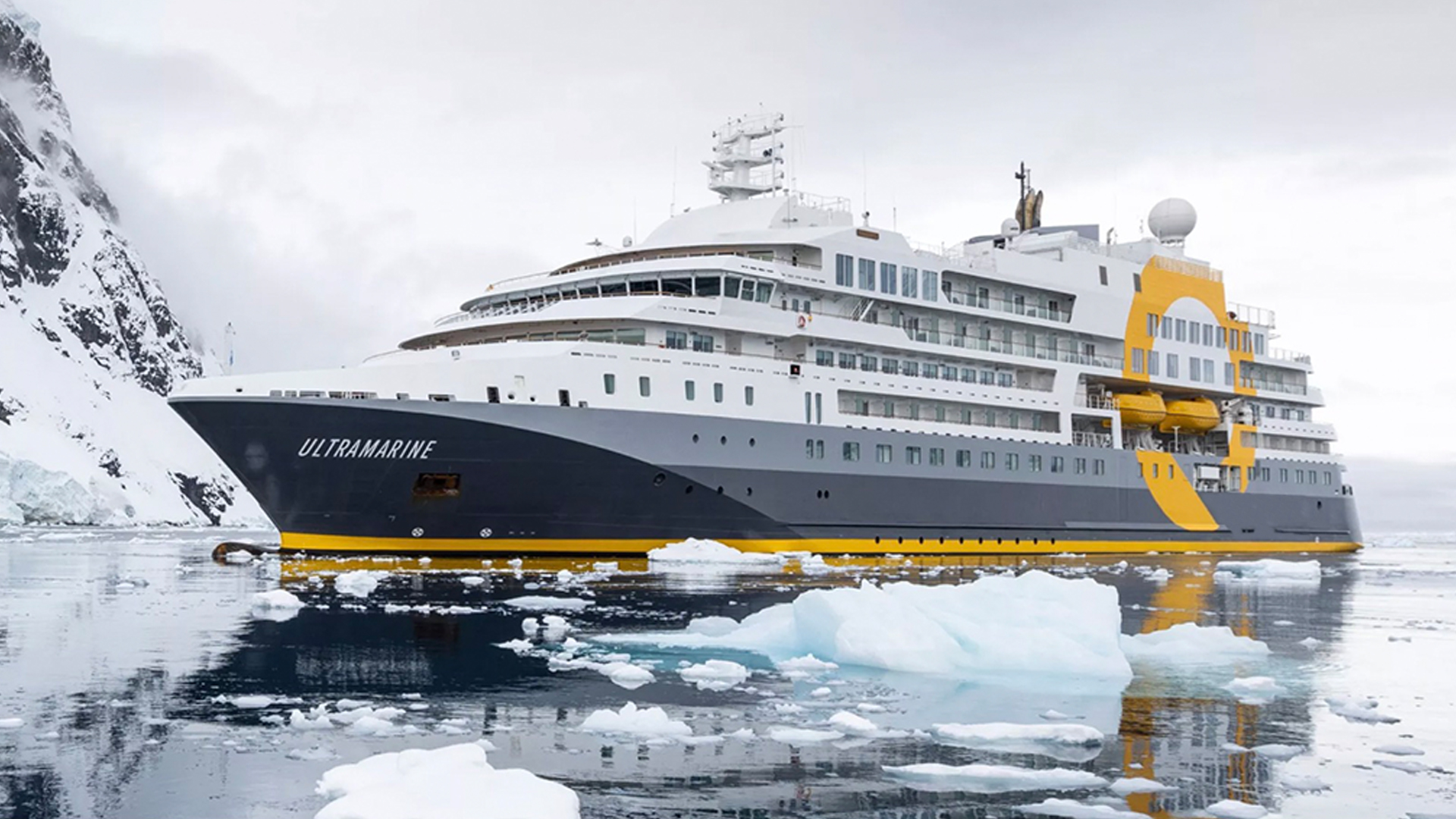
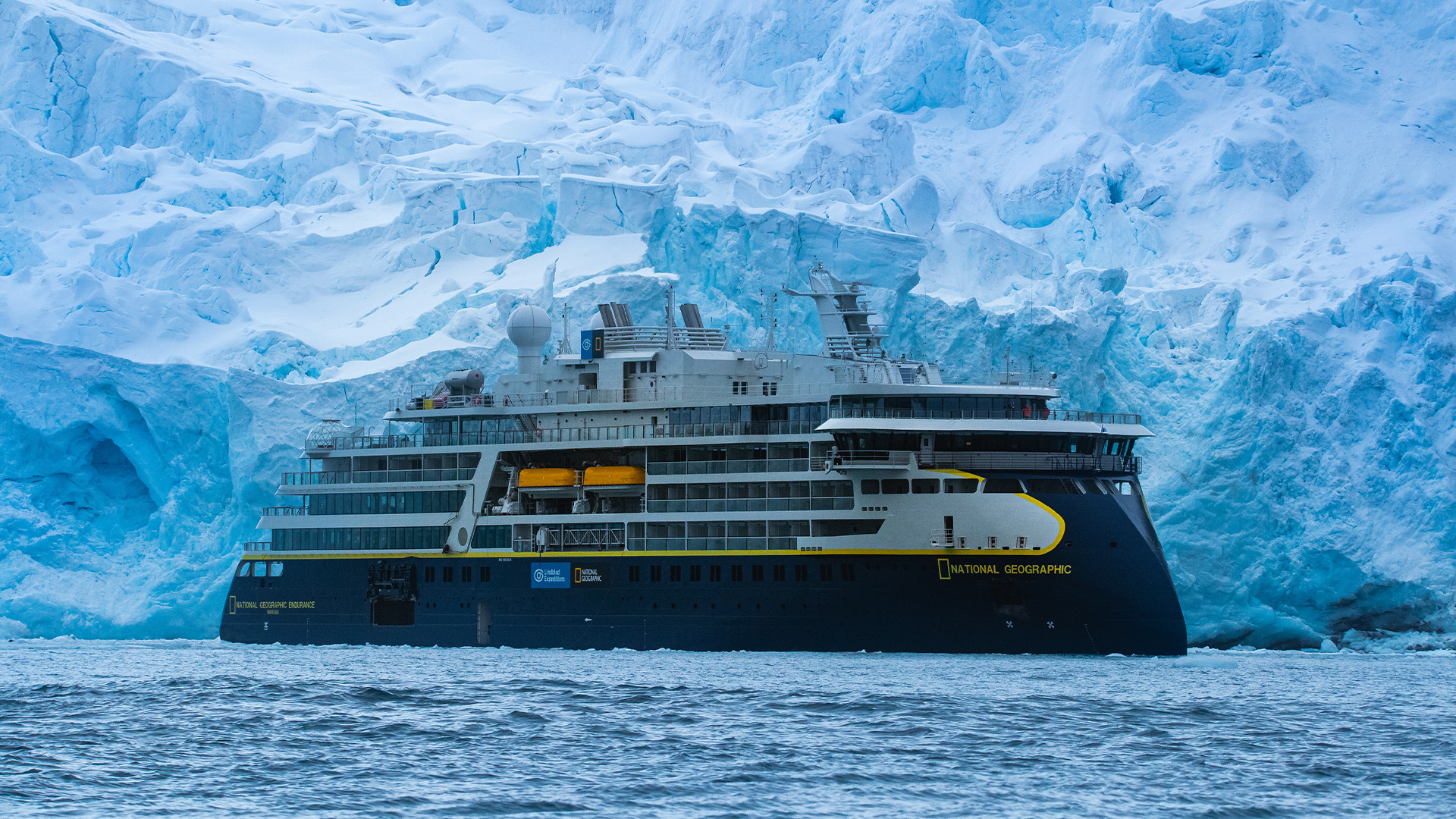
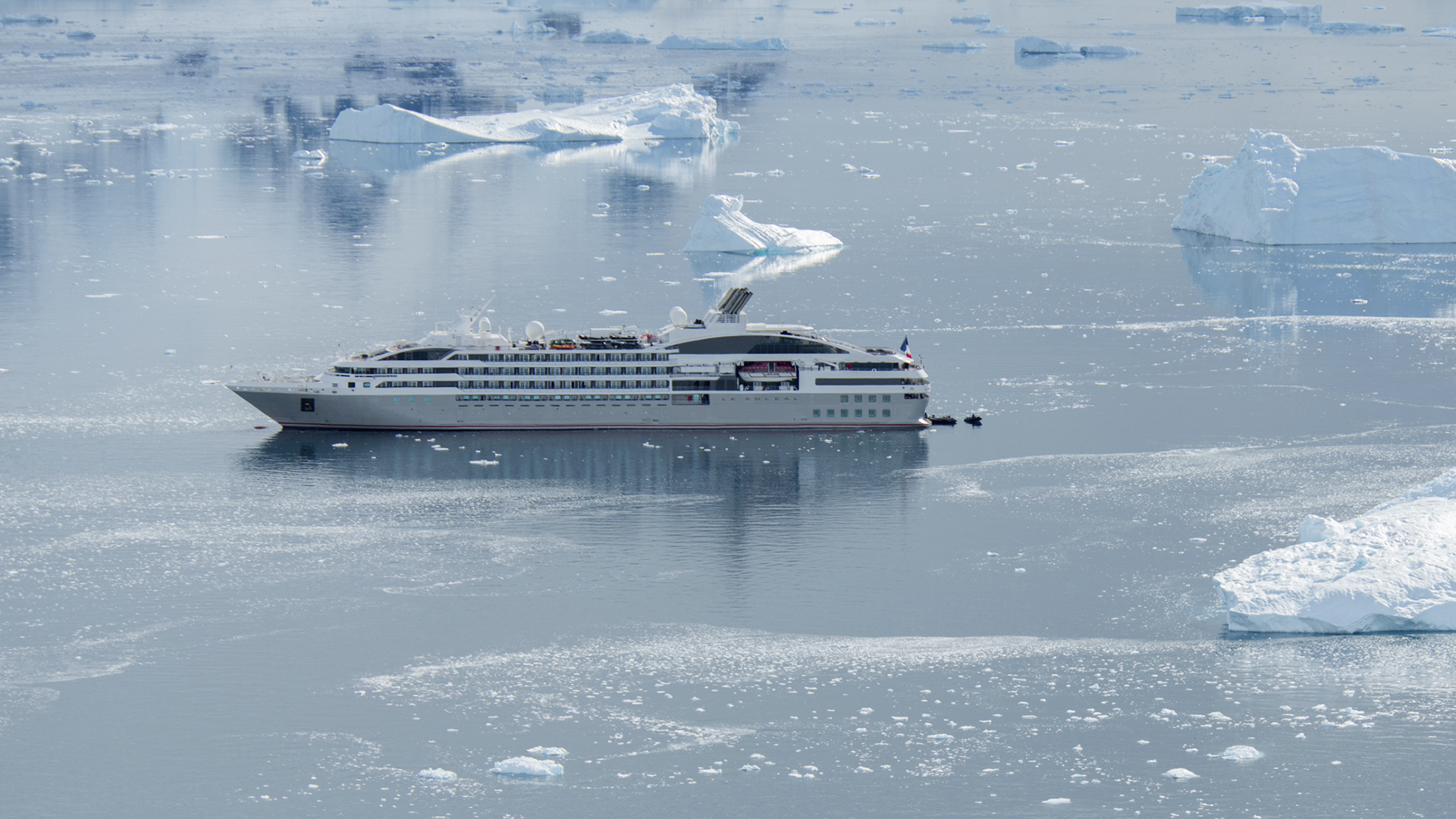
From restaurants in Greenland and the Canadian Arctic (including Indigenous-run establishments) to the onboard dining on boutique Arctic expedition cruises, a wonderful mingling of old-and-new, place-focused Far North flavors is yours to relish. The chefs on our curated voyages often put a spotlight on local ingredients, adding a magical gastronomic component to your exploration of the Arctic’s many dimensions!
From Parkas to High Fashion: The Inuit Clothing Legacy
Mastering the Ice: Inventions of the Arctic Peoples
Ice & Earth: The Architectural Genius of the Arctic Peoples
Kayak Origins: The Arctic Invention That Changed the World
Inuit Words For Snow & The Arctic’s Linguistic Diversity
Los mayores misterios y secretos ocultos de la Antártida al descubierto
La verdad sobre la Antártida: Mitos y leyendas desmentidos
Estaciones de Investigación en la Antártida: Las 8 Mejores Bases Antárticas
Amundsen y Scott: la carrera hacia el Polo Sur y su descubrimiento
Descargo de responsabilidad
Nuestras guías de viaje tienen únicamente fines informativos. Si bien nuestro objetivo es proporcionar información precisa y actualizada, Antarctica Cruises no hace ninguna representación en cuanto a la exactitud o integridad de cualquier información en nuestras guías o encontrado siguiendo cualquier enlace en este sitio.
Antarctica Cruises no puede y no aceptará responsabilidad por cualquier omisión o inexactitud, o por cualquier consecuencia derivada de ello, incluyendo cualquier pérdida, lesión o daño resultante de la visualización o uso de esta información.